

 1st - Gold
 January
  February
  March
March  April
April  May
May 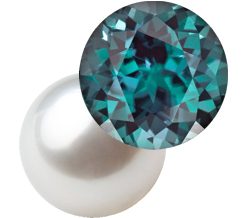 June
June 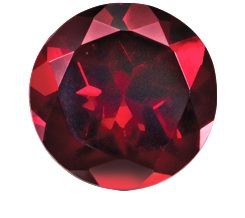 July
July 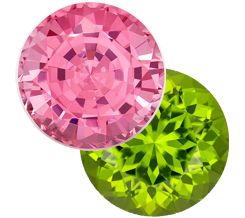 August
 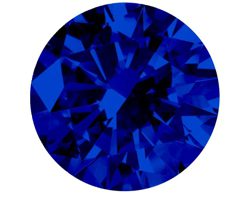 September
 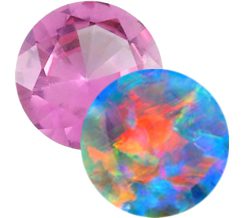 October
 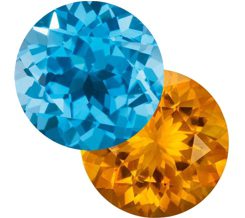 November
 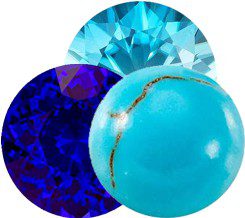 December
 Capricorn - Garnet
  Aquarius - Amethyst
  Pisces - Aquamarine
  Aries - Diamond
  Taurus - Emerald
  Gemini - Pearl
  Cancer - Ruby
  Leo - Peridot
  Virgo - Blue Sapphire
  Libra - Opal
  Scorpio - Topaz
  Sagittarius - Tanzanite


Morganite
Buyer’s Guide
Quality, Composition, Colour & Value Explained
Discover how colour, clarity, treatments and cut influence Morganite value, and learn what truly determines quality before choosing your ideal pink gemstone.
A complete professional Morganite Buyer’s Guide to understanding this gemstone’s quality, origin, treatments and value factors before purchasing.
History, Symbolism & Meaning of Morganite
Origins and Historical Use

Morganite is a relatively modern gemstone discovery compared to many historic gems. It was first identified in the early 20th century and quickly gained recognition for its delicate pink colour and exceptional clarity. The gemstone was named in honour of the American financier and gem collector J. P. Morgan, whose contributions to mineralogy and gemstone collections helped expand the scientific understanding of precious stones.
Although Morganite does not have the ancient history of gemstones such as emerald or ruby, it rapidly became popular in fine jewellery due to its romantic pastel colour and excellent transparency. Today it is considered one of the most beautiful pink gemstones available.
Ancient Beliefs and Spiritual Energy

Morganite is widely associated with love, compassion and emotional healing. In modern crystal traditions, it is believed to strengthen emotional balance and encourage kindness, patience and understanding.
Often connected to the heart chakra, Morganite is said to promote harmony in relationships and support emotional clarity. Many people regard it as a gemstone that symbolises unconditional love, forgiveness and inner peace.
Modern Symbolism and Collectibility

In modern jewellery, Morganite has become especially popular for engagement rings and romantic jewellery designs. Its soft blush tones complement rose gold beautifully and offer an elegant alternative to traditional gemstones.
Collectors appreciate Morganite for its impressive clarity and ability to occur in larger crystals. High-quality specimens with strong pink colour and good cutting are increasingly sought after in the global gemstone market.
Physical & Optical Properties
Explore Morganite’s Hardness, Lustre, Transparency, Refractive Index and Specific Gravity.
Understanding the gemological properties of Morganite helps determine durability, brilliance and long-term wear suitability.

Colour Range
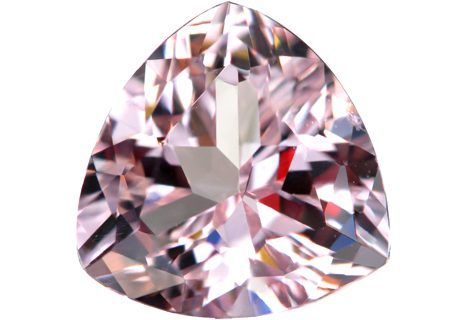
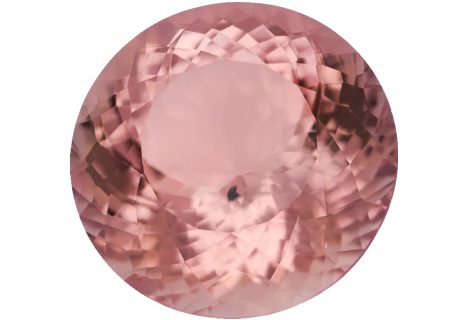
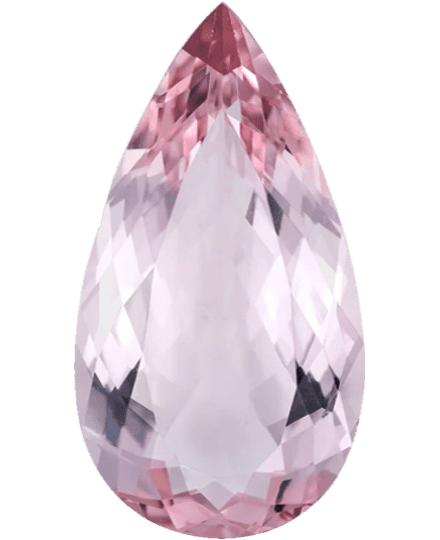
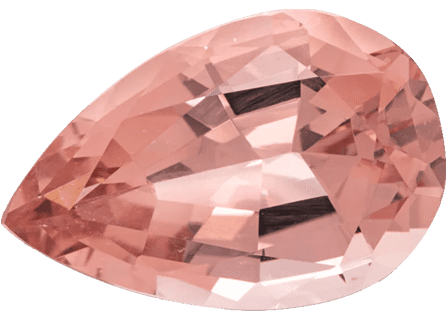
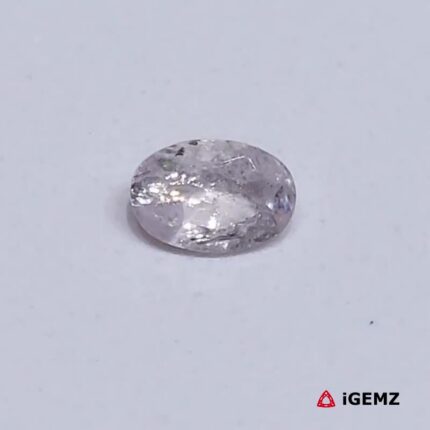
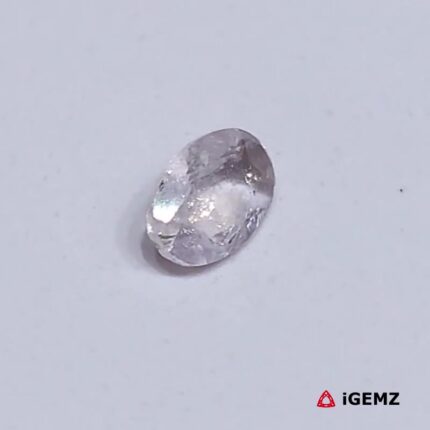
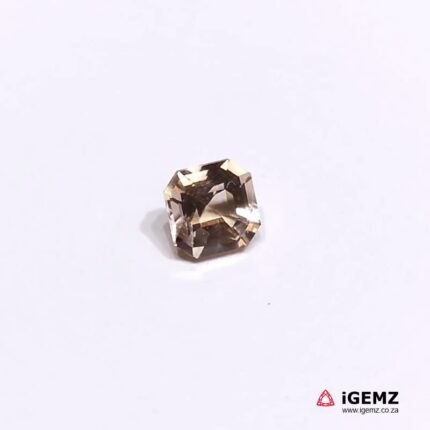
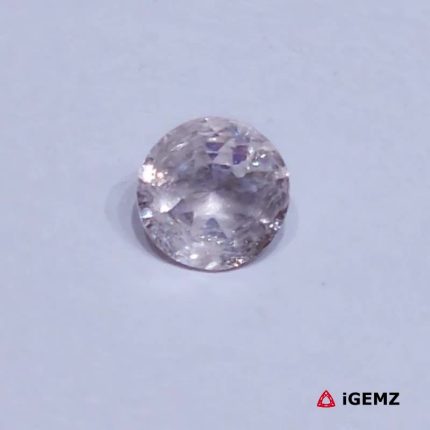
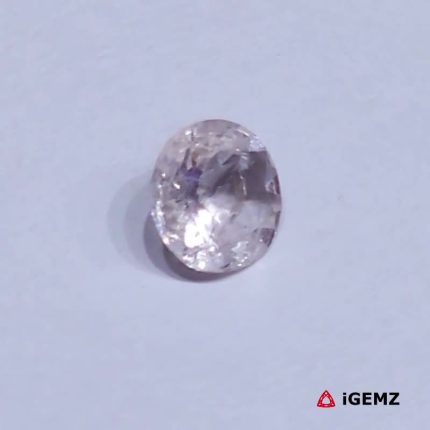
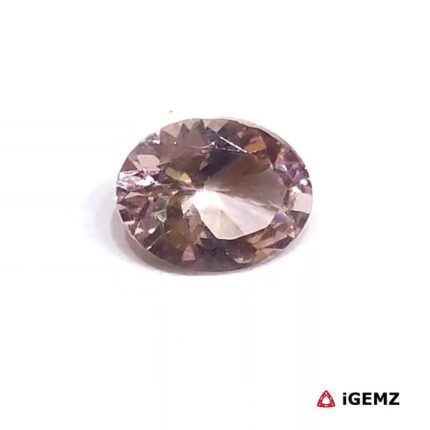
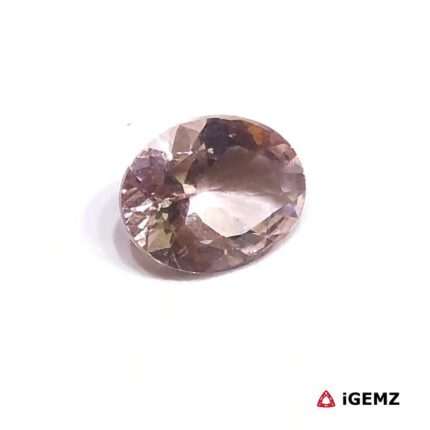
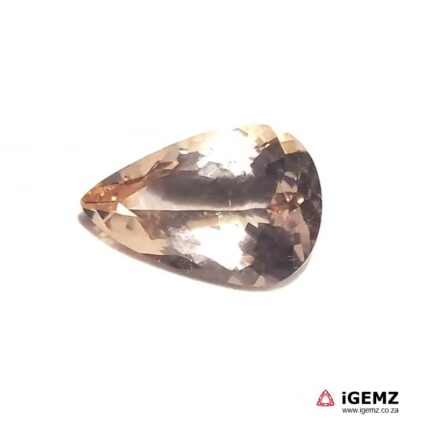
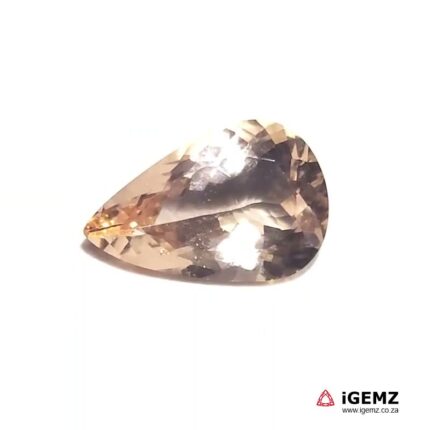
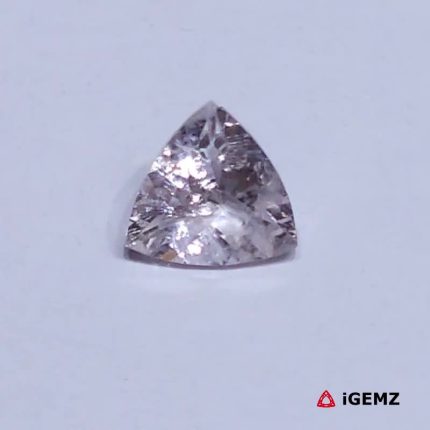
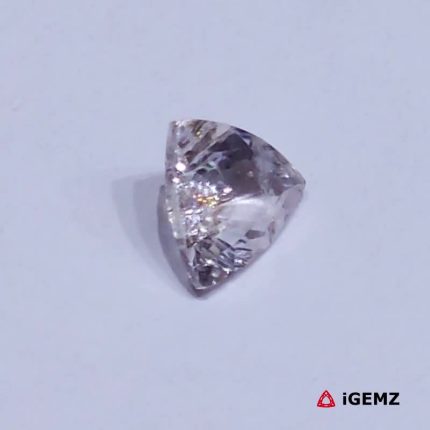
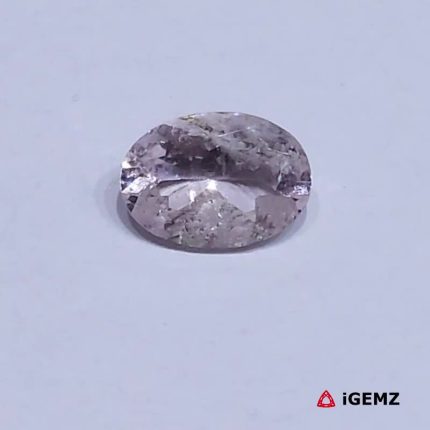
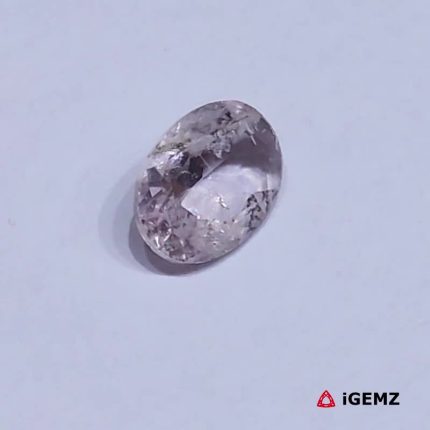
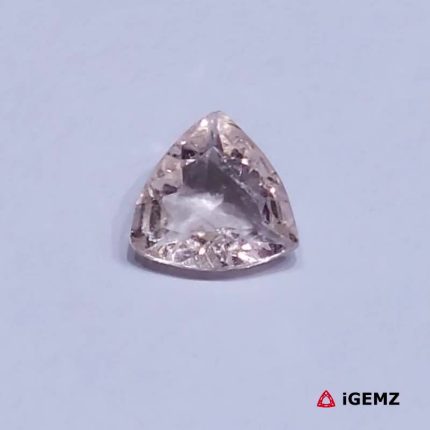
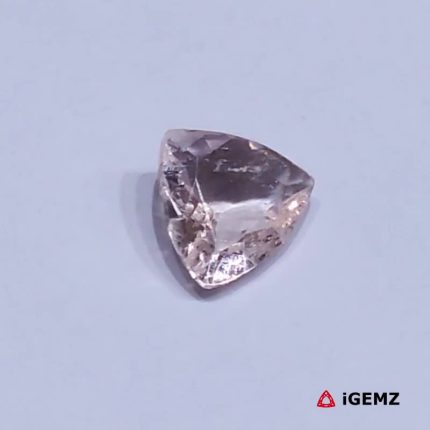
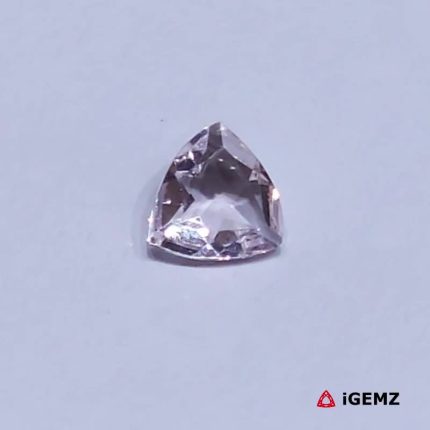
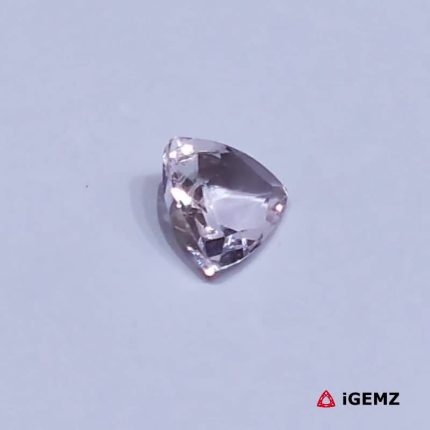
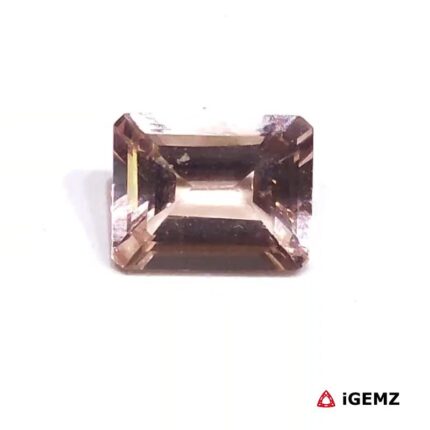
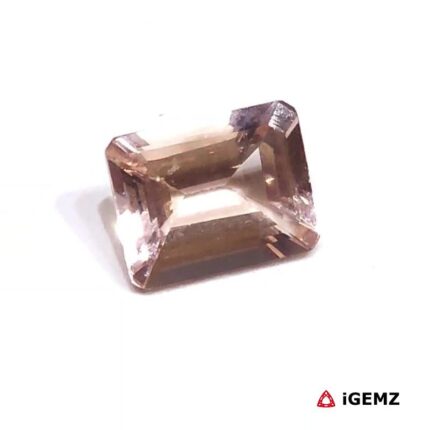
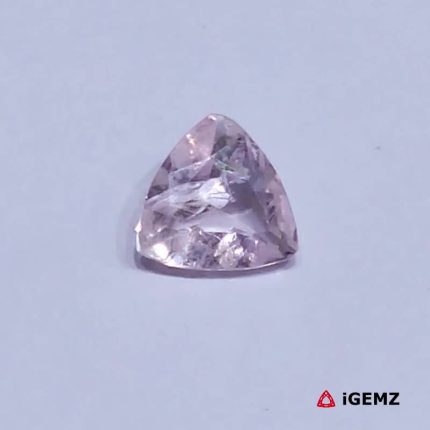
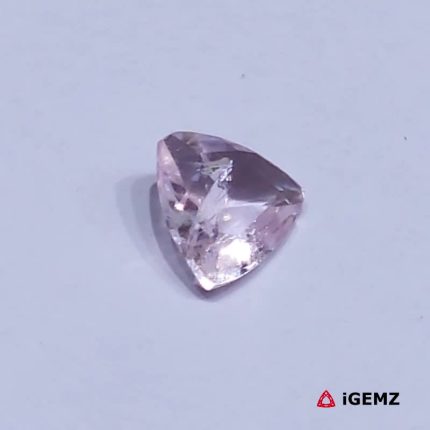
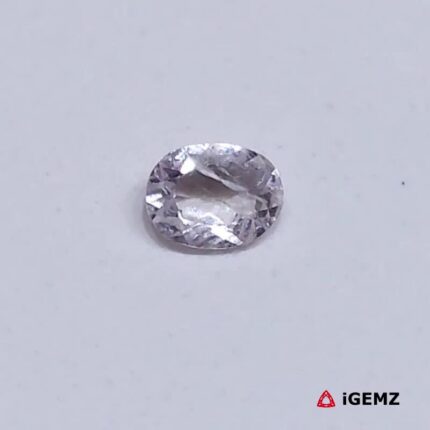
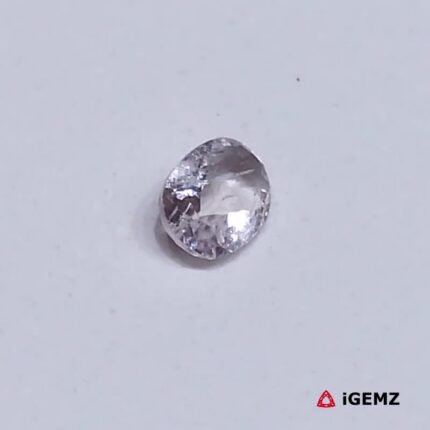
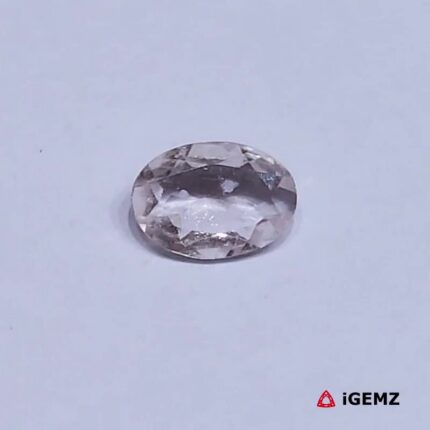
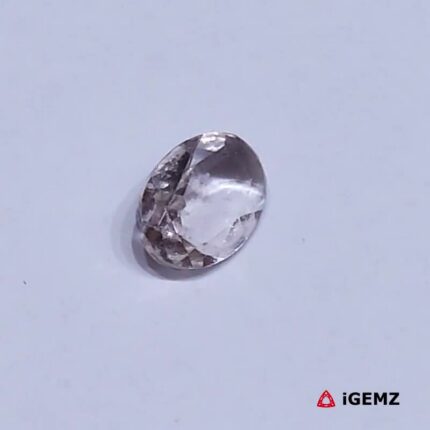
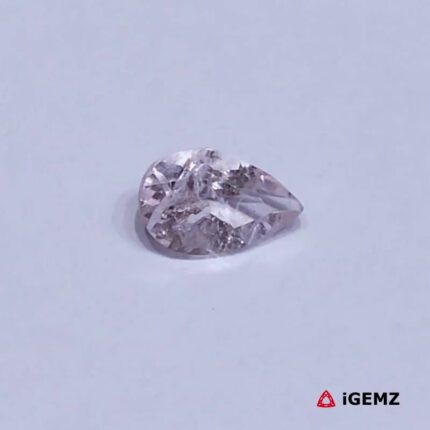
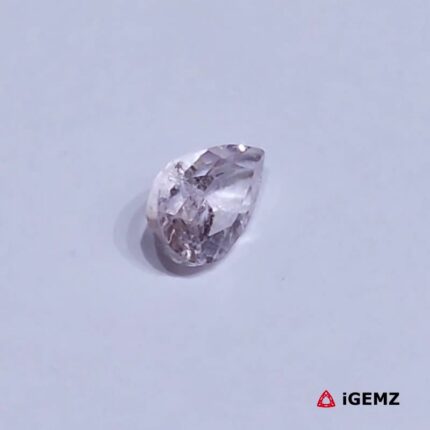
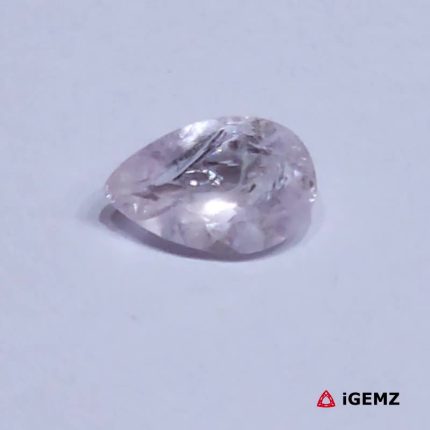
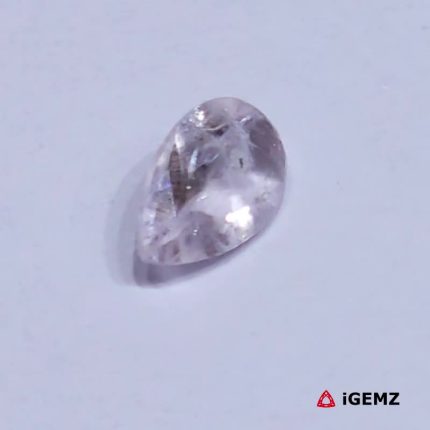
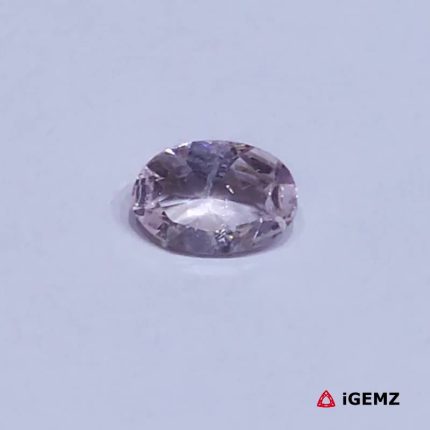
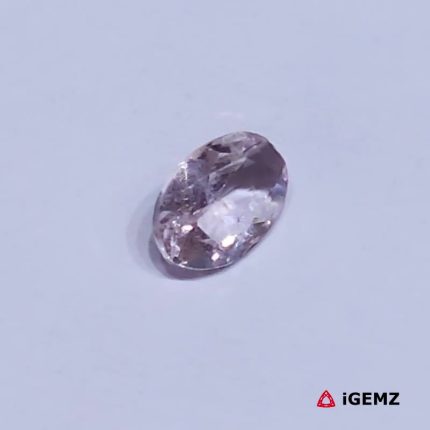
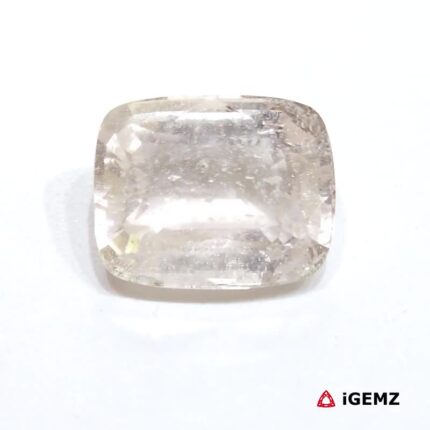
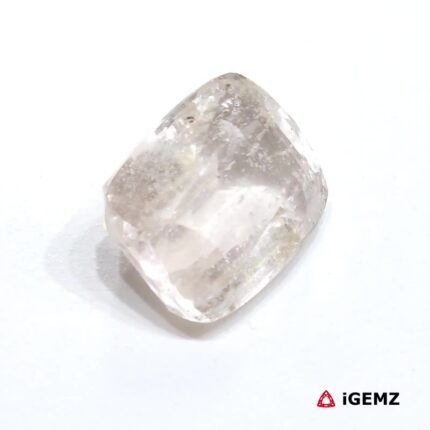
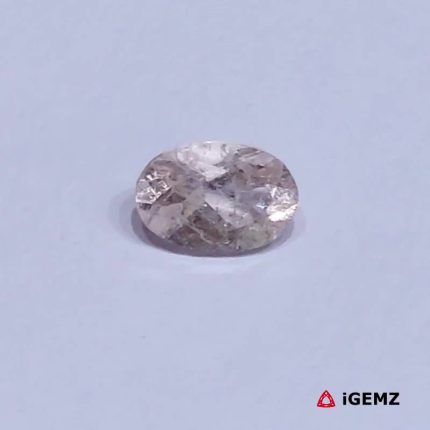
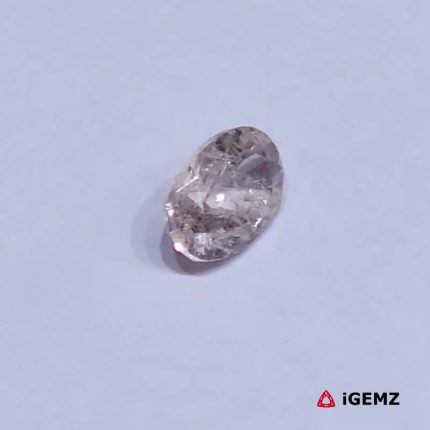
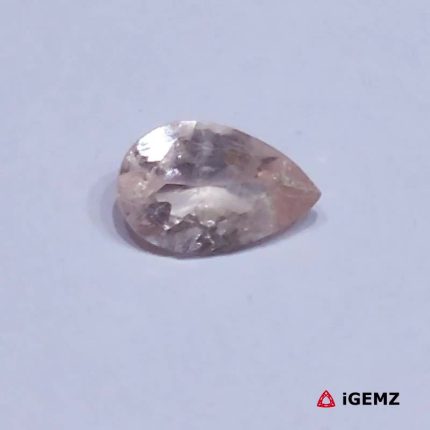
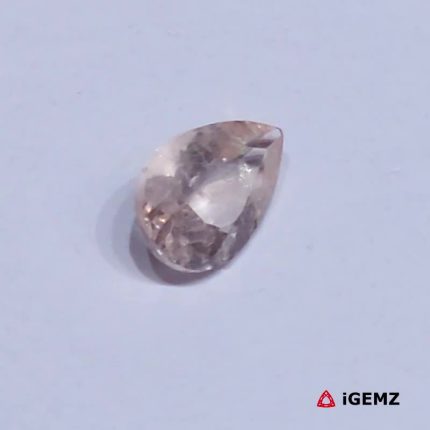
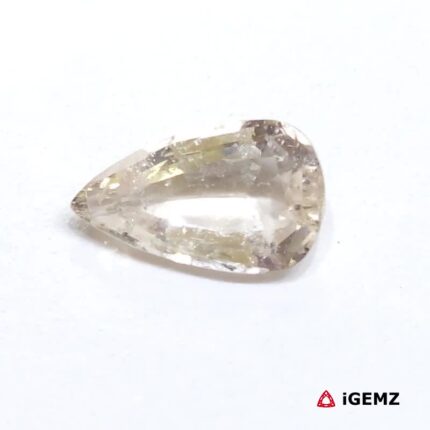
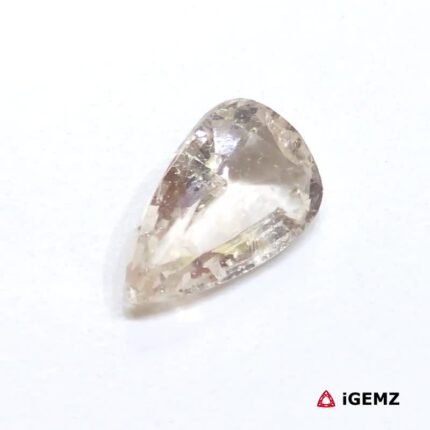
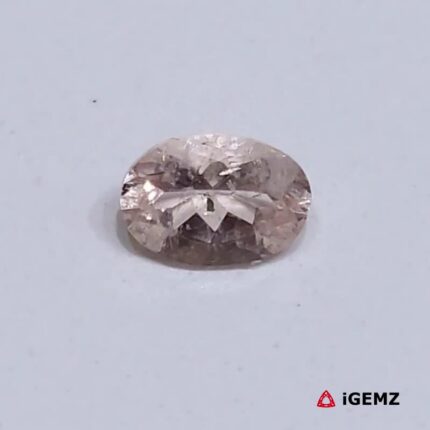
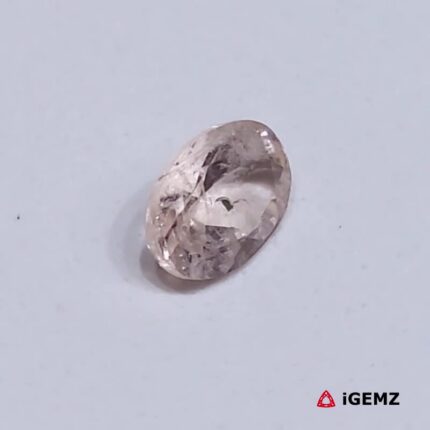
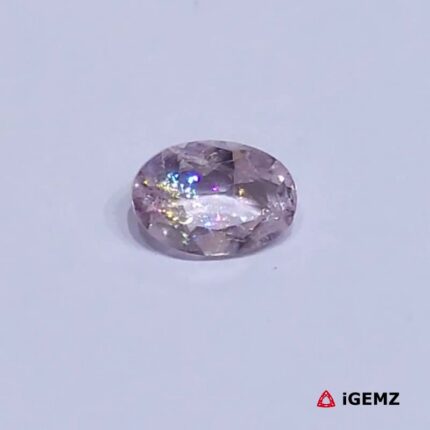
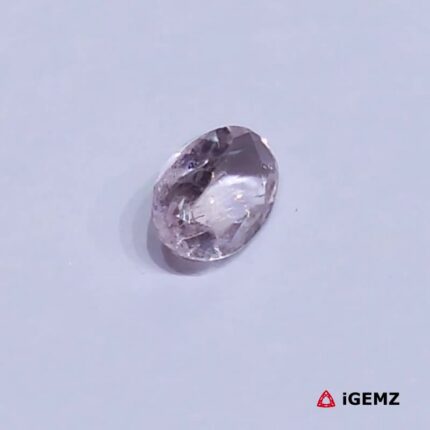
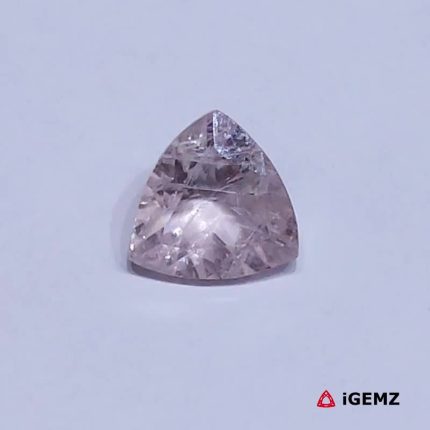
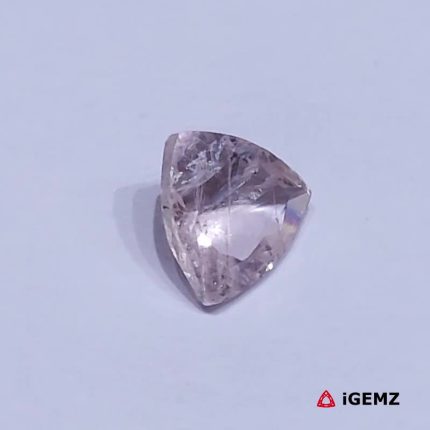
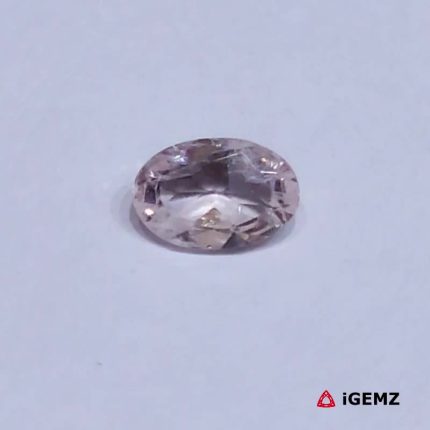
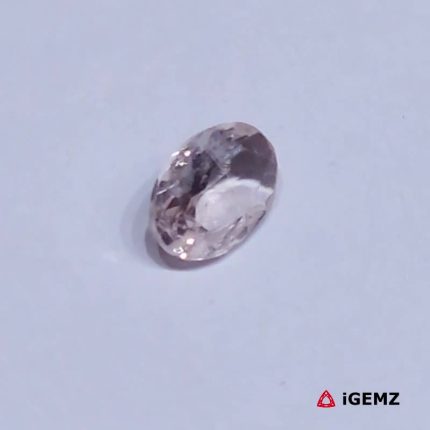
Morganite occurs in shades of: Soft pink, Peach-pink, Salmon pink, Light rose. The most valuable stones display a clean, medium pink colour with strong brilliance and minimal brown or orange tint.

Chemical Formula
Morganite has the Be₃Al₂Si₆O₁₈ chemical formula and belongs to the beryl mineral group. Trace elements such as manganese produce the gemstone’s distinctive pink colour.

Composition
Beryllium, Aluminium & Silicon – trace elements (manganese) create the pink colour.

Refractive Index
1.565 – 1.602, providing bright brilliance and good light return.

Lustre
Vitreous, producing a clear glass-like sparkle when well polished.

Moh's Hardness & Durability
Morganite has a Mohs hardness of 7.5 – 8, making it suitable for rings, pendants and earrings. It has good durability for everyday jewellery when properly set.

Crystal System
Its crystal system is hexagonal, forming prismatic crystals similar to other beryl gemstones such as emerald and aquamarine.

Transparency
Transparent to translucent, with most gem-quality stones displaying excellent clarity.

Mineral Family
Morganite belongs to the beryl (cyclosilicate) mineral family.

Specific Gravity
2.71 – 2.90, typical of beryl gemstones.
Origin, Treatment & Care
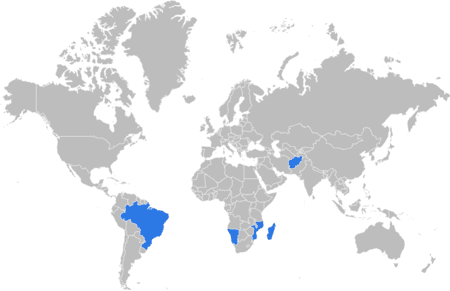
Morganite is the pink variety of beryl and is valued for its attractive colour and excellent clarity. Like other gemstones in the beryl family, it forms in pegmatite deposits under specialised geological conditions. With proper care, Morganite jewellery can remain beautiful and durable for generations.

Major Origins
Major sources of Morganite include Brazil, Madagascar, Mozambique, Afghanistan and Namibia. Brazil and Madagascar are among the most significant producers of gem-quality material.

Treatments
Morganite is often gently heat treated to remove yellow or orange undertones and enhance the pure pink colour. This treatment is stable, permanent and widely accepted within the gemstone industry.

Care and Cleaning
Morganite should be cleaned using warm water, mild soap and a soft brush. Avoid harsh chemicals and sudden temperature changes. Store separately from harder gemstones to prevent scratches.
How Morganite Quality & Value Are Determined
Understanding how Morganite is graded helps you compare gemstones confidently and recognise genuine quality. Like most fine gemstones, value is influenced by four primary factors: colour, clarity, cut and carat weight. When these characteristics combine successfully, the result is a gemstone with exceptional brilliance and visual appeal.
Colour
Colour is the most important factor in determining Morganite value. The finest stones display a soft yet noticeable pink hue without appearing too pale. High-quality Morganite typically shows:
- A delicate to medium pink hue
- Even colour distribution throughout the stone
- Minimal brown or orange undertones
- Strong brightness and transparency
Very pale stones may appear almost colourless, while stones with strong orange tones may be less desirable. The most valuable Morganite gemstones display a pure, elegant pink colour.
Clarity
Morganite is known for its excellent clarity compared with many other gemstones. High-value stones are typically:
- Eye-clean with no visible inclusions
- Transparent with strong light transmission
- Free from surface fractures
- Free from scratches or polishing marks
Because Morganite crystals often grow relatively clean, noticeable inclusions can significantly reduce value.
Cut
Cut strongly influences how Morganite reflects light and displays its colour. A well-cut gemstone improves brilliance, symmetry and balance. Important cut considerations include:
- Accurate facet alignment
- Good symmetry
- Proper depth and proportions
- Even polish across all facets
Poor cutting can make the colour appear weak or reduce sparkle. Expert cutting enhances the gemstone’s soft glow and elegance.
Carat Weight
Morganite commonly forms in large crystals, meaning larger gemstones are more readily available than in many other gem varieties. However, high-quality stones with strong colour still increase in value as size grows.
When comparing stones:
- A smaller stone with richer colour may be worth more than a larger pale stone
- Larger stones should maintain consistent colour saturation
- Stones above 5–10 carats with good colour are especially desirable
Collectors often favour larger Morganite gemstones that combine attractive colour with excellent clarity.
The Balance of the Four Factors
True value is determined by how colour, clarity, cut and carat weight work together.
A premium Morganite gemstone should display:
- Eye-clean clarity
- Precise, symmetrical cutting
- Soft yet visible pink colour
- Proportional size with strong brilliance
When these qualities align, Morganite becomes an elegant gemstone with lasting beauty and strong jewellery appeal.
International Pricing Trends – per carat
Understanding Morganite pricing trends helps buyers evaluate gemstones confidently. Morganite remains relatively affordable compared with many precious gemstones, although price rises with stronger colour and larger sizes. Stones above several carats are common, but deeply coloured material is rarer. The price-per-carat table below reflects typical international pricing for good-quality Morganite.
Estimated Average International Morganite Prices (Good Quality) – Per Carat
| Weight | ZAR | USD | EUR | JPY | GBP | AUD | CAD | CHF | CNY | HKD | NZD | Market Signal |
|---|---|---|---|---|---|---|---|---|---|---|---|---|
| Under 1 carat | Size is widely available | |||||||||||
| 1 - 2 carat | Increasingly popular | |||||||||||
| 2 - 3 carats | Strong demand | |||||||||||
| 3 - 4 carats | Remain desirable | |||||||||||
| 4 - 6 carats | Scarcer in larger sizes | |||||||||||
| 6 - 8 carats | Exceptional stones |

Frequently Asked Questions
Is Morganite a natural gemstone?
Yes. Morganite is the pink variety of the mineral beryl and forms naturally in pegmatite deposits.
Is Morganite suitable for engagement rings?
Yes. With a Mohs hardness of 7.5–8, Morganite is durable enough for engagement rings when set securely.
Why are many Morganite gemstones heat treated?
Heat treatment is commonly used to remove yellow or orange tones and enhance the gemstone’s pink colour. The treatment is permanent and widely accepted.
What colour Morganite is most valuable?
The most valuable Morganite gemstones display a clean, medium pink colour with strong transparency and minimal orange or brown undertones.
Where is Morganite mined?
Major sources include Brazil, Madagascar, Mozambique, Afghanistan and Namibia.
Does Morganite occur in large sizes?
Yes. Morganite crystals can grow quite large, meaning gemstones of several carats are relatively common compared to many other coloured gemstones.

Buy With Confidence
Professionally inspected gemstones
Full transparency on treatments
Worldwide shipping
Secure checkout
Ready to own the beauty of
MORGANITE?
Now that you understand the history, symbolism and quality factors behind Morganite, the natural next step is to secure your own gemstone. Admired for its romantic blush-pink colour and remarkable clarity, Morganite offers elegance, durability and timeless appeal.
Whether set in rings, pendants or custom jewellery designs, Morganite delivers gentle beauty and excellent value. Combining soft colour, impressive brilliance and growing popularity, Morganite is a refined addition to any fine gemstone collection.
Romantic Pink
Gentle Energy
Elegant Brilliance
COMPARE GEMSTONES WITH CONFIDENCE
Gemstone Comparison Guides
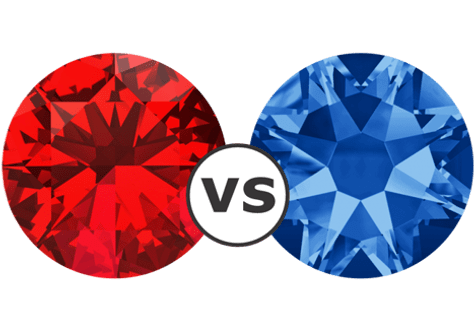
Choosing between two beautiful gemstones can be challenging. Our professional Gemstone Comparison Guides help you clearly understand the differences between popular gemstones so you can make a confident and informed choice.
Each comparison explores the key factors that influence gemstone quality and value, including colour, clarity, durability, rarity and typical treatments. You will also learn how similar-looking gemstones differ in appearance, composition, hardness and more.
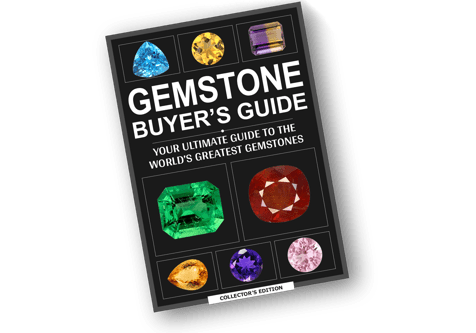
HERE IS ALL THE PROFESSIONAL INFORMATION YOU NEED
Gemstone Buyer's Guides
Buying a gemstone should be exciting — but understanding quality, rarity and value is essential before making the right choice. Our professional Gemstone Buyer’s Guides help you understand how colour, clarity, cut and treatments influence the beauty and value of different gemstones.
Each guide explains the key quality factors used by gemologists, including gemstone composition, colour grading, natural inclusions, treatments and origin. You will also learn how these factors affect rarity, durability and market value.
Beryl Family
Feldspar Gemstones
Pyroxene Gemstones
Spodumene Family
Chalcedony & Agate
Quartz Gemstones
Amethyst
Ametrine
Citrine
Prasiolite
Quartz
Rose Quartz
Rutile Quartz
Smoky Quartz
Rare & Collector Gemstones
Apatite
Chrysoberyl
Clinozoisite
Fluorite
Grandidierite
Iolite
Jade
Kyanite
Lapis Lazuli
Phosphosiderite
Prehnite
Serendibite
Sillimanite
Sphene
Sugilite
Vesuvianite