


 1st - Gold
 January
  February
 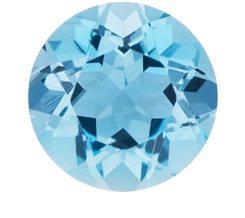 March
March 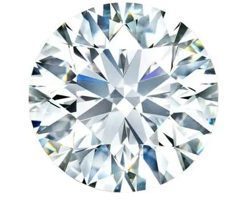 April
April 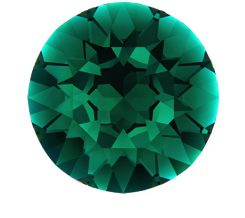 May
May 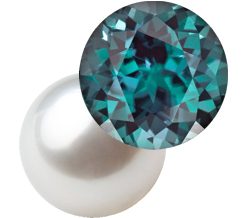 June
June 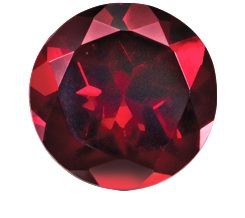 July
July 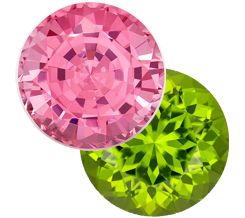 August
 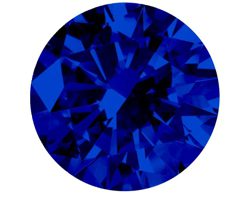 September
 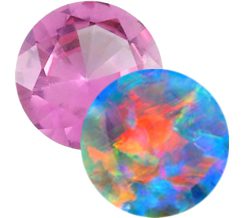 October
 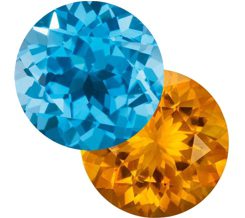 November
 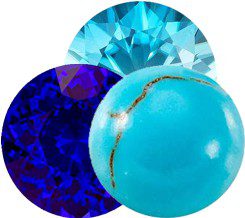 December
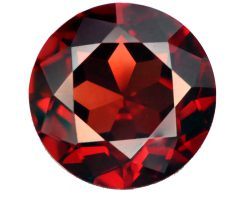
 Capricorn - Garnet
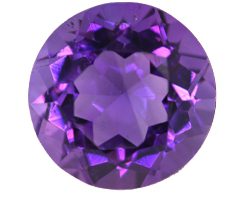
  Aquarius - Amethyst
  Pisces - Aquamarine
  Aries - Diamond
  Taurus - Emerald
  Gemini - Pearl
  Cancer - Ruby
  Leo - Peridot
  Virgo - Blue Sapphire
  Libra - Opal
  Scorpio - Topaz
  Sagittarius - Tanzanite



Diamond
Buyer’s Guide
Quality, Composition, Colour & Value Explained
Discover how colour, clarity, treatments and cut influence diamond value, and learn what truly determines quality before choosing your ideal gemstone.
A complete professional Diamond Buyers Guide to understanding this gemstone’s quality, origin, treatments and value factors before purchasing. Includes black diamonds and other fancy colour varieties.
History, Symbolism & Meaning of Emerld
Origins and Historical Use

Diamonds have captivated humanity for millennia and are among the most enduring symbols of luxury, strength and wealth. Ancient civilisations, including Indians, Romans and Egyptians, valued diamonds for their unparalleled hardness and brilliance. India was the first known source of diamonds, supplying stones for trade and royal adornment.
The name “diamond” comes from the Greek adamas, meaning “unconquerable” — a fitting reflection of its hardness and lasting beauty. Over centuries, diamonds became closely associated with love, commitment and status, particularly through engagement and royal jewellery.
Ancient Beliefs and Spiritual Energy

Diamonds were long believed to possess protective and healing powers. Ancient lore suggested they could ward off evil, increase strength and enhance courage. Philosophers and mystics considered diamonds a symbol of purity, clarity, and spiritual enlightenment.
Modern spiritual interpretations also associate diamonds with the crown chakra, supporting clarity of thought, insight, and manifestation of intentions.
Modern Symbolism and Collectibility

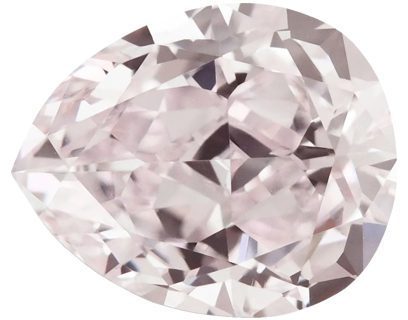
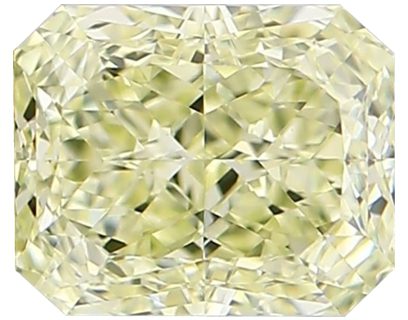
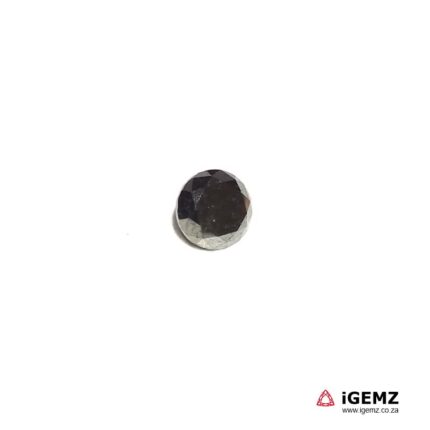
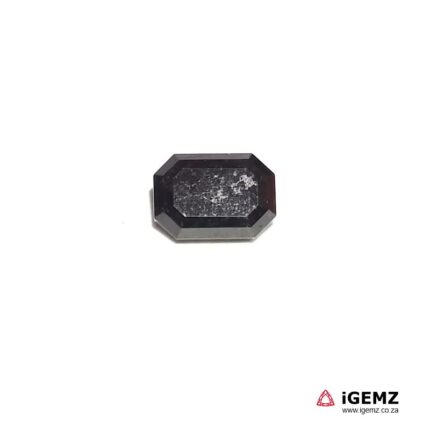
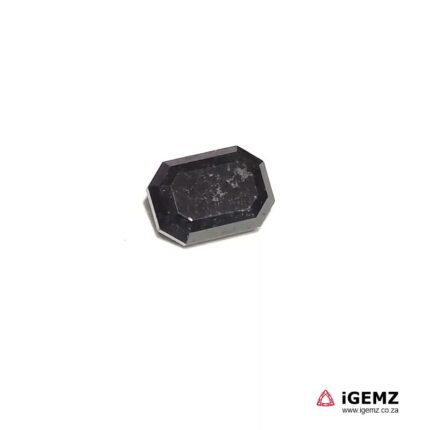
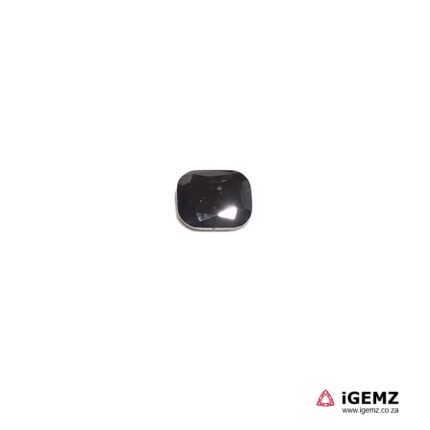
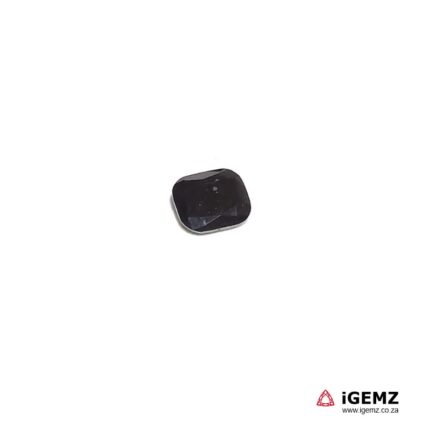
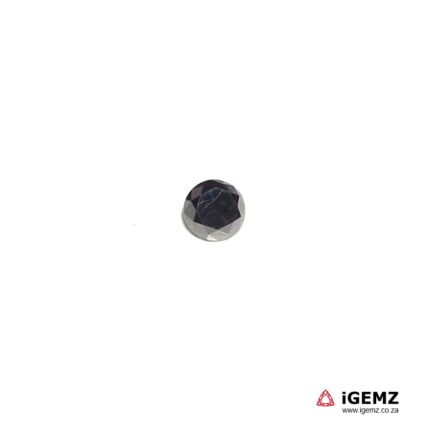
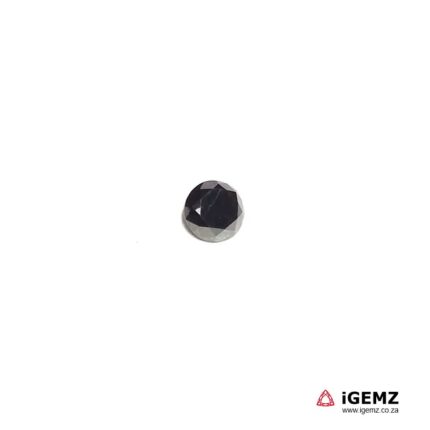
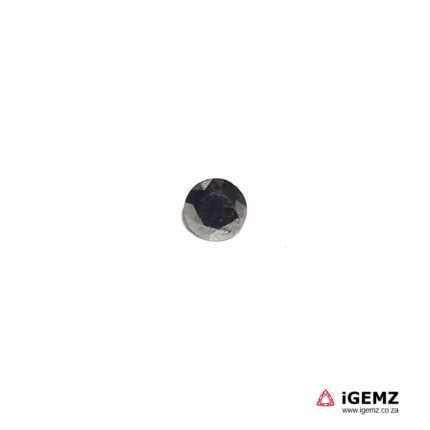
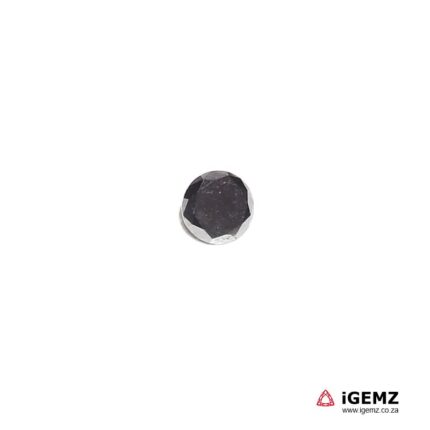
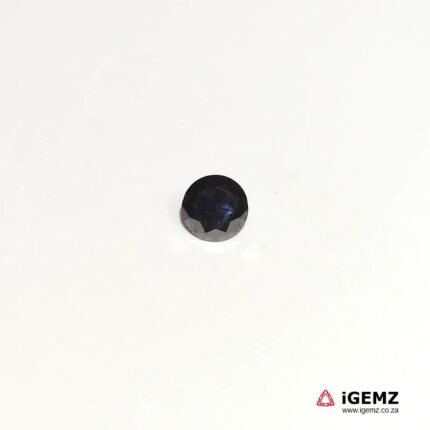
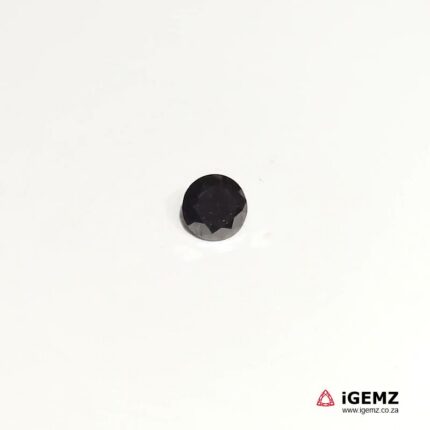
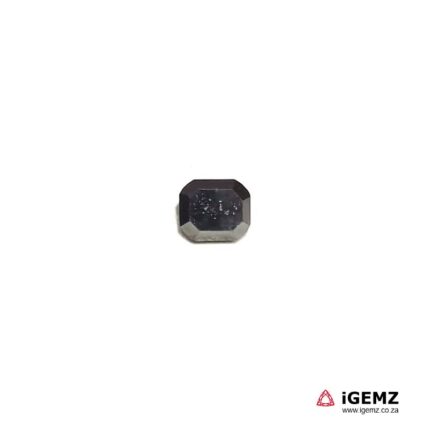
Today, diamonds are regarded as the ultimate symbol of elegance, wealth and enduring love. While traditional white diamonds dominate the market, black diamonds and coloured varieties such as yellow, pink and blue are increasingly popular with collectors and designers.
High-quality diamonds remain a top choice for investment and luxury jewellery, prized for their rarity, brilliance, and timeless appeal.
Physical & Optical Properties
Explore Diamond’s Hardness, Lustre, Transparency, Refractive Index and Specific Gravity.
Understanding diamond properties is essential for assessing durability, sparkle and long-term value.

Colour Range
Diamonds occur in a wide spectrum:
Colourless to near-colourless (D – J)
Fancy colours: Yellow, Pink, Blue, Green, Red
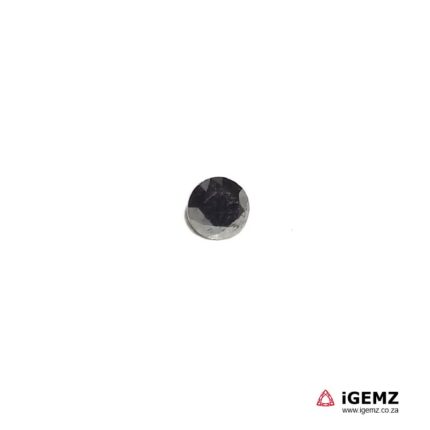
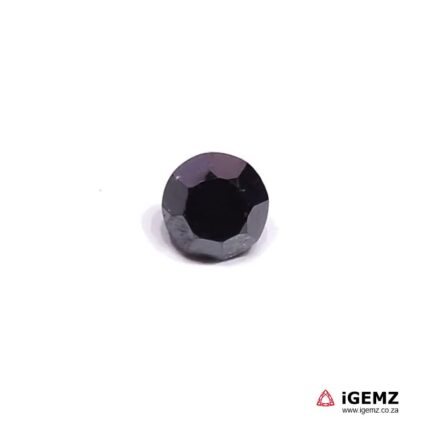
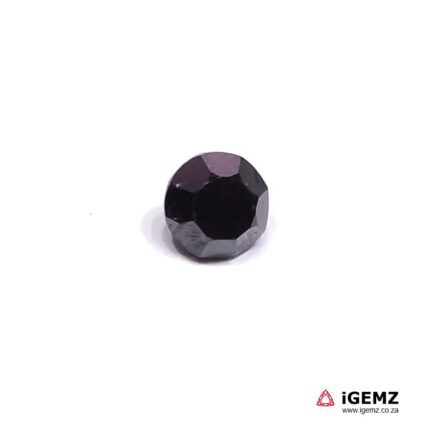
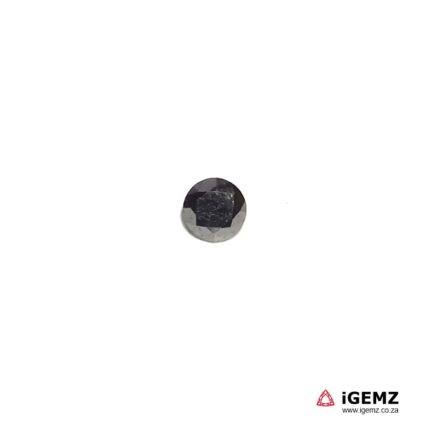
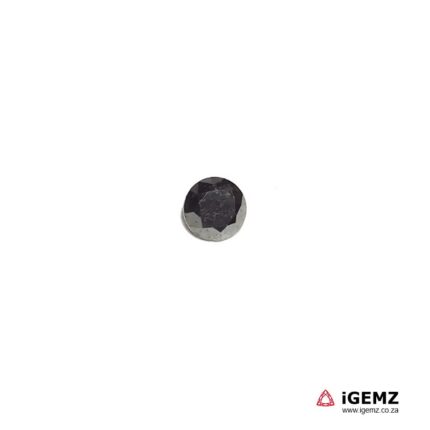
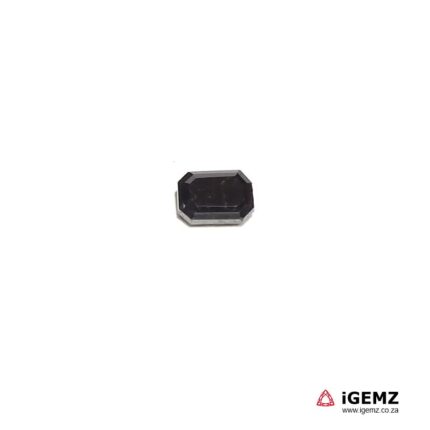
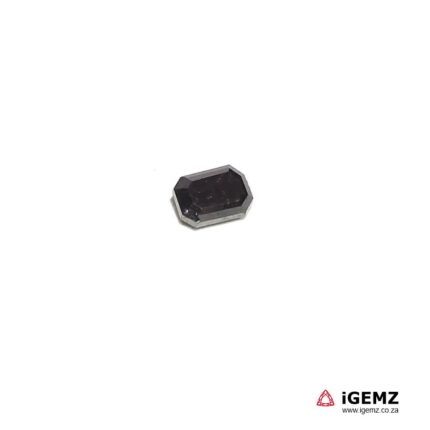
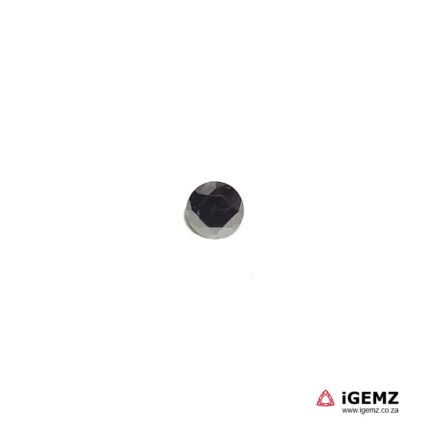
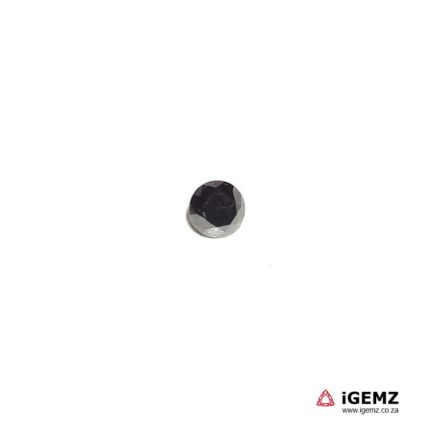
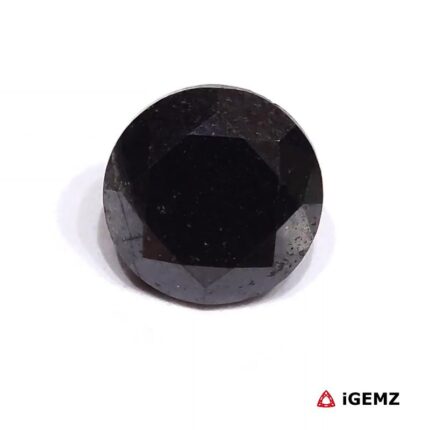
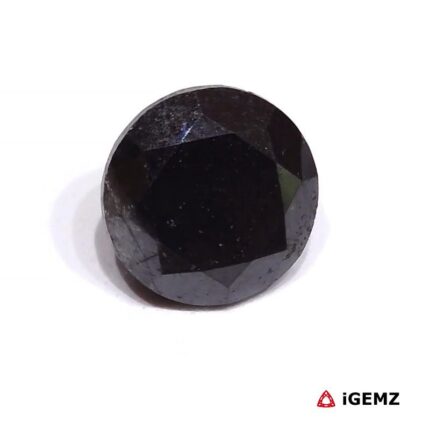
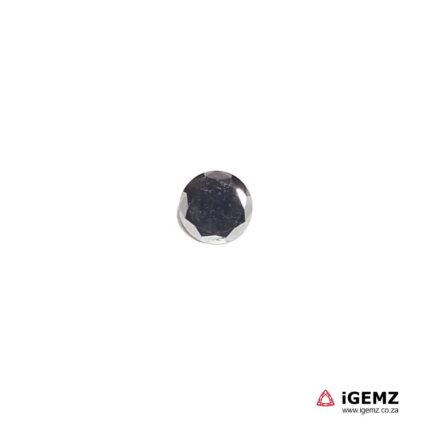
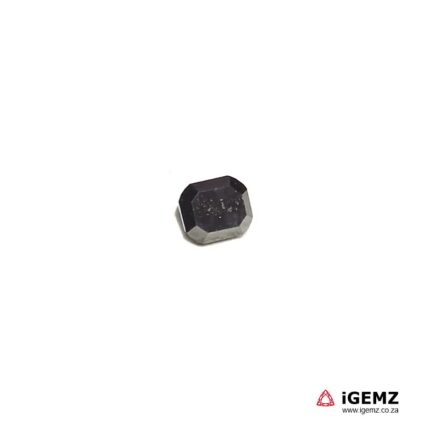
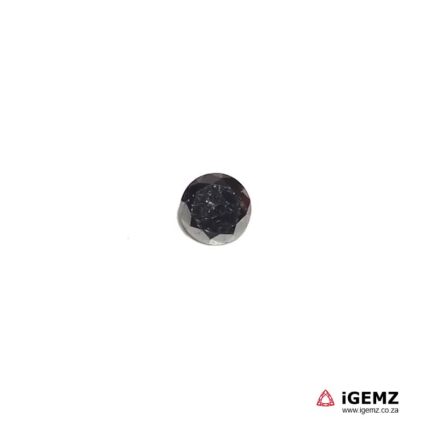
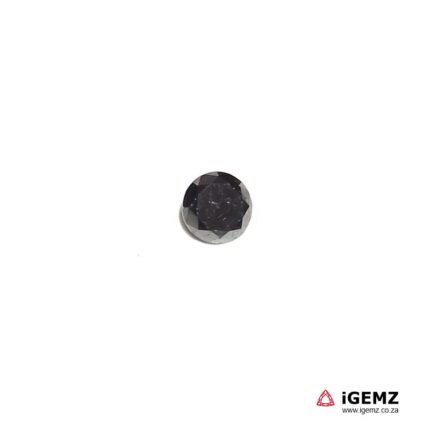
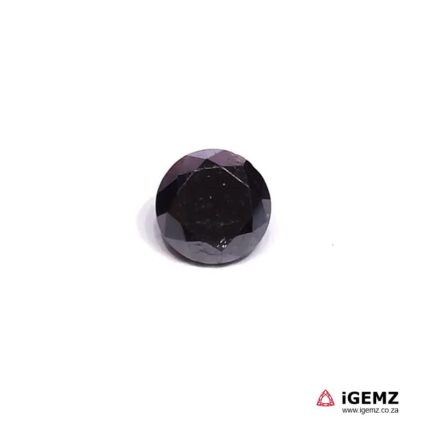
Black diamonds

Chemical Formula
Diamond is composed entirely of carbon (C), forming a crystal lattice that gives it unmatched hardness.

Composition
Pure carbon – trace elements may create colour variations (e.g., nitrogen for yellow, boron for blue).

Refractive Index
2.417 – 2.419, providing exceptional brilliance and light dispersion.

Lustre
Adamantine, producing a highly reflective, mirror-like sparkle.

Moh's Hardness & Durability
Diamond has a Mohs hardness of 10, making it the hardest natural gemstone. Despite its hardness, diamonds can chip or cleave if struck along specific crystallographic planes, so care in setting is recommended.

Crystal System
Diamond crystallises in the cubic (isometric) system, forming octahedral, cubic or dodecahedral crystals.

Transparency
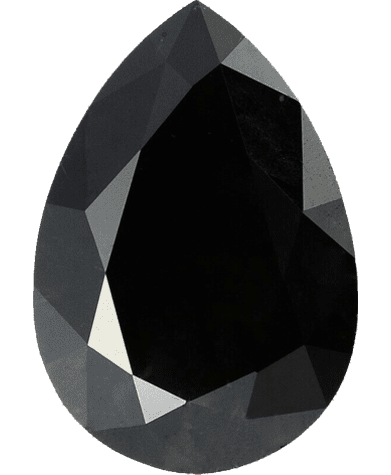
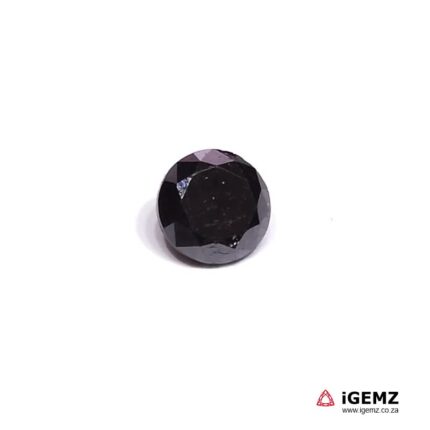
Transparent to opaque. Colourless and fancy-coloured diamonds are transparent, while black diamonds are typically opaque due to numerous inclusions.

Mineral Family
Diamond belongs to the native element mineral family – pure carbon.

Specific Gravity
3.50 – 3.53, standard for natural diamonds.
Origin, Treatment & Care
Diamonds are formed deep within the Earth’s mantle under extreme pressure and temperature over millions of years. While most diamonds are natural, synthetic diamonds exist and must be disclosed. Understanding origin and treatments is key to value assessment. Proper care ensures long-lasting brilliance and durability.

Major Origins
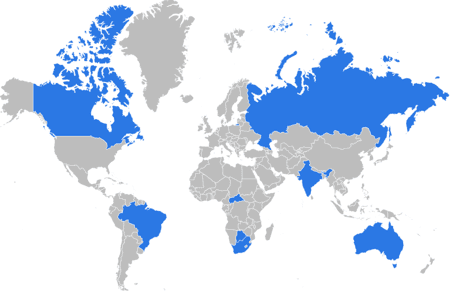
Major diamond sources include South Africa, Botswana, Central African Republic, Russia, Canada, Australia and Brazil. South Africa remains iconic for its historically significant mines, while Botswana produces a substantial portion of global supply.

Treatments
Diamonds may undergo treatments such as laser drilling, fracture filling, high-temperature annealing or irradiation to improve clarity or colour. Black diamonds are often treated to enhance colour uniformity. All treatments should be disclosed to buyers.

Care and Cleaning
Clean diamonds regularly with warm water, mild soap and a soft brush. Ultrasonic cleaners are safe for most diamonds but should be avoided for treated stones or those with fracture fillings. Store separately to prevent scratching softer jewellery components.
How Diamond Quality & Value Are Determined
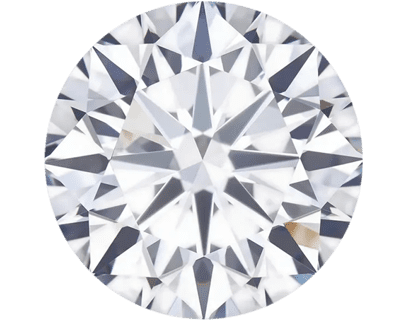
Diamond value is traditionally assessed using the “4Cs”: colour, clarity, cut and carat weight. Each factor significantly influences price, and the combination of all four determines true quality and desirability.
Colour
For colourless diamonds, the less colour, the more valuable (D – F grades are most prized). Fancy coloured diamonds derive value from the intensity, saturation and rarity of their hue. Black diamonds, being opaque, are valued for uniformity, size and polish quality rather than colourlessness.
Clarity
Clarity describes internal inclusions and surface blemishes. High-quality diamonds are eye-clean, with minimal inclusions visible without magnification. Black diamonds naturally contain numerous inclusions and are assessed differently, focusing on even colour and overall appearance.
Cut
Cut determines a diamond’s brilliance, fire and sparkle. Factors include:
- Precise facet alignment
- Symmetry and proportions
- Depth and table ratios
- High-quality polish
Well-cut diamonds maximise light return, while poorly cut stones appear dull despite good colour or clarity.
Carat Weight
Carat weight affects rarity and price. Larger diamonds are exponentially more valuable, especially when combined with excellent colour, clarity and cut.
The Balance of the Four Factors
True value is determined by how colour, clarity, cut and carat weight work together.
A premium diamond should demonstrate:
- Eye-clean clarity (or visually appealing black diamond surface)
- Optimal cut with symmetrical facets
- Desired colour intensity or uniform black appearance
- Balanced carat size with brilliance and fire
When these elements align, diamond becomes one of the most captivating and valuable gemstones in the world.
International Pricing Trends – per carat
Diamond pricing varies widely. White diamonds are priced by 4Cs, while fancy coloured and black diamonds follow different valuation models. Large, high-quality diamonds, particularly colourless or rare coloured stones, command premium prices worldwide.
Estimated Average International Diamond Prices (Good Quality) – Per Carat
| Weight | ZAR | USD | EUR | JPY | GBP | AUD | CAD | CHF | CNY | HKD | NZD | Market Signal |
|---|---|---|---|---|---|---|---|---|---|---|---|---|
| Under 1 carat | Size is widely available | |||||||||||
| 1 - 2 carat | Increasingly popular | |||||||||||
| 2 - 3 carats | Strong demand | |||||||||||
| 3 - 4 carats | Remain desirable | |||||||||||
| 4 - 6 carats | Scarcer in larger sizes | |||||||||||
| 6 - 8 carats | Exceptional stones |
Frequently Asked Questions
Are black diamond natural or treated?
Most black diamonds are natural but may undergo treatment to enhance uniform colour. Untreated black diamonds are rare and highly valued.
What makes a diamond valuable?
The four main factors—cut, colour, clarity and carat weight—determine value. Exceptional combination of these results in premium diamonds.
Are diamonds the hardest gemstone?
Yes, diamond is the hardest natural mineral with a Mohs hardness of 10. Care is still needed to prevent chipping.
Difference between coloured and white diamonds?
Fancy-coloured diamonds are graded for colour intensity, saturation and rarity, while white diamonds are graded on colourlessness.
Can diamonds be worn daily?
Yes. Diamonds are durable and suitable for everyday wear, but care is required for treated stones and jewellery with prongs.
How do treatments affect diamond value?
Treatments such as fracture filling or irradiation can improve appearance but usually reduce resale value compared to untreated stones.

Buy With Confidence
Professionally inspected gemstones
Full transparency on treatments
Worldwide shipping
Secure checkout
Ready to own the brilliance of
DIAMOND?
With their unmatched hardness, timeless elegance and extraordinary sparkle, diamonds — including black diamonds — are the ultimate gemstone for both luxury and investment. Admired across history and around the world, diamonds remain a symbol of sophistication, strength and enduring beauty. Perfect for rings, pendants, or bespoke creations, they are a versatile addition to any fine gemstone collection.
Ultimate Brilliance
Enduring Strength
Timeless Luxury
COMPARE GEMSTONES WITH CONFIDENCE
Gemstone Comparison Guides
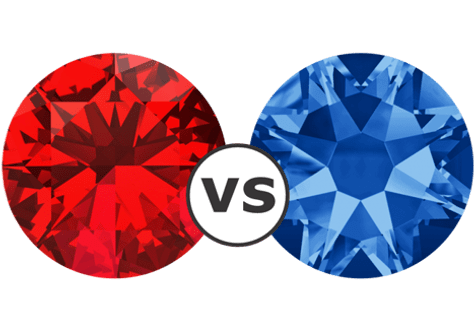
Choosing between two beautiful gemstones can be challenging. Our professional Gemstone Comparison Guides help you clearly understand the differences between popular gemstones so you can make a confident and informed choice.
Each comparison explores the key factors that influence gemstone quality and value, including colour, clarity, durability, rarity and typical treatments. You will also learn how similar-looking gemstones differ in appearance, composition, hardness and more.
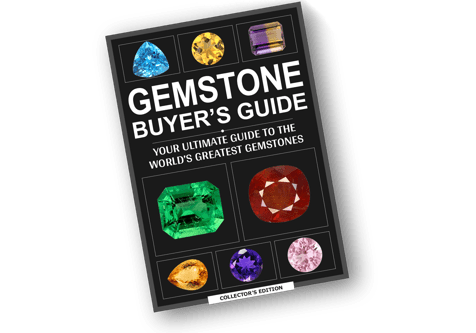
HERE IS ALL THE PROFESSIONAL INFORMATION YOU NEED
Gemstone Buyer's Guides
Buying a gemstone should be exciting — but understanding quality, rarity and value is essential before making the right choice. Our professional Gemstone Buyer’s Guides help you understand how colour, clarity, cut and treatments influence the beauty and value of different gemstones.
Each guide explains the key quality factors used by gemologists, including gemstone composition, colour grading, natural inclusions, treatments and origin. You will also learn how these factors affect rarity, durability and market value.
Beryl Family
Feldspar Gemstones
Pyroxene Gemstones
Spodumene Family
Chalcedony & Agate
Quartz Gemstones
Amethyst
Ametrine
Citrine
Prasiolite
Quartz
Rose Quartz
Rutile Quartz
Smoky Quartz
Rare & Collector Gemstones
Apatite
Chrysoberyl
Clinozoisite
Fluorite
Grandidierite
Iolite
Jade
Kyanite
Lapis Lazuli
Phosphosiderite
Prehnite
Serendibite
Sillimanite
Sphene
Sugilite
Vesuvianite