

 1st - Gold

 January
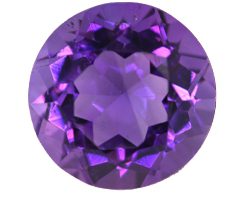 February
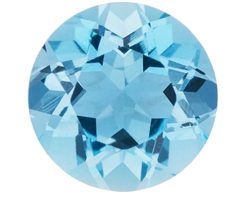 March
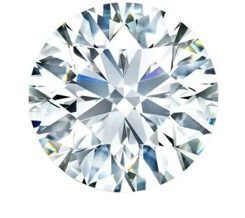 April
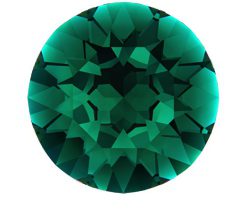 May
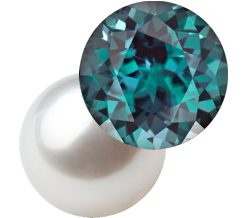 June
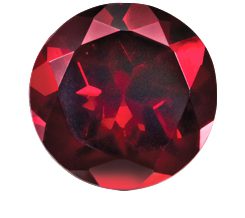 July
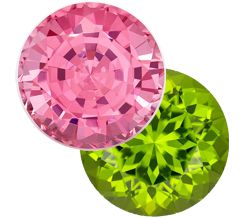 August
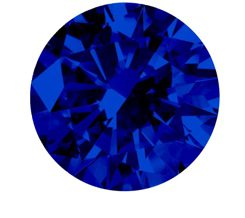 September
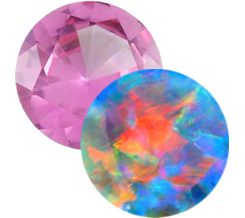 October
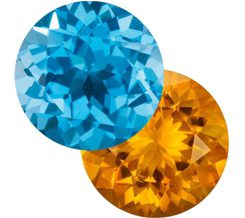 November
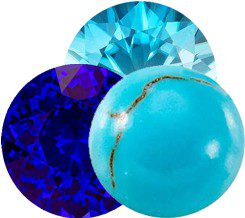 December

 Capricorn - Garnet
 Aquarius - Amethyst
 Pisces - Aquamarine
 Aries - Diamond
 Taurus - Emerald
 Gemini - Pearl
 Cancer - Ruby
 Leo - Peridot
 Virgo - Blue Sapphire
 Libra - Opal
 Scorpio - Topaz
 Sagittarius - Tanzanite


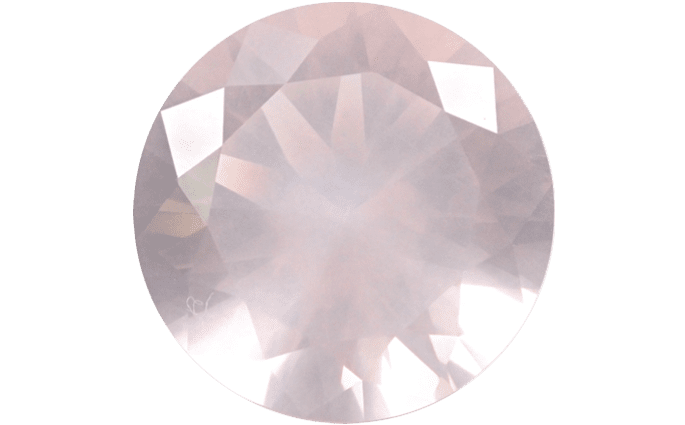
Rose Quartz
Buyer’s Guide
Quality, Composition, Colour & Value Explained
Discover how colour, clarity, treatments and cut influence rose quartz value, and learn what truly determines quality before choosing your ideal pink gemstone.
A complete professional Rose Quartz Buyer’s Guide to understanding this gemstone’s quality, origin, treatments and value factors before purchasing.
History, Symbolism & Meaning of Rose Quartz
Origins and Historical Use

Rose Quartz has been valued for thousands of years, appearing in ancient Egyptian, Greek, and Roman artefacts. Historically, it was used in talismans, carvings, and jewellery to symbolize love, beauty, and emotional healing. Its gentle pink hue captured the imagination of early civilisations and has remained associated with romance and tenderness through the ages.
Ancient Beliefs and Spiritual Energy

Traditionally, rose quartz is considered the “stone of love.” Ancient healers believed it nurtured emotional balance, encouraged compassion, and strengthened relationships. It has been connected to the heart chakra, promoting forgiveness, self-love, and inner peace.
Modern spiritual enthusiasts continue to use rose quartz for meditation, emotional healing, and as a calming presence in daily life. Its soothing energy is said to reduce stress and enhance emotional clarity.
Modern Symbolism and Collectibility
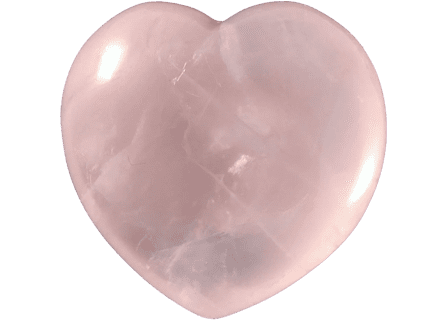
Today, rose quartz is cherished for both its delicate pink colour and metaphysical qualities. Collectors value larger, translucent specimens with soft, even colour, while jewellery designers prize its gentle hue and versatility. It remains a popular choice for heart-themed and meaningful pieces, from pendants to cabochons in rings.
Physical & Optical Properties
Explore Rose Quartz’s Hardness, Lustre, Transparency, Refractive Index and Specific Gravity.
Understanding the gemological properties of rose quartz helps determine durability, brilliance and long-term suitability in jewellery.

Colour Range
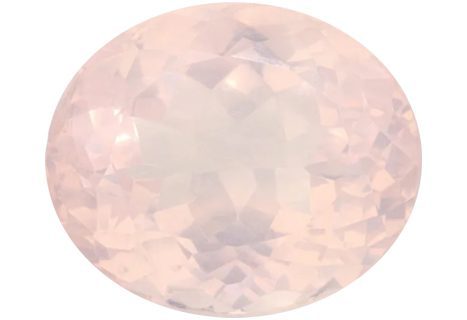
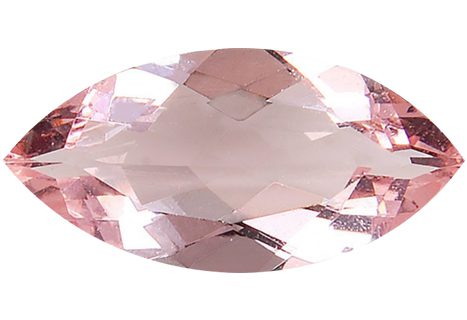
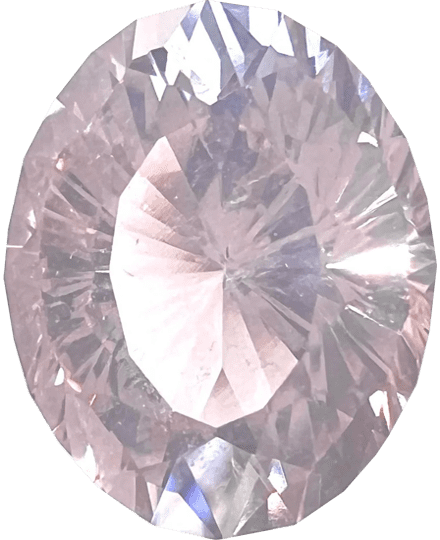
Rose quartz occurs in shades of: Pale pink, Soft rose, Peachy pink. The most desirable stones display even colour without visible zoning or brown undertones.

Chemical Formula
Rose quartz has the SiO₂ chemical formula, composed primarily of silicon and oxygen. Trace elements and microscopic inclusions of titanium, manganese, or iron influence the pink colour.

Composition
Silicon & Oxygen – trace elements (titanium, manganese, iron) influence the pink hue.

Refractive Index
1.544 – 1.553, producing a gentle, warm glow.

Lustre
Vitreous, giving a soft, glass-like appearance.

Moh's Hardness & Durability
Rose quartz has a Mohs hardness of 7, making it suitable for pendants, earrings, and lightly worn rings. It is relatively durable but can chip if struck sharply or exposed to rough wear.

Crystal System
Its crystal system is trigonal, forming massive or granular structures rather than well-formed crystals.

Transparency
Translucent to transparent, with higher-quality material showing a soft glow and few visible inclusions.

Mineral Family
Rose quartz belongs to the quartz (silicate) mineral family.

Specific Gravity
2.65, typical of quartz gemstones.
Origin, Treatment & Care
Rose quartz is naturally pink, often found in massive formations rather than crystal points. Most commercially available rose quartz is untreated, though some may be enhanced to deepen colour. Proper care ensures longevity and maintains its gentle glow.

Major Origins
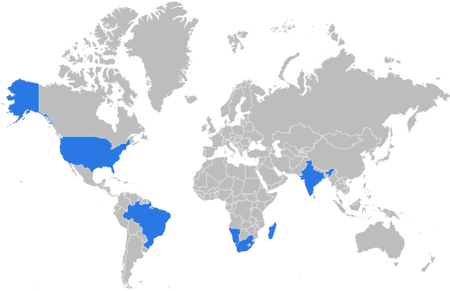
Major sources of rose quartz include Brazil, Madagascar, South Africa, Namibia, and India. Brazil remains the largest supplier of gem-quality material, while Madagascar is known for its vivid pink stones.

Treatments
Most rose quartz is sold untreated. Rarely, low-grade material may be heat-treated to improve colour. Coatings or fillings are uncommon.

Care and Cleaning
Avoid harsh chemicals and sudden temperature changes. Clean with warm water, mild soap, and a soft brush. Store rose quartz separately from harder stones to prevent scratches.
How Rose Quartz Quality & Value Are Determined
Understanding how rose quartz is graded helps compare gemstones and recognise genuine quality. As a semi-precious gemstone, value is influenced primarily by colour, clarity, cut, and size.
Labradorescence
Colour is the most important factor in rose quartz valuation. The finest stones display a soft, consistent pink with no brown, grey, or uneven tones. High-quality rose quartz typically shows:
- Pale to medium pink hue
- Even colour distribution
- No brown, grey, or white streaks
- Soft, gentle transparency
Stronger pink tones are rare and highly prized. Stones that are too pale may appear washed out, while overly dark stones can appear opaque.
Clarity
Rose quartz is often translucent rather than perfectly transparent. The most desirable material has:
- Minimal visible inclusions
- Smooth internal texture
- Balanced translucency allowing gentle light diffusion
Cut
Cut enhances the gemstone’s natural glow and allows light to reflect softly. Rose quartz is commonly cut as cabochons, beads, or polished spheres, though faceted cuts are also used for jewellery. Key cut considerations include:
- Smooth, even polish
- Symmetrical shaping
- Retaining maximum colour and glow
Carat Weight
Larger rose quartz stones are widely available and affordable. Size adds aesthetic appeal more than significant value increase. High-quality, deep-colour stones in large sizes are more desirable for statement pieces.
The Balance of the Four Factors
Optimal rose quartz combines consistent pink colour, translucency, precise cut, and suitable size. A well-chosen gemstone will display:
- Gentle even pink colour
- Balanced translucency or soft glow
- Smooth, symmetrical polish
- Size appropriate for its intended jewellery
International Pricing Trends – per carat
Rose quartz remains an affordable semi-precious stone. Prices increase slightly with colour intensity, translucency, and size, though the stone is generally accessible for all budgets.
Estimated Average International Rose Quartz Prices (Good Quality) – Per Carat
| Weight | ZAR | USD | EUR | JPY | GBP | AUD | CAD | CHF | CNY | HKD | NZD | Market Signal |
|---|---|---|---|---|---|---|---|---|---|---|---|---|
| Under 1 carat | Size is widely available | |||||||||||
| 1 - 2 carat | Increasingly popular | |||||||||||
| 2 - 3 carats | Strong demand | |||||||||||
| 3 - 4 carats | Remain desirable | |||||||||||
| 4 - 6 carats | Scarcer in larger sizes | |||||||||||
| 6 - 8 carats | Exceptional stones |
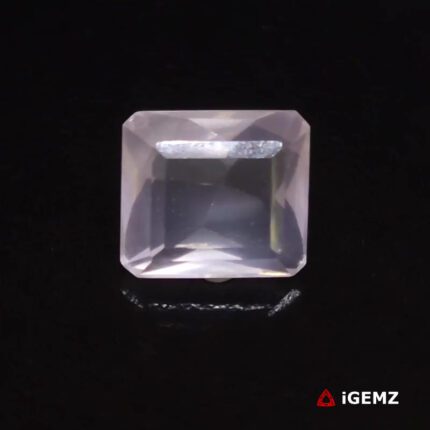
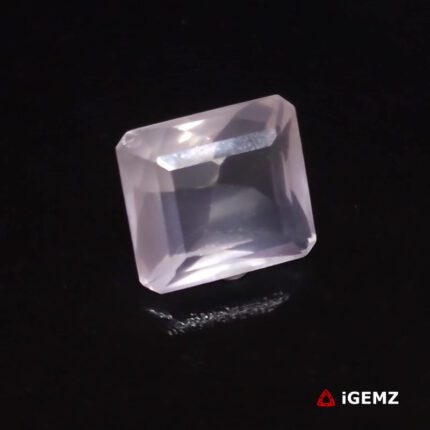
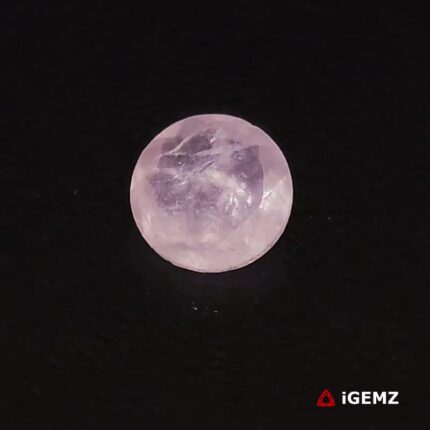
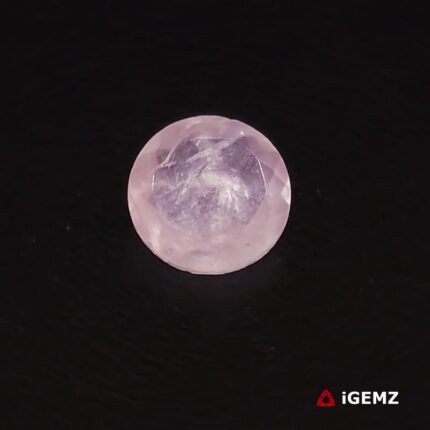
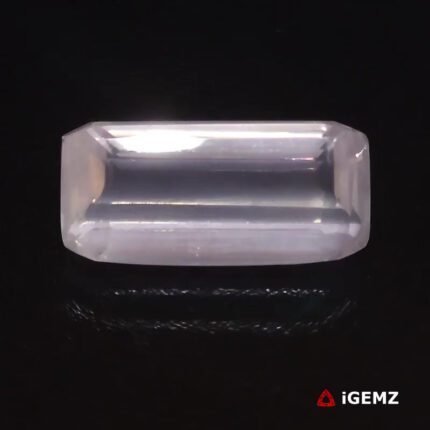
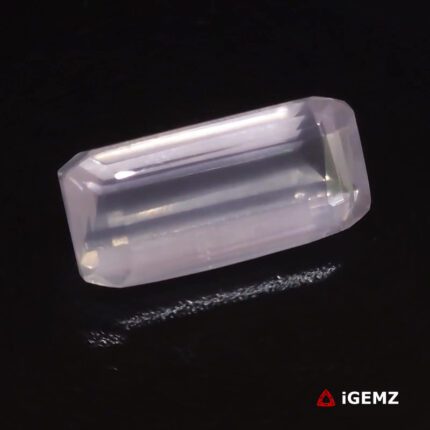

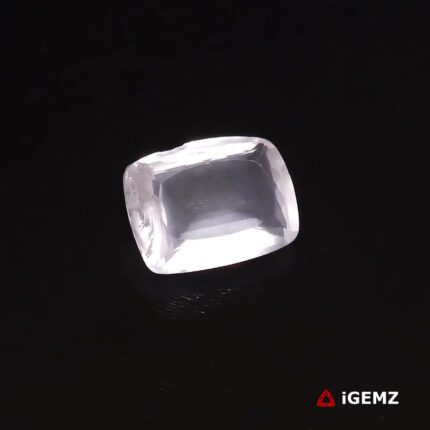
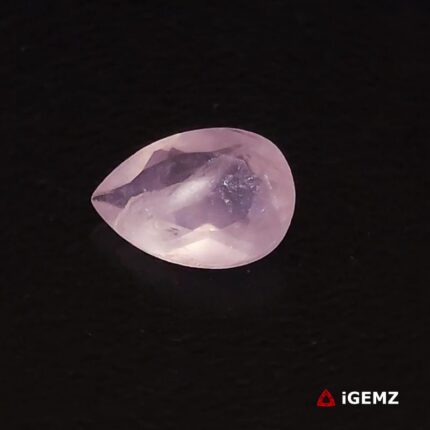
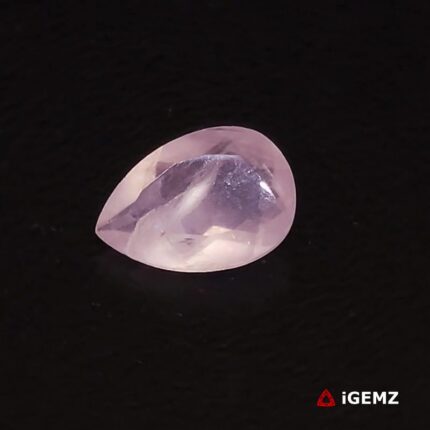
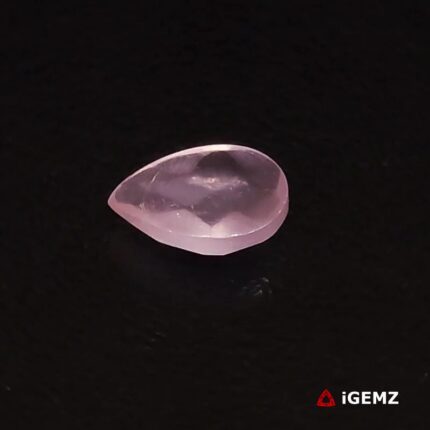
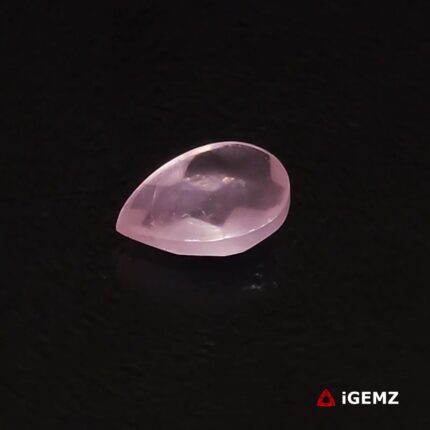
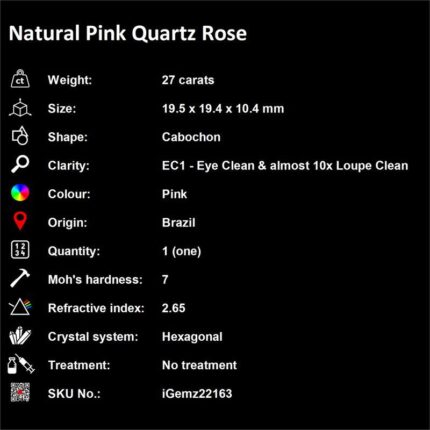
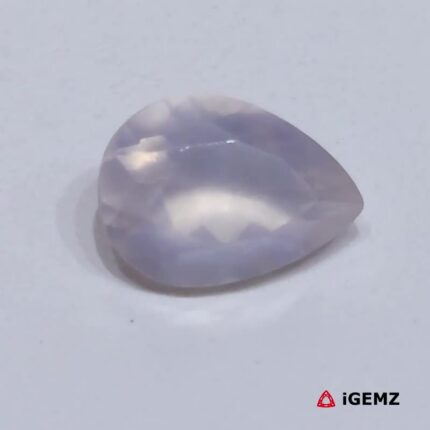
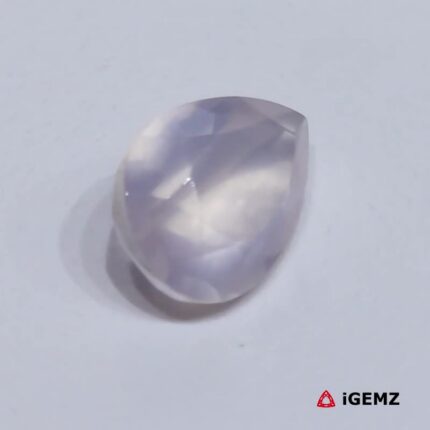
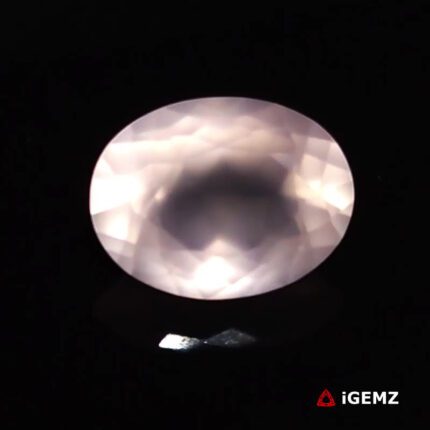
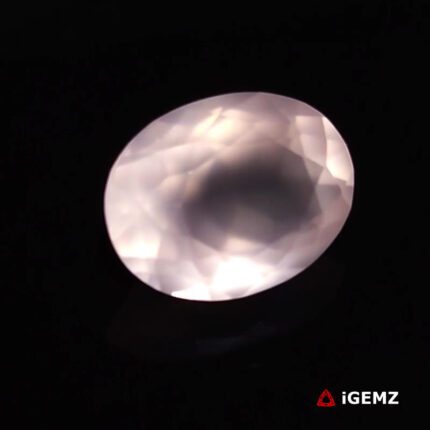
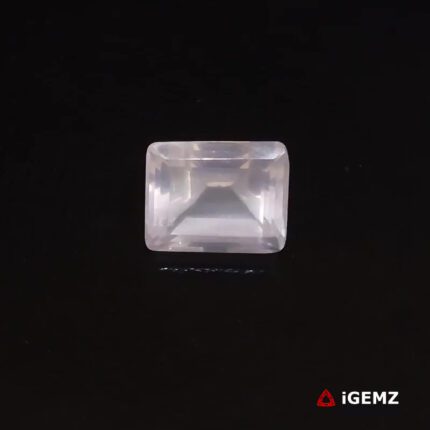
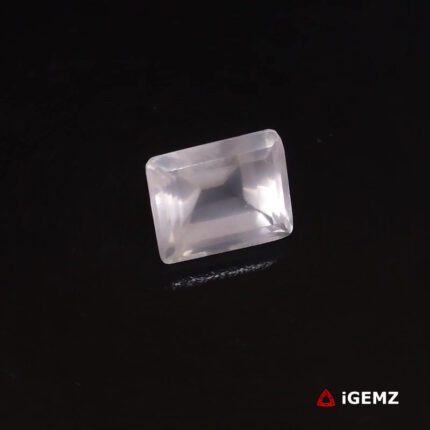
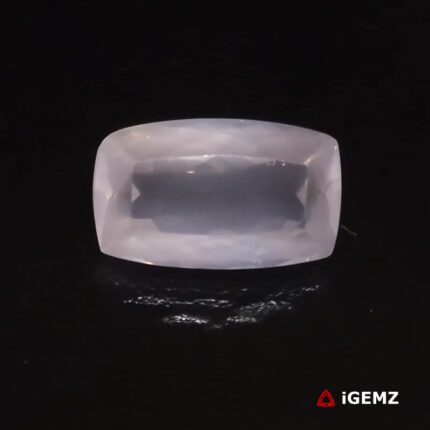
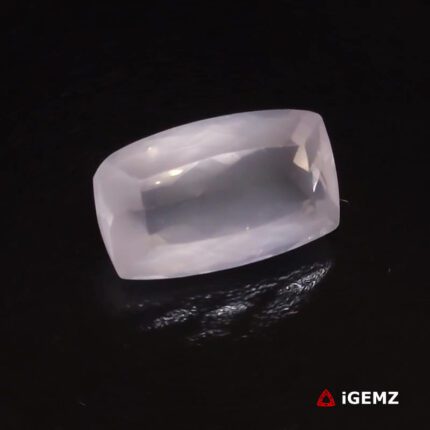
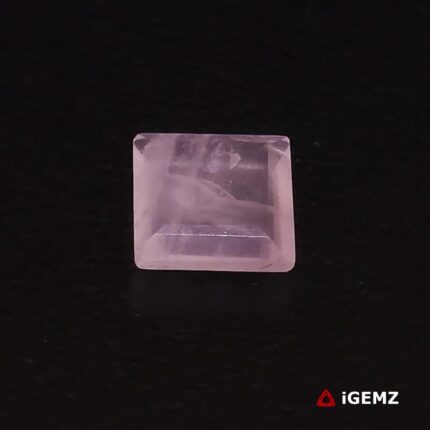
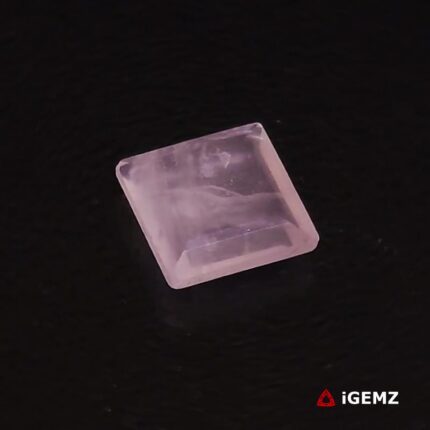
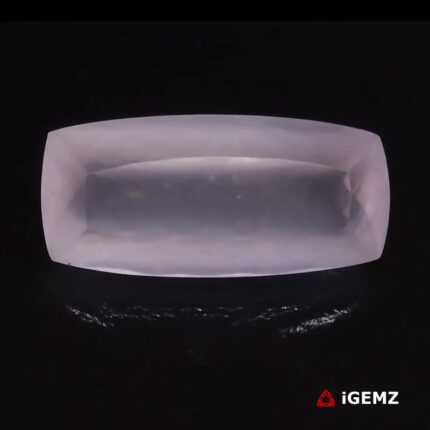
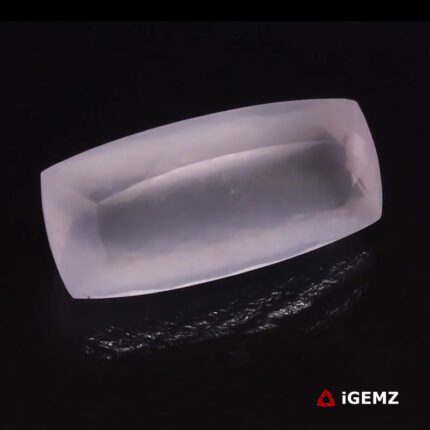
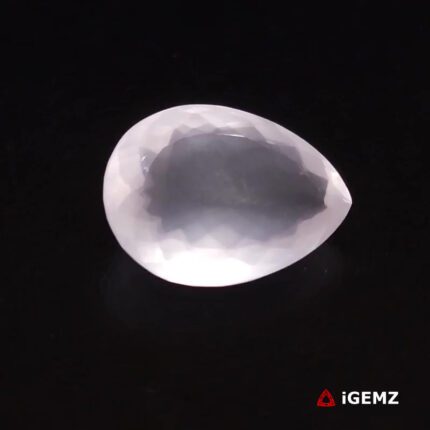
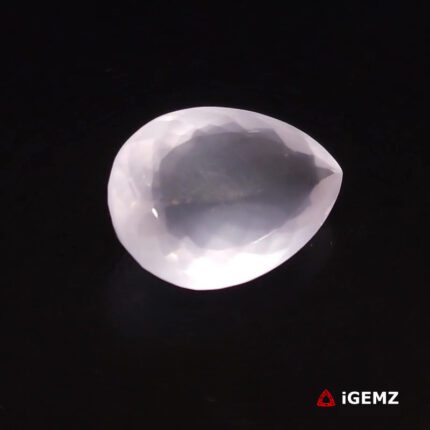
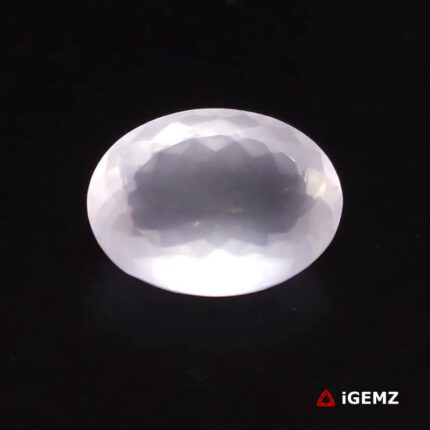
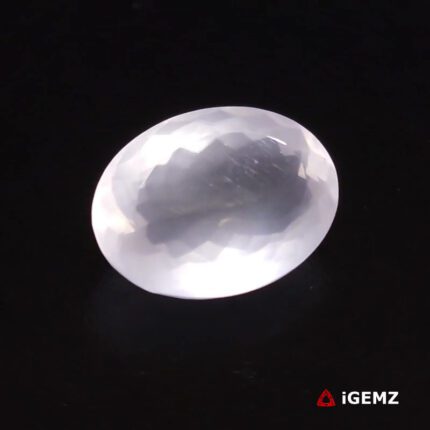
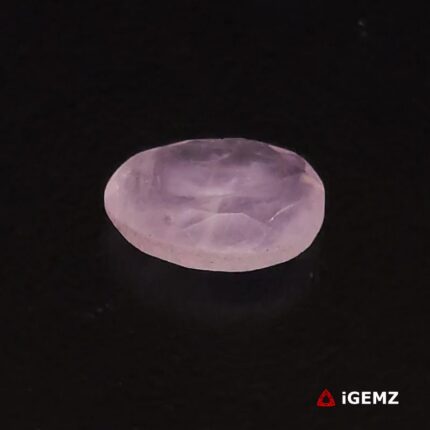
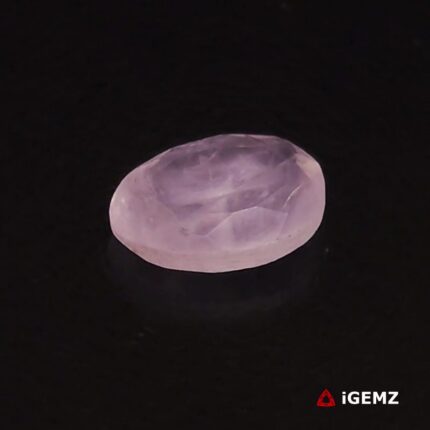
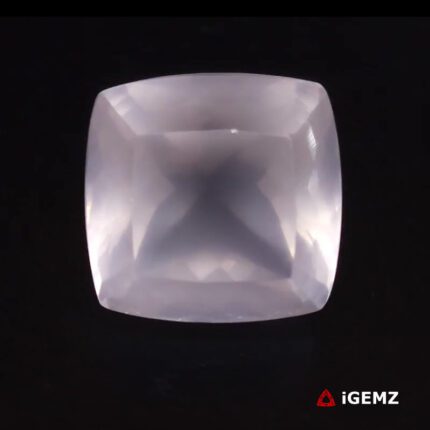
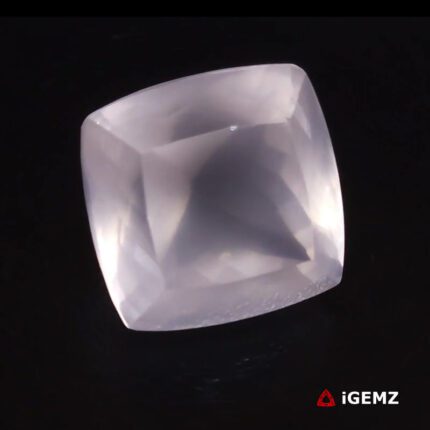
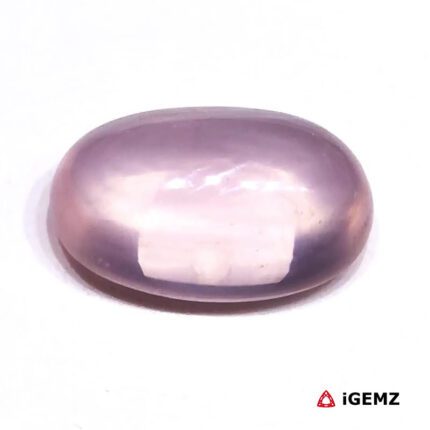
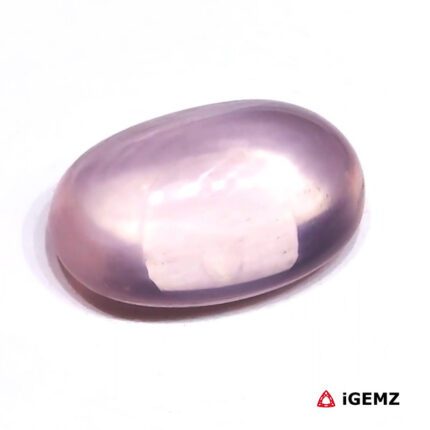
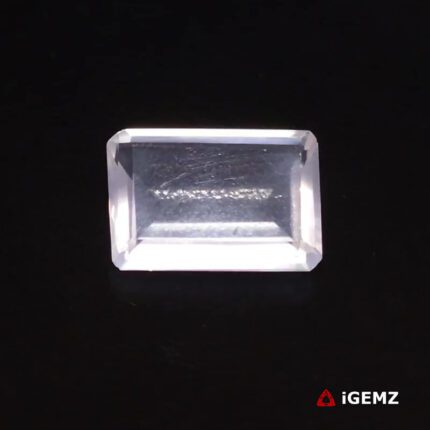
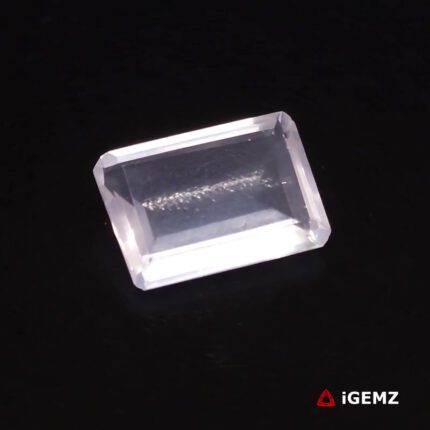
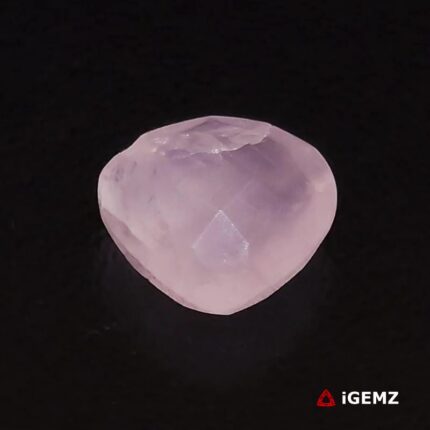
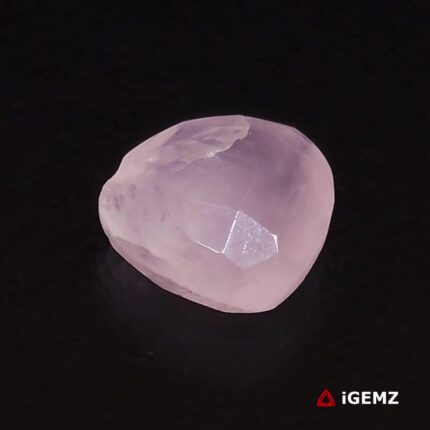
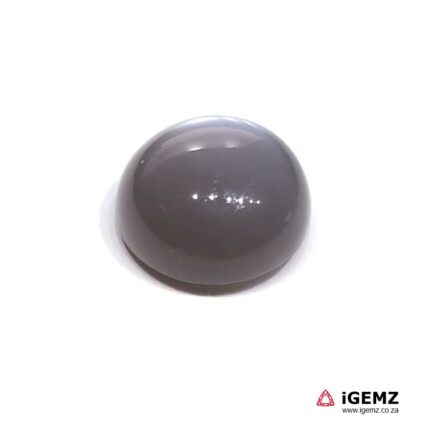
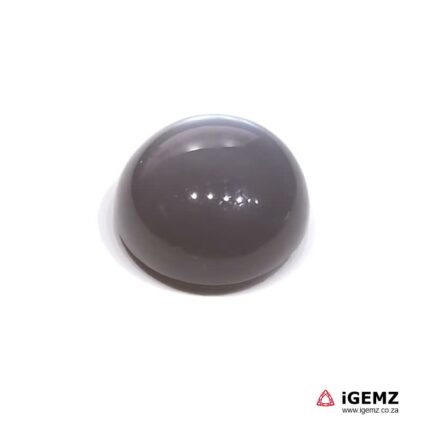
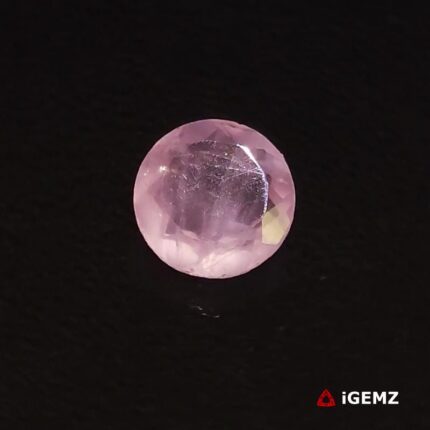
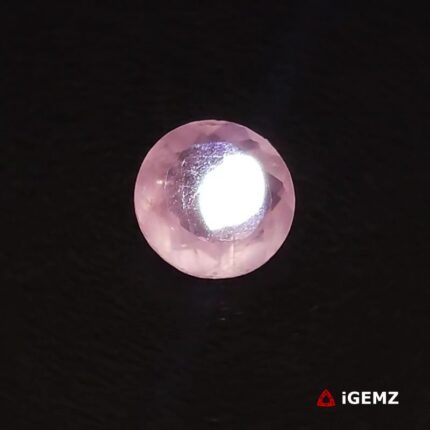
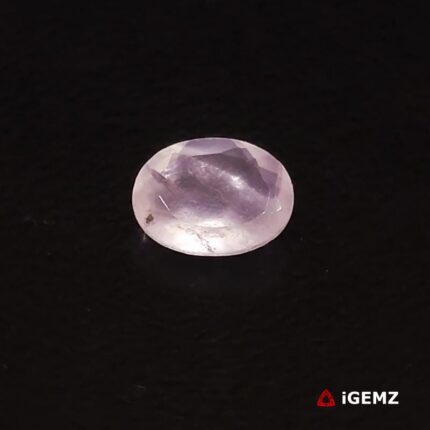
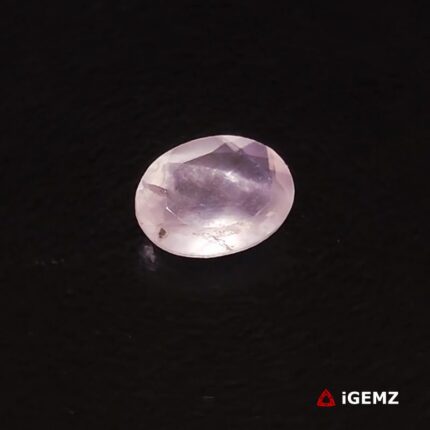
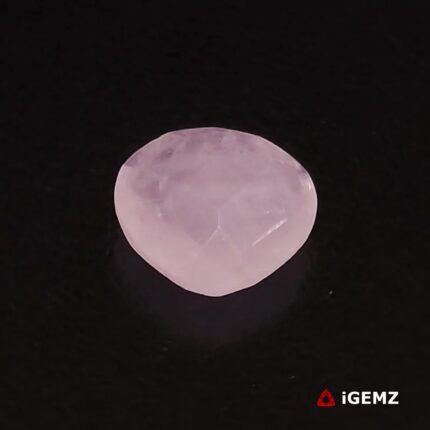
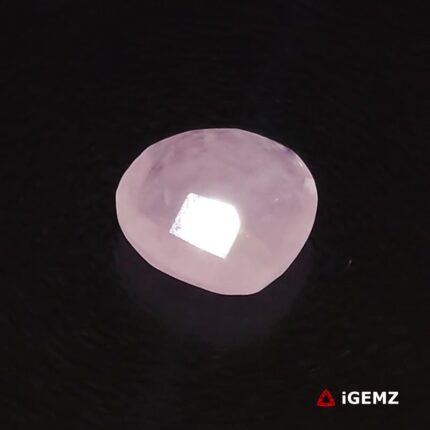
Natural Pink Quartz Rose 4.78 ct Loose Gemstone | iGemz29560
SKU:
iGemz29560
Original price was: R856.00.R428.00Current price is: R428.00.
Frequently Asked Questions
Is rose quartz natural or synthetic?
Rose quartz is naturally occurring. Most stones on the market are natural, untreated, and sourced from Brazil, Madagascar, or South Africa.
What gives rose quartz its pink colour?
Trace amounts of titanium, manganese, or iron within the quartz structure create its soft pink hue.
Can rose quartz fade over time?
Yes, prolonged exposure to strong sunlight or heat can slightly fade the pink colour. Storing in shade or jewellery boxes helps maintain colour.
Is rose quartz suitable for rings?
Yes, but with caution. Its Mohs hardness is 7, making it suitable for rings worn occasionally. Protective settings help prevent chipping.
How should I clean rose quartz?
Use warm water, mild soap, and a soft brush. Avoid harsh chemicals, ultrasonic cleaners, or extreme temperature changes.
What determines the value of rose quartz?
Colour intensity, translucency, smooth polish, and size are the primary factors influencing value.

Buy With Confidence
Professionally inspected gemstones
Full transparency on treatments
Worldwide shipping
Secure checkout
Ready to own the beauty of
ROSE QUARTZ?
Now that you understand the history, symbolism, and quality factors behind rose quartz, the natural next step is to select your own gemstone. Its soft, gentle pink hue and calming energy make it perfect for jewellery and spiritual use.
Rose quartz combines aesthetic appeal, affordability, and emotional significance, making it an elegant and versatile addition to any gemstone collection.
Romance Stone
Emotional Harmony
Soothing Glow
COMPARE GEMSTONES WITH CONFIDENCE
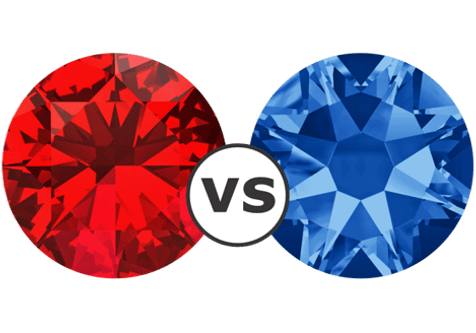
Gemstone Comparison Guides
Choosing between two beautiful gemstones can be challenging. Our professional Gemstone Comparison Guides help you clearly understand the differences between popular gemstones so you can make a confident and informed choice.
Each comparison explores the key factors that influence gemstone quality and value, including colour, clarity, durability, rarity and typical treatments. You will also learn how similar-looking gemstones differ in appearance, composition, hardness and more.
HERE IS ALL THE PROFESSIONAL INFORMATION YOU NEED
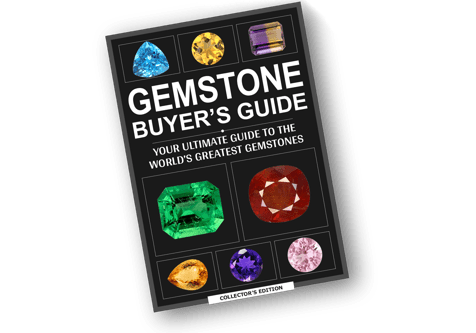
Gemstone Buyer's Guides
Buying a gemstone should be exciting — but understanding quality, rarity and value is essential before making the right choice. Our professional Gemstone Buyer’s Guides help you understand how colour, clarity, cut and treatments influence the beauty and value of different gemstones.
Each guide explains the key quality factors used by gemologists, including gemstone composition, colour grading, natural inclusions, treatments and origin. You will also learn how these factors affect rarity, durability and market value.
Beryl Family
Feldspar Gemstones
Pyroxene Gemstones
Spodumene Family
Chalcedony & Agate
Quartz Gemstones
Amethyst
Ametrine
Citrine
Prasiolite
Quartz
Rose Quartz
Rutile Quartz
Smoky Quartz
Rare & Collector Gemstones
Apatite
Chrysoberyl
Clinozoisite
Fluorite
Grandidierite
Iolite
Jade
Kyanite
Lapis Lazuli
Phosphosiderite
Prehnite
Serendibite
Sillimanite
Sphene
Sugilite
Vesuvianite