


 1st - Gold

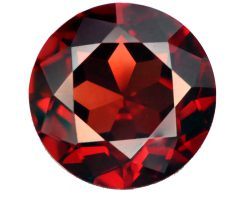 January
 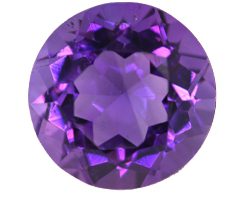 February
 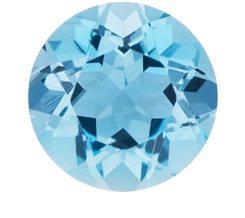 March
March 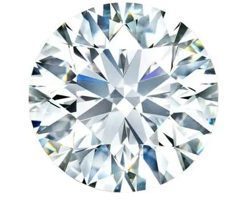 April
April 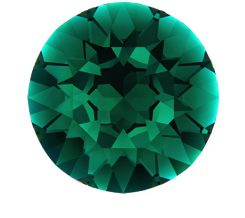 May
May 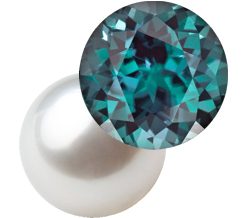 June
June 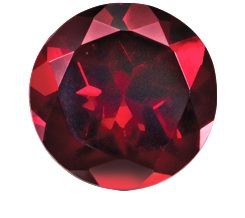 July
July 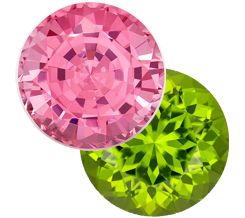 August
 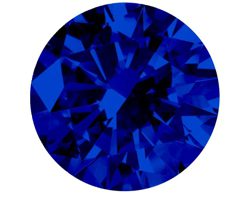 September
 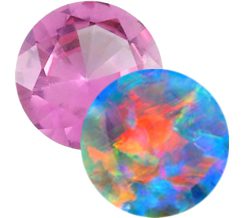 October
 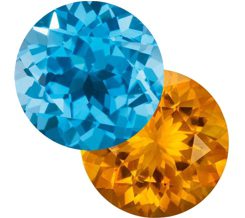 November
 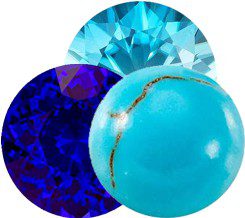 December
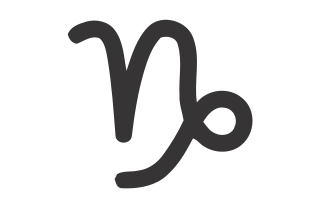 Capricorn - Garnet
  Aquarius - Amethyst
 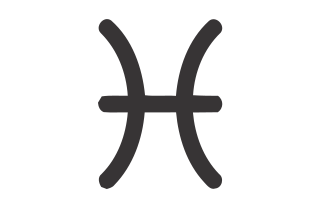 Pisces - Aquamarine
 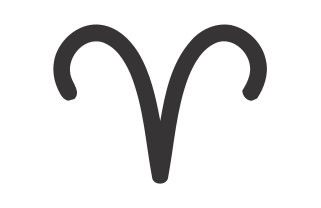 Aries - Diamond
 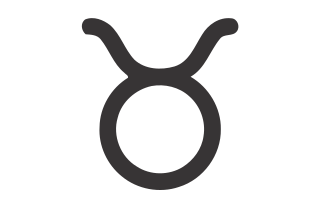 Taurus - Emerald
  Gemini - Pearl
  Cancer - Ruby
 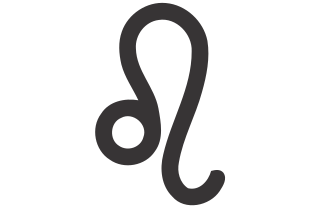 Leo - Peridot
 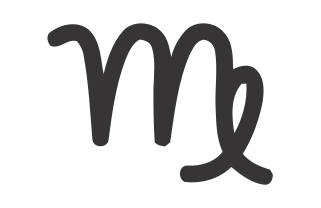 Virgo - Blue Sapphire
  Libra - Opal
 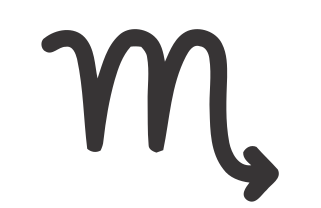 Scorpio - Topaz
  Sagittarius - Tanzanite


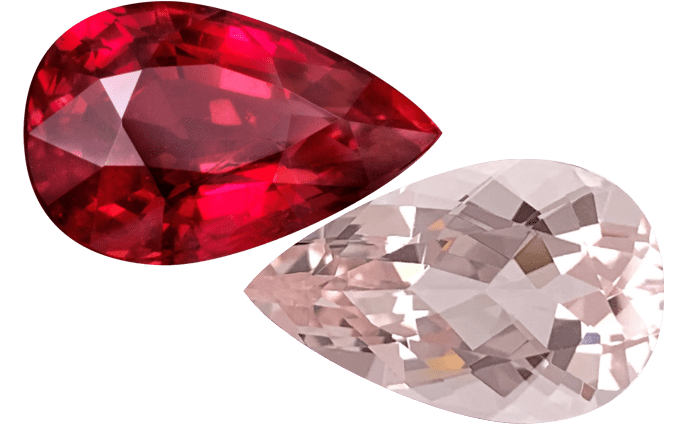
Gemstone Clarity Grading
Understand how gemstone clarity is assessed
Not all inclusions reduce value. Learn how coloured gemstone clarity is evaluated in practice, and why colour always comes first in professional grading.
Understanding Gemstone Value Starts with Clarity
Determining gemstone value is one of the most important steps for both buyers and suppliers. However, unlike diamonds, coloured gemstones do not follow a single international clarity grading system.
The Gemological Institute of America (GIA) has a strict and widely accepted diamond grading scale, but this does not translate accurately to coloured gemstones. Applying diamond standards to coloured stones often leads to poor buying decisions and missed opportunities on exceptional gems.
Why Diamond Clarity Rules Don’t Work for Coloured Stones
Many buyers mistakenly rely on the “4 C’s” (clarity, cut, colour, and carat weight) in the same way they would for diamonds. This approach is flawed when applied to coloured gemstones.
Terms like VVS or VS are diamond-specific and can be misleading in the coloured gemstone market. They do not reflect how coloured gemstones are actually evaluated in the trade and can confuse consumers rather than assist them.
Transparent Gemstones

Non Transparent Gemstones

How Coloured Gemstone Clarity Is Actually Graded
Instead of diamond-style grading, the coloured gemstone industry uses practical, visual clarity descriptions based on what the eye can see:
- Loupe Clean – No inclusions visible under 10x magnification
- Almost Loupe Clean – Very minor inclusions only under close inspection
- Eye Clean – No visible inclusions to the naked eye
- Slightly Included – Minor inclusions visible but not distracting
- Included – Inclusions clearly visible and affecting appearance
This system is far more relevant for real-world buying decisions.
Colour Always Comes First
In coloured gemstones, clarity is secondary to colour. A slightly included stone with outstanding colour can be far more valuable than a cleaner stone with weak or dull colour.
Inclusions are not automatically flaws. They are often natural characteristics formed during crystal growth and can even help identify the origin of a gemstone.
No Universal International Standard
There is still no globally accepted clarity grading system for coloured gemstones that matches the precision of the GIA diamond system. Major laboratories such as GIA and GRS typically avoid assigning formal clarity grades for this reason.
This makes education essential. Buyers must understand what they are actually looking at, rather than relying on borrowed diamond terminology.
Inclusions Are Part of Nature
Almost all gemstones contain some form of inclusion. Truly inclusion-free stones are extremely rare and usually command very high prices, especially in larger sizes.
Inclusions should not automatically be viewed as defects. In coloured gemstones, they are part of the stone’s natural identity and formation history.
iGemz Clarity Approach
At iGemz, we use a practical and transparent clarity grading system across all coloured gemstones listed on our website. Each gemstone clearly displays its clarity description so buyers understand exactly what they are purchasing—without confusion or misleading diamond terminology. This ensures clarity, honesty, and confidence in every gemstone transaction.