


 1st - Gold


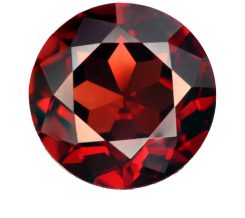 January
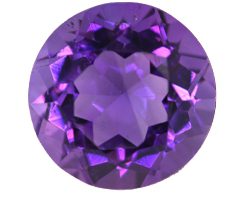 February
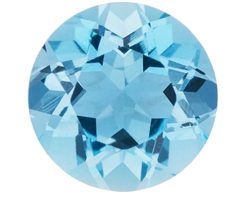 March
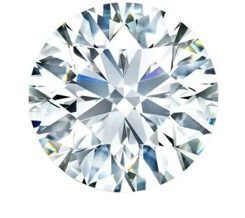 April
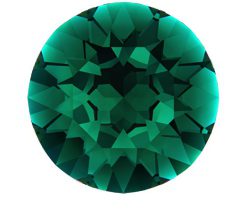 May
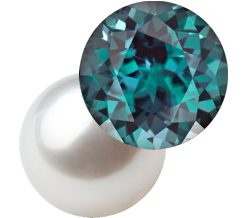 June
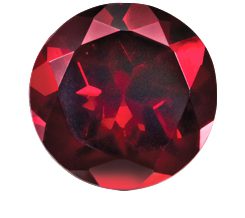 July
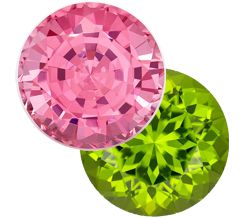 August
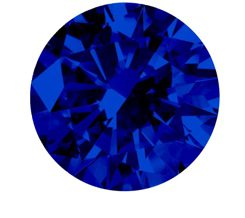 September
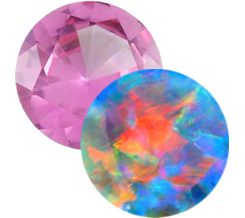 October
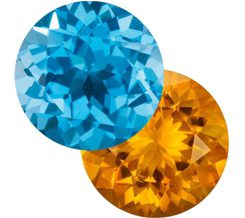 November
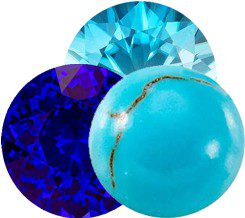 December

 Capricorn - Garnet
 Aquarius - Amethyst
 Pisces - Aquamarine
 Aries - Diamond
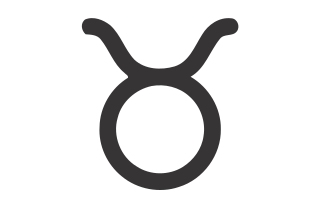 Taurus - Emerald
 Gemini - Pearl
 Cancer - Ruby
 Leo - Peridot
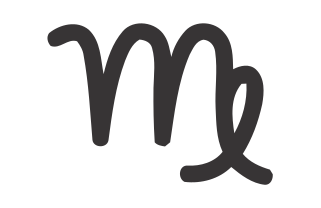 Virgo - Blue Sapphire
 Libra - Opal
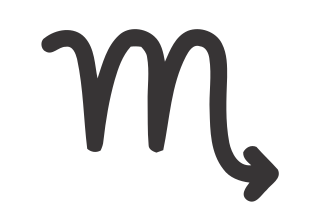 Scorpio - Topaz
 Sagittarius - Tanzanite



Reading Hand-Cut and Precision-Cut Claims in Gemstone Listings
Gemstone Journal · 9 min read
When browsing listings for loose faceted gemstones, you may encounter terms such as "hand-cut" and "precision cut gemstone claims." These descriptions often refer to the methods and standards used in shaping and faceting the gem. But how should you interpret them when considering a purchase? Understanding what aspects are measured or described by these claims helps buyers make informed choices without making assumptions that such terms alone guarantee superior beauty or performance. This guide explains the limits and practical questions to ask when you come across precision cut gemstone claims, helping you navigate online buying with clarity.
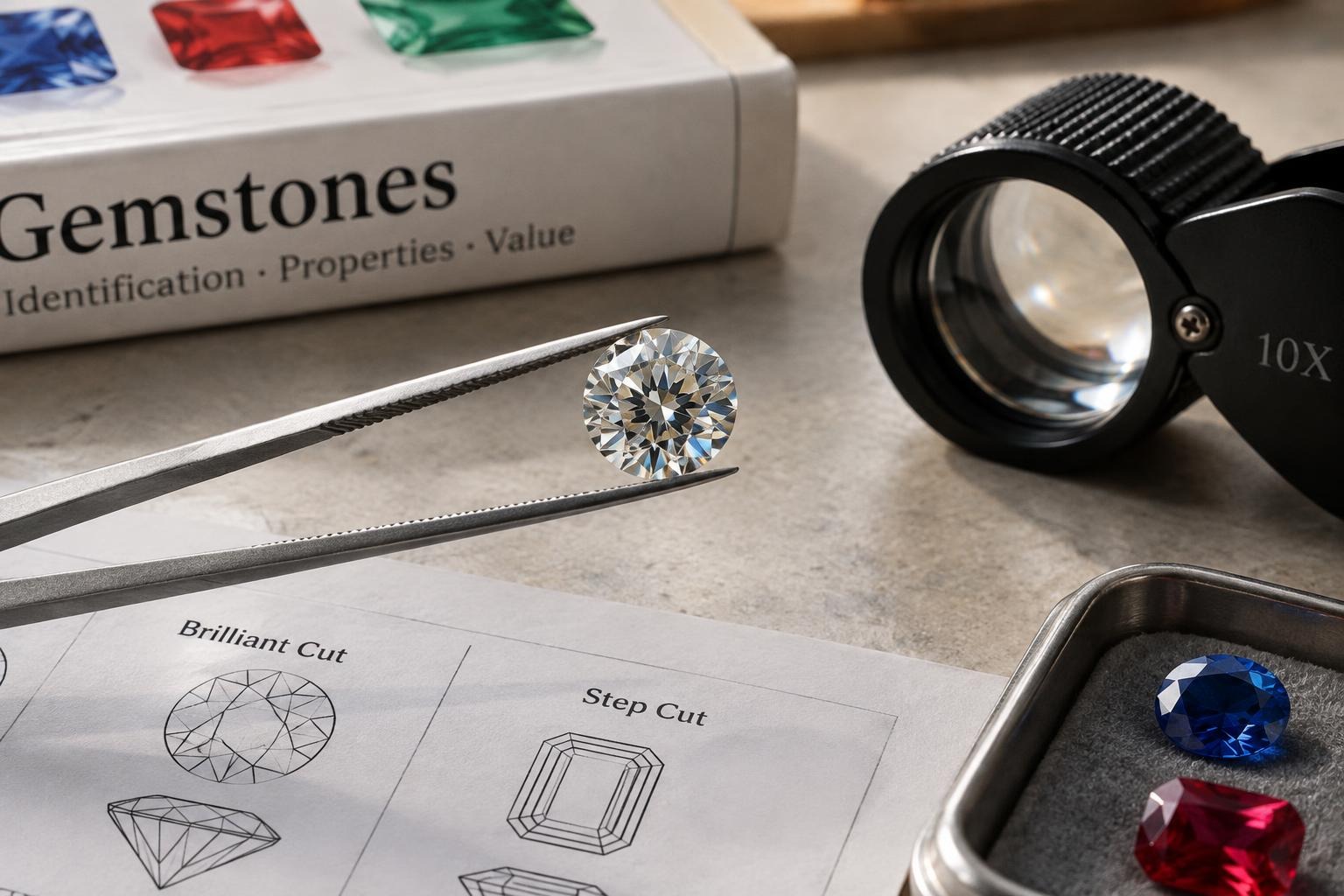
The image is for illustration purposes and is not an actual stock item.
What Does 'Precision Cut' Mean in Gemstone Terms?
The term "precision cut" in gemstone listings implies that the gem has been cut with an emphasis on exactness and uniformity using modern tools or technology. This contrasts with "hand-cut" gems, which rely more on the skill and experience of the lapidary artisan, often producing unique variations in facet size and angles. However, "precision cut" does not have a universal definition or a single standardised test across the industry. It generally suggests that numerical measurements such as facet angles, symmetry, and proportions are controlled to tighter tolerances.
The claim may refer to machine-faceting techniques or digitally guided cutting that aims for repeatable and consistent facet alignment. While such cuts can produce uniform shapes and potentially optimise light return in certain gem species, the term alone is not an assurance of overall beauty or value. Buyers should seek clarification on which particular cut aspects are measured and how they affect the gem's appearance rather than assuming all precision cuts are superior.
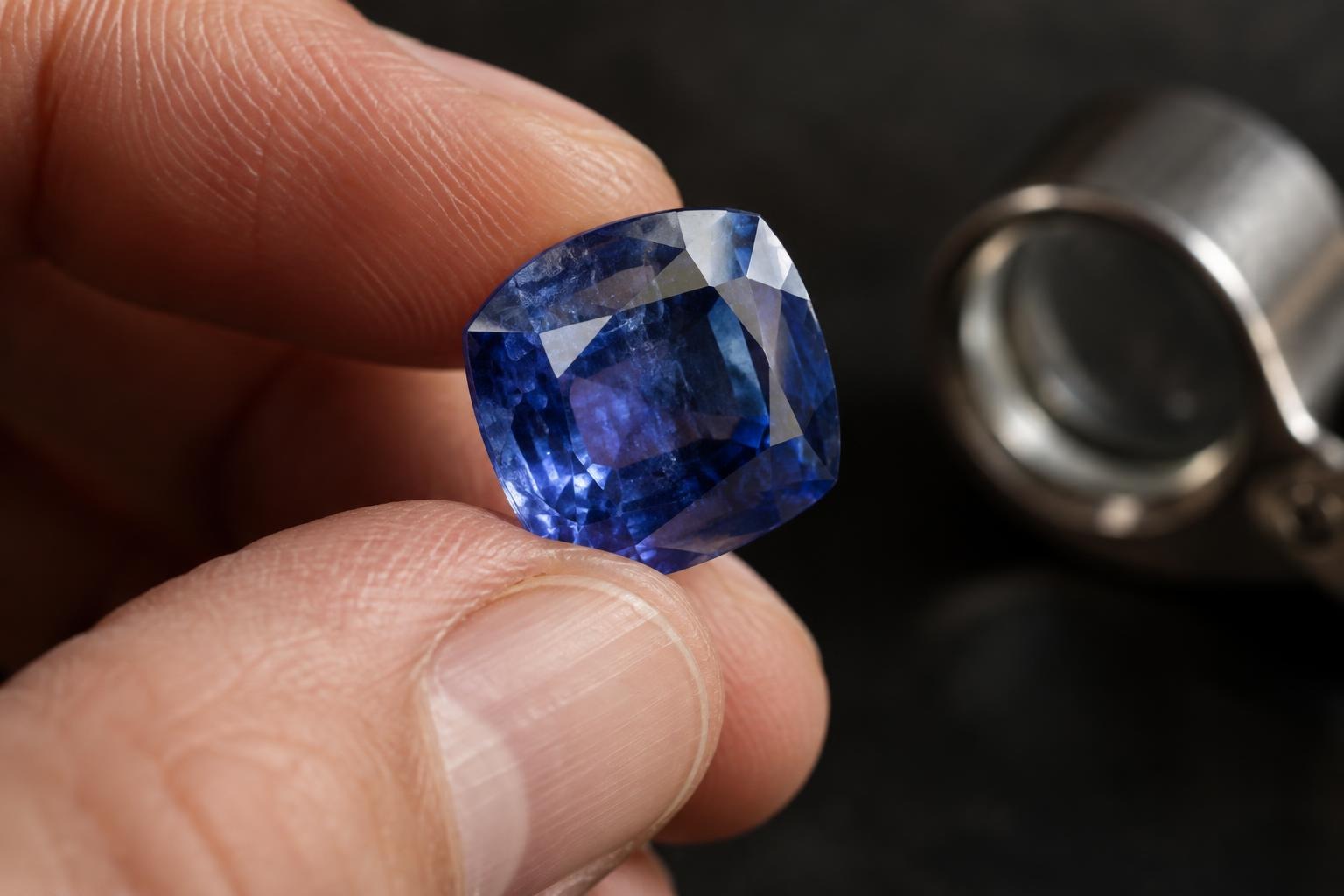
Hand-Cut Gemstones: Characteristics and Considerations
Hand-cut gemstones are crafted by skilled lapidaries who manually shape and facet stones with hand tools. Each gem becomes a unique piece, since subtle variations naturally occur in facet dimensions and angles. Many collectors and connoisseurs appreciate hand-cut stones for their character and artisan quality.
However, hand cutting does not imply lower quality by default. Experienced cutters can deliver excellent symmetry and proportion suitable for the gem type. That said, listings describing stones as hand-cut usually do not come with the exact numerical measurements that precision-cut stones may have documented.
When buying hand-cut gems, one should consider the reputation and skill of the cutter, inspect photos carefully, and ask for information about general cut quality and symmetry. Remember that hand-cutting may result in slight variations in colour distribution and brilliance due to individual facet angles, but this can also give the gem its distinct charm.
Key Aspects Measured in Precision Cut Gemstone Claims
Precision cut gemstone claims often focus on quantifiable aspects of the cut such as facet arrangement, angles, and symmetry. Common measurements might include:
• "Facet angles" – the degrees to which each facet is oriented, impacting light reflection and refraction;
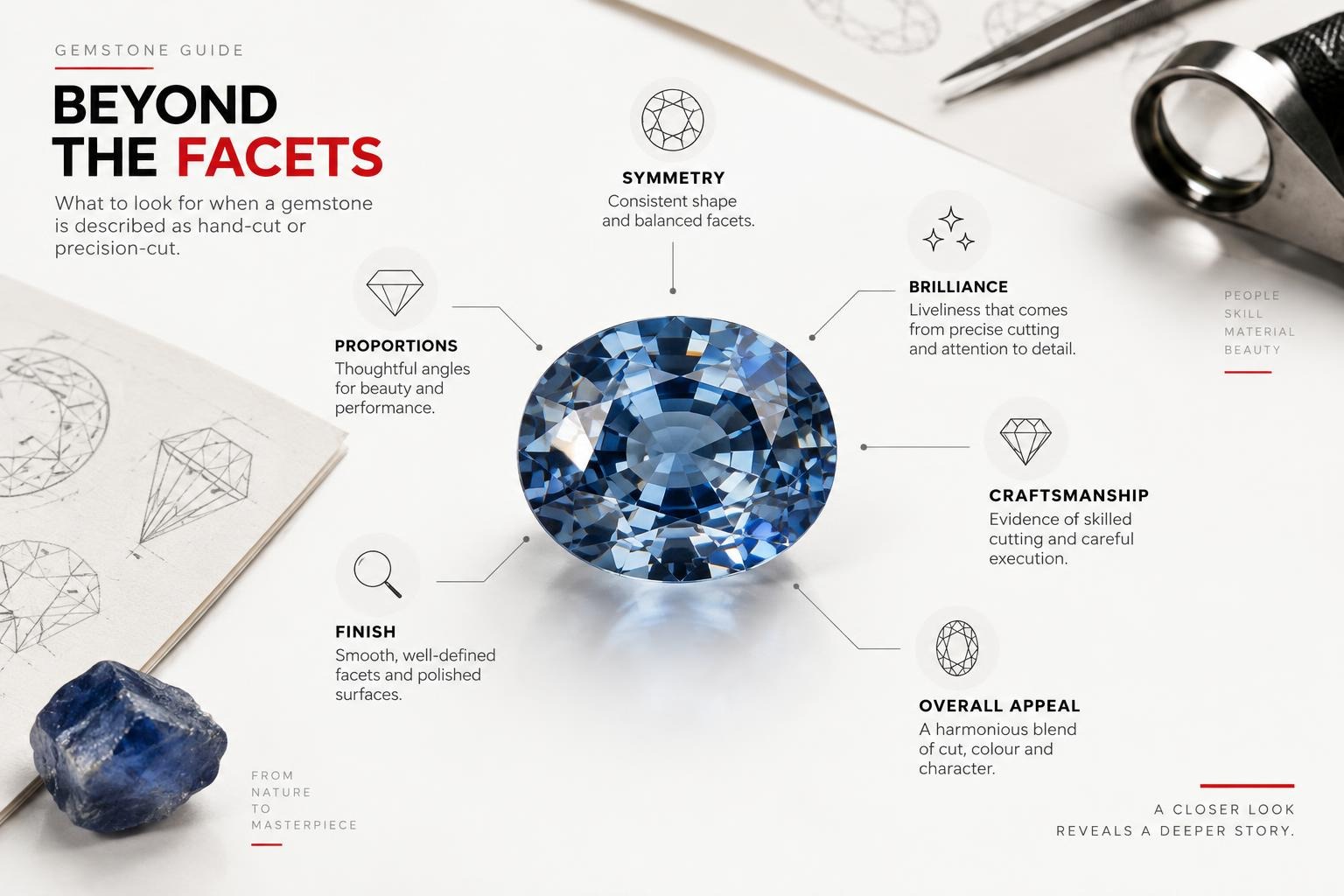
• "Symmetry" – consistency in shape, size, and positioning of corresponding facets;
• "Proportions" – ratios between diameters, depths, and pavilion angles that influence the gem’s overall optical performance.
Some sellers also provide details on polish quality or specific cutting standards that were used in the process. However, important limitations exist: these claims do not automatically indicate superior aesthetics or durability, nor do they guarantee that these measurements were independently verified.
When reading listings, ask the seller what precise facets or angles were measured, what instruments were used, and if they can share reports or diagrams showing the measured parameters. Without such details, precision cut claims remain broad and subjective.
Limitations and Risks of Relying on Cut Claims Alone
A frequent misconception is that a label like "precision cut" directly translates into a more beautiful or valuable gemstone. This is not necessarily true since aesthetic appeal depends on multiple factors beyond numerical cut precision, including colour, clarity, species-specific optical properties, and even personal taste.
There is also no universal global industry standard defining "precision cut" equivalently between sellers, meaning one company’s claims may not match another’s. Some listings could exaggerate or use the term loosely without providing supporting measurements or expert evaluation.
Furthermore, photographs and descriptions online rarely show how light behaves within the stone under different viewing conditions, which significantly influences beauty. Thus, buyers should approach cut claims as one piece of the puzzle and not as standalone proof of quality.
Practical Questions to Ask When Encountering Precision Cut Claims
When you see a listing that boasts precision cut gemstone claims, try to clarify the following:
• Which specific cut parameters were measured or controlled, and by what methods?
• Are the gem’s facet angles documented or compared to a known cut standard?
• Was the stone cut with automated machinery or by hand using specialised tools?
• Does the seller offer any measurement reports or third-party evaluations relating to the cut?
• How does the precision cutting impact the stone’s light performance, brilliance, or silhouette?
Asking these questions helps distinguish genuine claims from marketing expressions. It also guides you to focus on relevant characteristics that affect appearance and suitability for your purpose, whether for collection, custom jewellery setting, or trade.
Beyond the standard parameters commonly mentioned, such as facet angles and symmetry, some precision cut gemstone claims may also reference surface finish quality or the repeatability of the cutting process. In practice, a gemstone described as precision cut might have undergone computer-aided design (CAD) planning, allowing cutters to aim for exact facet placements within fractions of a degree. However, the actual precision achieved depends heavily on the lapidary’s skill, the cutting equipment calibration, and the raw crystal’s natural shape and inclusions. Buyers should be cautious about how strictly these claims translate into measurable outcomes since even slight deviations can affect optical performance.
Another limitation concerns the diversity of cutting styles suited to different gemstone species. For example, the optimal pavilion angle for diamond differs from that of sapphire or garnet due to variations in refractive index and light behaviour. A precision cut gemstone claim might align angles closely to a preferred model for one species but be less relevant or even counterproductive for another. Consequently, it is important to interpret such claims with regard to the specific mineral species and intended aesthetic outcomes.
A further practical consideration is that precision cut gemstones often emphasise geometric uniformity that facilitates standardising sizes for jewellery manufacturing. This uniformity benefits repeat custom settings and consistent colour or brilliance expectations in matched sets. By contrast, hand-cut stones, with more individual variation, might require bespoke mounting solutions and can differ markedly from stone to stone in appearance even within the same nominal shape and carat.
In addition, some sellers testing their stones with optical measurement tools may report metrics such as optical return percentage or brilliance scores derived from light performance models. Although these enrich the concept of precision cutting, such data are rarely universally available or validated by independent laboratories. When sellers cite such measurements, request clarification of the methodology and ask for comparative benchmarks to understand their significance.
Buyers should also appreciate that a precision cut’s impact on durability and wearability is not always clear from numeric parameters alone. Sharp facet junctions or thin girdles intended for maximum sparkle might increase vulnerability to chipping. Thus, evaluating precision cut claims alongside information about gemstone stability, species toughness, and expected use conditions is prudent.
Lastly, when precision cut claims include references to specific standards or grading terms, it is helpful to ask whether these refer to recognised gemmological protocols or proprietary criteria developed by the cutter or dealer. Confirming whether documentation or reports accompany these claims can reduce ambiguity and support informed decision-making. Without such transparency, the term remains more promotional than factual.
How to Interpret Cut Information in Online Gemstone Catalogues
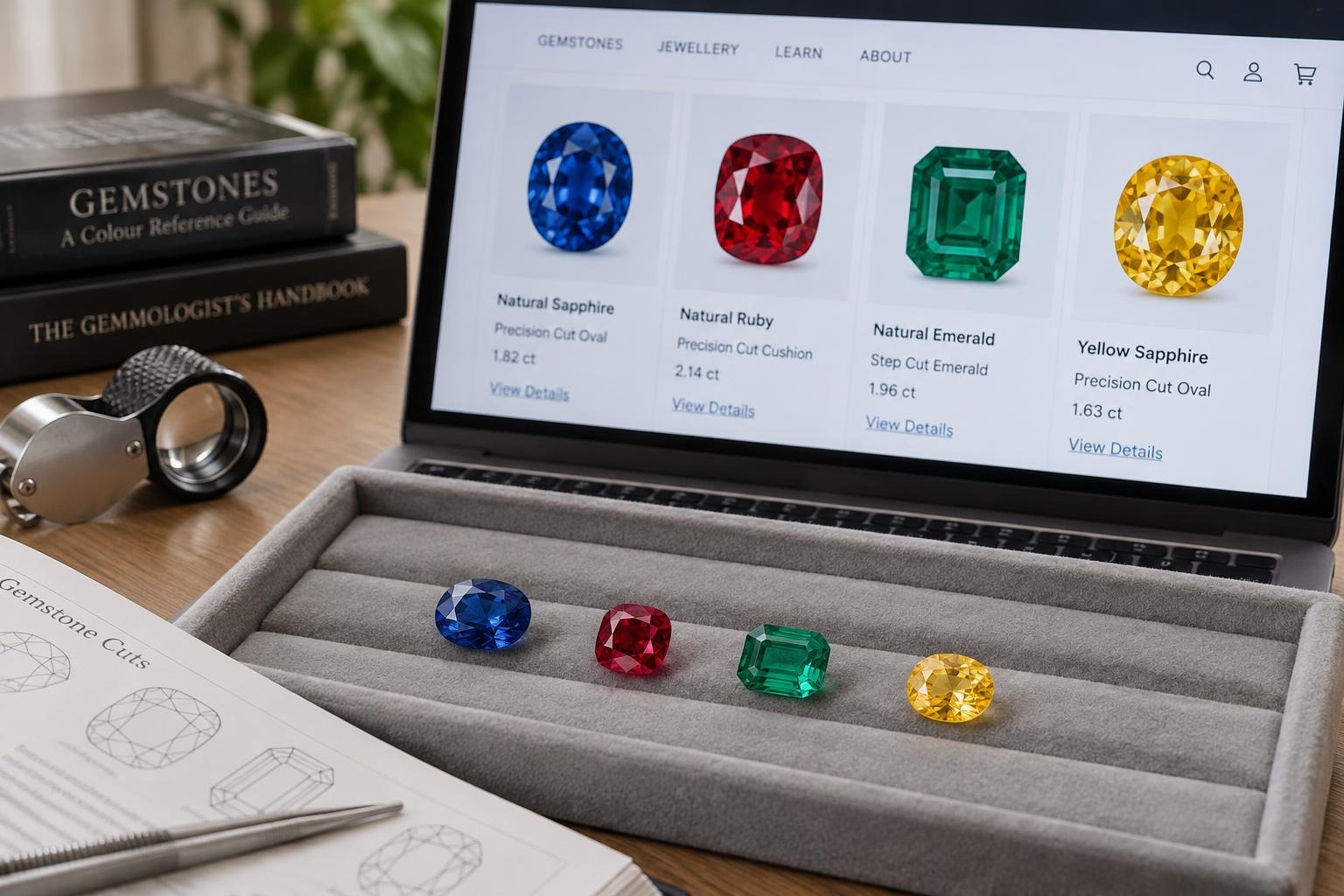
Online catalogues commonly describe stones with terms like "precision cut" alongside details such as carat weight, millimetre dimensions, and sometimes cut style or shape. Without direct physical inspection, interpreting these requires some experience:
• Carat and millimetre size often influence cut appearance; two stones of the same carat but different proportions can look quite different.
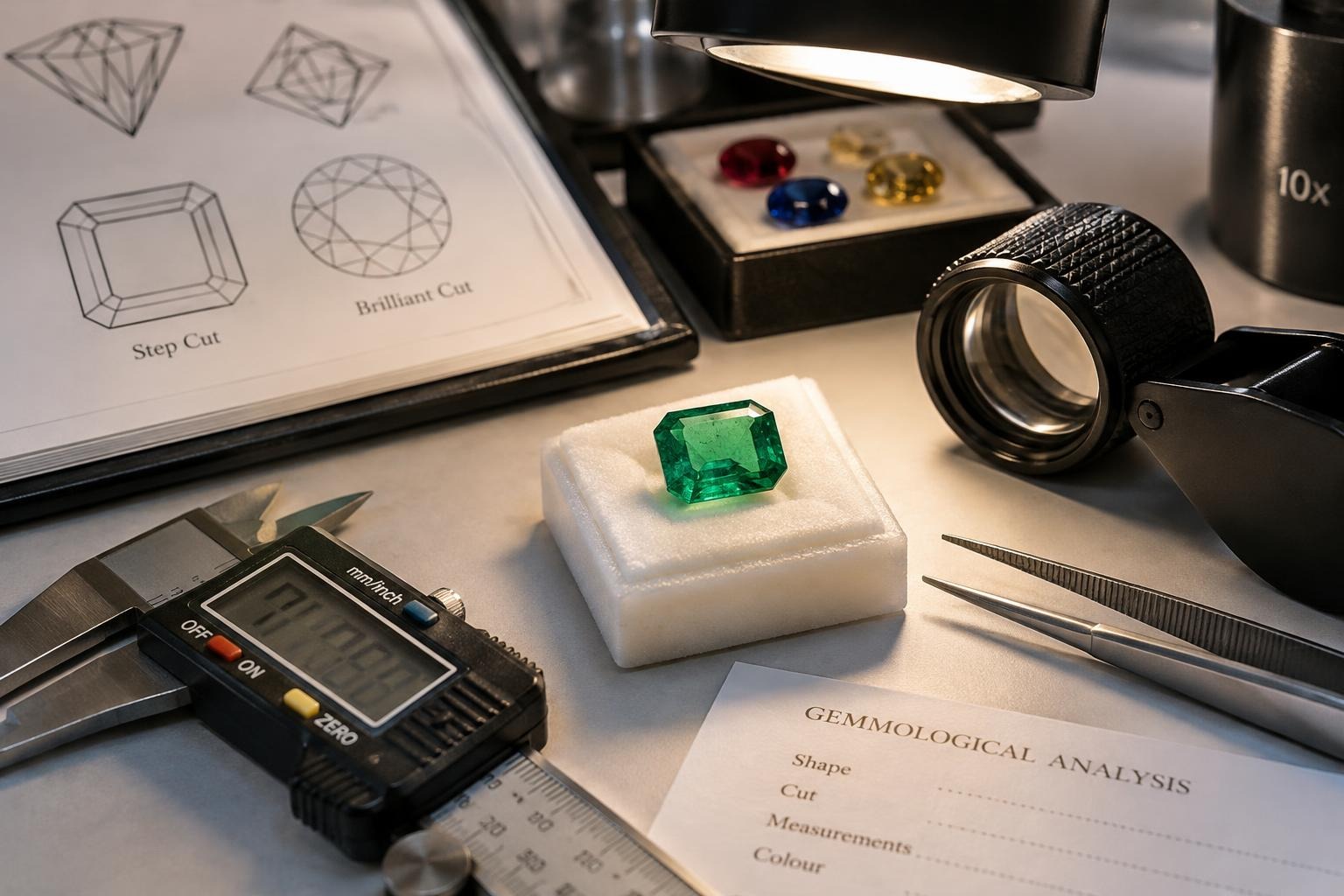
• Look for any numeric cut parameters in the listing or request them if absent.
• Understand that the precision in facet dimensions or angles might come at the expense of other aspects, such as yield or stone colour distribution.
• When comparing multiple stones, treat cut claims as one factor among clarity, colour, species, and price.
Remember that photographs provide illustrative information rather than definitive proof. If factor cut characteristics are critical, insist on documented measurements or consider professional evaluation.
Distinguishing Documented Facts from Illustrative Scenarios
Some listings illustrate precision cut gemstone claims using diagrams, faceting schematics, or descriptive language. It is important to recognise that such illustrations may be exemplary rather than specific to the individual stone. They help explain concepts but do not substitute for measured data.
Similarly, sellers might use photographs designed to highlight symmetry or cut quality in ideal lighting. These are valuable but cannot replace physical or laboratory examination because colour and brilliance vary with light source and angle.
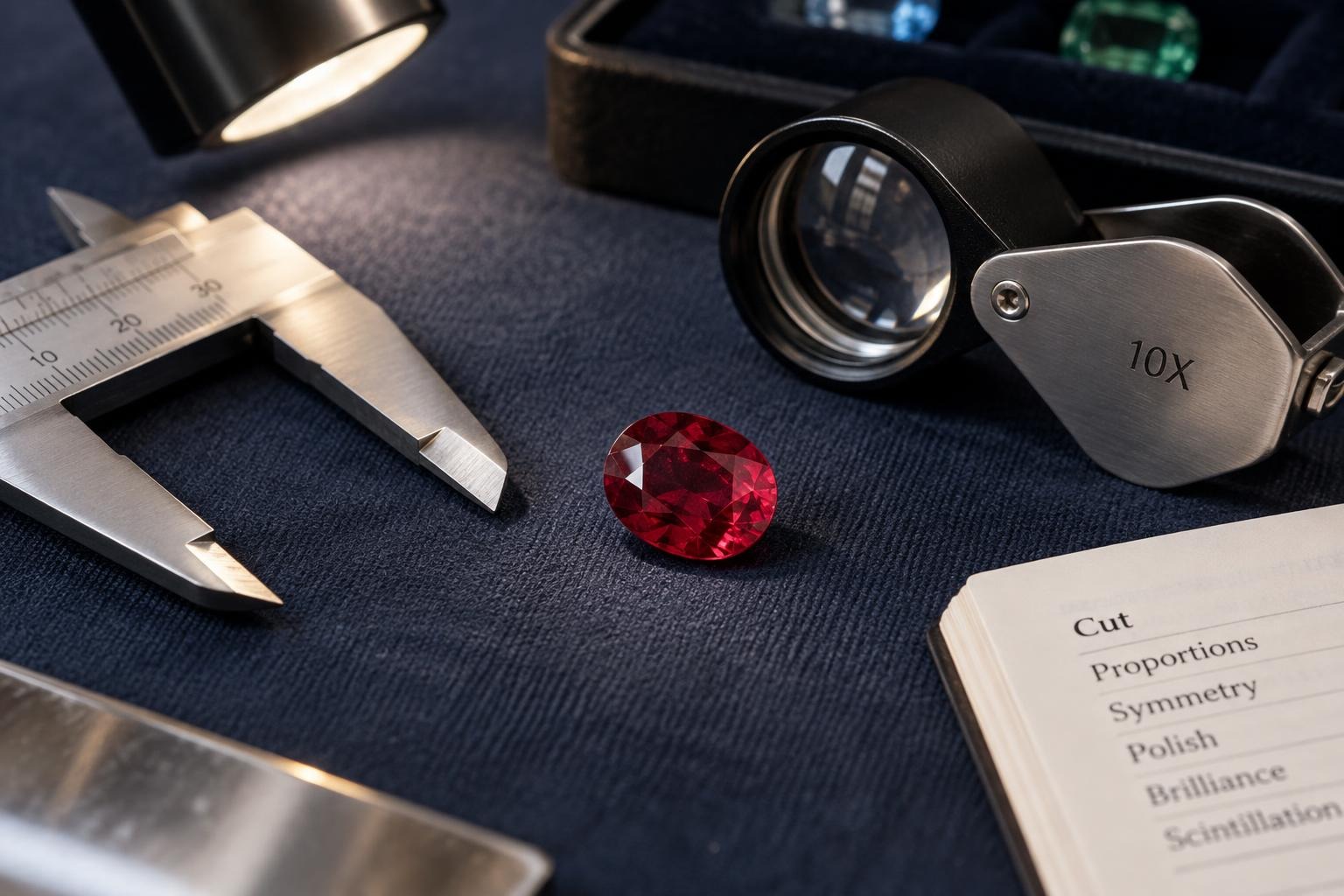
Verified documented facts come from objective measurements, ideally conducted with gemmological instruments or reported by qualified gemmologists. Without these objective data, claims remain best interpreted as marketing expressions.
For a deeper understanding of gemstone grading and certification, readers can refer to established guides such as the GIA's overview on gemstone grading.
Conclusion: Making Informative Choices When Facing Cut Claims
Precision cut gemstone claims are useful starting points but require context and verification. They describe measured aspects related to facet uniformity and angles but do not on their own guarantee beauty or value. Always ask targeted questions about what measurements were made and how. Consider viewing relevant measurement reports or expert opinions if available.
Whether purchasing hand-cut or precision-cut stones, focus on balanced evaluation of colour, clarity, species characteristics, and provenance alongside cut descriptions. This approach reduces risk and improves satisfaction with your gemstone purchase.
Browse loose gemstones confidently by combining detailed cut information with trusted educational resources and seller transparency.
Your questions, answered
What exactly is meant by 'precision cut' in a gemstone listing?
Precision cut means the gem has been faceted with measured control over facet angles, symmetry, or proportions, often using advanced tools. However, there is no standard industry definition, so the exact meaning can vary by seller.
Does a precision cut guarantee a more beautiful gemstone?
No. Precision cut focuses on numerical facet measurements but beauty depends on overall appearance including colour, clarity, species, and lighting conditions. Cut is one important factor but not a guarantee.
How can I verify a precision cut gemstone claim before buying online?
Ask the seller for details on which cut parameters were documented, measurement methods used, and if any reports or diagrams are available. Expert appraisal is ideal when possible.
What should I consider when buying hand-cut gemstones?
Hand-cut stones may show natural variation in facets and angles, offering unique character. Evaluate photos carefully, inquire about the cutter's reputation, and understand this may affect colour distribution and light performance.
Are diagrams or photos of cut idealisations reliable for judging a specific gem?
They provide helpful illustrations but do not replace actual measurements or physical viewing. Lighting and camera angles can alter appearance, so rely on documented facts and trustworthy seller info.
Find a colour that speaks to you.
Explore our wide selection of loose faceted gemstones to find beautifully cut stones that meet your needs. Shop with confidence and clarity.