

 1st - Gold
 January
 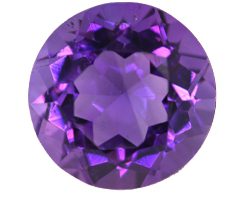 February
 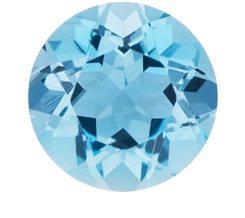 March
March 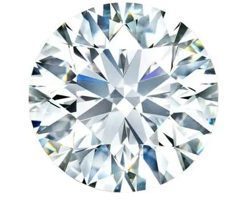 April
April 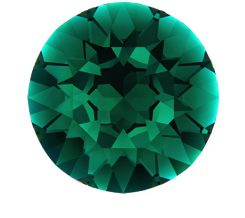 May
May 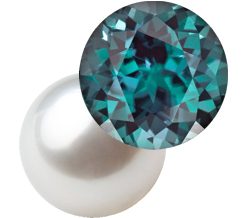 June
June 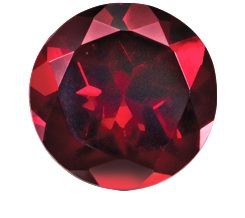 July
July 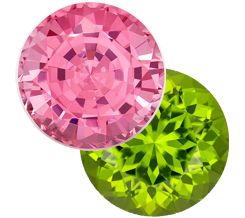 August
 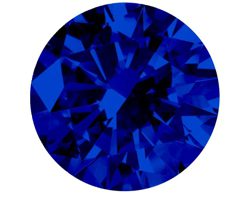 September
 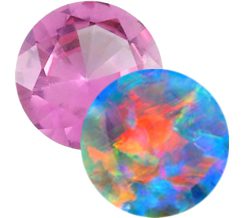 October
 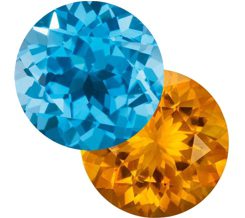 November
 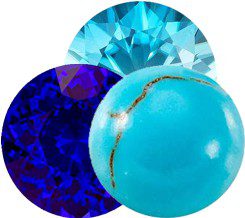 December
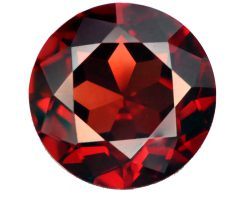
 Capricorn - Garnet
  Aquarius - Amethyst
  Pisces - Aquamarine
  Aries - Diamond
  Taurus - Emerald
  Gemini - Pearl
  Cancer - Ruby
  Leo - Peridot
  Virgo - Blue Sapphire
  Libra - Opal
  Scorpio - Topaz
  Sagittarius - Tanzanite
How Gemstones Are Graded and Certified
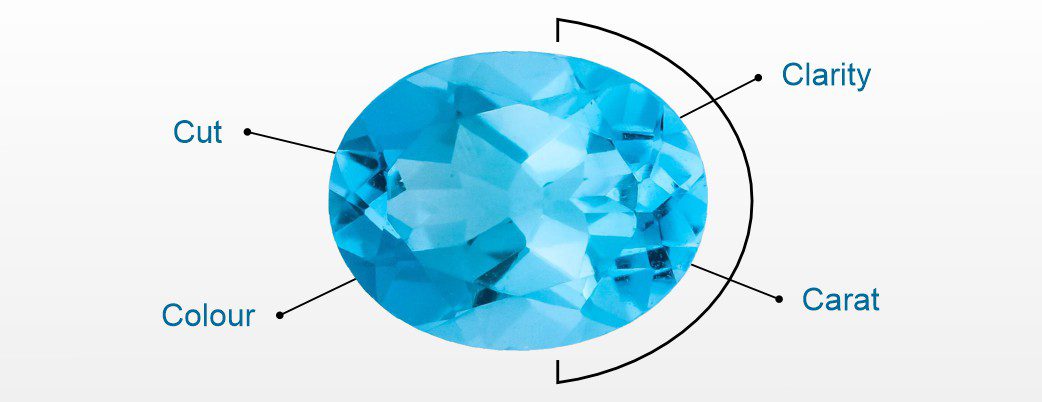
Learn how gemstones are graded and certified. Gemstones are among the world’s most captivating natural treasures, revered for their beauty, rarity and timeless appeal. Yet their true value isn’t always obvious to the untrained eye. In South Africa’s active gemstone, jewellery and luxury goods market, understanding **how gemstones are graded and certified** is essential for making confident, safe and worthwhile purchases. Without proper grading, two stones that look similar to a casual observer can differ dramatically in authenticity, durability and price.
The purpose of this guide is to take you behind the scenes of the gemstone industry — explaining how professional grading is conducted, what laboratories look for, which factors have the biggest impact on value, and why legitimate certification is absolutely non-negotiable when investing in high-quality gems, whether for personal enjoyment or long-term asset value.
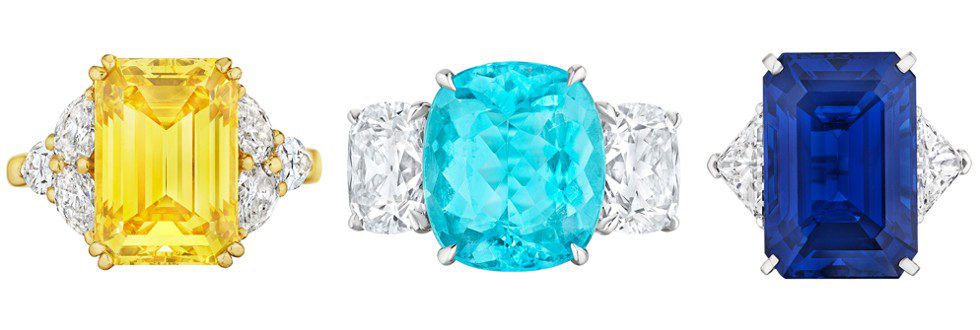
Why Gemstone Grading Matters
Two gemstones may look similar in size and colour, but their internal quality, treatment history and authenticity can vary enormously. Grading provides a **standardised, transparent assessment** that allows buyers, jewellers and collectors to speak the same language.
A graded gemstone eliminates guesswork and reveals details invisible to the naked eye, such as internal inclusions, structural weaknesses, hidden treatments and even whether the stone is natural or synthetic. Without a professional grading report, buyers face unnecessary risk — especially in a market where treated, synthetic or misrepresented stones are becoming increasingly common.
Key benefits of proper grading include:
• Confidence in fair and realistic pricing
• Proof of authenticity and natural origin
• Identification of treatments that affect durability and value
• Protection against manipulation, synthetic stones and false claims
• International recognition of the gemstone’s status and quality
• Higher resale value or insurance coverage for significant pieces
Whether you’re shopping for diamonds, coloured gemstones or investment-grade stones, grading is your primary safeguard against costly mistakes.
What Gemstone Grading Evaluates
Every professional gemmological laboratory follows a structured checklist to evaluate quality. Although the specifics vary from stone to stone, the core elements remain consistent. These factors determine not only a gemstone’s beauty but also its rarity, market desirability and long-term value.
1. Colour
Colour is the most influential value driver in most coloured gemstones, especially rubies, sapphires, emeralds and tanzanite. A gemstone’s colour is analysed using three main components:
• Hue – The dominant colour visible, such as blue, green or red. Subtle secondary hues (for example, violetish-blue) also impact desirability.
• Tone – How light or dark the colour appears. Very light or overly dark stones often lose value, even if the hue is attractive.
• Saturation – The colour’s vividness or intensity. Highly saturated stones with vivid, pure colour are the most valuable.
Gemstones with strong, even colour and minimal grey or brown undertones command premium prices. For example, deep green emeralds, vivid royal blue sapphires and pigeon’s blood rubies are prized globally for their intense colour.
2. Clarity
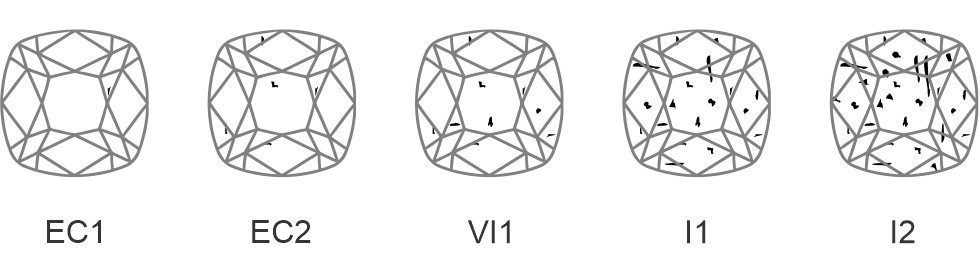
Clarity measures the visibility and type of internal features such as inclusions, crystals, feathers, needles or fractures. These characteristics form naturally during the gemstone’s growth and are often unique to each stone.
Inclusions affect value in different ways:
• They may reduce transparency and brilliance
• They can weaken structural integrity
• They may reveal whether the stone is natural or synthetic
• They can indicate whether a gemstone has undergone treatment
Clarity expectations vary by gemstone. Emeralds, for instance, are typically included, while aquamarines and topazes are expected to be relatively clean. High clarity paired with excellent colour significantly increases a gemstone’s value.
Common clarity categories include:
| EC1 | 10x Loupe clean | No visible inclusions under 10x loupe magnification |
| EC2 | Eye-clean | No visible inclusions to the naked unaided eye |
| VI1 | Slightly included | Inclusions Slightly Visible to Eye |
| I1 | Moderately included | Inclusions Visible to Eye |
| I2 | Heavily included | Inclusions Very Visible to Eye |
3. Cut and Shape
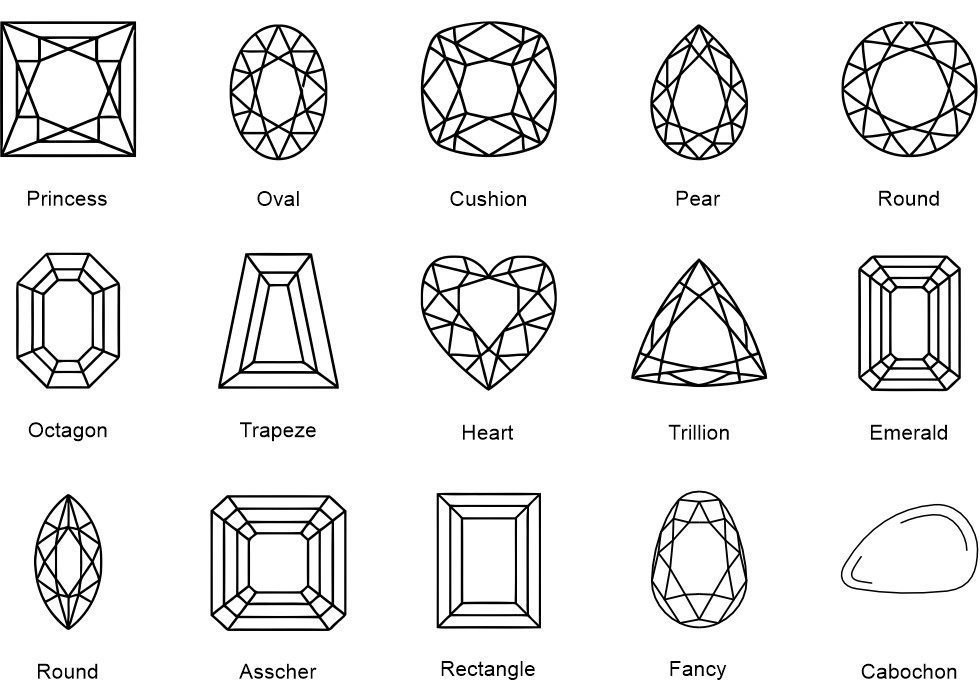
A gemstone’s cut determines how effectively it reflects and refracts light. Even if a stone has perfect colour and clarity, a poor cut can make it appear dull or lifeless. Skilled cutting maximises brilliance, highlights the best colour and improves the overall beauty of a gemstone.
Grading evaluates:
• Symmetry
• Proportions
• Facet alignment
• Polish quality
• Light performance (sparkle and brilliance)
Popular shapes include oval, round, pear, cushion, emerald cut and cabochon. Each shape is chosen based on the rough stone’s natural form and the cutter’s intention to maximise weight or beauty.
4. Carat Weight
Carat weight measures how heavy a gemstone is. While many buyers focus on carat as their first priority, gemstone value does not increase linearly. Instead, larger stones become exponentially rarer and more valuable, especially when they also display excellent colour and clarity.
A small increase in carat weight can result in a substantial increase in price when the stone has top-tier quality in all other grading categories.
5. Treatments
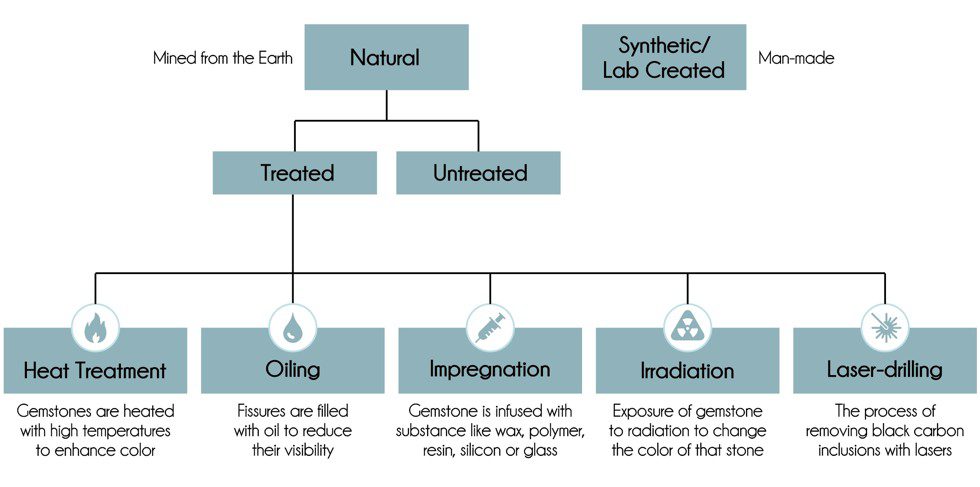
Most gemstones on the global market receive some form of enhancement to improve colour or clarity. Treatments are acceptable **only when fully disclosed** and when they do not excessively compromise durability.
Common treatments include:
• Heat treatment for sapphires and rubies (widely accepted and stable)
• Oil treatment for emeralds (common and expected)
• Irradiation for topaz (to produce blue tones)
• Fracture-filling using glass, resin or wax
• Diffusion, which adds colour only to the surface
Untreated, naturally vibrant stones with minimal inclusions are rare and significantly more valuable. Certification is the only reliable method for identifying treatments.
6. Origin
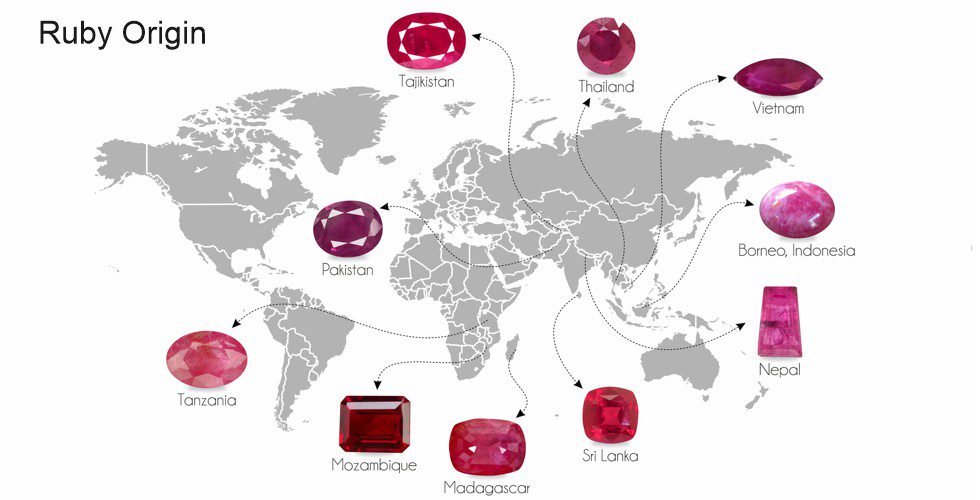
Some gemstones gain additional value due to their geographical origin. For example, Kashmir sapphires, Burmese rubies and Colombian emeralds are world-renowned. Their unique geological environments produce exceptional colours and inclusion patterns that specialists can identify under magnification.
Not all origins can be confirmed with certainty, but advanced laboratories use chemical analysis, spectroscopy and inclusion studies to give the most accurate determination possible.
Why Certification Matters
A gemstone certificate from a reputable laboratory provides an expert, unbiased evaluation of a gemstone’s characteristics. It is a vital tool for buyers and investors and acts as proof of authenticity.
A genuine certificate outlines:
• Gemstone identity (e.g., natural sapphire or synthetic ruby)
• Whether the stone is natural or lab-grown
• Colour, clarity, cut and carat weight
• Full treatment disclosure
• Measurements and proportions
• Comments on durability or structural weaknesses
Certification protects consumers against fraud, inflated valuations and undisclosed treatments. It is essential when purchasing high-value gemstones, reselling stones, obtaining insurance or building a long-term investment portfolio.
Trusted Certification Laboratories
Not all gem labs have equal credibility. The following are internationally respected for accuracy, strict standards and transparent reporting:
• GIA (Gemological Institute of America)
• IGI (International Gemological Institute)
• Gübelin Gem Lab
• SSEF (Swiss Gemmological Institute)
• AGL (American Gemological Laboratories)
Trusted laboratories within South Africa include:
• EGL, Johannesburg, South Africa
• GemLab, Cape Town, South Africa
Always verify the certificate online. Reputable labs provide digital copies and searchable report numbers.
How Gemstone Certification Works
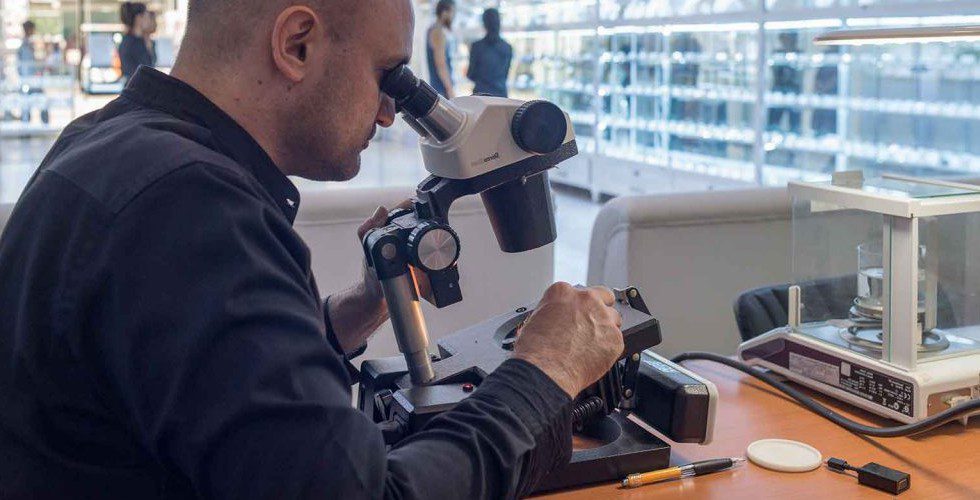
When a gemstone is submitted for certification, it undergoes a series of technical assessments conducted by trained gemmologists using specialised equipment.
The process typically involves:
• Visual and microscopic inspection
Used to detect inclusions, features and structural patterns.
• Refractive index and spectroscopy testing
Confirms gemstone identity and composition.
• UV fluorescence analysis
Helps detect treatments or synthetics.
• Inclusion mapping
Distinguishes natural stones from lab-created or treated ones.
• Treatment detection
Identifies heat, filling, irradiation or diffusion.
• Grading according to international standards
Once complete, the laboratory issues a digital and/or printed certificate that accompanies the gemstone.
Red Flags to Avoid
When purchasing a gemstone, be wary of the following:
• Sellers offering gemstones with no certification
• In-house “certificates” printed by jewellery stores
• Prices significantly below market value
• Sellers refusing independent testing
• Overly vague quality descriptions such as “AAA grade”, which carry no official meaning
• Stones that appear suspiciously clean or perfect at unusually low prices
Whenever something feels too good to be true, it usually is.
Final Thoughts
Understanding how gemstones are graded and certified is one of the most effective ways to protect yourself when navigating South Africa’s gemstone and jewellery market. It ensures that every purchase — whether a luxury jewellery piece, an investment gemstone or a sentimental family heirloom — is grounded in truth, transparency and real value.
A professionally graded gemstone gives you confidence not only in its beauty but also in its authenticity, durability and long-term worth. Ultimately, grading and certification turn a gemstone purchase into a safe and rewarding investment experience.
FREQUENTLY ASKED QUESTIONS ABOUT HOW GEMSTONES ARE GRADED AND CERTIFIED
What factors determine a gemstone's grade?
Gemstone grades are based on colour, clarity, cut, carat weight, treatments, and sometimes origin. Each element plays a role in determining the stone’s overall value.
Why is gemstone certification important?
Certification confirms that a gemstone is natural, correctly identified, accurately graded and checked for treatments. It protects buyers from overpaying or purchasing misrepresented stones.
Which gemstone certification labs are most trusted?
The most respected labs include GIA, IGI, Gübelin, SSEF and AGL. In South Africa, trusted labs include EGL South Africa and GemLab SA.
Do all gemstones require certification?
High-value gemstones such as diamonds, sapphires, rubies, emeralds and tanzanite should always be certified. Semi-precious stones may not need lab reports unless they are significant in value.
How can I identify if a gemstone is treated?
Treatments can be detected through professional laboratory testing using magnification, spectroscopy, UV fluorescence and other advanced methods. Reliable labs always disclose treatments clearly on the certificate.
Are gemstone certificates the same as jewellery valuations?
No. A gemstone certificate verifies authenticity and quality through scientific testing, while a valuation mostly estimates retail value for insurance purposes.
Can I trust a gemstone that comes with an in-house store certificate?
In-house certificates are not independent and often lack proper testing. It is always safer to rely on a reputable third-party laboratory report.
Do synthetic gemstones need certification?
Yes. Certification confirms that a stone is synthetic and prevents it from being misrepresented as natural, protecting the buyer from fraud.
How long does gemstone certification take?
Certification can take a few hours to two weeks in South Africa, depending on the laboratory. International labs may require more time due to demand and shipping.
Can a gemstone lose value if it is treated?
Yes. Treated gemstones typically have lower value than untreated stones of similar colour and clarity. Some treatments, such as glass filling, reduce value significantly.
Do all gemstones show inclusions under magnification?
Most natural gemstones display inclusions under 10x magnification. Completely inclusion-free stones are rare and highly valuable.
Can gemstone origin really be identified?
Advanced laboratories can often determine origin based on chemical composition, inclusion types and growth patterns, but some gemstones cannot be definitively sourced.
Is it safe to buy gemstones online in South Africa?
Yes, as long as you have the option to obtain a certificate from a reputable laboratory and the seller offers a transparent return policy.
What is the difference between a heated and an untreated gemstone?
Heat treatment enhances colour and clarity and is considered stable. Untreated gems with fine colour are much rarer and more valuable.
Does certification increase the resale value of a gemstone?
Yes. Certified stones are easier to price, easier to sell and more attractive to buyers because their quality is documented and verified.