

 1st - Gold
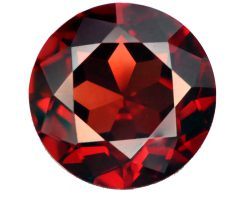 January
 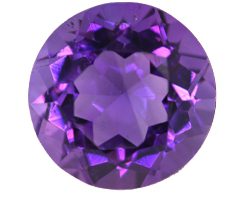 February
 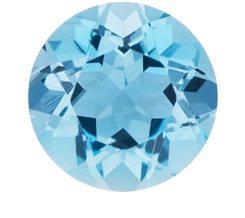 March
March 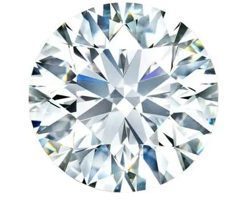 April
April 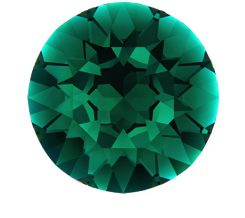 May
May 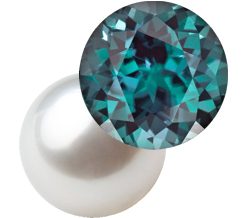 June
June 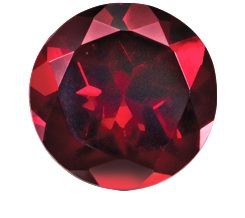 July
July 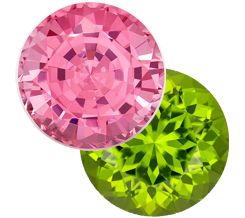 August
 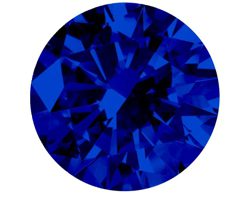 September
 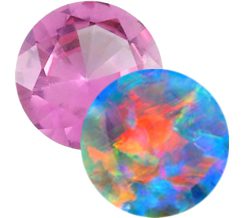 October
 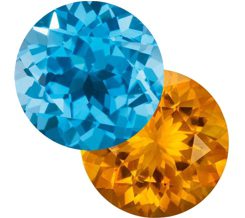 November
 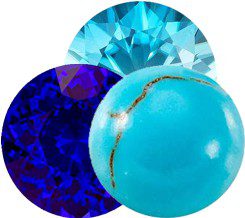 December
 Capricorn - Garnet
  Aquarius - Amethyst
 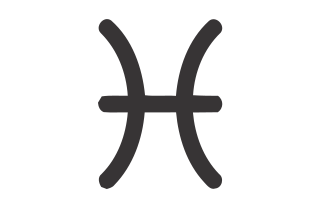 Pisces - Aquamarine
  Aries - Diamond
  Taurus - Emerald
  Gemini - Pearl
  Cancer - Ruby
  Leo - Peridot
  Virgo - Blue Sapphire
  Libra - Opal
  Scorpio - Topaz
  Sagittarius - Tanzanite

10 RARE GEMSTONES YOU MIGHT NOT KNOW ABOUT
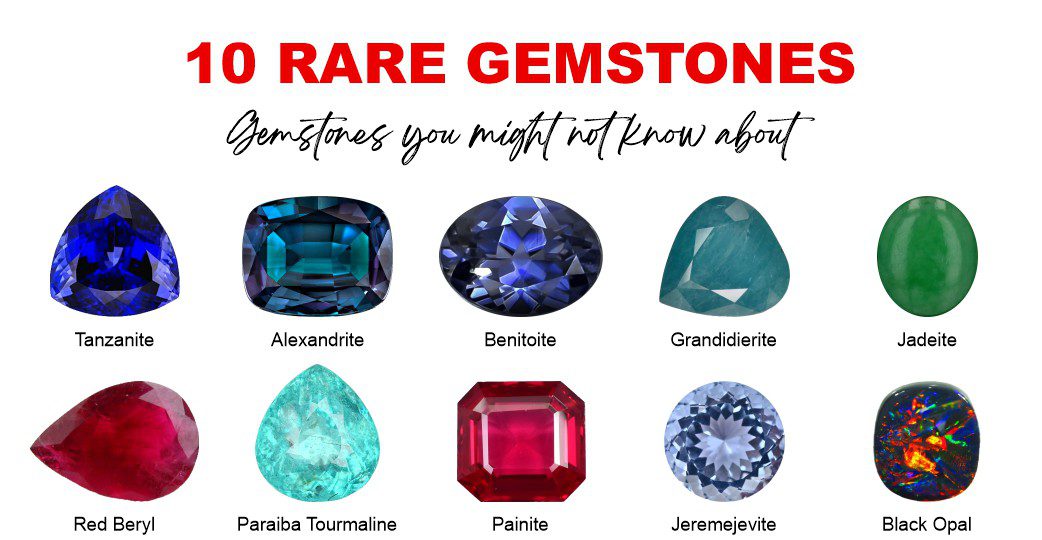
The world of gemstones goes far beyond the mainstream favourites like diamonds, emeralds, rubies, and sapphires. Hidden in remote regions and formed under unique geological conditions, rare gemstones offer extraordinary colours, optical effects, and scientific intrigue. Many of these minerals are so scarce that even seasoned jewellers may never encounter them. Below is an expert deep dive into ten rare gemstones, their origins, characteristics, and what makes each of them truly exceptional.
Tanzanite – The One-Location Wonder
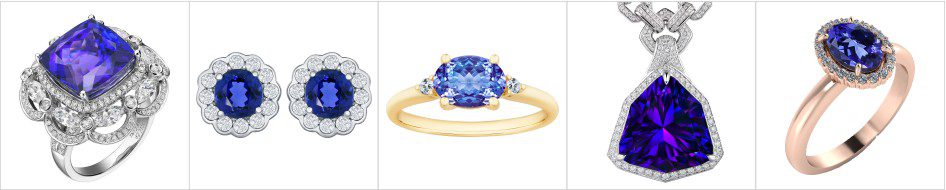
Tanzanite is found only in a tiny mining zone near Mount Kilimanjaro in Tanzania, making it one of the world’s most geographically restricted gemstones. It belongs to the zoisite family and displays strong pleochroism, showing blue, violet, and burgundy depending on the viewing angle. Its striking colour is typically enhanced through heat treatment, which stabilises and deepens the blue-violet tones.
Hardness: 6 to 7 on Mohs scale
Refractive Index: 1.685 – 1.707
Notable Feature: Strong pleochroism and limited supply, predicted to be depleted within decades.
Alexandrite – The Colour-Changing Chameleon
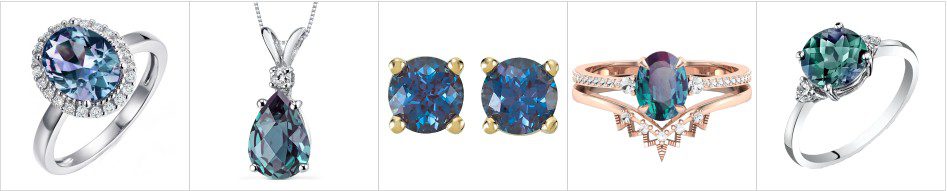
Alexandrite, a variety of chrysoberyl, is famous for its dramatic colour change—appearing green or blue-green in daylight and red or purplish-red under incandescent light. This remarkable effect is caused by chromium impurities within the crystal structure. Fine-quality alexandrite is extremely rare, with Russia’s original deposits nearly exhausted. Smaller quantities now come from Sri Lanka, Brazil, and East Africa, but top-grade stones remain exceptionally scarce.
Hardness: 8.5
Refractive Index: 1.746 – 1.755
Notable Feature: One of the strongest colour-change phenomena in the gem world.
Benitoite – California’s Brilliant Blue Secret
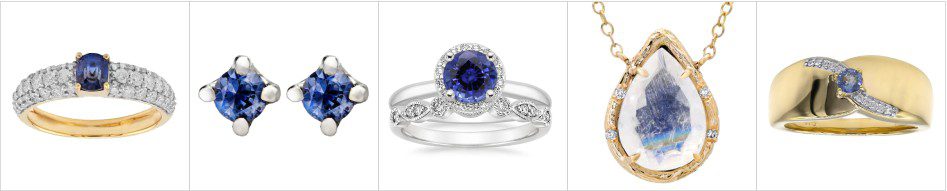
Benitoite is a barium titanium silicate known for its sapphire-like royal blue colour and exceptional dispersion, which gives it a diamond-like fire. It also fluoresces bright blue under ultraviolet light. The only significant source is San Benito County in California, meaning supply is incredibly limited.
Hardness: 6 to 6.5
Refractive Index: 1.757 – 1.804
Notable Feature: Strong fluorescence and unusually high dispersion for a blue gemstone.
Grandidierite – A Blue-Green Masterpiece
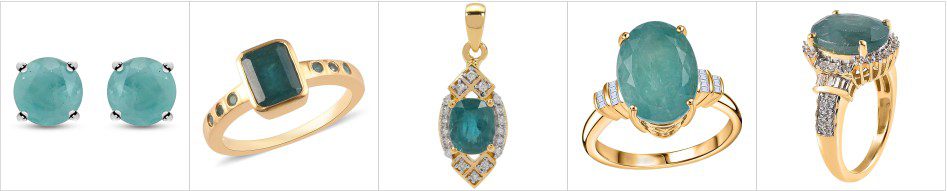
Grandidierite is a highly rare magnesium iron borosilicate, first discovered in Madagascar. Its mesmerising blue-green colour comes from trace amounts of iron, and fine-quality transparent specimens are exceptionally scarce. Most pieces on the market are translucent, with the very best stones fetching premium prices at auction.
Hardness: 7.5
Refractive Index: 1.590 – 1.623
Notable Feature: Strong pleochroism with blue, green, and colourless tones.
Jadeite – The Royal Jade
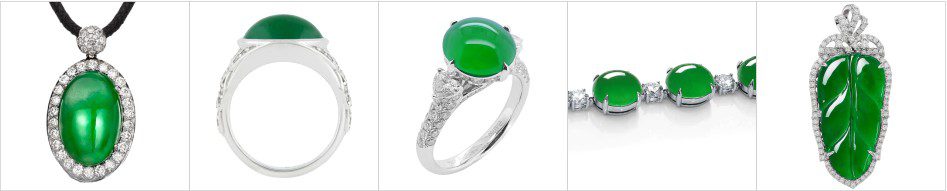
Jadeite is the rarer, more valuable form of jade and is chemically a pyroxene mineral. Its most prized variety, Imperial Green jadeite, shows a vivid, saturated emerald-like green caused by chromium content. Genuine high-grade jadeite is extremely valuable, often outperforming diamonds in per-carat price. Myanmar (Burma) remains the key source, although political restrictions further limit availability.
Hardness: 6.5 to 7
Refractive Index: 1.66 – 1.67
Notable Feature: Exceptional toughness, making it resistant to breakage despite moderate hardness.
Red Beryl – The “Red Emerald” Rarity
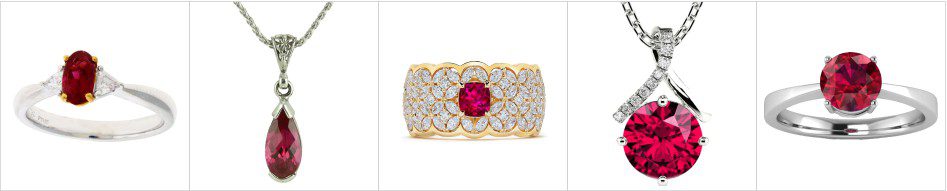
Red beryl, also known as bixbite, is one of the rarest gemstones ever discovered. It forms only under very specific volcanic conditions involving beryllium-rich rhyolite. Found mainly in Utah, USA, red beryl owes its scarlet colour to manganese. Its scarcity is extreme—estimated to be 8,000 times rarer than ruby.
Hardness: 7.5 to 8
Refractive Index: 1.564 – 1.574
Notable Feature: Limited formation conditions make large gem-quality crystals almost nonexistent.
Paraíba Tourmaline – Neon Perfection
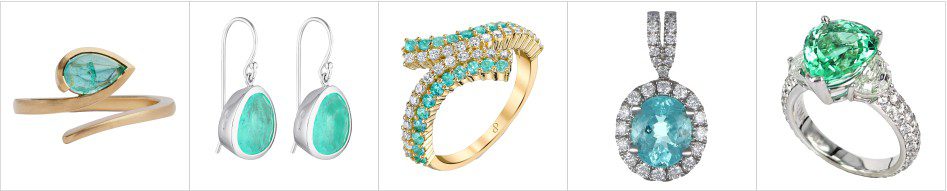
Paraíba tourmaline is prized for its neon blue and turquoise glow—an effect caused by copper and, in some cases, manganese. Originally discovered in Paraíba, Brazil, similar stones have been found in Mozambique and Nigeria, but true Brazilian specimens are still the gold standard. Collectors value their electric, almost luminescent appearance.
Hardness: 7 to 7.5
Refractive Index: 1.614 – 1.666
Notable Feature: Copper-bearing composition creates a unique internal glow.
Painite – Once the Rarest Gem on Earth
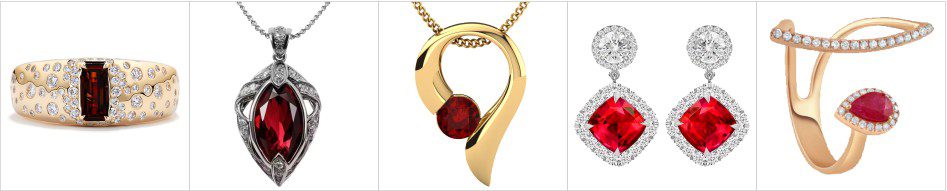
Painite is a calcium zirconium borate that was once considered the world’s rarest gemstone—known only from a single crystal when first discovered in Myanmar. Although more material has been unearthed, most crystals are tiny, fractured, or too included to facet. Collectors still regard it as an iconic rarity.
Hardness: 8
Refractive Index: 1.787 – 1.815
Notable Feature: Deep reddish-brown colour with extreme scarcity.
Jeremejevite – The Desert Crystal
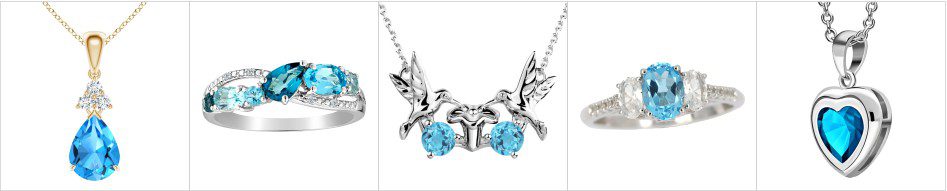
Jeremejevite is an aluminium borate mineral known for its pale blue to nearly colourless appearance. The gemstone is notoriously difficult to facet due to its brittleness, and high-quality crystals usually come from Namibia’s Erongo Mountains. Only a small number of cut stones exist globally.
Hardness: 6.5 to 7.5
Refractive Index: 1.640 – 1.688
Notable Feature: Typically found in arid, pegmatite-rich environments.
Black Opal – The Fiery Dark Stone
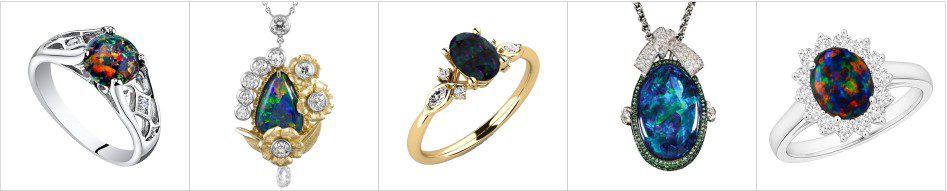
Black opal is considered the king of opals, mined almost exclusively from Lightning Ridge in Australia. The dark body tone provides dramatic contrast to its vibrant play-of-colour, where blues, greens, and intense reds flicker across the stone. Its internal structure is composed of hydrated silica spheres arranged in a microscopic grid that diffracts light.
Hardness: 5.5 to 6.5
Refractive Index: 1.37 – 1.47
Notable Feature: Strong play-of-colour and extremely limited geographic sources.
Why These Gemstones Are Important
These rare gemstones are more than beautiful minerals—they’re scientific wonders shaped by immense geological forces over millions of years. Their scarcity, unique optical properties, and cultural significance make them highly sought after by collectors, investors, and gem enthusiasts. Whether you’re exploring gemstones for personal interest or future investment, understanding their origins and characteristics helps you appreciate their true value.
FREQUENTLY ASKED QUESTIONS
Why are some gemstones considered rare?
They form under very specific geological conditions that occur in only a few places on Earth, making them naturally limited in quantity.
Are rare gemstones more valuable than diamonds?
Yes, many rare gemstones—such as red beryl, paraíba tourmaline, and fine jadeite—can surpass diamonds in price per carat.
Can rare gemstones be used in everyday jewellery?
Some can, but others are too soft or brittle. Stones like alexandrite and jadeite are suitable; opal and jeremejevite require more care.
Do rare gemstones appreciate in value?
Generally, yes. Limited supply, cultural significance, and strong demand can drive long-term value growth.
Where can I buy authentic rare gemstones in South Africa?
Work only with reputable jewellers, gemstone traders, or <a href=”https://www.igemz.co.za/shop/” target=”_blank”>iGemz.co.za</a> who offers gemstones which can be recognised gemmological institutions.
How do I confirm a gemstone is genuine?
Always request certification from gemmological laboratories such as GIA, EGL, GemLab or IGI.
Are lab-grown gemstones considered rare?
No. Lab-grown stones are visually identical but lack natural scarcity, geological age, and investment potential.
Which rare gemstone provides the best investment return?
Paraíba tourmaline, high-grade jadeite, and museum-quality tanzanite are strong contenders, depending on market trends.
Are rare gemstones ethically sourced?
It varies by region. Always ask your supplier for traceability and responsible mining documentation.
What is currently the rarest gemstone in the world?
Painite and red beryl are often cited as the rarest due to their extremely limited natural supply.