



 1st - Gold

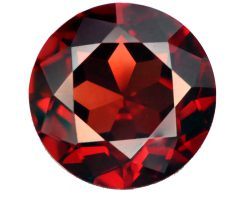 January
 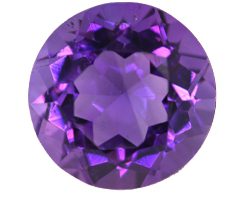 February
 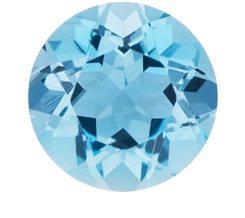 March
March 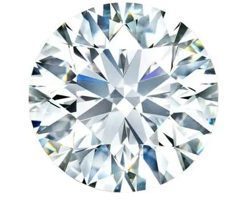 April
April 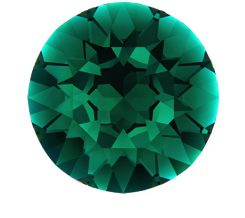 May
May 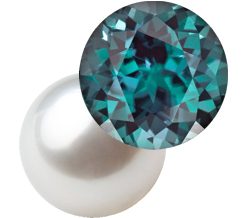 June
June 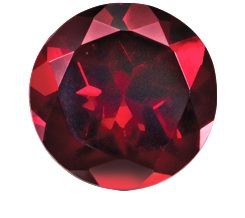 July
July 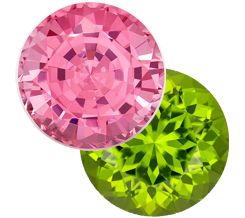 August
 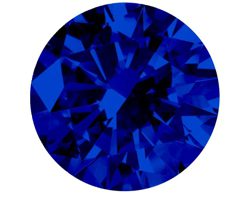 September
 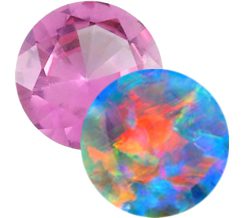 October
 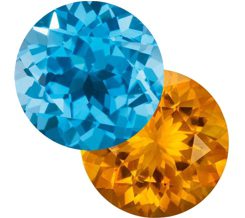 November
 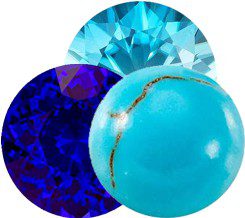 December
 Capricorn - Garnet
  Aquarius - Amethyst
  Pisces - Aquamarine
  Aries - Diamond
  Taurus - Emerald
  Gemini - Pearl
  Cancer - Ruby
  Leo - Peridot
  Virgo - Blue Sapphire
  Libra - Opal
  Scorpio - Topaz
  Sagittarius - Tanzanite


Rutile Quartz Gemstones – Properties, Origins, Treatments and Buying Guide
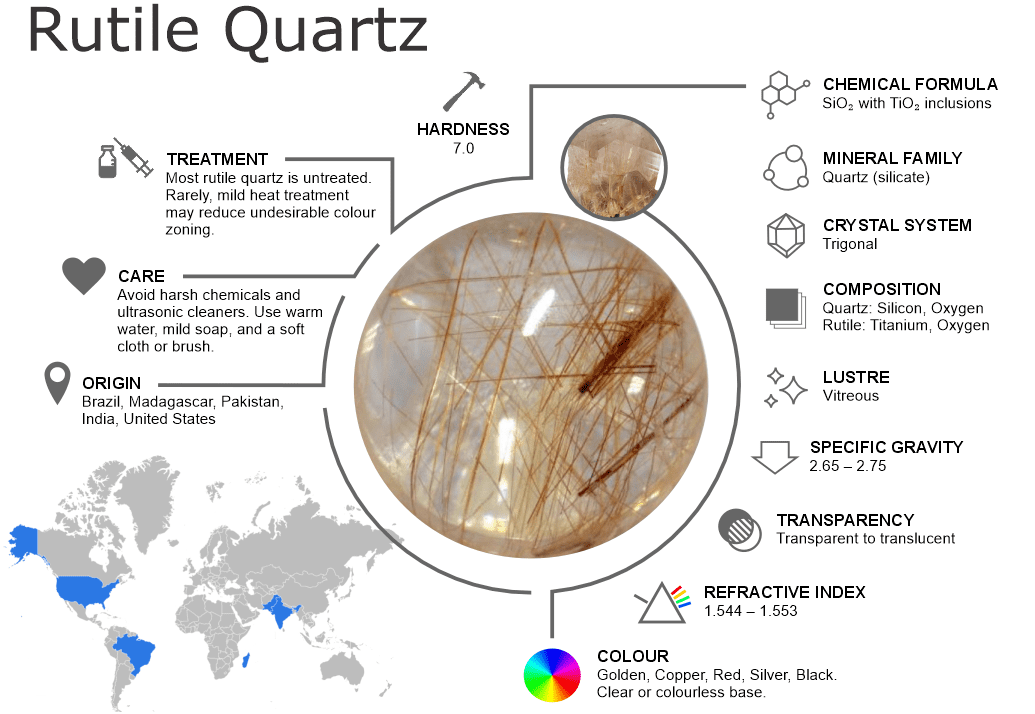
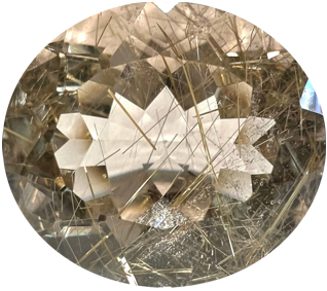
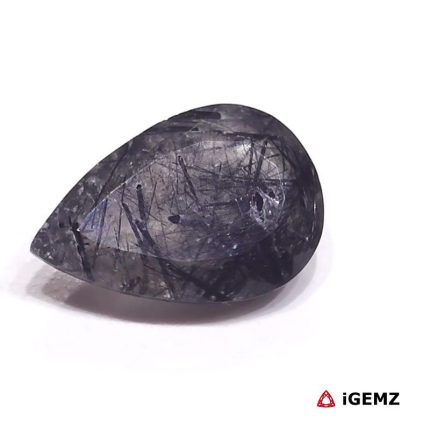
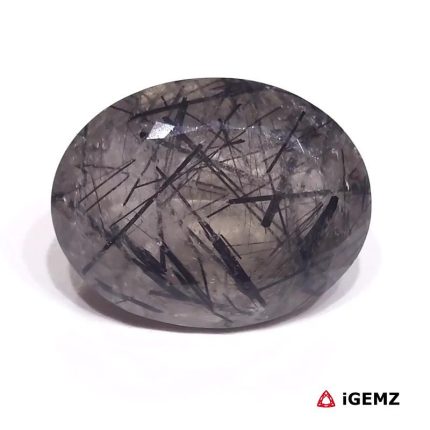
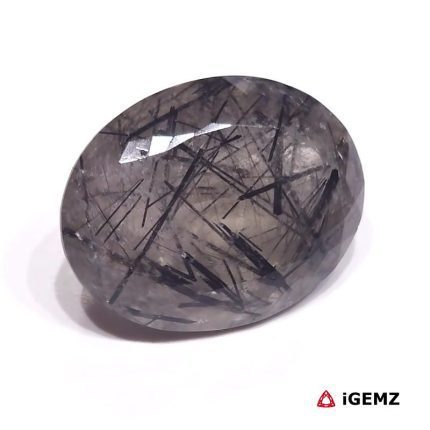
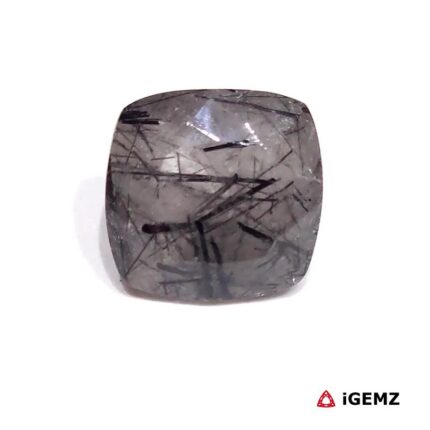
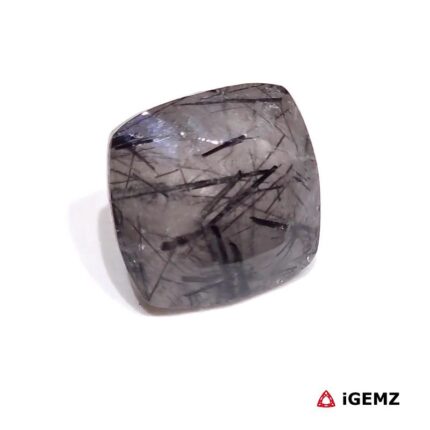
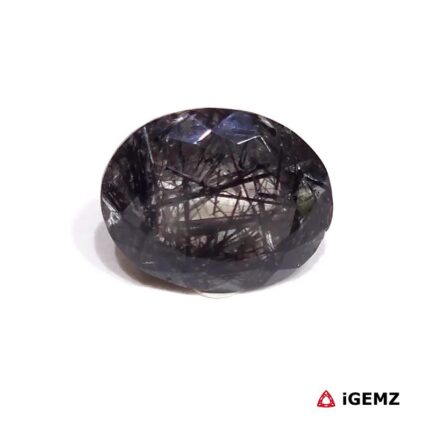
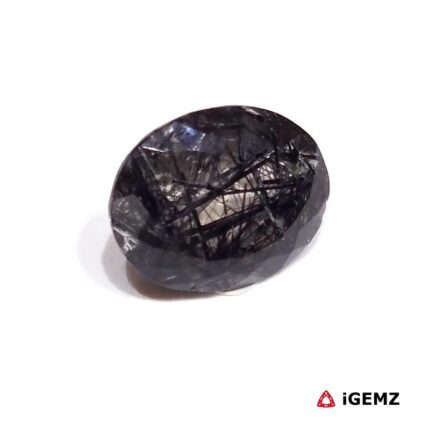
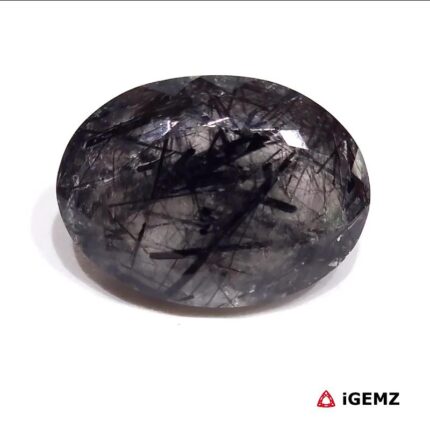
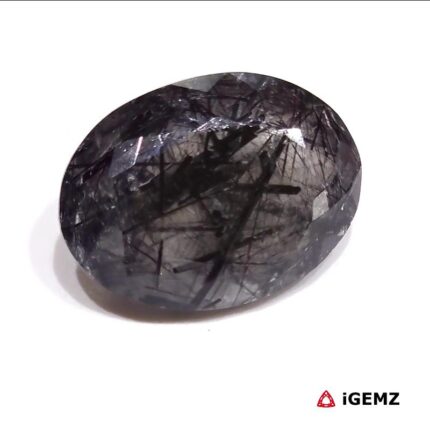
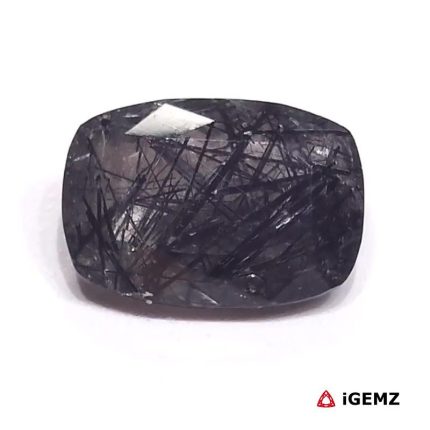
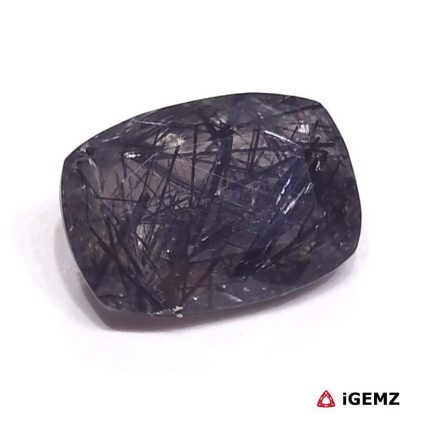
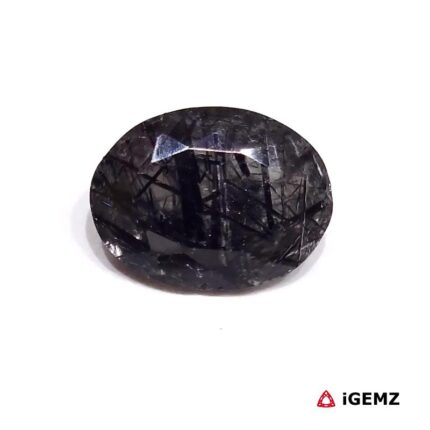
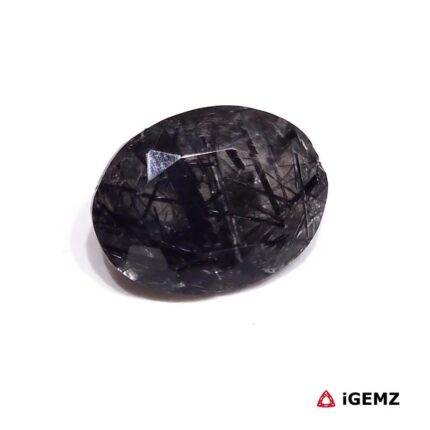
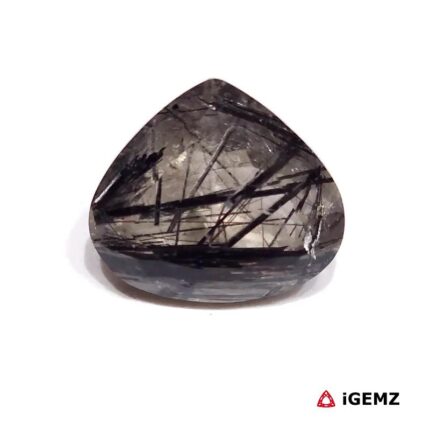
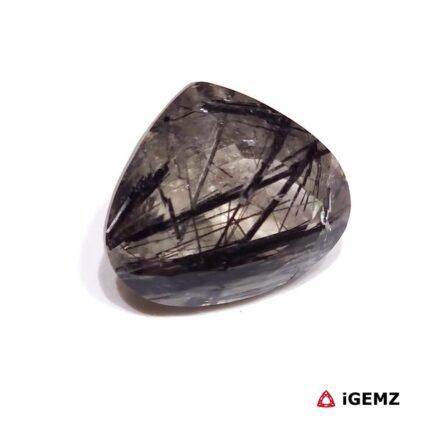
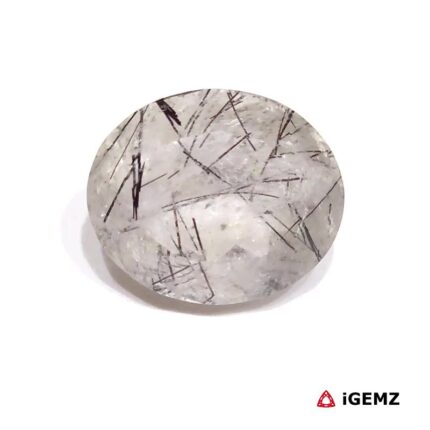
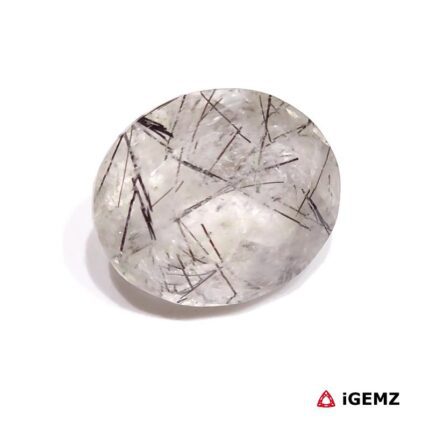
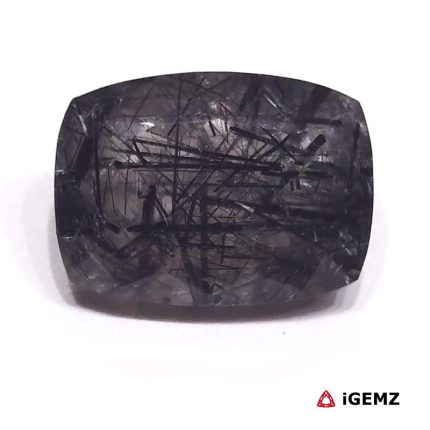
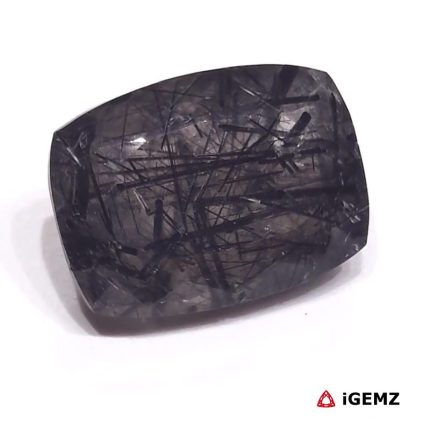
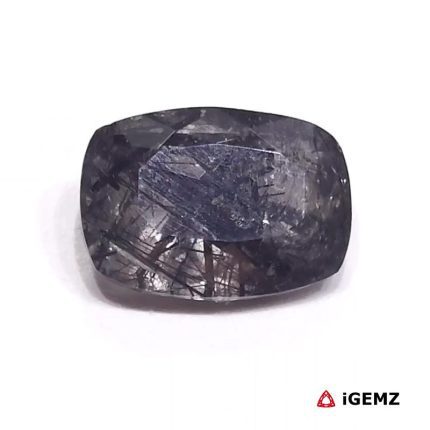
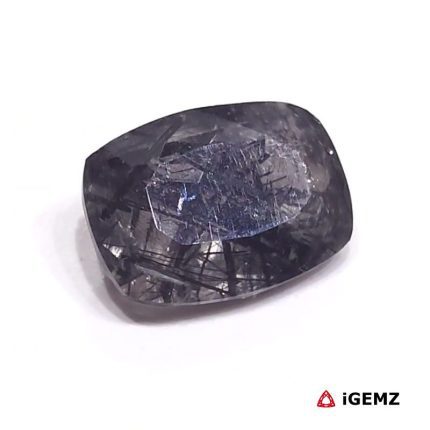
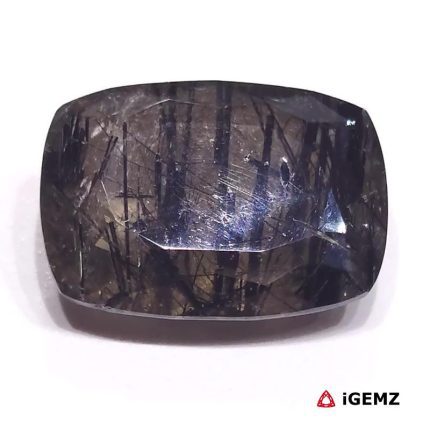
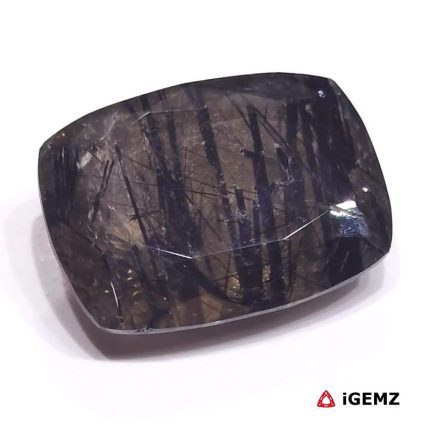
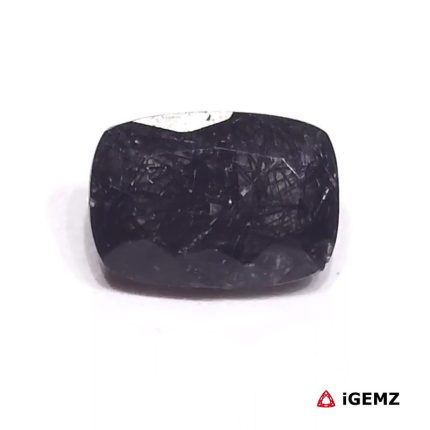
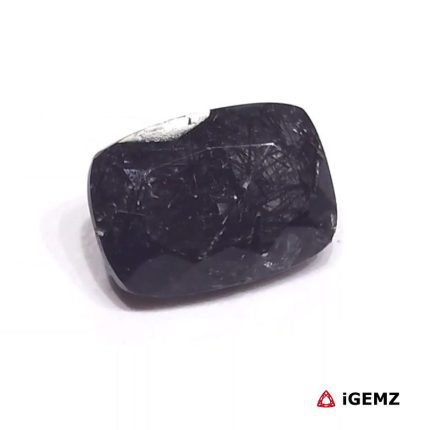
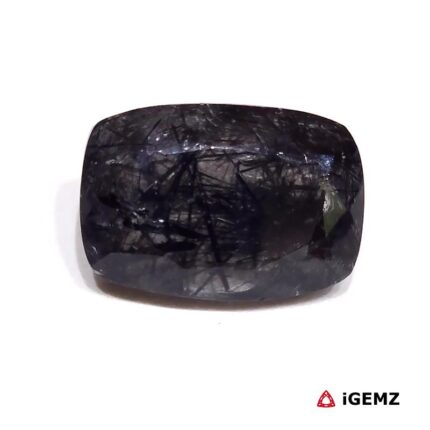
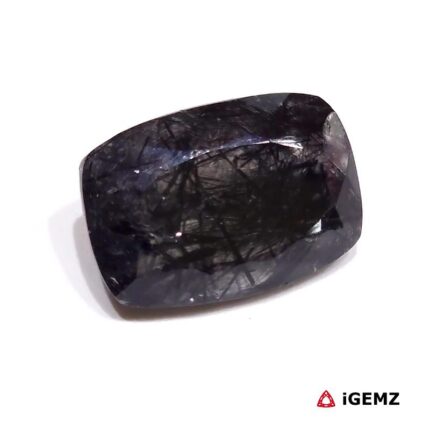
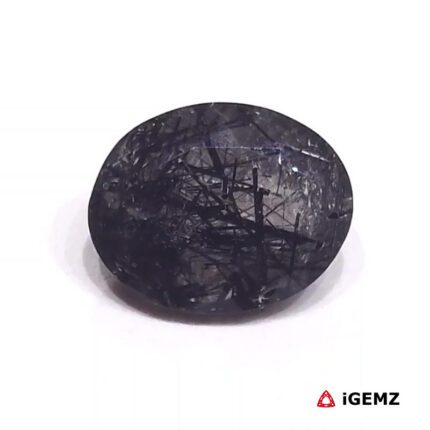
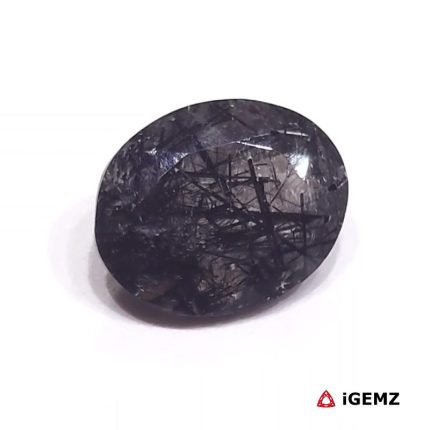
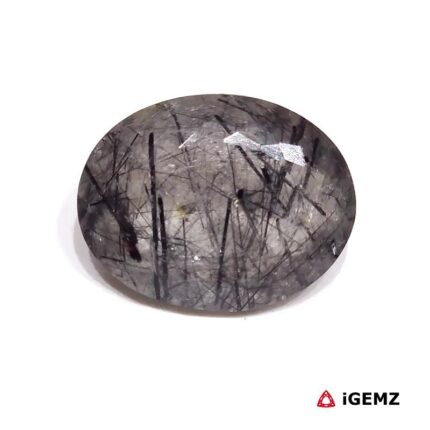
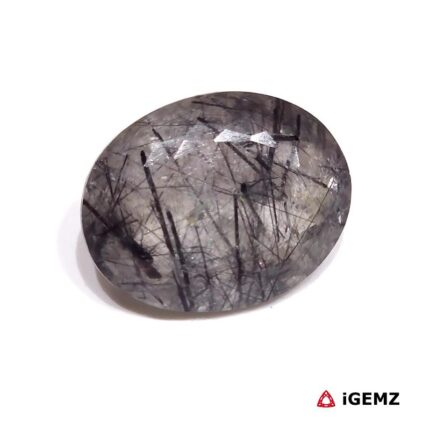
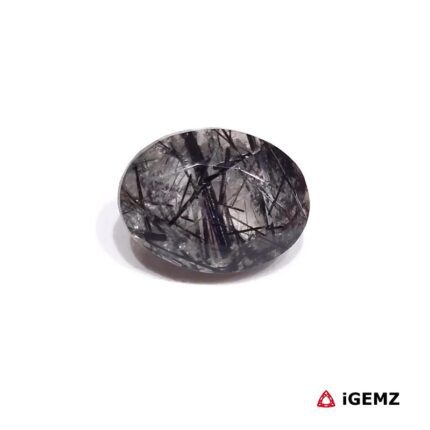
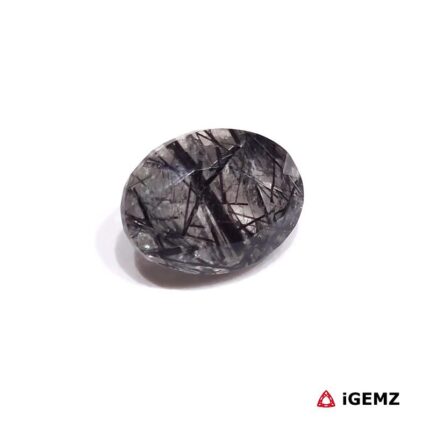
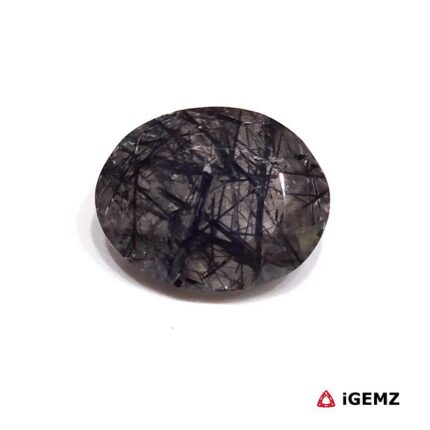
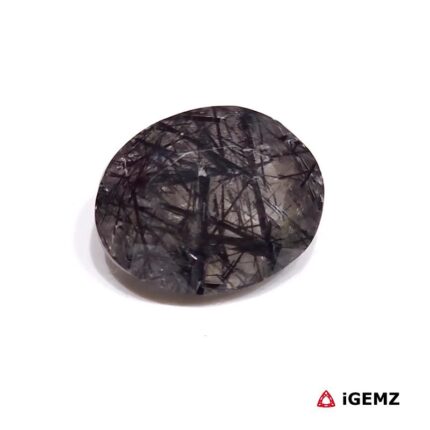
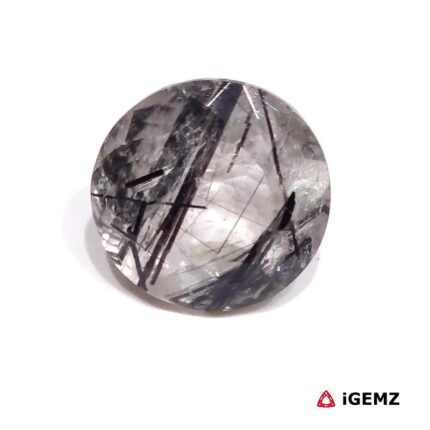
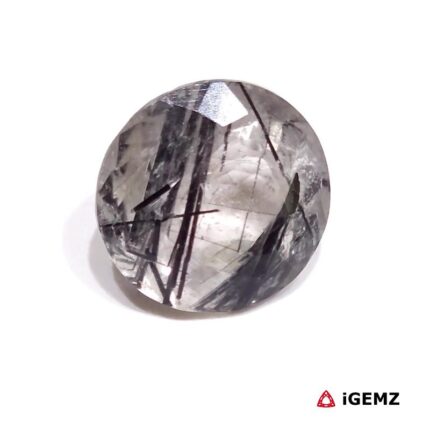
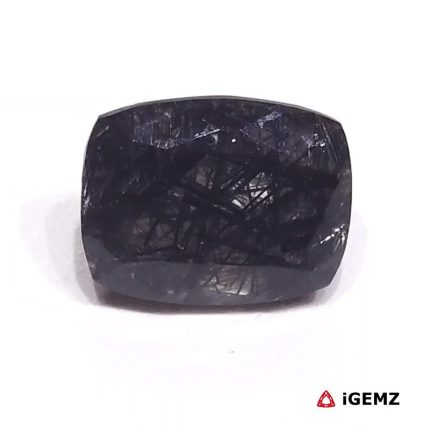
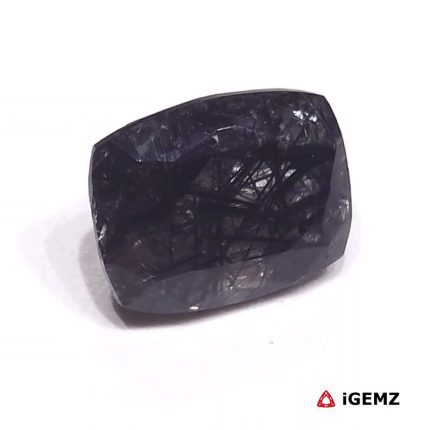
Rutile Quartz is a striking variety of quartz that contains golden or reddish needle-like inclusions of rutile. These inclusions create a unique optical effect known as “rutilation,” giving the stone a captivating metallic shimmer within a transparent or semi-transparent crystal.
In this guide we examine rutile quartz from a professional gemmological and commercial perspective, covering its physical properties, crystal structure, treatments, origins, and guidance for identifying high-quality stones.
What is Rutile Quartz?
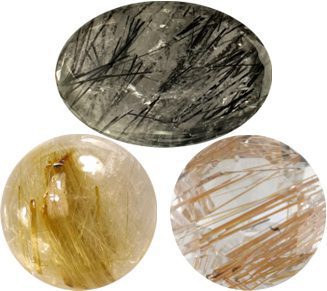
Rutile Quartz is a gem-quality variety of quartz (SiO₂) containing rutile inclusions (TiO₂) that form needle-like or hair-like structures within the crystal. These inclusions can be golden, coppery, red, or silver in colour.
< a href=”https://www.igemz.co.za/product-category/natural-gemstones/rutile-quartz/” target=”_blank”>Rutile quartz forms in hydrothermal veins, pegmatites, and metamorphic rocks. Its optical effects, high transparency, and clarity make it a popular choice for cabochons, faceted gemstones, and collectors’ specimens.
Mineral Composition

Rutile Quartz has the chemical formula:
SiO₂ with TiO₂ inclusions
Main components:
Quartz: Silicon, Oxygen
Rutile: Titanium, Oxygen
The rutile needles are responsible for the characteristic golden shimmer, which can vary in density and pattern, influencing the aesthetic and value of the gemstone.
Mineral Family and Crystal System

Rutile Quartz belongs to the silicate mineral family, with quartz as the host mineral and rutile as the inclusion.
Its crystal system is trigonal (for quartz), while the rutile needles crystallise in the tetragonal system, producing fine, straight inclusions that often appear as a metallic shimmer within the quartz.
Optical and Physical Properties
Rutile Quartz combines high transparency, needle-like inclusions, and strong vitreous lustre, creating unique optical effects that are highly prized in jewellery and collector markets.

Lustre
Vitreous, giving a bright, reflective surface.

Transparency
Transparent to translucent; the inclusions can affect clarity and light transmission.

Refractive index
1.544 – 1.553, providing good brilliance for faceted stones.

Specific gravity
2.65 – 2.75, typical of quartz varieties.
Colour Range
Rutile Quartz occurs in:
Golden
Copper
Red
Silver
Clear or colourless base
The most desirable stones have vivid, uniform rutile needles within a transparent quartz matrix.
Mohs Hardness and Durability

Rutile Quartz has a Mohs hardness of 7 – suitable for rings, pendants, and earrings.
While generally durable, the rutile inclusions can create planes of weakness, so care is required to prevent chipping.
Treatments

Most rutile quartz is untreated. Rarely, mild heat treatment may reduce undesirable colour zoning. No coatings or fillings are applied to quality stones.
Care and Cleaning
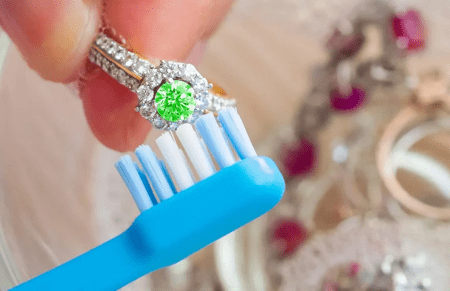
Avoid ultrasonic and steam cleaners.
Clean gently with warm water, mild soap, and a soft brush.
Store rutile quartz separately from harder gemstones to prevent scratching.
Major Origins

Major sources of rutile quartz include:
Brazil
Madagascar
India
Pakistan
United States

Frequently Asked Questions
Is rutile quartz a natural gemstone?
Yes, rutile quartz occurs naturally and is widely collected.
What colours does rutile quartz come in?
Rutile quartz contains golden, copper, red, or silver rutile needles within clear or colourless quartz.
Is rutile quartz treated?
Most rutile quartz is untreated. Rare mild heat treatment may reduce colour zoning.
Is rutile quartz suitable for daily wear?
Yes, with a hardness of 7, but care is required to avoid damage along rutile planes.
Does rutile quartz have optical effects?
Yes, the rutile needles create shimmer or star-like effects inside the quartz.
How can I identify real rutile quartz?
Look for needle-like rutile inclusions, vitreous lustre, and typical quartz transparency.
Where does the finest rutile quartz come from?
Brazil and Madagascar produce the most desirable specimens.
Can rutile quartz be scratched easily?
It is relatively hard (Mohs 7) but inclusions can create weak planes.
Is rutile quartz suitable for rings?
Yes, but best used in protective settings to avoid impact on the rutile inclusions.
Can rutile quartz fade in sunlight?
No, it is stable under normal light exposure.