

 1st - Gold
 January
 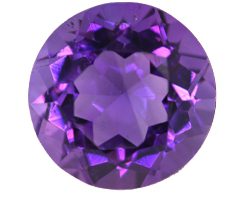 February
 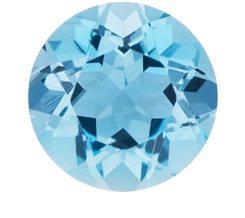 March
March 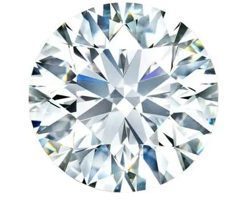 April
April 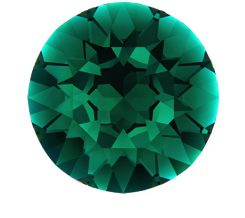 May
May 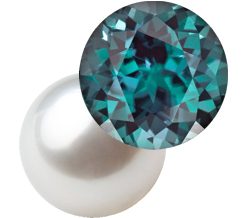 June
June 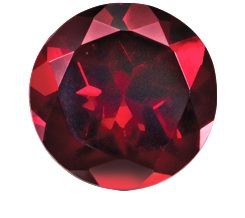 July
July 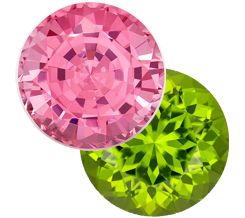 August
 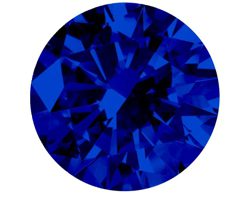 September
 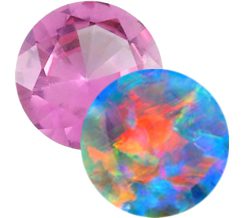 October
 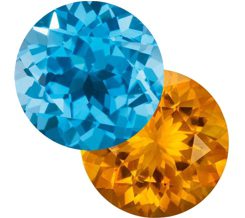 November
 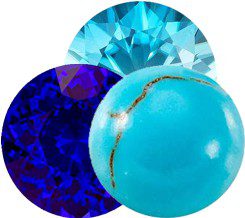 December
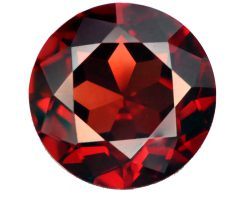
 Capricorn - Garnet
  Aquarius - Amethyst
 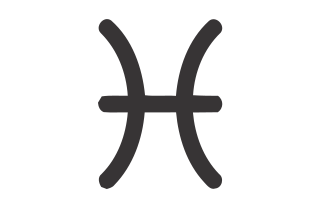 Pisces - Aquamarine
 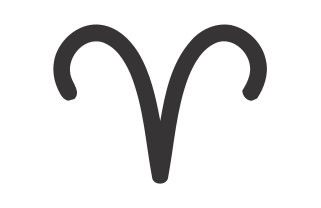 Aries - Diamond
 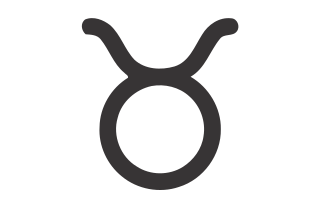 Taurus - Emerald
 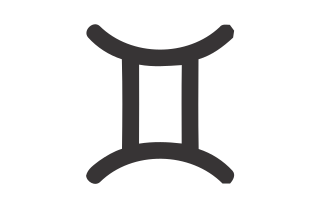 Gemini - Pearl
  Cancer - Ruby
  Leo - Peridot
 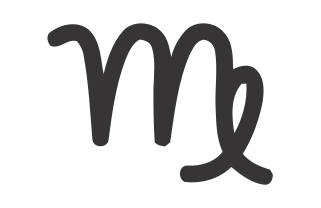 Virgo - Blue Sapphire
  Libra - Opal
 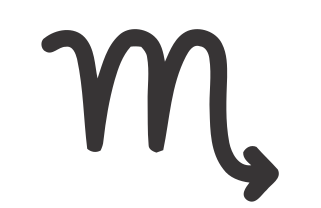 Scorpio - Topaz
  Sagittarius - Tanzanite


Moss Agate Gemstones – Properties, Origins, Treatments and Buying Guide
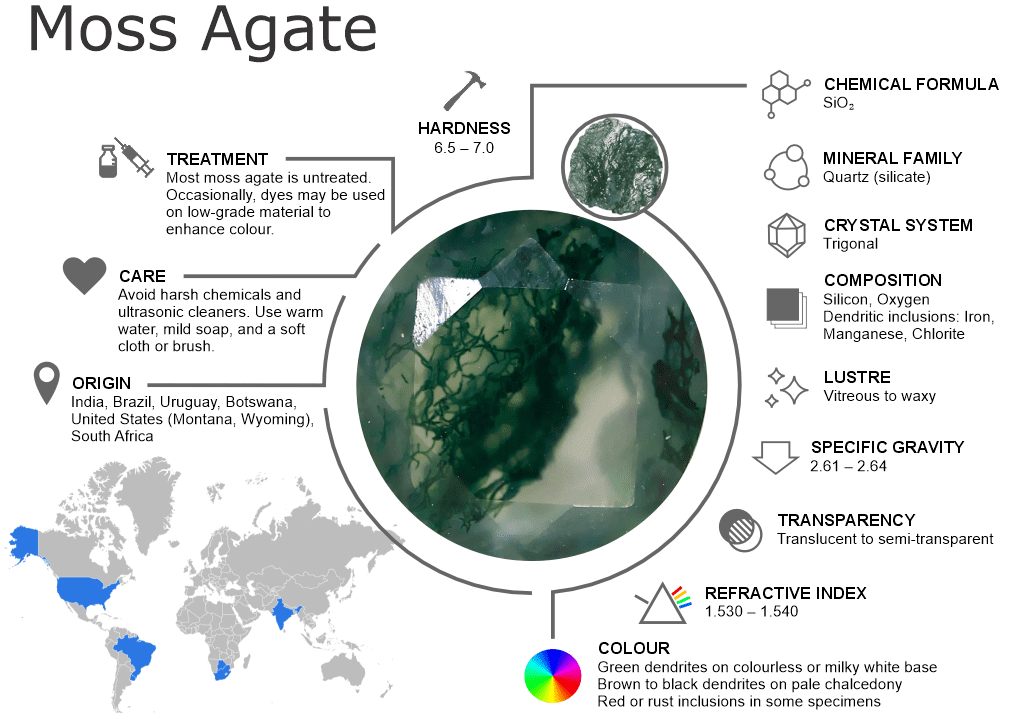
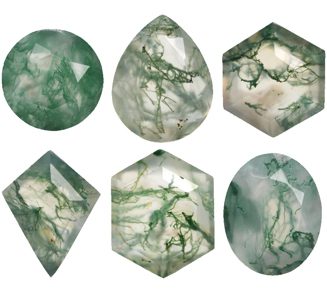
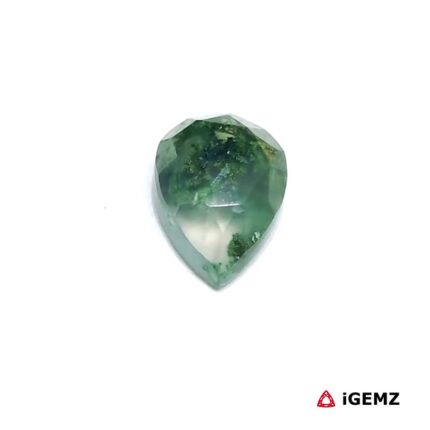
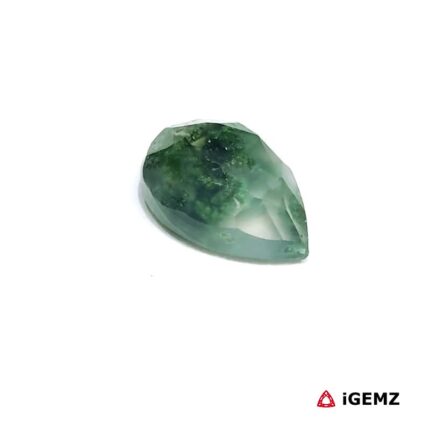
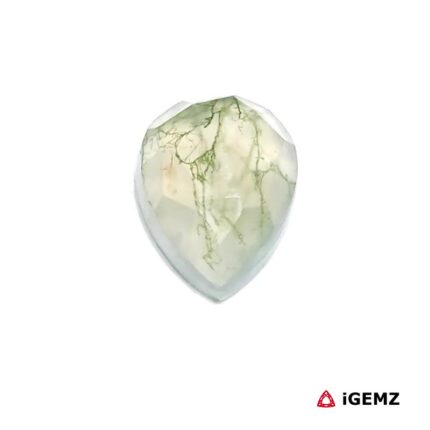
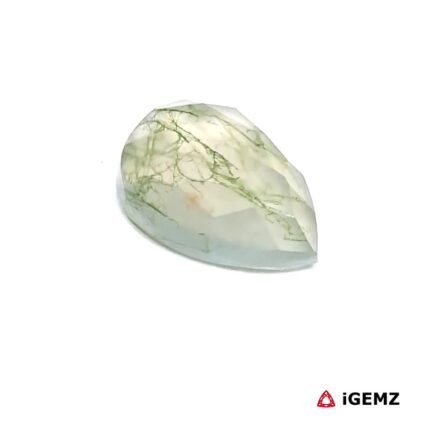
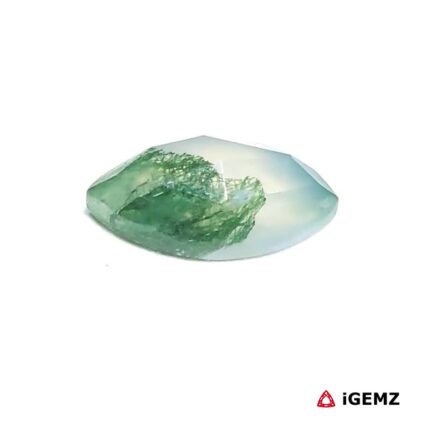
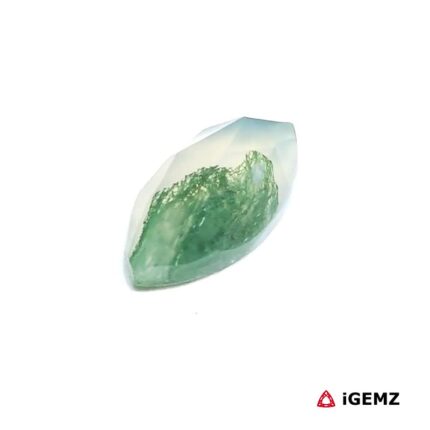
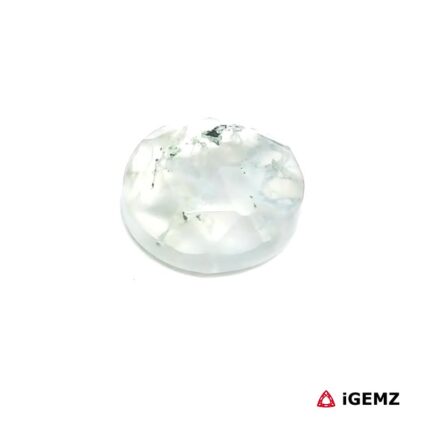
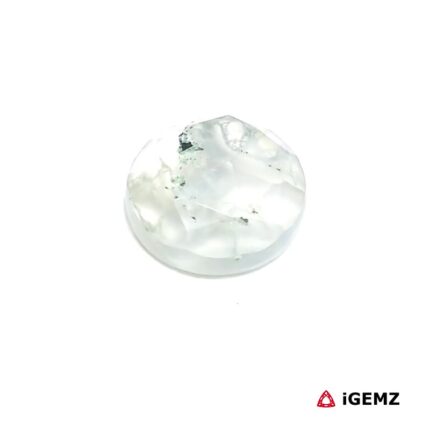
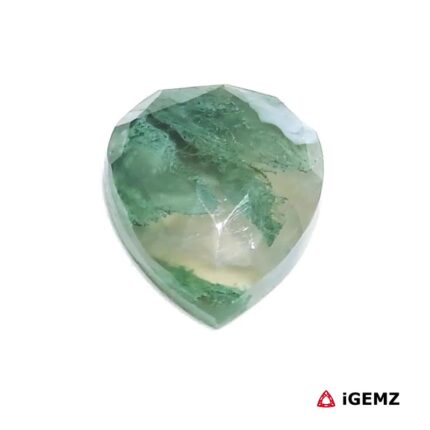
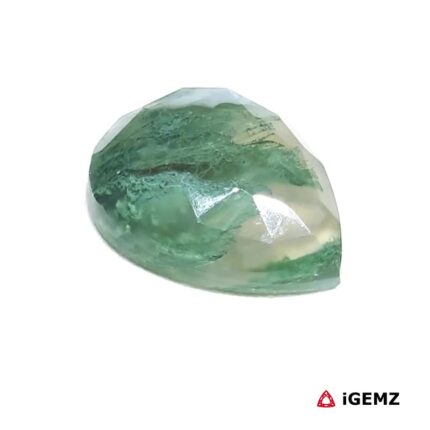
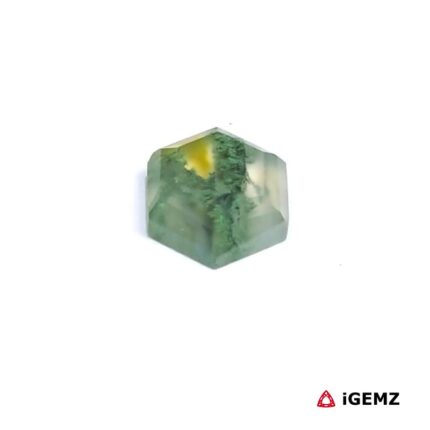
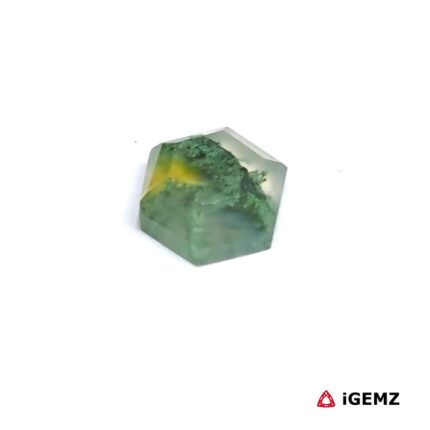
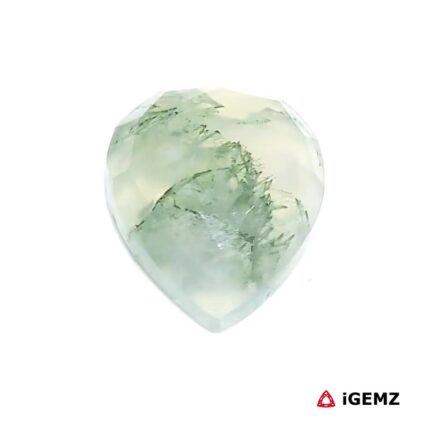
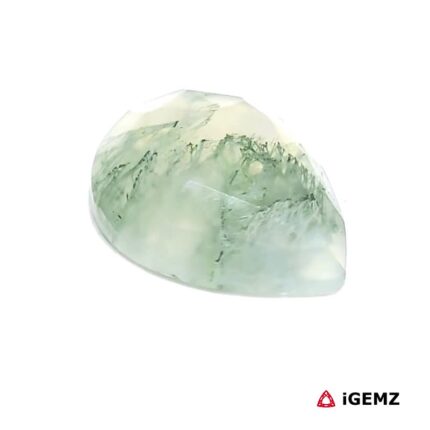
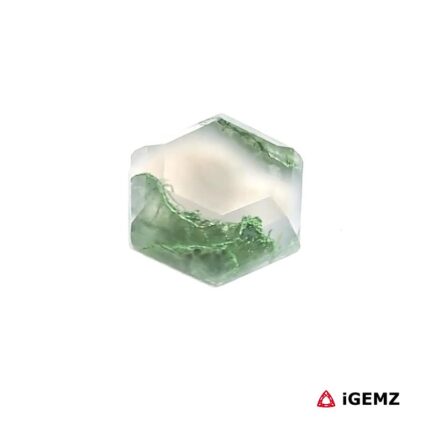
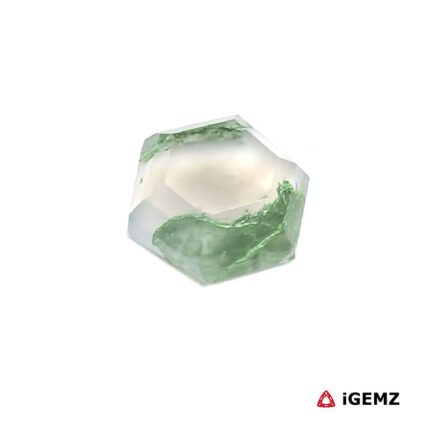
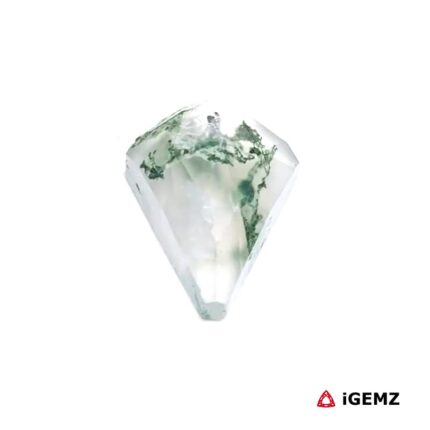
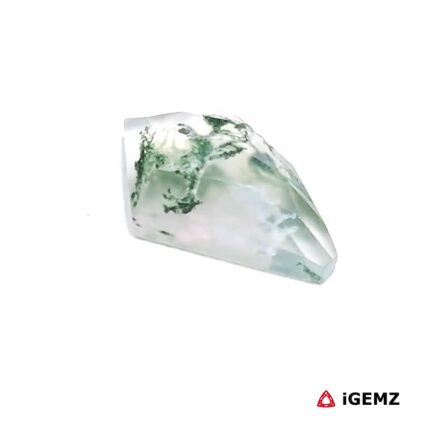
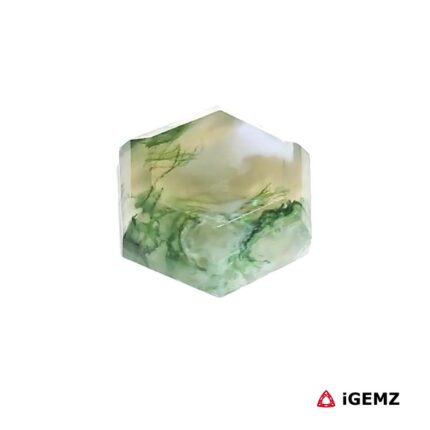
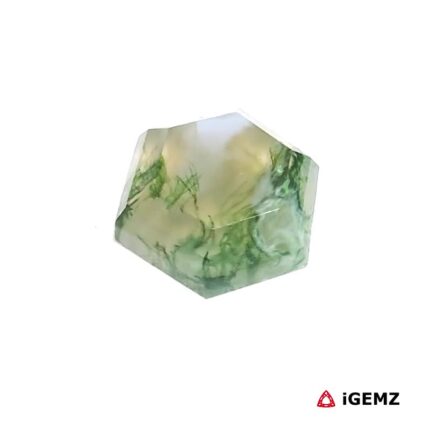
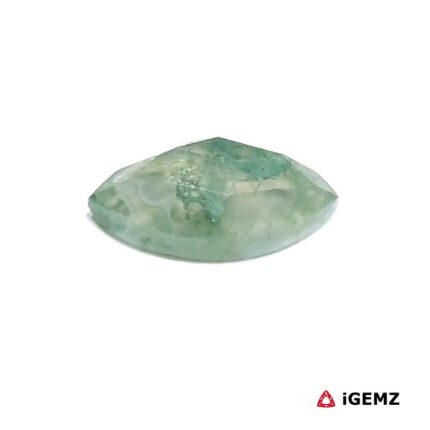
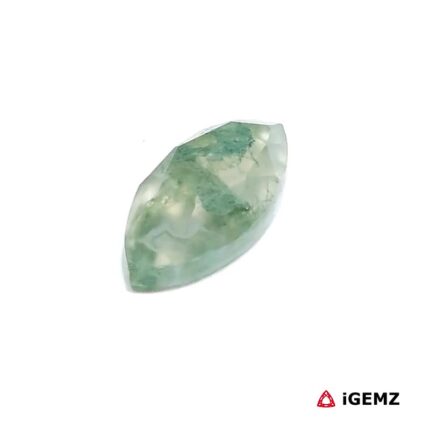
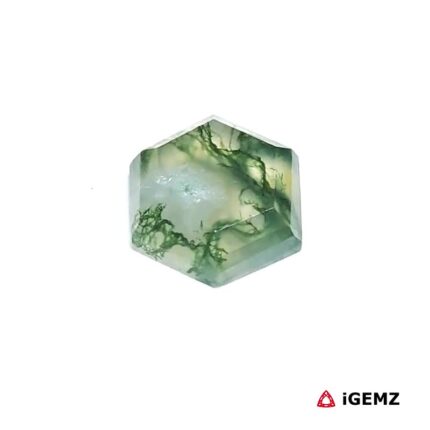
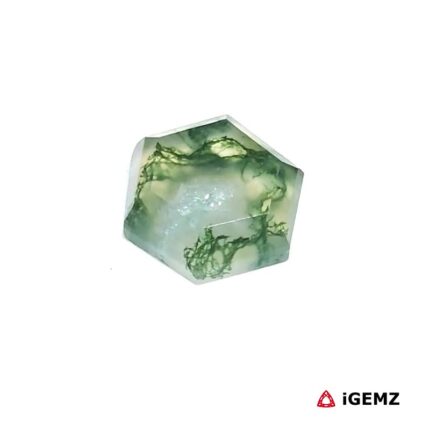
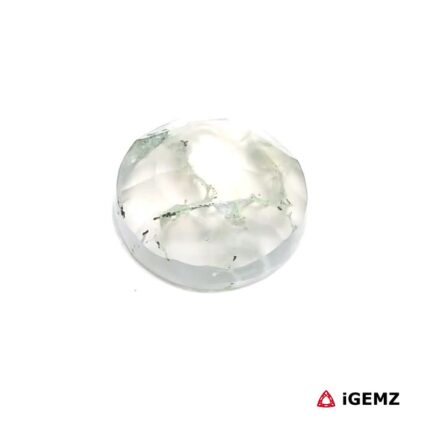
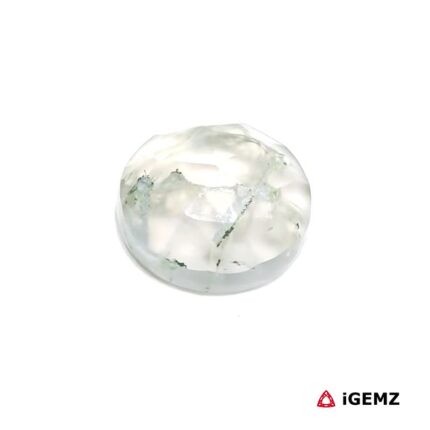
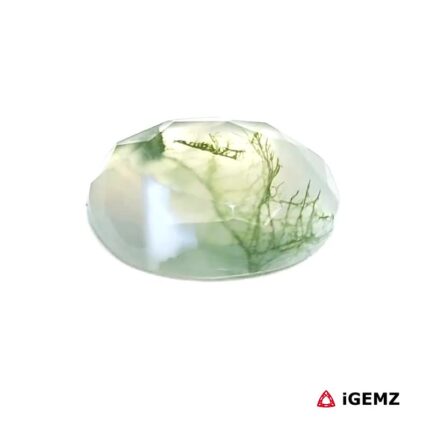
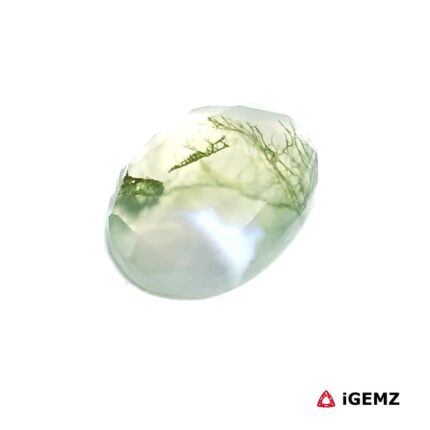
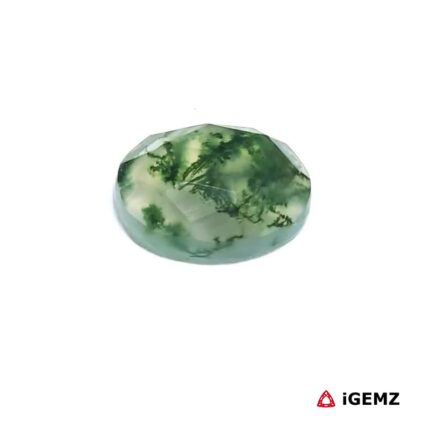
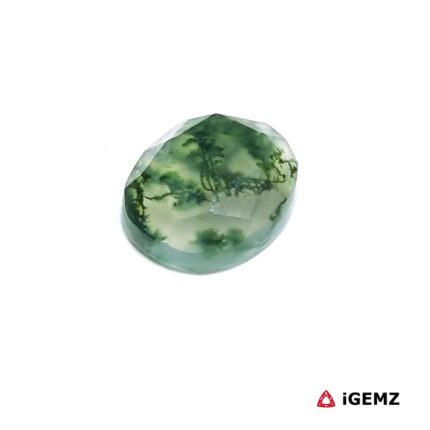
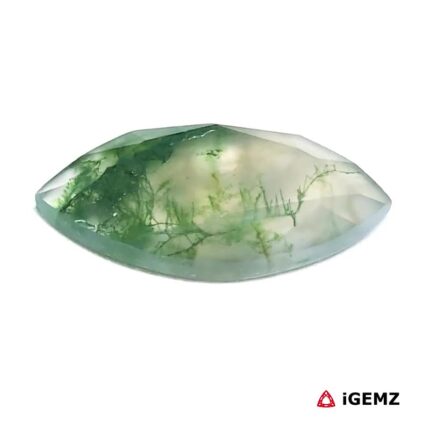
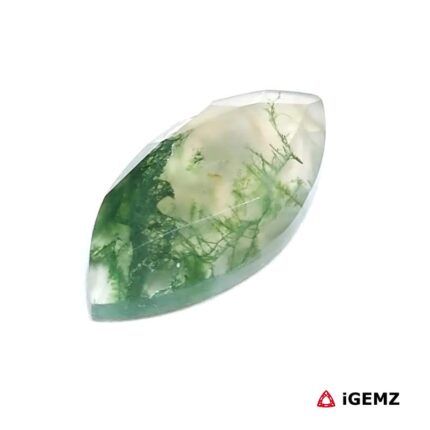
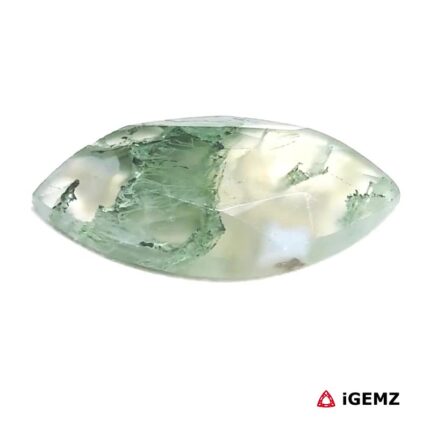
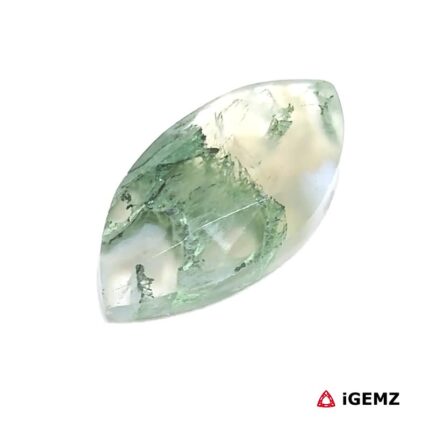
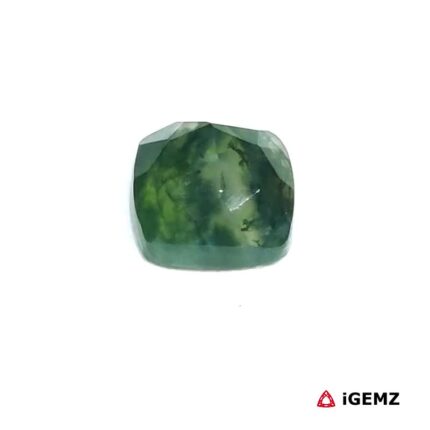
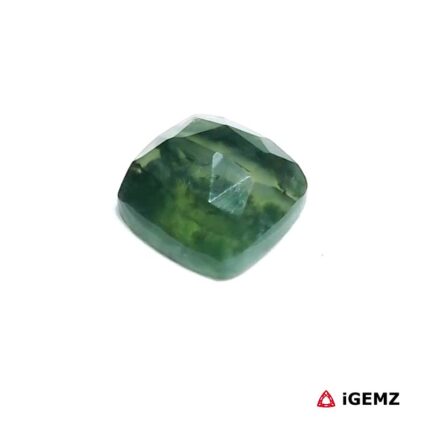
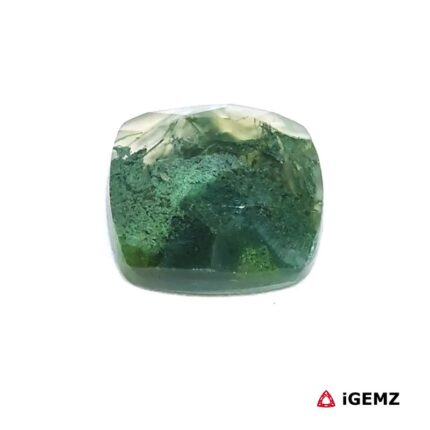
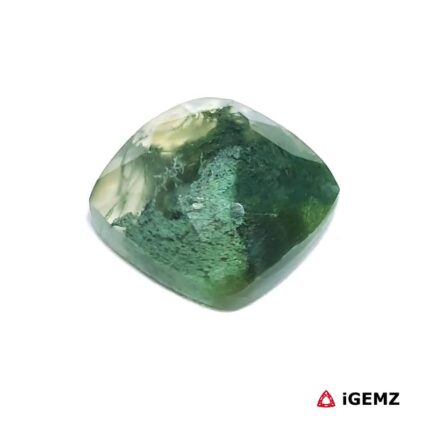
Moss Agate is a unique and intriguing gemstone, admired for its translucent base with dendritic inclusions that resemble moss, ferns or trees. Unlike uniformly coloured stones, moss agate displays natural patterns that make each specimen one of a kind.
In this guide we examine moss agate from a gemmological and commercial perspective, covering its mineral composition, crystal structure, treatments, origins, and how to identify quality stones.
What is Moss Agate?
Moss Agate is a semi-precious chalcedony variety, composed primarily of silicon dioxide (SiO₂) with green, brown, or black mineral inclusions that form moss-like patterns.
It forms in volcanic rocks or as fillings in cavities, producing rounded nodules or irregular slabs suitable for cabochons and jewellery. The patterns are natural and unique to each stone, making moss agate highly collectible and decorative.
Mineral Composition
Moss Agate has the chemical formula:
SiO₂
It is primarily composed of:
Silicon
Oxygen
With dendritic inclusions of:
Iron
Manganese
Chlorite
These inclusions create the characteristic moss-like patterns within a translucent chalcedony base.
Mineral Family and Crystal System

Moss Agate belongs to the quartz family (chalcedony subgroup) of silicate minerals.
Its crystal system is trigonal, though individual crystals are microscopic; the stone’s structure is cryptocrystalline, giving it a smooth, even texture suitable for cabochons and polished gems.
Optical and Physical Properties
Moss Agate is valued for its translucence, clarity, and the intricate patterns created by dendritic inclusions, which give each stone a unique natural appearance.
Lustre
Vitreous to waxy, giving a gentle glow.

Transparency
Translucent to semi-transparent, depending on base material.

Refractive index
1.530 – 1.540, providing moderate brilliance.

Specific gravity
2.61 – 2.64, typical of chalcedony.
Colour Range
Moss Agate comes in a range of colours:
Green dendrites on colourless or milky white base
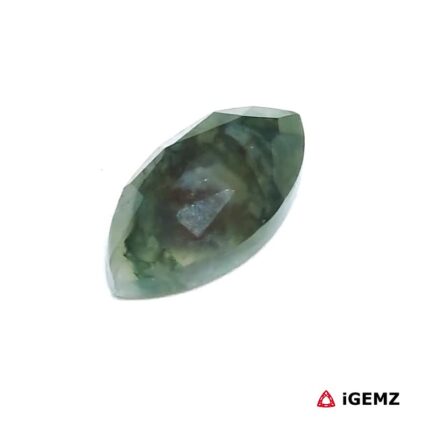
Brown to black dendrites on pale chalcedony
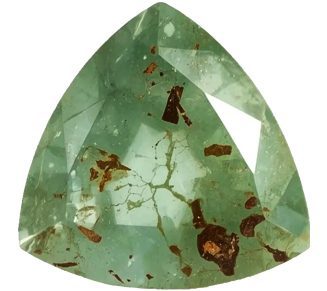
Red or rust inclusions in some specimens
The patterns are highly individual, and stones with balanced, natural moss patterns are the most desirable.
Mohs Hardness and Durability
Moss Agate has a Mohs hardness of 6.5–7, making it durable for pendants, earrings, and occasional rings.
It has good toughness but may chip along edges if struck sharply.
Treatments

Most moss agate is untreated. Occasionally, dyes may be used on low-grade material to enhance colour, but fine-quality stones are natural and untreated.
Care and Cleaning
Avoid ultrasonic and steam cleaners.
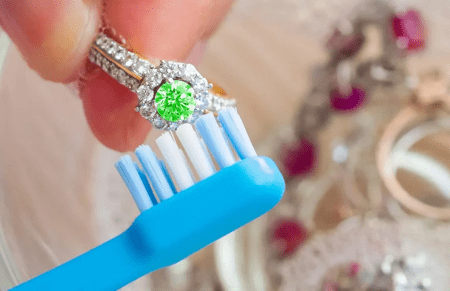
Use warm water, mild soap, and a soft brush.
Store moss agate separately from harder gemstones.
Major Origins
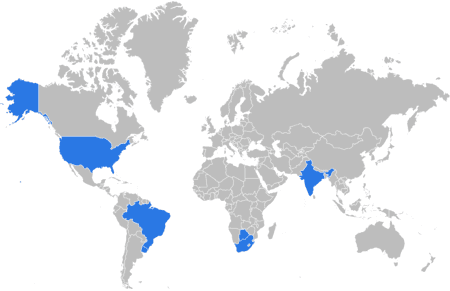
Major sources of moss agate include:
India
Brazil
Uruguay
United States (Montana, Wyoming)
South Africa
Botswana

Frequently Asked Questions
Is moss agate a natural gemstone?
Yes, moss agate is naturally occurring and widely collected.
What causes the moss patterns?
Dendritic inclusions of iron, manganese, and chlorite form natural moss-like patterns within the stone.
Is moss agate treated?
Most moss agate is untreated; occasional low-grade material may be dyed.
Can moss agate be used in rings?
Yes, with a Mohs hardness of 6.5–7, suitable for pendants, earrings, and rings with protective settings.
Is moss agate fragile?
It has good toughness but may chip if struck sharply.
How can I identify real moss agate?
Look for translucent chalcedony with natural moss-like dendritic inclusions.
Does moss agate fade in sunlight?
Natural moss agate is colour stable under sunlight.
Where does the best moss agate come from?
India, Brazil, and the United States produce some of the most attractive moss agate.
Can moss agate be scratched easily?
It is moderately hard (6.5–7) but can be scratched by harder gemstones like quartz, topaz, and corundum.
Is moss agate a good choice for collectors?
Yes, the unique dendritic patterns make it highly sought after for collectors and decorative use.