


 1st - Gold

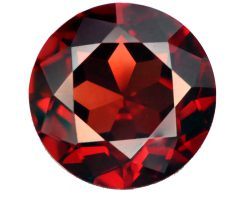 January
 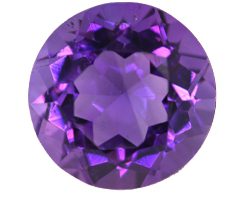 February
 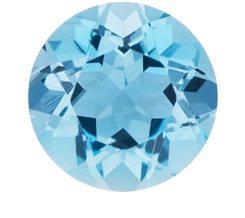 March
March 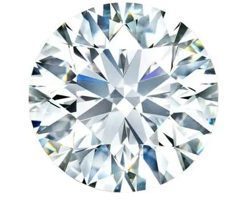 April
April 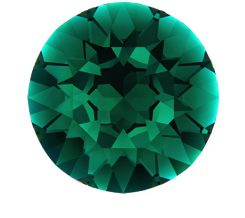 May
May 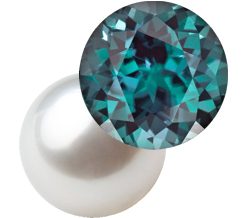 June
June 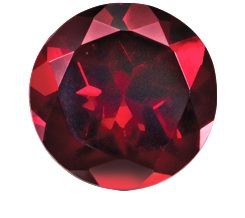 July
July 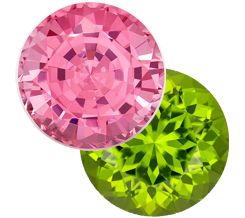 August
 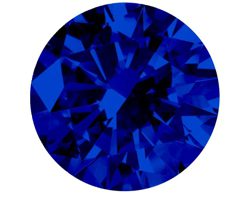 September
 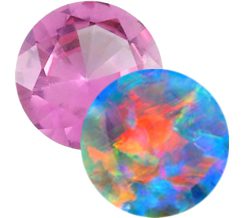 October
 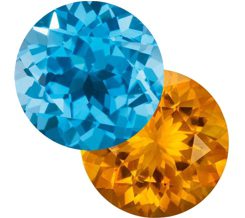 November
 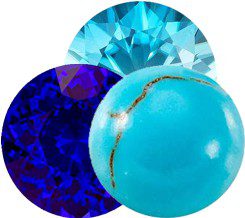 December
 Capricorn - Garnet
  Aquarius - Amethyst
 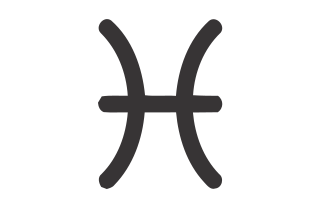 Pisces - Aquamarine
 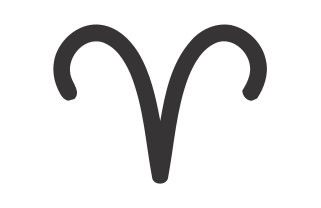 Aries - Diamond
 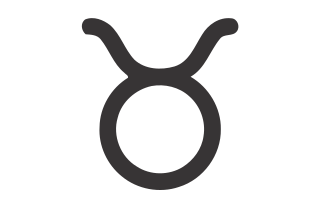 Taurus - Emerald
  Gemini - Pearl
  Cancer - Ruby
  Leo - Peridot
  Virgo - Blue Sapphire
  Libra - Opal
  Scorpio - Topaz
  Sagittarius - Tanzanite


Dendritic Agate Gemstones – Properties, Origins, Treatments and Buying Guide
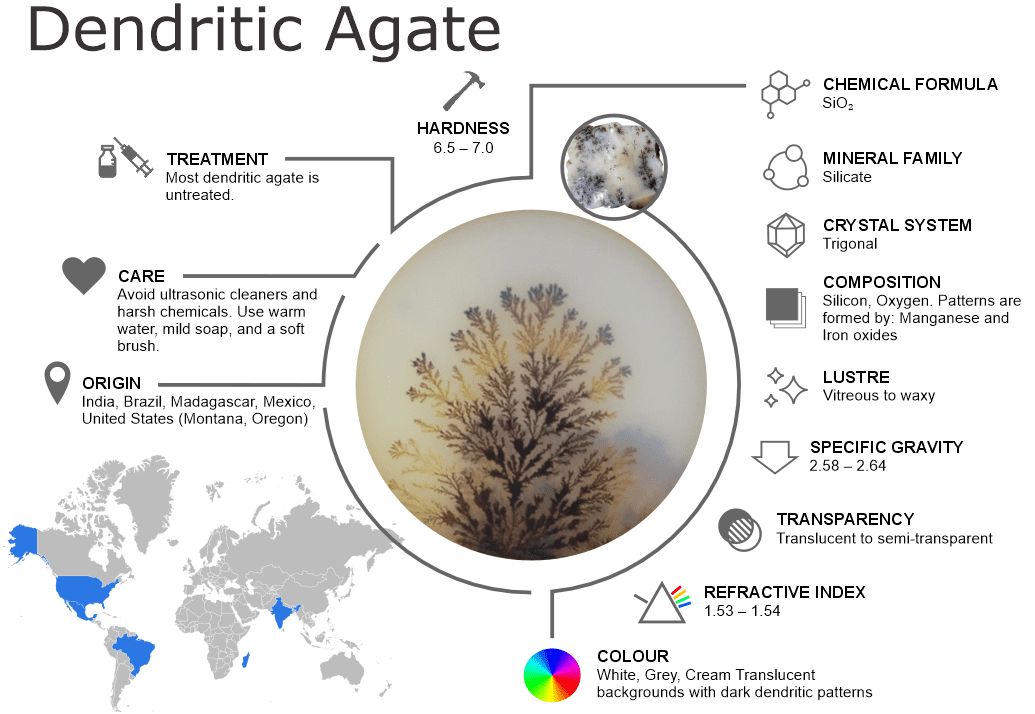
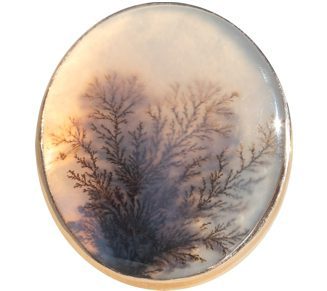
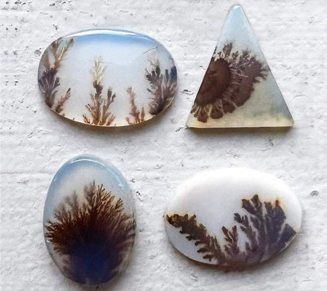
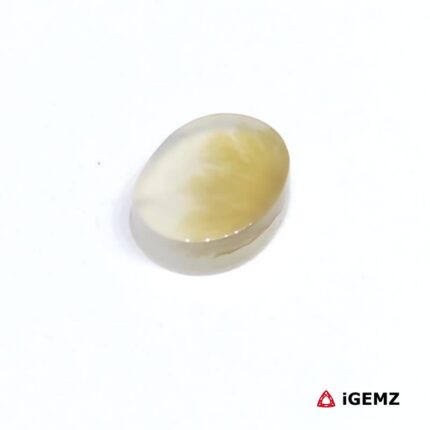
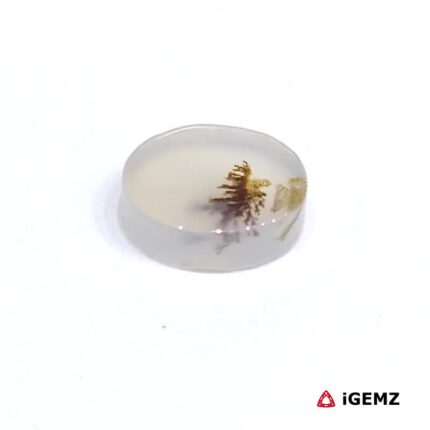
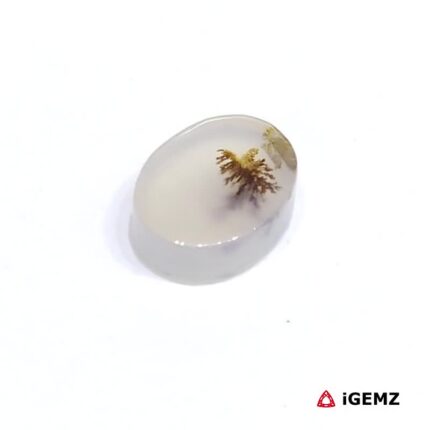
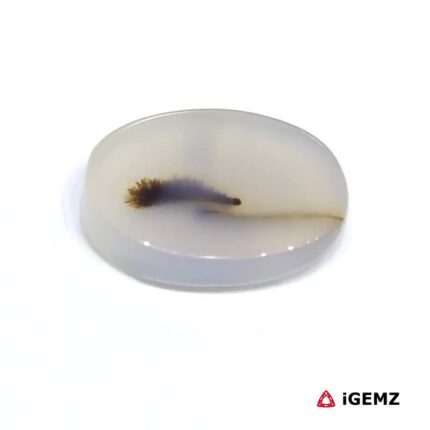
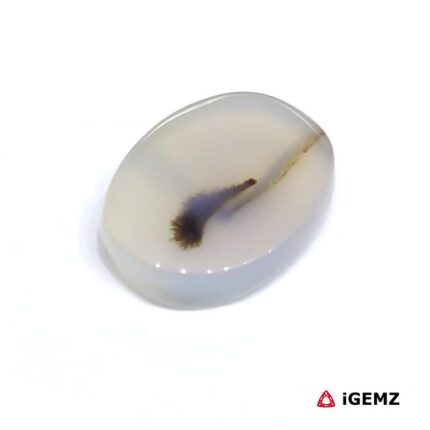
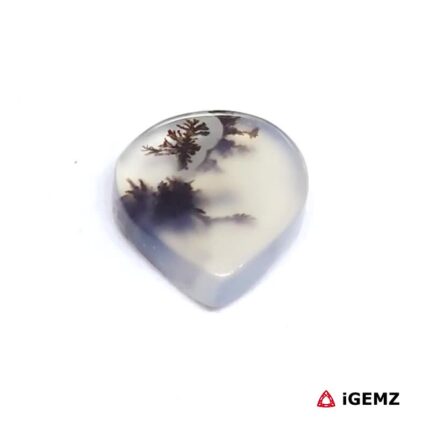
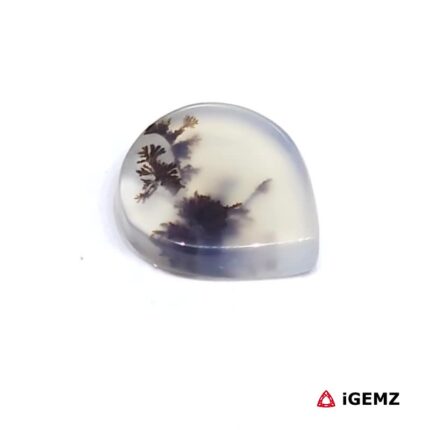
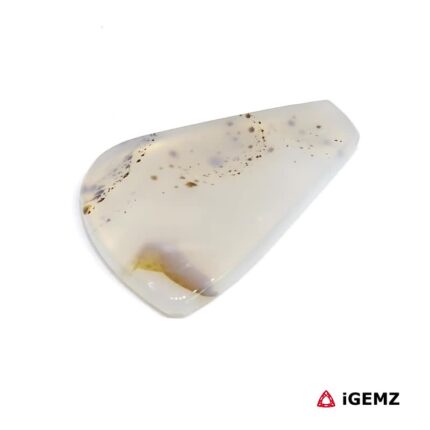
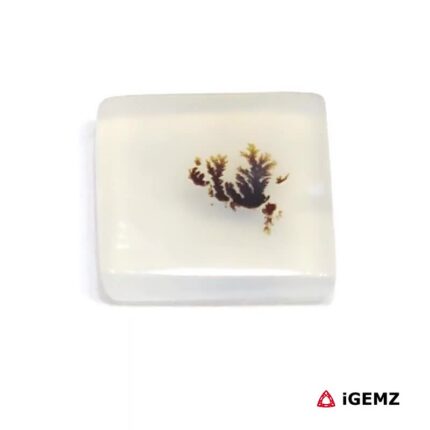
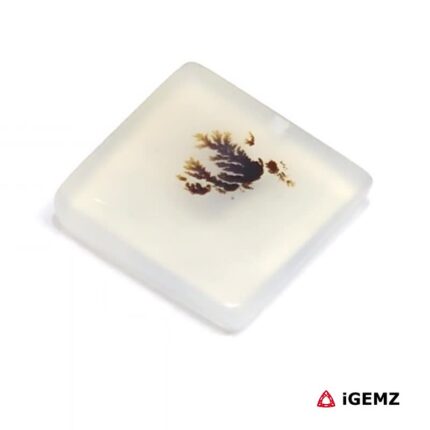
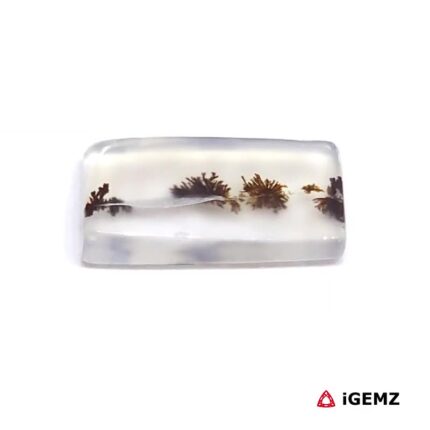
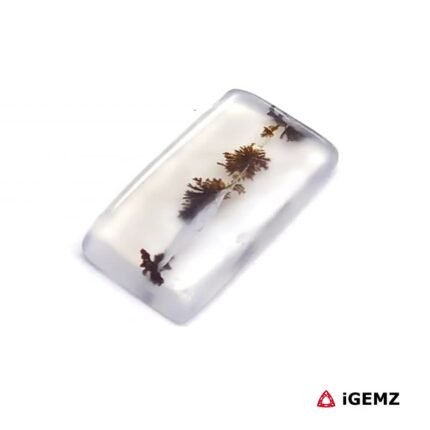
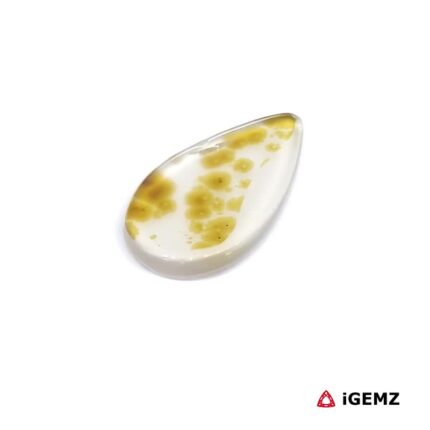
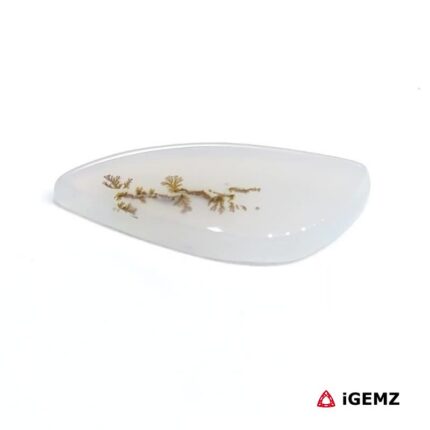
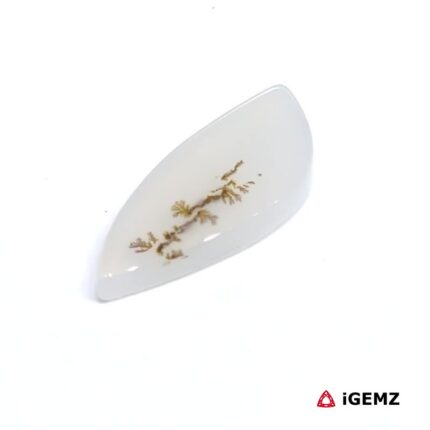
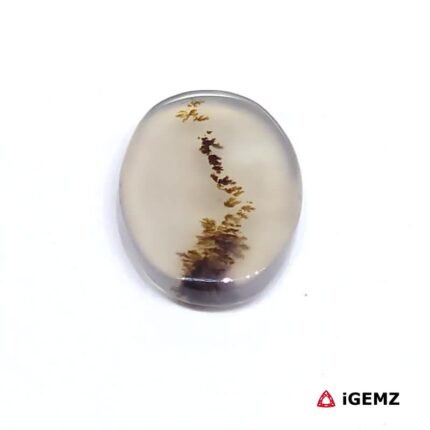
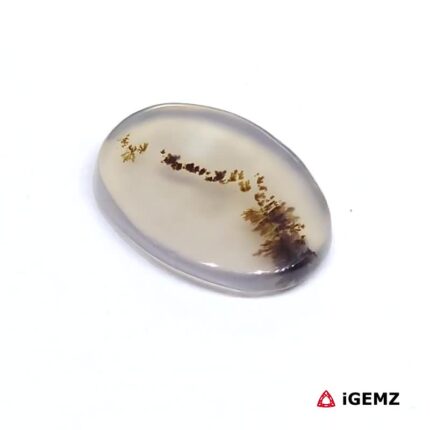
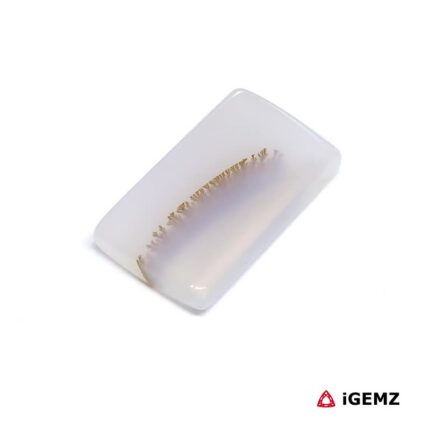
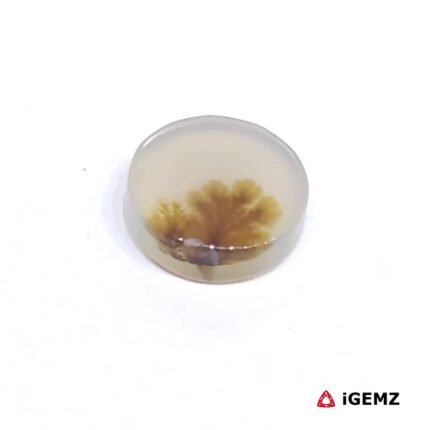
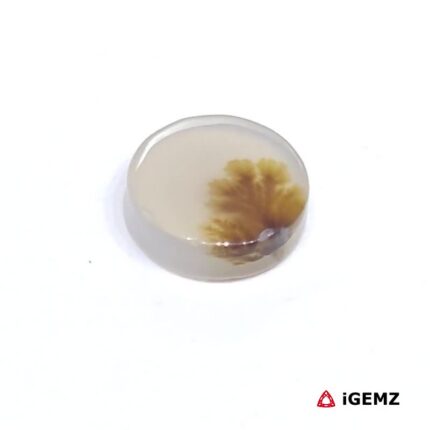
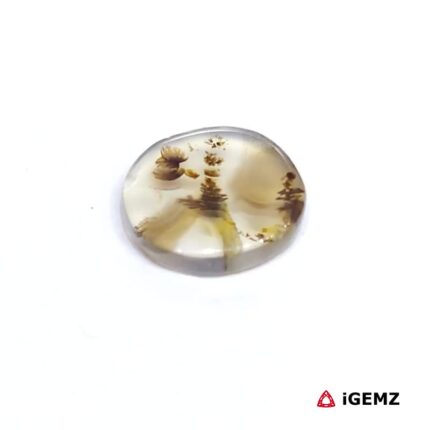
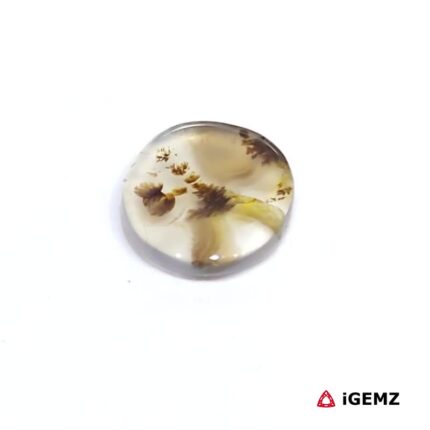
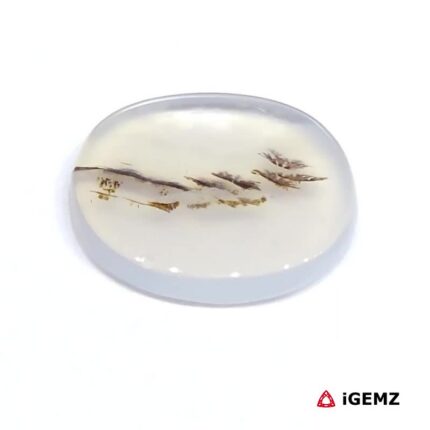
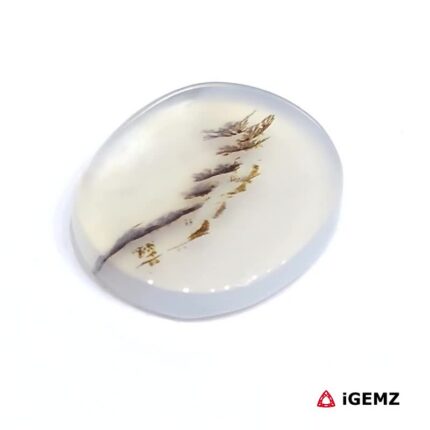
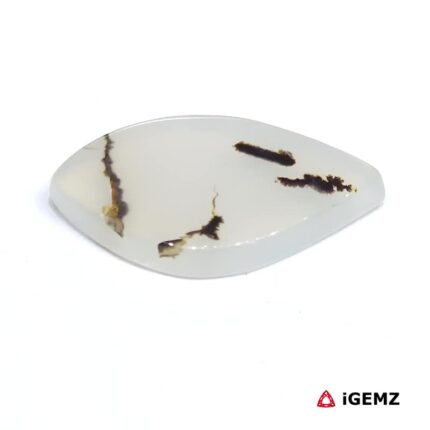
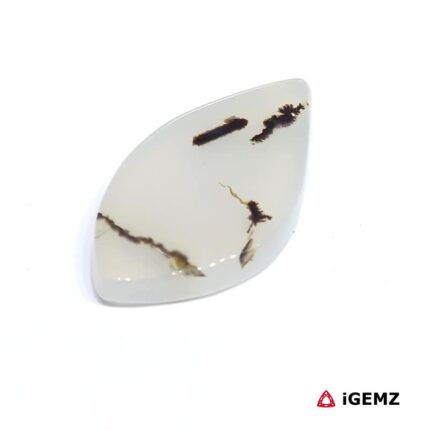
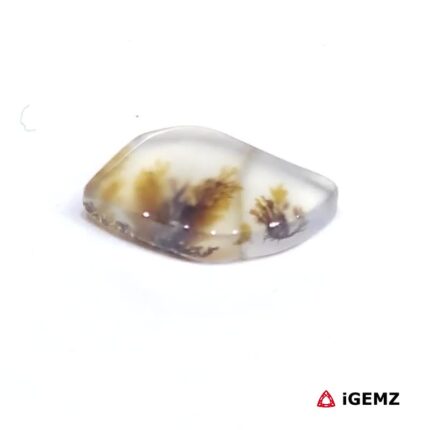
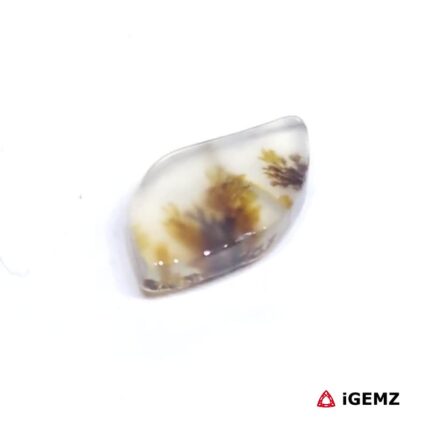
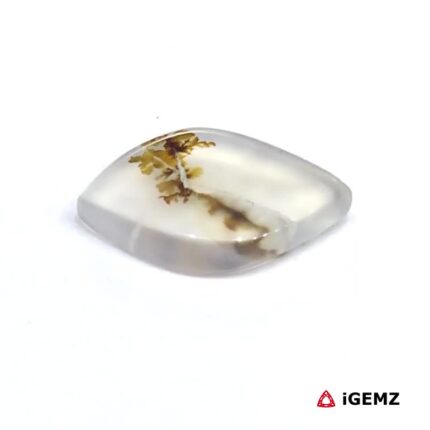
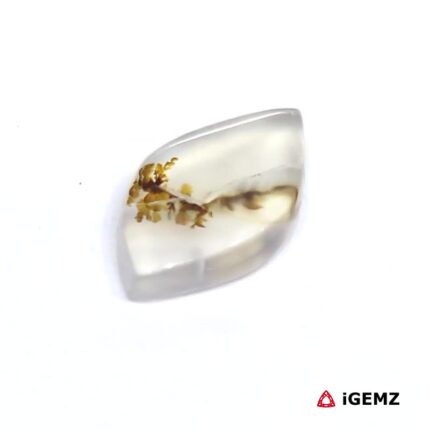
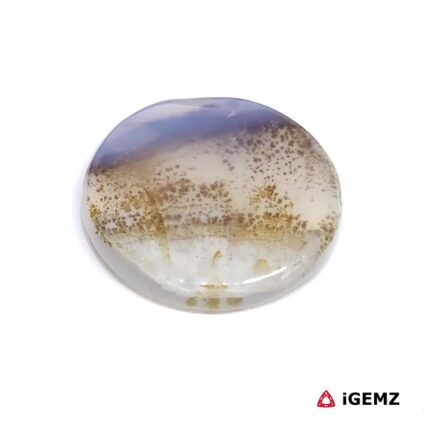
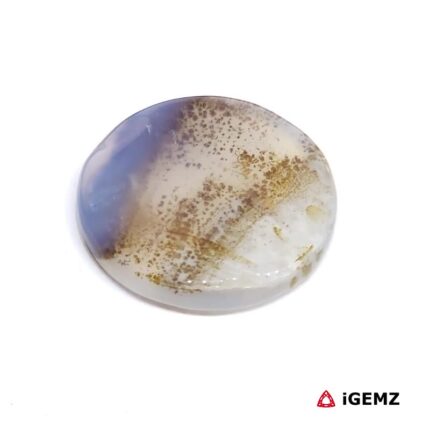
Dendritic Agate is a unique and highly collectible gemstone, prized for its intricate fern-like or tree-like inclusions that resemble natural landscapes. Unlike uniform gemstones, its charm lies in these delicate, dendritic patterns that form naturally within the chalcedony host.
In this guide we examine dendritic agate from a professional gemmological and commercial perspective, covering its physical properties, crystal structure, treatments, origins, and how to identify premium-quality stones.
What is Dendritic Agate?
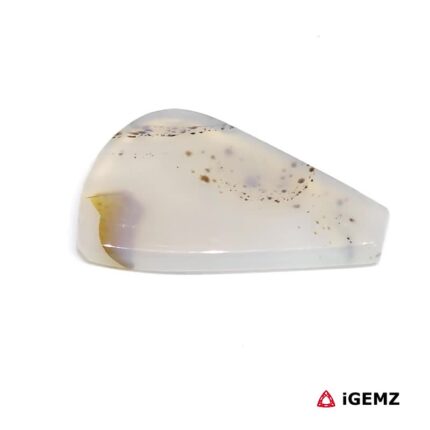
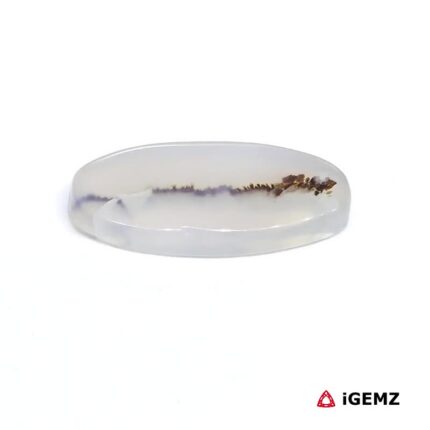
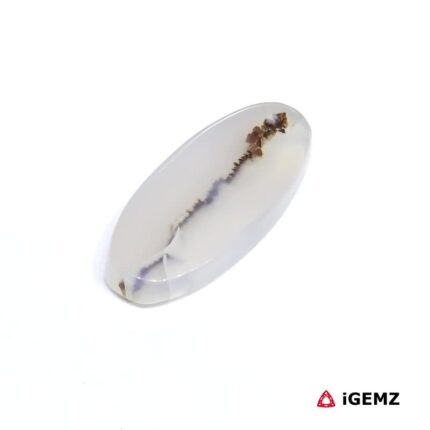
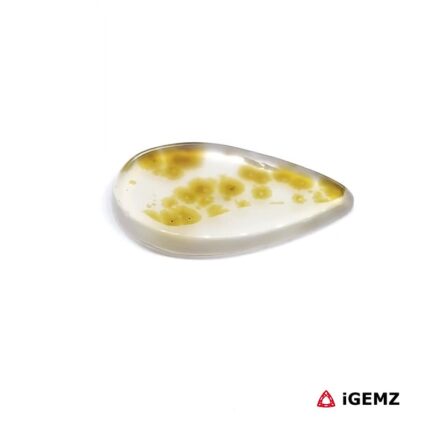
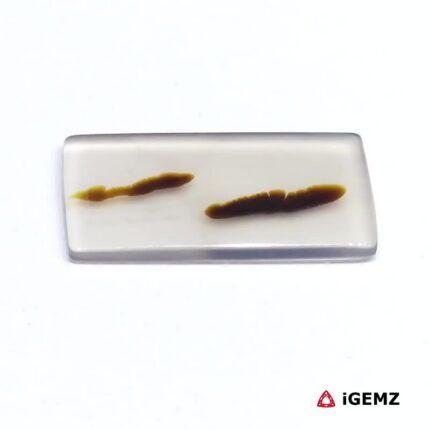
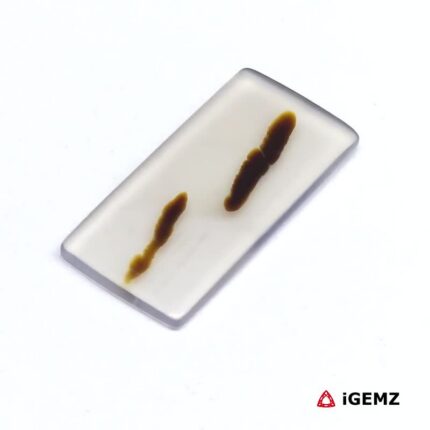
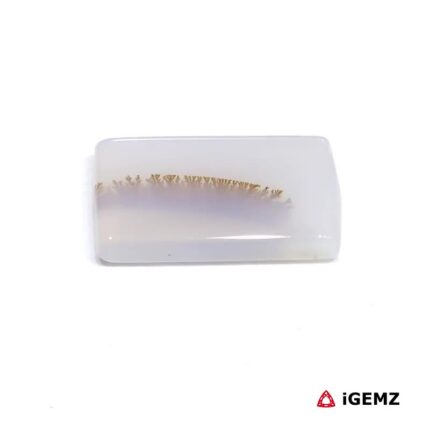
Dendritic Agate is a microcrystalline variety of quartz (chalcedony) containing distinctive inclusions of iron or manganese oxides that form natural branching patterns. These patterns often resemble trees, ferns, or mosses, giving each stone a one-of-a-kind appearance.
Dendritic agate typically forms in volcanic and metamorphic rocks, filling cavities as silica-rich fluids slowly crystallise over time.
Mineral Composition
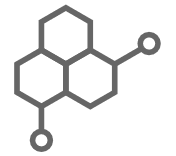
Dendritic Agate has the chemical formula:
SiO₂
It is composed primarily of:
Silicon
Oxygen
The dendritic patterns are formed by inclusions of:
Manganese oxides
Iron oxides
These inclusions create the characteristic “branching” or “tree-like” designs seen in the stone.
Mineral Family and Crystal System

Dendritic Agate belongs to the silicate mineral family.
Its crystal system is trigonal (microcrystalline quartz), forming fine-grained chalcedony rather than visible macroscopic crystals. The structure allows the mineral to host dendritic inclusions without disrupting its overall integrity.
Optical and Physical Properties
Dendritic Agate combines translucency with natural patterned inclusions, making it a favourite for collectors and jewellery designers seeking unique, natural designs.

Lustre
Vitreous to waxy, giving a soft reflective sheen.

Transparency
Translucent to semi-transparent; light passes through thin areas of the stone.

Refractive index
1.53 – 1.54, contributing to soft clarity.

Specific gravity
2.58 – 2.64, typical of chalcedony varieties.
Colour Range
Dendritic Agate usually appears in:
White
Grey
Cream
Translucent backgrounds with dark dendritic patterns
The value is highest when the dendrites are well-formed, contrasting sharply with the chalcedony host.
Mohs Hardness and Durability

Dendritic Agate has a Mohs hardness of 6.5–7, making it suitable for rings, pendants, and earrings when properly set. It is tough and resistant to chipping compared to other patterned chalcedonies.
Treatments

Most dendritic agate is untreated. Occasionally, minor heating may be applied to improve uniformity of colour, but fine-quality stones are valued in their natural state.
Care and Cleaning
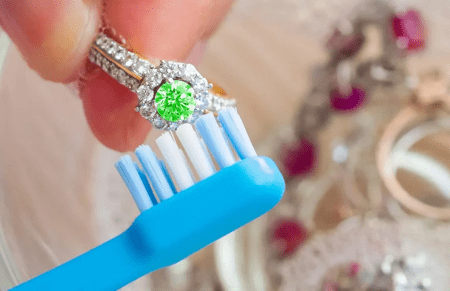
Avoid ultrasonic and steam cleaners.
Clean with warm water, mild soap, and a soft brush.
Store separately from harder stones to prevent scratches.
Major Origins
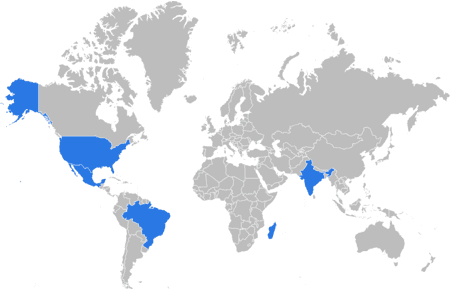
Major sources of dendritic agate include:
India
Brazil
Madagascar
United States (Montana, Oregon)
Mexico
Frequently Asked Questions
Is dendritic agate a natural gemstone?
Yes, dendritic agate occurs naturally and is widely collected.
What creates the dendritic patterns?
The branching patterns are caused by manganese and iron oxide inclusions within the chalcedony host.
Is dendritic agate treated?
Most dendritic agate is untreated; occasional minor heating may be applied to improve colour uniformity.
Can dendritic agate be used in rings?
Yes, its Mohs hardness of 6.5–7 allows use in rings, pendants, and earrings if properly set.
Does dendritic agate fade in sunlight?
No, it is stable under normal light exposure.
How can I identify real dendritic agate?
Look for characteristic branching inclusions within translucent chalcedony.
Where does the finest dendritic agate come from?
India, Brazil, and Madagascar produce highly detailed specimens.
Is dendritic agate rare?
It is relatively common, but high-quality stones with distinct dendritic patterns are prized and collectible.
Can dendritic agate be scratched easily?
It is moderately hard but can be scratched by harder gemstones.
Is dendritic agate suitable for daily wear?
Yes, if protected from impact, especially in rings; pendants and earrings are safer.