

 1st - Gold
 January
  February
  March
March  April
April  May
May  June
June  July
July  August
  September
 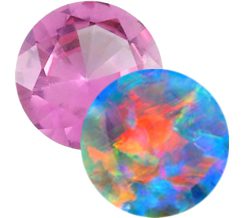 October
 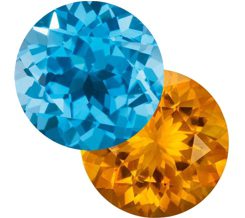 November
 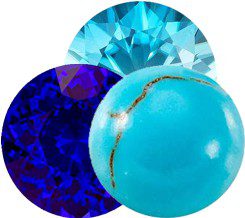 December
 Capricorn - Garnet
  Aquarius - Amethyst
  Pisces - Aquamarine
  Aries - Diamond
  Taurus - Emerald
  Gemini - Pearl
  Cancer - Ruby
  Leo - Peridot
  Virgo - Blue Sapphire
  Libra - Opal
  Scorpio - Topaz
  Sagittarius - Tanzanite

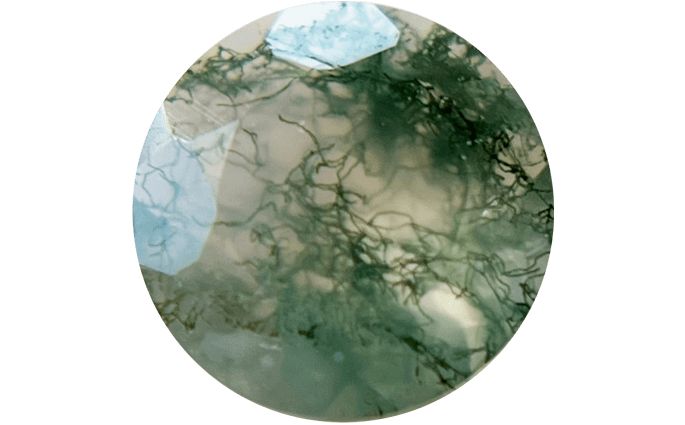
Moss Agate
Buyer’s Guide
Quality, Composition, Colour & Value Explained
Discover how colour, inclusions, treatments and cut influence Moss Agate value, and learn what truly determines quality before choosing your ideal green-and-white gemstone.
A complete professional Moss Agate Buyer’s Guide to understanding this gemstone’s quality, origin, treatments and value factors before purchasing.
History, Symbolism & Meaning of Coral
Origins and Historical Use

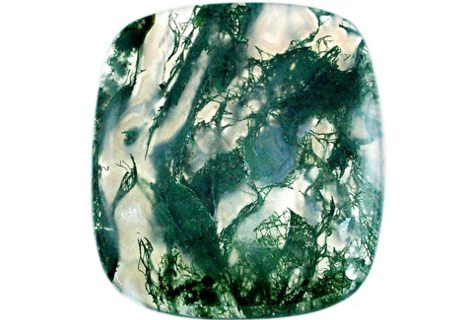
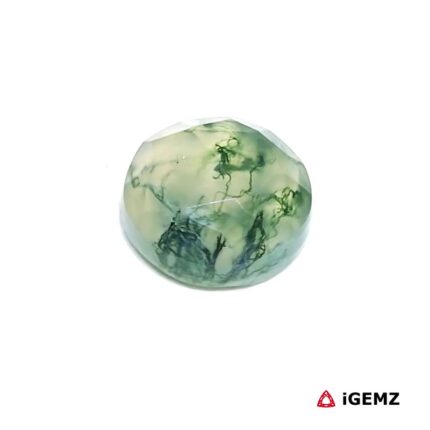
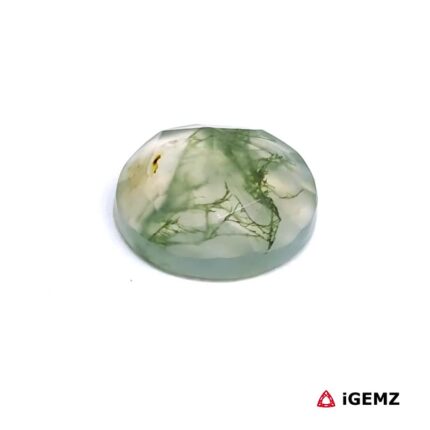
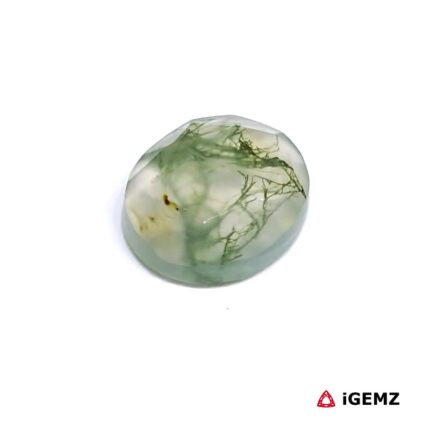
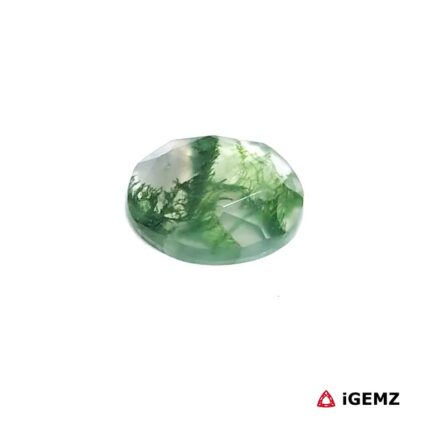
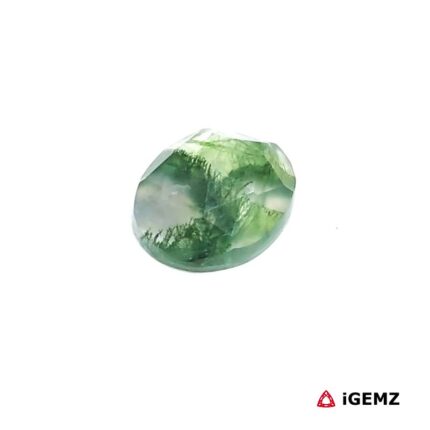
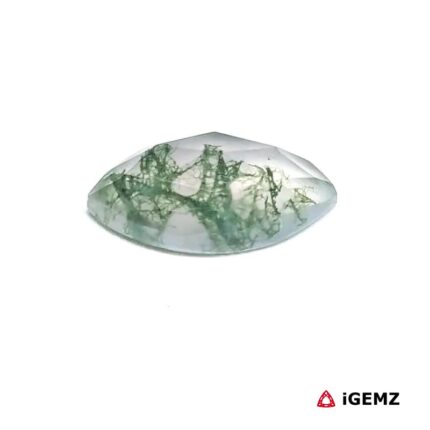
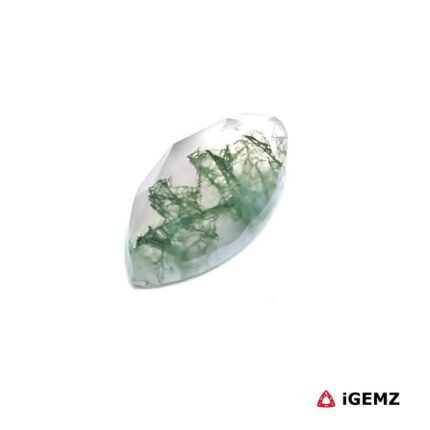
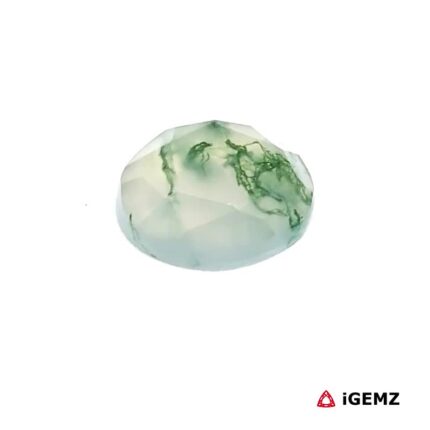
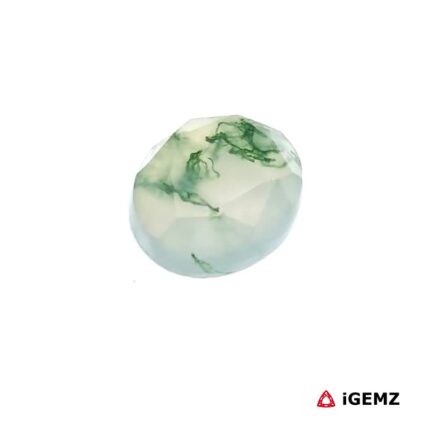
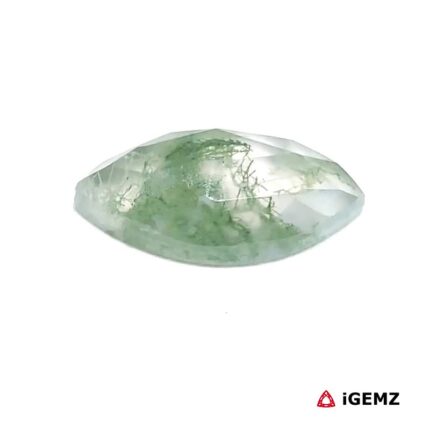
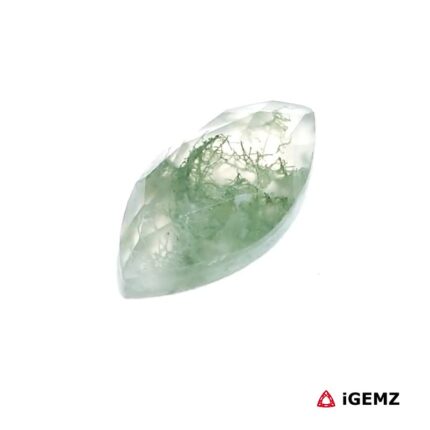
Moss Agate has been valued for centuries for its unique, plant-like inclusions and natural beauty. Ancient civilisations, including the Greeks and Romans, believed it promoted abundance, protection and harmony with nature. It was widely used in talismans, amulets and ceremonial jewellery.
The name “Moss Agate” reflects its moss-like inclusions, often resembling foliage or lichen within a semi-transparent stone. Historically, it was prized not only for its beauty but also for its perceived connection to fertility, growth, and prosperity.
Ancient Beliefs and Spiritual Energy

Moss Agate has long been admired for its grounding and calming energy. It was believed to balance emotions, enhance intuition and strengthen connections with the natural world. Farmers and gardeners historically carried moss agate to encourage healthy crops and protect livestock.
In modern spiritual traditions, moss agate is associated with the heart and root chakras, fostering emotional stability, courage, and a sense of renewal. Its calming green inclusions are thought to connect the wearer with nature and support personal growth.
Modern Symbolism and Collectibility

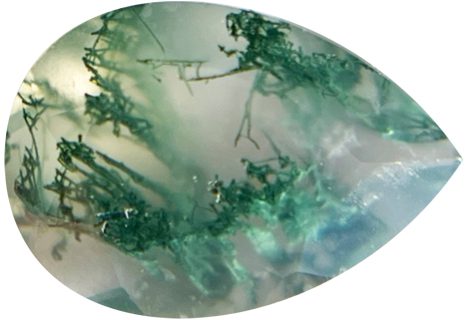
Today, Moss Agateis celebrated for its distinctive appearance and metaphysical qualities. Collectors prize it for its unique inclusions—no two stones are alike—and its versatility in jewellery. It is often used in cabochons, pendants, beads and decorative carvings.
Moss Agate is regarded as a stone of new beginnings, creativity, and balance. Its natural patterns make it popular among gemstone enthusiasts, holistic practitioners and artisans alike.
Physical & Optical Properties
EXPLORE MOSS AGATE’S HARDNESS, LUSTRE, TRANSPARENCY, REFRACTIVE INDEX AND SPECIFIC GRAVITY.
Understanding the gemological properties of Moss Agate helps determine durability, aesthetics, and suitability for jewellery.

Colour Range
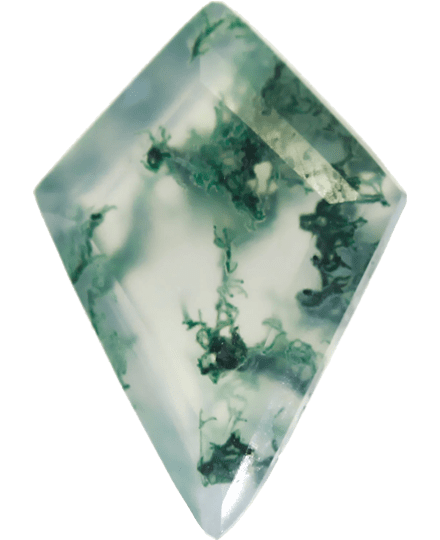
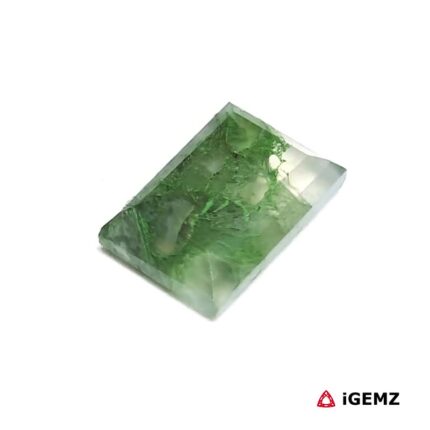
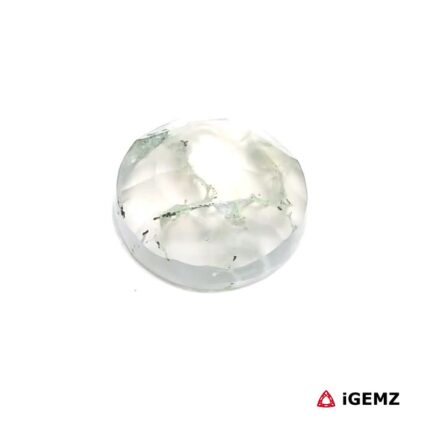
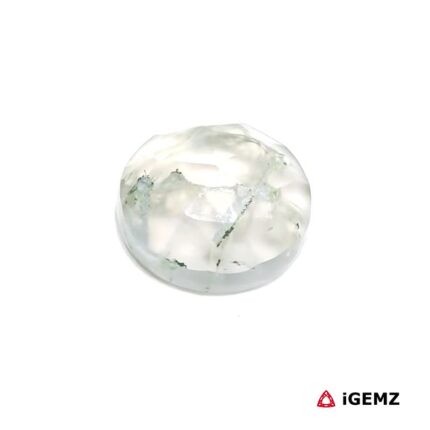
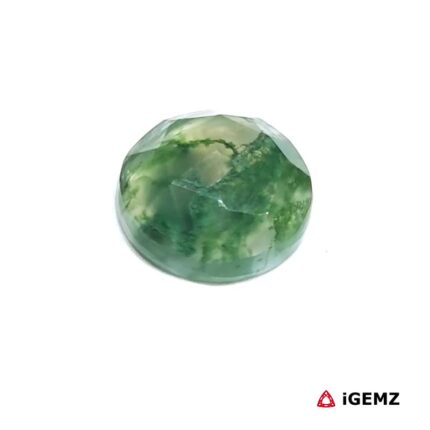
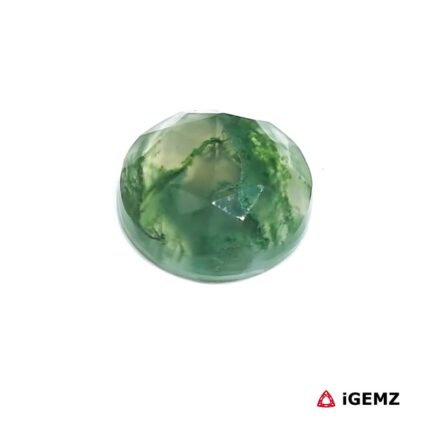
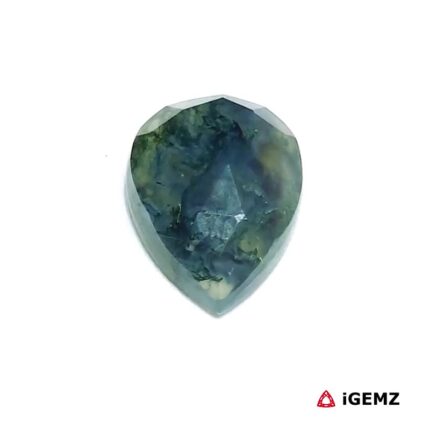
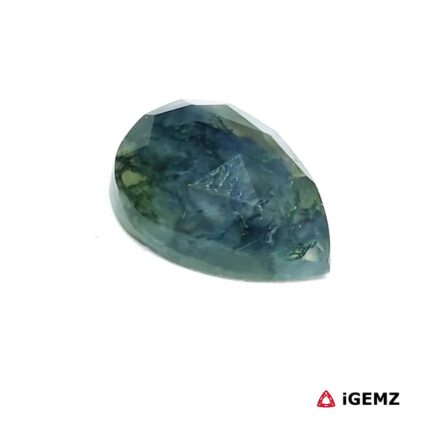
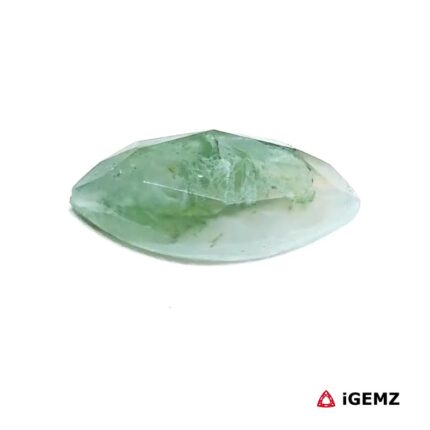
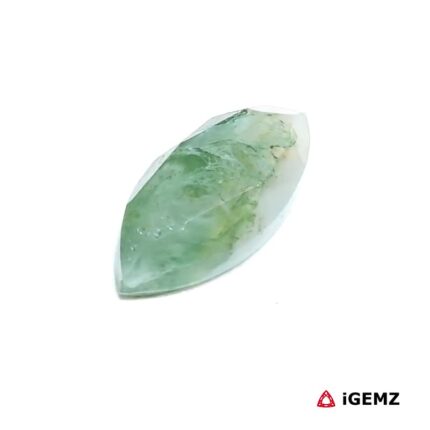
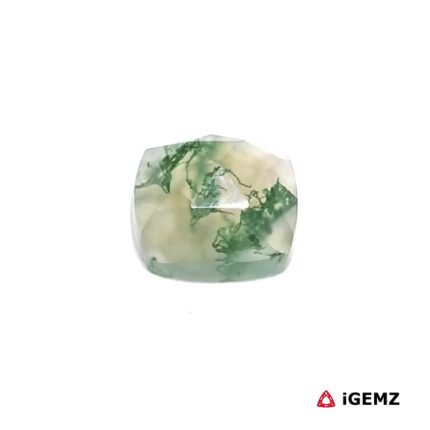
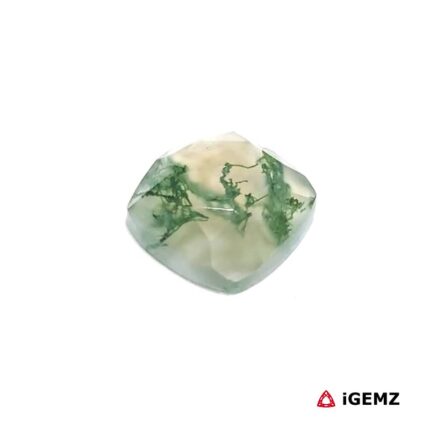
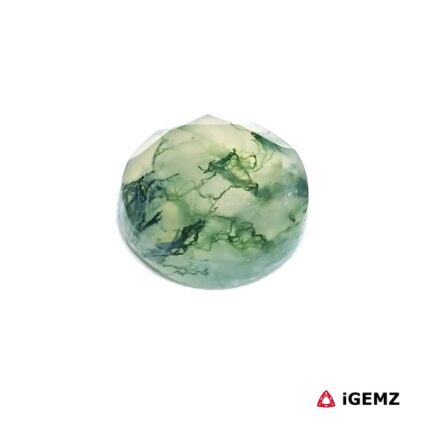
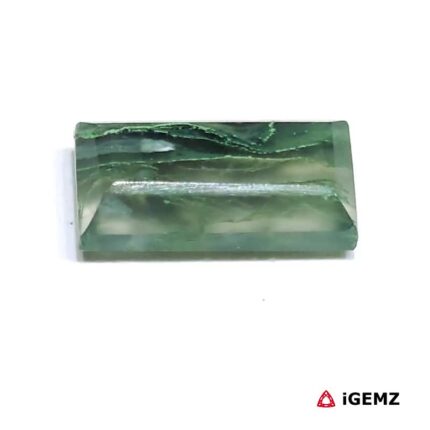
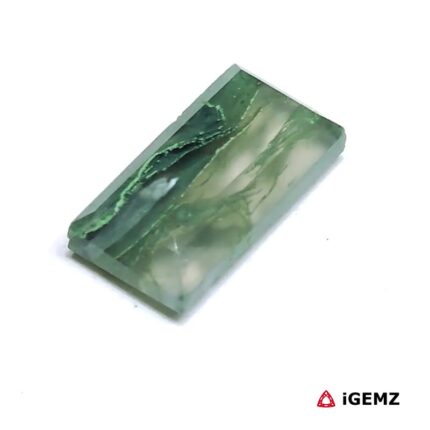
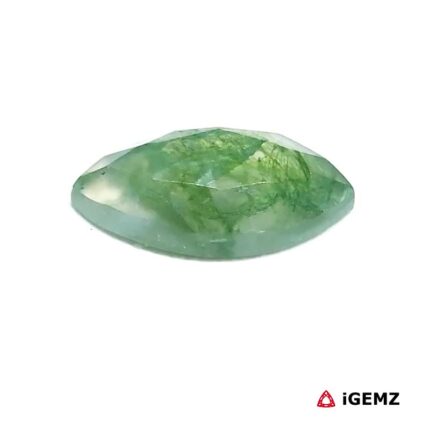
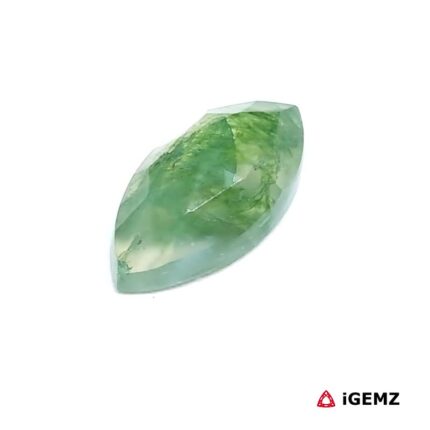
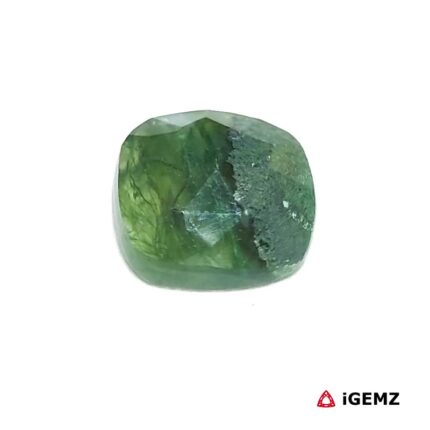
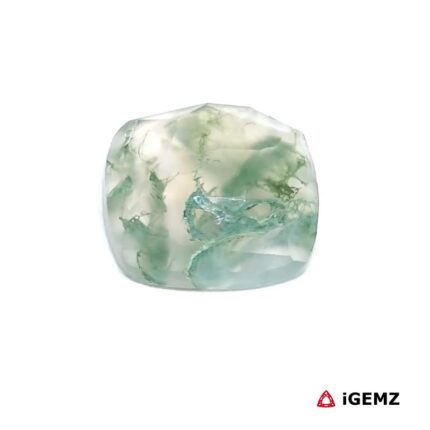
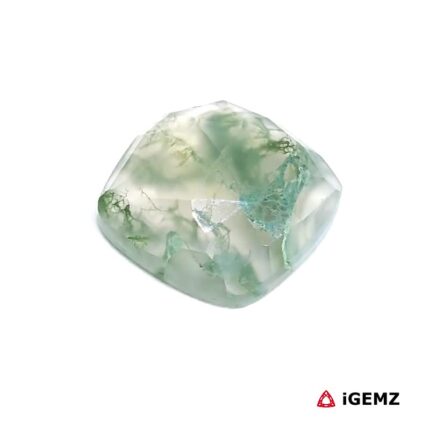
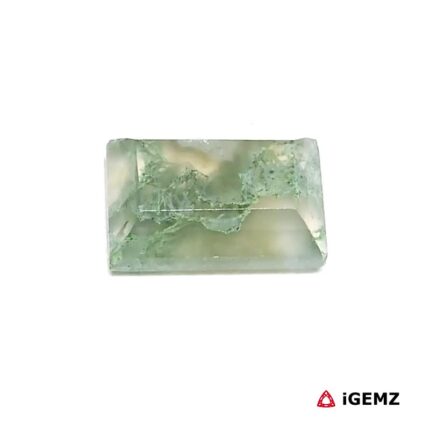
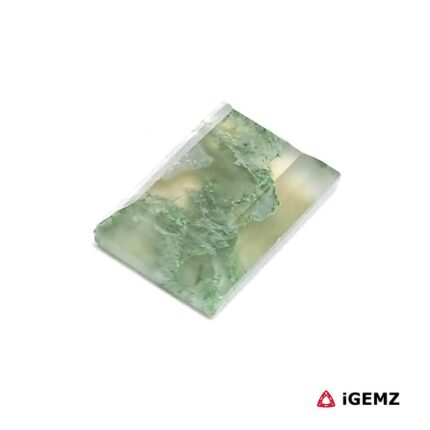
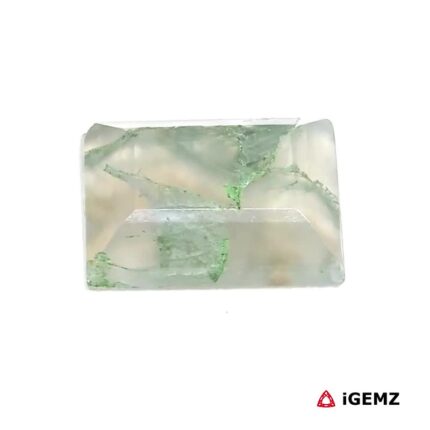
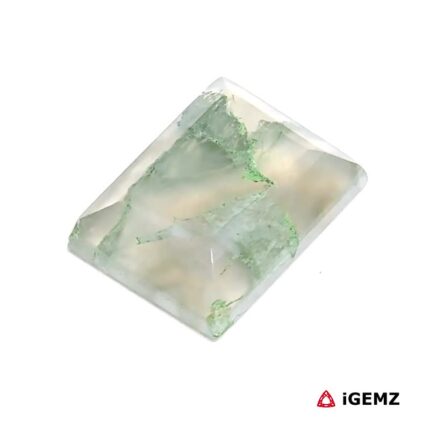
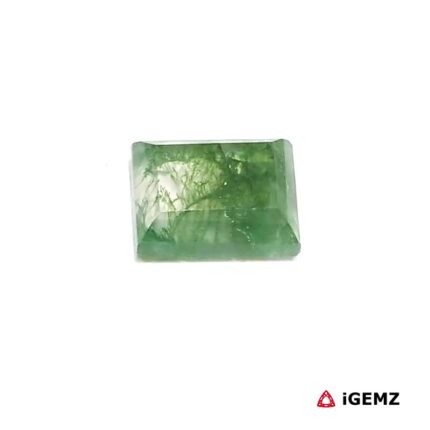
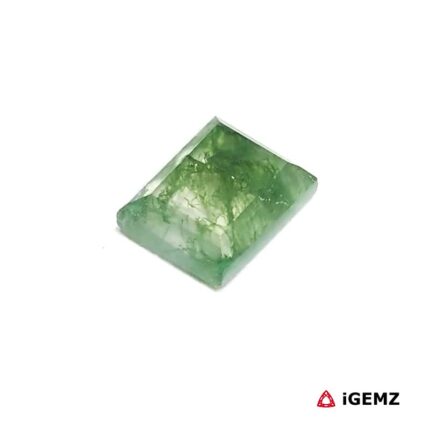
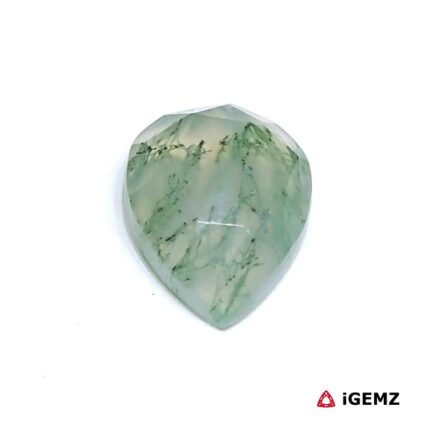
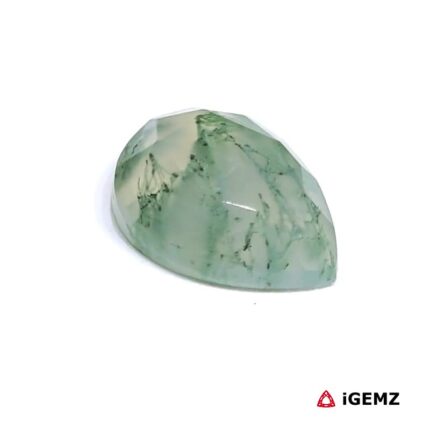
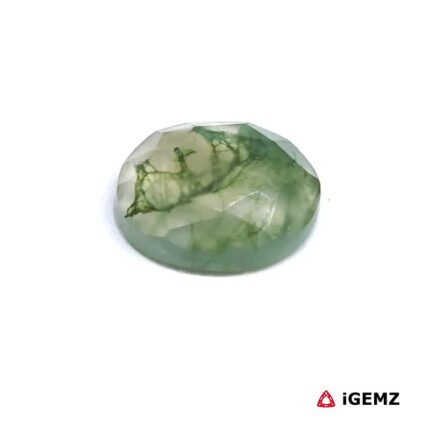
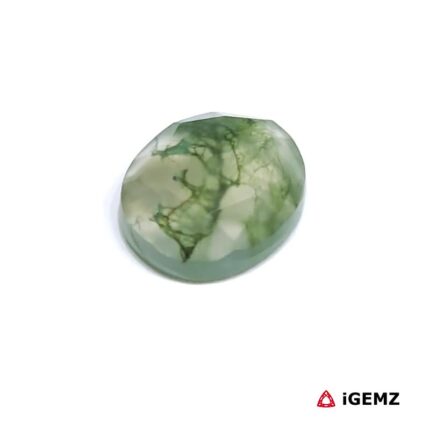
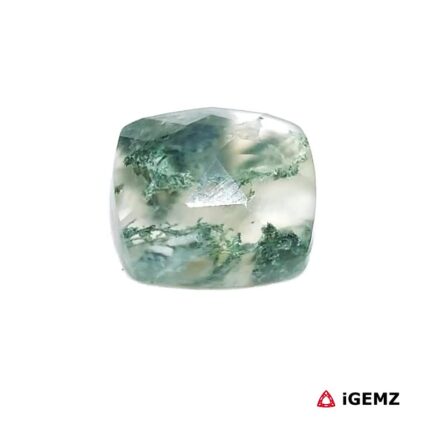
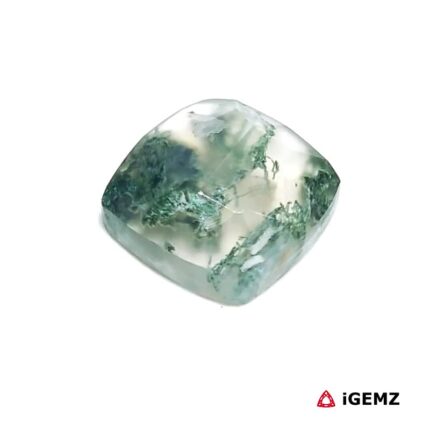
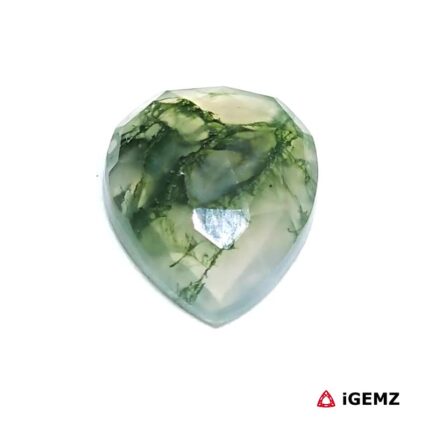
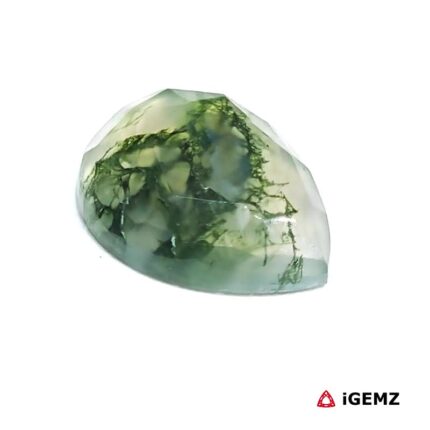
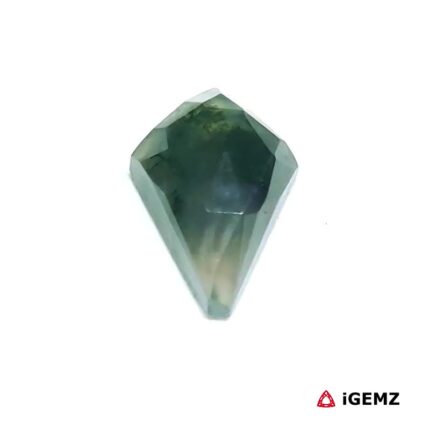
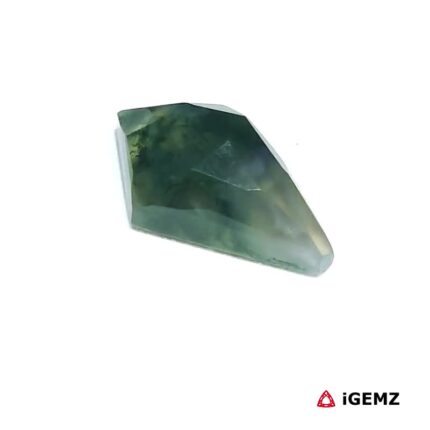
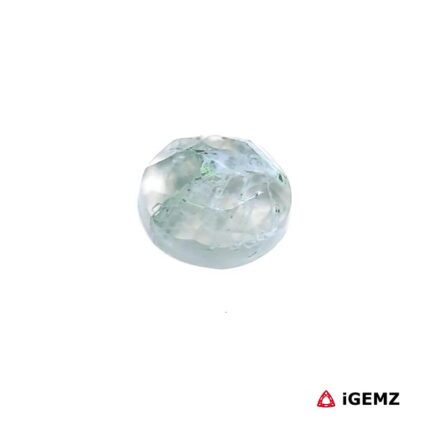
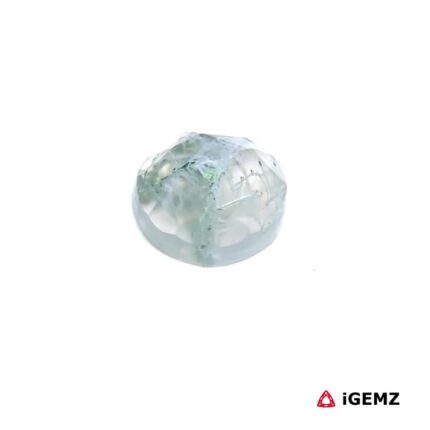
Moss Agate occurs in shades of: White, Clear, Grey, with green or brown dendritic inclusions. The most desirable stones display distinct moss-like patterns with transparent or semi-transparent backgrounds.

Chemical Formula
Moss Agate has the SiO₂ chemical formula and is primarily composed of Silicon & Oxygen. Inclusions consist of manganese or iron oxides, forming the characteristic moss-like patterns.

Composition
Silicon & Oxygen – dendritic inclusions of iron or manganese create mossy patterns.

Refractive Index
1.530 – 1.540, giving a subtle brilliance and gentle sparkle.

Lustre
Vitreous to waxy, providing a soft sheen depending on polish and translucency.

Moh's Hardness & Durability
Moss Agate has a Mohs hardness of 6.5 – 7, making it suitable for rings, pendants, earrings and ornamental objects with care. Its toughness is moderate; avoid sharp knocks to preserve the stone’s surface.

Crystal System
Its crystal system is trigonal (chalcedony variety), forming microcrystalline aggregates of quartz.

Transparency
Transparent to translucent, depending on the proportion of moss inclusions.

Mineral Family
Moss Agate belongs to the chalcedony (quartz) mineral family.

Specific Gravity
2.60 – 2.65, typical for chalcedony gemstones.
Origin, Treatment & Care
Moss Agate is a naturally occurring chalcedony variety, with characteristic dendritic inclusions. Most moss agate is untreated, making it appealing for collectors seeking natural stones. Proper care ensures long-lasting beauty in jewellery and decorative items.

Major Origins
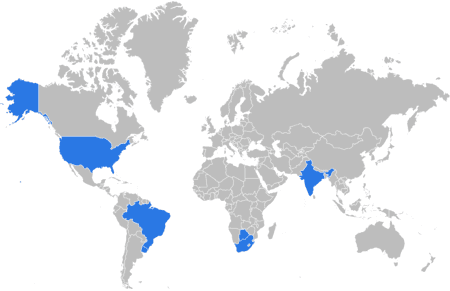
Major sources of moss agate include India, Brazil, Uruguay, the United States (Montana), and South Africa. India and Brazil produce large quantities, often used for cabochons and carvings.

Treatments
Moss Agate is typically untreated. Rarely, minor stabilisation may be used on fragile specimens, but natural, untreated moss agate remains the standard.

Care and Cleaning
Avoid harsh chemicals and prolonged exposure to heat. Clean with warm water, mild soap, and a soft brush. Store separately from harder gemstones to prevent scratches.
How Moss Agate Quality & Value Are Determined
Understanding how Moss Agate is evaluated helps buyers select quality stones. Value is primarily determined by the pattern of inclusions, translucency, polish and overall aesthetic appeal.
Pattern & Aesthetics
The characteristic “moss” patterns define the stone’s desirability:
- Distinct, aesthetically pleasing dendritic formations
- Evenly distributed inclusions
- Natural, organic appearance resembling moss or foliage
- Clear to semi-transparent background enhancing patterns
Clarity
Unlike transparent gemstones, Moss Agate may contain cloudiness without affecting value. Stones with excessive cracks or surface-reaching fractures are less desirable.
Cut
Moss Agate is often cut into cabochons to best display the natural moss-like patterns. Proper cutting emphasises shape, symmetry and the beauty of inclusions.
Carat Weight
While size can enhance value, the uniqueness of patterns usually outweighs mere carat weight. Larger stones with striking moss formations are especially prized.
The Balance of the Four Factors
True quality is achieved when inclusions, clarity, cut and size harmonise.
A premium Moss Agate gemstone should display:
- Well-defined dendritic patterns
- Even transparency with minimal cloudiness
- Expert cabochon or ornamental cut
- Appropriate size and appealing proportions
International Pricing Trends – per carat
Moss Agate remains an affordable gemstone compared to precious stones, though exceptional patterns and large sizes increase value. Prices vary with pattern clarity, size, and polish.
Estimated Average International Moss Agate Prices – Per Carat
| Weight | ZAR | USD | EUR | JPY | GBP | AUD | CAD | CHF | CNY | HKD | NZD | Market Signal |
|---|---|---|---|---|---|---|---|---|---|---|---|---|
| Under 5 carat | Small cabochons & beads | |||||||||||
| 5 - 10 carats | Patterns become noticeable | |||||||||||
| 10 - 20 carats | Highly sought after | |||||||||||
| +20 carats | Command premium prices |

Frequently Asked Questions
Is moss agate a true gemstone?
Yes. Moss Agate is a semi-precious chalcedony variety of quartz, prized for its natural dendritic inclusions.
Why is it called moss agate?
Because the green or brown dendritic inclusions resemble moss, lichen or foliage within a semi-transparent stone.
Are moss agates treated?
Most moss agate stones are untreated. They naturally display their moss-like inclusions without enhancement.
Where is moss agate found?
Major sources include India, Brazil, Uruguay, the United States, and South Africa.
Can moss agate be worn daily?
Yes, with reasonable care. Its hardness allows use in jewellery, but avoid heavy knocks or abrasive surfaces.
What makes moss agate valuable?
Value depends on the uniqueness and beauty of moss-like patterns, translucency, polish quality, and size.

Buy With Confidence
Professionally inspected gemstones
Full transparency on treatments
Worldwide shipping
Secure checkout
Ready to own the beauty of
MOSS AGATE?
Now that you understand the history, symbolism and quality factors behind moss agate, you can select a gemstone that combines natural artistry with wearable elegance. Its organic green-and-white patterns make each stone unique, ideal for cabochons, pendants, beads or ornamental carvings. Moss agate offers enduring beauty, natural charm, and affordable sophistication for any gemstone collection.
Natural Patterns
Grounding Energy
Unique Beauty
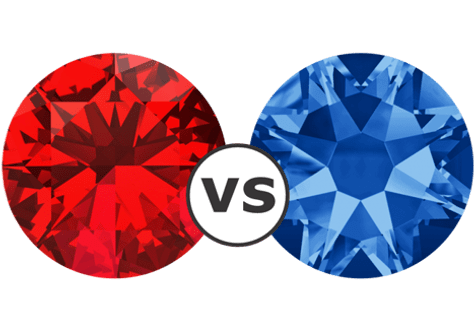
COMPARE GEMSTONES WITH CONFIDENCE
Gemstone Comparison Guides
Choosing between two beautiful gemstones can be challenging. Our professional Gemstone Comparison Guides help you clearly understand the differences between popular gemstones so you can make a confident and informed choice.
Each comparison explores the key factors that influence gemstone quality and value, including colour, clarity, durability, rarity and typical treatments. You will also learn how similar-looking gemstones differ in appearance, composition, hardness and more.
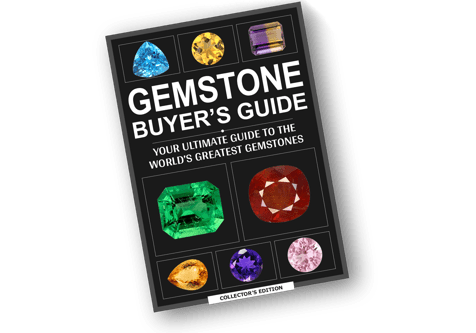
HERE IS ALL THE PROFESSIONAL INFORMATION YOU NEED
Gemstone Buyer's Guides
Buying a gemstone should be exciting — but understanding quality, rarity and value is essential before making the right choice. Our professional Gemstone Buyer’s Guides help you understand how colour, clarity, cut and treatments influence the beauty and value of different gemstones.
Each guide explains the key quality factors used by gemologists, including gemstone composition, colour grading, natural inclusions, treatments and origin. You will also learn how these factors affect rarity, durability and market value.
Beryl Family
Feldspar Gemstones
Pyroxene Gemstones
Spodumene Family
Chalcedony & Agate
Quartz Gemstones
Amethyst
Ametrine
Citrine
Prasiolite
Quartz
Rose Quartz
Rutile Quartz
Smoky Quartz
Rare & Collector Gemstones
Apatite
Chrysoberyl
Clinozoisite
Fluorite
Grandidierite
Iolite
Jade
Kyanite
Lapis Lazuli
Phosphosiderite
Prehnite
Serendibite
Sillimanite
Sphene
Sugilite
Vesuvianite