


 1st - Gold
 January
  February
 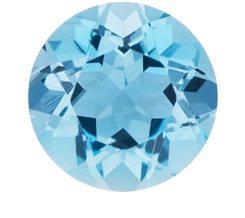 March
March 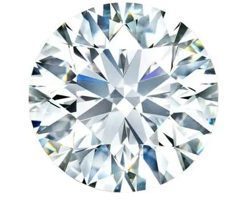 April
April 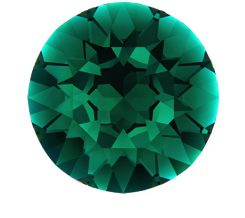 May
May 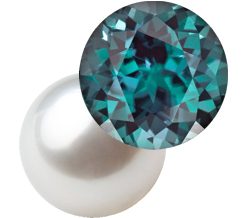 June
June 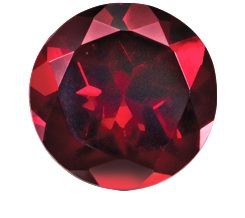 July
July 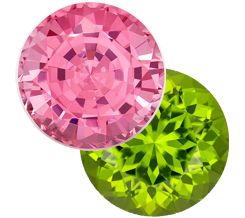 August
 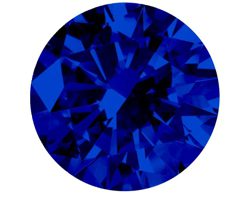 September
 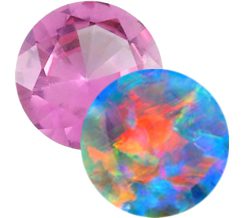 October
 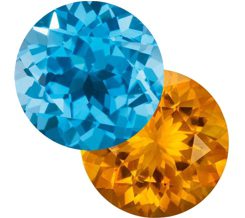 November
 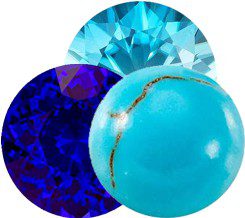 December
 Capricorn - Garnet
  Aquarius - Amethyst
 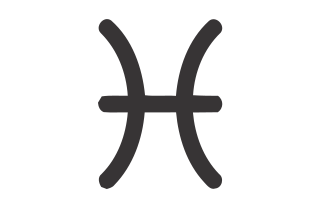 Pisces - Aquamarine
  Aries - Diamond
 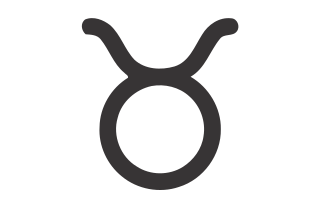 Taurus - Emerald
  Gemini - Pearl
  Cancer - Ruby
  Leo - Peridot
  Virgo - Blue Sapphire
  Libra - Opal
  Scorpio - Topaz
  Sagittarius - Tanzanite


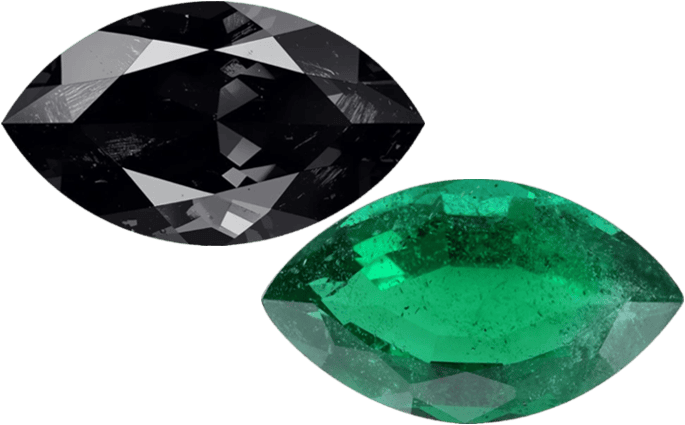
Black Diamond vs Emerald
Which Luxury Gemstone Should You Choose?
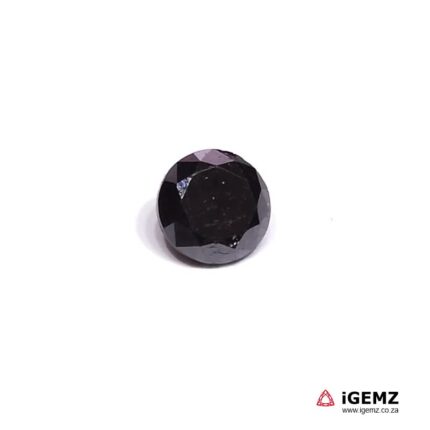
When choosing between luxury gemstones, Black Diamond vs Emerald is a striking comparison of contrast and elegance. One offers bold, modern sophistication, while the other delivers timeless green brilliance.
This complete diamond vs emerald guide explores colour, clarity, durability, and value to help you choose the ideal gemstone for fine diamond jewellery or classic emerald jewellery.
Black Diamond vs Emerald: Quick Comparison
| Feature | Black Diamond | Emerald |
|---|---|---|
| Mineral Family | Diamond | Beryl |
| Hardness | 10 – Extremely durable | 7.5 – 8 – Moderate durability |
| Value | Moderate to high; niche luxury | High; fine emeralds are rare |
| Best For | Modern, bold jewellery, men’s rings | Classic luxury, heirloom jewellery |
| Professional Guides | Diamond Buyer’s Guide | Emerald Buyer’s Guide |
Black Diamond Features, Colour & Luxury Appeal Explained
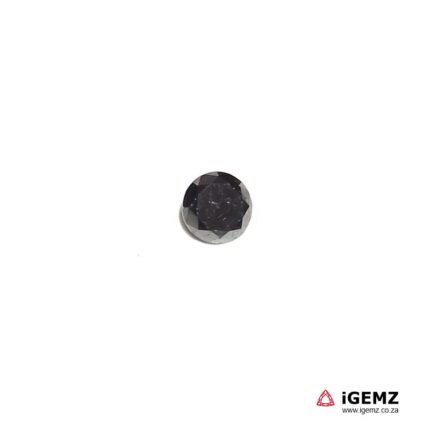
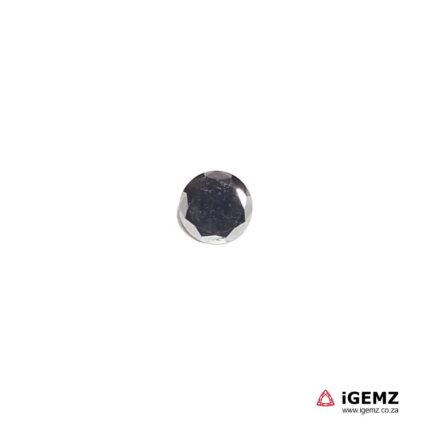
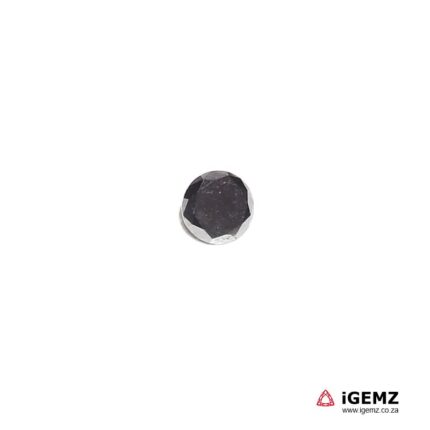
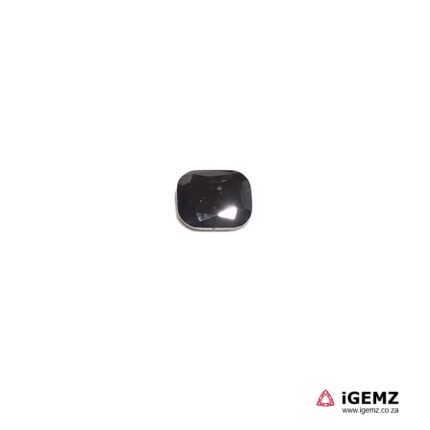
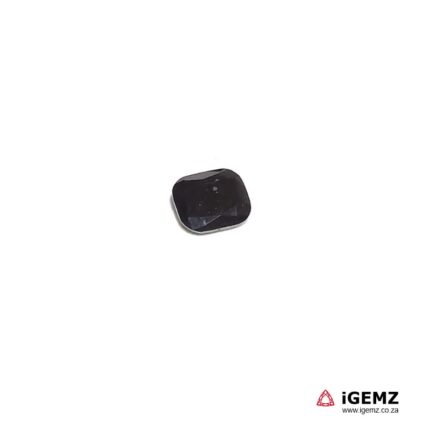
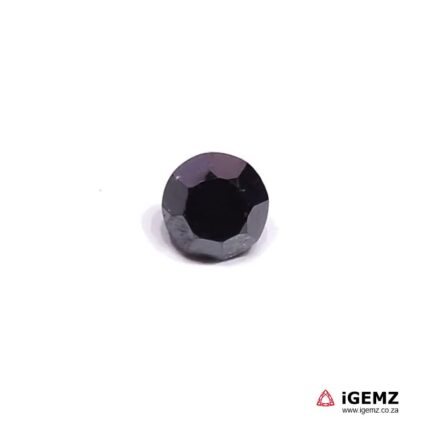
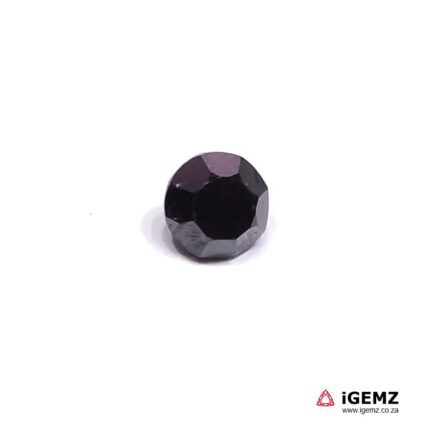
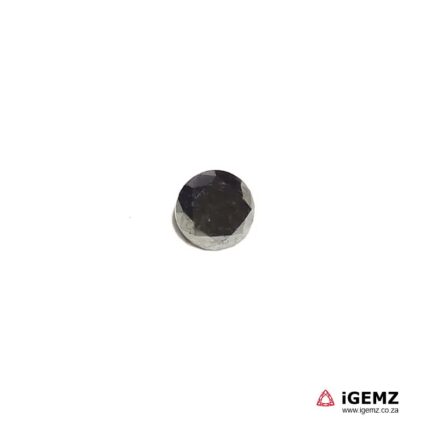
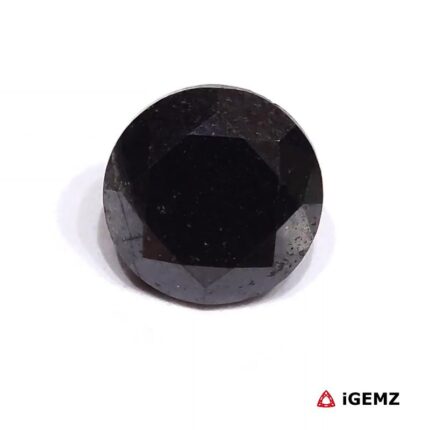
Black Diamonds are among the most distinctive choices in diamond jewellery. Unlike traditional white gemstones, black diamonds absorb light, creating a bold, opaque appearance with metallic lustre.
Origins & Formation:
Black diamonds (carbonado or treated natural diamonds) are found in Brazil and Central Africa. Their dark colour comes from graphite and inclusions.
Price Guide (per carat):
R10,000 – R120,000 depending on size and treatment.
Why Choose Black Diamond:
- Unique and modern aesthetic
- Exceptional hardness (Mohs 10)
- Ideal for statement rings and men’s jewellery
Emerald Features, Colour & Investment Value Explained
Emerald is one of the most prized green gemstones, valued for its vibrant colour and timeless appeal in emerald jewellery.
Origins & History:
Emeralds are sourced from Colombia, Zambia, Brazil, and Zimbabwe. They have symbolised wealth and royalty for centuries and remain a cornerstone of high-end jewellery.
Price Guide (per carat):
R15,000 – R300,000+ depending on colour, clarity, and origin.
Why Choose Emerald:
- Iconic rich green colour
- Strong investment potential for fine stones
- Classic, elegant jewellery appeal
Black Diamond vs Emerald: Detailed Technical Comparison
| Feature | Black Diamond | Emerald |
|---|---|---|
| Chemical Composition | Carbon (C) | Beryllium aluminium silicate (Be3Al2Si6O18) |
| Colour | Opaque black | Green to deep vivid green |
| Hardness (Mohs) | 10 – Extremely durable | 7.5 – 8 – Moderate durability |
| Refractive Index | 2.42 | 1.577 – 1.583 |
| Specific Gravity | 3.52 | 2.67 – 2.78 |
| Clarity & Inclusions | Opaque; inclusions create colour | Highly included; “jardin” inclusions common |
| Origin | Brazil, Central Africa | Colombia, Zambia, Brazil, Zimbabwe |
| Treatment | Often treated to enhance colour | Oiling common to improve clarity |
| Best Use | Statement rings, modern jewellery | Luxury rings, pendants, heirloom pieces |
Black Diamond vs Emerald: Colour, Hardness & Care Tips
Colour Comparison:
- Black Diamond: Deep black, opaque, bold and modern
- Emerald: Rich green tones; among the most valuable green gemstones
Hardness & Durability:
- Black Diamond: Mohs 10 – hardest gemstone, highly scratch-resistant
- Emerald: Mohs 7.5–8 – durable but prone to chipping due to inclusions
Care Tips:
- Black Diamond: Easy to maintain; clean with mild soap and water
- Emerald: Avoid ultrasonic cleaners; requires gentle care due to internal fractures
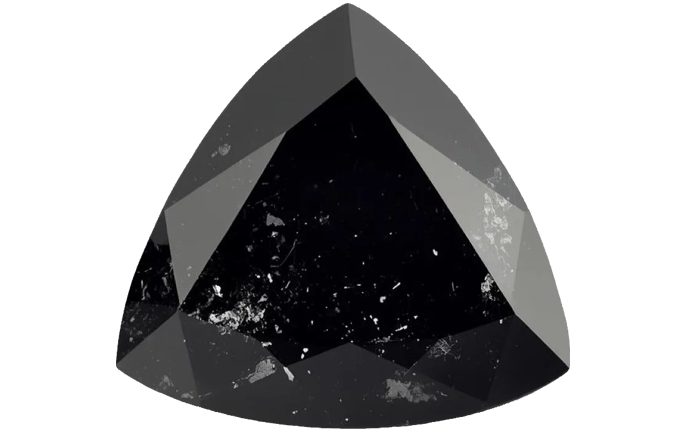
Black Diamond vs Emerald: How to Tell Them Apart
💡 Tip: The difference is obvious visually—black diamonds are opaque, while emeralds are transparent green gemstones. However, durability and care requirements are key factors when choosing between them.
Black Diamond Summary
- Hardness: Mohs 10 – extremely durable
- Colour: Opaque black
- Refractive Index: 2.42
- Inclusions: Dense inclusions create colour
- Care: Very low maintenance
Emerald Summary
- Hardness: Mohs 7.5 – 8 – moderate durability
- Colour: Rich green
- Refractive Index: 1.577 – 1.583
- Inclusions: “Jardin” inclusions common
- Care: Requires gentle handling
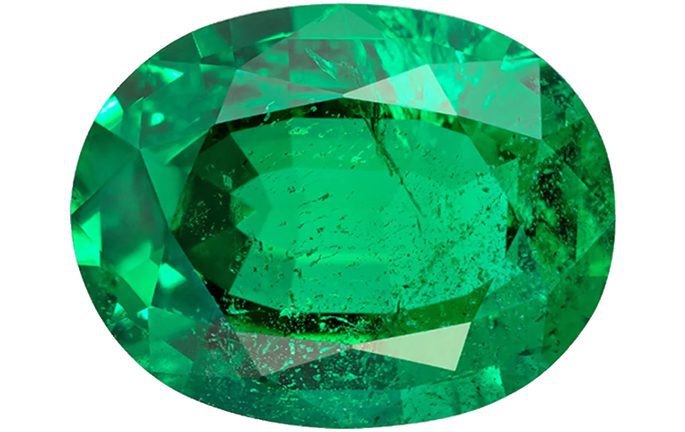
Buying Tips
- For diamond jewellery, verify whether black diamonds are treated or natural.
- For emerald jewellery, check clarity, colour saturation, and origin.
- Always request certification for high-value stones.
- Emeralds should be set in protective settings due to their inclusions.
- Browse our Diamond Collection and Emerald Collection.
Which Luxury Gemstone Should You Choose?
- Black Diamond: Ideal for bold, modern jewellery with maximum durability.
- Emerald: Perfect for timeless elegance, colour, and investment appeal.
Both gemstones represent luxury, but your choice depends on whether you prefer modern sophistication or classic green brilliance.
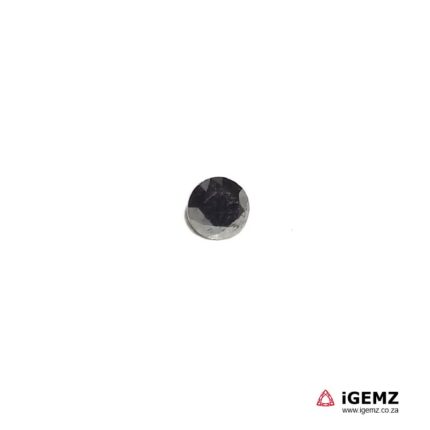
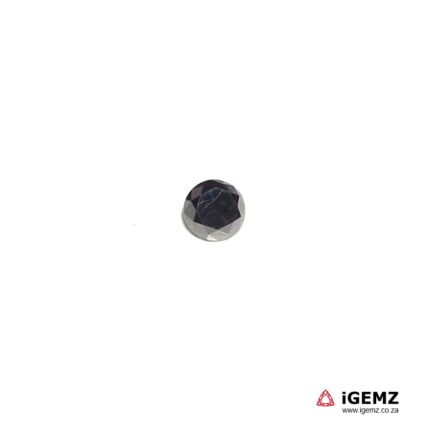
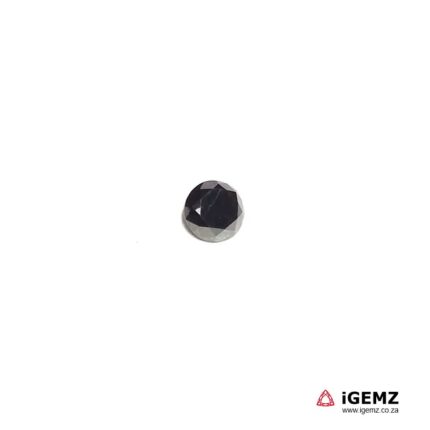
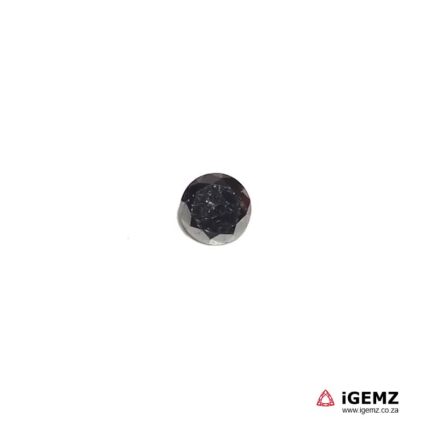
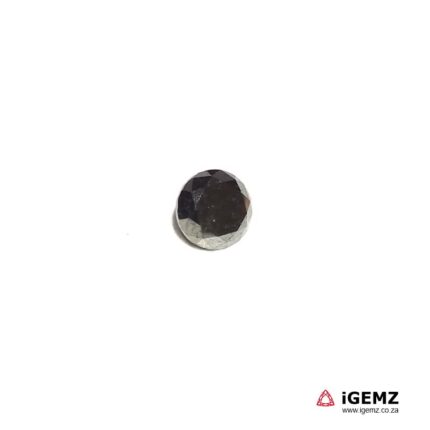
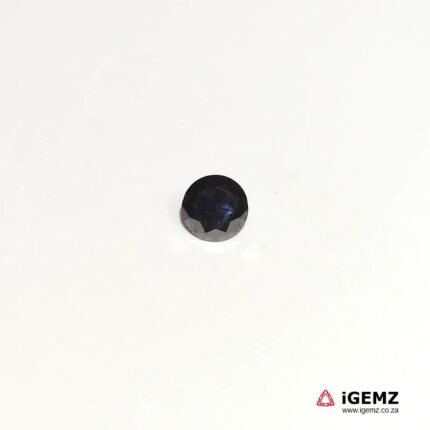
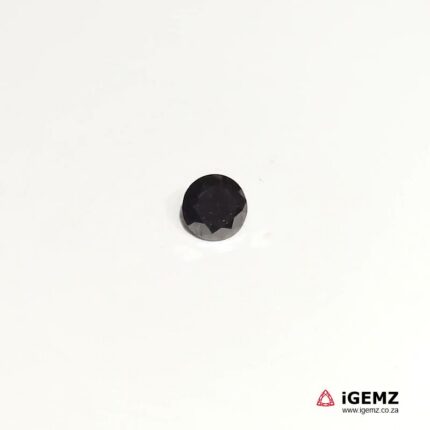
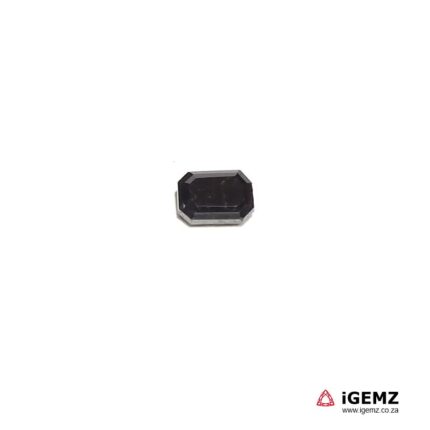
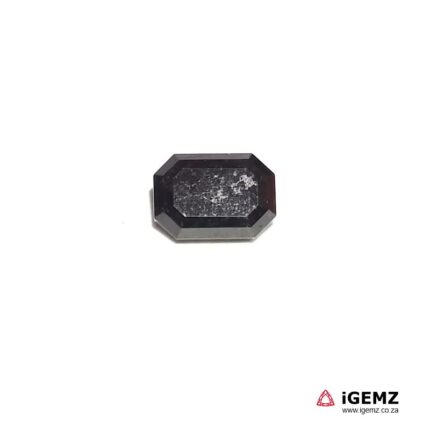
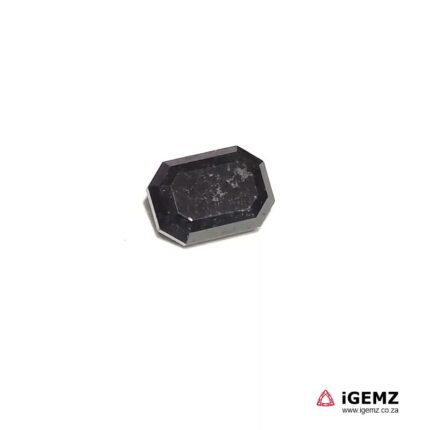
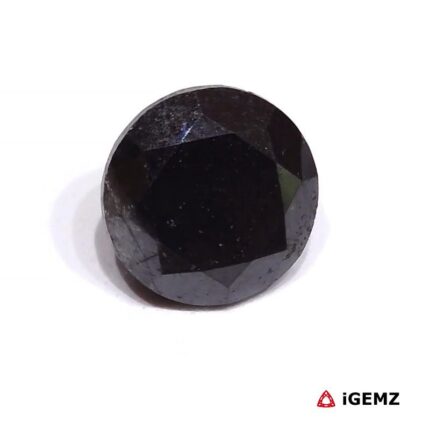
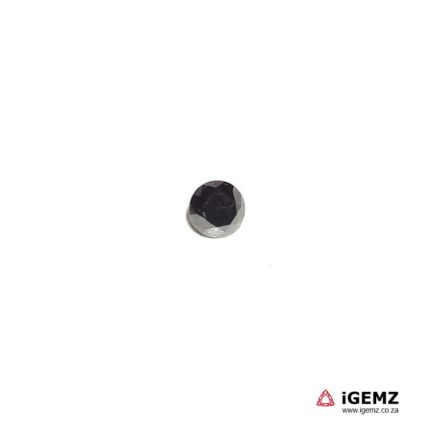
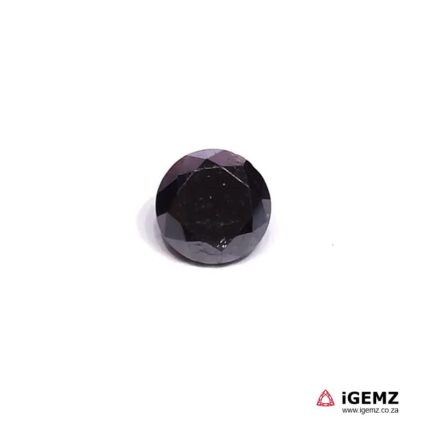
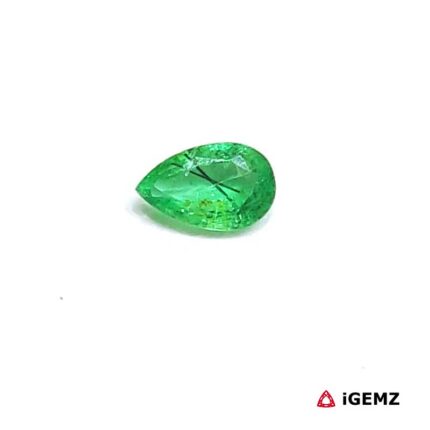
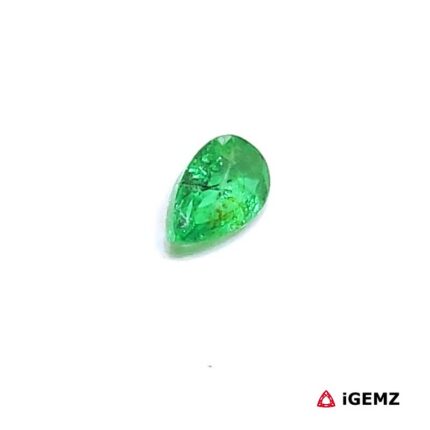
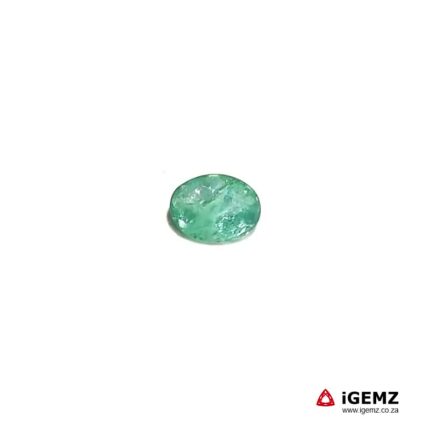
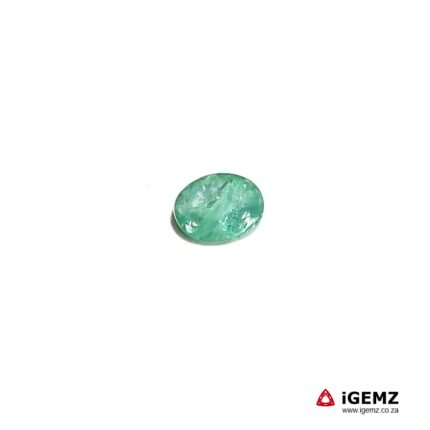
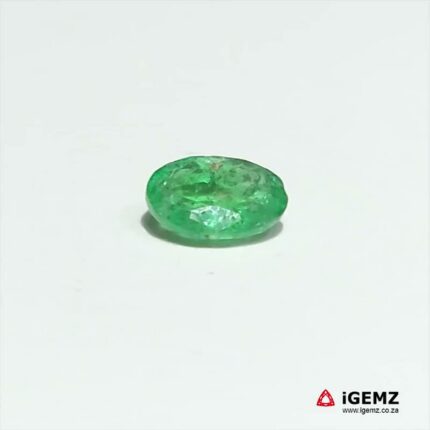
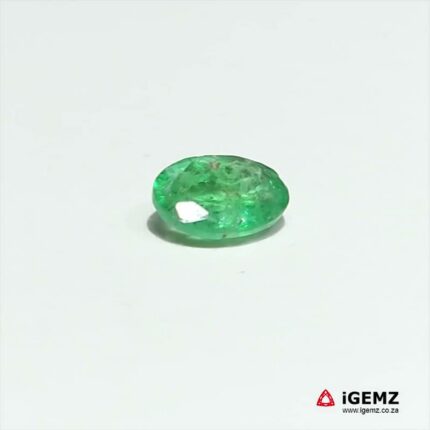
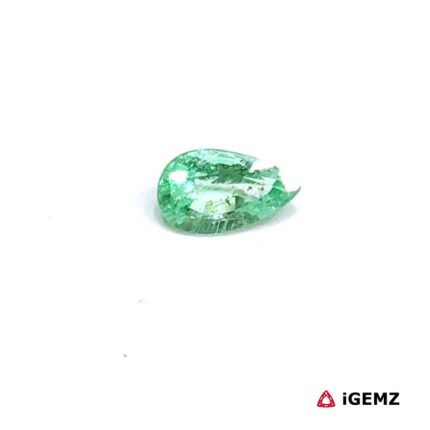
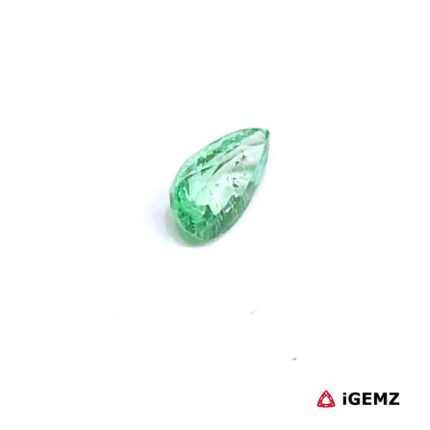
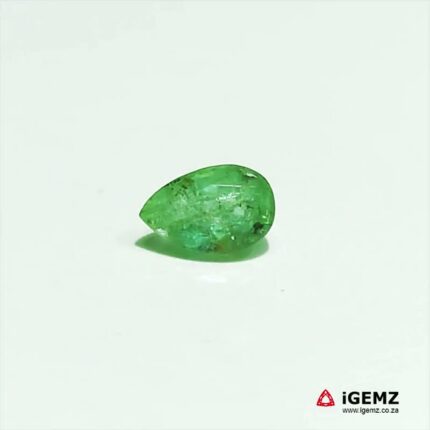
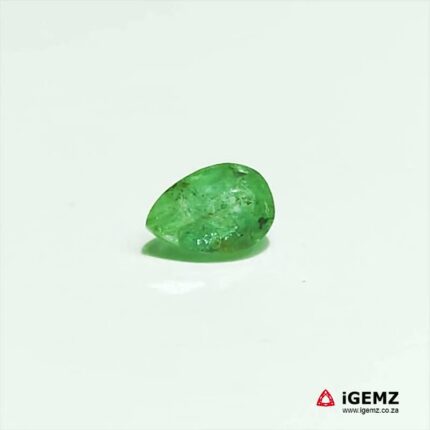
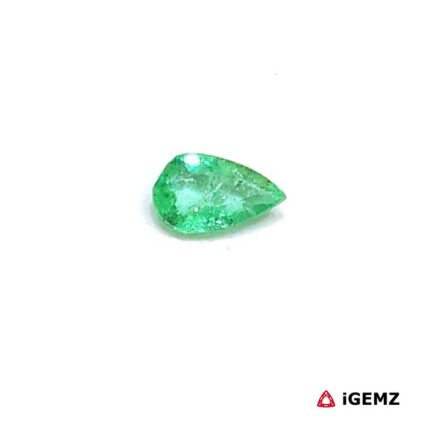
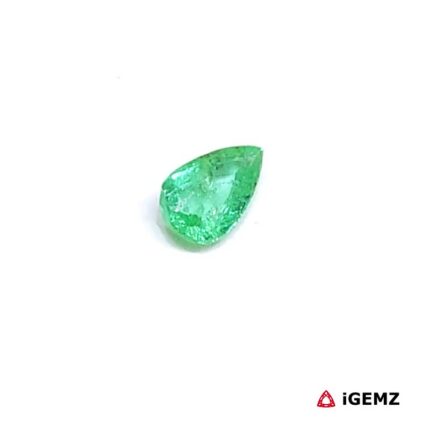
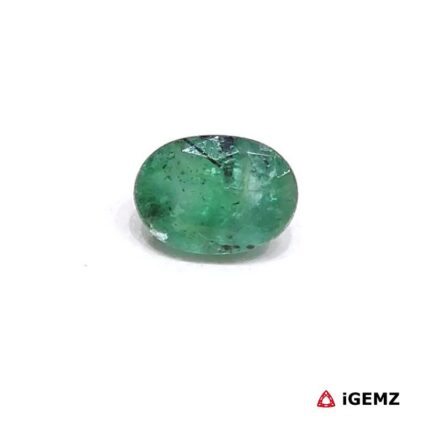
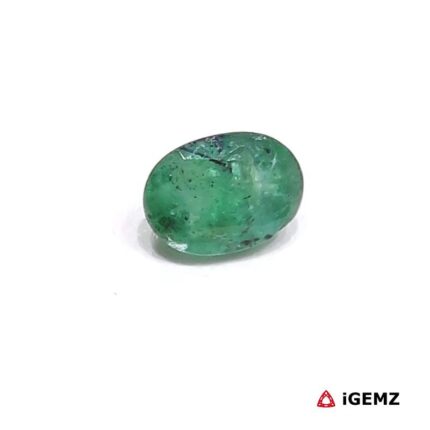
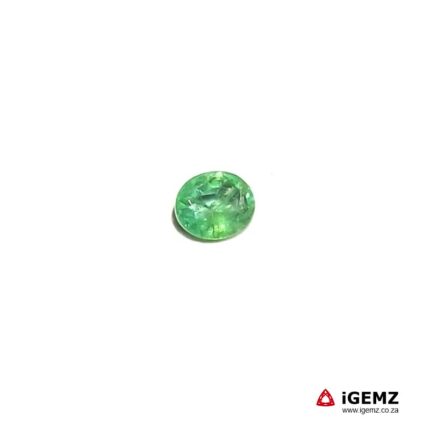

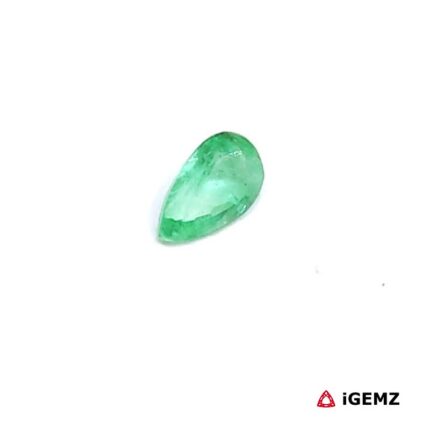
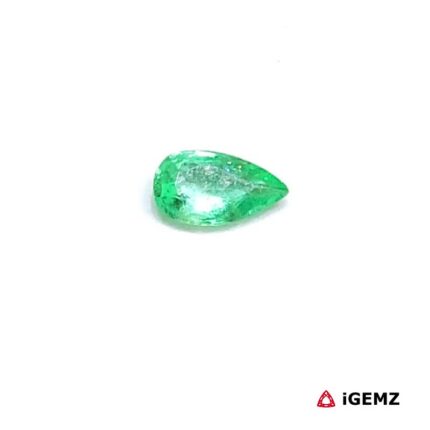
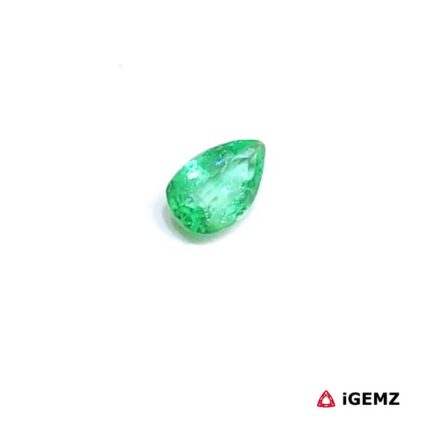
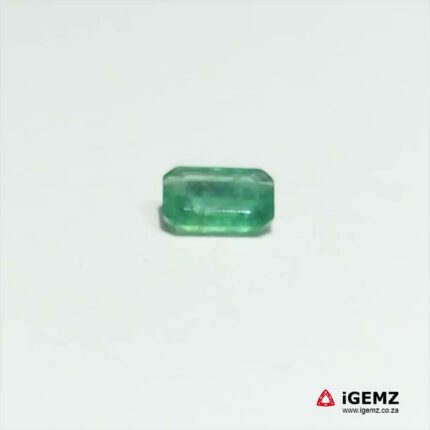
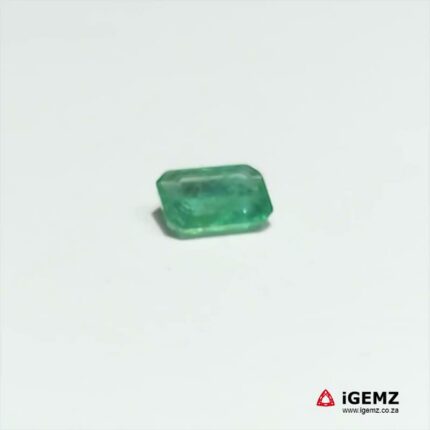
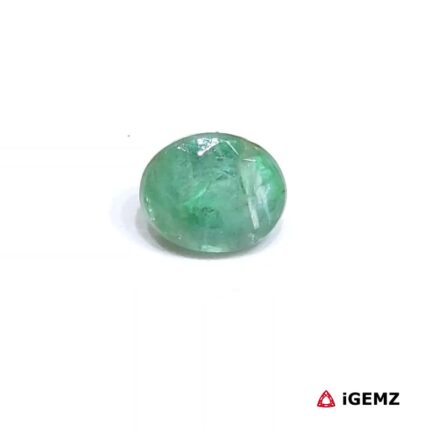
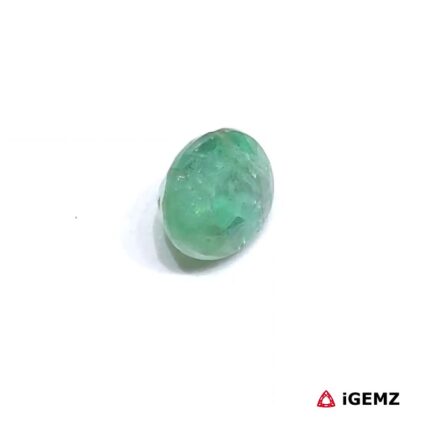
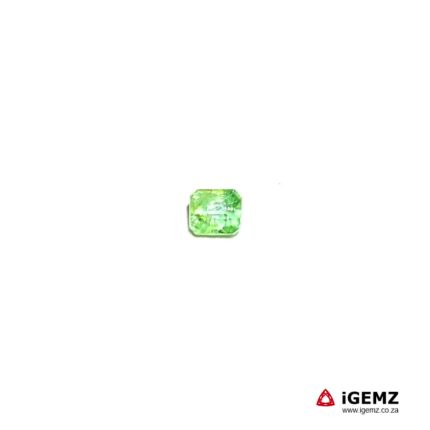

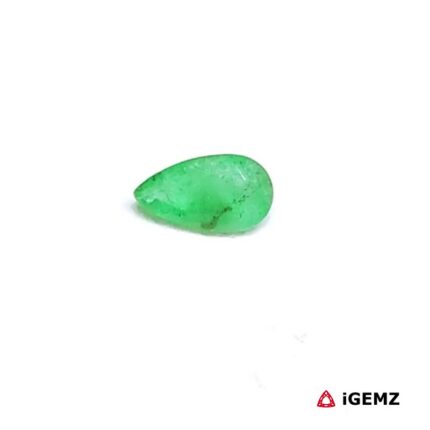
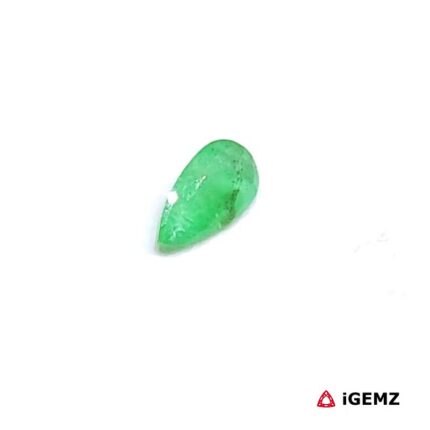
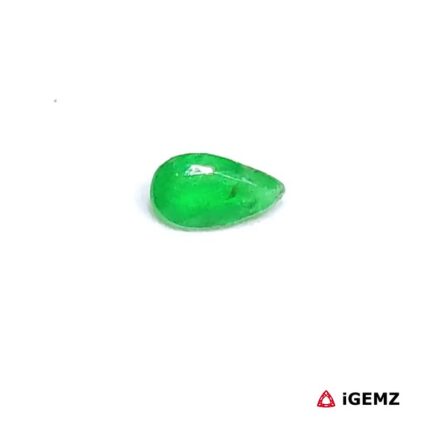
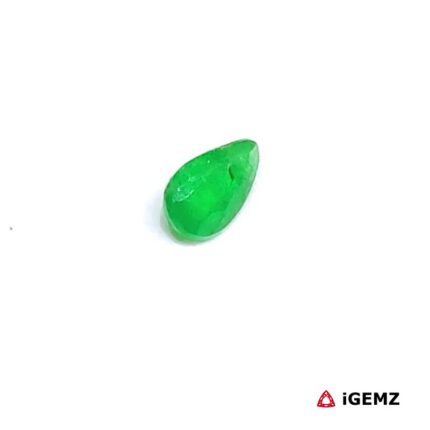
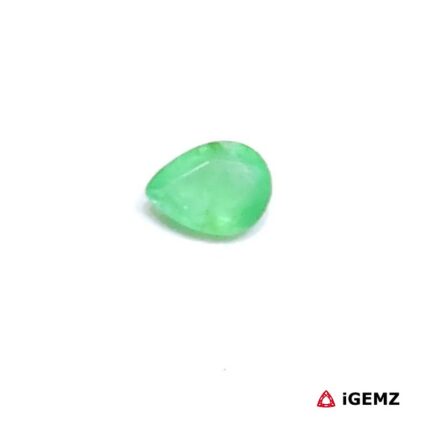
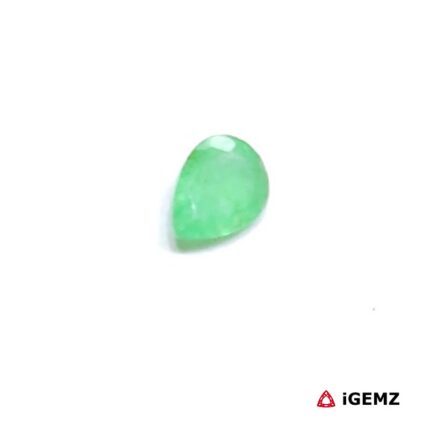
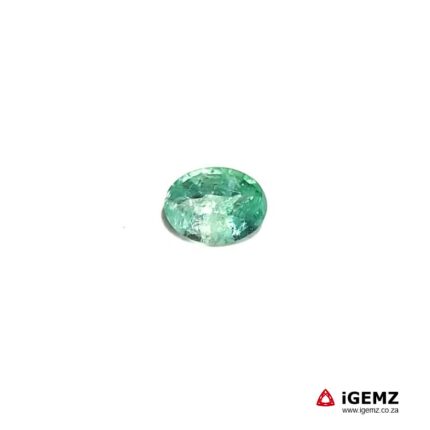
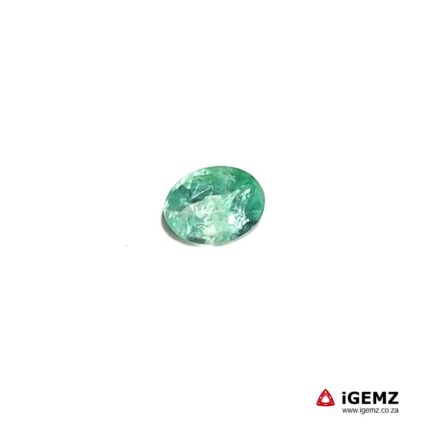
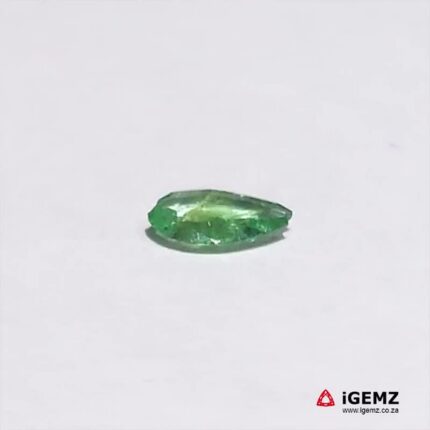
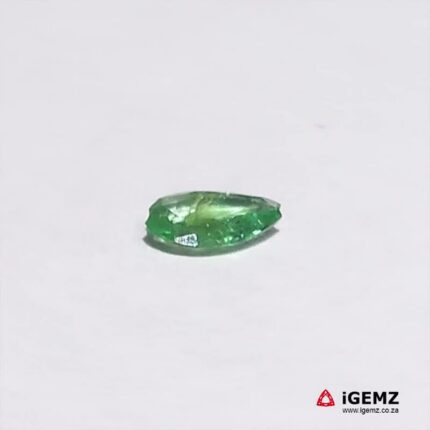
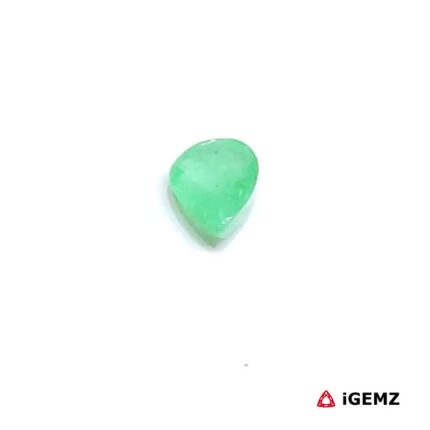
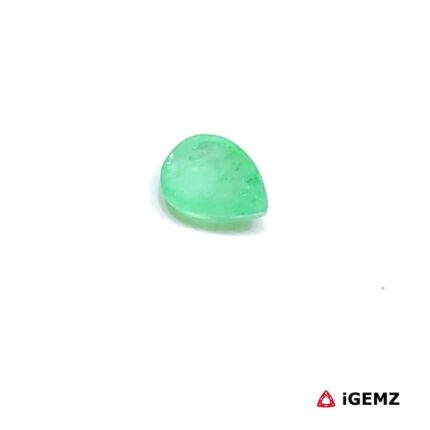
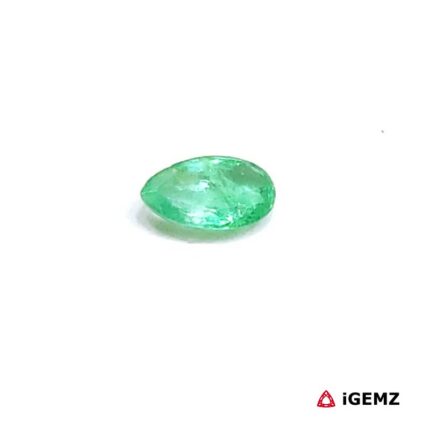
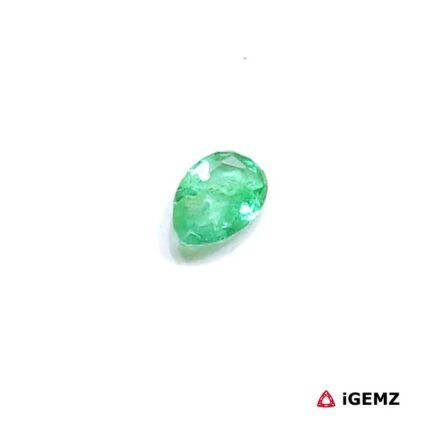
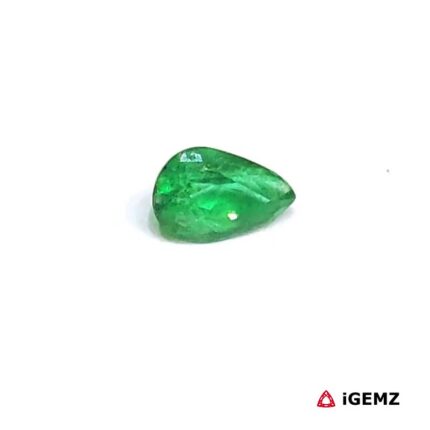
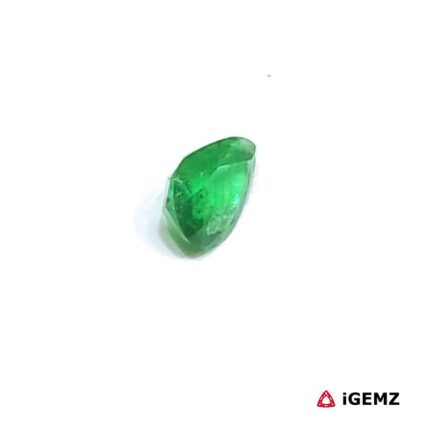
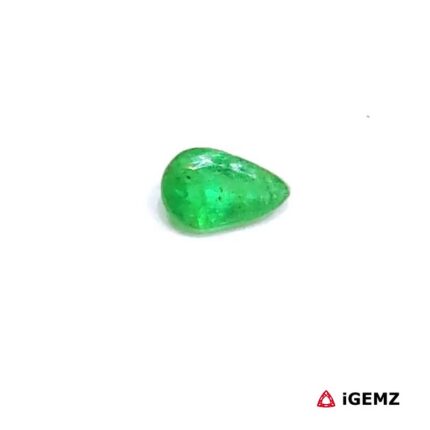
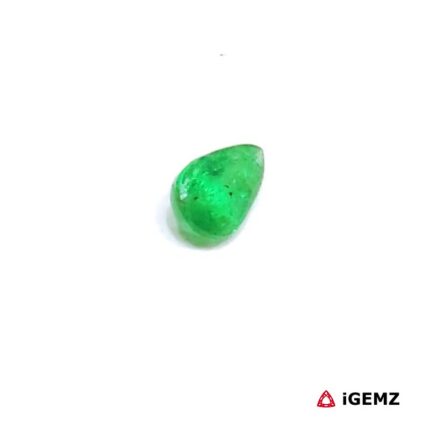
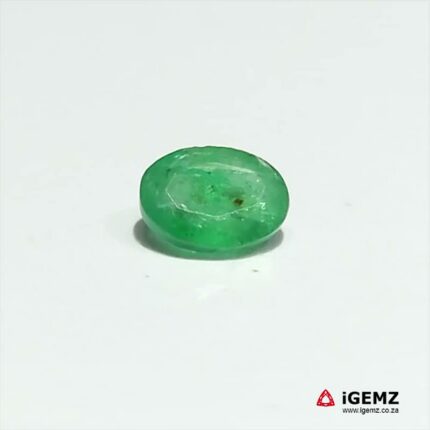
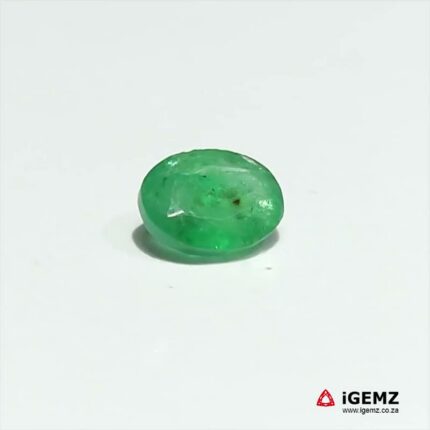
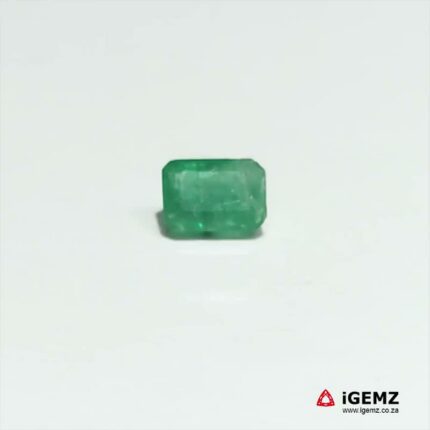
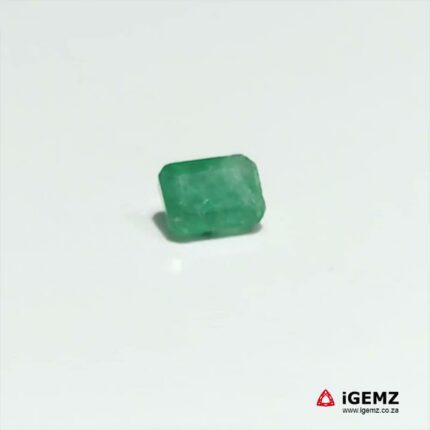
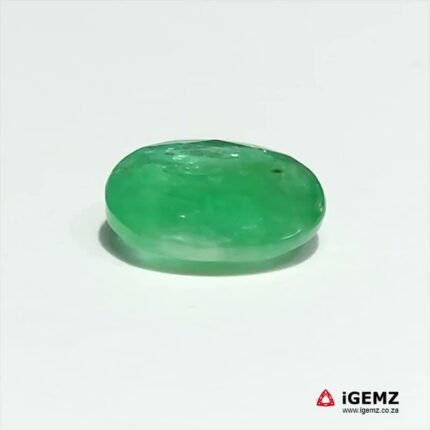
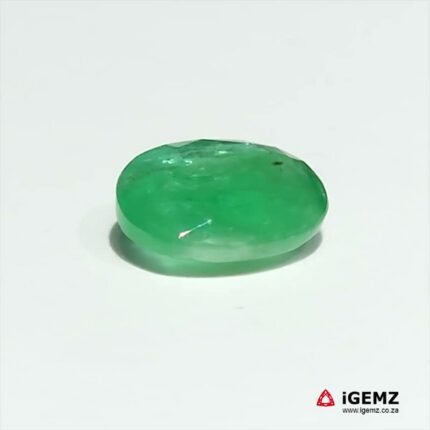
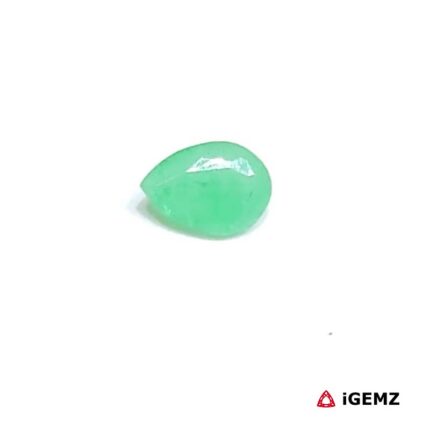
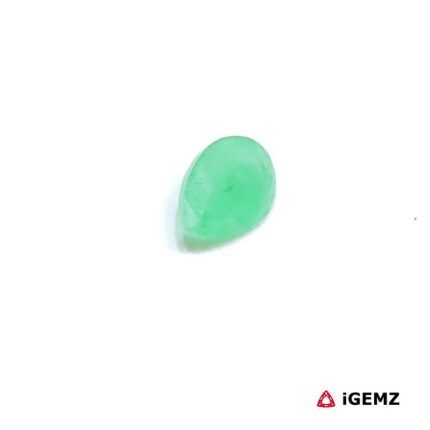
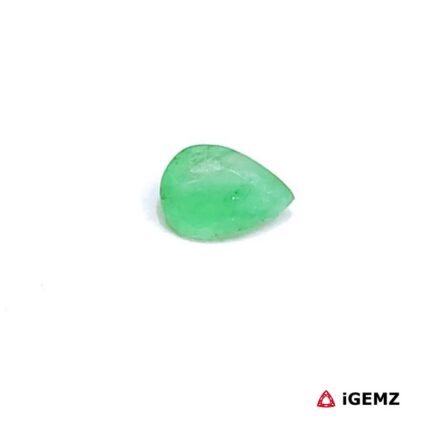
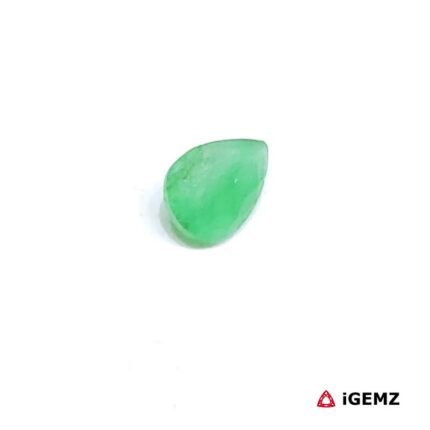
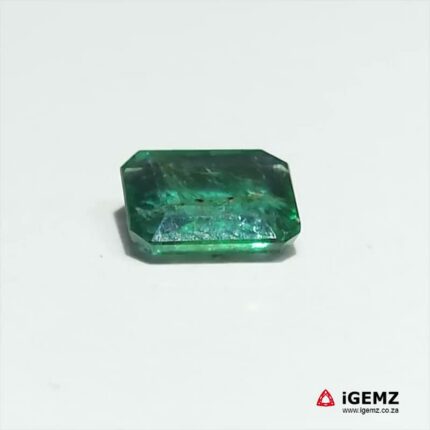
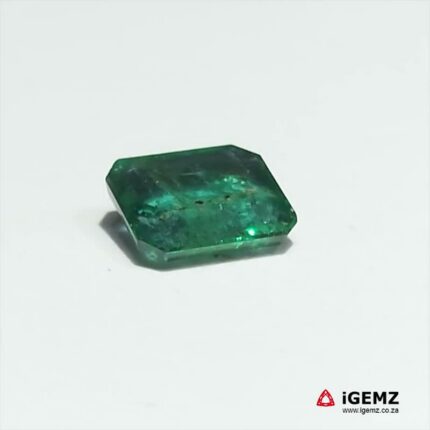
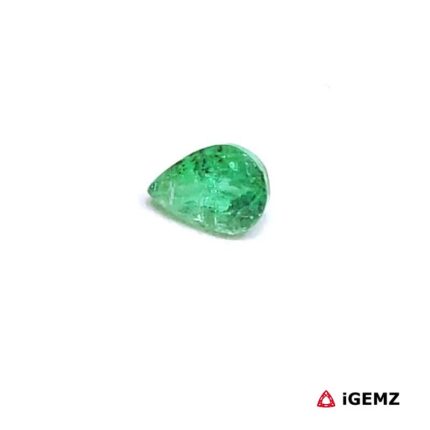
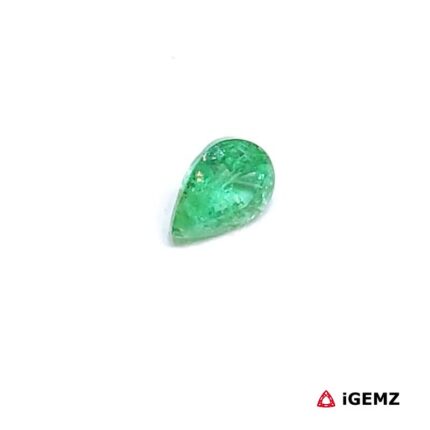
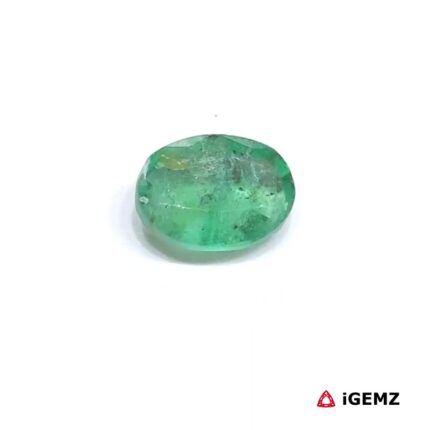
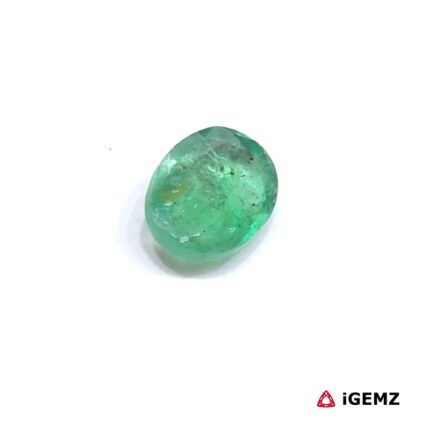
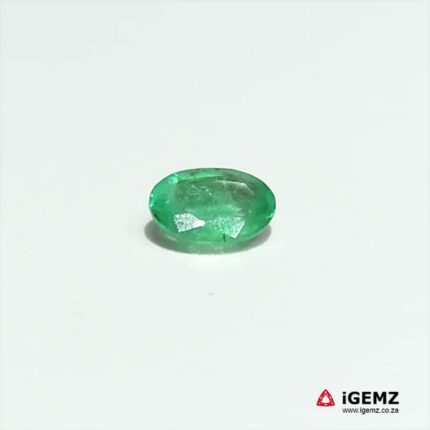
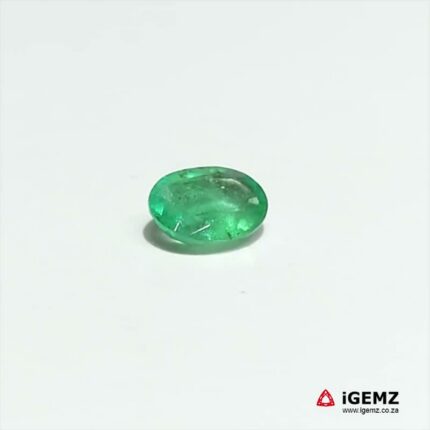
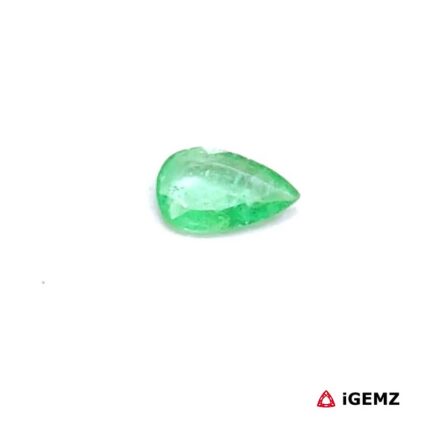
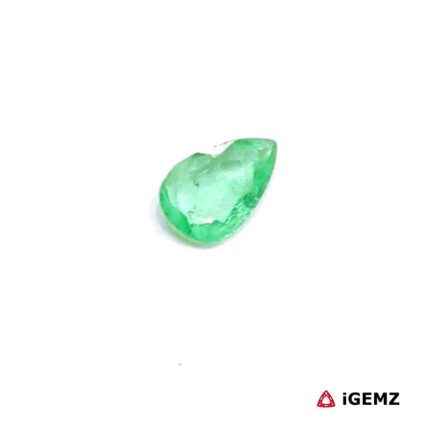
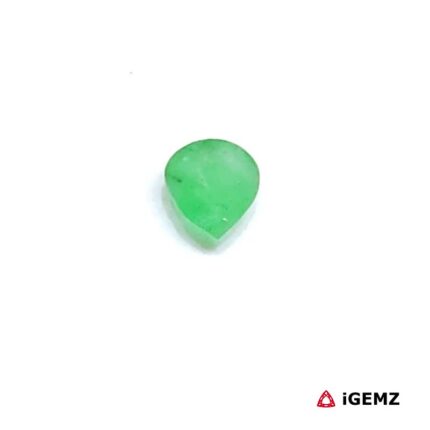
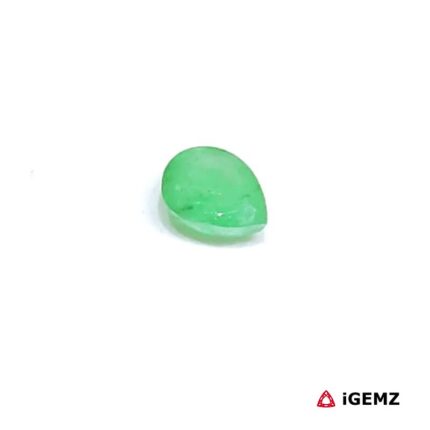
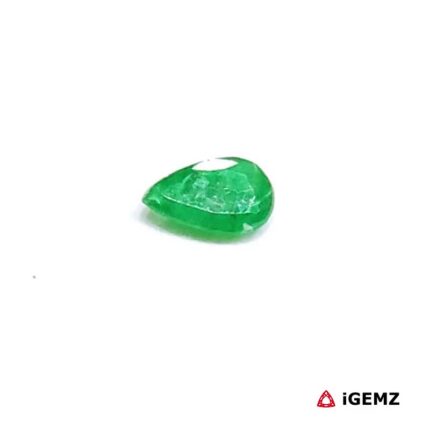
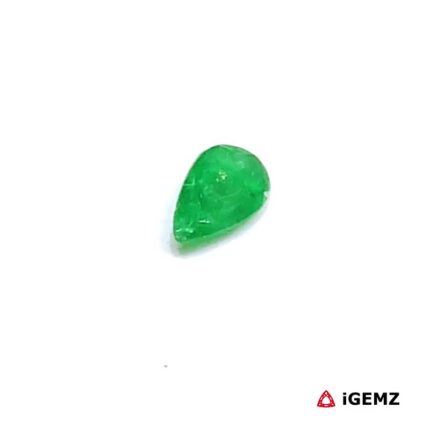
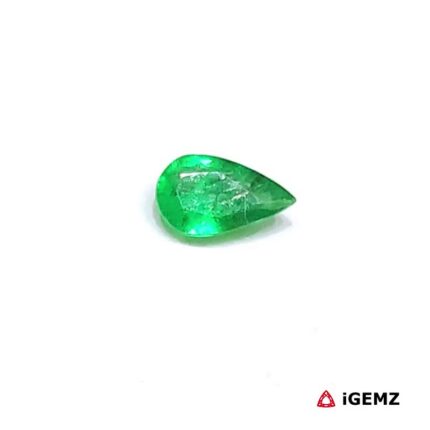
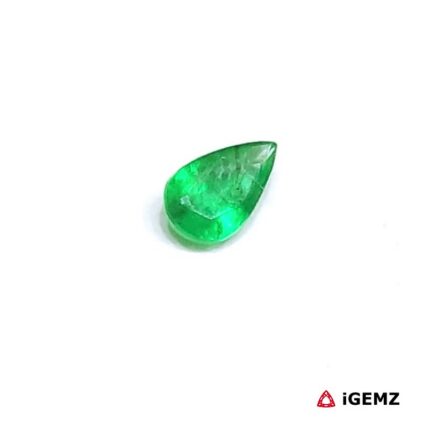
Natural Green Emerald 0.19 ct Loose Gemstone | iGemz21385
SKU:
iGemz21385
Original price was: R1,196.00.R598.00Current price is: R598.00.
Black Diamond vs Emerald FAQ’s
Which is more valuable, black diamond or emerald?
Fine emeralds are generally more valuable, especially untreated stones.
Are black diamonds real diamonds?
Yes, they are natural diamonds with dense inclusions that give them their colour.
Are emeralds suitable for everyday wear?
They can be worn daily but require careful handling due to inclusions.
Which gemstone is more durable?
Black diamond, with Mohs 10 hardness, is significantly more durable.
Do emeralds require special care?
Yes, avoid harsh cleaning methods and protect from impact.
Are black diamonds treated?
Many are treated to enhance colour; always request disclosure.
COMPARE GEMSTONES WITH CONFIDENCE
Gemstone Comparison Guides
Choosing between two beautiful gemstones can be challenging. Our professional Gemstone Comparison Guides help you clearly understand the differences between popular gemstones so you can make a confident and informed choice.
Each comparison explores the key factors that influence gemstone quality and value, including colour, clarity, durability, rarity and typical treatments. You will also learn how similar-looking gemstones differ in appearance, composition, hardness and more.
HERE IS ALL THE PROFESSIONAL INFORMATION YOU NEED
Gemstone Buyer's Guides
Buying a gemstone should be exciting — but understanding quality, rarity and value is essential before making the right choice. Our professional Gemstone Buyer’s Guides help you understand how colour, clarity, cut and treatments influence the beauty and value of different gemstones.
Each guide explains the key quality factors used by gemologists, including gemstone composition, colour grading, natural inclusions, treatments and origin. You will also learn how these factors affect rarity, durability and market value.
Beryl Family
Feldspar Gemstones
Pyroxene Gemstones
Spodumene Family
Chalcedony & Agate
Quartz Gemstones
Amethyst
Ametrine
Citrine
Prasiolite
Quartz
Rose Quartz
Rutile Quartz
Smoky Quartz
Rare & Collector Gemstones
Apatite
Chrysoberyl
Clinozoisite
Fluorite
Grandidierite
Iolite
Jade
Kyanite
Lapis Lazuli
Phosphosiderite
Prehnite
Serendibite
Sillimanite
Sphene
Sugilite
Vesuvianite