



 1st - Gold
 January
  February
  March
March 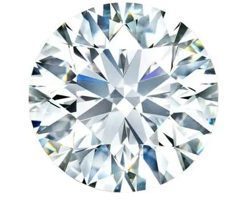 April
April 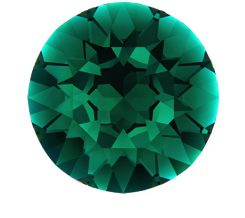 May
May 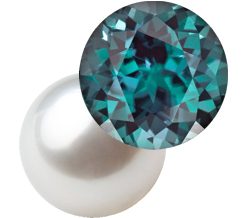 June
June 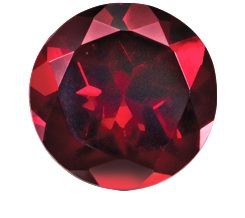 July
July 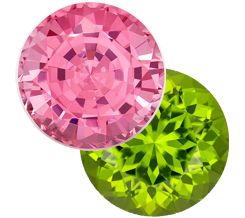 August
 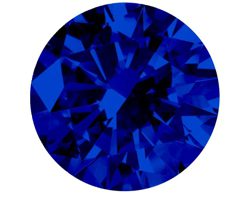 September
 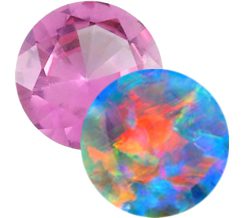 October
 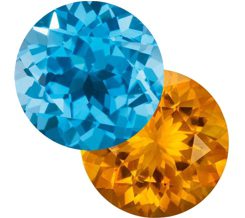 November
  December
 Capricorn - Garnet
  Aquarius - Amethyst
  Pisces - Aquamarine
  Aries - Diamond
  Taurus - Emerald
  Gemini - Pearl
  Cancer - Ruby
  Leo - Peridot
  Virgo - Blue Sapphire
  Libra - Opal
  Scorpio - Topaz
  Sagittarius - Tanzanite


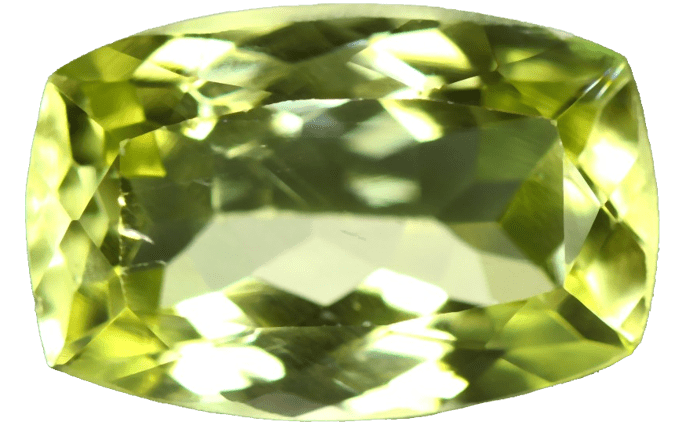
Sillimanite
Buyer’s Guide
Quality, Composition, Colour & Value Explained
Discover how colour, clarity, treatments and cut influence Sillimanite value, and learn what truly determines quality before choosing your ideal gemstone.
A complete professional Sillimanite Buyer’s Guide to understanding this gemstone’s quality, origin, treatments and value factors before purchasing, including the rarer cat’s eye variety.
History, Symbolism & Meaning of Sillimanite
Origins and Historical Use

Sillimanite is a rare aluminium silicate mineral that has been admired in gemology for its unique pleochroism and optical effects. Though less historically renowned than emerald or sapphire, collectors and gem enthusiasts have valued high-quality sillimanite for centuries, particularly in Asia, where it was occasionally used in talismans and jewellery.
The name comes from the American chemist Benjamin Silliman, who first described the mineral in the early 19th century. Its crystalline form often exhibits needle-like inclusions, giving rise to its cat’s eye effect, highly prized in jewellery
Ancient Beliefs and Spiritual Energy

Sillimanite, especially the cat’s eye variety, is traditionally considered a stone of protection and clarity. Healers and mystics have attributed properties such as promoting focus, mental clarity, and balancing energies. Cat’s eye sillimanite is believed to ward off negative influences and attract prosperity, linking the wearer to heightened intuition and awareness.
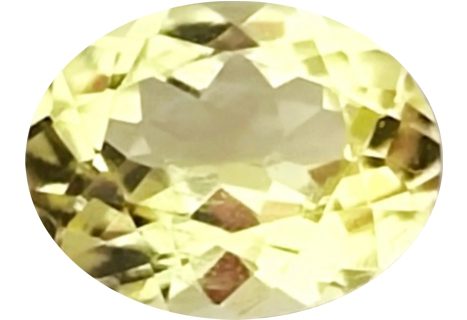
Modern Symbolism and Collectibility

Today, sillimanite is admired both for its optical beauty and metaphysical qualities. Collectors prize its pleochroic colour shifts, durability, and the rare chatoyant “cat’s eye” effect. The cat’s eye variant, in particular, is considered a symbol of vigilance, protection, and spiritual insight, making it a popular choice for rings, pendants, and talismanic jewellery.
Physical & Optical Properties
EXPLORE SILLIMANITE’S HARDNESS, LUSTRE, TRANSPARENCY, REFRACTIVE INDEX AND SPECIFIC GRAVITY.
Understanding the gemological properties of sillimanite helps determine durability, brilliance, and suitability for jewellery.

Colour Range
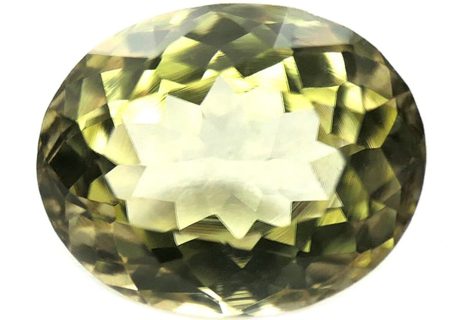
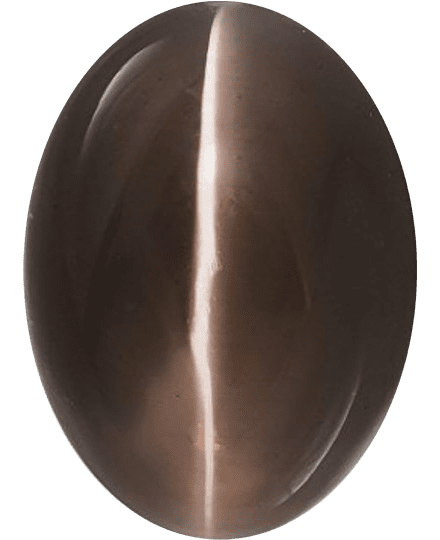
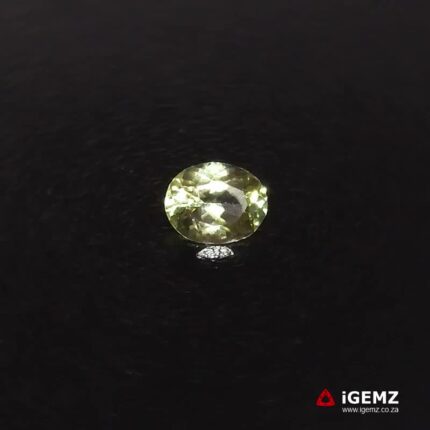
Sillimanite occurs in shades of: Pale green, Yellowish-brown, Grey, Blue-grey. The cat’s eye variety typically appears in honey-brown, golden-brown, or greenish-brown tones. The value increases with uniform colour, strong chatoyancy, and minimal inclusions that interfere with the optical effect.

Chemical Formula
Sillimanite has the Al₂SiO₅ chemical formula, composed primarily of aluminium and silicon, with trace elements sometimes influencing colour and optical effects.

Composition
Aluminium & Silicon – trace elements may influence colour and pleochroism.

Refractive Index
1.655 – 1.700, providing moderate brilliance and noticeable pleochroism.

Lustre
Vitreous to sub-adamantine, giving a clear, glass-like sparkle.

Moh's Hardness & Durability
Sillimanite has a Mohs hardness of 6.5 – 7.5, making it suitable for most jewellery applications with careful handling. Cat’s eye varieties are best set in protective settings to preserve the sharpness of the optical band.

Crystal System
Orthorhombic, forming elongated prismatic crystals, which often contribute to the chatoyant effect in cat’s eye specimens.

Transparency
Transparent to translucent, depending on the quality and presence of inclusions.

Mineral Family
Sillimanite belongs to the alumino-silicate mineral family.

Specific Gravity
3.23 – 3.27, reflecting its dense aluminium silicate composition.
Origin, Treatment & Care
Sillimanite occurs in a range of colours, often displaying fibrous or crystalline forms, with treatment practices varying depending on the specific variety. Understanding its origin, natural characteristics, and any enhancements is key to assessing both value and durability. With appropriate care, including gentle handling and mindful cleaning, sillimanite gemstones can retain their natural lustre and structural integrity over time.

Major Origins
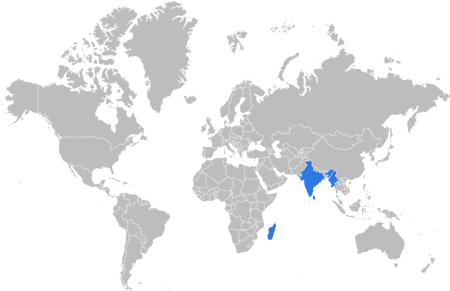
Sillimanite is primarily sourced from Sri Lanka, India, Brazil, Myanmar and Madagascar. The cat’s eye variety is especially prized from Sri Lanka, where fine-quality stones with sharp optical effects are found.

Treatments
Sillimanite is generally untreated. The cat’s eye effect is natural, produced by aligned fibrous inclusions. Colour enhancement or coating is rare and generally avoided.

Care and Cleaning
Avoid harsh chemicals and sudden temperature changes. Clean using warm water, mild soap, and a soft brush. Store separately to prevent scratches from harder gemstones. Avoid high-impact settings, particularly for cat’s eye varieties, to preserve optical clarity.
How Sillimanite Quality & Value Are Determined
Understanding sillimanite grading allows confident comparison of gemstones. Like other gemstones, value is influenced by colour, clarity, cut, carat weight, and in the case of cat’s eye sillimanite, the sharpness and brightness of the optical band.
Colour
Colour is a key factor in value. High-quality sillimanite typically displays:
- Strong, even colour (honey-brown, greenish-brown, or bluish-grey)
- Pleochroism (different colours visible from different angles)
- Vibrancy without dullness or excessive dark areas
- Cat’s eye variety should have a sharp, central optical band
Clarity
Most sillimanite contains natural inclusions, which do not necessarily detract from value unless they interfere with pleochroism or cat’s eye sharpness. High-value stones are:
- Eye-clean or with inclusions that enhance chatoyancy
- Free from surface-reaching fractures
- Transparent to translucent with clear optical effects
Cut
Cut influences brilliance and the visibility of pleochroism. For cat’s eye sillimanite:
- Cabochon cut is standard to display the optical band
- Smooth dome and symmetrical shape are essential
- Proper orientation of fibres maximises chatoyancy
Carat Weight
Larger sillimanite stones are uncommon, and cat’s eye specimens above 5–6 carats are particularly rare. Price increases with size, provided colour, clarity, and optical effect remain strong.
The Balance of the Four Factors
True value combines colour, clarity, cut, carat weight, and for cat’s eye, the distinctiveness of the optical band. Premium sillimanite gemstones exhibit:
- Clear, balanced colour
- Noticeable pleochroism or sharp cat’s eye effect
- Expertly proportioned cut
- Suitable size with appealing brilliance
International Pricing Trends – per carat
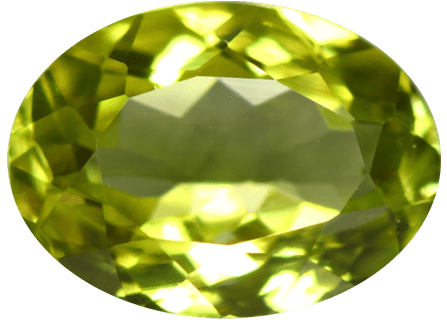
High-quality sillimanite is rarer than quartz varieties, and cat’s eye specimens command higher prices. Prices depend heavily on colour, clarity, optical effect, and size. Fine cat’s eye sillimanite from Sri Lanka or India often commands premium pricing due to rarity and sharpness of the optical band.
Estimated Average International Sillimanite Prices (Good Quality) – Per Carat
| Weight | ZAR | USD | EUR | JPY | GBP | AUD | CAD | CHF | CNY | HKD | NZD | Market Signal |
|---|---|---|---|---|---|---|---|---|---|---|---|---|
| Under 1 carat | Smaller gemstones | |||||||||||
| 1 - 2 carats | Command higher prices | |||||||||||
| 2 - 3 carats | Larger - becoming scarce | |||||||||||
| 3 - 5 carats | Highly desirable | |||||||||||
| 5 - 8 carats | Very rare and collectable |
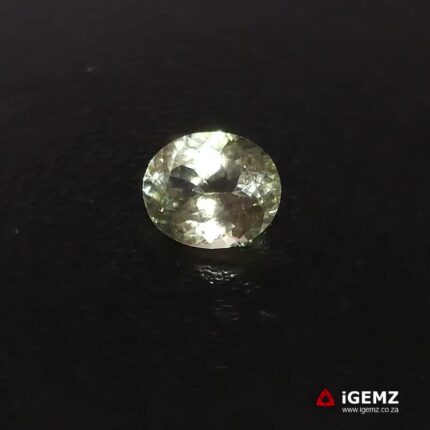
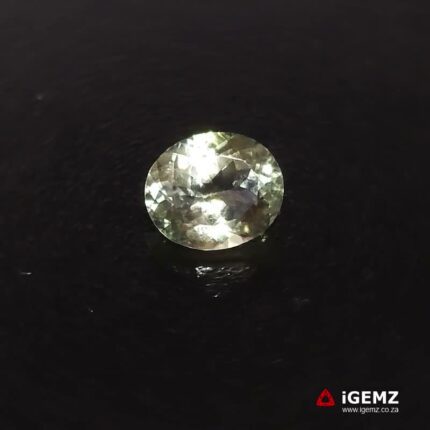
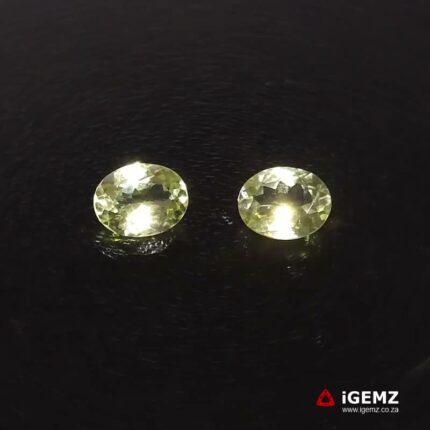
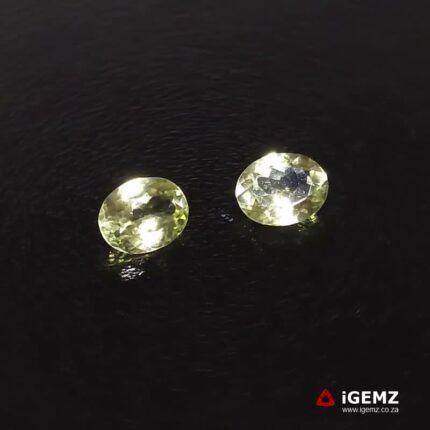
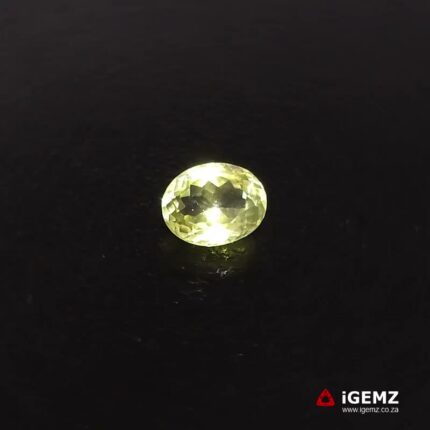
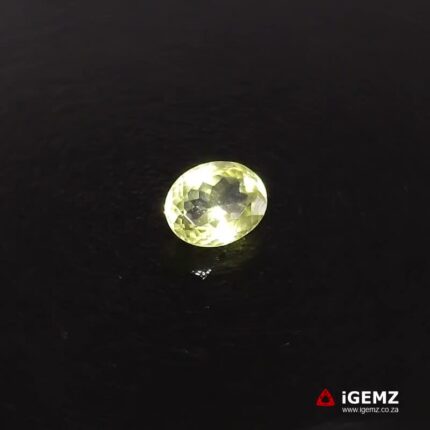
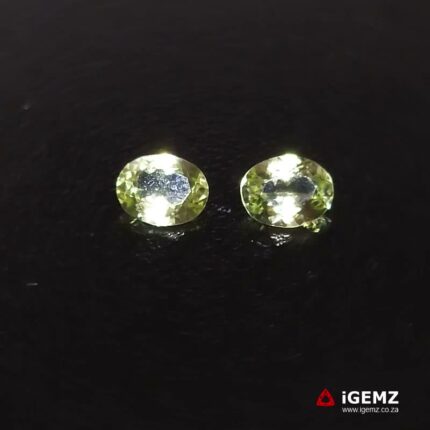
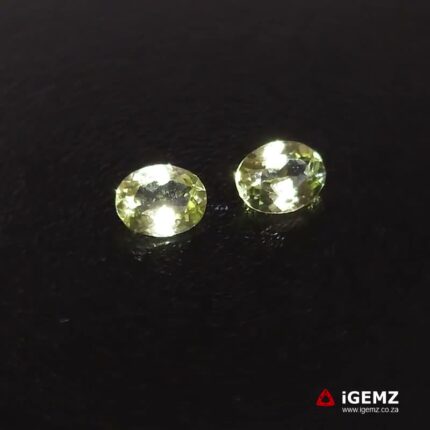
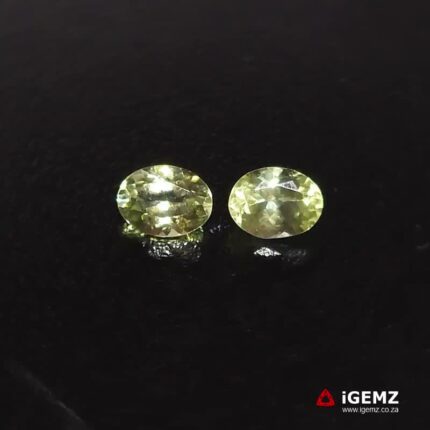
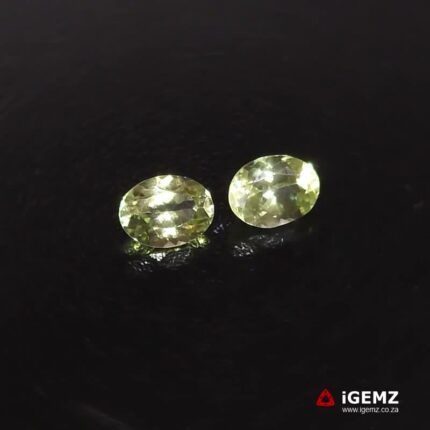
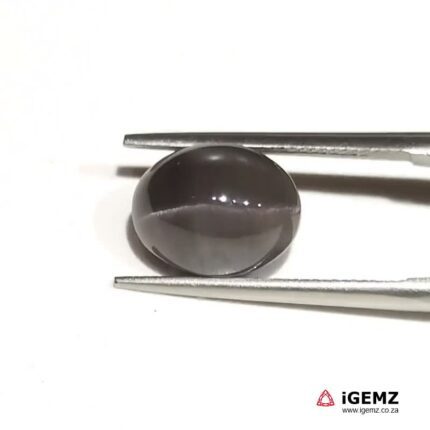
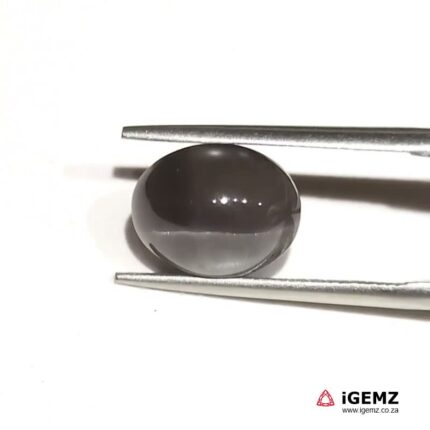
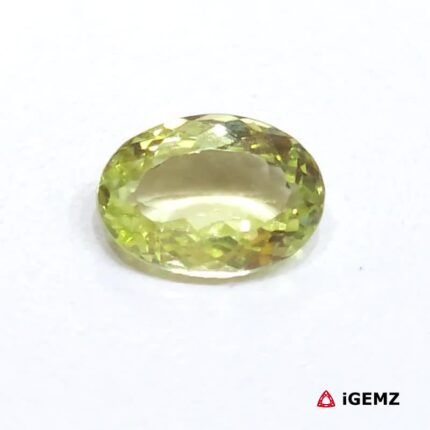
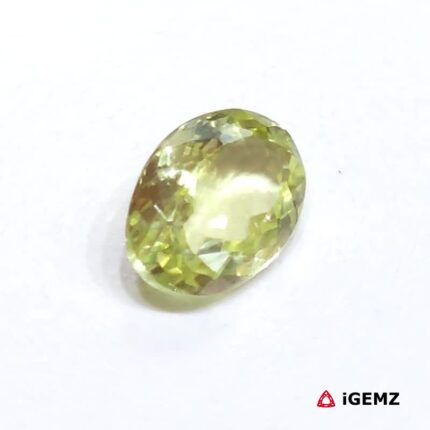
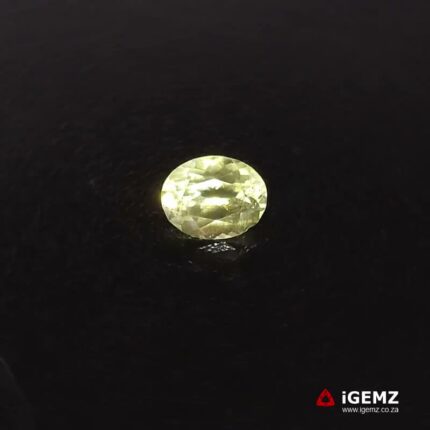
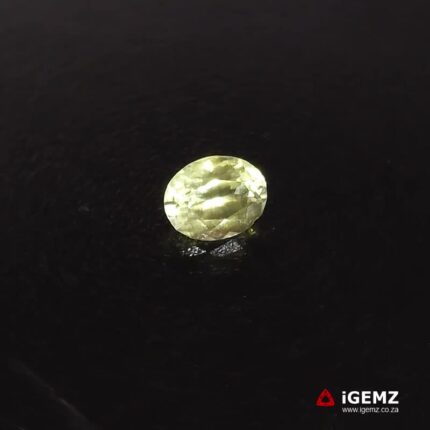
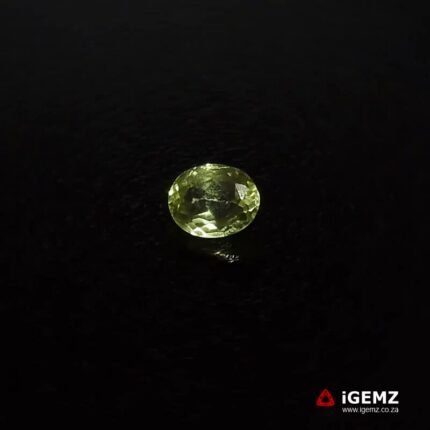
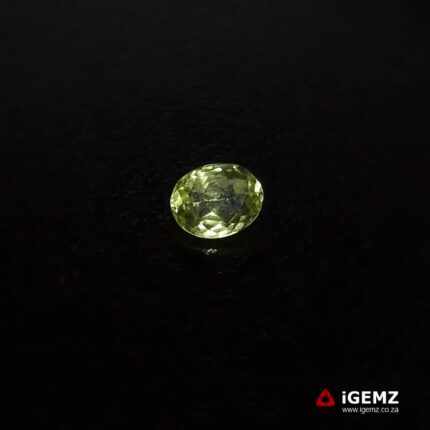
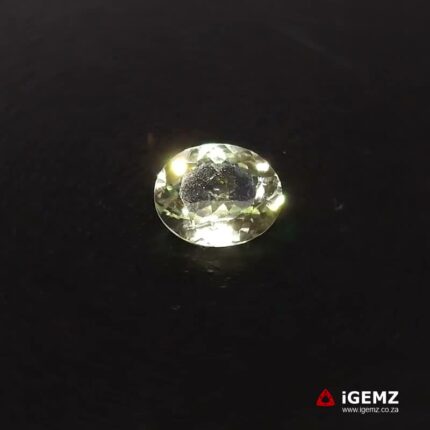
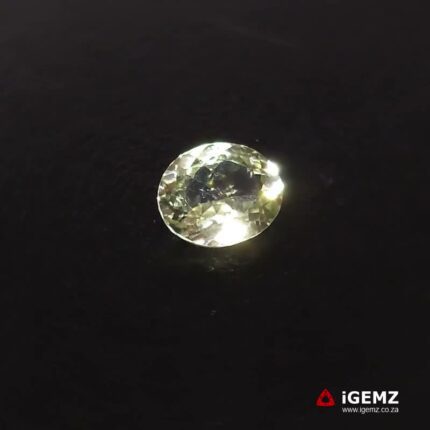
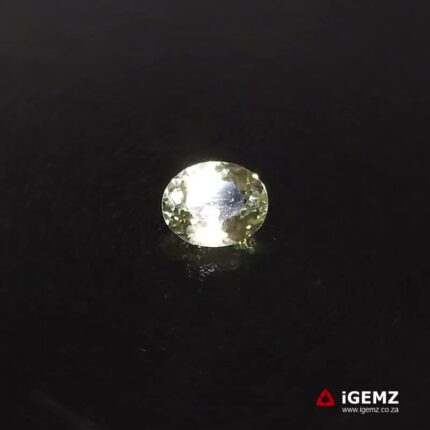
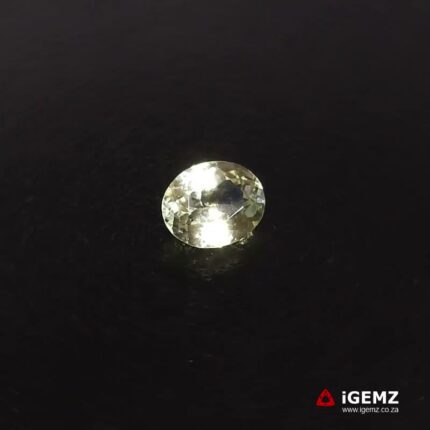
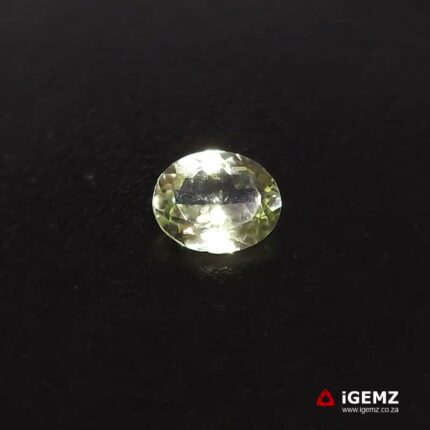
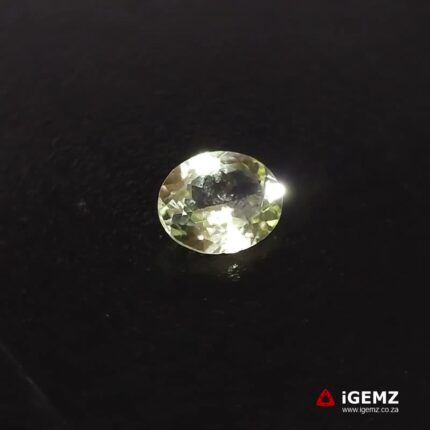
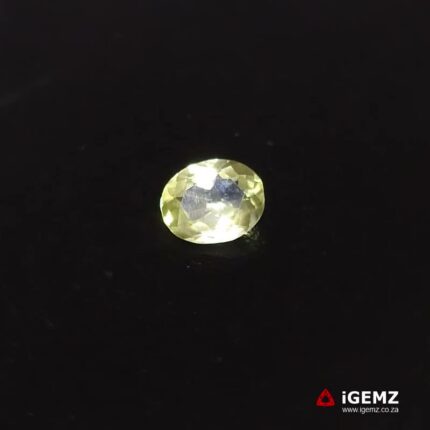
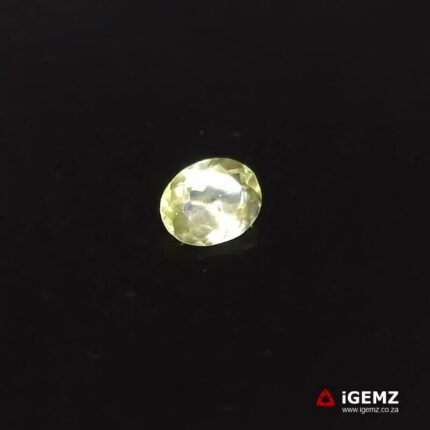
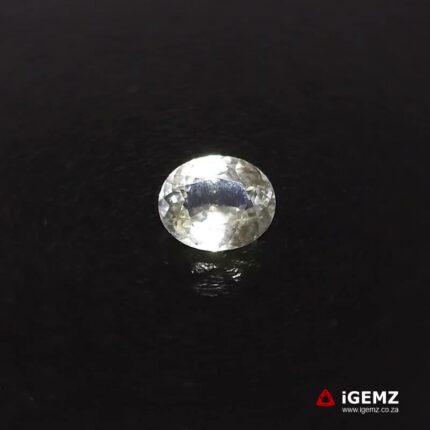
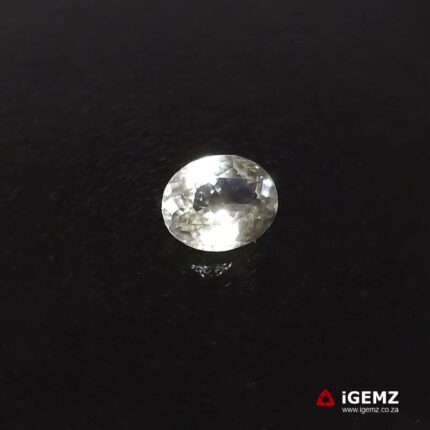
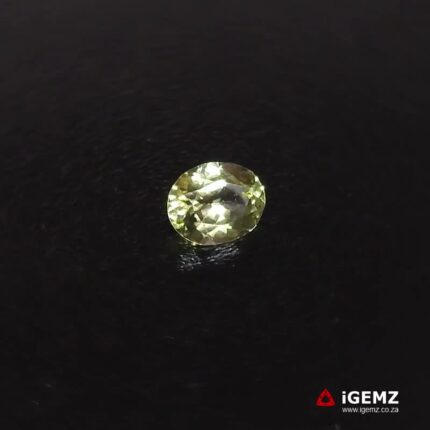
Natural Grey Sillimanite 4.55 ct Loose Gemstone | iGemz24152
SKU:
iGemz24152
Original price was: R1,886.00.R1,196.00Current price is: R1,196.00.
Frequently Asked Questions
What is sillimanite?
Sillimanite is a rare aluminium silicate mineral valued as a gemstone for its pleochroism and the rare cat’s eye effect.
What is cat’s eye sillimanite?
Cat’s eye sillimanite exhibits a sharp optical band caused by aligned fibrous inclusions. It is primarily cut en cabochon to highlight the effect.
Where is sillimanite sourced?
Key sources include Sri Lanka, India, Brazil, Myanmar, and Madagascar. Cat’s eye varieties are most prized from Sri Lanka.
Is sillimanite durable for everyday jewellery?
Yes, with care. It has moderate hardness (6.5 – 7.5 Mohs), but cat’s eye stones should be set protectively to avoid chipping.
Are sillimanite gemstones treated?
Sillimanite is typically untreated. The cat’s eye effect and pleochroism are natural and should be disclosed as such.
What determines the value of sillimanite?
Colour, clarity, cut, carat weight, and for cat’s eye stones, the sharpness and brightness of the optical band are the main value factors.

Buy With Confidence
Professionally inspected gemstones
Full transparency on treatments
Worldwide shipping
Secure checkout
Ready to own the beauty of
SILLIMANITE?
Now that you understand sillimanite’s history, properties, and quality factors, you can select your own gemstone with confidence. Admired for pleochroic colour shifts and rare cat’s eye effects, sillimanite offers a unique addition to any fine gemstone collection.
Ideal for cabochons, pendants, and protective rings, this versatile gemstone combines optical beauty, durability, and rarity in one sophisticated package.
Pleochroic Colours
Cat’s Eye Effect
Protective Energy
COMPARE GEMSTONES WITH CONFIDENCE
Gemstone Comparison Guides
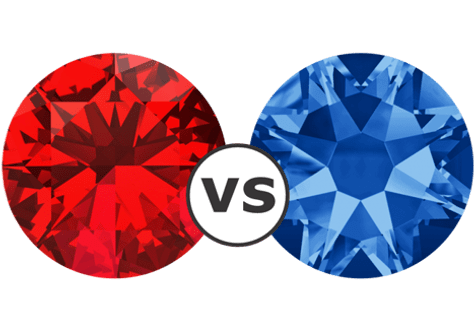
Choosing between two beautiful gemstones can be challenging. Our professional Gemstone Comparison Guides help you clearly understand the differences between popular gemstones so you can make a confident and informed choice.
Each comparison explores the key factors that influence gemstone quality and value, including colour, clarity, durability, rarity and typical treatments. You will also learn how similar-looking gemstones differ in appearance, composition, hardness and more.
HERE IS ALL THE PROFESSIONAL INFORMATION YOU NEED
Gemstone Buyer's Guides
Buying a gemstone should be exciting — but understanding quality, rarity and value is essential before making the right choice. Our professional Gemstone Buyer’s Guides help you understand how colour, clarity, cut and treatments influence the beauty and value of different gemstones.
Each guide explains the key quality factors used by gemologists, including gemstone composition, colour grading, natural inclusions, treatments and origin. You will also learn how these factors affect rarity, durability and market value.
Beryl Family
Feldspar Gemstones
Pyroxene Gemstones
Spodumene Family
Chalcedony & Agate
Quartz Gemstones
Amethyst
Ametrine
Citrine
Prasiolite
Quartz
Rose Quartz
Rutile Quartz
Smoky Quartz
Rare & Collector Gemstones
Apatite
Chrysoberyl
Clinozoisite
Fluorite
Grandidierite
Iolite
Jade
Kyanite
Lapis Lazuli
Phosphosiderite
Prehnite
Serendibite
Sillimanite
Sphene
Sugilite
Vesuvianite