

 1st - Gold
 January
  February
  March
March  April
April  May
May 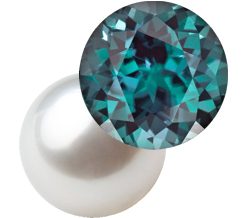 June
June 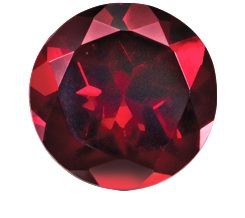 July
July 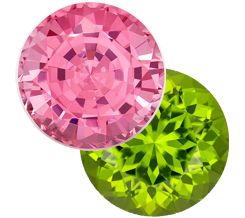 August
 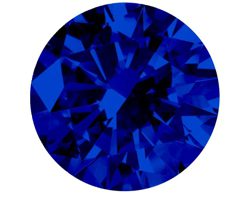 September
 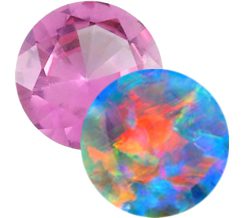 October
 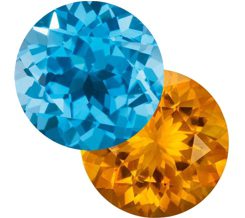 November
 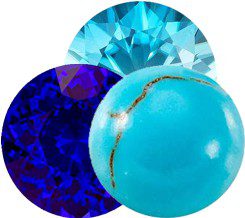 December
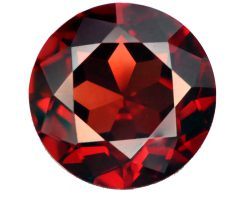
 Capricorn - Garnet
  Aquarius - Amethyst
 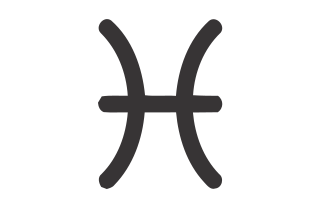 Pisces - Aquamarine
 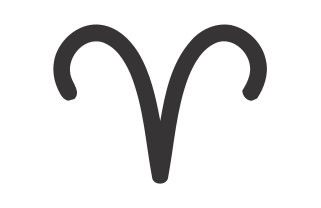 Aries - Diamond
 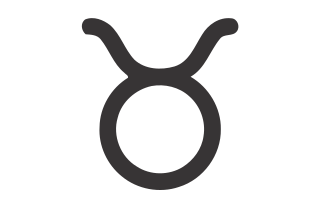 Taurus - Emerald
  Gemini - Pearl
  Cancer - Ruby
  Leo - Peridot
 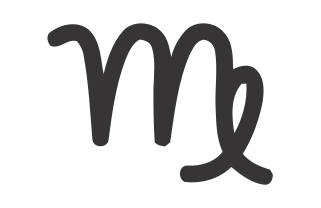 Virgo - Blue Sapphire
  Libra - Opal
  Scorpio - Topaz
  Sagittarius - Tanzanite
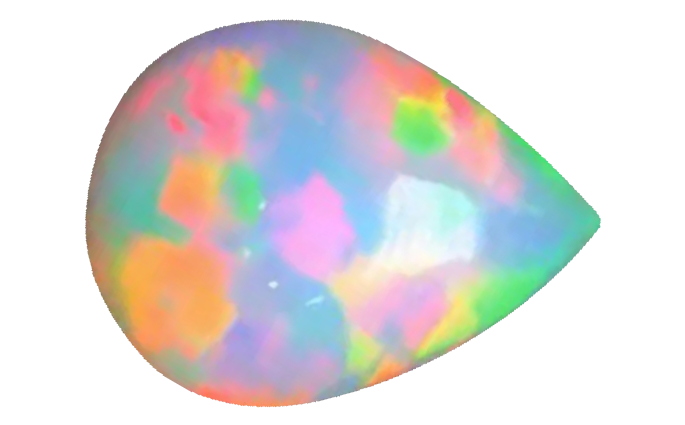
Opal
Buyer’s Guide
Quality, Composition, Colour & Value Explained
Discover how colour, pattern, clarity, and cut influence opal value, and learn what truly determines quality before choosing your ideal gemstone.
A complete professional Opal Buyer’s Guide to understanding this gemstone’s quality, origin, treatments, and value factors before purchasing.
History, Symbolism & Meaning of Opal
Origins and Historical Use

Opal has been admired for millennia and has fascinated cultures worldwide. Ancient Romans considered opal a symbol of hope and purity, while Aboriginal Australians regarded opals as sacred stones, linking them to the Dreamtime and creation stories. Its unique play-of-colour made opal highly prized as both jewellery and talisman.
The name “opal” is derived from the Latin opalus, meaning “precious stone”. Over centuries, opal has symbolised inspiration, creativity, and protection, becoming a favourite gemstone in decorative arts and royal collections.
Ancient Beliefs and Spiritual Energy

Opal has long been associated with spiritual energy, vision, and emotional amplification. Historically, it was believed to enhance intuition, imagination, and emotional expression.
In metaphysical traditions, opal is thought to stimulate the heart and crown chakras, fostering creativity, emotional balance, and a sense of personal empowerment. Healers and mystics prized opal for its dynamic energy and ability to reveal hidden truths.
Modern Symbolism and Collectibility

Today, opal is celebrated for its vivid colour flashes, unique patterns, and rare beauty. Collectors prize fine opals for their play-of-colour, transparency, and pattern variety, while spiritual enthusiasts value the gemstone for its transformative qualities.
Opal is the birthstone for October and remains popular in statement jewellery pieces worldwide, admired for its versatility and one-of-a-kind visual appeal.
Physical & Optical Properties
Explore Opal’s Hardness, Lustre, Transparency, Refractive Index and Specific Gravity.
Understanding the gemological properties of opal helps determine durability, brilliance, and long-term suitability for jewellery.

Colour Range
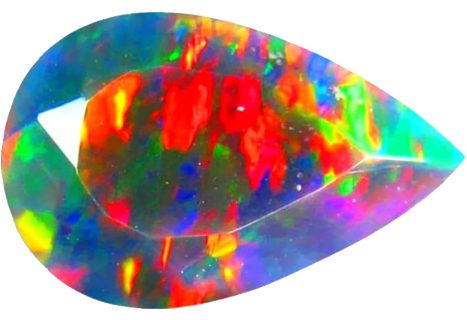
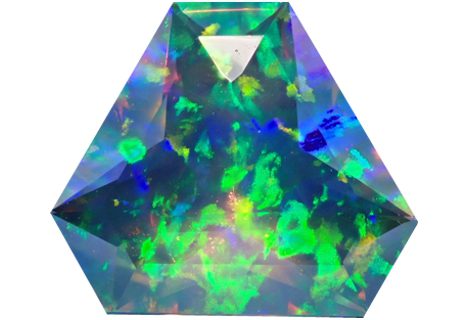
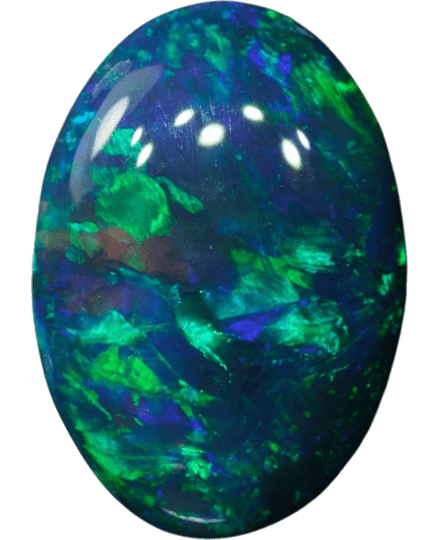
Opal occurs in a variety of body colours: White, Black, Crystal, and Fire opals, often displaying flashes of red, orange, yellow, green, blue, and violet. The most valuable stones feature vibrant, multi-colour play-of-colour with strong contrast and even distribution.

Chemical Formula
Opal is a hydrated silica, SiO₂·nH₂O, composed primarily of silicon dioxide and water. The water content contributes to its unique internal structure and play-of-colour.

Composition
Silicon dioxide and water, with trace elements influencing body colour and fire.

Refractive Index
1.37 – 1.52, providing a soft, diffused brilliance characteristic of opal.

Lustre
Vitreous to sub-vitreous, creating a glass-like sparkle that enhances colour flashes.

Moh's Hardness & Durability
Opal has a Mohs hardness of 5.5 – 6.5, making it softer than many gemstones. It is prone to scratching and should be set carefully in jewellery to protect it from impact.

Crystal System
Amorphous; opal lacks a true crystal structure, which is why it displays internal diffraction of light rather than traditional crystal brilliance.

Transparency
Transparent to opaque, depending on type and quality, with crystal opals showing high transparency and black opals exhibiting deep, opaque body colour.

Mineral Family
Opal belongs to the mineraloid (hydrated silica) family.

Specific Gravity
1.98 – 2.25, lower than most gemstones due to water content.
Origin, Treatment & Care
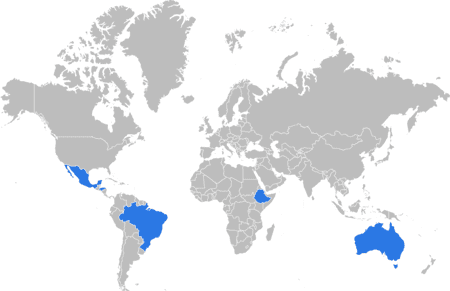
Opal is a precious gemstone formed in silica-rich environments, often within sedimentary rocks. Natural play-of-colour results from microscopic silica spheres arranged in regular patterns. Understanding origin, type, and treatment is essential when assessing value. With proper care, opals remain durable and retain their visual appeal.

Major Origins
Significant opal sources include Australia, Ethiopia, Mexico, Brazil, and the United States. Australia dominates the market with black, crystal, and white opals, while Mexico is renowned for fire opals, and Ethiopia produces vibrant hydrophane stones.

Treatments
Many opals are untreated, but some may be enhanced by impregnation with oils, resins, or sugar treatments to improve colour or stability. These treatments should always be disclosed.

Care and Cleaning
Avoid prolonged exposure to water, harsh chemicals, or extreme temperature changes, which can cause cracking. Clean opals gently with a soft cloth and mild soap. Avoid ultrasonic cleaners and abrasive brushes.
How Opal Quality & Value Are Determined
Opal value is determined by four main factors: body colour, play-of-colour, pattern, and clarity. When these factors align, the result is a gemstone with exceptional beauty, rarity, and desirability.
Colour
Body colour forms the background for play-of-colour. The most valuable opals have dark body colours (black or deep blue) that enhance the vibrancy of colour flashes. Lighter opals, like white or crystal types, are still valued if play-of-colour is strong and evenly distributed.
Play-of-colour is the most critical factor in opal grading. High-value opals exhibit:
- Bright and intense flashes of multiple colours
- Full coverage across the stone
- Well-defined colour patterns
- High contrast between body colour and colour flashes
Stones with limited colour or dull flashes are less valuable, even if large.
Clarity
Clarity is judged by the absence of cloudiness, cracks, or inclusions that disrupt colour display.
Crystal and water opals are more transparent, while black and fire opals tend to be opaque.
Cut
Cut impacts how play-of-colour is displayed. Cabochon cuts are traditional for opals to maximise colour effect.
Key considerations include:
- Smooth, domed surface with symmetrical shape
- Even polish to enhance colour reflection
- Balanced thickness to prevent cracking
Carat Weight
As with most gemstones, larger opals are rarer and more expensive.
Value rises significantly with size, especially for stones with strong, even play-of-colour.
The Balance of the Four Factors
Top-quality opals display:
Vibrant, well-distributed play-of-colour
Suitable body colour enhancing contrast
Eye-pleasing clarity and transparency
Expert cabochon cut with proportional size
These elements combined create opals of lasting visual impact and investment value.
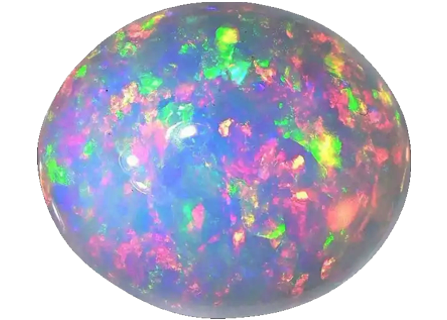
International Pricing Trends – per carat
Opal prices vary dramatically depending on type, colour, pattern, clarity, and origin. Fine black or crystal opals with strong play-of-colour command the highest prices.
Estimated Average International Opal Prices (Good Quality) – Per Carat
| Weight | ZAR | USD | EUR | JPY | GBP | AUD | CAD | CHF | CNY | HKD | NZD | Market Signal |
|---|---|---|---|---|---|---|---|---|---|---|---|---|
| Under 1 carat | Size is widely available | |||||||||||
| 1 - 2 carat | Increasingly popular | |||||||||||
| 2 - 3 carats | Strong demand | |||||||||||
| 3 - 4 carats | Remain desirable | |||||||||||
| 4 - 6 carats | Scarcer in larger sizes | |||||||||||
| 6 - 8 carats | Exceptional stones |
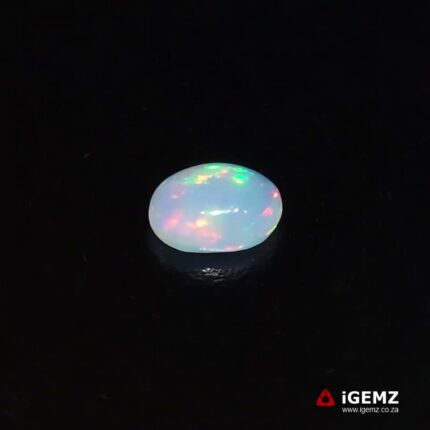
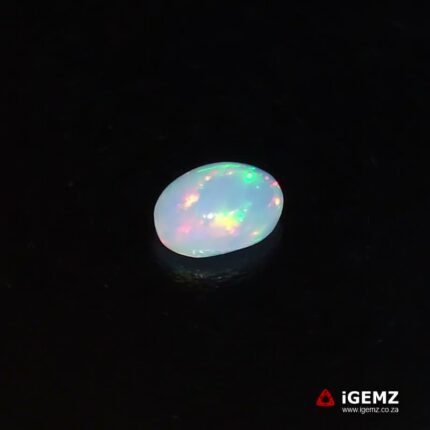
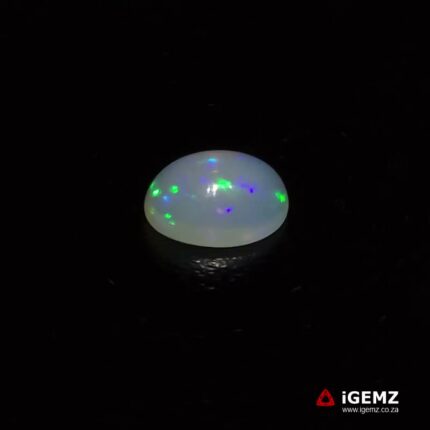
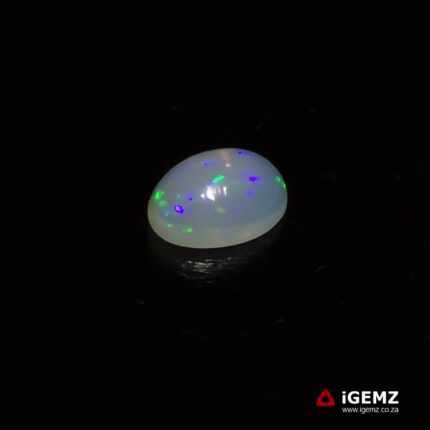
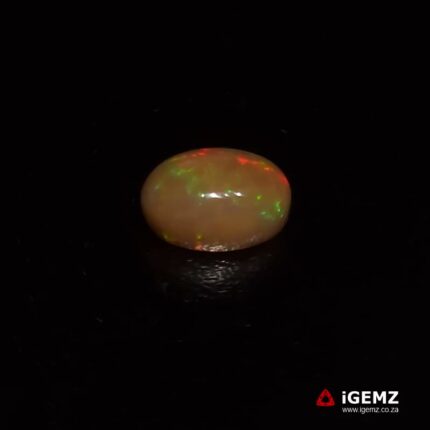
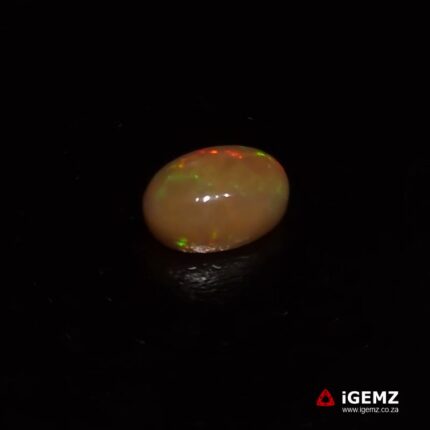
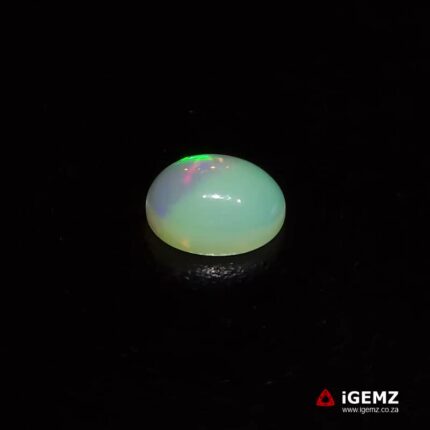
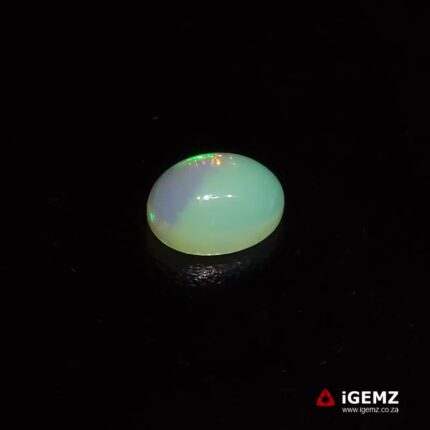
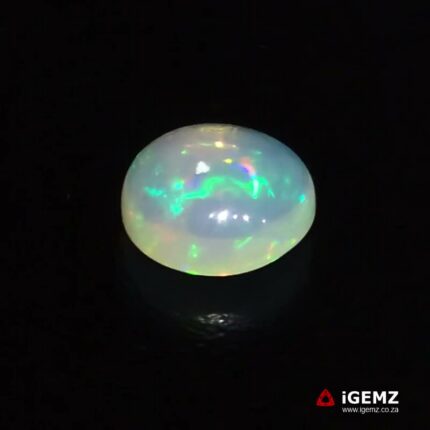
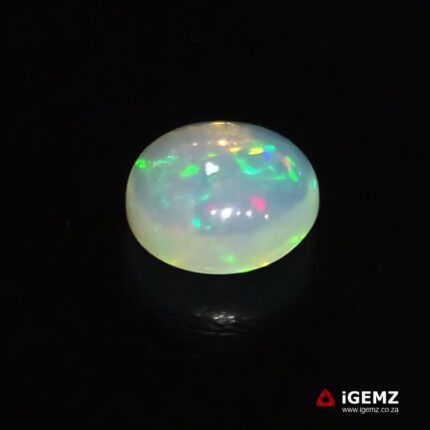
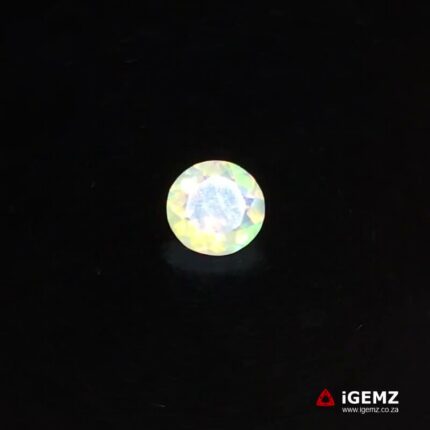
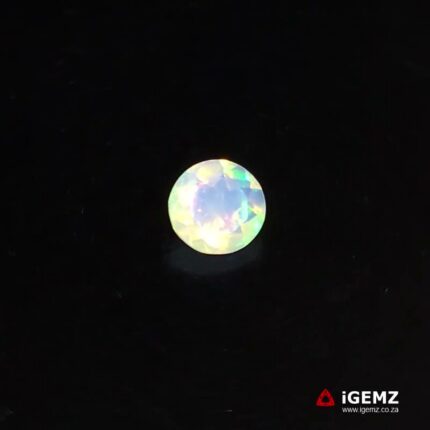
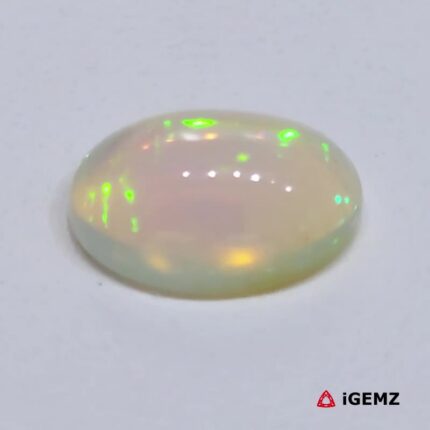
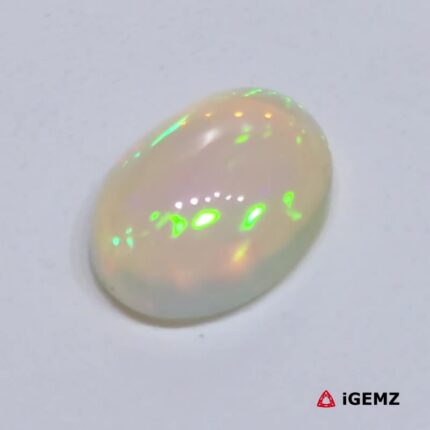
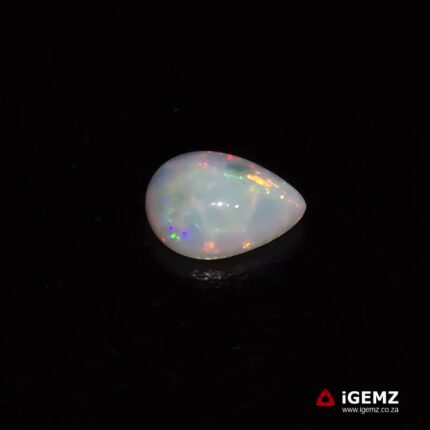
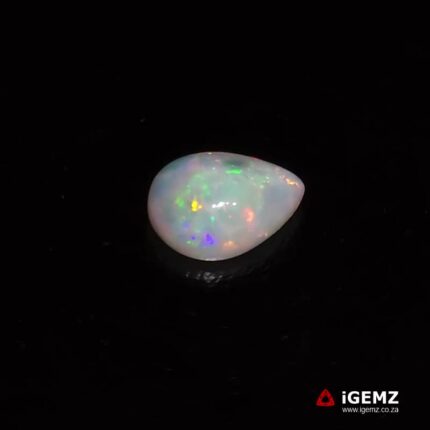
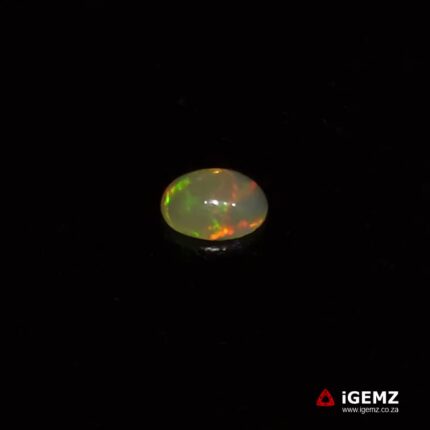
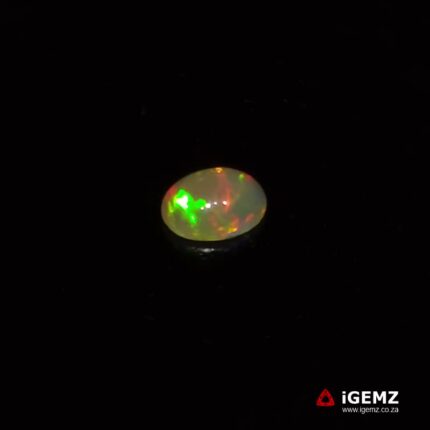
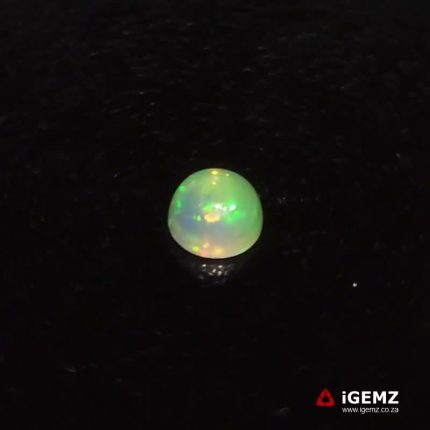
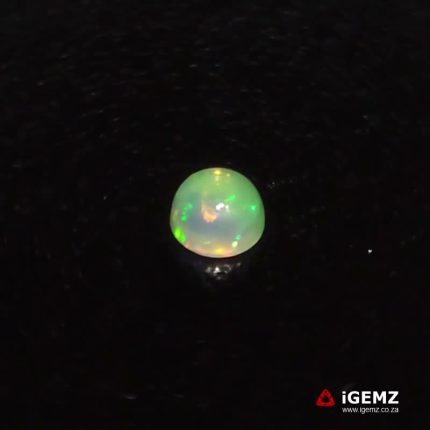
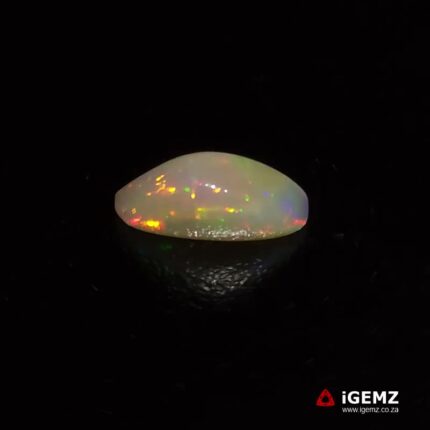
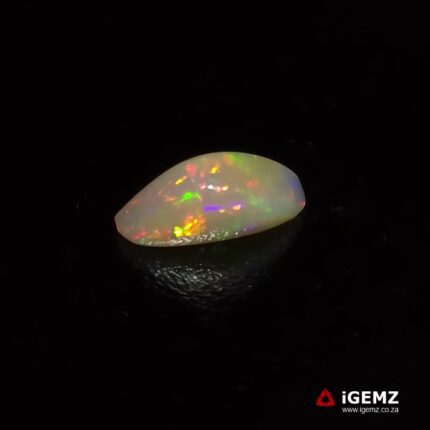
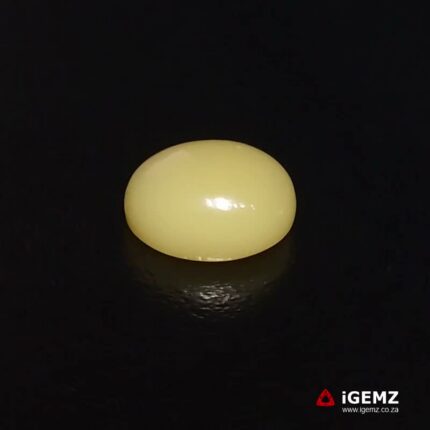
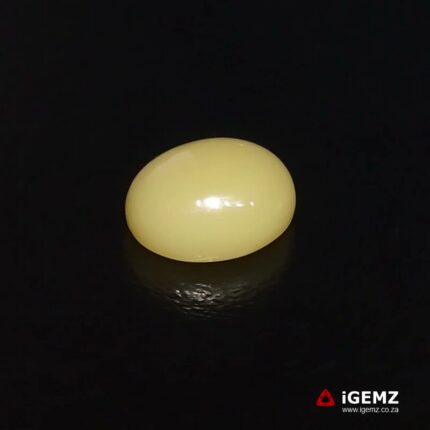
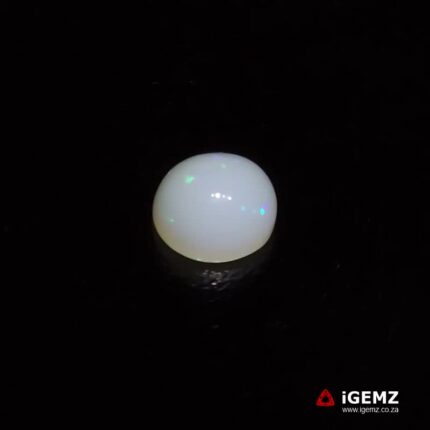
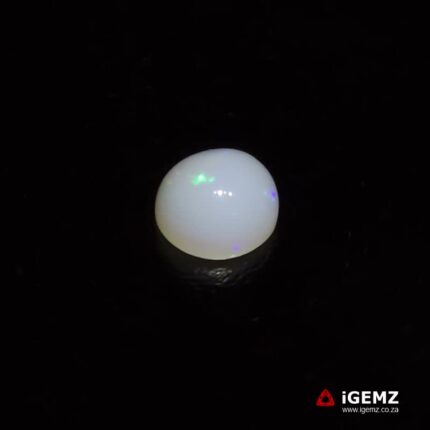
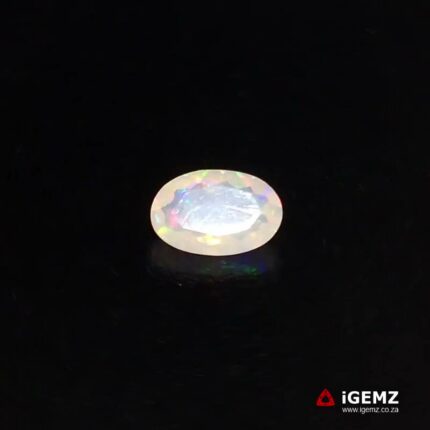
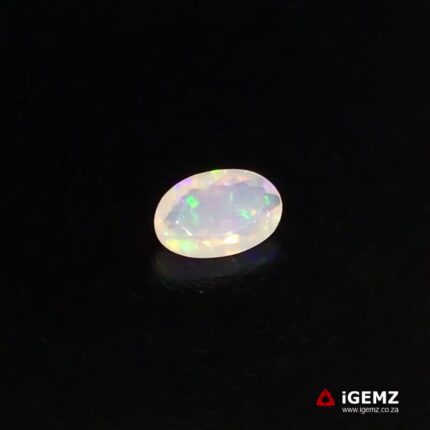
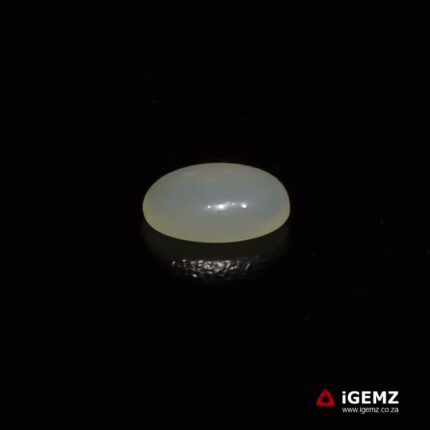
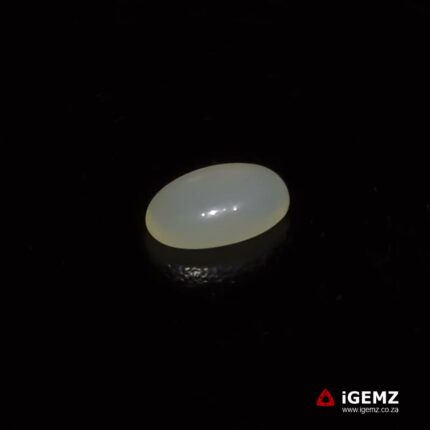
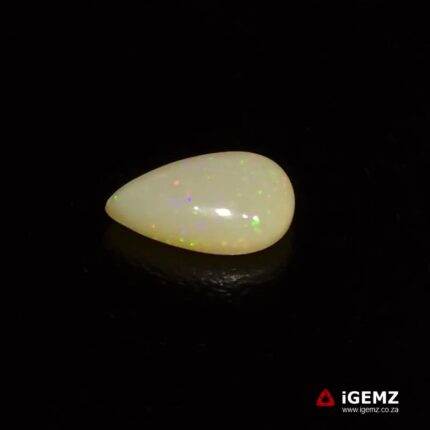
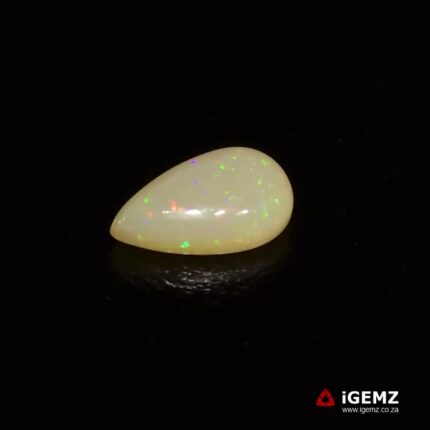
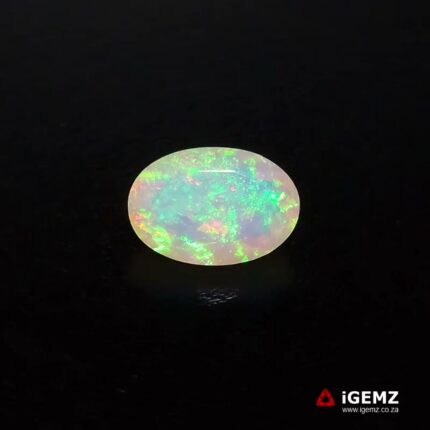
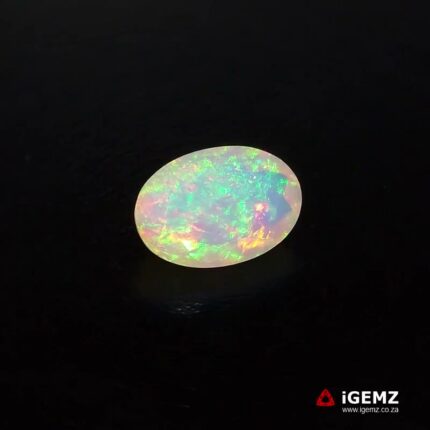
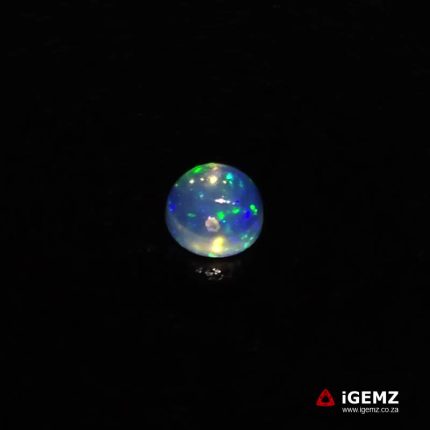
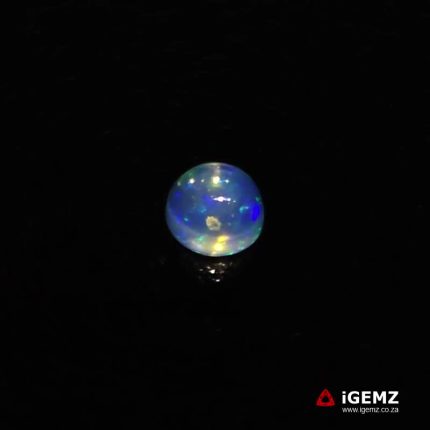
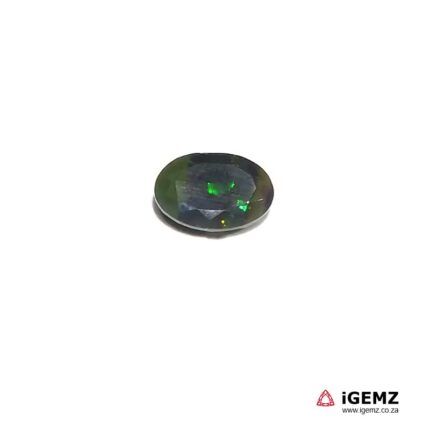
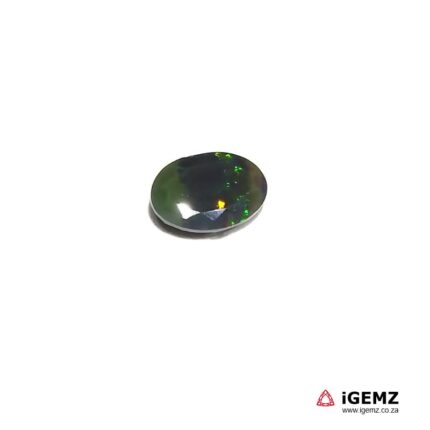
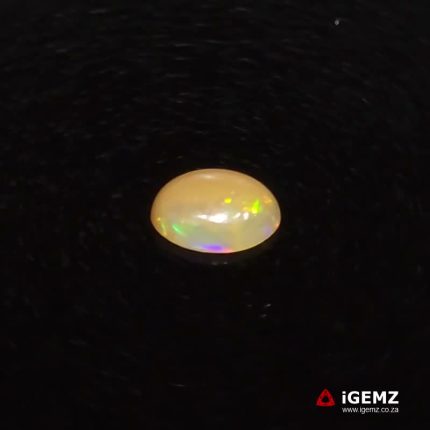
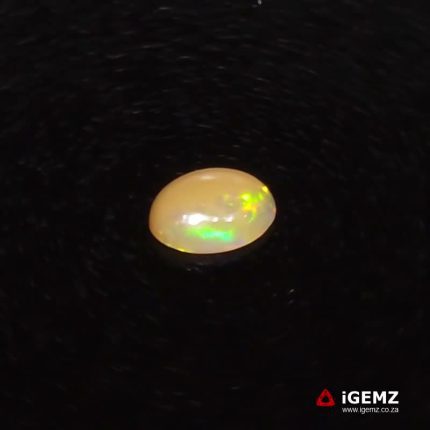
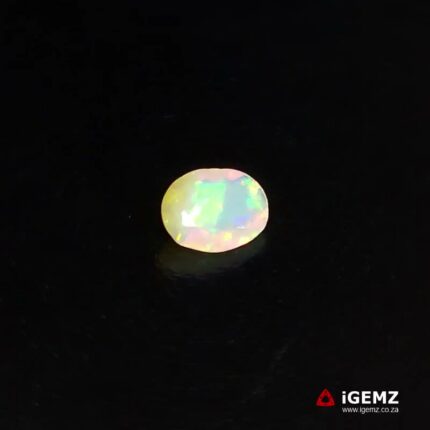
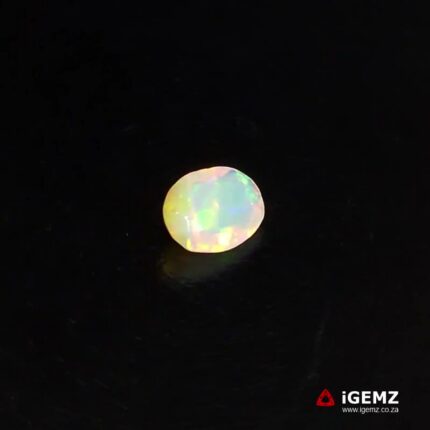
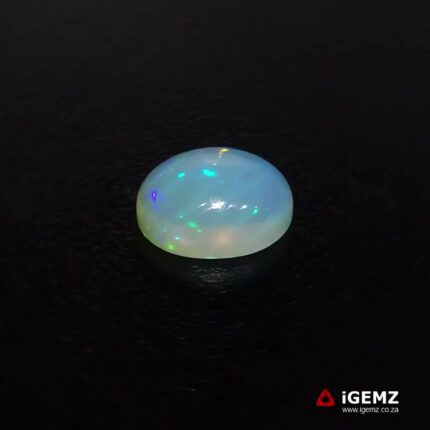
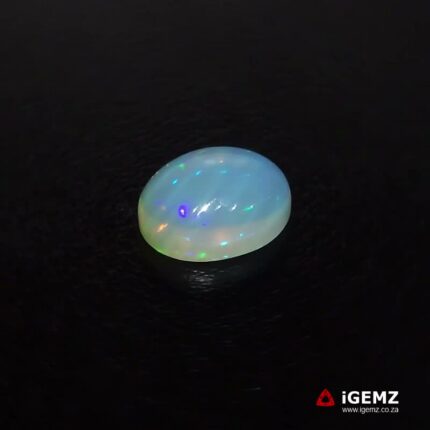
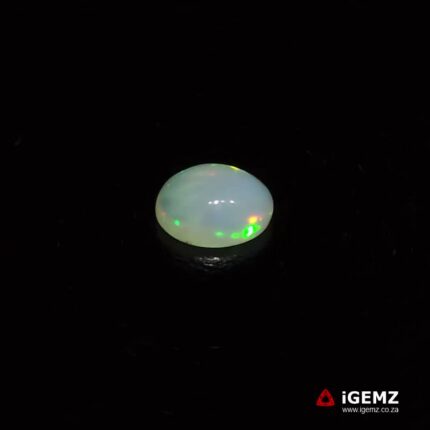
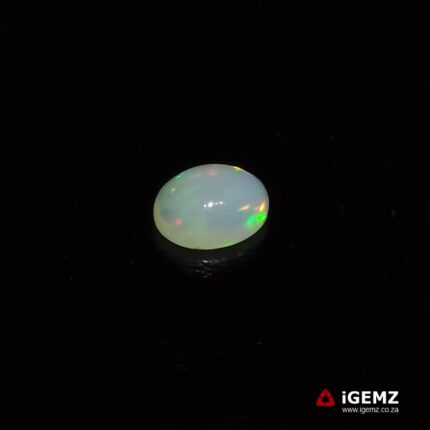
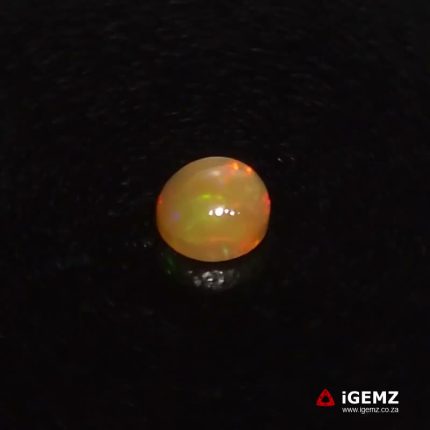
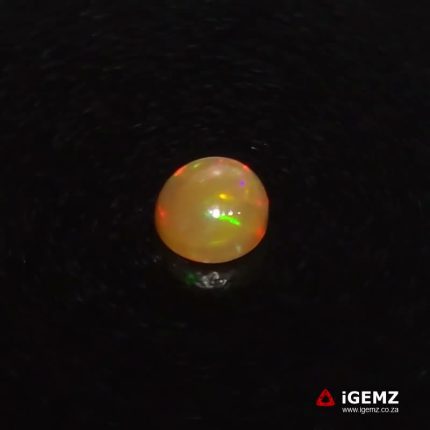
Natural Brown|Green Opal 0.4 ct Loose Gemstone | iGemz22654
SKU:
iGemz22654
Original price was: R679.00.R407.00Current price is: R407.00.
Frequently Asked Questions
What makes opal valuable?
The quality of play-of-colour, body colour, clarity, pattern, and size determines an opal’s value. Darker body colours with vivid, well-distributed flashes are most prized.
Are all opals treated?
Not all. Some are enhanced with oils, resins, or sugar solutions to improve colour or stability. Untreated natural opals are the most desirable.
Can opal be worn every day?
Opal is relatively soft and can chip or crack easily. Protective settings and careful handling are essential for daily wear.
Which country produces the best opals?
Australia is the leading source, producing world-renowned black, crystal, and white opals. Ethiopia and Mexico are also important suppliers.
Why do opals display different colours?
Opal’s internal structure of microscopic silica spheres diffracts light, creating the gemstone’s characteristic play-of-colour.
How should I care for my opal?
Clean with warm water, mild soap, and a soft cloth. Avoid harsh chemicals, ultrasonic cleaners, and sudden temperature changes.

Buy With Confidence
Professionally inspected gemstones
Full transparency on treatments
Worldwide shipping
Secure checkout
Ready to own the beauty of
OPAL?
Now that you understand the history, symbolism, and quality factors behind opal, you can select a stone that reflects your taste and style. Admired for its dynamic colour play and unique charm, opal is ideal for rings, pendants, and statement pieces. Combining natural beauty, individuality, and enduring appeal, opal is a standout addition to any gemstone collection.
Vibrant Colours
Creative Energy
Unique Beauty
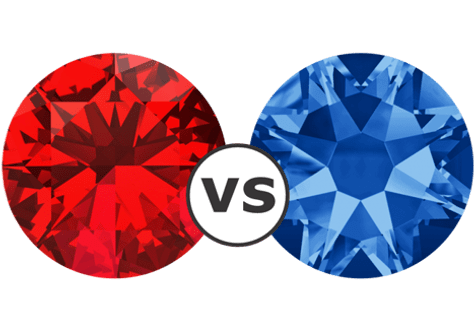
COMPARE GEMSTONES WITH CONFIDENCE
Gemstone Comparison Guides
Choosing between two beautiful gemstones can be challenging. Our professional Gemstone Comparison Guides help you clearly understand the differences between popular gemstones so you can make a confident and informed choice.
Each comparison explores the key factors that influence gemstone quality and value, including colour, clarity, durability, rarity and typical treatments. You will also learn how similar-looking gemstones differ in appearance, composition, hardness and more.
HERE IS ALL THE PROFESSIONAL INFORMATION YOU NEED
Gemstone Buyer's Guides
Buying a gemstone should be exciting — but understanding quality, rarity and value is essential before making the right choice. Our professional Gemstone Buyer’s Guides help you understand how colour, clarity, cut and treatments influence the beauty and value of different gemstones.
Each guide explains the key quality factors used by gemologists, including gemstone composition, colour grading, natural inclusions, treatments and origin. You will also learn how these factors affect rarity, durability and market value.
Beryl Family
Feldspar Gemstones
Pyroxene Gemstones
Spodumene Family
Chalcedony & Agate
Quartz Gemstones
Amethyst
Ametrine
Citrine
Prasiolite
Quartz
Rose Quartz
Rutile Quartz
Smoky Quartz
Rare & Collector Gemstones
Apatite
Chrysoberyl
Clinozoisite
Fluorite
Grandidierite
Iolite
Jade
Kyanite
Lapis Lazuli
Phosphosiderite
Prehnite
Serendibite
Sillimanite
Sphene
Sugilite
Vesuvianite