

 1st - Gold
 January
 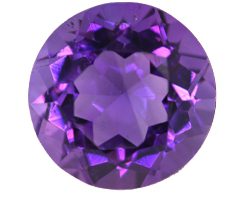 February
 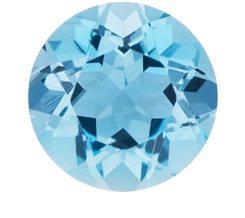 March
March 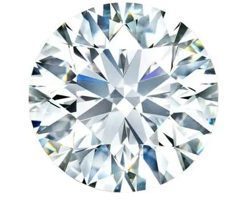 April
April 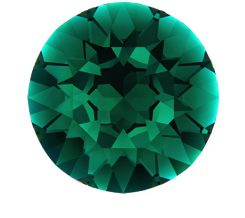 May
May 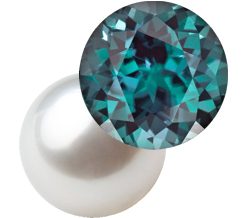 June
June 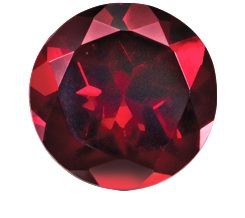 July
July 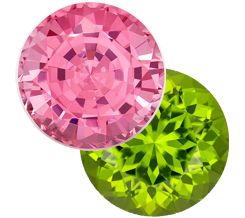 August
 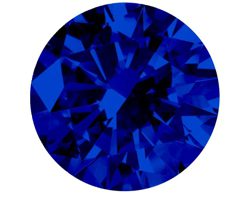 September
 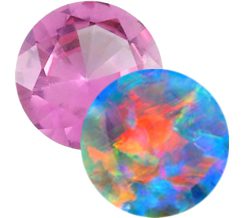 October
 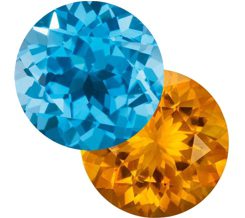 November
 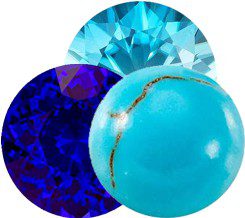 December
 Capricorn - Garnet
  Aquarius - Amethyst
  Pisces - Aquamarine
  Aries - Diamond
  Taurus - Emerald
  Gemini - Pearl
  Cancer - Ruby
  Leo - Peridot
  Virgo - Blue Sapphire
  Libra - Opal
  Scorpio - Topaz
  Sagittarius - Tanzanite

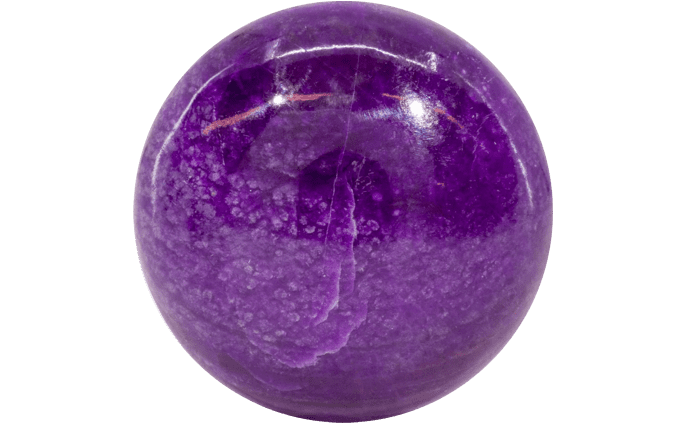
Sugilite
Buyer’s Guide
Quality, Composition, Colour & Value Explained
Discover how colour, clarity, treatments and cut influence sugilite value, and learn what truly determines quality before choosing your ideal purple gemstone.
A complete professional Sugilite Buyer’s Guide guide to understanding this gemstone’s quality, origin, treatments and value factors before purchasing.
Sugilite Meaning, History & Symbolism
Origins and Historical Use

Sugilite is a relatively modern gemstone, first discovered in 1944 by Japanese geologist Ken-ichi Sugi in Japan. Its striking purple hues quickly attracted attention, and it has since become a treasured collector’s stone.
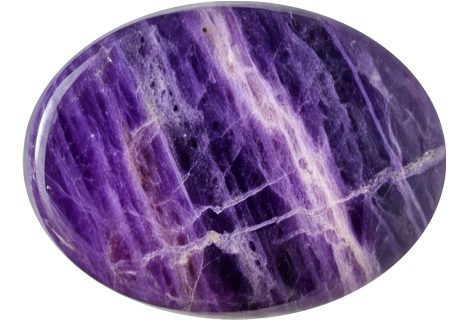
Major commercial sources include South Africa, which produces the deep violet to rich purple stones most highly valued in jewellery. Sugilite is often found in matrix form with other minerals, creating unique patterns that enhance its appeal for cabochons and ornamental pieces.
Ancient Beliefs and Spiritual Energy

Sugilite has long been considered a “stone of the mind,” associated with spiritual growth, emotional balance and mental clarity. Metaphysical enthusiasts believe it promotes courage, relief from stress, and protection from negative energy.
Its association with the crown and third-eye chakras is said to enhance intuition, insight, and a deeper connection to higher consciousness.

Modern Symbolism and Collectibility

Today, sugilite is prized both for its aesthetic beauty and metaphysical significance. Collectors favour stones with rich purple colour and minimal mottling, while spiritual practitioners value its energy-balancing properties.
Sugilite is also popular for jewellery, cabochons, and inlays, often set in silver to complement its vivid purple hues. Its rarity, especially in deep uniform colour, makes fine sugilite increasingly desirable among collectors and gem enthusiasts worldwide.
Sugilite Buyer’s Guide – Properties & Composition
EXPLORE SUGILITE’S HARDNESS, LUSTRE, TRANSPARENCY, REFRACTIVE INDEX AND SPECIFIC GRAVITY.
Understanding the gemological properties of sugilite helps determine durability, colour intensity and suitability for jewellery.

Colour Range
Sugilite occurs in shades of: Lavender, Rich violet, Deep purple. The most valuable stones display a uniform medium-to-deep purple without brown or pink undertones. Matrix patterns can add character but may slightly affect value depending on the uniformity of colour.

Chemical Formula
Sugilite has the KNa₂(Fe,Mn,Al)₂Li₃Si₁₂O₃₀ chemical formula. Trace elements like manganese and iron influence the purple colour and overall tone.

Composition
Potassium, Sodium, Iron, Manganese, Aluminium, Lithium & Silicate – trace elements influence the depth of purple.

Refractive Index
1.610 – 1.635, providing subtle brilliance in polished stones.

Lustre
Vitreous to waxy, giving a smooth sheen especially in cabochon-cut stones.


Moh's Hardness & Durability
Sugilite has a Mohs hardness of 6 – 6.5. While reasonably durable, it can be scratched more easily than harder gemstones like quartz or beryl. Protective settings are recommended for rings and bracelets.

Crystal System
Its crystal system is hexagonal, though sugilite is most commonly used in massive or granular forms rather than distinct crystals.

Transparency
Opaque to translucent, with most gem-quality material being semi-opaque cabochon-grade.

Mineral Family
Sugilite belongs to the cyclosilicate mineral family.

Specific Gravity
2.74 – 2.80, typical of the cyclosilicate group.
Sugilite Origin, Treatment & Care
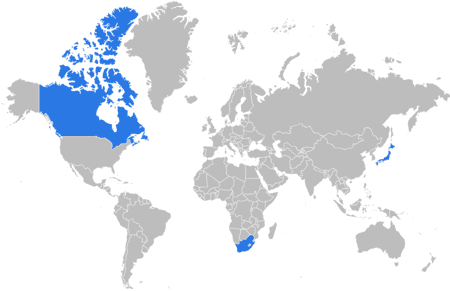
Sugilite is a rare purple gemstone, primarily sourced from South Africa. Unlike many gemstones, sugilite is rarely treated, and its colour is naturally vibrant. Understanding origin, colour intensity and patterning is essential to identify high-value stones.

Major Origins
South Africa is the main commercial source of high-quality sugilite. Smaller deposits are found in Japan and Canada, though these are less significant.

Treatments
Sugilite is generally untreated. High-quality stones are sold in their natural state, though some lower-grade material may be dyed to enhance colour. Always request full disclosure when buying.

Care and Cleaning
Use warm water, mild soap and a soft cloth or brush to clean sugilite. Avoid ultrasonic cleaners, harsh chemicals, and prolonged exposure to heat or sunlight, which may affect colour intensity. Store separately to prevent scratching from harder gemstones.
How Sugilite Quality & Value Are Determined
Sugilite value is primarily determined by colour, clarity, cut, and carat weight. Colour is the most important factor, followed by uniformity, vibrancy and presence of matrix. While inclusions are common, a clean, consistent purple tone commands the highest value.
Sugilite Colour and Inclusion Quality
Premium sugilite displays a vivid, even purple or violet hue. Important colour factors include:
- Deep, rich purple tone preferred
- Minimal pink, brown or grey undertones
- Uniform colour distribution
- Attractive contrast with any matrix patterns
Paler or uneven stones are generally less valuable, though some collectors appreciate unique matrix patterns.
Sugilite Clarity Explained
Sugilite is usually opaque or semi-translucent. High-value stones:
- Have even texture and minimal visible flaws
- Display subtle translucence where possible
- Exhibit vibrant colour even in matrix-rich material
Significant uneven texture, dullness, or excessive matrix can reduce value.
Sugilite Cut and Pattern Orientation
Sugilite is almost always cut as cabochons to display colour evenly and protect the softer stone. Key cutting considerations:
- Smooth, well-polished surface
- Symmetrical dome shape
- Thickness appropriate for durability
Faceted cuts are rare and typically reserved for collector specimens.
Sugilite Carat Weight and Size Impact
Larger pieces of uniform, high-quality sugilite are rare. Stones over 10 carats with consistent deep purple are highly prized.
When comparing stones:
- Medium-sized, vibrant purple stones may be more valuable than larger, pale or heavily matrixed stones
- Larger stones should retain even colour saturation
The Balance of the Four Factors
The finest sugilite gemstones combine:
- Even, rich purple colour
- Smooth, polished cabochon cut
- Balanced size and weight
- Minimal distracting matrix
When these factors align, sugilite becomes an eye-catching gemstone suitable for jewellery and collectible purposes.
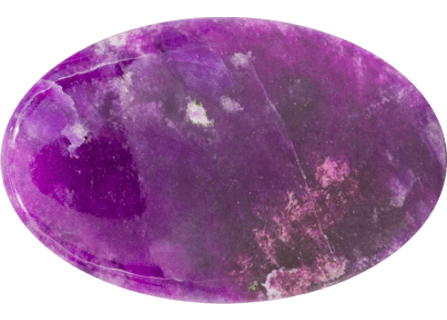
Sugilite Price Per Carat
Sugilite remains a rare gemstone, with prices strongly influenced by colour uniformity and size. Deep purple stones, especially above 5 carats, command significant premiums in international markets.
Estimated Average International Sugilite Prices (Good Quality) – Per Carat
| Weight | ZAR | USD | EUR | JPY | GBP | AUD | CAD | CHF | CNY | HKD | NZD | Market Signal |
|---|---|---|---|---|---|---|---|---|---|---|---|---|
| Under 1 carat | Small cabochons | |||||||||||
| 1 - 2 carats | Medium size gemstone | |||||||||||
| 2 - 5 carats | Increasingly scarce | |||||||||||
| 5 - 10 carats | Large & highly prized | |||||||||||
| +5 carats | Rare & collectible |
Sugilite FAQs
What is sugilite used for?
Sugilite is mainly used for cabochon jewellery, beads, and decorative carvings due to its rich purple colour and rarity.
Is sugilite a natural gemstone?
Yes, high-quality sugilite is entirely natural, primarily sourced from South Africa. Some lower-grade material may be dyed to enhance colour.
How hard is sugilite?
Sugilite has a Mohs hardness of 6–6.5, making it moderately hard but softer than quartz or beryl, so careful handling is recommended.
Does sugilite have spiritual properties?
Many believe sugilite promotes mental clarity, stress relief and spiritual growth, often associating it with the crown and third-eye chakras.
How should sugilite be cleaned?
Clean with warm water, mild soap, and a soft cloth. Avoid ultrasonic cleaners, harsh chemicals, and prolonged sunlight exposure.
What determines the value of sugilite?
Colour is the most important factor, followed by uniformity, cut quality, minimal matrix and carat weight. Deep, even purple stones are most valuable.

Buy With Confidence
Professionally inspected gemstones
Full transparency on treatments
Worldwide shipping
Secure checkout
Ready to own the beauty of
SUGILITE?
Now that you understand the history, symbolism and quality factors behind sugilite, it’s easier to appreciate its rarity and vibrant purple colour. Perfect for cabochon jewellery, decorative pieces or collectors’ stones, sugilite combines visual appeal, moderate durability, and metaphysical allure. Its rich, deep colour and rarity make it an exceptional addition to any gemstone collection.
Vibrant Purple
Spiritual Insight
Unique Beauty
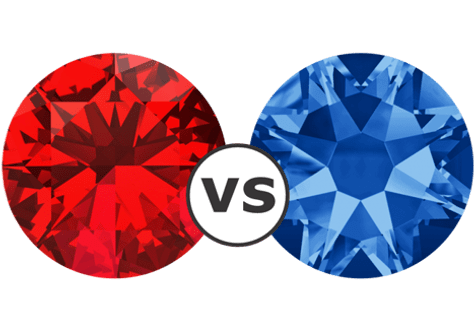
COMPARE GEMSTONES WITH CONFIDENCE
Gemstone Comparison Guides
Choosing between two beautiful gemstones can be challenging. Our professional Gemstone Comparison Guides help you clearly understand the differences between popular gemstones so you can make a confident and informed choice.
Each comparison explores the key factors that influence gemstone quality and value, including colour, clarity, durability, rarity and typical treatments. You will also learn how similar-looking gemstones differ in appearance, composition, hardness and more.
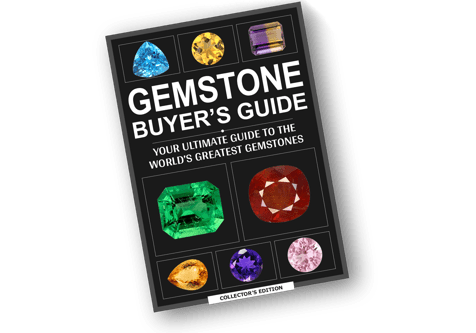
HERE IS ALL THE PROFESSIONAL INFORMATION YOU NEED
Gemstone Buyer's Guides
Buying a gemstone should be exciting — but understanding quality, rarity and value is essential before making the right choice. Our professional Gemstone Buyer’s Guides help you understand how colour, clarity, cut and treatments influence the beauty and value of different gemstones.
Each guide explains the key quality factors used by gemologists, including gemstone composition, colour grading, natural inclusions, treatments and origin. You will also learn how these factors affect rarity, durability and market value.
Beryl Family
Feldspar Gemstones
Pyroxene Gemstones
Spodumene Family
Chalcedony & Agate
Quartz Gemstones
Amethyst
Ametrine
Citrine
Prasiolite
Quartz
Rose Quartz
Rutile Quartz
Smoky Quartz
Rare & Collector Gemstones
Apatite
Chrysoberyl
Clinozoisite
Fluorite
Grandidierite
Iolite
Jade
Kyanite
Lapis Lazuli
Phosphosiderite
Prehnite
Serendibite
Sillimanite
Sphene
Sugilite
Vesuvianite