

 1st - Gold
 January
 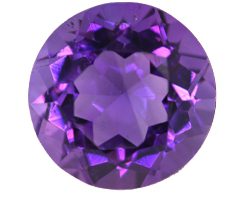 February
 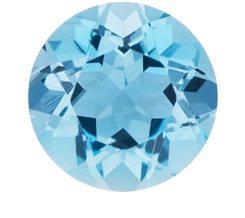 March
March 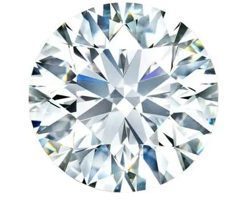 April
April 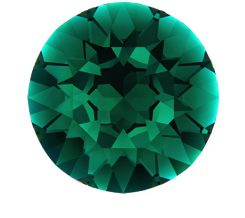 May
May 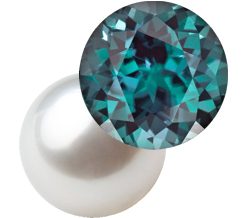 June
June 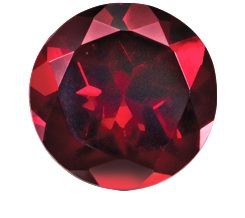 July
July 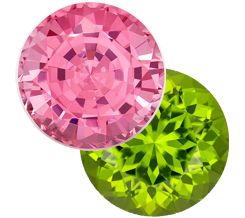 August
 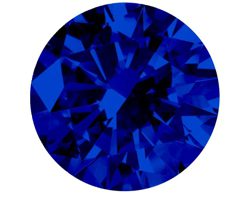 September
 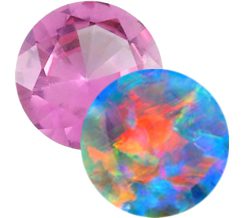 October
 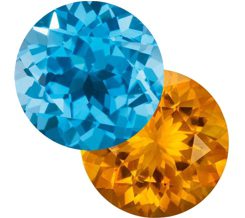 November
 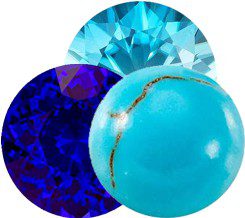 December
 Capricorn - Garnet
  Aquarius - Amethyst
  Pisces - Aquamarine
  Aries - Diamond
  Taurus - Emerald
  Gemini - Pearl
  Cancer - Ruby
  Leo - Peridot
  Virgo - Blue Sapphire
  Libra - Opal
  Scorpio - Topaz
  Sagittarius - Tanzanite

Malachite
Buyer’s Guide
Quality, Composition, Colour & Value Explained
Discover how colour, patterns, treatments and cut influence malachite value, and learn what truly determines quality before choosing your ideal green gemstone.
A complete professional Malachite Buyer’s Guide to understanding this gemstone’s quality, origin, treatments and value factors before purchasing.
History, Symbolism & Meaning of Malachite
Origins and Historical Use

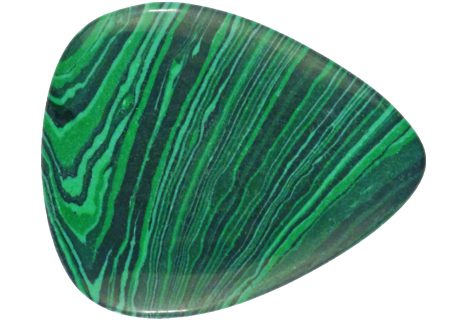
Malachite has been cherished for thousands of years, particularly in Ancient Egypt, Greece and Russia. Its vibrant green colour and distinctive banded patterns made it highly prized for jewellery, amulets, and ornamental objects.
The name malachite derives from the Greek word malakos, meaning “soft,” reflecting the mineral’s relative softness compared with harder gemstones. Historically, malachite was used for decorative carvings, inlays and pigments, as well as protective talismans against negative energies.
Ancient Beliefs and Spiritual Energy

Malachite was long associated with protection, transformation, and emotional balance. Ancient cultures believed that wearing malachite could guard against accidents and illnesses while promoting spiritual insight and healing.
In metaphysical traditions, malachite is linked to the heart chakra and is thought to encourage emotional clarity, compassion, and personal growth. Healers valued it for stimulating positive change and helping release negative patterns.
Modern Symbolism and Collectibility

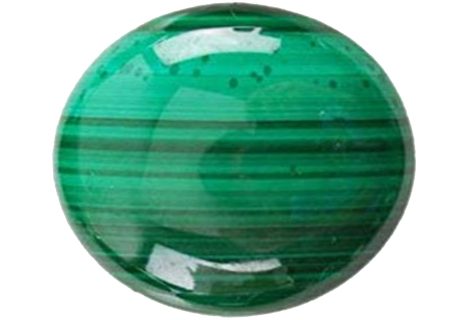
Today malachite is admired for both its striking green colour and unique banded patterns. Collectors prize high-quality pieces for their bold contrast and aesthetic appeal.
Malachite is also widely used in decorative objects, cabochons, beads, and statement jewellery. It is considered a stone of transformation, fostering creativity, emotional balance and inner strength.
Physical & Optical Properties
Explore Malachite’s Hardness, Lustre, Transparency, Refractive Index and Specific Gravity.
Understanding these properties helps assess durability, workability, and suitability for jewellery.

Colour Range
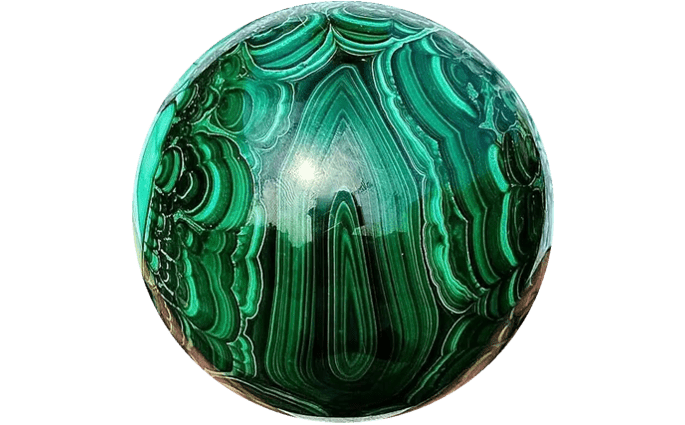
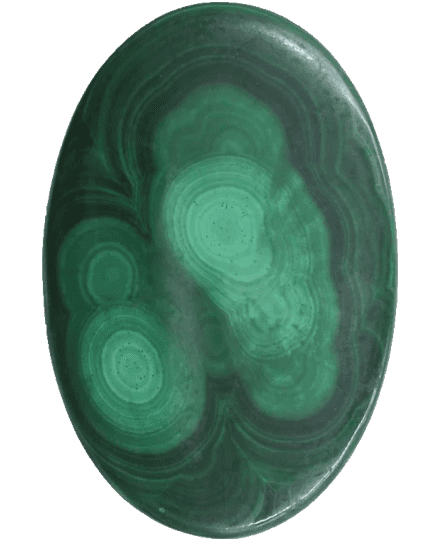
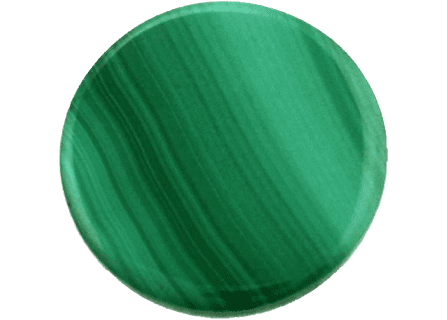
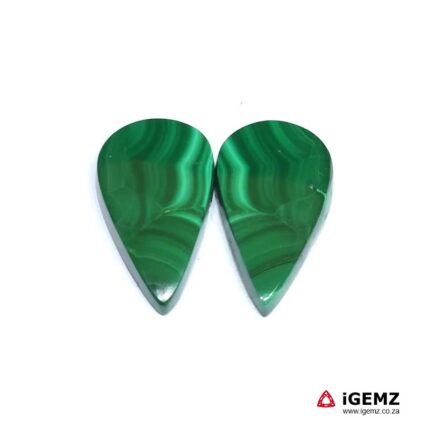
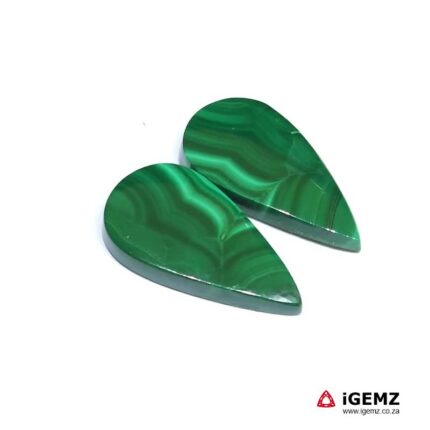
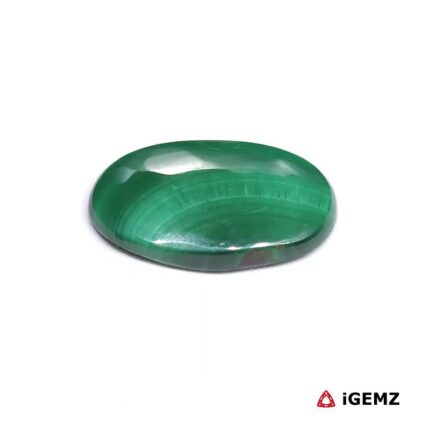
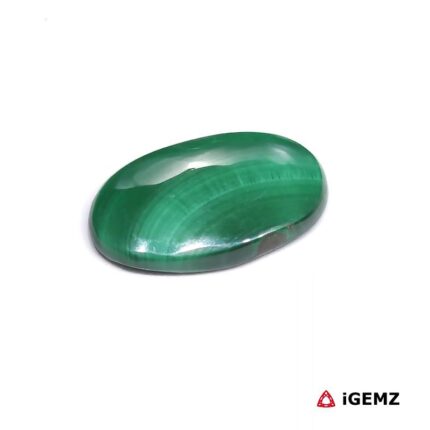
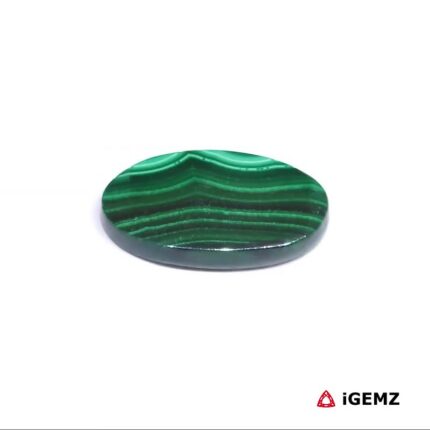
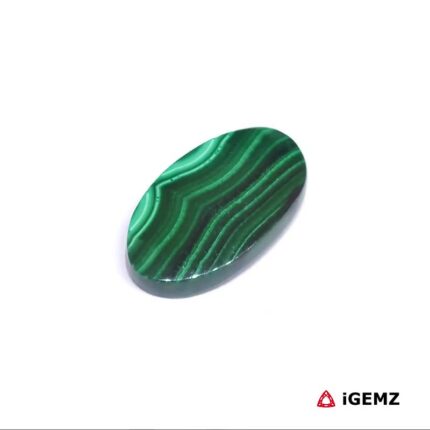
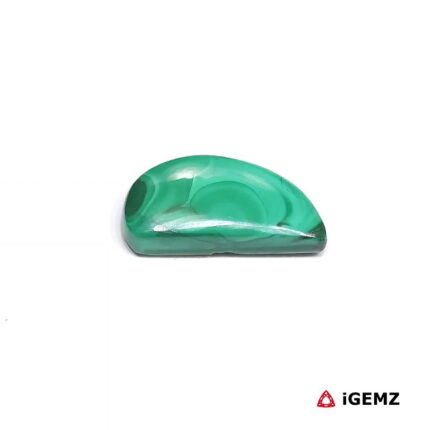
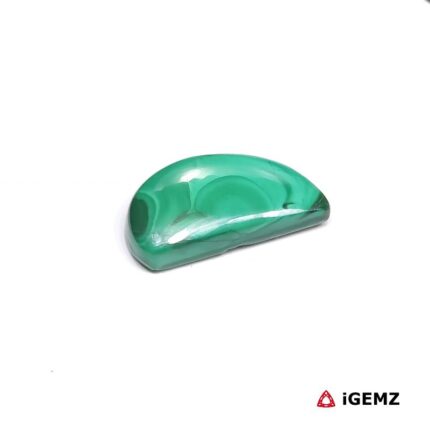
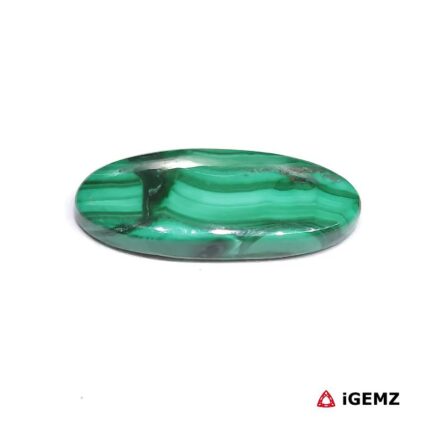
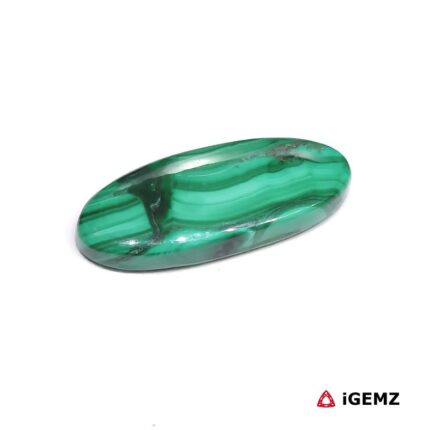
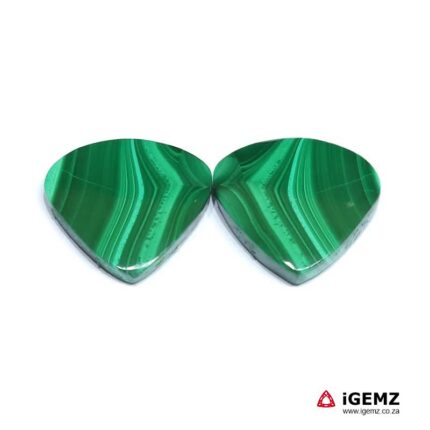
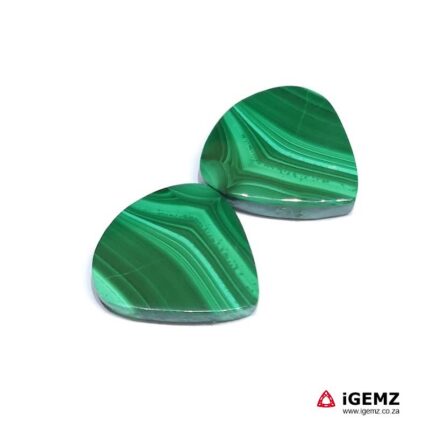
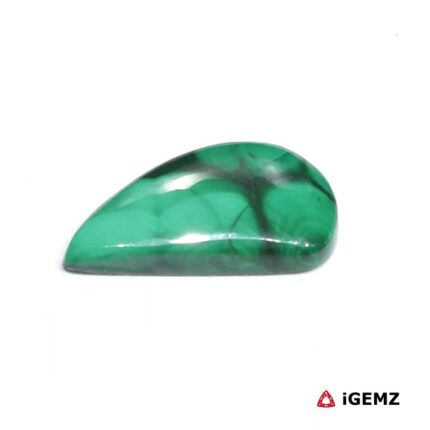
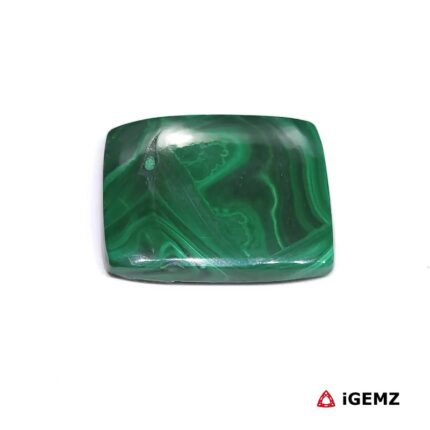
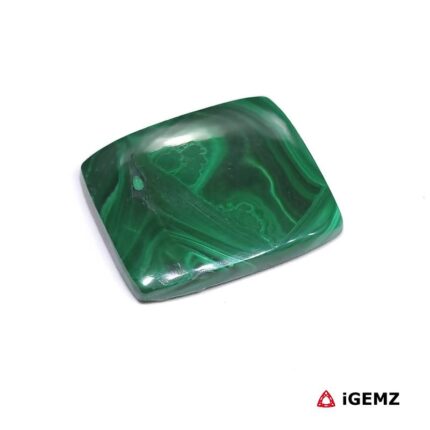
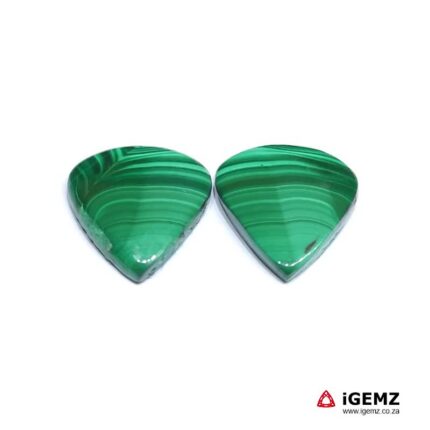
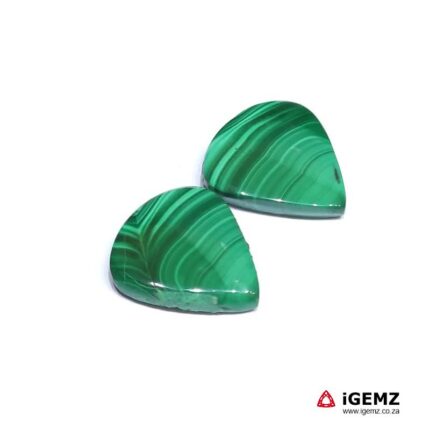
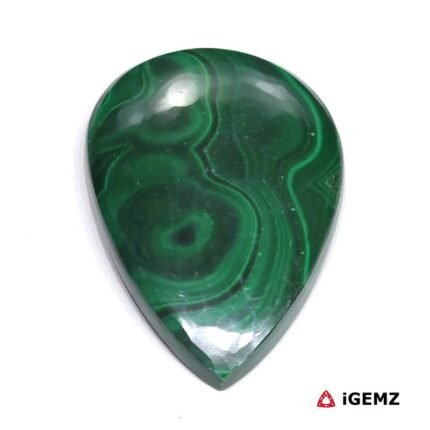
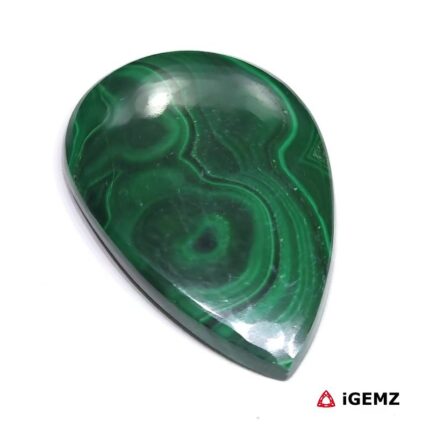
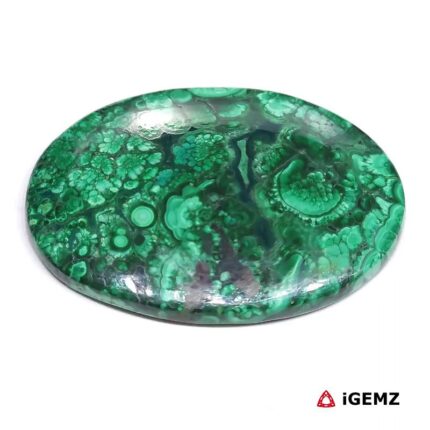
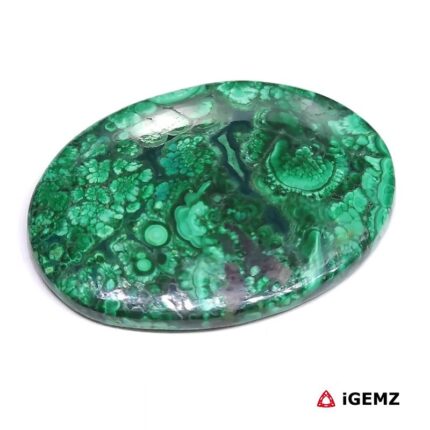
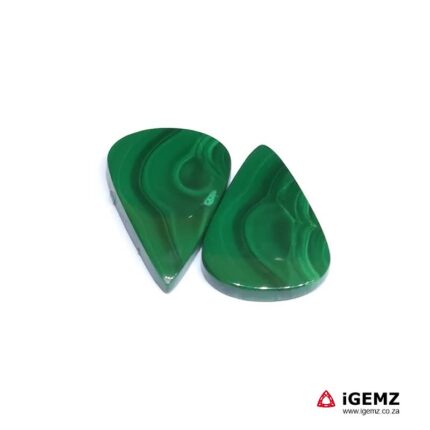
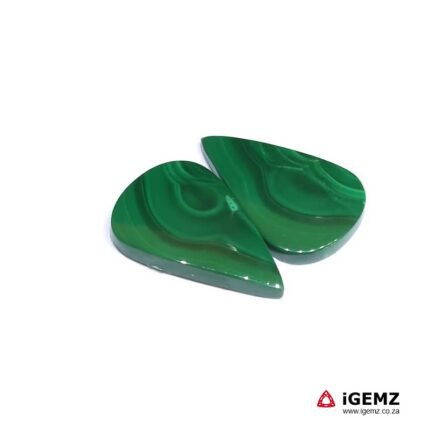
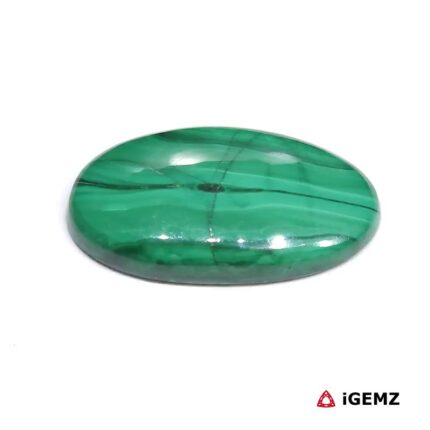
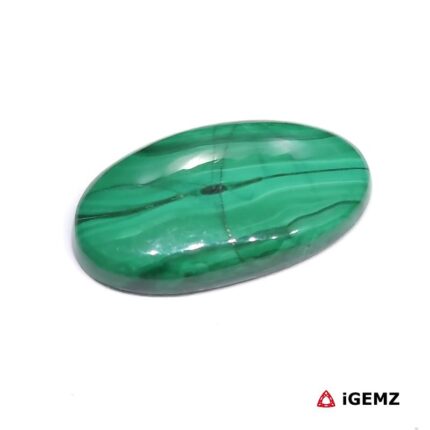
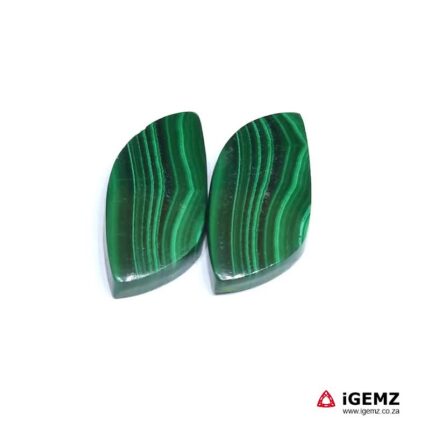
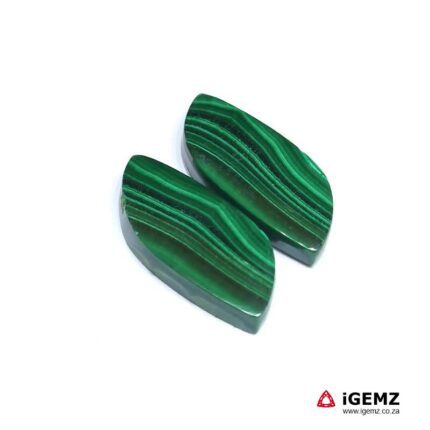
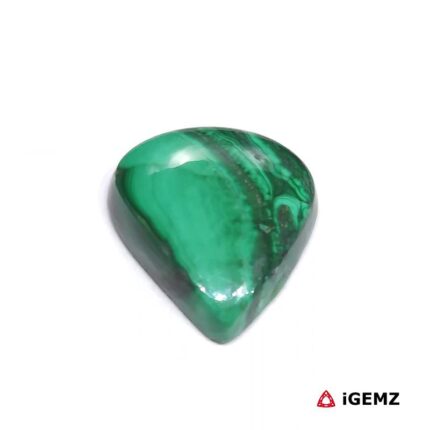
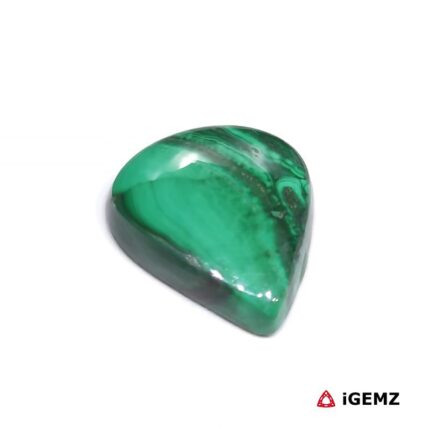
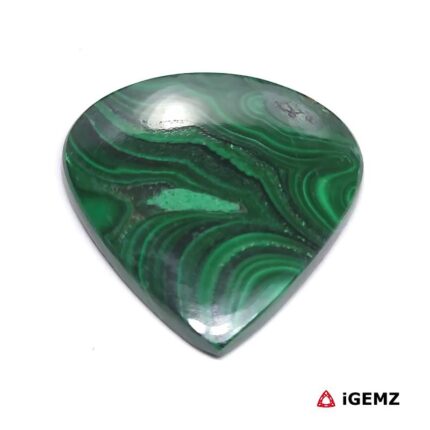
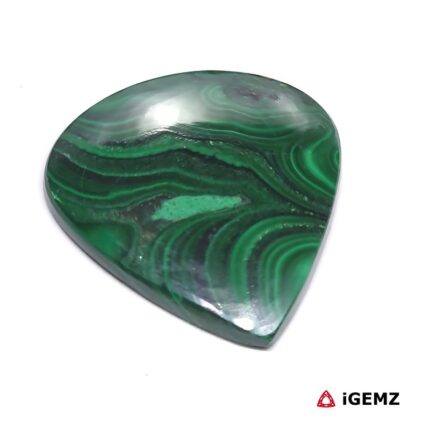
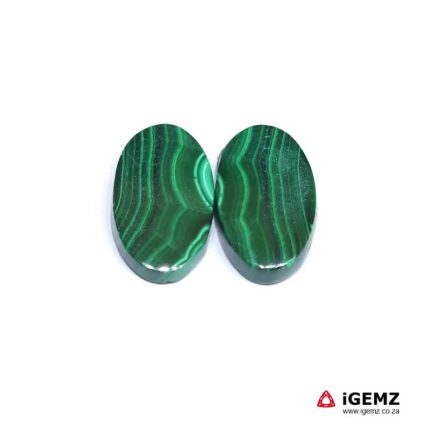
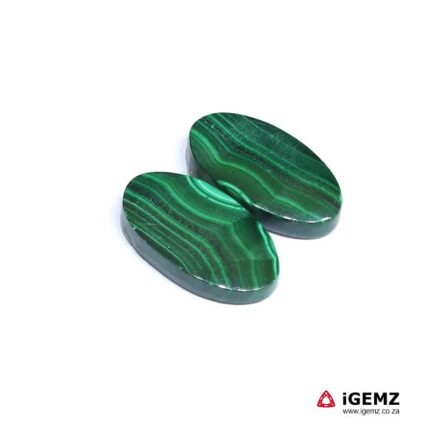
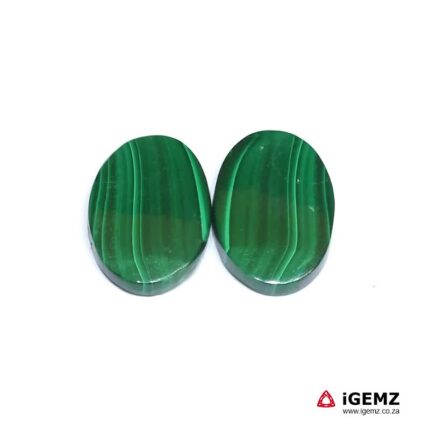
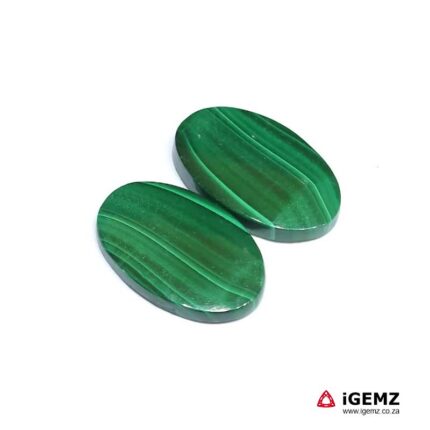
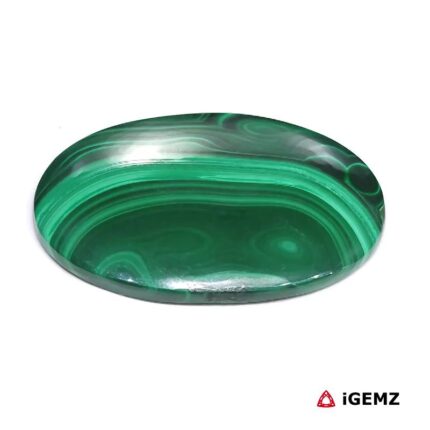
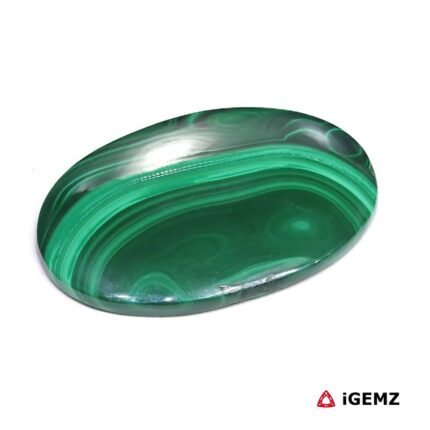
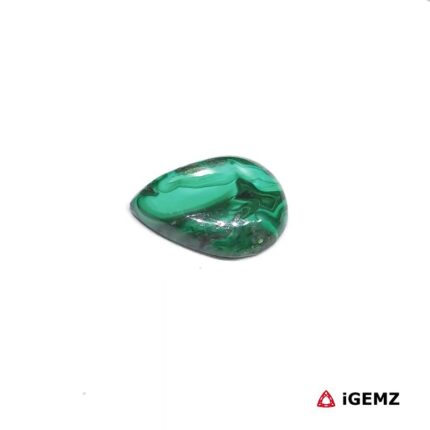
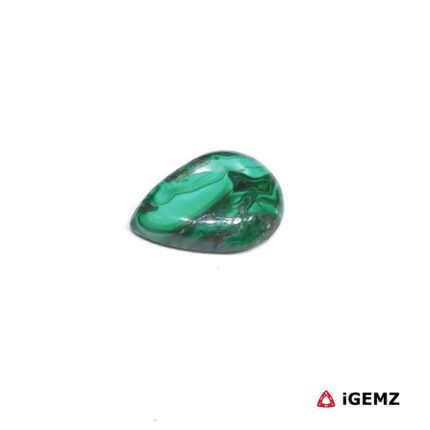
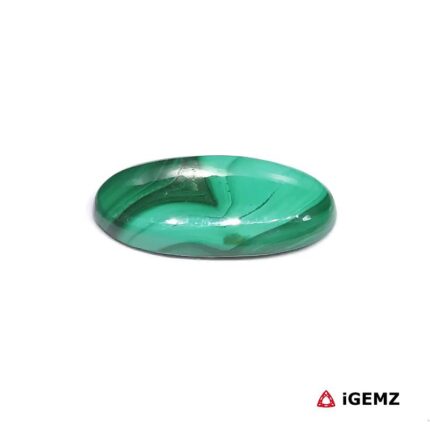
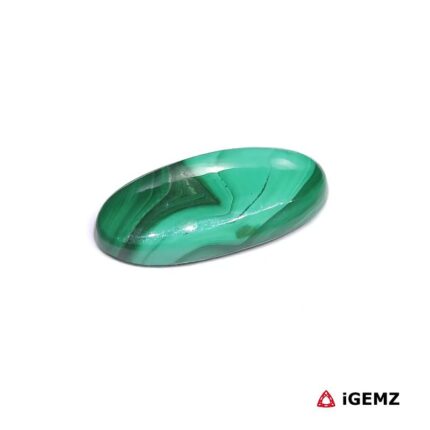
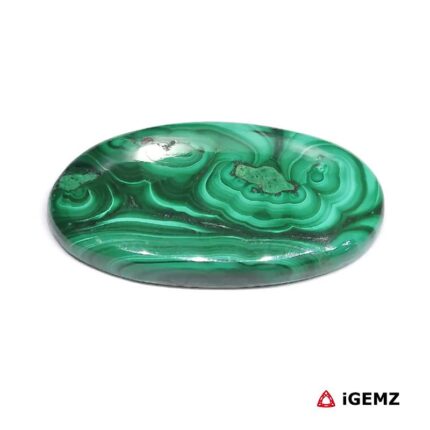
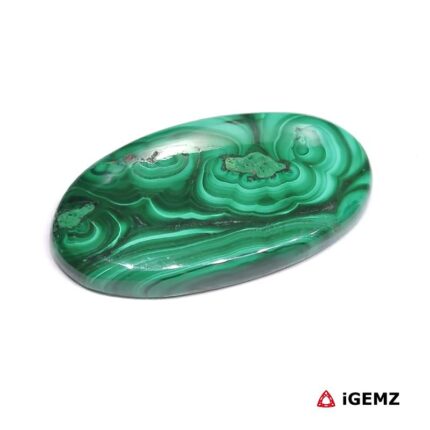
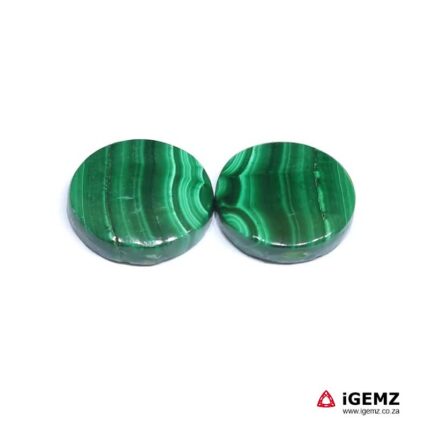
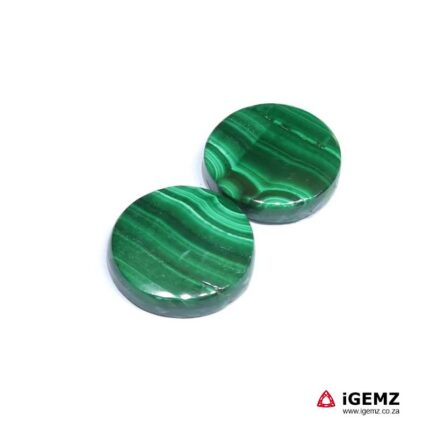
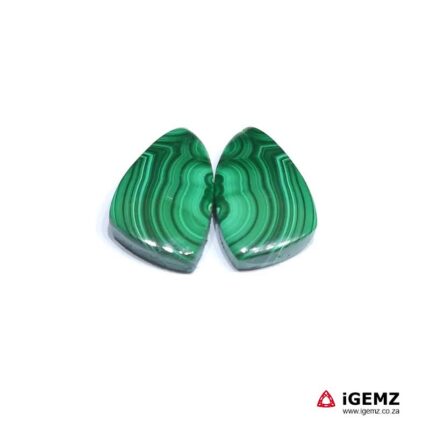
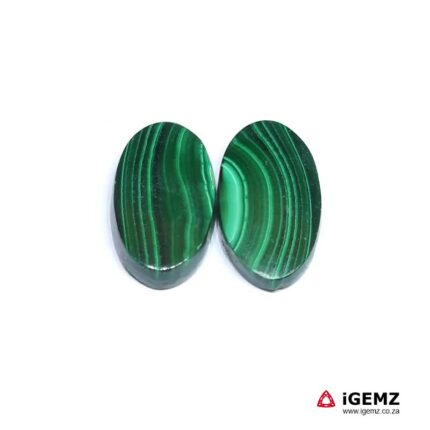
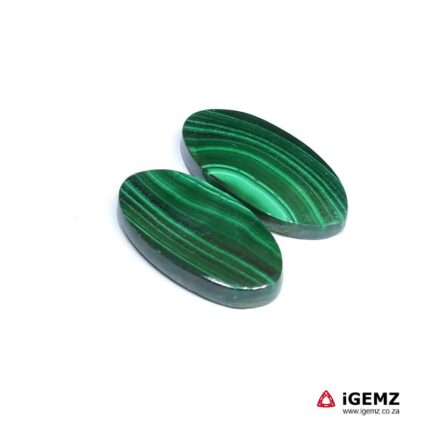
Malachite is known for vivid green tones, often appearing in banded patterns ranging from light to dark green. Patterns may include swirls, stripes, or concentric rings. Even and well-defined patterns enhance value.

Chemical Formula
Malachite has the Cu₂CO₃(OH)₂ chemical formula, composed of copper, carbon, oxygen and hydrogen. Its rich green colour is due to copper content.

Composition
Copper, Carbon, Oxygen, Hydrogen – copper produces the characteristic green hues.

Refractive Index
1.655 – 1.909, producing a soft reflective lustre, typical for opaque minerals.

Lustre
Silky to vitreous, giving malachite its signature polished sheen when cut and finished.

Moh's Hardness & Durability
Malachite has a Mohs hardness of 3.5 – 4, making it relatively soft compared with precious gemstones. It is best used in cabochons, beads or decorative carvings rather than exposed ring settings, and requires careful handling to avoid scratching or damage.

Crystal System
Malachite crystallises in a monoclinic system, forming botryoidal, stalactitic or fibrous masses, often exhibiting striking patterns.

Transparency
Opaque, with distinctive banded patterns that create visual appeal.

Mineral Family
Malachite belongs to the copper carbonate mineral family.

Specific Gravity
3.6 – 4.0, reflecting its dense copper content.
Origin, Treatment & Care
Malachite is a copper-based gemstone, valued for its rich green colour and unique banding. Understanding its origin and treatment is essential for evaluating quality and value. With proper care, malachite can remain visually striking for generations.

Major Origins
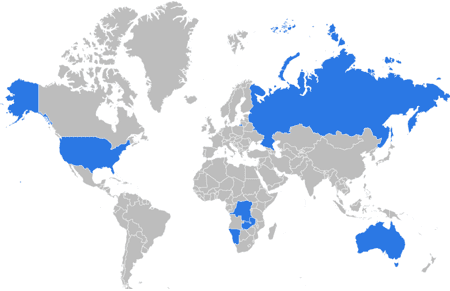
Major sources of malachite include the Democratic Republic of Congo, Zambia, Russia (Ural Mountains), Australia and the southwestern United States. Congolese malachite is particularly renowned for its deep green colour and dramatic patterns.

Treatments
Malachite is typically untreated, although some pieces may be polished, stabilized or coated for enhanced durability. Dyeing is uncommon and generally avoided in high-quality material.

Care and Cleaning
Avoid acidic solutions, harsh chemicals, ultrasonic cleaning or steam. Clean gently with warm water, mild soap, and a soft cloth. Because malachite is relatively soft, store separately from harder gemstones to prevent scratching.
How Malachite Quality & Value Are Determined
Understanding how malachite is graded helps you compare stones confidently and identify genuine quality. Key value factors include colour, pattern, cut and size. Unlike transparent gemstones, malachite’s beauty comes primarily from colour intensity and banded patterns.
Colour
Colour is the primary determinant of malachite value. High-quality stones display:
- Rich medium-to-dark green tones
- Even colour saturation
- Vibrant contrast between bands or patterns
Stones that are too pale or unevenly coloured are less desirable. Deep, vivid green with bold patterns is highly sought after.
Pattern
The arrangement and contrast of bands, swirls, or concentric circles significantly affect value. Symmetrical, bold, and visually striking patterns are the most prized.
Cut
Cutting enhances malachite’s appearance but is mostly limited to cabochons, beads, or decorative carvings. Important factors include:
- Smooth, polished surfaces
- Symmetry in cabochons or shapes
- Minimal damage to natural banding during cutting
Because malachite is opaque and soft, traditional faceting is rarely used.
Carat Weight
Larger malachite pieces with consistent colour and well-defined patterns are rarer and more valuable. Size contributes to jewellery statement pieces and ornamental carvings.
The Balance of the Four Factors
True value is achieved when colour, pattern, cut and size harmonise.
A premium malachite gemstone should display:
- Deep, even green colour
- Distinctive and attractive banding patterns
- Smooth, polished cabochon or carved surfaces
- Proportional size suitable for jewellery or decorative use
International Pricing Trends – per carat
Malachite is generally more affordable than precious gemstones, but quality and size influence price significantly. Bold patterns and larger cabochons command higher values. The price-per-carat table below reflects typical ranges for quality malachite cabochons and decorative stones.
Estimated Average International Malachite Prices (Good Quality) – Per Carat
| Weight | ZAR | USD | EUR | JPY | GBP | AUD | CAD | CHF | CNY | HKD | NZD | Market Signal |
|---|---|---|---|---|---|---|---|---|---|---|---|---|
| Under 1 carat | Size is widely available | |||||||||||
| 1 - 2 carat | Increasingly popular | |||||||||||
| 2 - 3 carats | Strong demand | |||||||||||
| 3 - 4 carats | Remain desirable | |||||||||||
| 4 - 6 carats | Scarcer in larger sizes | |||||||||||
| 6 - 8 carats | Exceptional stones |


Frequently Asked Questions
Is malachite a precious gemstone?
No, malachite is considered a semi-precious stone. Its beauty comes from rich green colour and striking banded patterns rather than rarity alone.
Why does malachite have bands?
The banded patterns form naturally during mineral deposition as copper carbonate layers crystallise over time. Each piece is unique.
Can malachite be used in rings?
Yes, but with care. Malachite is soft and can scratch easily, so protective settings and occasional wear are recommended.
Is malachite treated?
Malachite is usually untreated, though polished and sometimes stabilised for durability. Dyeing is uncommon.
How do I clean malachite?
Use warm water, mild soap, and a soft cloth. Avoid harsh chemicals, ultrasonic cleaners, or steam, which can damage the stone.
Where is malachite mined?
Major sources include the Democratic Republic of Congo, Zambia, Russia, Australia, and the southwestern United States.

Buy With Confidence
Professionally inspected gemstones
Full transparency on treatments
Worldwide shipping
Secure checkout
Ready to own the beauty of
MALACHITE?
Now that you understand the history, symbolism and quality factors behind malachite, the natural next step is to acquire your own piece. Admired for its bold green colour and unique banding, malachite makes stunning cabochons, beads, carvings, and statement jewellery. Combining aesthetic appeal, historical significance, and affordability, malachite is an extraordinary addition to any gemstone collection.
Striking Green
Unique Patterns
Emotional Balance
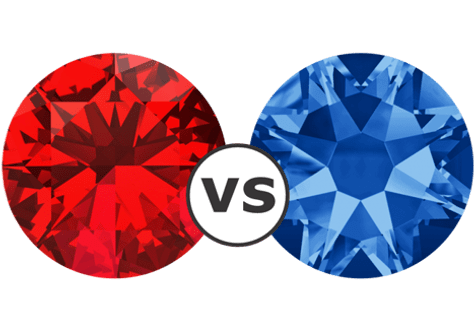
COMPARE GEMSTONES WITH CONFIDENCE
Gemstone Comparison Guides
Choosing between two beautiful gemstones can be challenging. Our professional Gemstone Comparison Guides help you clearly understand the differences between popular gemstones so you can make a confident and informed choice.
Each comparison explores the key factors that influence gemstone quality and value, including colour, clarity, durability, rarity and typical treatments. You will also learn how similar-looking gemstones differ in appearance, composition, hardness and more.
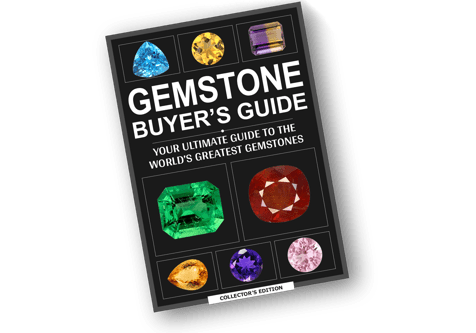
HERE IS ALL THE PROFESSIONAL INFORMATION YOU NEED
Gemstone Buyer's Guides
Buying a gemstone should be exciting — but understanding quality, rarity and value is essential before making the right choice. Our professional Gemstone Buyer’s Guides help you understand how colour, clarity, cut and treatments influence the beauty and value of different gemstones.
Each guide explains the key quality factors used by gemologists, including gemstone composition, colour grading, natural inclusions, treatments and origin. You will also learn how these factors affect rarity, durability and market value.
Beryl Family
Feldspar Gemstones
Pyroxene Gemstones
Spodumene Family
Chalcedony & Agate
Quartz Gemstones
Amethyst
Ametrine
Citrine
Prasiolite
Quartz
Rose Quartz
Rutile Quartz
Smoky Quartz
Rare & Collector Gemstones
Apatite
Chrysoberyl
Clinozoisite
Fluorite
Grandidierite
Iolite
Jade
Kyanite
Lapis Lazuli
Phosphosiderite
Prehnite
Serendibite
Sillimanite
Sphene
Sugilite
Vesuvianite