

 1st - Gold
 January
 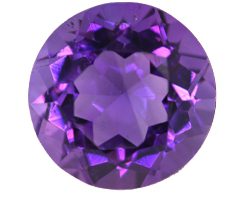 February
 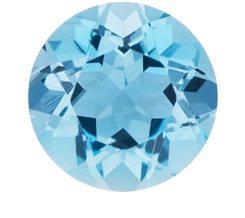 March
March 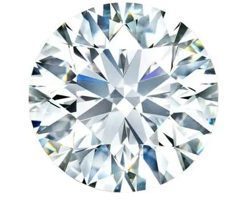 April
April 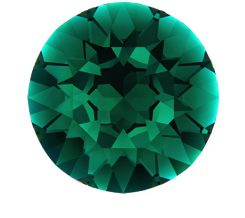 May
May 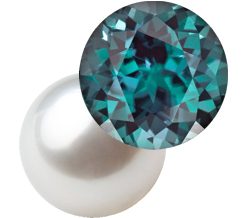 June
June 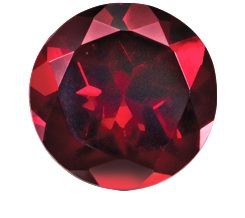 July
July 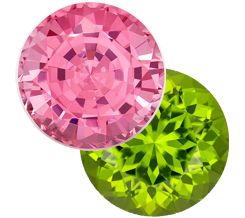 August
 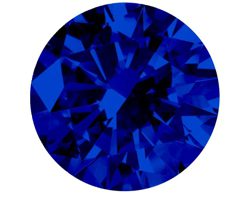 September
 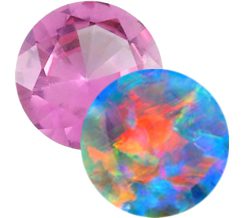 October
 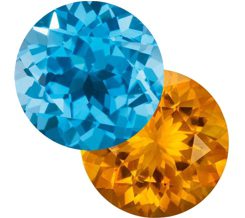 November
 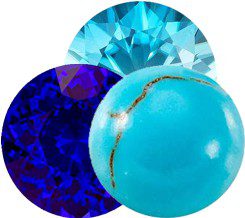 December
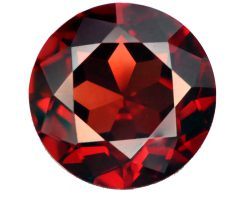
 Capricorn - Garnet
  Aquarius - Amethyst
  Pisces - Aquamarine
  Aries - Diamond
  Taurus - Emerald
  Gemini - Pearl
  Cancer - Ruby
  Leo - Peridot
  Virgo - Blue Sapphire
  Libra - Opal
  Scorpio - Topaz
  Sagittarius - Tanzanite

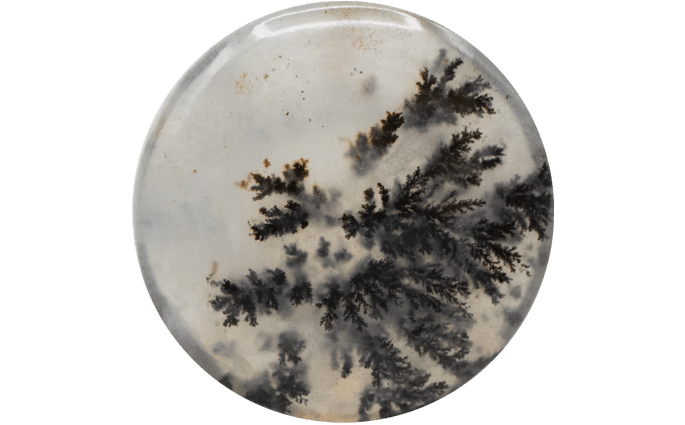
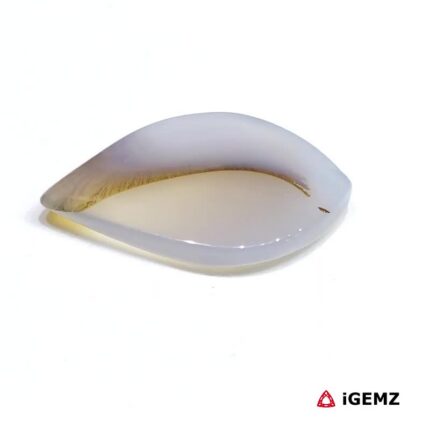
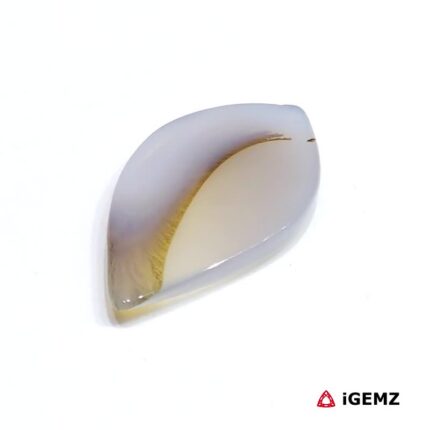
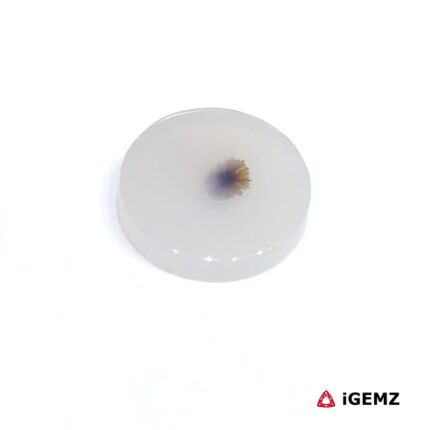
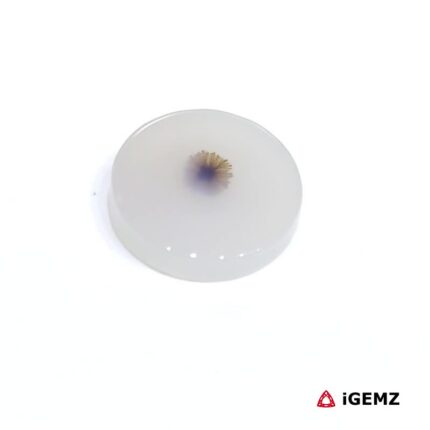
Dendritic Agate
Buyer’s Guide
Quality, Composition, Colour & Value Explained
Discover how colour, pattern, clarity, treatments and cut influence dendritic agate value, and learn what truly determines quality before choosing your ideal gemstone.
A complete professional Dendritic Agate Buyer’s Guide guide to understanding this gemstone’s quality, origin, patterns and value factors before purchasing.
History, Symbolism & Meaning of Dendritic Agate
Origins and Historical Use

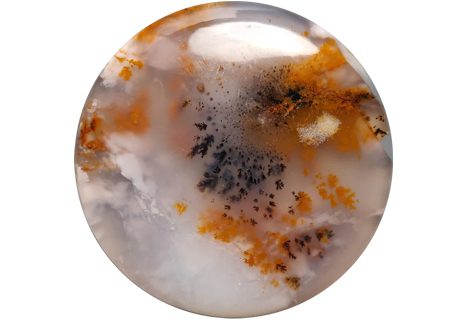
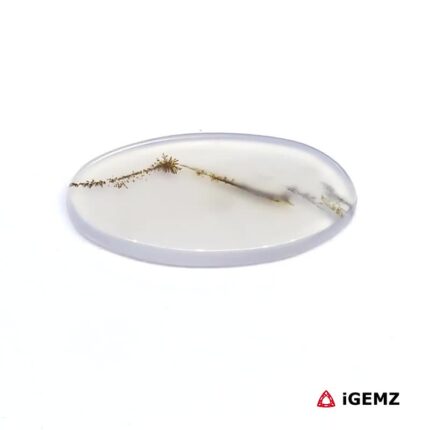
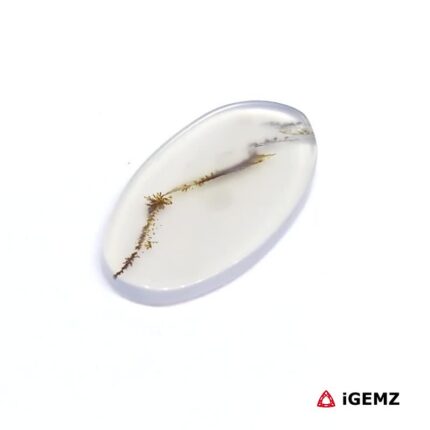
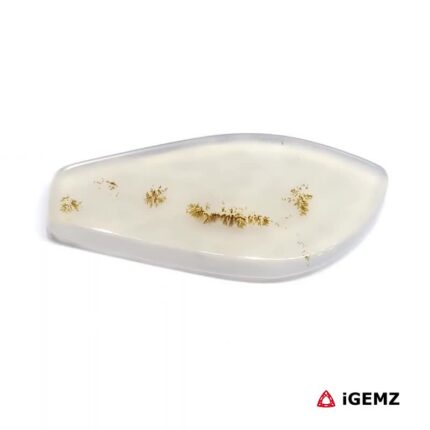
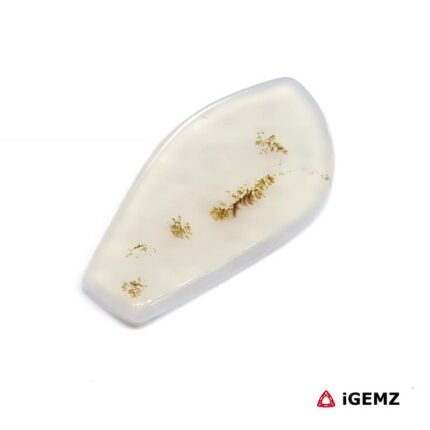
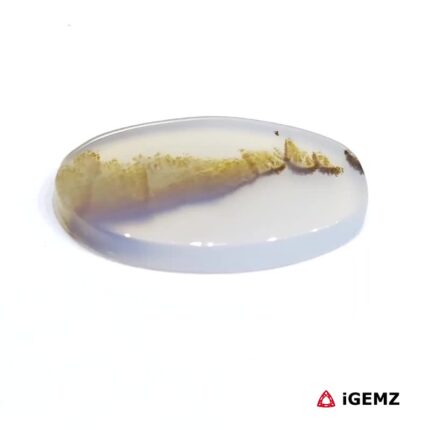
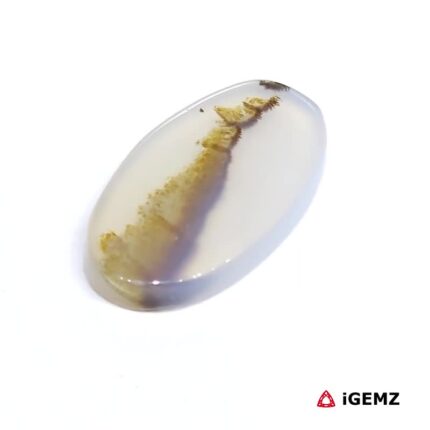
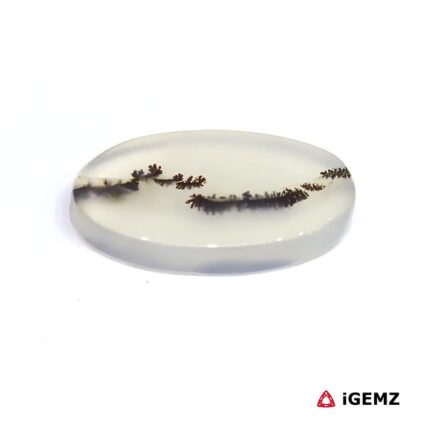
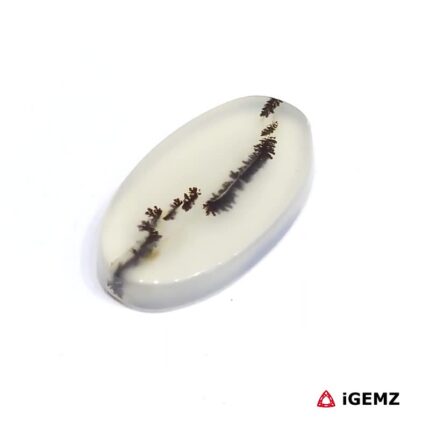
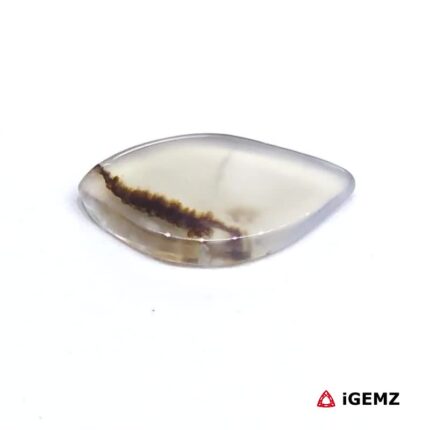
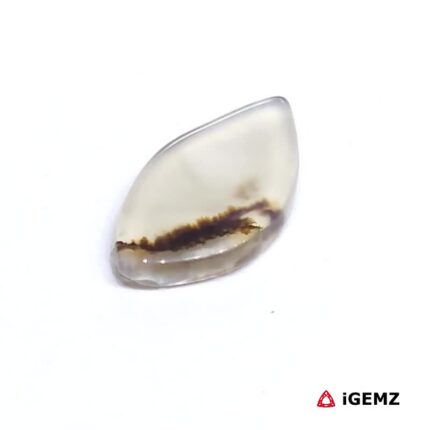
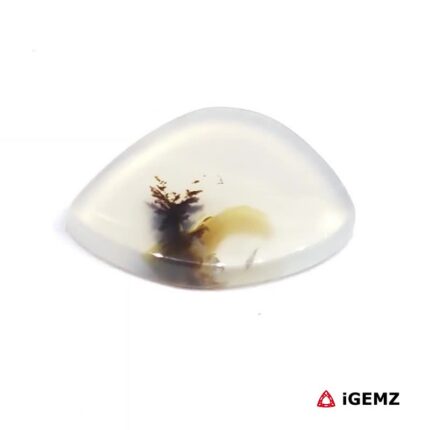
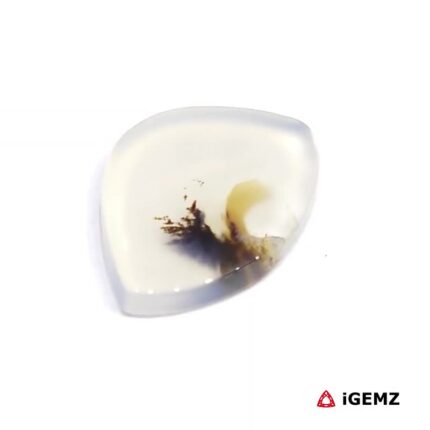
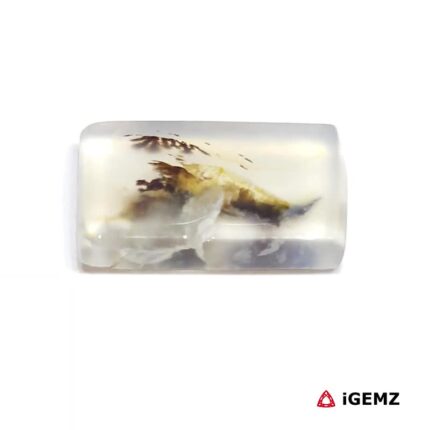
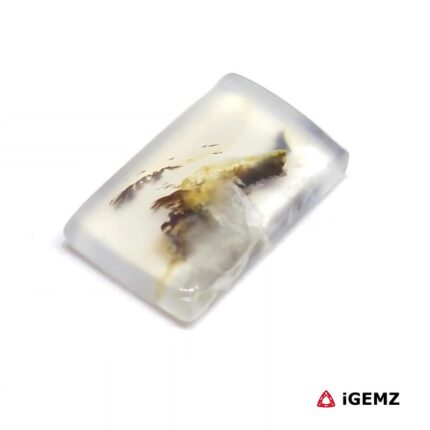
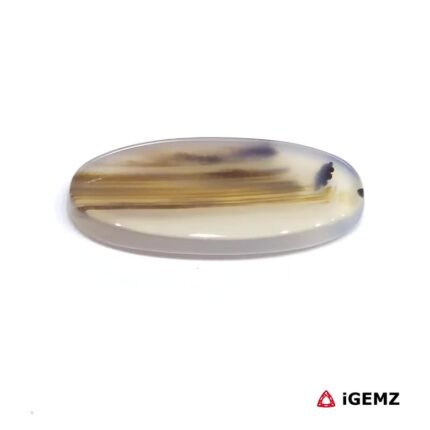
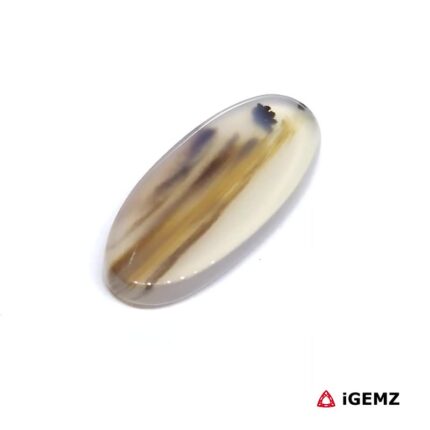
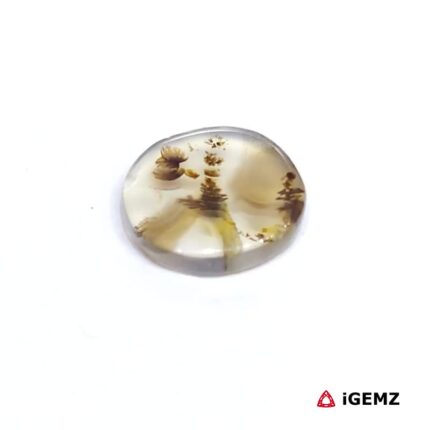
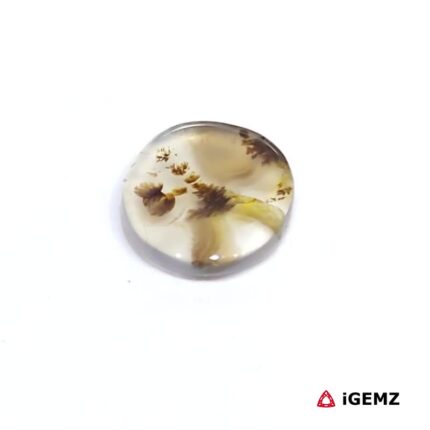
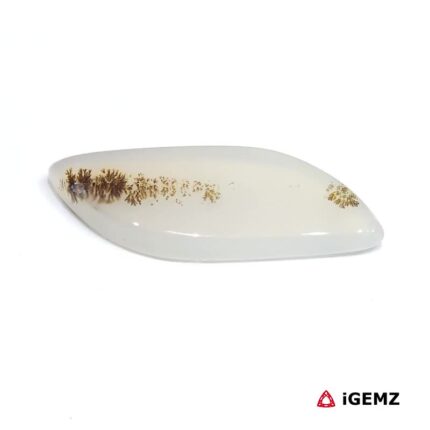
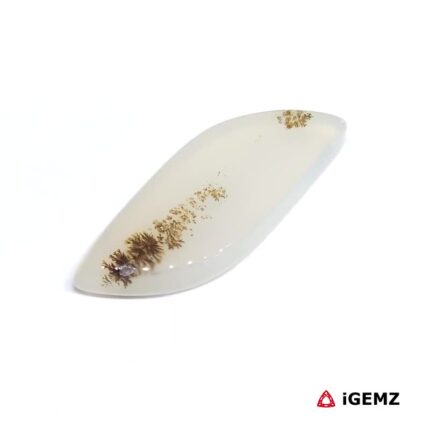
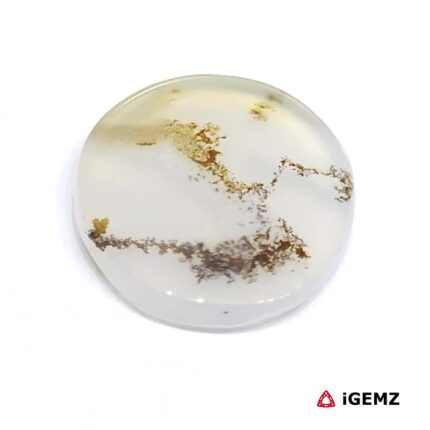
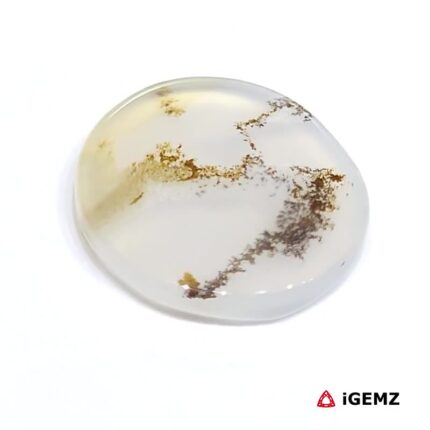
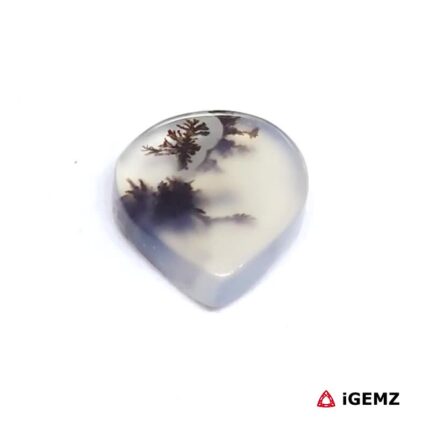
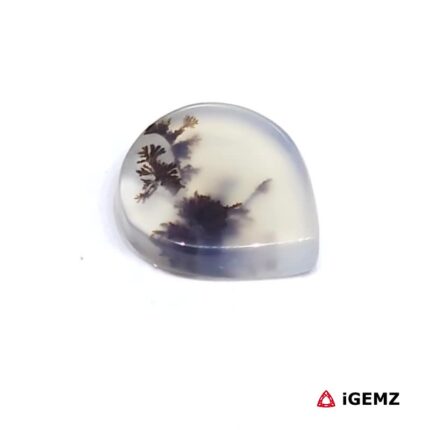
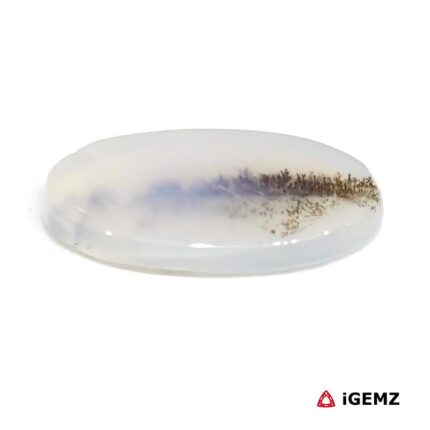
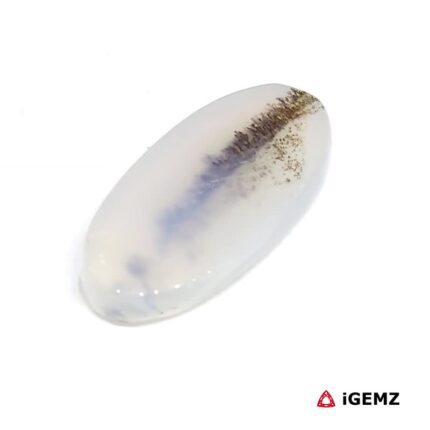
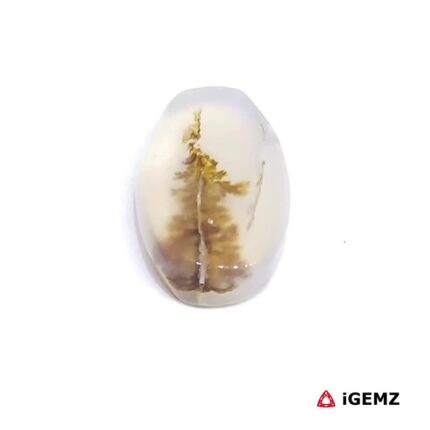
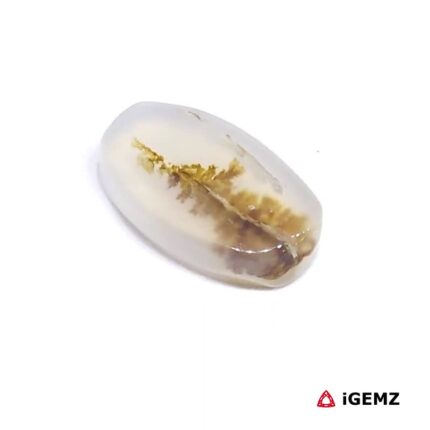
Dendritic agate has been appreciated since antiquity for its striking natural patterns resembling ferns, trees or plant-like formations. Ancient cultures used it in amulets, talismans, and ornamental carvings, believing it connected the wearer with nature. The stone’s name derives from the Greek word dendron, meaning tree, reflecting the intricate dendritic inclusions that make each gem unique.
Ancient Beliefs and Spiritual Energy

Historically, dendritic agate was considered a stone of abundance, protection and growth. It was thought to foster patience, resilience and a harmonious connection with the natural world. Mystics and healers valued it for calming energy, promoting inner stability and grounding emotions, helping the wearer cultivate clarity and balance in life.
Modern Symbolism and Collectibility

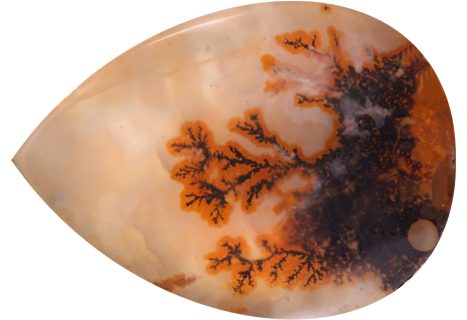
Today, dendritic agate is admired both for its aesthetic appeal and metaphysical properties. Collectors prize it for unique patterns and natural artistry, while modern enthusiasts appreciate its association with growth, perseverance and spiritual grounding. Dendritic agate is often used in meditation, artistic jewellery and bespoke creations where individuality is celebrated.
Physical & Optical Properties
EXPLORE DENDRITIC AGATE’S HARDNESS, LUSTRE, TRANSPARENCY, REFRACTIVE INDEX AND SPECIFIC GRAVITY.
Understanding the gemological properties of dendritic agate helps determine durability, brilliance, and suitability for jewellery.

Colour Range
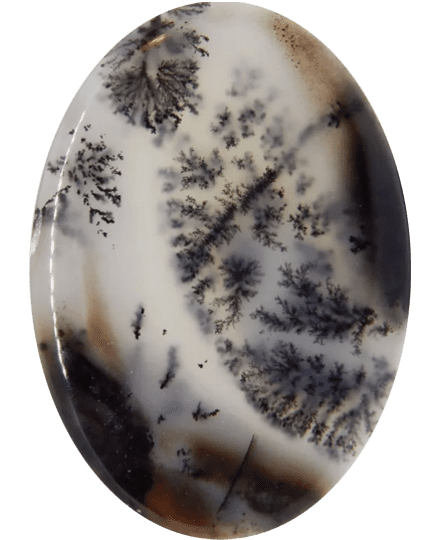
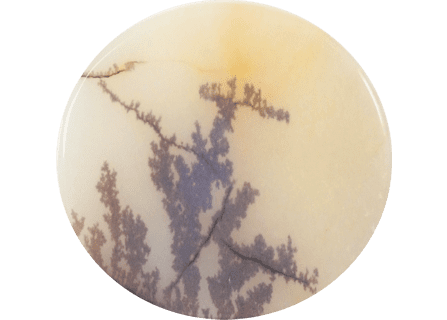
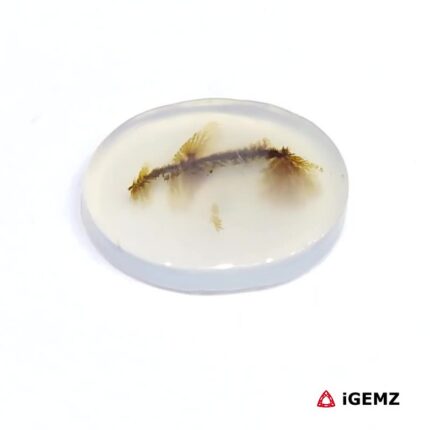
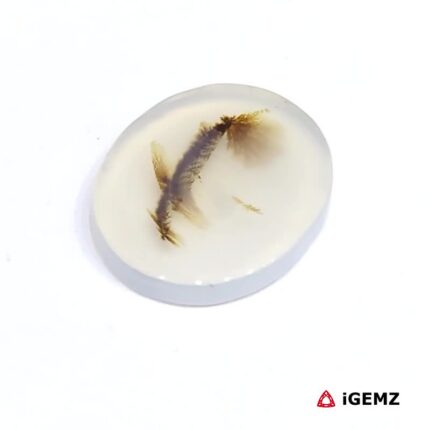
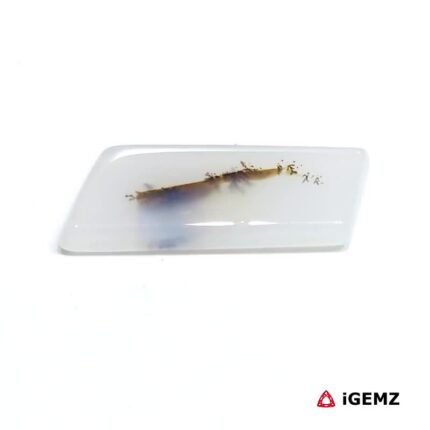
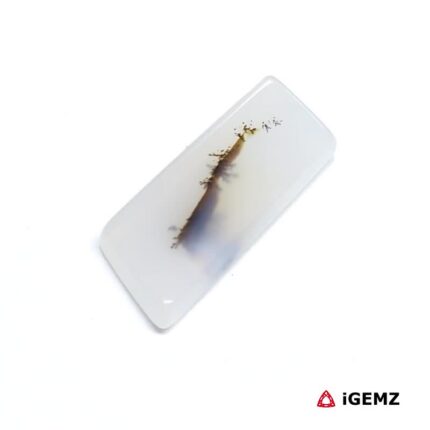
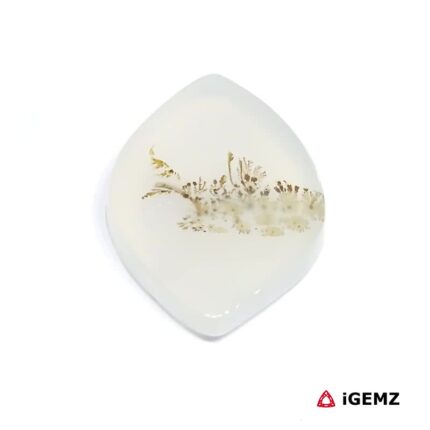
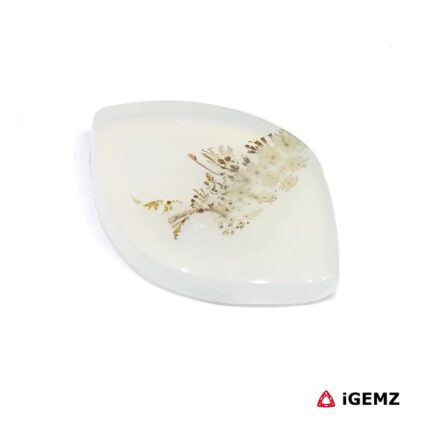
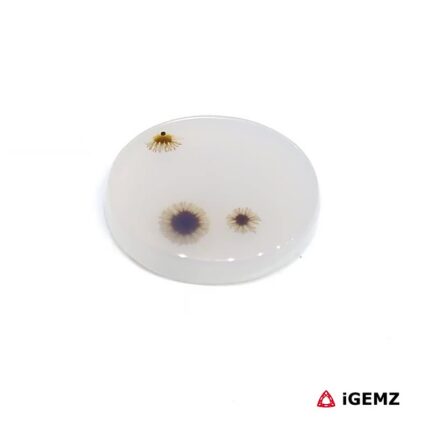
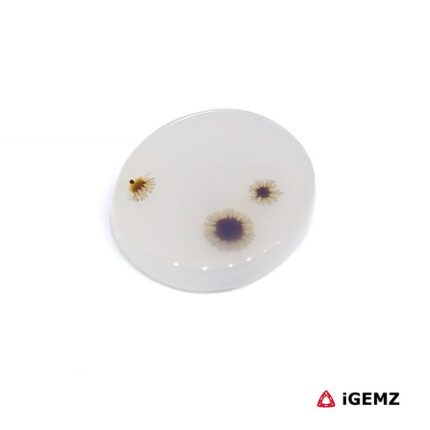
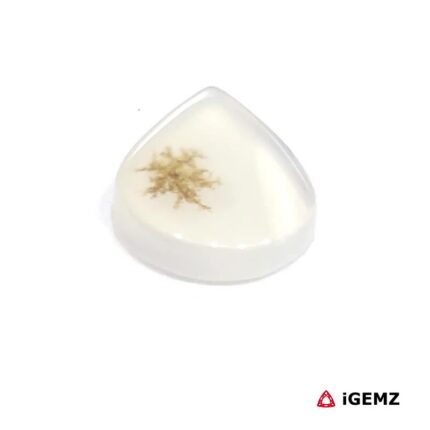
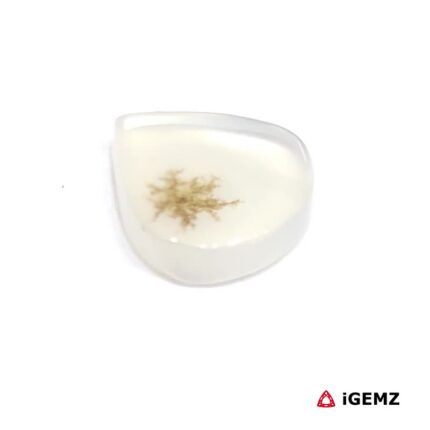
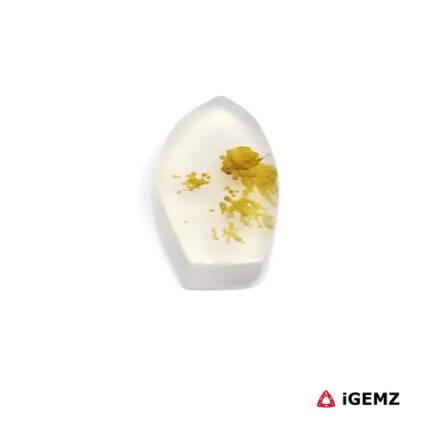
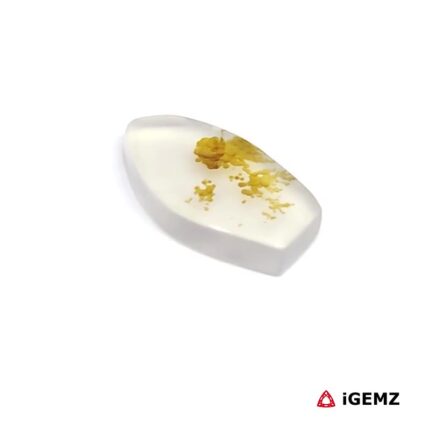
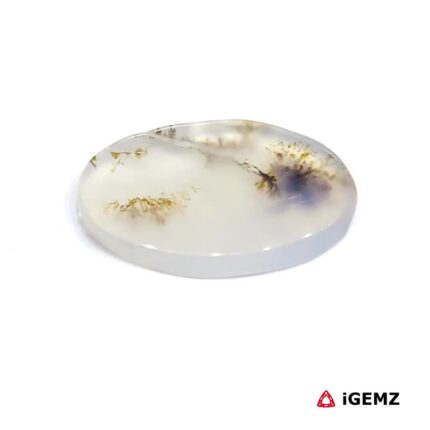
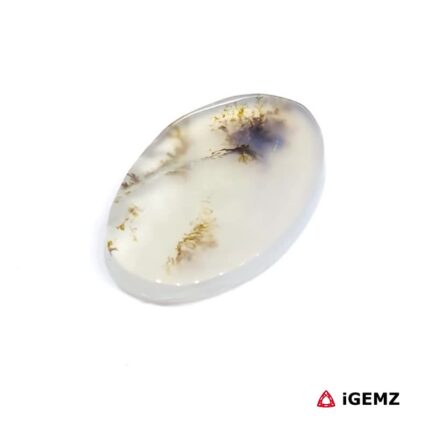
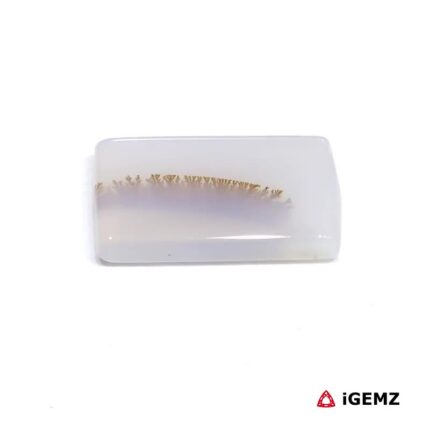
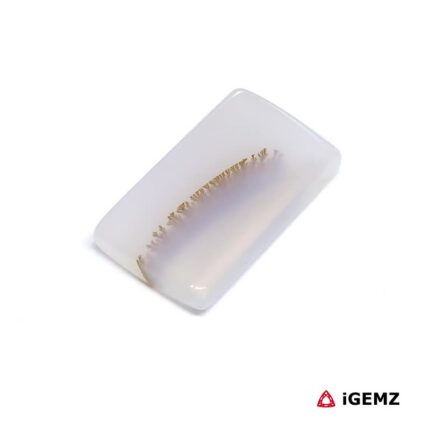
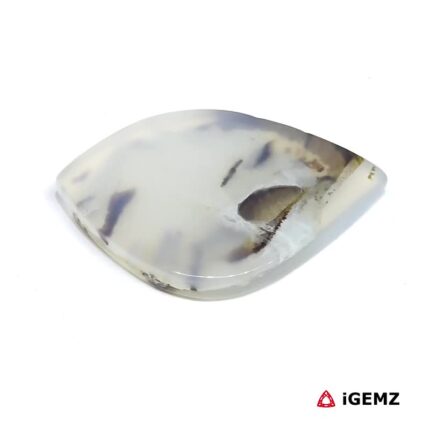
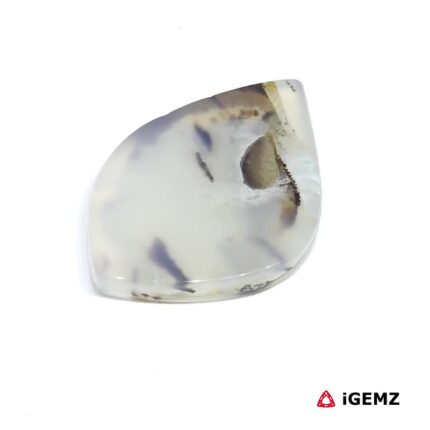
Dendritic agate occurs in shades of: Milky white, Light grey, Transparent to translucent base with dark dendritic patterns (typically brown, black or greenish). The most valued stones display a translucent base with sharp, aesthetically pleasing dendritic formations.

Chemical Formula
Dendritic agate has the SiO₂ chemical formula, a variety of chalcedony (microcrystalline quartz). Trace minerals contribute to the formation of dendritic inclusions.

Composition
Silicon & Oxygen – dendritic inclusions primarily composed of manganese or iron oxides.

Refractive Index
1.530 – 1.540, giving subtle internal sparkle and gentle light reflection.

Lustre
Vitreous to waxy, providing soft sheen and translucency.

Moh's Hardness & Durability
Dendritic agate has a Mohs hardness of 6.5 – 7. With moderate toughness, it is suitable for rings, pendants and earrings, though care is advised to avoid sharp impacts that could chip the stone.

Crystal System
Traces of microcrystalline quartz arranged in a cryptocrystalline structure; forms rounded or irregular masses rather than defined crystals.

Transparency
Translucent to opaque, with clarity varying depending on base colour and density of dendritic patterns.

Mineral Family
Dendritic agate belongs to the chalcedony (quartz) mineral family.

Specific Gravity
2.58 – 2.64, consistent with quartz varieties.
Origin, Treatment & Care
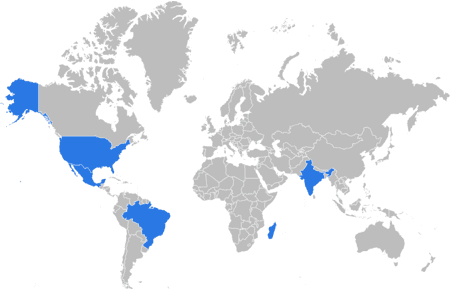
Dendritic agate is a naturally occurring variety of chalcedony characterised by unique fern-like inclusions. Understanding origin and treatment is essential when assessing quality, as untreated stones are most prized. With proper care, dendritic agate is durable and suitable for everyday jewellery.

Major Origins
Major sources of dendritic agate include India, Brazil, Madagascar, Mexico and the United States. Each region produces distinctive patterns and colour variations.

Treatments
Dendritic agate is typically untreated. Heat treatments or dyes are rare and generally lower the value. The natural contrast and pattern define its appeal.

Care and Cleaning
Avoid ultrasonic cleaners and harsh chemicals. Clean gently with warm water, mild soap, and a soft cloth or brush. Store separately to prevent scratches from harder stones.
How Dendritic Agate Quality & Value Are Determined
Dendritic agate value is influenced by pattern, colour, translucency, cut and size. Unlike other gemstones, the beauty of dendritic agate is defined largely by its unique natural dendritic formations.
Pattern
The dendritic inclusions are the defining feature. High-quality stones display:
- Clear, distinct dendritic formations resembling ferns or trees
- Evenly distributed patterns across the stone
- High visual contrast between inclusions and base colour
- Aesthetic appeal and balance in design
Stones with sparse, faint or unattractive patterns are less desirable.
Clarity
A translucent to semi-transparent base colour with pleasing contrast to dendritic formations enhances value. Preferred colours are milky white, soft grey or light beige.
Cut
Cut should showcase the dendritic pattern. Cabochon cuts are the most common and preferred, enhancing the natural artistry of the stone. Symmetry, polish, and smooth surfaces are key for visual appeal.
Carat Weight
Size can influence value, especially for well-patterned stones. Larger, aesthetically balanced pieces with prominent dendritic formations are rarer and more desirable.
The Balance of the Four Factors
Premium dendritic agate displays:
- Distinctive and balanced dendritic patterns
- Translucent or semi-transparent base
- Smooth, well-polished cabochon cut
- Proportional size to highlight the natural design
When these qualities align, dendritic agate becomes a unique and visually captivating gemstone, ideal for collectors and jewellery designers alike.
International Pricing Trends – per carat
Dendritic agate is more affordable than precious gemstones but highly prized for its natural patterns. Prices vary based on pattern quality, colour, size and transparency.
Estimated Average International Dendritic Agate Prices (Good Quality) – Per Carat
| Weight | ZAR | USD | EUR | JPY | GBP | AUD | CAD | CHF | CNY | HKD | NZD | Market Signal |
|---|---|---|---|---|---|---|---|---|---|---|---|---|
| Under 5 carats | Small beads & cabochons | |||||||||||
| 5 - 10 carats | Medium size pieces | |||||||||||
| 10 - 20 carats | Large, high-contrast patterns | |||||||||||
| +20 carats | Rare and highly decorative |
Frequently Asked Questions
What is dendritic agate?
Dendritic agate is a variety of chalcedony (quartz) with fern-like or tree-like inclusions of manganese or iron oxides.
Are dendritic patterns natural?
Yes. Each stone has unique dendritic inclusions formed naturally over millions of years.
Is dendritic agate durable?
Yes, it has a Mohs hardness of 6.5–7, making it suitable for jewellery, though care is needed to prevent chipping.
Are dendritic agates treated or enhanced?
Most dendritic agates are completely natural and untreated. Treatments are rare and typically reduce value.
Which country produces the best dendritic agate?
India, Brazil, Madagascar, Mexico and the United States are known for high-quality, well-patterned stones.
How should I care for dendritic agate jewellery?
Clean gently with warm water and mild soap. Avoid ultrasonic cleaners, harsh chemicals, and store separately from harder stones.

Buy With Confidence
Professionally inspected gemstones
Full transparency on treatments
Worldwide shipping
Secure checkout
Ready to own the beauty of
DENDRITIC AGATE?
With its one-of-a-kind natural patterns and soothing earthy tones, dendritic agate offers elegance and uniqueness. Ideal for cabochons, pendants and artisanal jewellery, it brings both aesthetic appeal and spiritual symbolism into your collection. Combining artistry, durability and individuality, dendritic agate is a gemstone that celebrates nature’s creativity.
Unique Patterns
Earthy Harmony
Grounding Energy
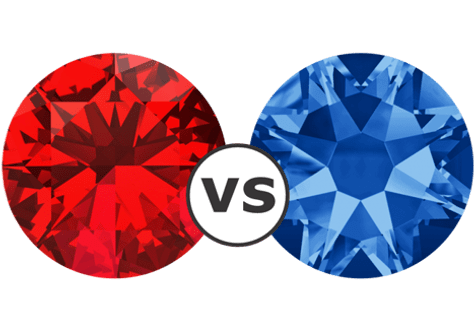
COMPARE GEMSTONES WITH CONFIDENCE
Gemstone Comparison Guides
Choosing between two beautiful gemstones can be challenging. Our professional Gemstone Comparison Guides help you clearly understand the differences between popular gemstones so you can make a confident and informed choice.
Each comparison explores the key factors that influence gemstone quality and value, including colour, clarity, durability, rarity and typical treatments. You will also learn how similar-looking gemstones differ in appearance, composition, hardness and more.
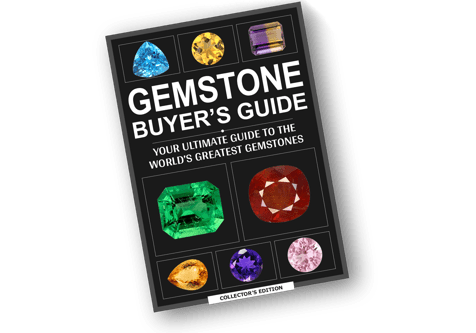
HERE IS ALL THE PROFESSIONAL INFORMATION YOU NEED
Gemstone Buyer's Guides
Buying a gemstone should be exciting — but understanding quality, rarity and value is essential before making the right choice. Our professional Gemstone Buyer’s Guides help you understand how colour, clarity, cut and treatments influence the beauty and value of different gemstones.
Each guide explains the key quality factors used by gemologists, including gemstone composition, colour grading, natural inclusions, treatments and origin. You will also learn how these factors affect rarity, durability and market value.
Beryl Family
Feldspar Gemstones
Pyroxene Gemstones
Spodumene Family
Chalcedony & Agate
Quartz Gemstones
Amethyst
Ametrine
Citrine
Prasiolite
Quartz
Rose Quartz
Rutile Quartz
Smoky Quartz
Rare & Collector Gemstones
Apatite
Chrysoberyl
Clinozoisite
Fluorite
Grandidierite
Iolite
Jade
Kyanite
Lapis Lazuli
Phosphosiderite
Prehnite
Serendibite
Sillimanite
Sphene
Sugilite
Vesuvianite