

 1st - Gold

 January
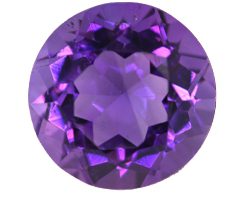 February
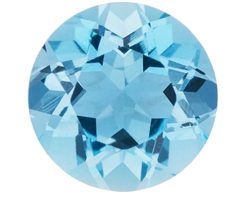 March
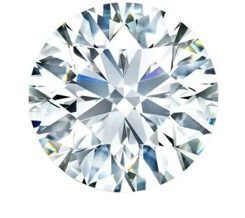 April
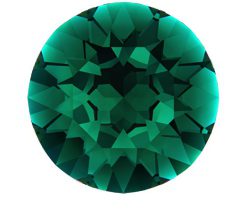 May
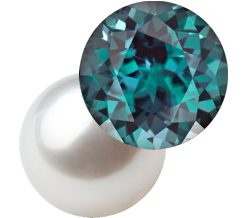 June
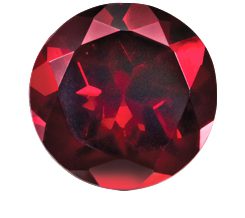 July
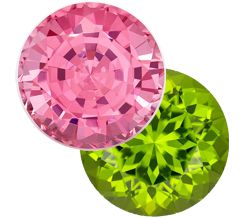 August
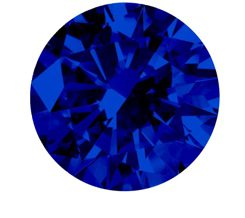 September
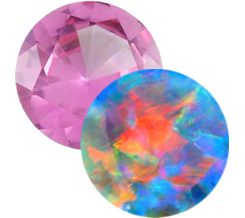 October
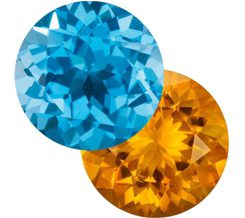 November
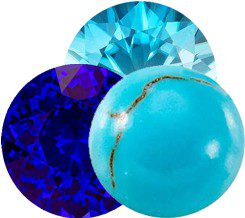 December

 Capricorn - Garnet
 Aquarius - Amethyst
 Pisces - Aquamarine
 Aries - Diamond
 Taurus - Emerald
 Gemini - Pearl
 Cancer - Ruby
 Leo - Peridot
 Virgo - Blue Sapphire
 Libra - Opal
 Scorpio - Topaz
 Sagittarius - Tanzanite


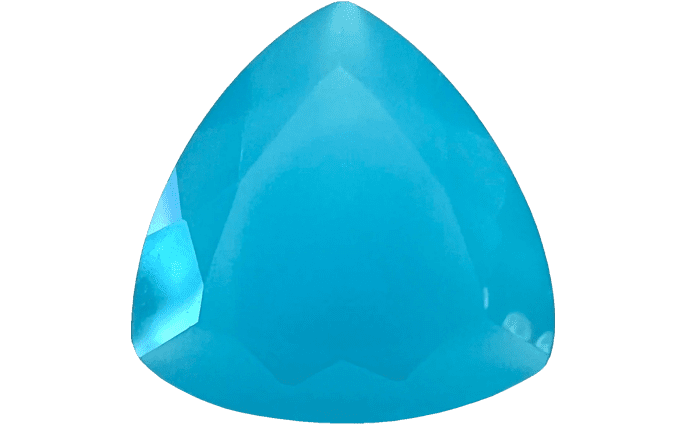
Chalcedony
Buyer’s Guide
Quality, Composition, Colour & Value Explained
Discover how colour, clarity, treatments and cut influence chalcedony value, and learn what truly determines quality before choosing your ideal gemstone.
A complete professional Chalcedony Buyer’s Guide guide to understanding this gemstone’s quality, origin, treatments and value factors before purchasing.
History, Symbolism & Meaning of Chalcedony
Origins and Historical Use

Chalcedony has been cherished for millennia across many ancient civilisations. Egyptians, Greeks, and Romans used chalcedony for seals, amulets, and carved ornaments. Its smooth texture and subtle translucency made it ideal for intricate carvings and ceremonial objects.
The name chalcedony is derived from the ancient town of Chalcedon in Asia Minor, where the stone was historically traded. Throughout history, it has been associated with harmony, protection, and eloquence.
Ancient Beliefs and Spiritual Energy
Chalcedony has long been valued for its calming and balancing energy. In antiquity, it was believed to foster emotional stability, enhance communication, and protect against negative influences.
Spiritual traditions connect chalcedony to the throat chakra, promoting clarity in speech, confidence in expression, and gentle healing of emotional wounds. It is also thought to encourage goodwill, generosity, and harmonious relationships.
Modern Symbolism and Collectibility
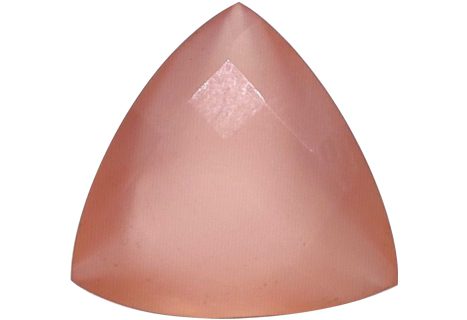
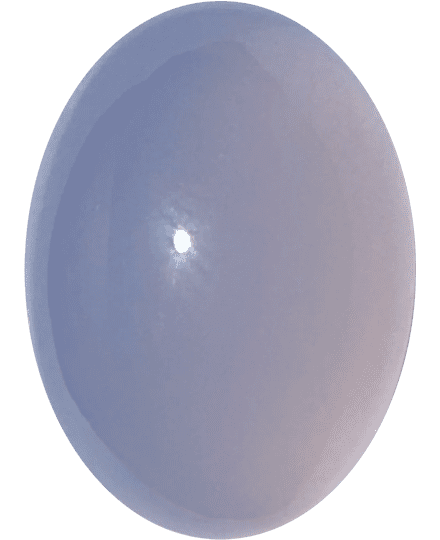
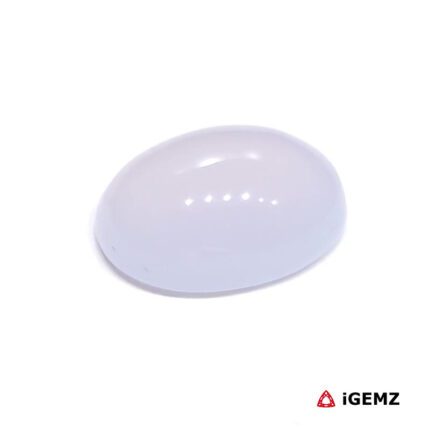
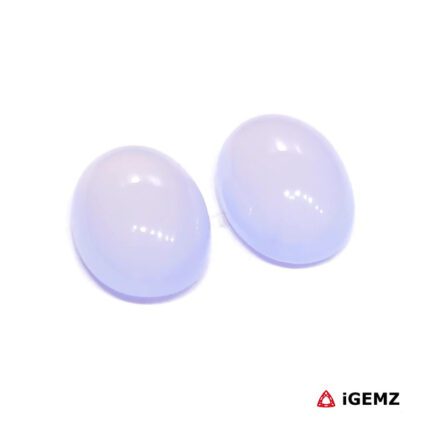
Todaychalcedony is prized for its soft, elegant hues and smooth translucency. Collectors appreciate its versatility, with colours ranging from pale blue to grey, lavender, pink and white.
It is also considered a nurturing stone, often used in meditation or jewellery intended to support calmness, serenity, and emotional balance. High-quality chalcedony continues to be valued for both its aesthetic appeal and metaphysical properties.
Physical & Optical Properties
EXPLORE CHALCEDONY’S HARDNESS, LUSTRE, TRANSPARENCY, REFRACTIVE INDEX AND SPECIFIC GRAVITY.
Understanding the gemological properties of chalcedony helps assess durability, visual appeal, and suitability for everyday wear.

Colour Range
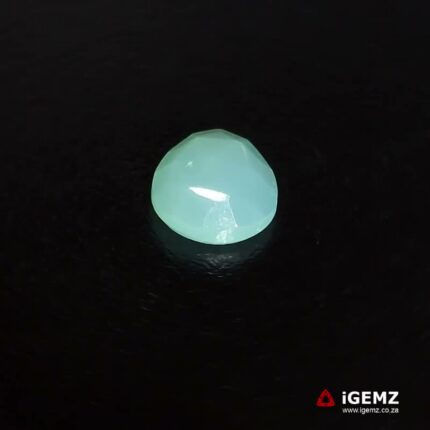
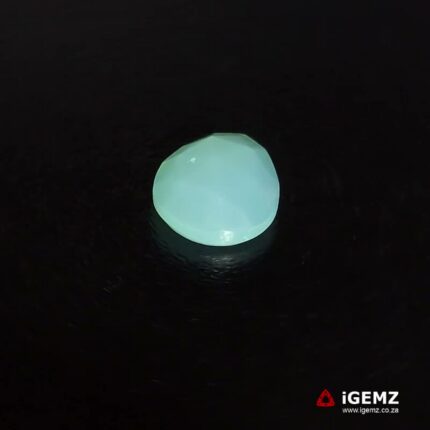
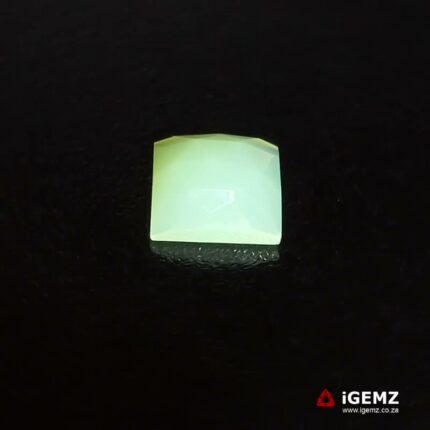
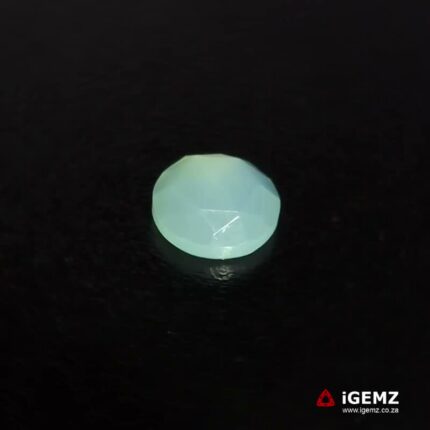
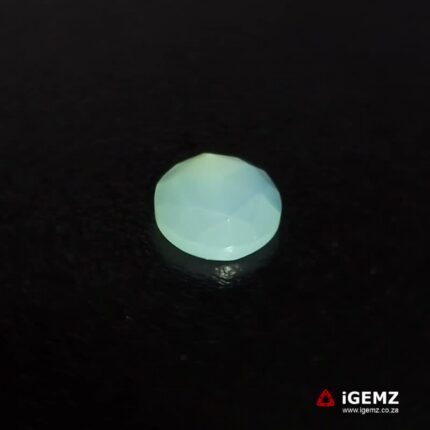
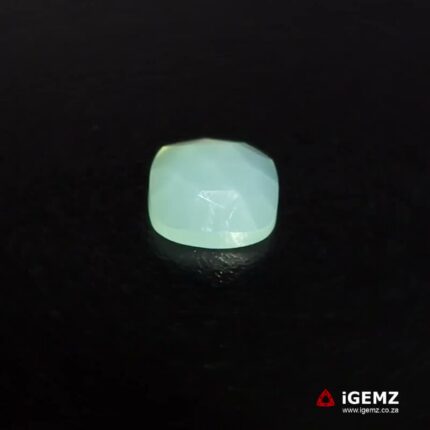
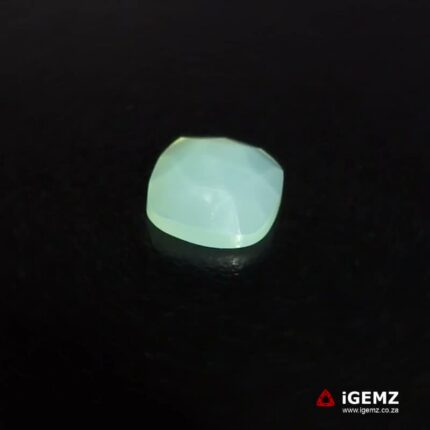
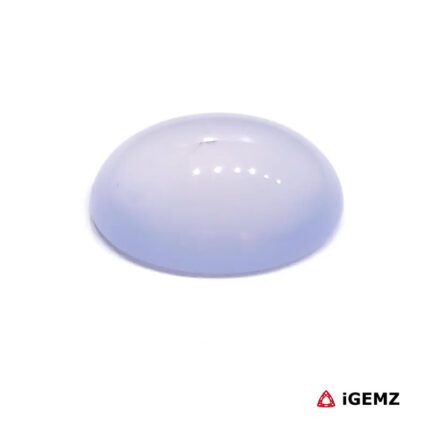
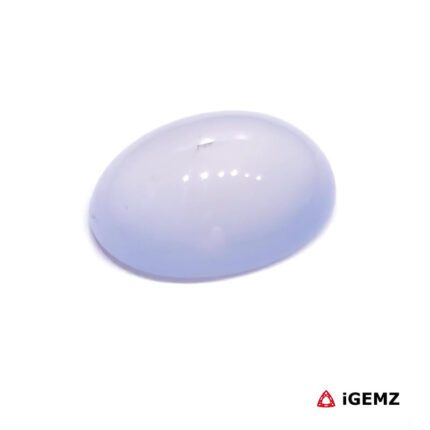
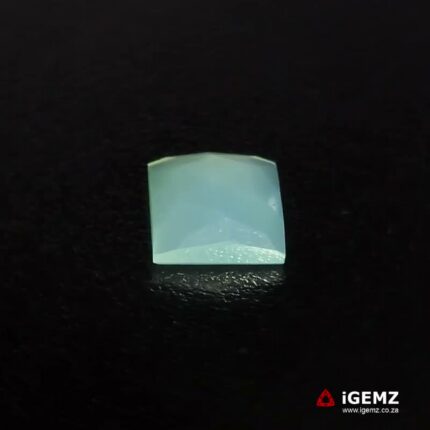
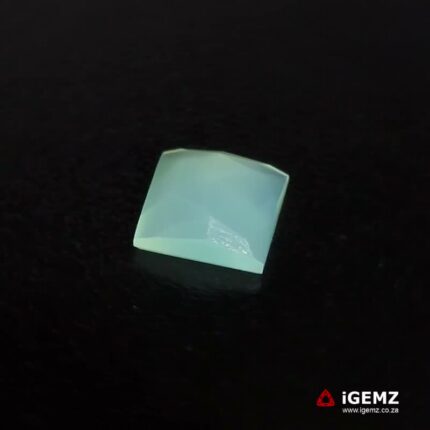
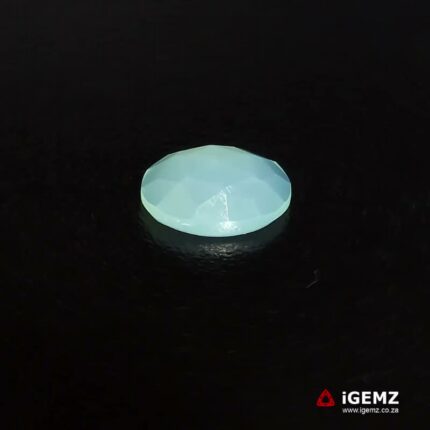
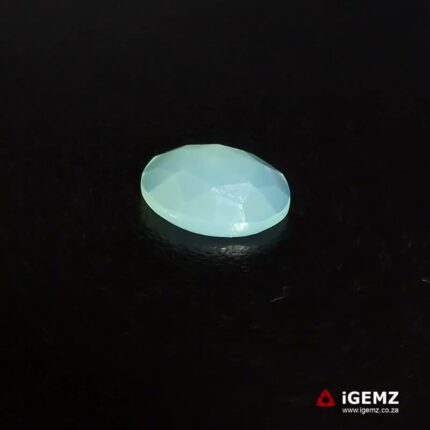
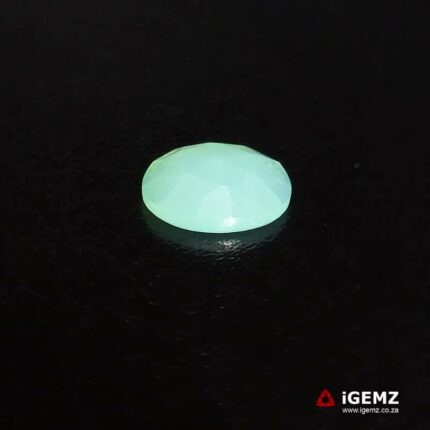
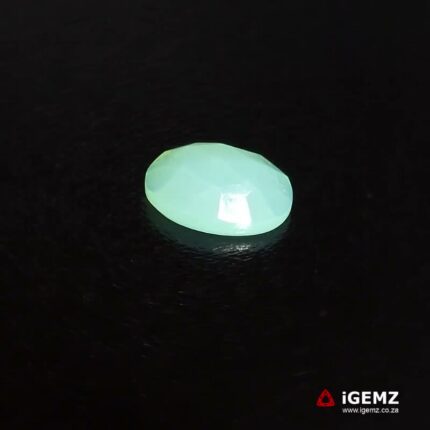
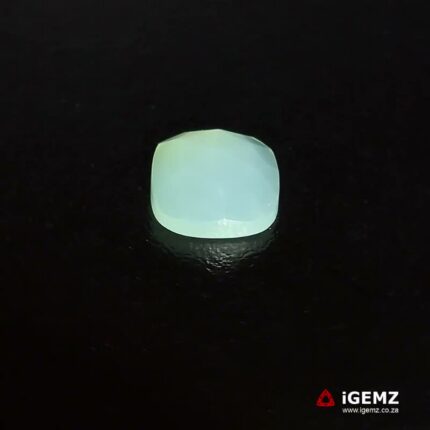
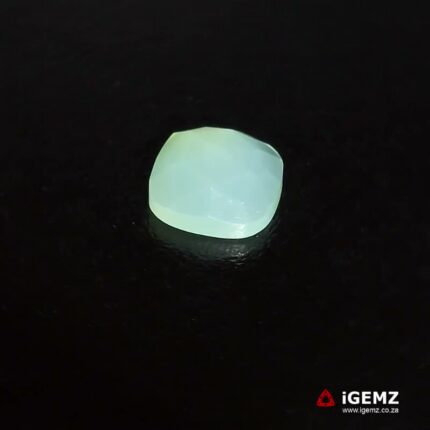
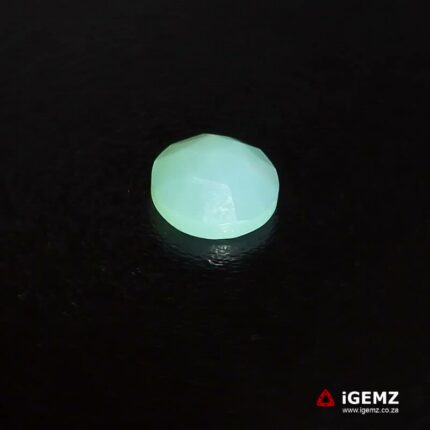
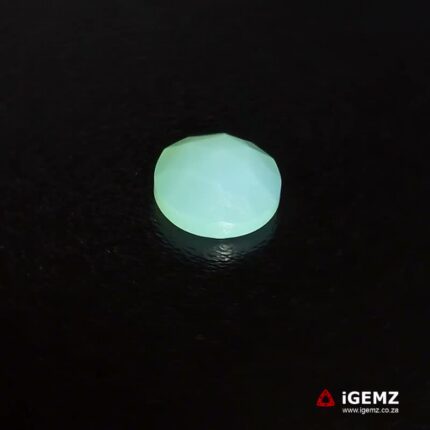
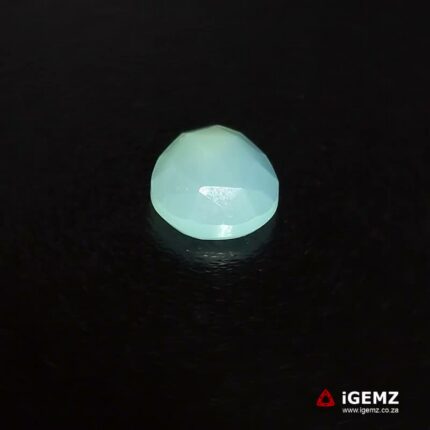
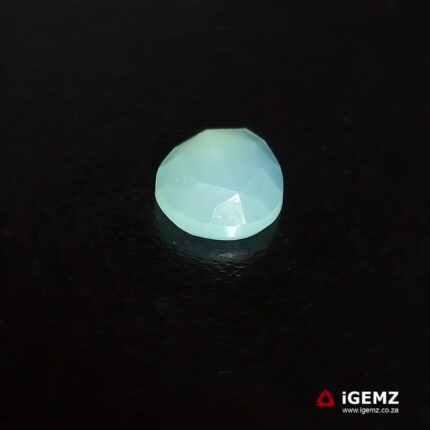
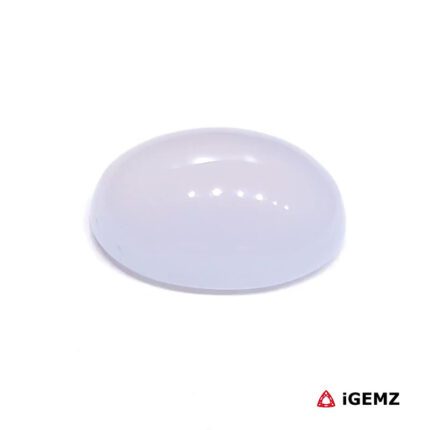
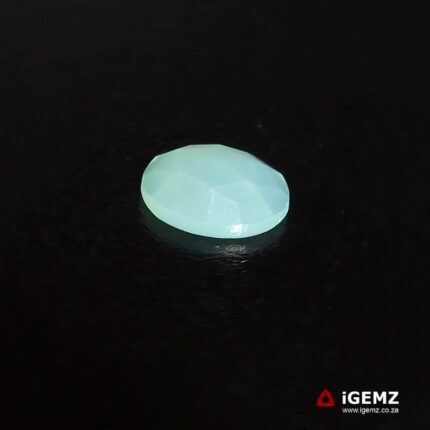
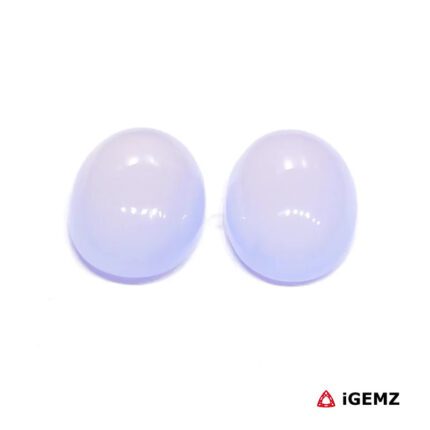
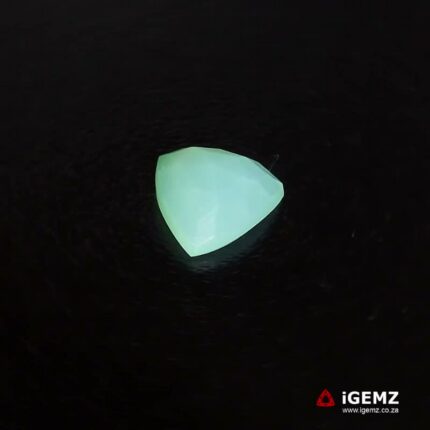
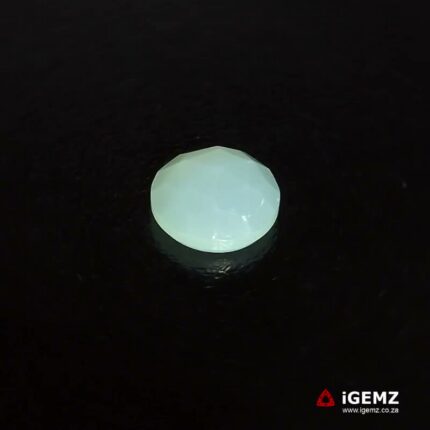
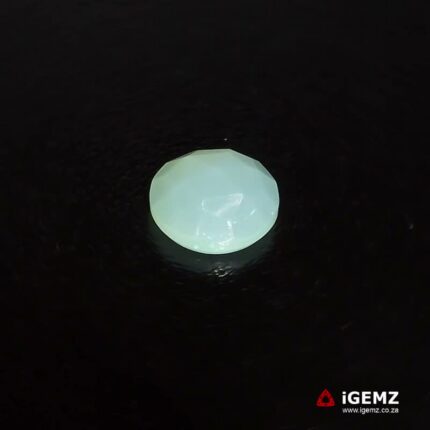
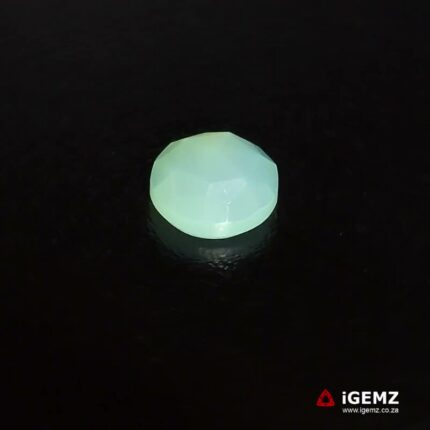
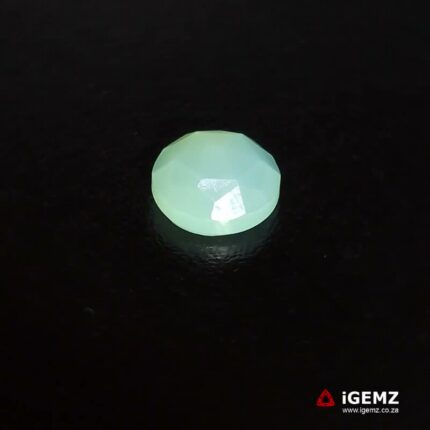
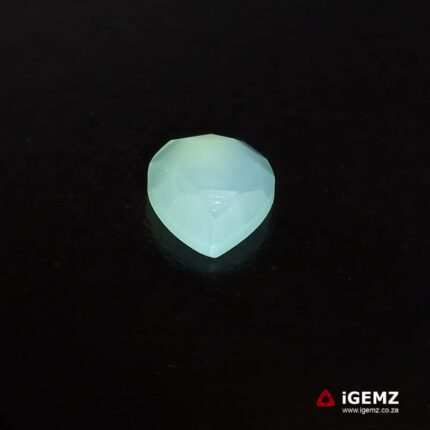
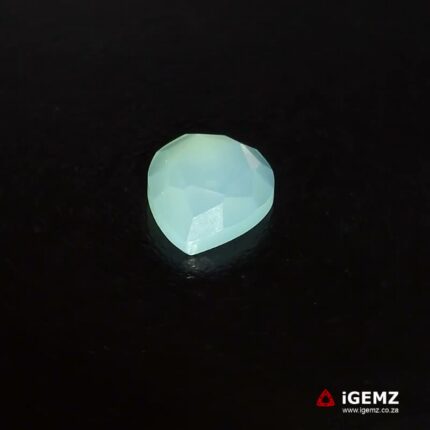
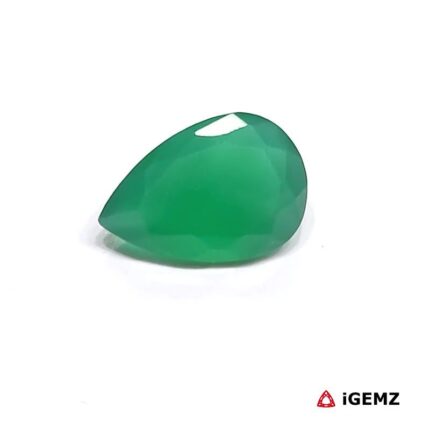
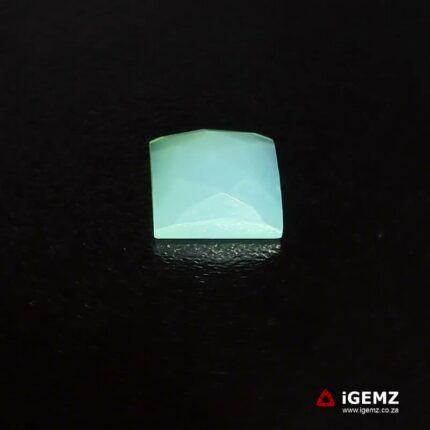
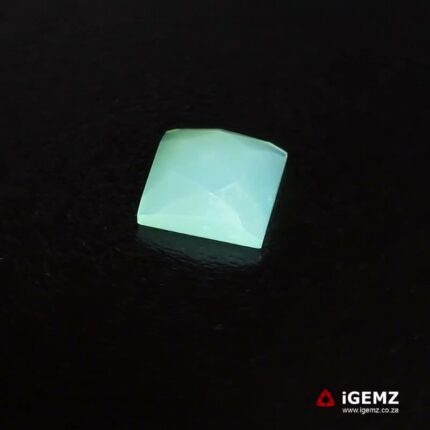
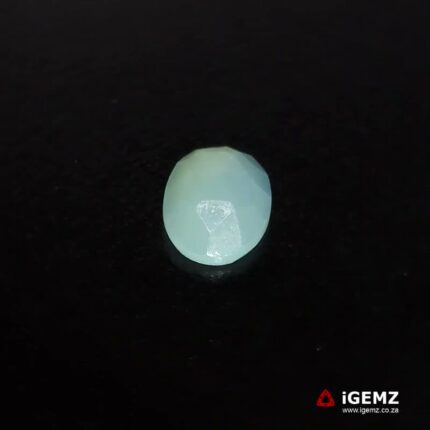
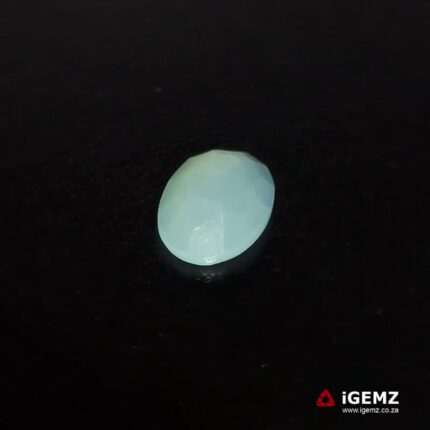
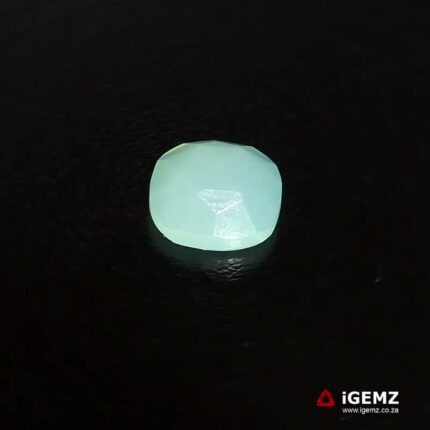
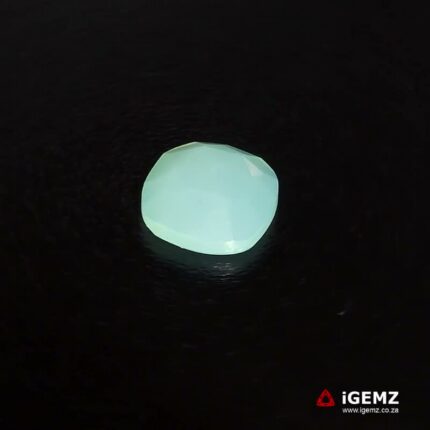
Chalcedony occurs in shades of: Pale blue, Lavender, Soft grey, White, Pink. The most desirable stones display even, uniform colour with minimal banding or cloudy areas.

Chemical Formula
Chalcedony has the SiO₂ chemical formula and is composed primarily of silicon and oxygen. Trace elements may influence subtle colour variations.

Composition
Silicon & Oxygen – trace elements influence hue and translucency.

Refractive Index
1.530 – 1.540, producing gentle brilliance and a soft glow.

Lustre
Waxy to vitreous, giving chalcedony its characteristic smooth, subtle sheen.

Moh's Hardness & Durability
Chalcedony has a Mohs hardness of 6.5 – 7, making it durable enough for rings, pendants, and earrings with reasonable care. It can chip if struck sharply, so protective settings are recommended for high-wear jewellery.

Crystal System
Its crystal system is trigonal (microcrystalline quartz), forming compact masses of tiny interlocking crystals rather than large prismatic crystals.

Transparency
Translucent to opaque, with gem-quality stones often showing a soft, glowing translucency.

Mineral Family
Chalcedony belongs to the quartz (silicate) mineral family.

Specific Gravity
2.59 – 2.61, typical for quartz-based gemstones.
Origin, Treatment & Care
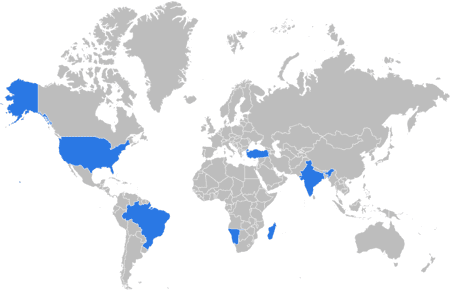
Chalcedony occurs naturally worldwide, often in volcanic or sedimentary rocks. While generally untreated, some stones may be dyed to enhance colour. Proper care, including gentle cleaning and avoiding sharp impacts, helps preserve chalcedony’s smooth surface and subtle glow.

Major Origins
Key sources include Brazil, India, Madagascar, Turkey, and the United States (notably Oregon and California). Each origin may produce unique colour variations, but all high-quality chalcedony is valued for uniformity and translucency.

Treatments
While natural chalcedony is widely available, some stones may undergo colour enhancement through dyeing. Untreated stones are typically preferred and more valuable, particularly those with even, soft colour and subtle translucency.

Care and Cleaning
Avoid harsh chemicals, ultrasonic cleaning, and sudden temperature changes. Clean chalcedony gently with warm water, mild soap, and a soft cloth or brush. Store separately from harder gemstones to prevent scratches.
How Chalcedony Quality & Value Are Determined
Understanding how chalcedony is graded helps buyers confidently compare gemstones and assess value. Like other fine quartz varieties, four main factors influence value: colour, clarity, cut, and carat weight. When these factors harmonise, the result is a gemstone with appealing aesthetics and lasting desirability.
Colour
Colour is the most significant factor in determining chalcedony value. The most desirable stones display:
- Even, soft colour without blotches or uneven zones
- Subtle saturation that enhances translucency
- Smooth, soothing tones such as pale blue, lavender, or soft grey
Stones that are unevenly coloured or heavily banded are less desirable. Premium chalcedony exhibits a calm, uniform appearance with gentle internal glow.
Clarity
Chalcedony is typically translucent to opaque. High-quality stones show:
- Even internal texture
- Minimal cloudiness or internal flaws
- No cracks or surface-reaching fractures
The smooth, microcrystalline structure often hides minor inclusions, but visible cracks or pits can reduce both aesthetic appeal and durability.
Cut
Cut influences the stone’s visual appeal and wearability. Important cut considerations include:
- Symmetry and proportion in cabochons or beads
- Smooth polishing for even lustre
- Rounded or domed shapes to maximise internal glow
Chalcedony is often cut as cabochons, beads, or simple shapes to emphasise its soft translucency rather than faceted brilliance.
Carat Weight
Larger chalcedony stones are more visually impressive but size alone does not guarantee higher value. Even colour, translucency, and craftsmanship are key.
Medium-to-large cabochons with uniform colour and fine polish typically command the highest prices.
The Balance of the Four Factors
True value is achieved when colour, clarity, cut, and carat weight work together.
A premium chalcedony gemstone should display:
- Even, calming colour
- Smooth, polished surface
- Balanced size and shape
- Consistent translucency enhancing internal glow
When these factors align, chalcedony becomes a gemstone of subtle elegance and lasting appeal.
International Pricing Trends – per carat
Chalcedony is generally more affordable than precious gemstones, making it popular for both fine and fashion jewellery. Prices rise with size, uniformity of colour, and quality of polish. The table below reflects typical international pricing ranges for good-quality chalcedony.
Estimated Average International Chalcedony Prices (Good Quality) – Per Carat
| Weight | ZAR | USD | EUR | JPY | GBP | AUD | CAD | CHF | CNY | HKD | NZD | Market Signal |
|---|---|---|---|---|---|---|---|---|---|---|---|---|
| Under 5 carats | Size is widely available | |||||||||||
| 5 - 10 carats | Increasingly popular | |||||||||||
| 10 - 20 carats | More desireable | |||||||||||
| +20 carats | Command premium prices |

Frequently Asked Questions
Is chalcedony a rare gemstone?
Chalcedony is relatively common compared to precious gemstones, but fine-quality, evenly coloured stones are more valued.
What colours does chalcedony come in?
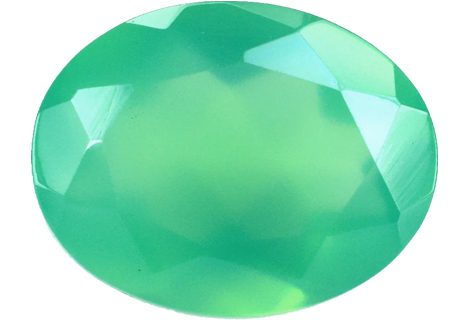
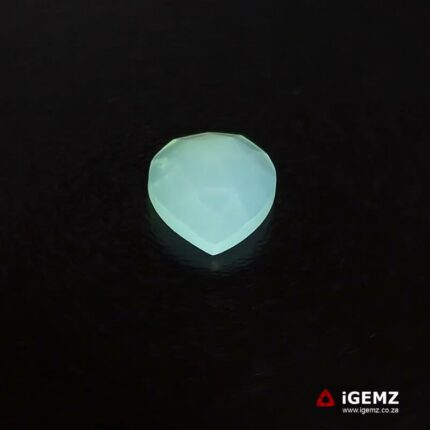
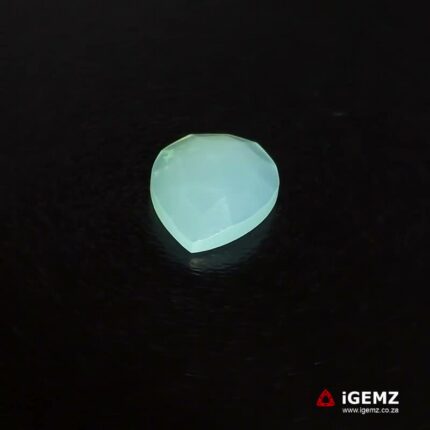
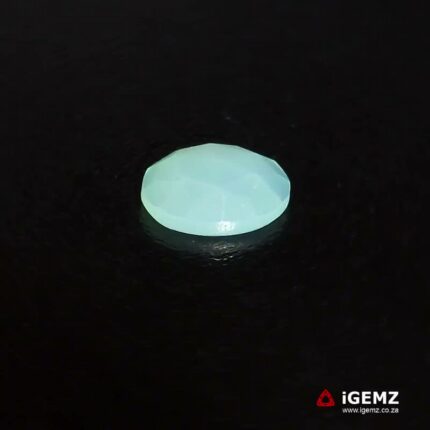
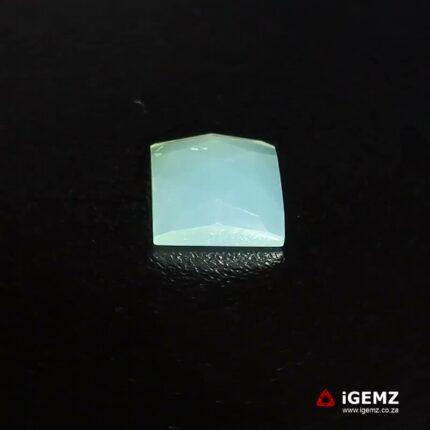
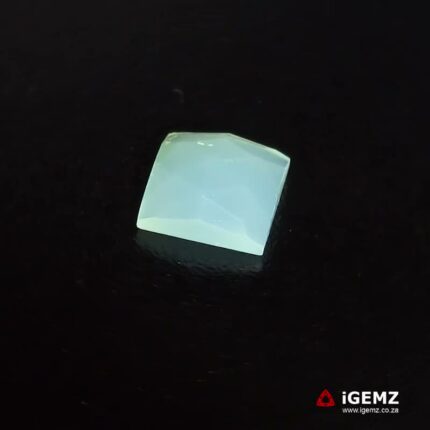
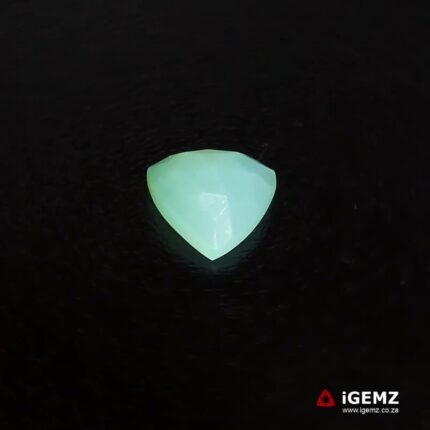
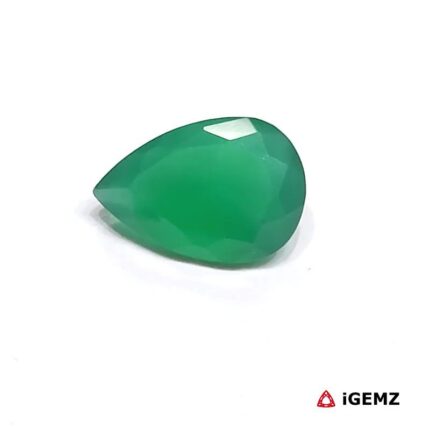
Chalcedony occurs in pale blue, lavender, grey, white, pink, and sometimes soft green shades, often with subtle translucency.
Is chalcedony treated?
Some chalcedony is dyed to enhance colour, though natural, untreated stones are preferred and more valuable.
Can chalcedony be worn daily?
Yes, but care is needed. Avoid sharp impacts and harsh chemicals to preserve polish and prevent chipping.
What determines the value of chalcedony?
Colour uniformity, smooth polish, translucency, size, and absence of surface defects are the key value factors.
What determines the value of a carnelian stone?
Colour, translucency, cut, and size are the primary factors influencing carnelian value, with colour being the most critical.

Buy With Confidence
Professionally inspected gemstones
Full transparency on treatments
Worldwide shipping
Secure checkout
Ready to own the beauty of
CHALCEDONY?
Now that you understand the history, symbolism and quality factors behind chalcedony, it is time to explore this gemstone in your own collection. Celebrated for its soft colours, smooth texture, and gentle glow, chalcedony offers understated elegance and versatility. Ideal for cabochons, beads, and bespoke jewellery, chalcedony combines subtle beauty with affordability, making it a sophisticated choice for collectors and enthusiasts alike.
Calming Hues
Smooth Translucency
Timeless Elegance
COMPARE GEMSTONES WITH CONFIDENCE
Gemstone Comparison Guides
Choosing between two beautiful gemstones can be challenging. Our professional Gemstone Comparison Guides help you clearly understand the differences between popular gemstones so you can make a confident and informed choice.
Each comparison explores the key factors that influence gemstone quality and value, including colour, clarity, durability, rarity and typical treatments. You will also learn how similar-looking gemstones differ in appearance, composition, hardness and more.
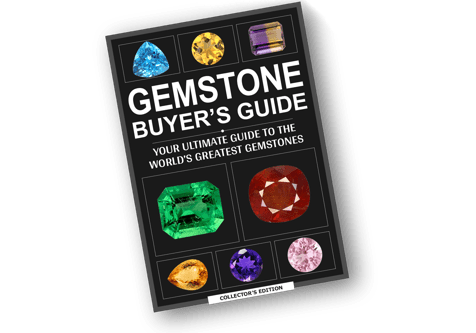
HERE IS ALL THE PROFESSIONAL INFORMATION YOU NEED
Gemstone Buyer's Guides
Buying a gemstone should be exciting — but understanding quality, rarity and value is essential before making the right choice. Our professional Gemstone Buyer’s Guides help you understand how colour, clarity, cut and treatments influence the beauty and value of different gemstones.
Each guide explains the key quality factors used by gemologists, including gemstone composition, colour grading, natural inclusions, treatments and origin. You will also learn how these factors affect rarity, durability and market value.
Beryl Family
Feldspar Gemstones
Pyroxene Gemstones
Spodumene Family
Chalcedony & Agate
Quartz Gemstones
Amethyst
Ametrine
Citrine
Prasiolite
Quartz
Rose Quartz
Rutile Quartz
Smoky Quartz
Rare & Collector Gemstones
Apatite
Chrysoberyl
Clinozoisite
Fluorite
Grandidierite
Iolite
Jade
Kyanite
Lapis Lazuli
Phosphosiderite
Prehnite
Serendibite
Sillimanite
Sphene
Sugilite
Vesuvianite