

 1st - Gold
 January
 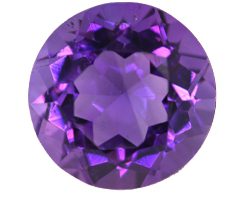 February
 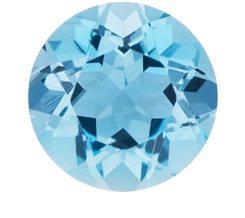 March
March 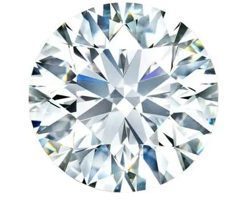 April
April 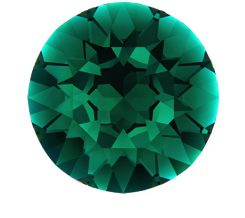 May
May 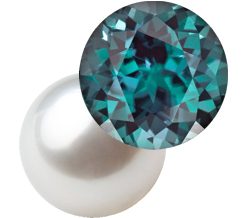 June
June 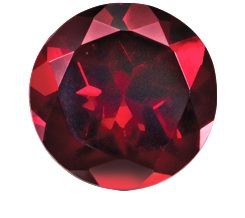 July
July 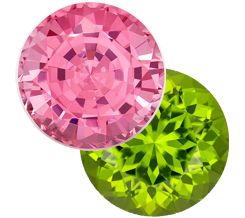 August
 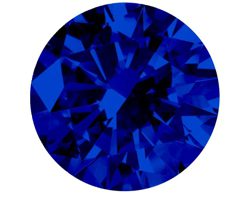 September
 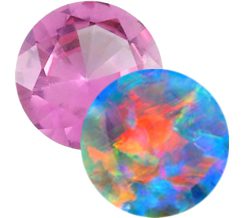 October
 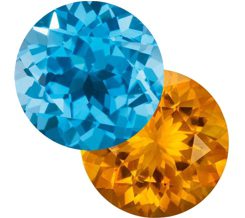 November
 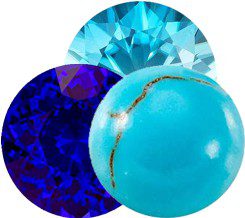 December
 Capricorn - Garnet
  Aquarius - Amethyst
  Pisces - Aquamarine
  Aries - Diamond
  Taurus - Emerald
  Gemini - Pearl
  Cancer - Ruby
  Leo - Peridot
  Virgo - Blue Sapphire
  Libra - Opal
  Scorpio - Topaz
  Sagittarius - Tanzanite
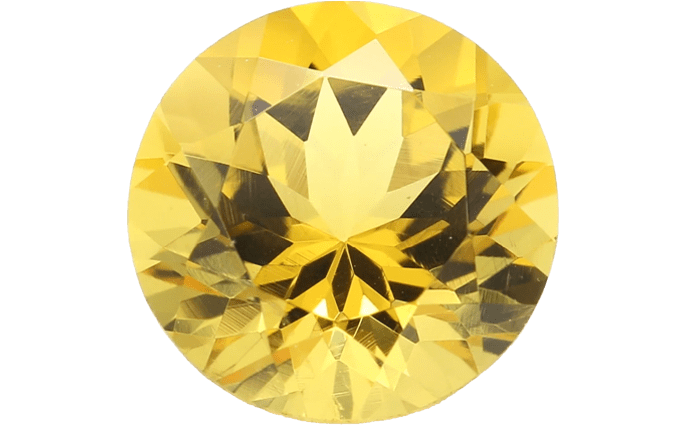
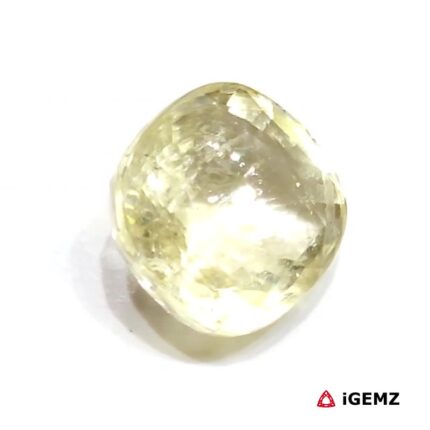
Heliodor
Buyer’s Guide
Quality, Composition, Colour & Value Explained
Discover how colour, clarity, treatments and cut influence heliodor value, and learn what truly determines quality before choosing your ideal golden gemstone.
A complete professional Heliodor Buyer’s Guide to understanding this gemstone’s quality, origin, treatments and value factors before purchasing.
History, Symbolism & Meaning of Heliodor
Origins and Historical Use

Heliodor, a golden-yellow variety of beryl, has been appreciated for centuries for its sunny brilliance and rarity. Its name derives from the Greek words helios (sun) and doron (gift), reflecting the gemstone’s warm, radiant colour. Ancient artisans and gem collectors valued heliodor as a symbol of sunlight, optimism, and vitality.
Although less historically renowned than emerald or aquamarine, heliodor has featured in European jewellery since the Renaissance, admired for its clarity, lustre, and unique golden hue.
Ancient Beliefs and Spiritual Energy

Heliodor was long believed to bring confidence, clarity of thought, and emotional balance to its wearer. It was considered a stone of vitality and creativity, encouraging joy, optimism, and focus. Historically, it was also thought to strengthen intellect and attract success in ventures.
Linked with the solar plexus chakra, heliodor is associated with personal power, energy, and mental clarity. Its warm colour is said to uplift the spirit and instil courage.
Modern Symbolism and Collectibility

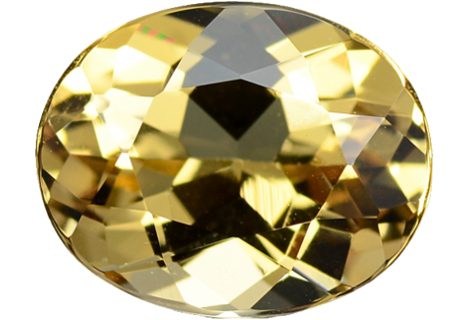
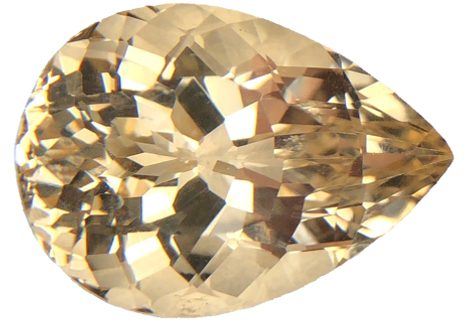
Today, heliodor is admired for its luminous yellow-gold colour and excellent transparency. Collectors prize high-quality heliodor for its rare combination of clarity, brilliance, and appealing tone.
It is also popular among gemstone enthusiasts for its metaphysical properties, including enhancing self-confidence, promoting decision-making, and encouraging positive energy. Heliodor’s subtle golden hue makes it a versatile choice for rings, pendants, and fine jewellery, while maintaining investment potential due to its rarity.
Physical & Optical Properties
Explore Heliodor’s Hardness, Lustre, Transparency, Refractive Index and Specific Gravity.
Understanding heliodor’s gemological properties helps assess durability, brilliance, and suitability for everyday wear.

Colour Range
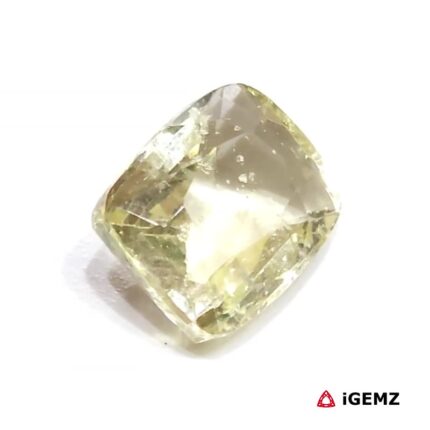
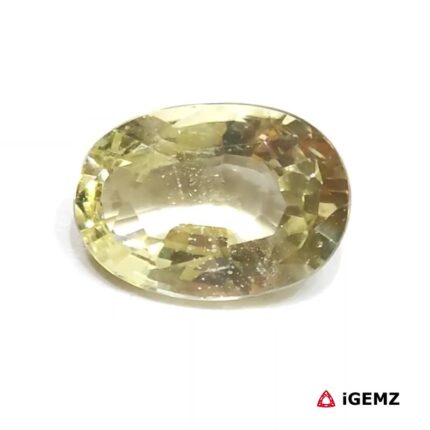
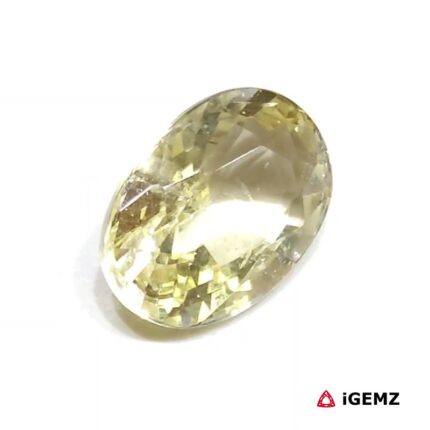
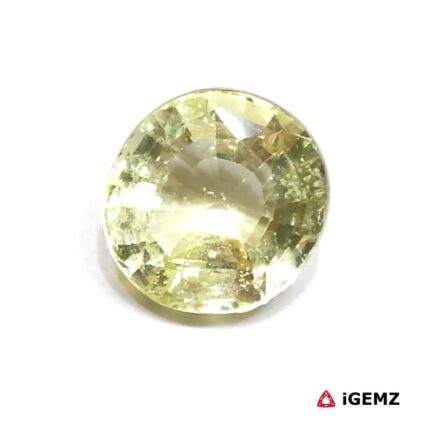
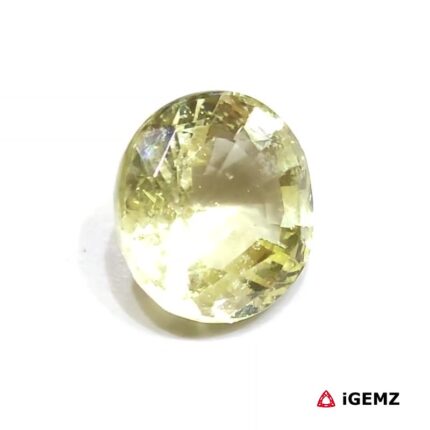
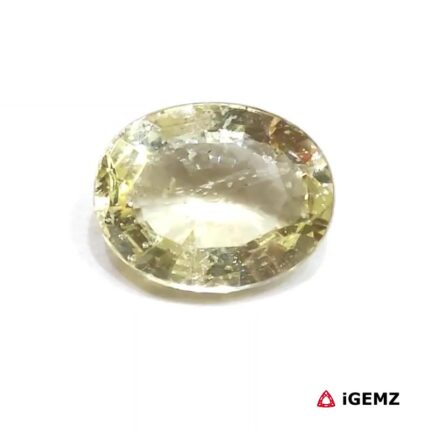
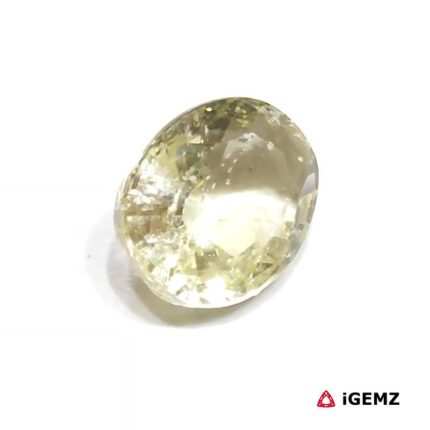
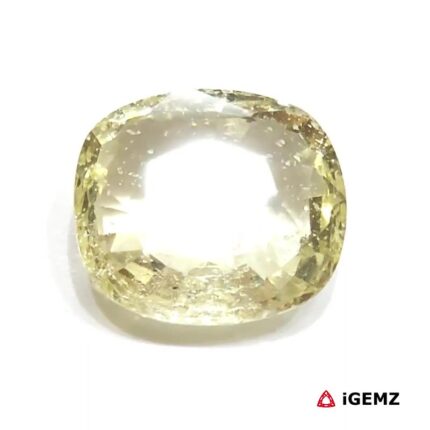
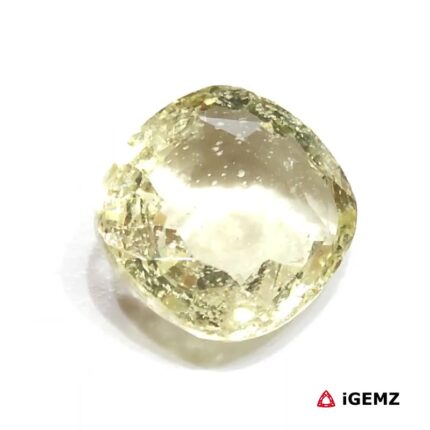
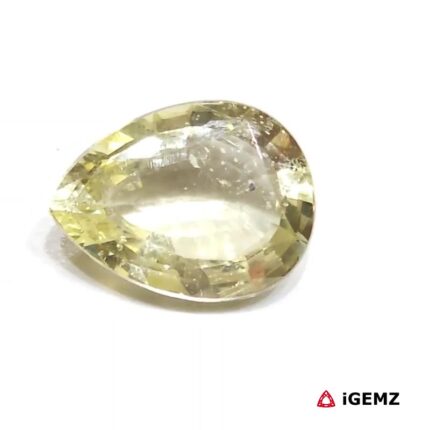
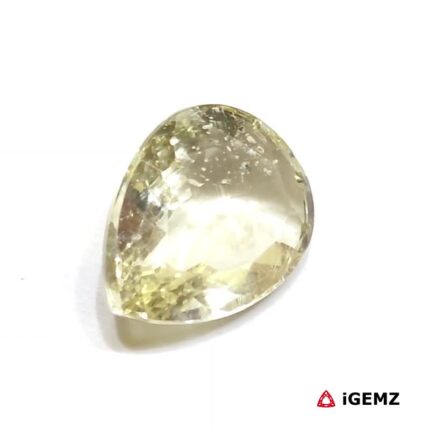
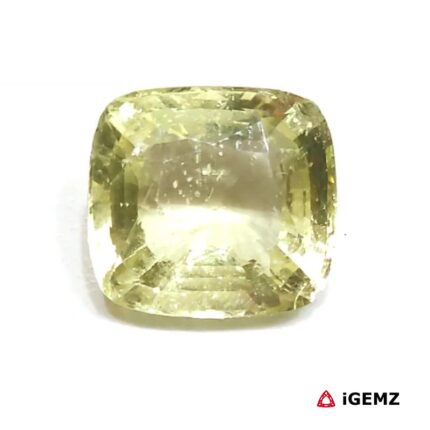
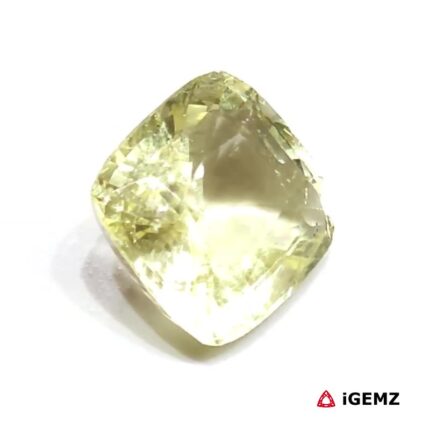
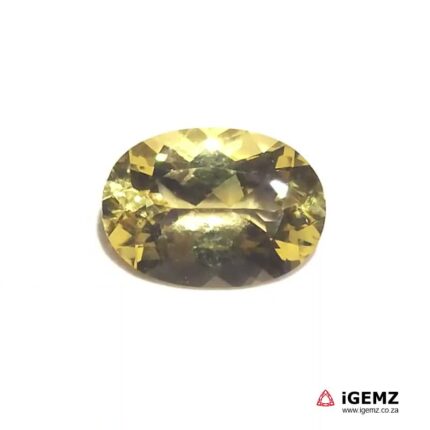
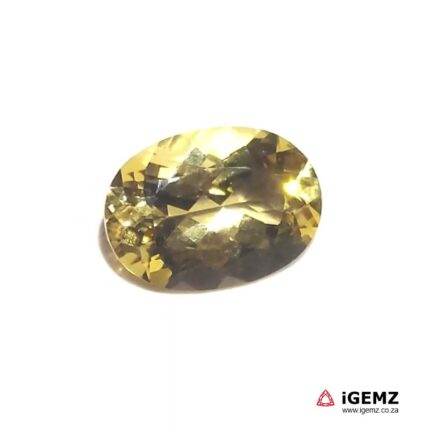
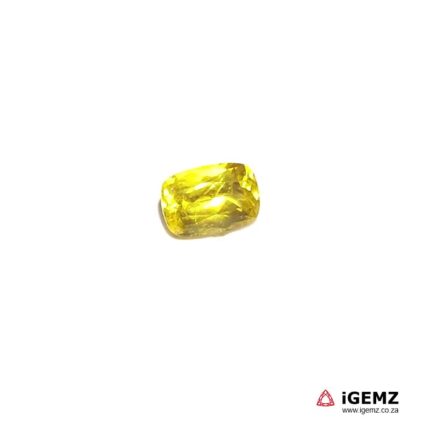
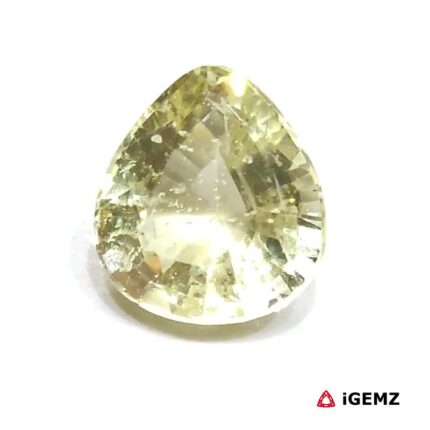
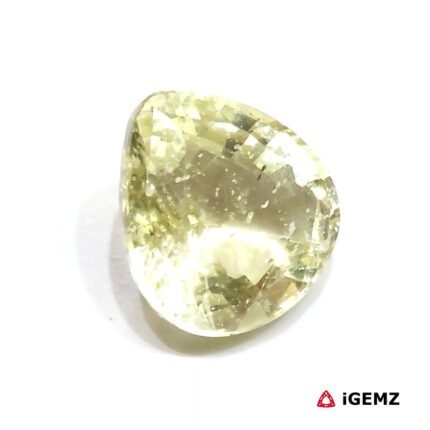
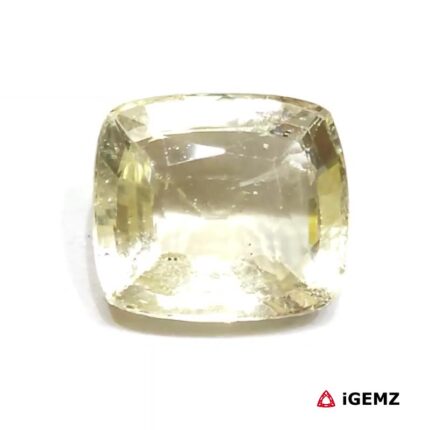
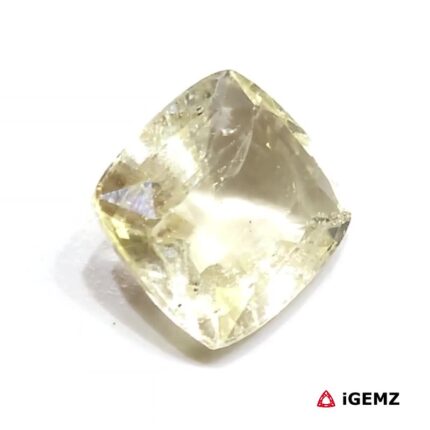
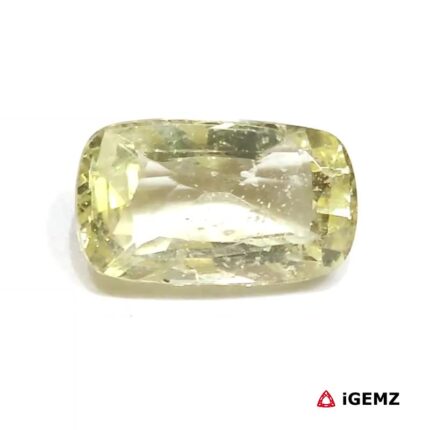
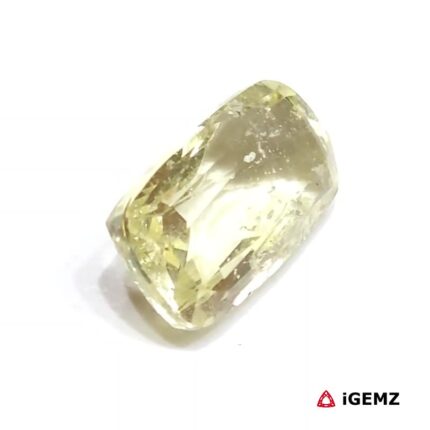
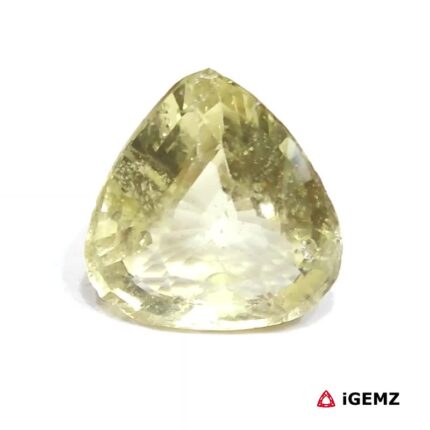
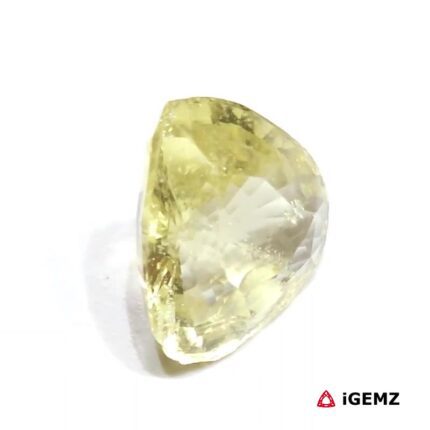
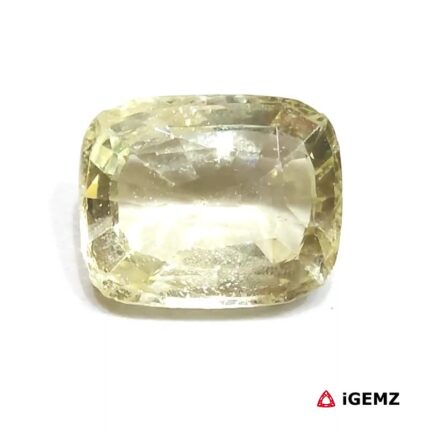
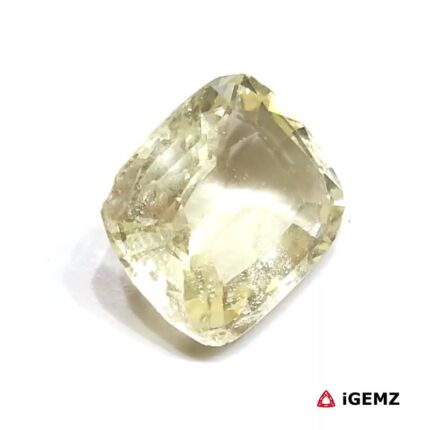
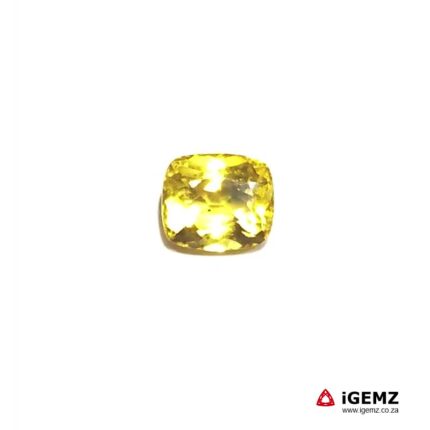
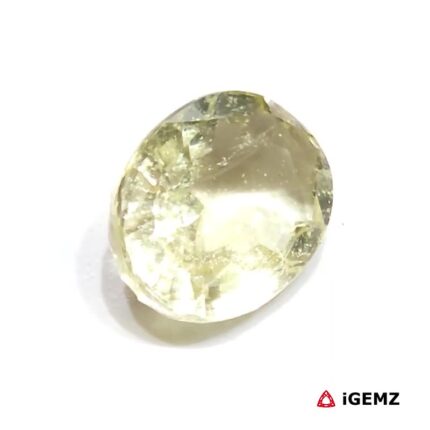
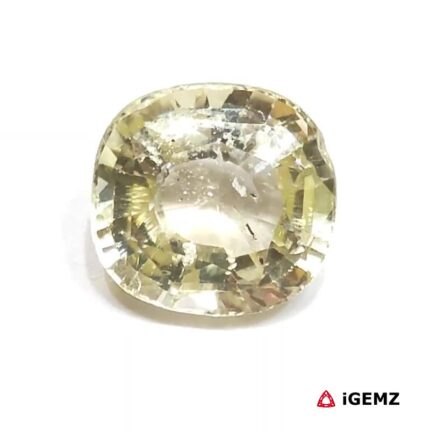
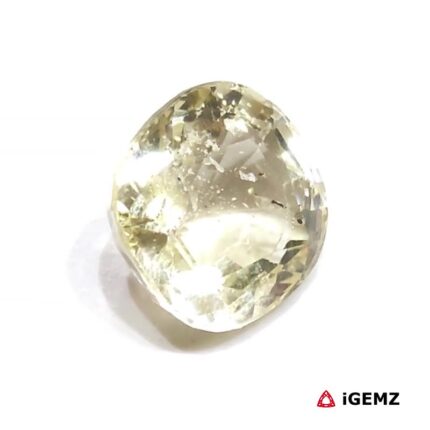
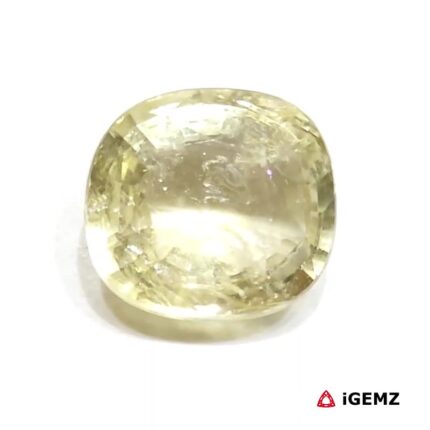
Heliodor occurs in shades of: Pale yellow, Golden yellow, Deep honey. The most valued stones display a vivid, sunny yellow with strong saturation and minimal brown undertones.

Chemical Formula
Heliodor has the Be₃Al₂Si₆O₁₈ chemical formula, belonging to the beryl mineral family. Trace elements such as iron produce its characteristic yellow-gold colour.

Composition
Beryllium, Aluminium & Silicon – trace elements (iron) influence the golden-yellow hue.

Refractive Index
1.570 – 1.580, giving heliodor a bright and lively sparkle.

Lustre
Vitreous, producing a clear, glass-like brilliance.

Moh's Hardness & Durability
Heliodor has a Mohs hardness of 7.5 – 8, making it suitable for everyday jewellery with protective settings. Its toughness is generally good, but care should be taken to avoid sharp knocks.

Crystal System
Hexagonal, forming elongated prismatic crystals with excellent transparency.

Transparency
Transparent to translucent, with gem-quality stones typically very clear.

Mineral Family
Heliodor belongs to the beryl (cyclosilicate) mineral family.

Specific Gravity
2.65 – 2.90, consistent with beryl gemstones.
Origin, Treatment & Care
Heliodor is naturally golden-yellow, though some stones are heat-treated to enhance colour. Understanding origin and treatment is important when evaluating quality and value. With careful handling, heliodor retains its brilliance and suitability for jewellery.

Major Origins
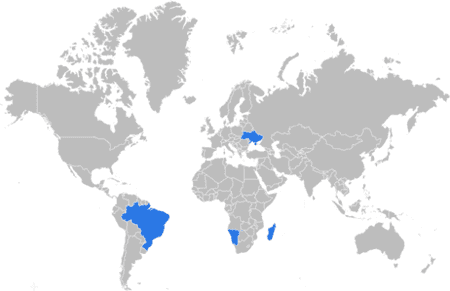
Significant heliodor sources include Brazil, Namibia, Madagascar, Ukraine, and Mozambique. Brazil is the most prominent supplier of gem-quality heliodor globally.

Treatments
Some heliodor stones undergo gentle heat treatment to enhance their yellow tone. High-quality heliodor is generally untreated aside from this, and coatings or dyes are rare.

Care and Cleaning
Avoid harsh chemicals and sudden temperature changes. Clean with warm water, mild soap, and a soft brush. Store heliodor separately from harder stones to prevent scratching.
How Heliodor Quality & Value Are Determined
Heliodor’s value is influenced by four key factors: colour, clarity, cut, and carat weight. A well-balanced combination of these elements produces gemstones of exceptional beauty and long-term appeal.
Colour
The most important factor in valuing heliodor is its colour. Top-quality stones display a pure golden-yellow tone, evenly distributed throughout the gemstone, with minimal brown undertones.
High-quality heliodor typically shows:
- Bright, medium-to-deep golden-yellow hue
- Even colour distribution
- Strong transparency and brilliance
- Clean, sunny appearance without dullness
Clarity
Heliodor is generally very clear, with inclusions being rare. High-value stones are:
-
- Eye-clean (no visible inclusions to the naked eye)
- Free from surface fractures and scratches
- Transparent with strong light transmission
Inclusions or internal fractures can reduce brilliance and value.
Cut
A good cut maximises light reflection and emphasises the stone’s natural colour. Important factors include:
- Precise facet alignment
- Good symmetry
- Correct depth and proportions
- Polished surfaces with even finish
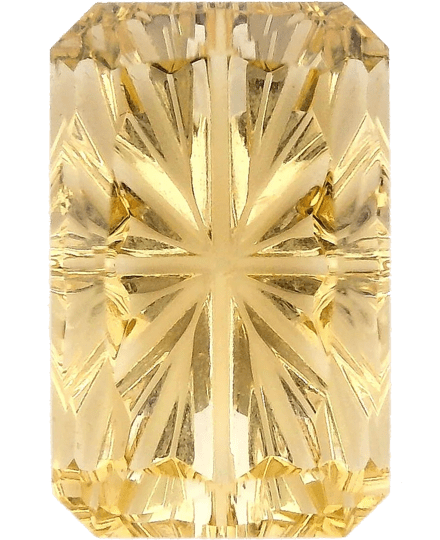
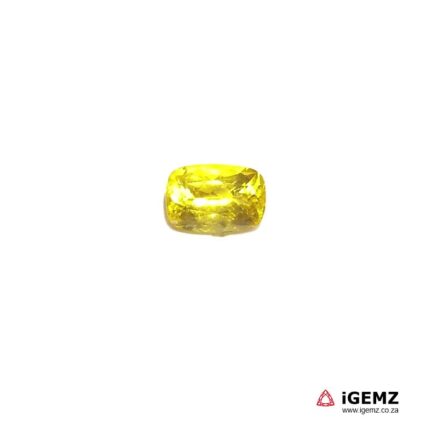
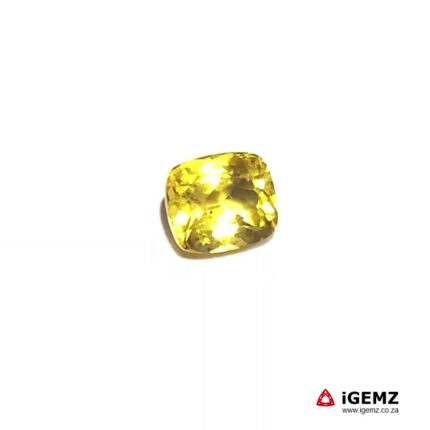
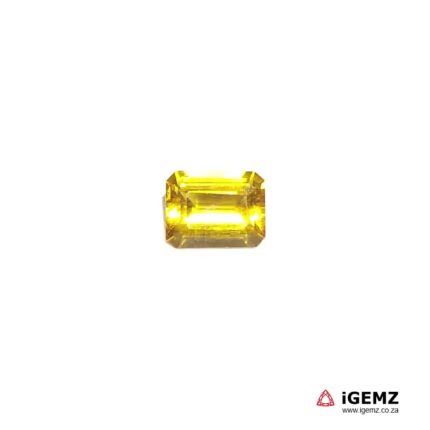
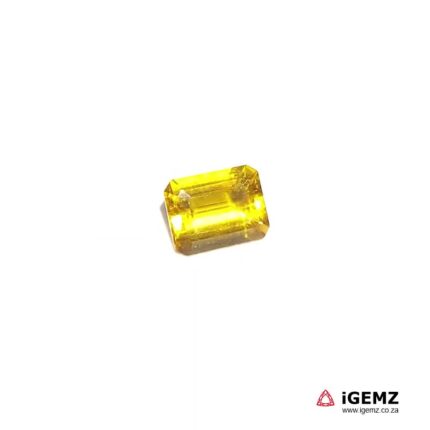
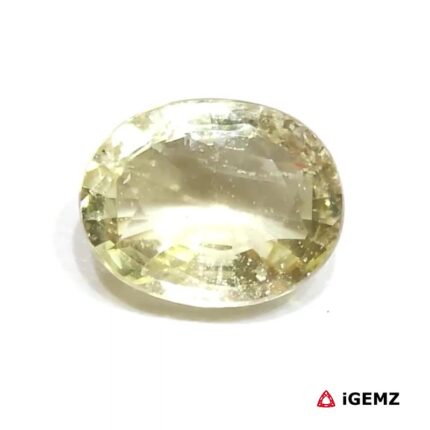
Common cuts for heliodor include emerald, oval, cushion, and round, enhancing durability and visual appeal.
Carat Weight
Larger heliodor gemstones are rare, increasing value significantly when colour and clarity are strong.
- A smaller, top-quality stone may exceed a larger lower-quality stone in value
- Larger stones should maintain even colour saturation
- Medium-to-large stones with excellent colour and clarity command premium prices
The Balance of the Four Factors
Premium heliodor is defined by:
- Eye-clean clarity
- Accurate, symmetrical cutting
- Bright, evenly distributed golden-yellow colour
- Proportional size with lively brilliance
When these factors align, heliodor becomes a striking gemstone for collectors and jewellery enthusiasts alike.
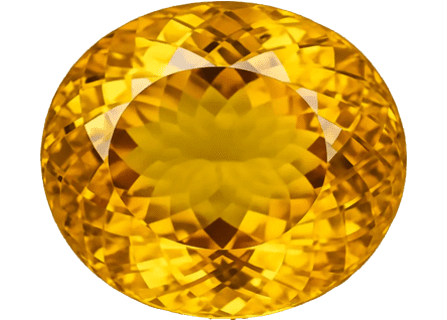
International Pricing Trends – per carat
Heliodor is rarer than many quartz or beryl varieties, so pricing increases with colour intensity, clarity, and size. Fine stones attract significant interest from collectors.
Estimated Average International Heliodor Prices (Good Quality) – Per Carat
| Weight | ZAR | USD | EUR | JPY | GBP | AUD | CAD | CHF | CNY | HKD | NZD | Market Signal |
|---|---|---|---|---|---|---|---|---|---|---|---|---|
| Under 1 carat | Size is widely available | |||||||||||
| 1 - 2 carat | Increasingly popular | |||||||||||
| 2 - 3 carats | Strong demand | |||||||||||
| 3 - 4 carats | Remain desirable | |||||||||||
| 4 - 6 carats | Scarcer in larger sizes | |||||||||||
| 6 - 8 carats | Exceptional stones |
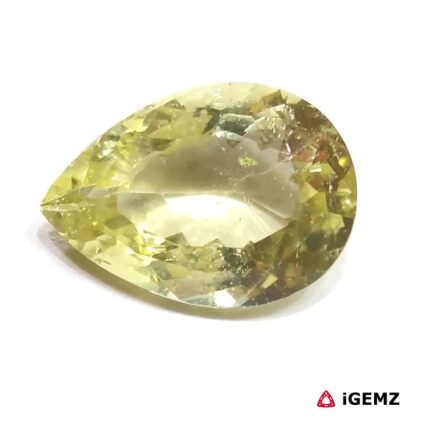
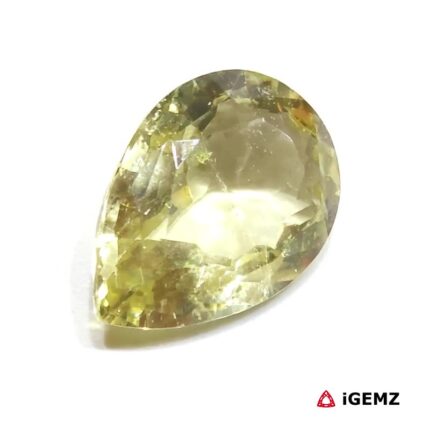
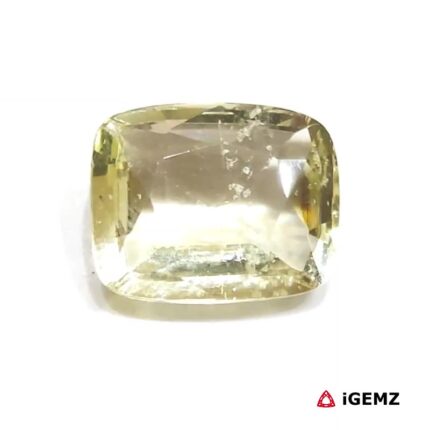
Frequently Asked Questions
What is heliodor?
Heliodor is the golden-yellow variety of beryl, closely related to emerald and aquamarine, prized for its clarity and warm yellow colour.
Why is heliodor yellow?
The yellow to golden colour is primarily caused by trace amounts of iron within the beryl crystal structure.
Are heliodor gemstones treated?
Some heliodor is heat-treated to enhance colour, which is an accepted practice. Coatings or dyes are rare.
How durable is heliodor?
With a Mohs hardness of 7.5–8, heliodor is suitable for everyday jewellery, but care should be taken to avoid sharp impacts.
Where does heliodor come from?
Brazil, Namibia, Madagascar, Ukraine, and Mozambique are major sources of gem-quality heliodor.
How is heliodor valued?
Value depends on colour, clarity, cut, and carat weight, with colour being the most critical factor.

Buy With Confidence
Professionally inspected gemstones
Full transparency on treatments
Worldwide shipping
Secure checkout
Ready to own the beauty of
KYANITE?
Now that you understand the history, symbolism and quality factors behind kyanite, the natural next step is to secure your own gemstone. Admired for its intense blue hues and striking crystal structure, kyanite offers a unique combination of elegance and intrigue. Ideal for rings, pendants, and bespoke designs, kyanite brings bold colour, rarity and collector appeal to any gemstone collection.
Golden Glow
Positive Energy
Sunny Brilliance
COMPARE GEMSTONES WITH CONFIDENCE
Gemstone Comparison Guides
Choosing between two beautiful gemstones can be challenging. Our professional Gemstone Comparison Guides help you clearly understand the differences between popular gemstones so you can make a confident and informed choice.
Each comparison explores the key factors that influence gemstone quality and value, including colour, clarity, durability, rarity and typical treatments. You will also learn how similar-looking gemstones differ in appearance, composition, hardness and more.
HERE IS ALL THE PROFESSIONAL INFORMATION YOU NEED
Gemstone Buyer's Guides
Buying a gemstone should be exciting — but understanding quality, rarity and value is essential before making the right choice. Our professional Gemstone Buyer’s Guides help you understand how colour, clarity, cut and treatments influence the beauty and value of different gemstones.
Each guide explains the key quality factors used by gemologists, including gemstone composition, colour grading, natural inclusions, treatments and origin. You will also learn how these factors affect rarity, durability and market value.
Beryl Family
Feldspar Gemstones
Pyroxene Gemstones
Spodumene Family
Chalcedony & Agate
Quartz Gemstones
Amethyst
Ametrine
Citrine
Prasiolite
Quartz
Rose Quartz
Rutile Quartz
Smoky Quartz
Rare & Collector Gemstones
Apatite
Chrysoberyl
Clinozoisite
Fluorite
Grandidierite
Iolite
Jade
Kyanite
Lapis Lazuli
Phosphosiderite
Prehnite
Serendibite
Sillimanite
Sphene
Sugilite
Vesuvianite