

 1st - Gold
 January
  February
  March
March  April
April 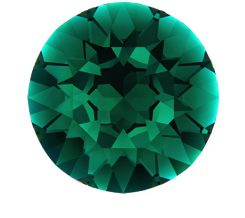 May
May 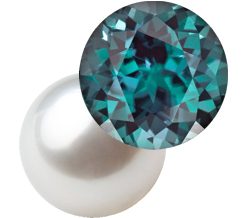 June
June 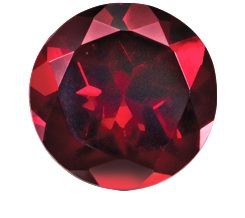 July
July 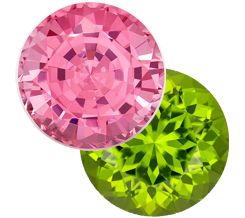 August
  September
  October
  November
  December
 Capricorn - Garnet
  Aquarius - Amethyst
  Pisces - Aquamarine
  Aries - Diamond
  Taurus - Emerald
  Gemini - Pearl
  Cancer - Ruby
  Leo - Peridot
  Virgo - Blue Sapphire
  Libra - Opal
  Scorpio - Topaz
  Sagittarius - Tanzanite
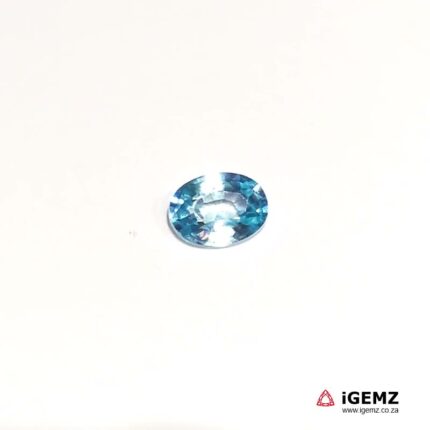
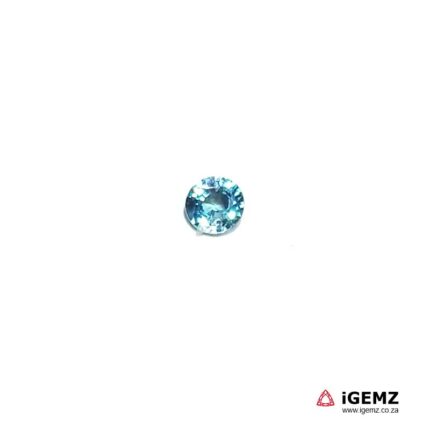
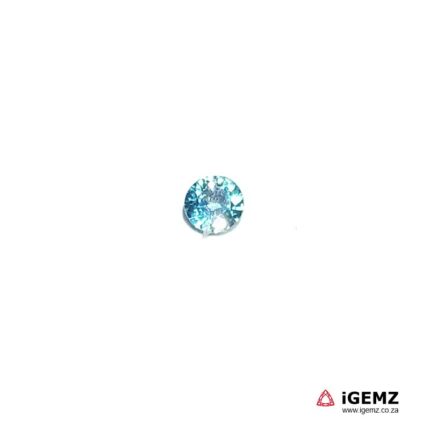
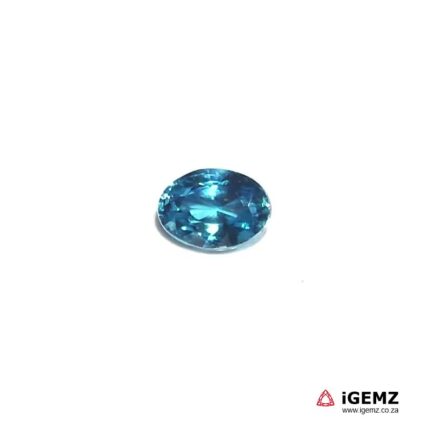
Zircon
Buyer’s Guide
Quality, Composition, Colour & Value Explained
Discover how colour, clarity, treatments and cut influence zircon value, and learn what truly determines quality before choosing your ideal gemstone.
A complete professional Zircon Buyer’s Guide to understanding this gemstone’s quality, origin, treatments and value factors before purchasing.
History, Symbolism & Meaning of Zircon
Origins and Historical Use

Zircon is one of the oldest known gemstones, with deposits dating back millions of years. It has been prized in jewellery for centuries, especially in Southeast Asia and Europe, where it was often mistaken for diamond due to its brilliance and dispersion.
The name zircon is derived from the Persian word zargun, meaning “gold-coloured,” reflecting its common yellow-brown varieties, though it occurs in a wide range of colours. Zircon has long been associated with wealth, status and longevity in jewellery traditions.
Ancient Beliefs and Spiritual Energy
Historically, zircon was considered a protective stone. Ancient cultures believed it could ward off evil, promote wisdom, and encourage a balanced mind and body.
It has also been linked to the crown chakra, promoting spiritual insight and mental clarity. Healers valued zircon for its reputed ability to calm the mind and provide a sense of grounding and stability.
Modern Symbolism and Collectibility

Today, zircon is appreciated for its fiery brilliance, clarity and affordability. It is highly sought after as a diamond alternative, especially in colourless or blue varieties.
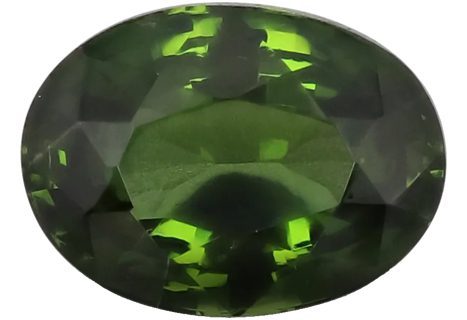
Collectors prize rare colours such as red, green and violet, while gemstone enthusiasts value zircon for its high refractive index and strong dispersion, which create dazzling sparkle in jewellery pieces.
Physical & Optical Properties
Explore Zircon’s Hardness, Lustre, Transparency, Refractive Index and Specific Gravity.
Understanding the gemological properties of zircon helps determine durability, brilliance and long-term wear suitability.

Colour Range
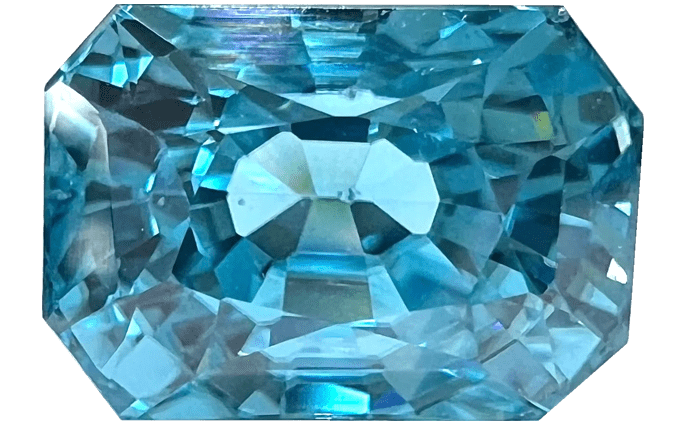
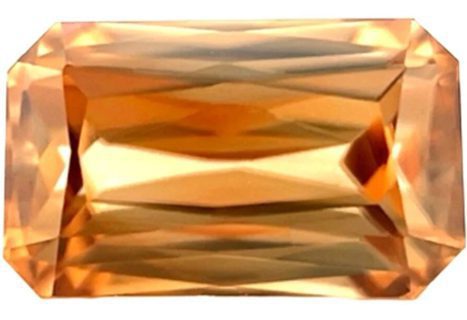
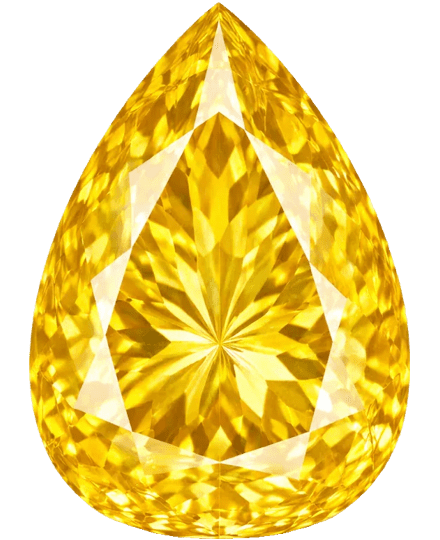
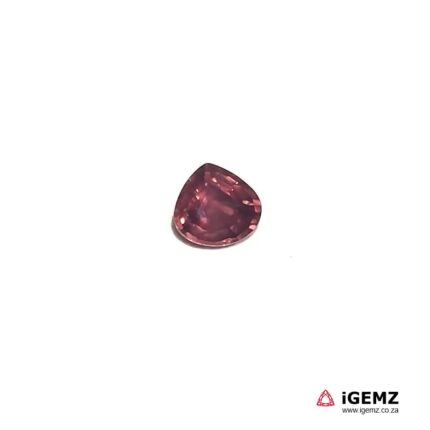
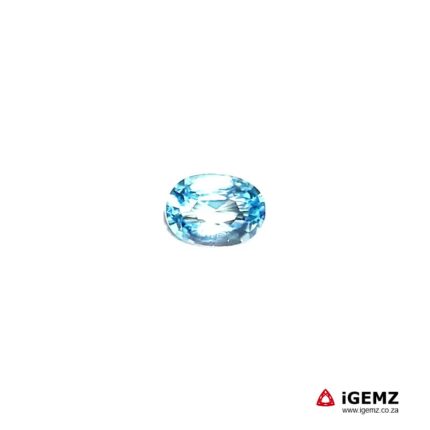
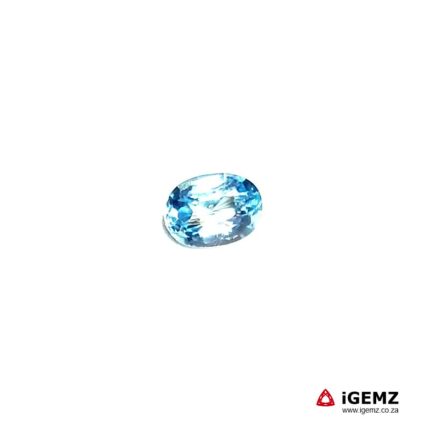
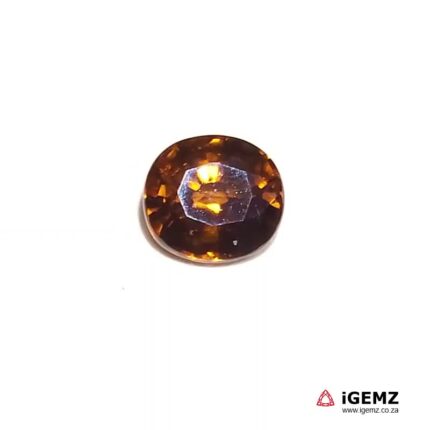
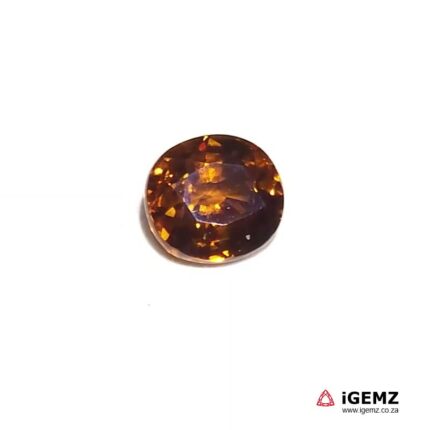
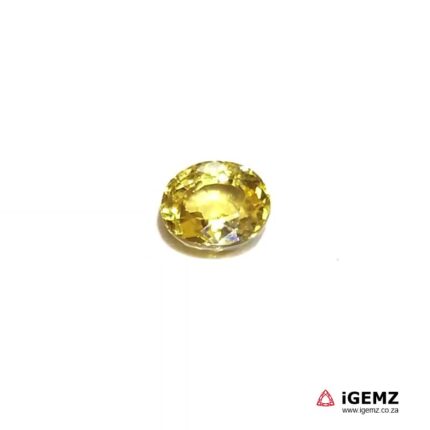
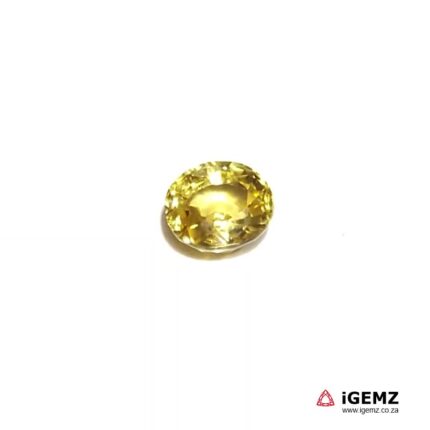
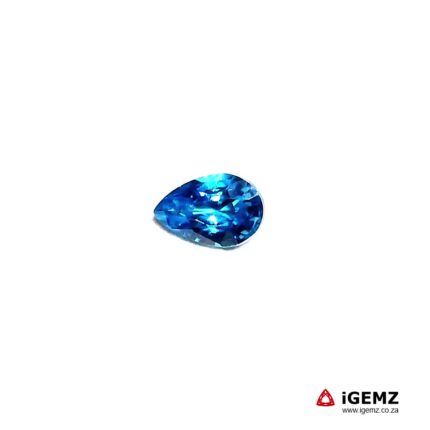
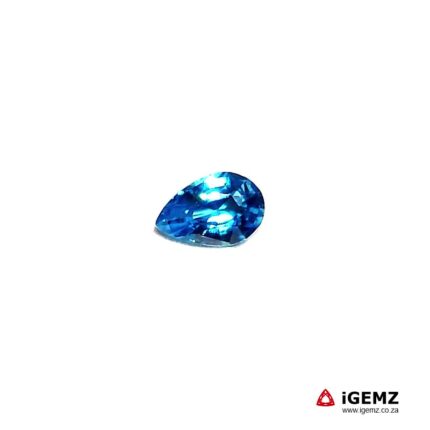
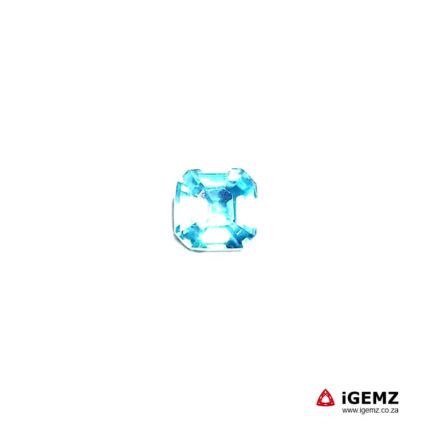
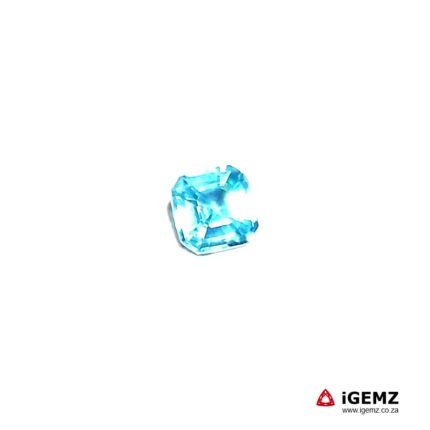
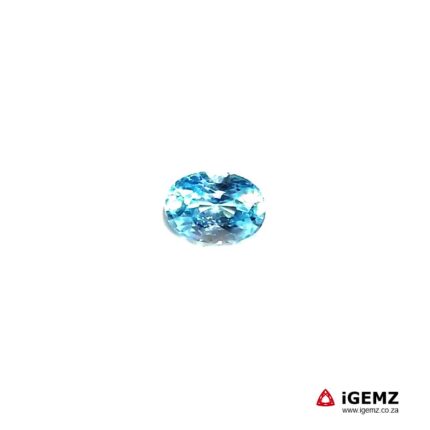
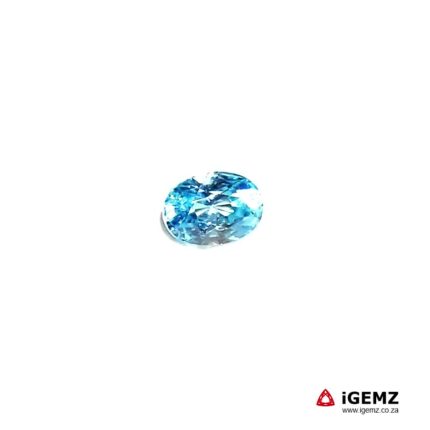
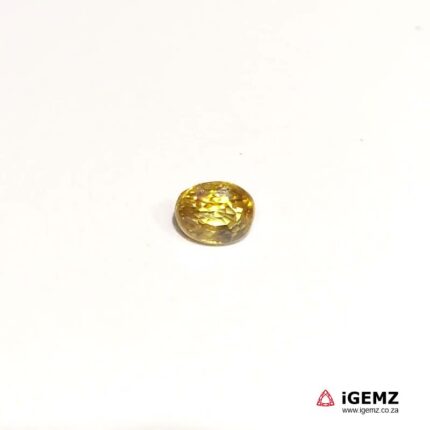
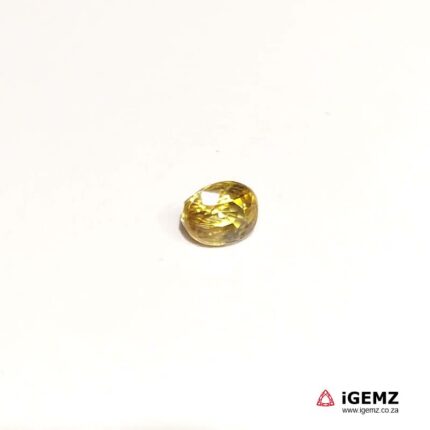
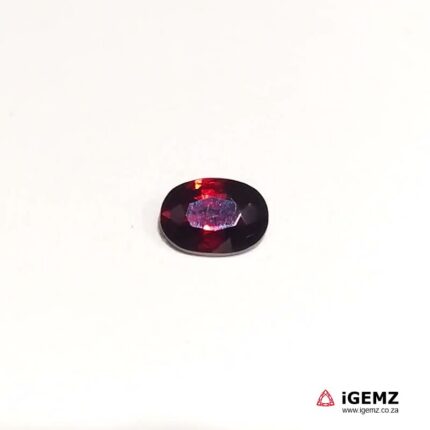
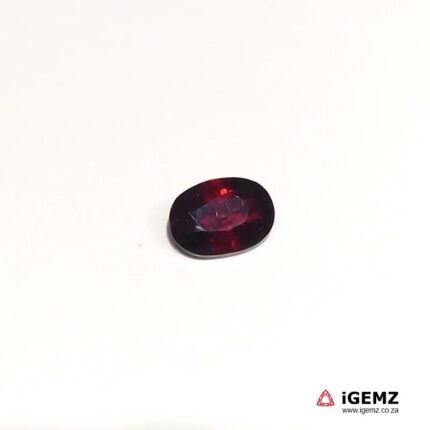
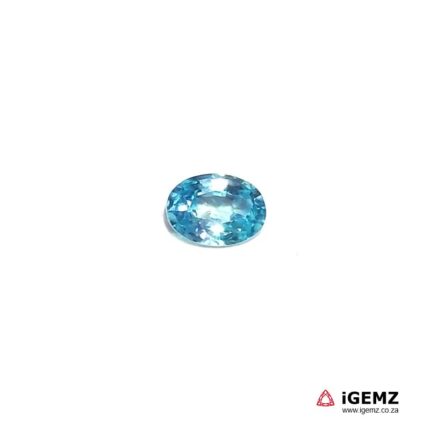
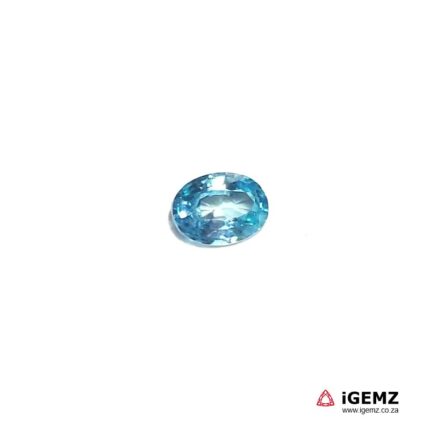
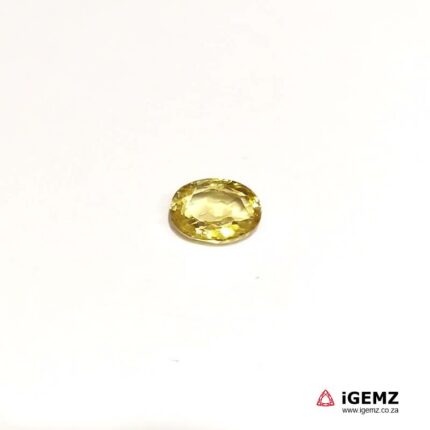
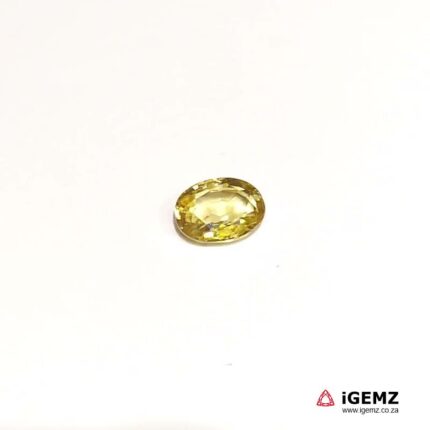
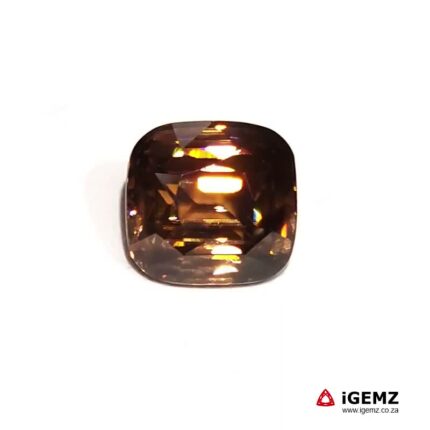
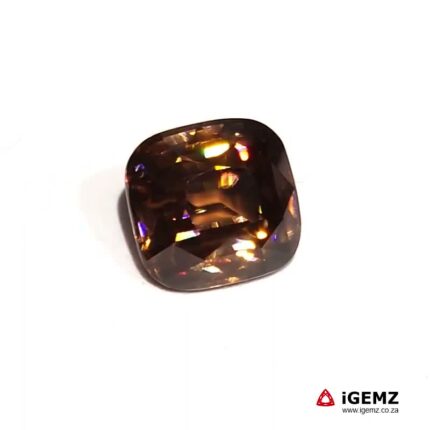
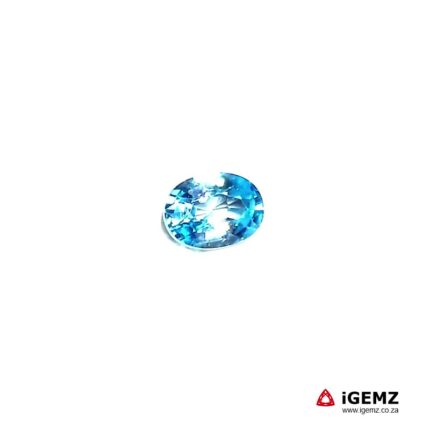
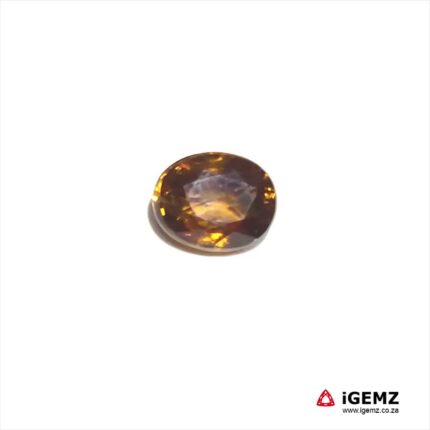
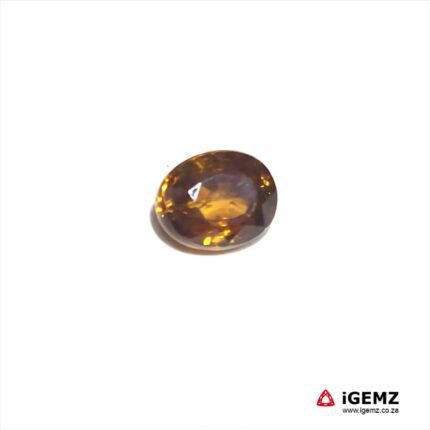
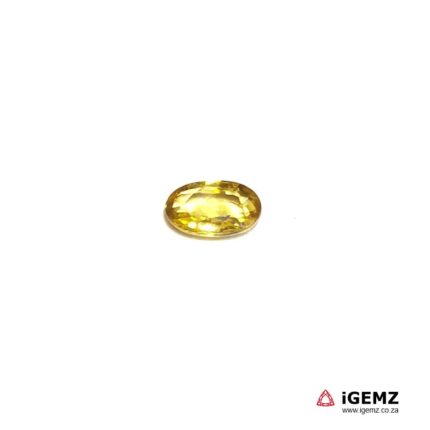
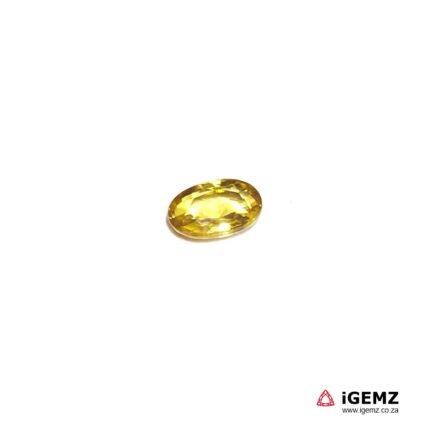
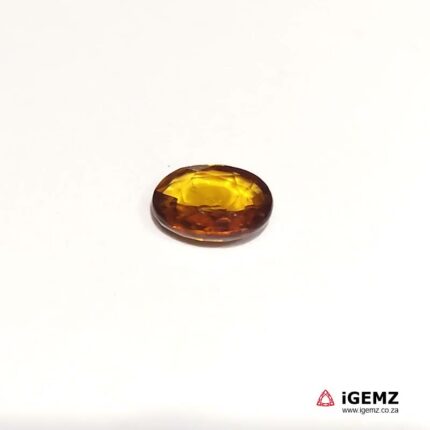
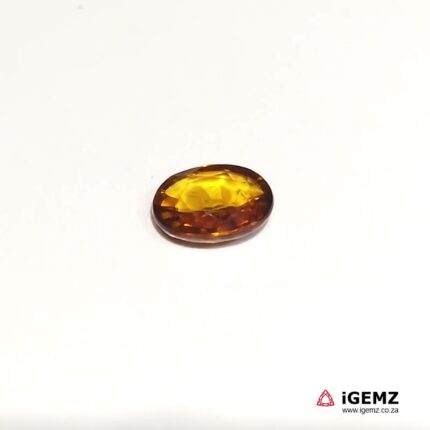
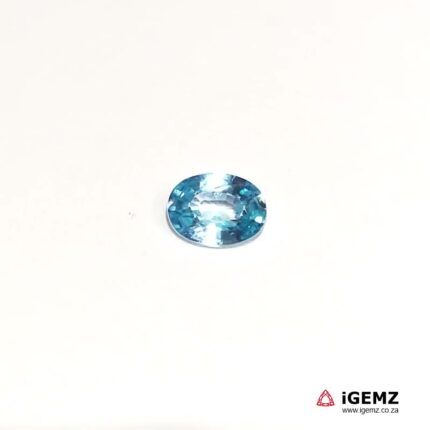
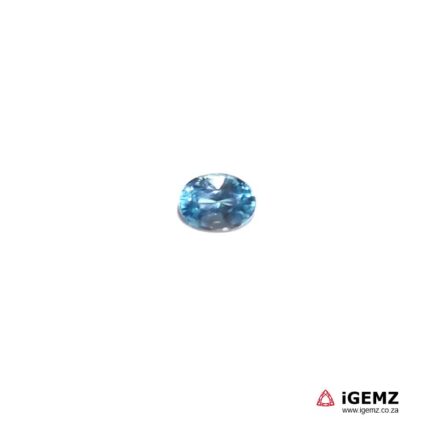
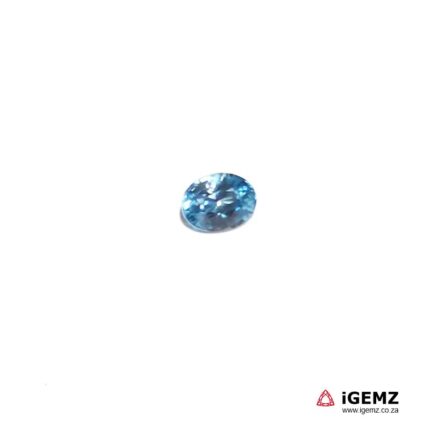
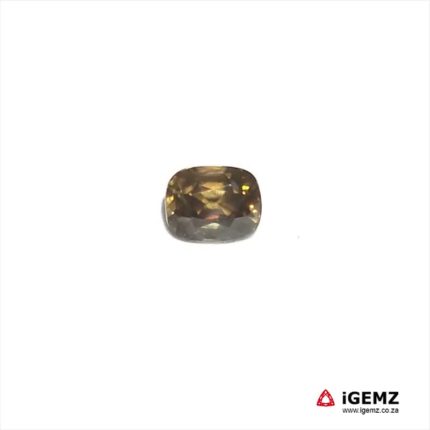
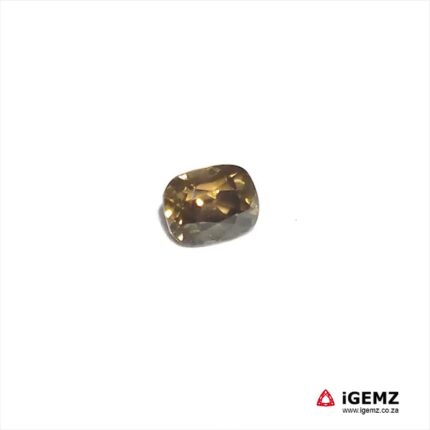
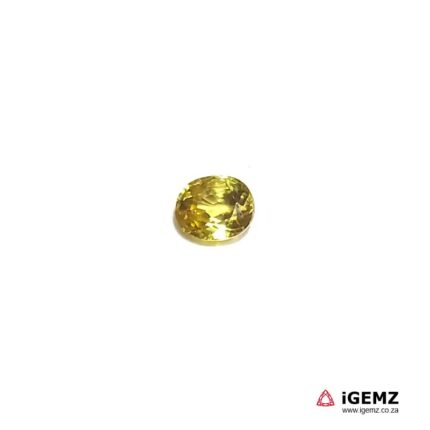
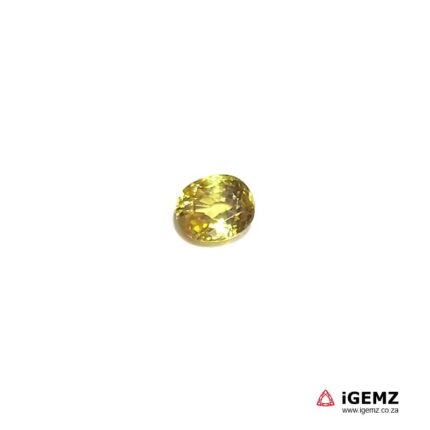
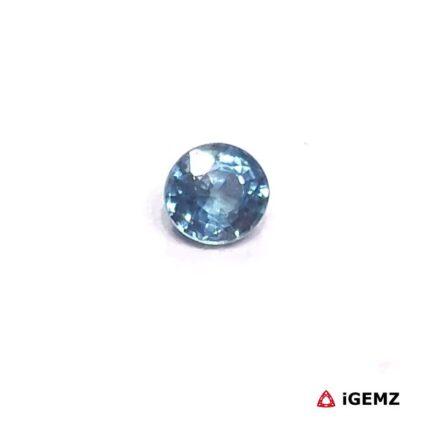
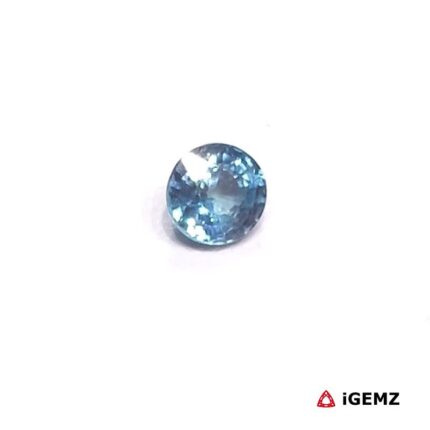
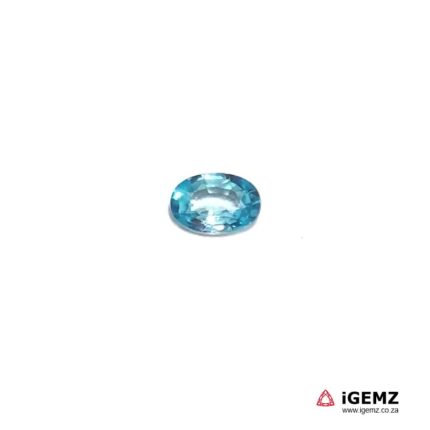
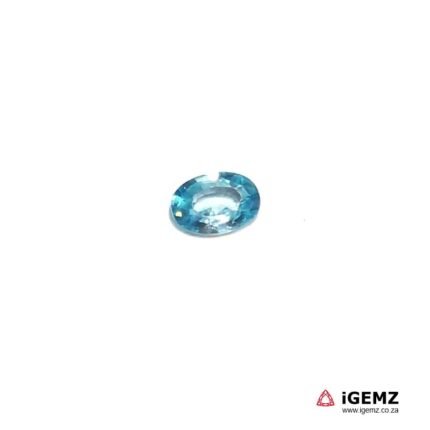
Zircon occurs in shades of: Colourless, Pale blue, Deep blue, Brown, Yellow, Red, Green. The most valuable stones are intensely coloured, transparent, and free of significant inclusions.

Chemical Formula
Zircon has the ZrSiO₄ chemical formula, composed primarily of zirconium and silicon, with trace elements influencing colour.

Composition
Zirconium & Silicon – trace elements (such as hafnium, iron, or chromium) may affect the stone’s colour.

Refractive Index
1.92 – 2.01, giving zircon exceptional brilliance and noticeable fire, often compared to diamond.

Lustre
Vitreous, providing a high-gloss, glass-like sparkle.

Moh's Hardness & Durability
Zircon has a Mohs hardness of 6.5 – 7.5, making it moderately durable. Care should be taken to avoid knocks or abrasions, especially for jewellery worn daily.

Crystal System
Zircon crystallises in the tetragonal system, forming short prismatic or pyramidal crystals with excellent clarity.

Transparency
Transparent to translucent, with gem-quality stones often clear and bright.

Mineral Family
Zircon belongs to the nesosilicate mineral family.

Specific Gravity
4.6 – 4.7, higher than many common gemstones, contributing to its dense, solid feel.
Origin, Treatment & Care
Zircon occurs naturally in alluvial deposits and primary rock formations. Many zircon gemstones are heat-treated to improve colour, especially blue and colourless varieties.
With proper care—including gentle cleaning and avoiding harsh chemicals—zircon can retain brilliance and remain suitable for rings, pendants and earrings.

Major Origins
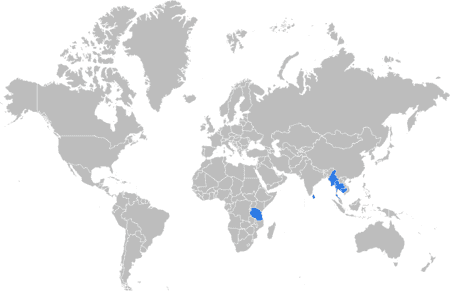
Major zircon sources include Cambodia, Sri Lanka, Myanmar, Australia and Tanzania. Cambodia and Sri Lanka are particularly noted for producing high-quality colourless and blue stones.

Treatments
Heat treatment is the most common enhancement, often used to produce bright blue or colourless stones from naturally brown zircon. Treatments are stable but should always be disclosed. Untreated rare colours like red or green zircon are highly prized by collectors.

Care and Cleaning
Avoid ultrasonic cleaners and steam cleaning. Clean zircon with warm water, mild soap and a soft brush. Protect the stone from sharp blows, as inclusions or fractures can make it prone to chipping.
How Zircon Quality & Value Are Determined
Zircon value is determined by four primary factors: colour, clarity, cut and carat weight. Colour and brilliance are particularly important, as zircon can exhibit exceptional fire when well-cut.
Colour
Colour is the dominant value factor in zircon. Highly sought-after zircon is:
- Colourless with high transparency
- Vivid blue (heat-treated)
- Rare red, green, or yellow varieties
- Evenly saturated and bright
Paler or unevenly coloured stones are less valuable, while vivid hues with strong transparency command the highest prices.
Clarity
High-quality zircon is usually eye-clean, with minimal visible inclusions.
- Transparent and free from internal fractures affecting brilliance
- Smooth surface without scratches or chips
Visible inclusions or cloudiness reduce light return and diminish value.
Cut
Cut maximises brilliance, fire and balance in zircon gemstones. Important considerations include:
- Precise facet alignment
- Proper proportions and depth
- Symmetry and polish quality
Faceted cuts such as round, cushion, or oval are common, designed to enhance zircon’s natural fire.
Carat Weight
Zircon is relatively rare in larger sizes with high clarity and desirable colour. Larger stones are considerably more valuable when colour and clarity remain high.
The Balance of the Four Factors
True value arises when colour, clarity, cut and carat weight align.
A premium zircon gemstone should display:
- Vivid, evenly distributed colour
- Eye-clean clarity
- Precision cut enhancing brilliance
- Proportional size with strong fire and sparkle
Such stones combine visual impact with enduring appeal and investment potential.
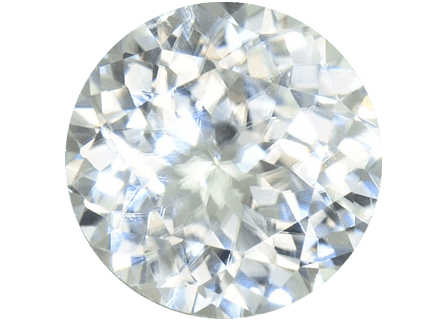
International Pricing Trends – per carat
Zircon pricing varies widely depending on colour, clarity and size. Colourless and blue zircons are most commercially available, while rare red or green stones command premium prices.
Estimated Average International Zircon Prices (Good Quality) – Per Carat
| Weight | ZAR | USD | EUR | JPY | GBP | AUD | CAD | CHF | CNY | HKD | NZD | Market Signal |
|---|---|---|---|---|---|---|---|---|---|---|---|---|
| Under 1 carat | Size is widely available | |||||||||||
| 1 - 2 carat | Increasingly popular | |||||||||||
| 2 - 3 carats | Strong demand | |||||||||||
| 3 - 4 carats | Remain desirable | |||||||||||
| 4 - 6 carats | Scarcer in larger sizes | |||||||||||
| 6 - 8 carats | Exceptional stones |
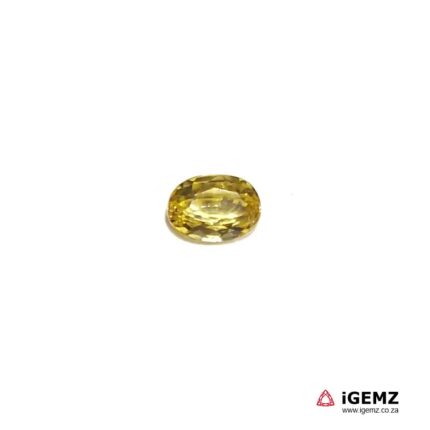
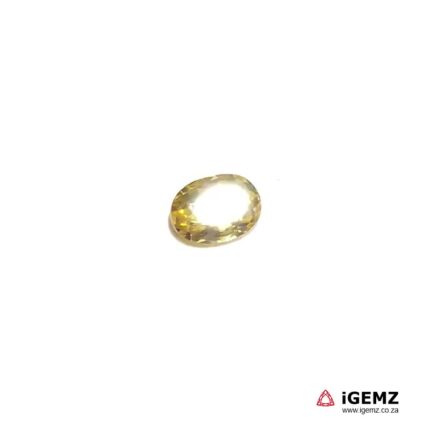
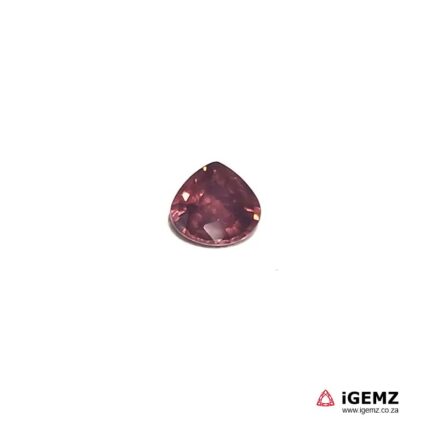

Frequently Asked Questions
What is zircon?
Zircon is a natural gemstone from the nesosilicate family, known for its brilliance, fire and range of colours.
Is zircon the same as cubic zirconia?
No. Zircon is a natural mineral, while cubic zirconia is a lab-created diamond simulant. Zircon has different chemical composition and optical properties.
Are zircon gemstones treated?
Yes, many are heat-treated to improve colour, particularly blue and colourless stones. Treatment should always be disclosed.
How durable is zircon?
Zircon has a Mohs hardness of 6.5 – 7.5. It is relatively hard but may chip if struck, so protective settings are recommended.
Which colours of zircon are most valuable?
Colourless, vivid blue, and rare red or green zircon are the most valuable, especially when transparent and eye-clean.
Can zircon be used in everyday jewellery?
Yes, with care. Avoid harsh impacts and chemicals, and store separately from harder gemstones.

Buy With Confidence
Professionally inspected gemstones
Full transparency on treatments
Worldwide shipping
Secure checkout
Ready to own the beauty of
PERIDOT?
Now that you understand peridot’s history, symbolism and quality factors, you can confidently choose your own gemstone. Admired for its lively lime-green colour and vibrant glow, peridot offers cheerful elegance and versatile beauty.
Ideal for rings, pendants or bespoke designs, peridot combines natural charm, enduring appeal and excellent value for collectors and jewellery enthusiasts alike.
Brilliant Sparkle
Ancient Heritage
Vivid Colour
COMPARE GEMSTONES WITH CONFIDENCE
Gemstone Comparison Guides
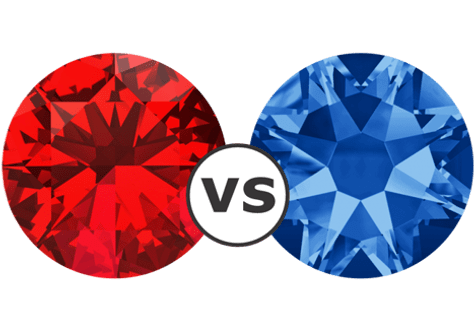
Choosing between two beautiful gemstones can be challenging. Our professional Gemstone Comparison Guides help you clearly understand the differences between popular gemstones so you can make a confident and informed choice.
Each comparison explores the key factors that influence gemstone quality and value, including colour, clarity, durability, rarity and typical treatments. You will also learn how similar-looking gemstones differ in appearance, composition, hardness and more.
HERE IS ALL THE PROFESSIONAL INFORMATION YOU NEED
Gemstone Buyer's Guides
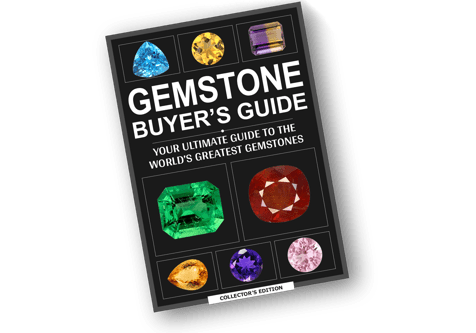
Buying a gemstone should be exciting — but understanding quality, rarity and value is essential before making the right choice. Our professional Gemstone Buyer’s Guides help you understand how colour, clarity, cut and treatments influence the beauty and value of different gemstones.
Each guide explains the key quality factors used by gemologists, including gemstone composition, colour grading, natural inclusions, treatments and origin. You will also learn how these factors affect rarity, durability and market value.
Beryl Family
Feldspar Gemstones
Pyroxene Gemstones
Spodumene Family
Chalcedony & Agate
Quartz Gemstones
Amethyst
Ametrine
Citrine
Prasiolite
Quartz
Rose Quartz
Rutile Quartz
Smoky Quartz
Rare & Collector Gemstones
Apatite
Chrysoberyl
Clinozoisite
Fluorite
Grandidierite
Iolite
Jade
Kyanite
Lapis Lazuli
Phosphosiderite
Prehnite
Serendibite
Sillimanite
Sphene
Sugilite
Vesuvianite