

 1st - Gold
 January
  February
  March
March  April
April  May
May 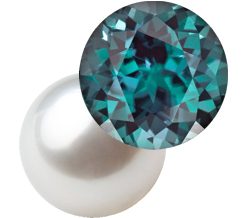 June
June 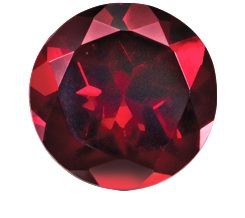 July
July 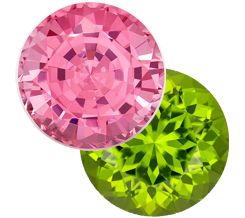 August
 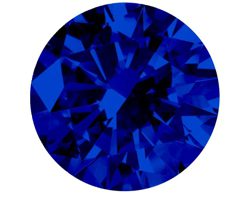 September
 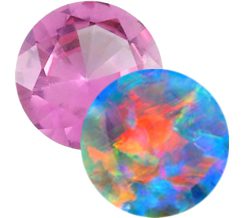 October
 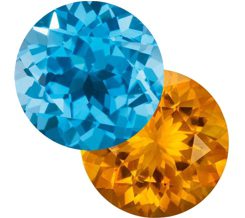 November
 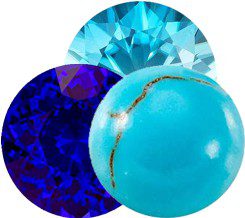 December
 Capricorn - Garnet
  Aquarius - Amethyst
  Pisces - Aquamarine
 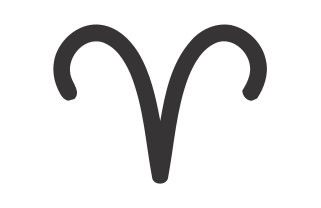 Aries - Diamond
 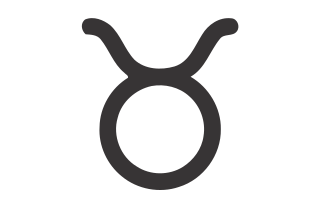 Taurus - Emerald
  Gemini - Pearl
  Cancer - Ruby
  Leo - Peridot
 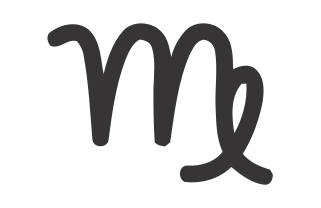 Virgo - Blue Sapphire
  Libra - Opal
 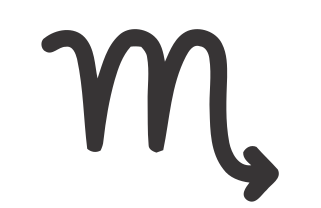 Scorpio - Topaz
  Sagittarius - Tanzanite
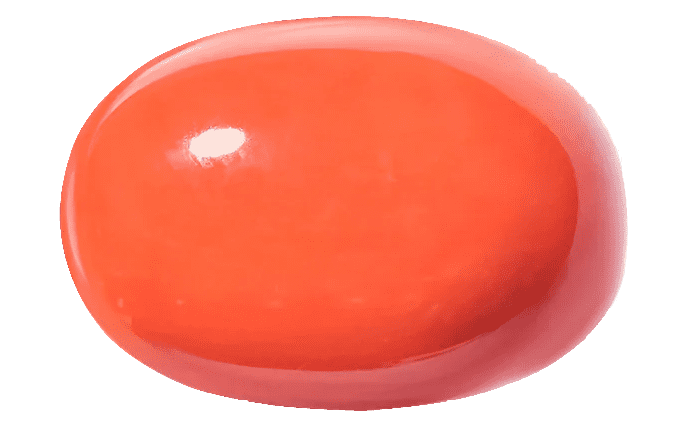
Coral
Buyer’s Guide
Quality, Composition, Colour & Value Explained
Discover how colour, texture, treatments and origin influence coral value, and learn what truly determines quality before choosing your ideal gemstone.
A complete professional Coral Buyer’s Guide to understanding this organic gemstone’s quality, source, treatments and value factors before purchasing.
History, Symbolism & Meaning of Coral
Origins and Historical Use

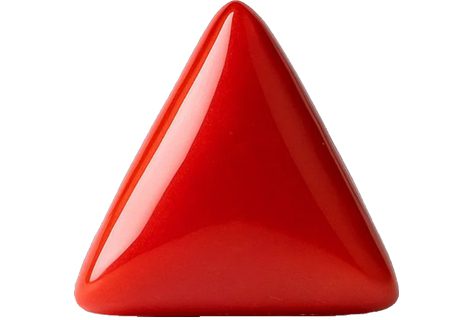
Coral has been used in jewellery and ornaments for thousands of years, prized by ancient Egyptians, Greeks, Romans and Chinese for its vibrant colours and natural origin. Traditionally, coral was harvested from the Mediterranean and Pacific oceans, and it symbolised protection, vitality and prosperity.
The name “coral” comes from the Greek word korallion, reflecting its long-standing significance in art, medicine and talismanic use. In many cultures, coral jewellery was believed to ward off evil and promote health and wellbeing.
Ancient Beliefs and Spiritual Energy

Coral has historically been associated with life force, energy, and protection. Ancient cultures believed it could guard against harm, enhance courage, and bring emotional balance.
Spiritually, coral is connected to the sacral chakra and is said to inspire passion, creativity, and confidence. Healers valued it for stabilising emotions and promoting positive life energy.
Modern Symbolism and Collectibility

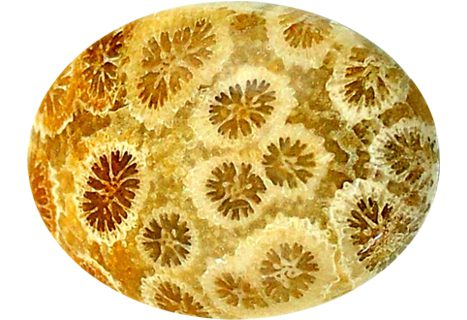
Today, coral is admired for its rich colours and organic beauty. Collectors prize natural, untreated coral for its rarity and vibrant hue. Coral is also popular in modern jewellery as a symbol of vitality, warmth, and connection to nature.
It remains a preferred gemstone for necklaces, bracelets, and statement pieces, valued both for its aesthetic appeal and metaphysical properties.
Physical & Optical Properties
EXPLORE CORAL’S HARDNESS, LUSTRE, TRANSPARENCY, REFRACTIVE INDEX AND SPECIFIC GRAVITY.
Understanding coral’s physical properties helps assess durability, longevity, and suitability for jewellery.

Colour Range
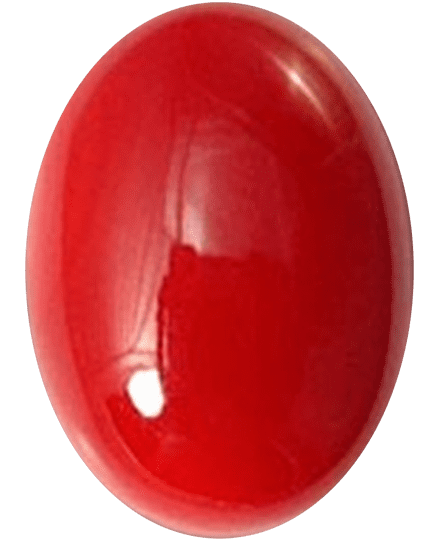
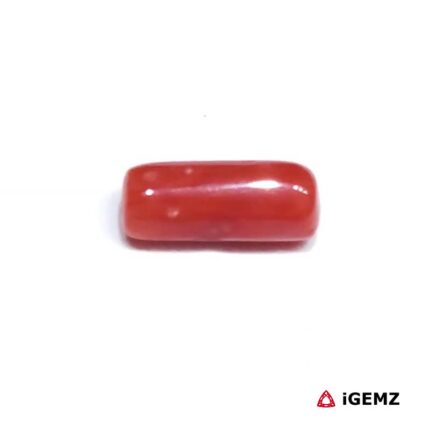
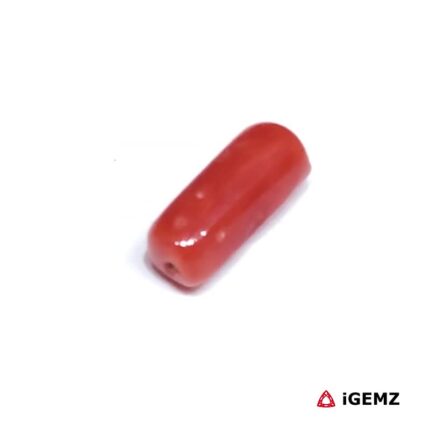
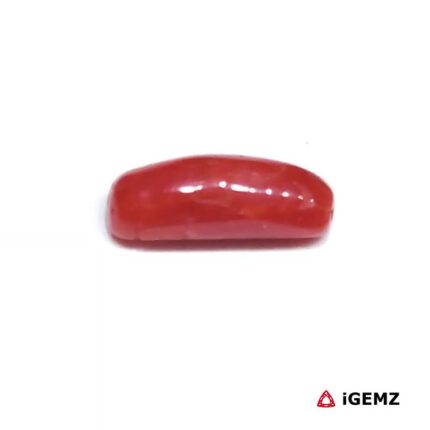
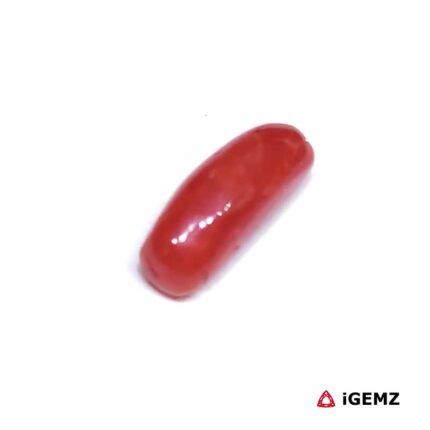
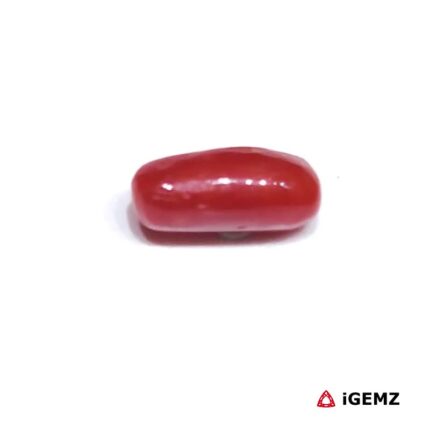
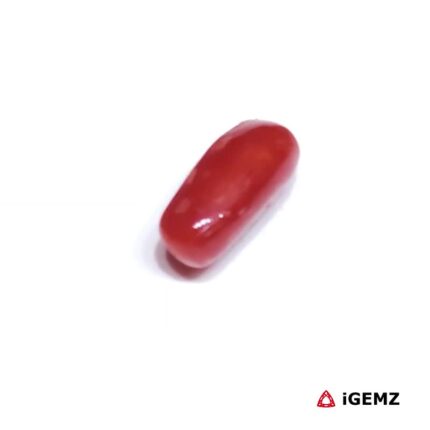
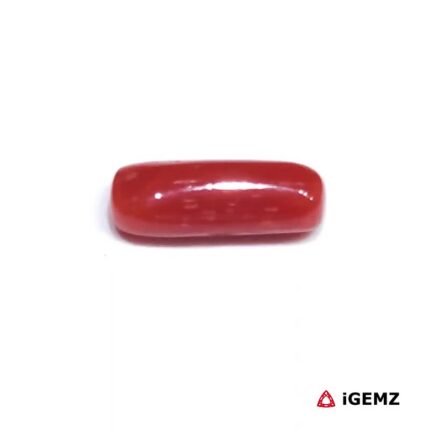
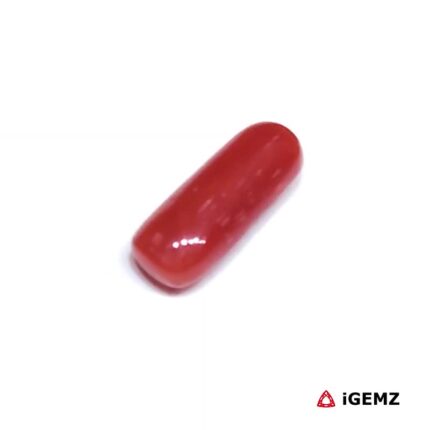
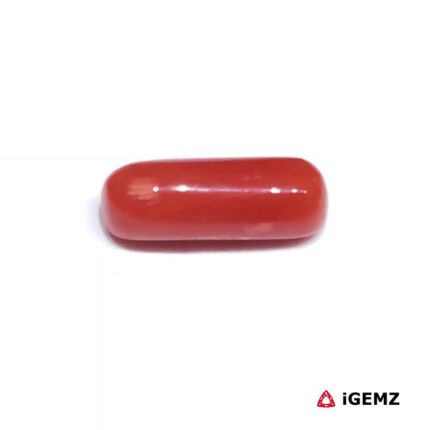
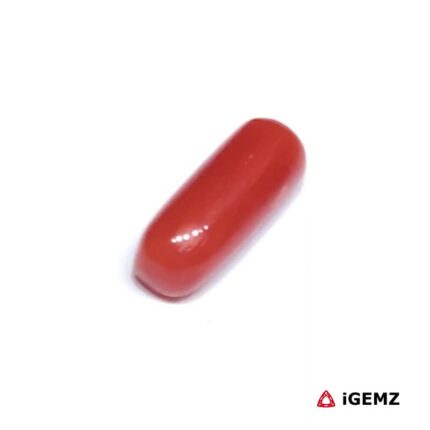
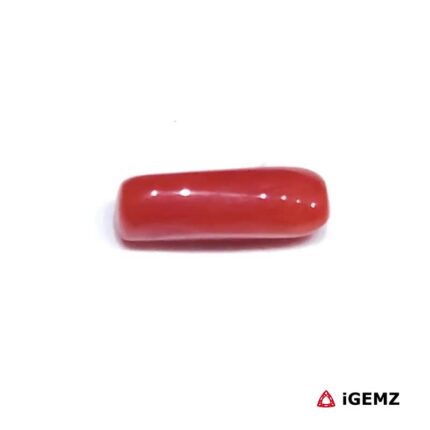
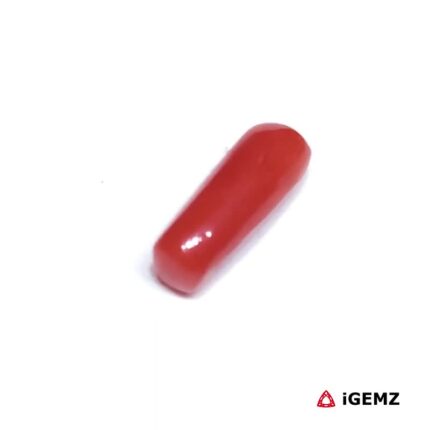
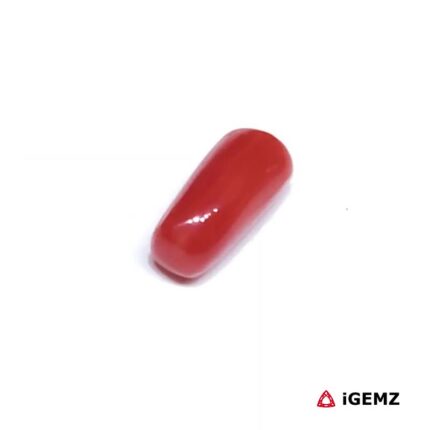
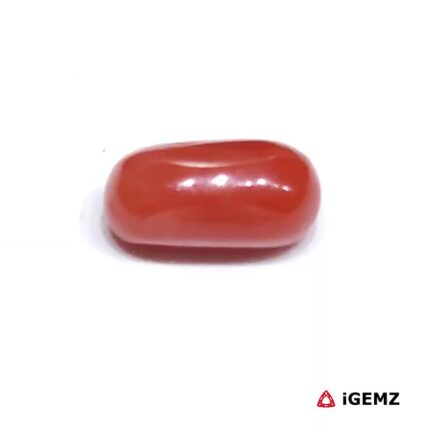
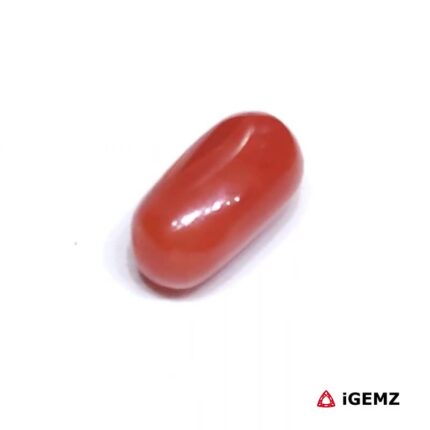
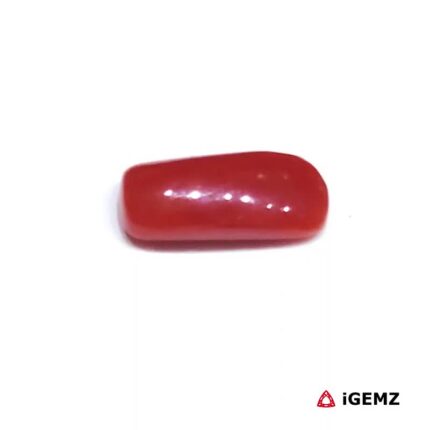
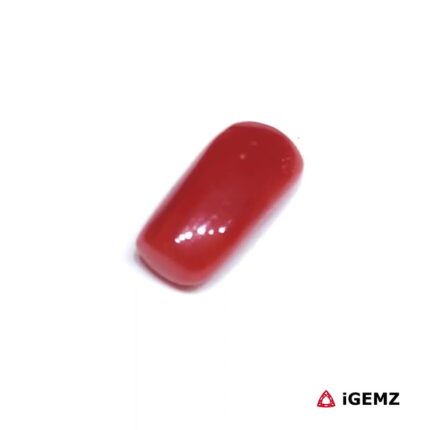
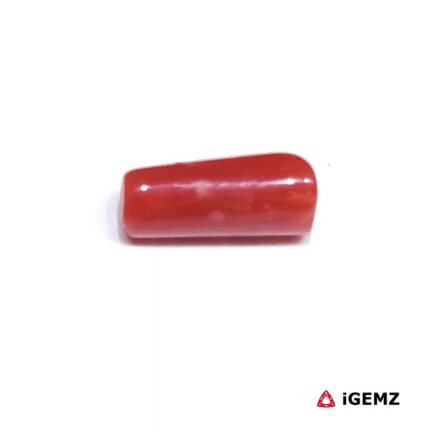
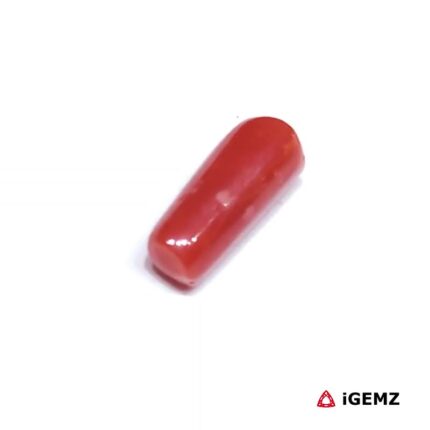
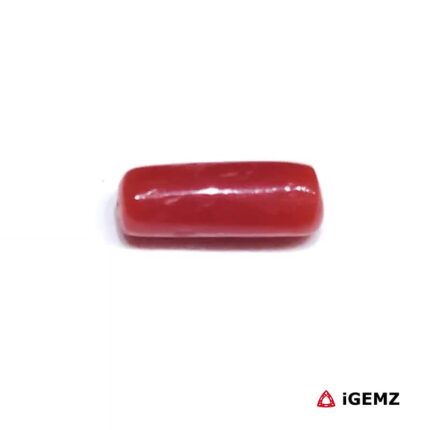
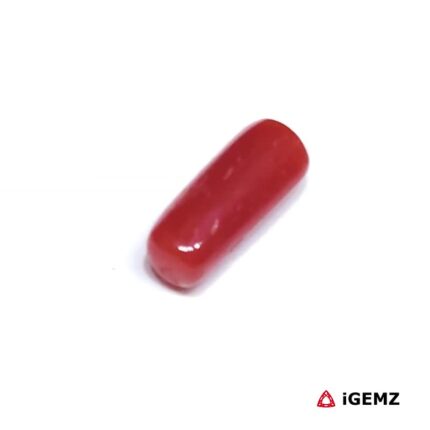
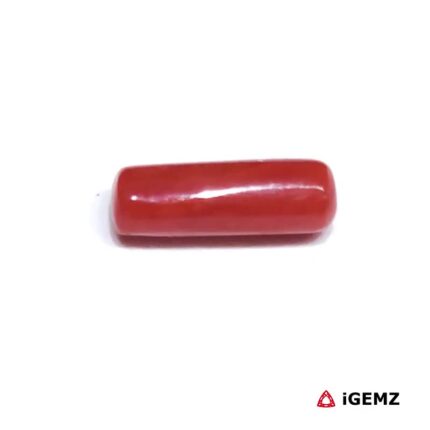
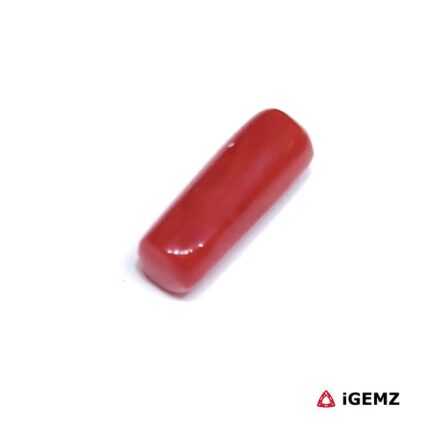
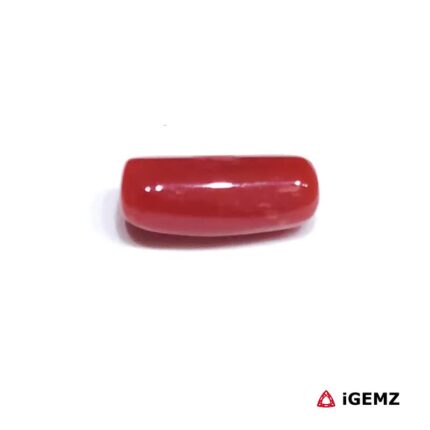
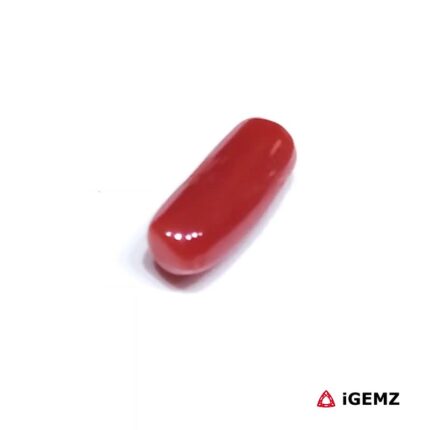
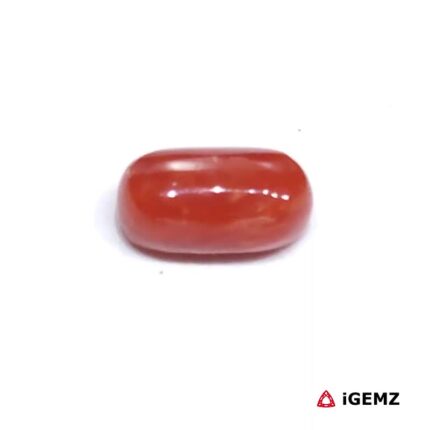
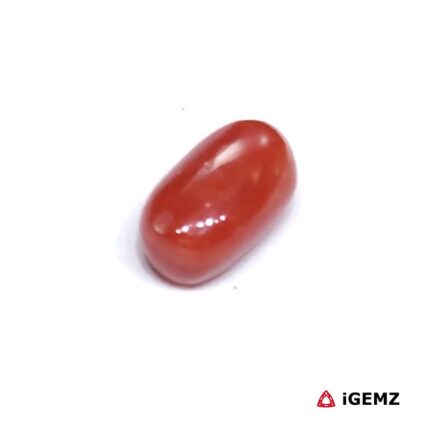
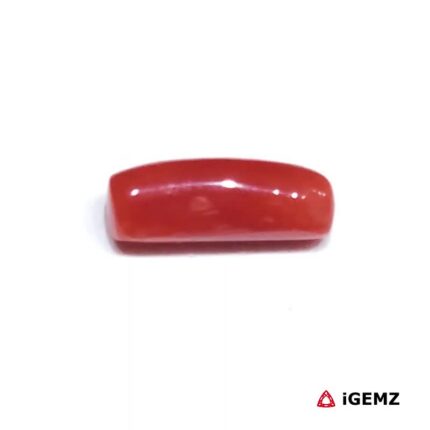
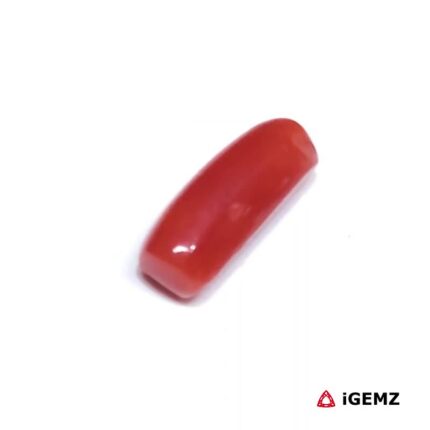
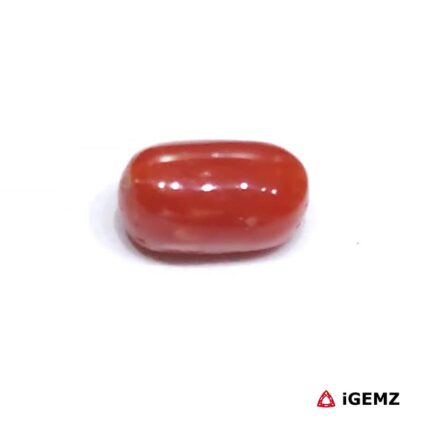
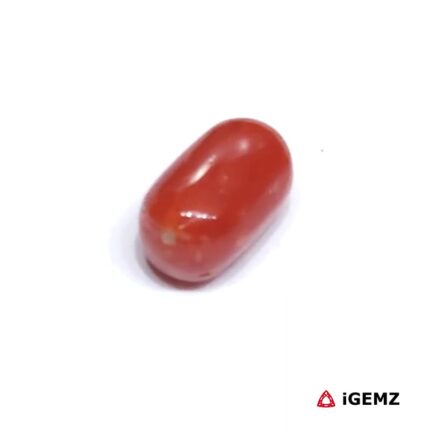
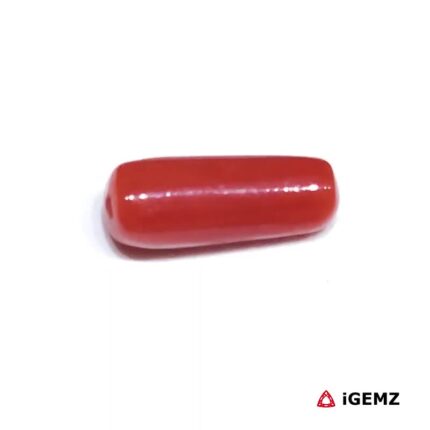
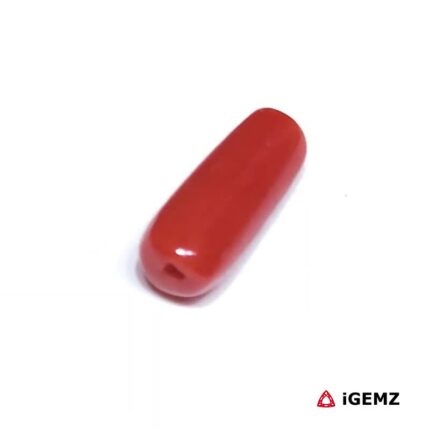
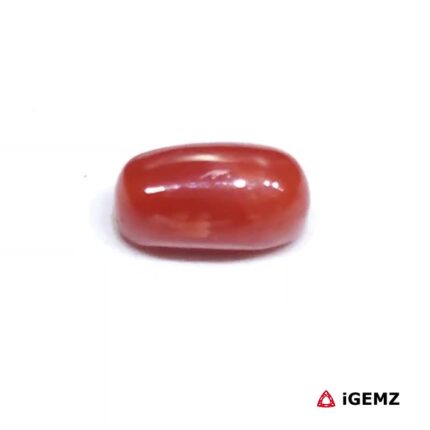
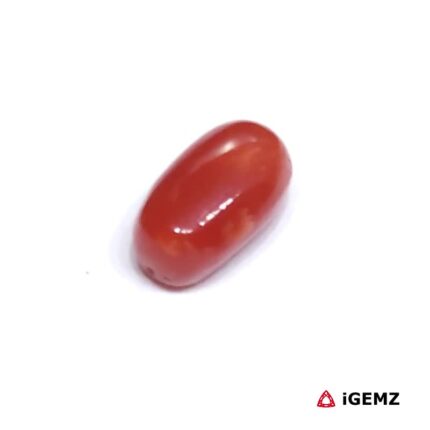
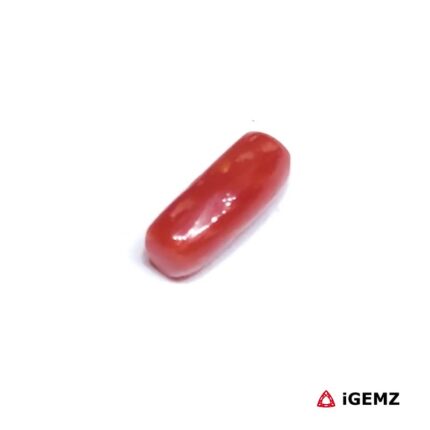
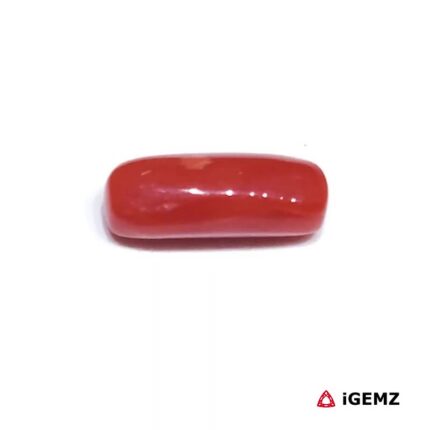
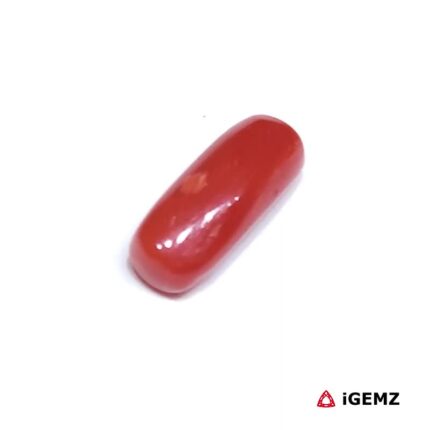
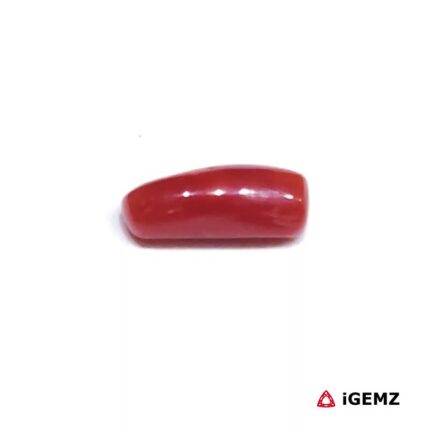
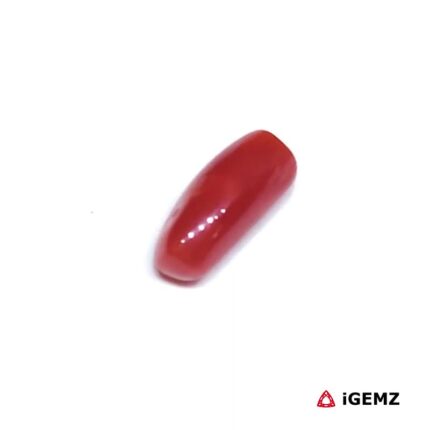
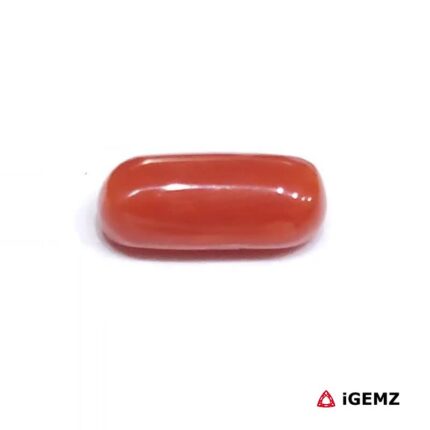
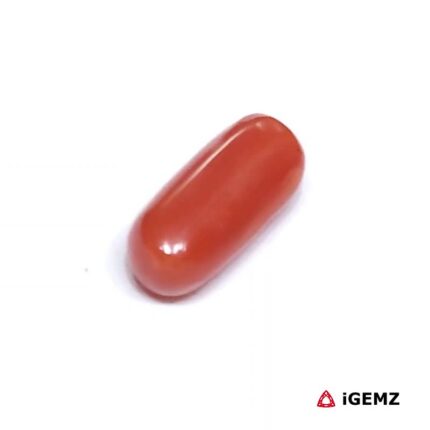
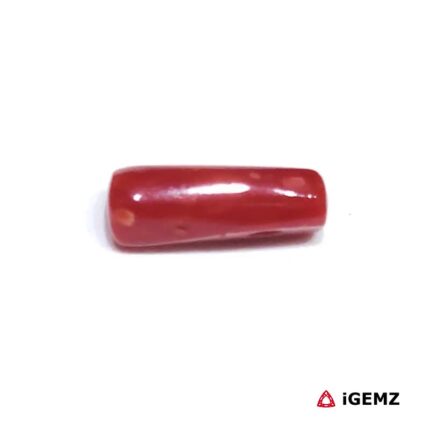
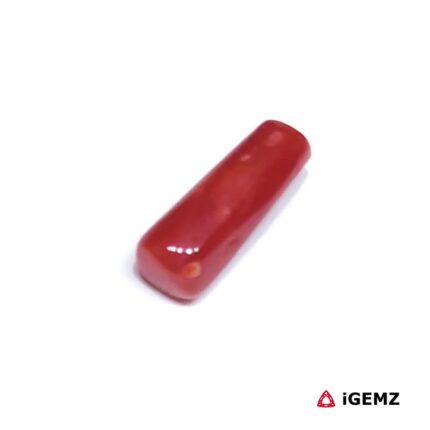
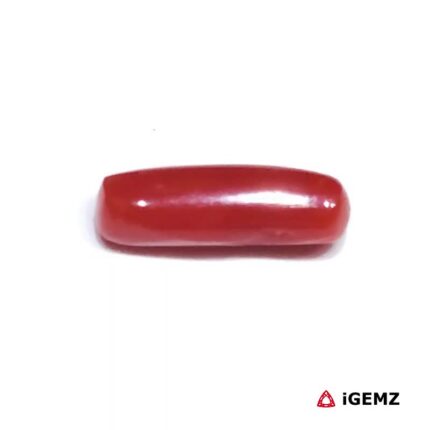
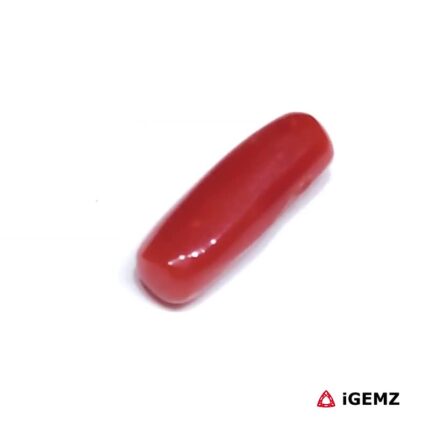
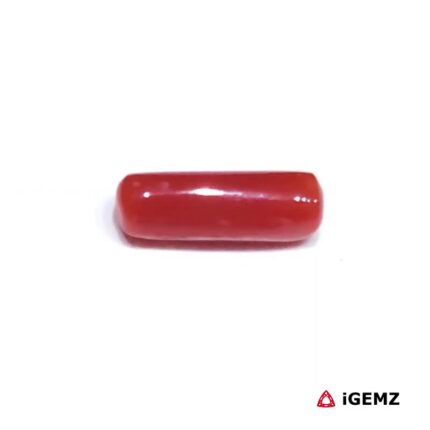
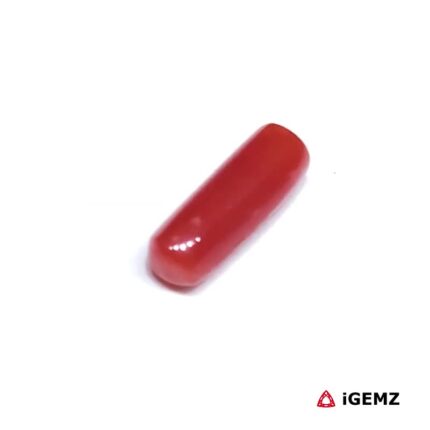
Coral occurs in shades of: Red, Pink, White, Orange, and Black. The most valuable coral is rich red or pink, evenly coloured with minimal surface spotting.

Chemical Formula
Coral is primarily calcium carbonate (CaCO₃), an organic material formed by marine organisms. Trace minerals influence colour and hue.

Composition
Calcium carbonate with trace minerals affecting colour.

Refractive Index
The refractive index for typically ranges from 1.486 to 1.658.

Lustre
Vitreous to waxy, providing a gentle shine that enhances colour.

Moh's Hardness & Durability
Coral has a Mohs hardness of 3–4, making it relatively soft. Careful handling is required to prevent scratching or damage. Suitable for earrings, pendants, and necklaces, but rings should be worn cautiously.

Crystal System
Coral is an organic gemstone and does not crystallise in the traditional sense. Its structure is composed of tiny skeletal deposits from marine coral organisms.

Transparency
Opaque to slightly translucent; quality stones show uniform colour without spots or fissures.

Mineral Family
Coral belongs to the organic gemstone category, formed from marine invertebrate skeletons rather than mineral crystals.

Specific Gravity
2.60 – 2.70, depending on colour and density.
Origin, Treatment & Care
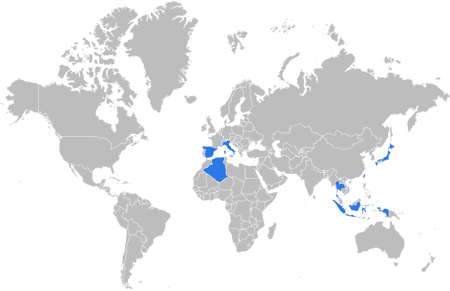
Coral is a natural organic gemstone harvested from the ocean. Its origin and harvesting method strongly influence value and sustainability. Understanding treatments is key to informed purchasing, while careful maintenance ensures long-term preservation.

Major Origins
Significant coral sources include the Mediterranean Sea, Red Sea, Japan, Indonesia, and Taiwan. Red and pink Mediterranean coral remain the most prized and valuable. Pacific coral is generally used in costume or modern jewellery.

Treatments
Many coral gemstones are dyed to enhance colour, especially lower-grade material. Bleaching is sometimes used for white coral. High-quality coral is typically untreated aside from stabilisation for durability. Buyers should always request disclosure of any treatment.

Care and Cleaning
Avoid acids, harsh chemicals, and ultrasonic cleaning. Clean gently with warm water and a soft cloth. Store separately to prevent scratching, as coral is softer than most gemstones.
How Coral Quality & Value Are Determined
Understanding coral grading helps you compare gemstones confidently. Key factors influencing value include colour, texture, size, and overall condition. Quality coral exhibits vibrant colour, smooth surface, and minimal imperfections.
Colour
Colour is the primary determinant of coral value. The finest coral displays:
- Deep red or vivid pink hues
- Even saturation throughout the piece
- Minimal surface spots or discolouration
- Natural warmth and vibrancy
Pale or unevenly coloured coral is less valuable, while rich, saturated red and pink stones are highly prized.
Texture & Surface Quality
High-quality coral should be smooth, dense, and free of cracks or pits. Coarse texture, fractures, or porous areas reduce both durability and value.
Cut & Shape
Coral is often shaped into cabochons, beads, or carvings rather than faceted. Important considerations include:
- Smooth and symmetrical shaping
- Uniform thickness in beads or cabochons
- Quality polish to enhance natural colour
Well-cut coral shows its colour evenly and maximises aesthetic appeal.
Size & Proportion
Larger pieces of uniform, vibrant colour command higher value. However, size alone does not guarantee quality — colour and surface smoothness are equally important. Medium-to-large beads, cabochons, and carvings are most desirable for collectors.
The Balance of the Four Factors
True value is determined by how colour, texture, cut, and size work together. A premium coral gemstone should display:
- Rich, evenly distributed colour
- Smooth surface and tight texture
- Well-proportioned shape
- Suitable size for jewellery or collection
When these factors align, coral becomes a visually striking and desirable organic gemstone.

International Pricing Trends – per carat
Coral remains relatively accessible compared with precious gemstones, but fine red and pink coral is scarce and commands premium prices. Prices vary with colour, size, origin and surface quality.
Estimated Average International Coral Prices (Good Quality) – Per Carat
| Weight | ZAR | USD | EUR | JPY | GBP | AUD | CAD | CHF | CNY | HKD | NZD | Market Signal |
|---|---|---|---|---|---|---|---|---|---|---|---|---|
| Under 1 carat | Small beads & cabochons | |||||||||||
| 1 - 2 carat | Larger gemstones | |||||||||||
| 2 - 3 carats | Increasingly valuable | |||||||||||
| 3 - 5 carats | Rare & sought after | |||||||||||
| +5 carats | Command premium prices |

Frequently Asked Questions
Is coral considered a gemstone?
Yes. Although organic in origin, coral is classified as a gemstone and has been used in fine jewellery for thousands of years.
Why is coral soft compared to other gemstones?
Coral is composed of calcium carbonate from marine organisms, making it softer than mineral gemstones. Care is required to avoid scratches and damage.
Are all coral gemstones treated?
Not all. Some coral is dyed or stabilised to improve colour and durability, but high-quality coral is untreated and naturally vibrant.
Which coral colour is most valuable?
Deep red and vibrant pink coral, particularly from the Mediterranean, is the most valuable due to rarity and aesthetic appeal.
Can coral be worn every day?
Yes, but carefully. Because of its softness, coral jewellery should be stored separately and protected from impact and chemicals.
How do I know if coral is authentic?
Natural coral is lightweight, warm to the touch, and often has natural striations or texture. Lab testing can confirm authenticity and treatment history.

Buy With Confidence
Professionally inspected gemstones
Full transparency on treatments
Worldwide shipping
Secure checkout
Ready to own the beauty of
CORAL?
Now that you understand the history, symbolism and quality factors behind coral, the natural next step is to choose your own gemstone. Celebrated for its organic beauty, rich colours, and historic significance, coral offers both aesthetic charm and cultural value. Its versatility makes it ideal for necklaces, bracelets, cabochons and statement pieces. Combining natural elegance, warmth, and enduring appeal, coral is a sophisticated addition to any gemstone collection.
Vibrant Colours
Natural Warmth
Protective Energy
COMPARE GEMSTONES WITH CONFIDENCE
Gemstone Comparison Guides
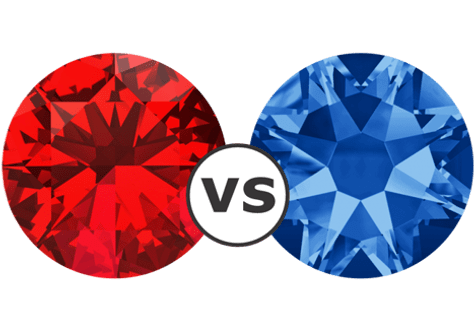
Choosing between two beautiful gemstones can be challenging. Our professional Gemstone Comparison Guides help you clearly understand the differences between popular gemstones so you can make a confident and informed choice.
Each comparison explores the key factors that influence gemstone quality and value, including colour, clarity, durability, rarity and typical treatments. You will also learn how similar-looking gemstones differ in appearance, composition, hardness and more.
HERE IS ALL THE PROFESSIONAL INFORMATION YOU NEED
Gemstone Buyer's Guides
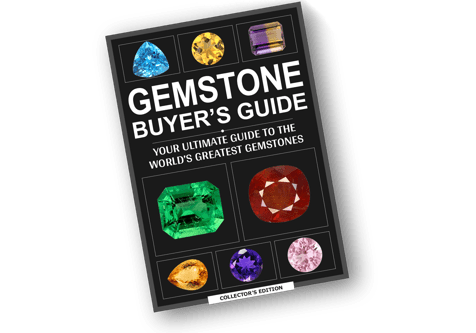
Buying a gemstone should be exciting — but understanding quality, rarity and value is essential before making the right choice. Our professional Gemstone Buyer’s Guides help you understand how colour, clarity, cut and treatments influence the beauty and value of different gemstones.
Each guide explains the key quality factors used by gemologists, including gemstone composition, colour grading, natural inclusions, treatments and origin. You will also learn how these factors affect rarity, durability and market value.
Beryl Family
Feldspar Gemstones
Pyroxene Gemstones
Spodumene Family
Chalcedony & Agate
Quartz Gemstones
Amethyst
Ametrine
Citrine
Prasiolite
Quartz
Rose Quartz
Rutile Quartz
Smoky Quartz
Rare & Collector Gemstones
Apatite
Chrysoberyl
Clinozoisite
Fluorite
Grandidierite
Iolite
Jade
Kyanite
Lapis Lazuli
Phosphosiderite
Prehnite
Serendibite
Sillimanite
Sphene
Sugilite
Vesuvianite