

 1st - Gold
 January
 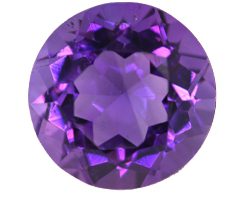 February
 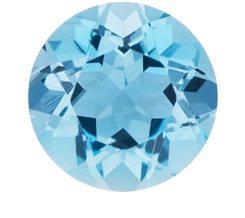 March
March 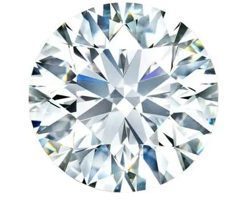 April
April 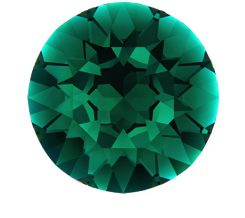 May
May  June
June  July
July  August
  September
  October
  November
  December
 Capricorn - Garnet
  Aquarius - Amethyst
  Pisces - Aquamarine
  Aries - Diamond
  Taurus - Emerald
  Gemini - Pearl
  Cancer - Ruby
  Leo - Peridot
  Virgo - Blue Sapphire
  Libra - Opal
  Scorpio - Topaz
  Sagittarius - Tanzanite

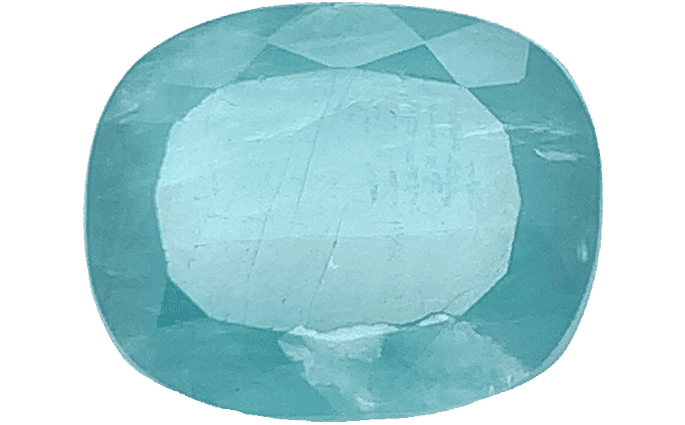
Grandidierite
Buyer’s Guide
Quality, Composition, Colour & Value Explained
Discover how colour, clarity, treatments and cut influence Grandidierite value, and learn what truly determines quality before choosing your ideal blue-green gemstone.
A complete professional Grandidierite Buyer’s Guide to understanding this gemstone’s quality, origin, treatments and value factors before purchasing.
History, Symbolism & Meaning of Grandidierite
Origins and Historical Use

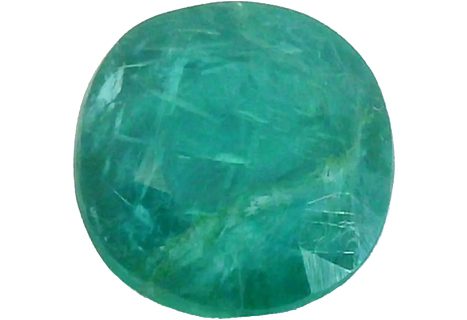
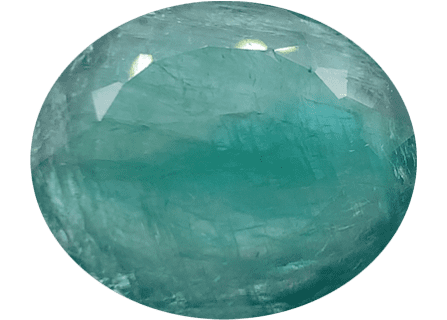
Grandidierite is one of the rarest gemstones in the world, first discovered in Madagascar in 1902 by French mineralogist Alfred Grandidier, after whom it is named. Initially considered a mineralogical curiosity, it gradually gained recognition among collectors and gem enthusiasts for its striking bluish-green colour and scarcity.
Because it is extremely rare in gem-quality form, historical use in jewellery was limited, and most early pieces were owned by private collectors or museums.
Ancient Beliefs and Spiritual Energy

Though not widely known in ancient cultures, modern crystal enthusiasts ascribe Grandidierite with calming and protective energies. It is believed to enhance intuition, foster mental clarity, and provide emotional balance.
The stone is often associated with the throat and heart chakras, promoting effective communication and harmonious relationships. Its unique blue-green hue is said to inspire serenity, resilience, and focus.
Modern Symbolism and Collectibility

Today Grandidierite is highly prized for both its rarity and captivating colour. Collectors seek it as a valuable addition to investment-grade gemstone portfolios.
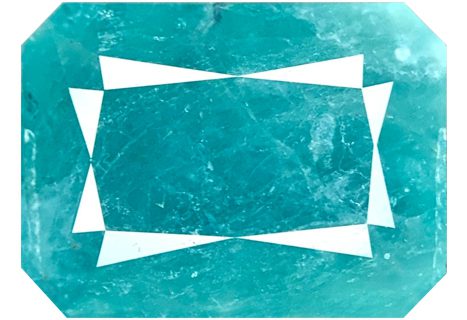
Because gem-quality Grandidierite is extremely scarce, stones with strong colour, high transparency, and decent size are considered exceptional. It is often used in bespoke jewellery and is a favourite for collectors who value unusual, high-end gemstones with distinct character.
Physical & Optical Properties
EXPLORE GRANDIDIERITE’S HARDNESS, LUSTRE, TRANSPARENCY, REFRACTIVE INDEX AND SPECIFIC GRAVITY.
Understanding the gemological properties of Grandidierite helps determine durability, brilliance and long-term wear suitability.

Colour Range
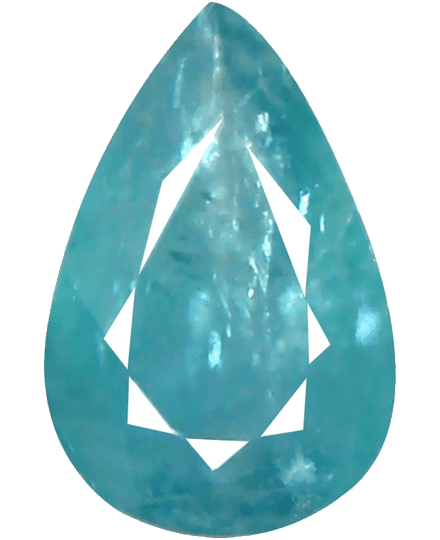
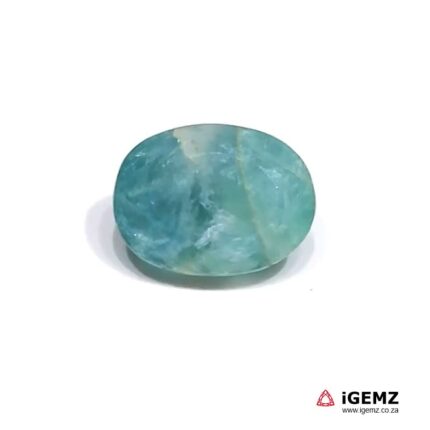
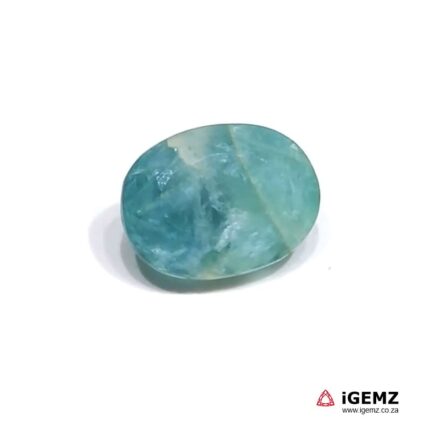
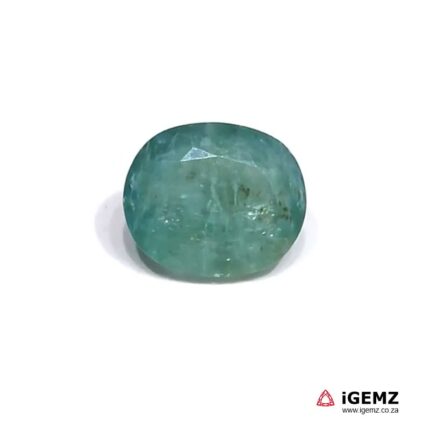
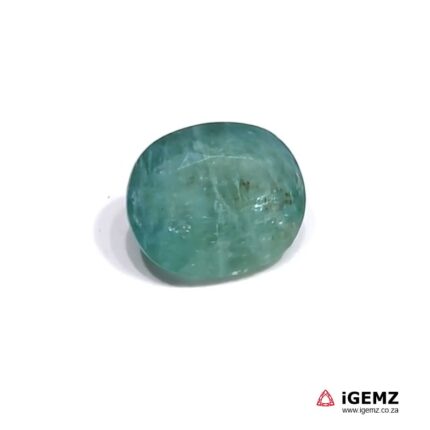
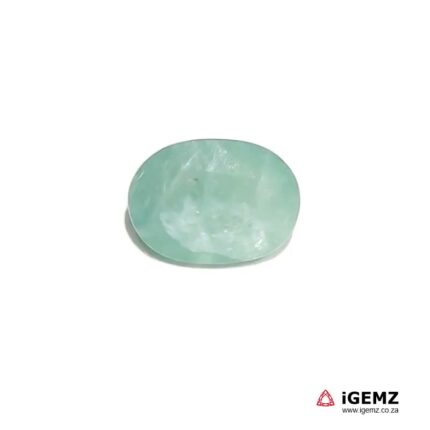
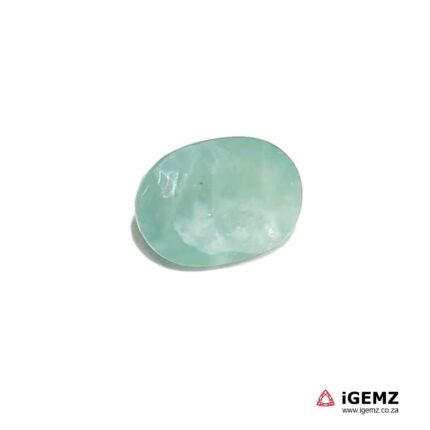
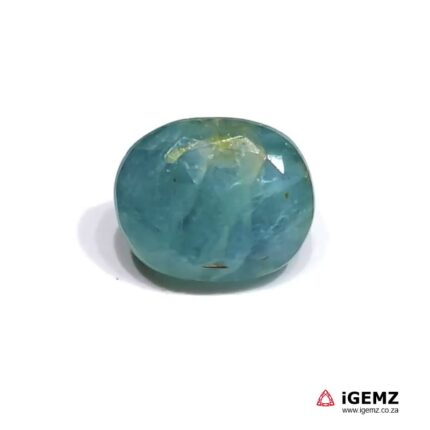
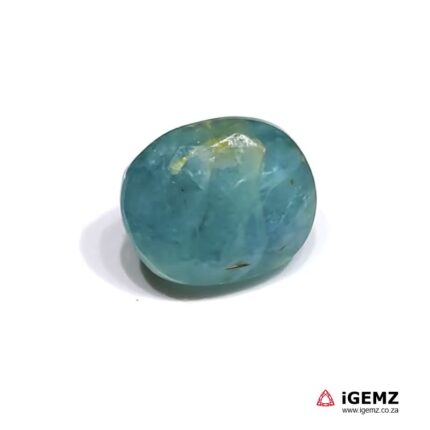
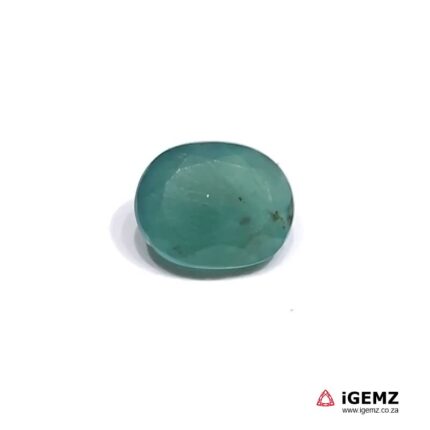
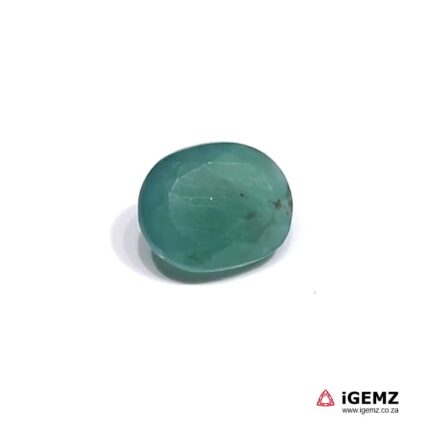
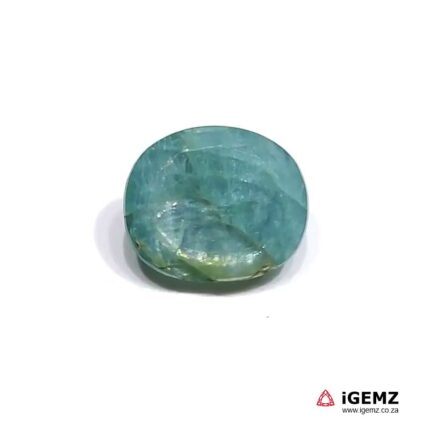
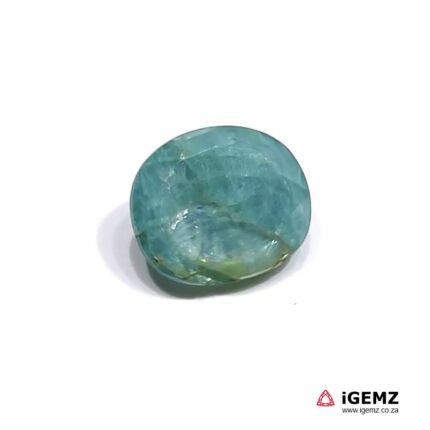
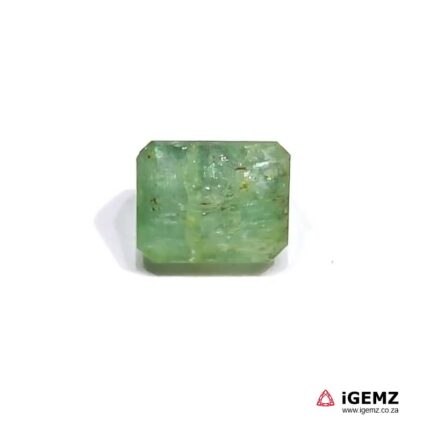
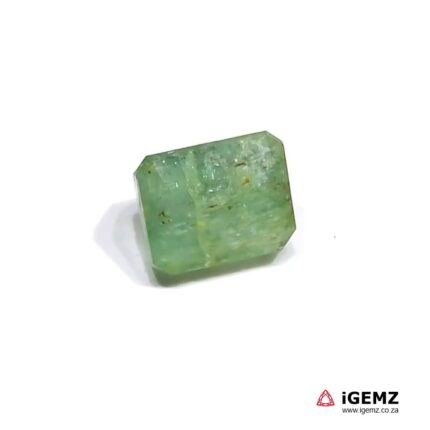
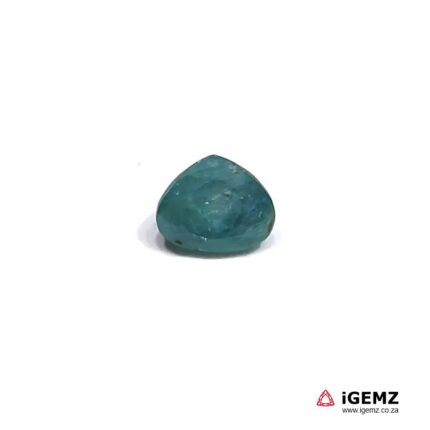
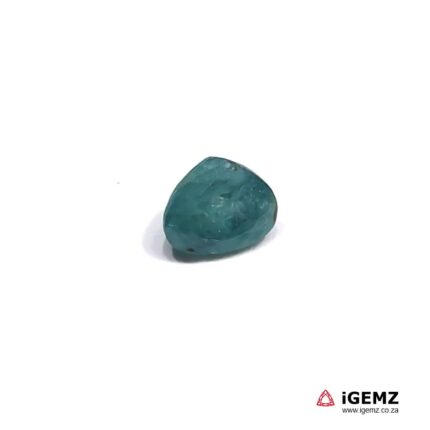
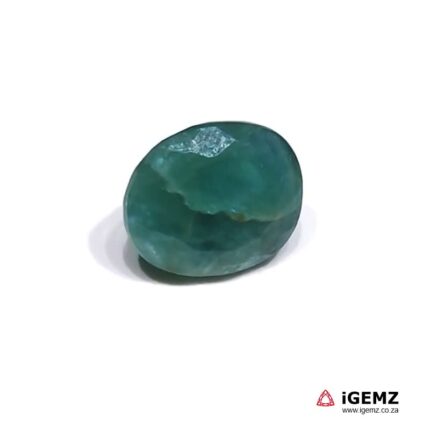
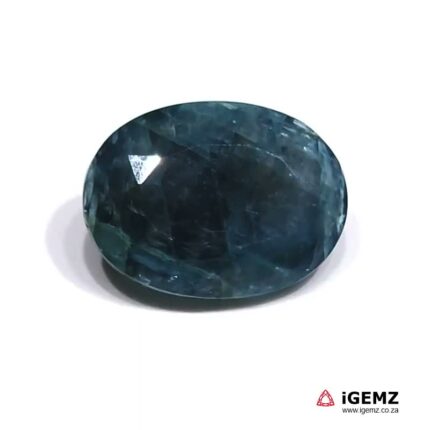
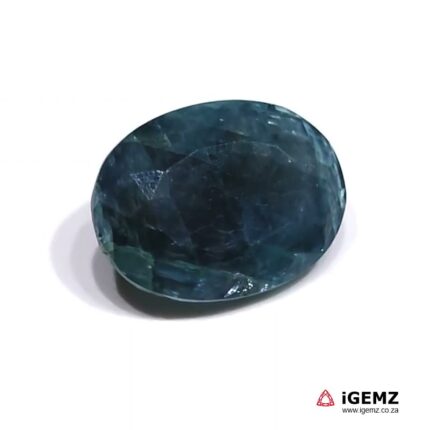
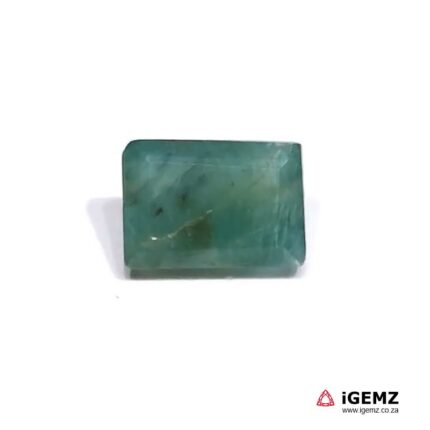
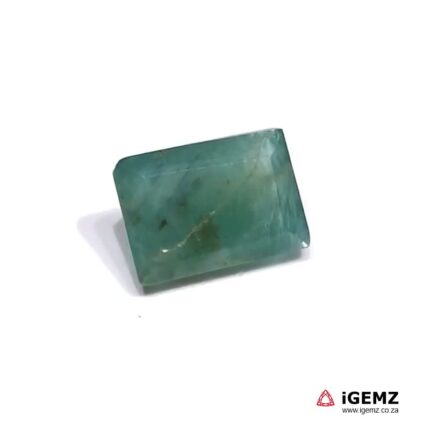
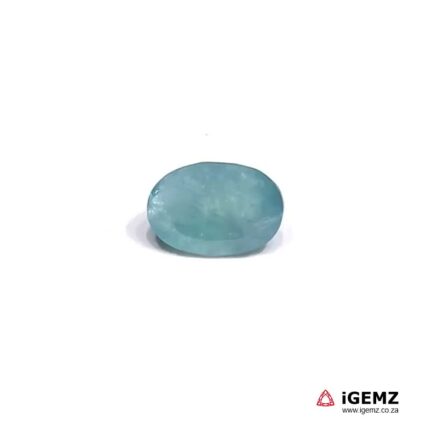
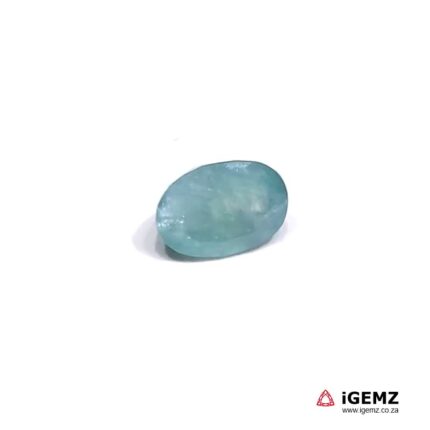
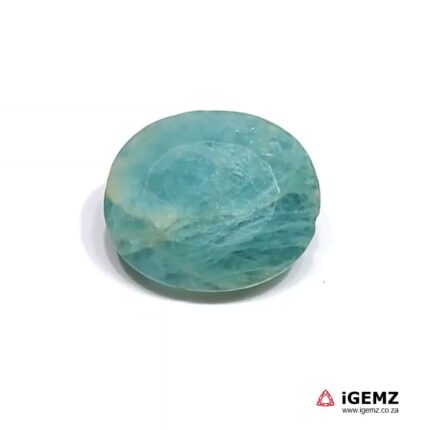
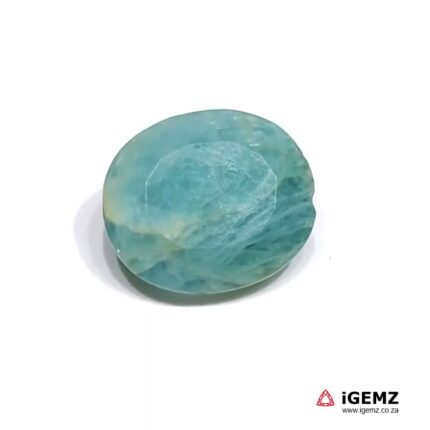
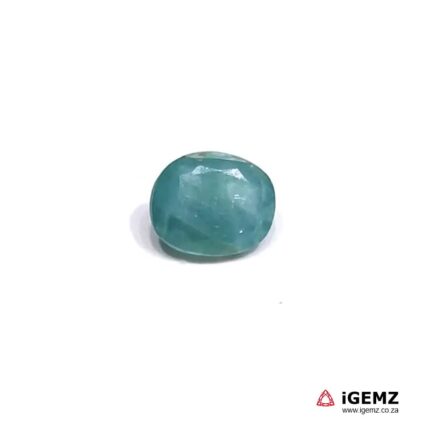
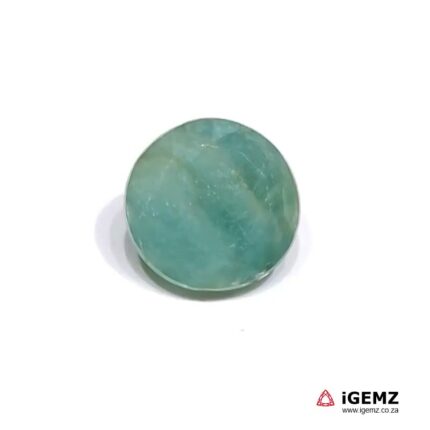
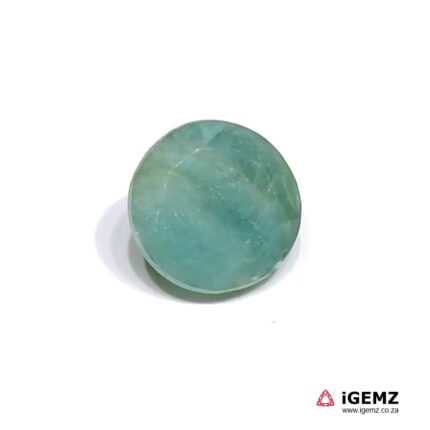
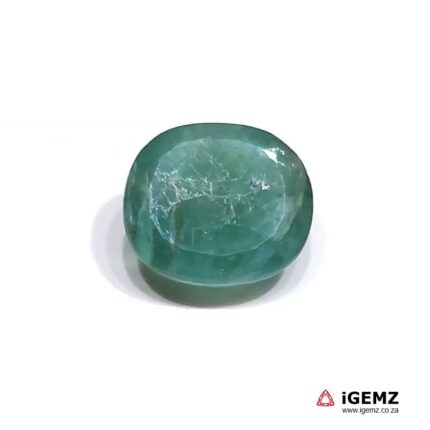
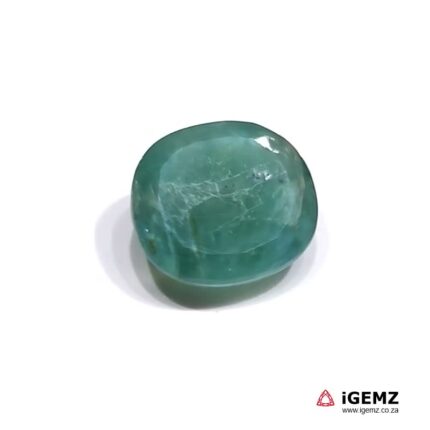
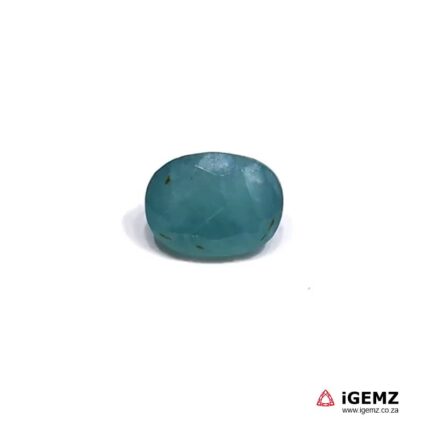
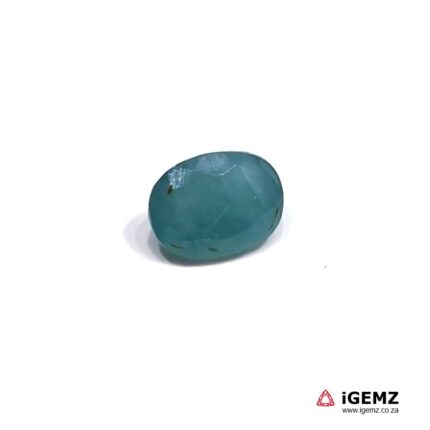
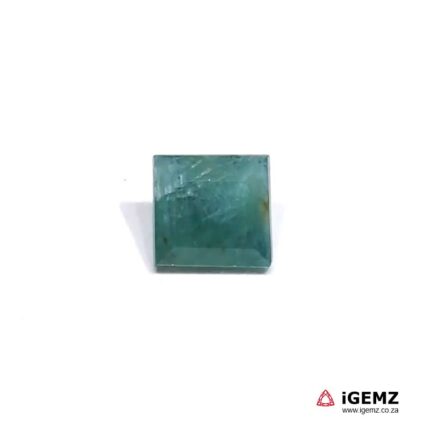
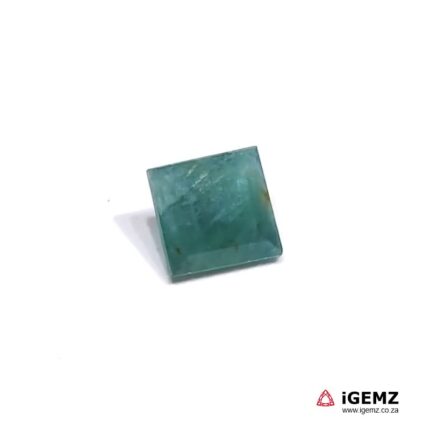
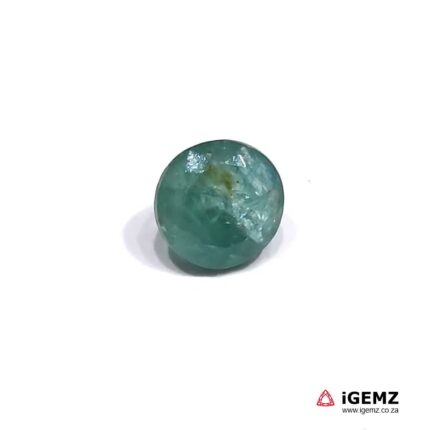
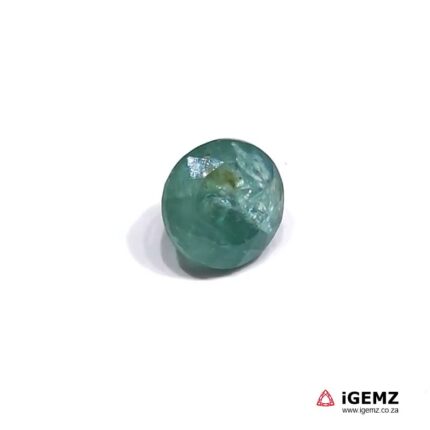
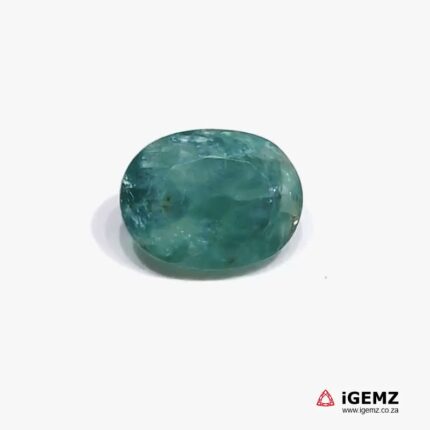
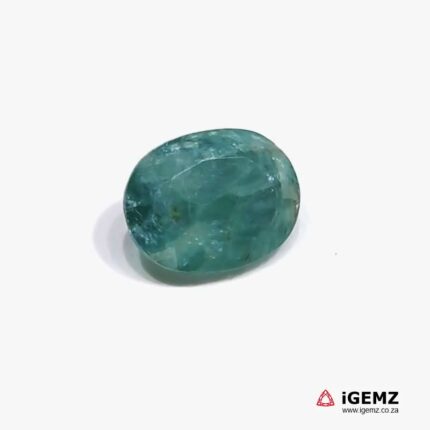
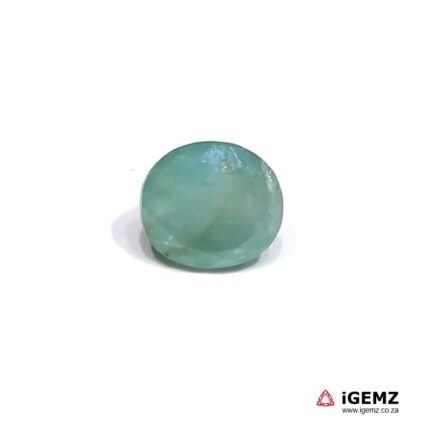
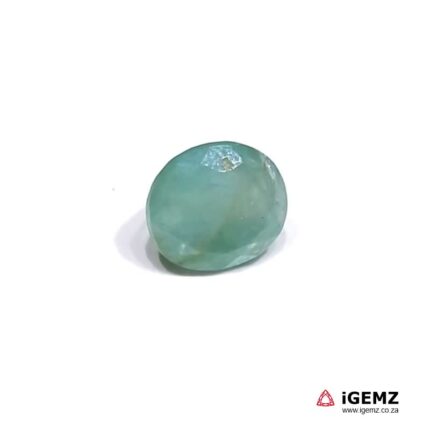
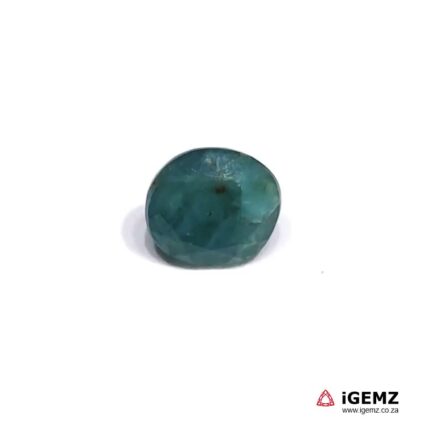
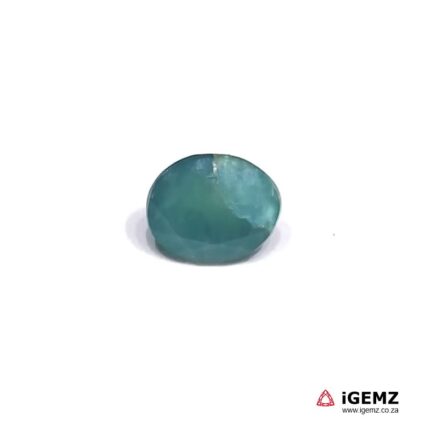
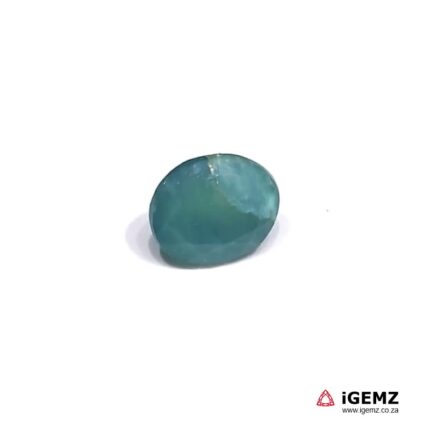
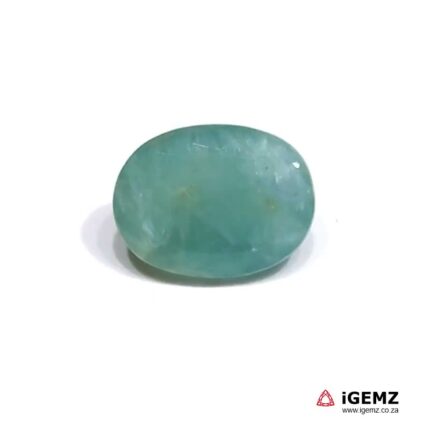
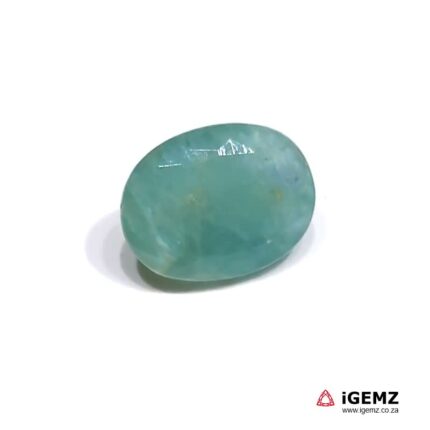
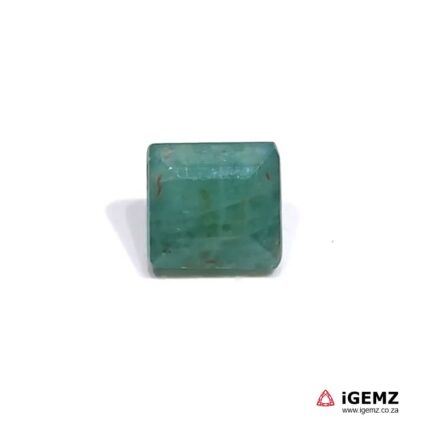
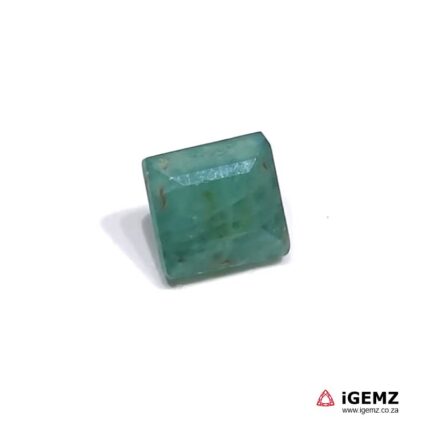
Grandidierite occurs in shades of: Bluish-green, Teal, Greenish-blue. The most valuable stones have a deep, evenly distributed bluish-green tone with vivid saturation. Pleochroism (colour changing with viewing angle) is a key feature to consider when evaluating quality.

Chemical Formula
Grandidierite has the (Mg,Al)₃(Al,Si)₄O₁₀(OH)₂ chemical formula, belonging to the nesosilicate mineral group. Trace elements contribute to its distinctive blue-green hue.

Composition
Magnesium, Aluminium, Silicon & Oxygen – trace elements influence colour intensity and pleochroic behaviour.

Refractive Index
1.583 – 1.639, giving Grandidierite a subtle brilliance and depth of colour.

Lustre
Vitreous, producing a soft, glass-like sparkle.

Moh's Hardness & Durability
Grandidierite has a Mohs hardness of 7.5, making it moderately durable for jewellery. Its rarity and typical small crystal size mean it is often set carefully in protective jewellery designs to prevent chipping.

Crystal System
Its crystal system is orthorhombic, forming elongated prismatic crystals, sometimes faceted to enhance colour and brilliance.

Transparency
Transparent to semi-transparent, with exceptional stones displaying excellent clarity and vivid colour.

Mineral Family
Grandidierite belongs to the nesosilicate mineral family.

Specific Gravity
2.78 – 2.91, typical of magnesium-aluminium silicate gemstones.
Origin, Treatment & Care
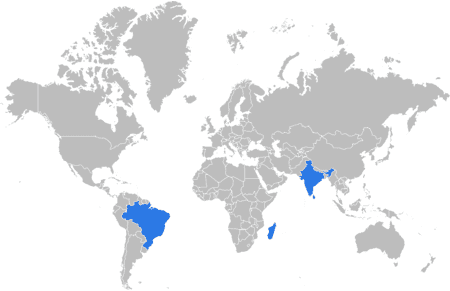
Grandidierite is one of the rarest and most sought-after gemstones due to its limited occurrence in Madagascar and very few other localities. Most gem-quality stones are naturally coloured, and treatments are extremely rare. Understanding origin and rarity is essential for accurate value assessment.
With careful handling, Grandidierite can be worn in rings, pendants and earrings, though protective settings are recommended due to occasional brittleness.

Major Origins
Gem-quality Grandidierite is primarily sourced from Madagascar. Other minor sources include Brazil, Sri Lanka and Myanmar, though material from these regions is extremely scarce.

Treatments
Most Grandidierite is untreated, with natural colour and clarity. Any enhancements are rare and should be fully disclosed. Collectors prize untreated stones for their rarity and investment potential.

Care and Cleaning
Avoid harsh chemicals, ultrasonic cleaners and extreme temperature changes. Clean with warm water, mild soap and a soft brush. Store separately from harder gemstones to prevent scratches or damage.
How Grandidierite Quality & Value Are Determined
Value is driven by a combination of colour, clarity, cut and carat weight. For Grandidierite, colour intensity and pleochroism are particularly important. A high-quality stone exhibits deep bluish-green hues, strong transparency, and balanced proportions.
Colour
The most important value factor is colour. Premium Grandidierite displays:
- Vivid, evenly distributed bluish-green tone
- Pleochroic shades visible under different angles
- No brown or grey undertones
- Bright, lively appearance
Clarity, cut and carat weight influence overall value, but rare, richly coloured stones command the highest prices.
Clarity
High-quality Grandidierite should be transparent with minimal inclusions that detract from brilliance. Minor internal inclusions are common and generally accepted due to the rarity of large, flawless stones.
Cut
Cutting enhances colour, pleochroism and brilliance. Important considerations include:
- Accurate facet alignment to maximise colour play
- Balanced proportions and symmetry
- Smooth polish and well-defined facets
Custom cuts are often used to preserve carat weight and showcase pleochroism.
Carat Weight
Large stones are extremely rare. Because of scarcity, even smaller stones can be highly valuable. Stones above 2–3 carats with excellent colour and clarity are considered exceptional and highly sought after.
The Balance of the Four Factors
Premium Grandidierite gemstones combine:
- Deep, vibrant bluish-green colour
- Good transparency with minimal inclusions
- Precise and symmetrical cut
- Rare size, proportional to brilliance
When these factors align, Grandidierite becomes a collector’s gem and investment-grade stone.
International Pricing Trends – per carat
Grandidierite remains one of the rarest gemstones, so prices per carat are high compared to more common stones. Even small gem-quality pieces can command significant premiums.
Estimated Average International Grandidierite Prices (Good Quality) – Per Carat
| Weight | ZAR | USD | EUR | JPY | GBP | AUD | CAD | CHF | CNY | HKD | NZD | Market Signal |
|---|---|---|---|---|---|---|---|---|---|---|---|---|
| Under 1 carat | Small but highly valuable | |||||||||||
| 1 - 2 carats | Attract collectors | |||||||||||
| 2 - 3 carats | Extremeley rare | |||||||||||
| +3 carats | Exceptionally rare |


Frequently Asked Questions
How rare is Grandidierite?
Grandidierite is one of the rarest gemstones in the world. Gem-quality stones are extremely scarce, with most material coming from Madagascar.
What colours does Grandidierite show?
It ranges from bluish-green to teal or greenish-blue, often showing pleochroism—different colours when viewed from different angles.
Are Grandidierite gemstones treated?
Most Grandidierite is untreated. Any enhancements are extremely rare and must be disclosed.
Is Grandidierite suitable for everyday jewellery?
Yes, with care. It has good hardness but may be brittle, so protective settings are recommended, especially for rings.
What determines the value of Grandidierite?
Colour intensity, pleochroism, clarity, cut, and size all influence value. Deep, vivid blue-green stones with high transparency are the most prized.
Where is Grandidierite found?
The main source is Madagascar. Minor occurrences exist in Sri Lanka and Myanmar, but gem-quality stones are extremely limited.

Buy With Confidence
Professionally inspected gemstones
Full transparency on treatments
Worldwide shipping
Secure checkout
Ready to own the beauty of
GRANDIDIERITE?
Now that you understand the history, symbolism and quality factors behind Grandidierite, you can pursue this rare gemstone with confidence. Celebrated for its unique bluish-green colour, pleochroism and scarcity, Grandidierite is ideal for collectors and bespoke jewellery. Its rarity and exceptional beauty make it a standout addition to any gemstone collection.
Rare Blue-Green
Collector’s Gem
Unique & Timeless
COMPARE GEMSTONES WITH CONFIDENCE
Gemstone Comparison Guides
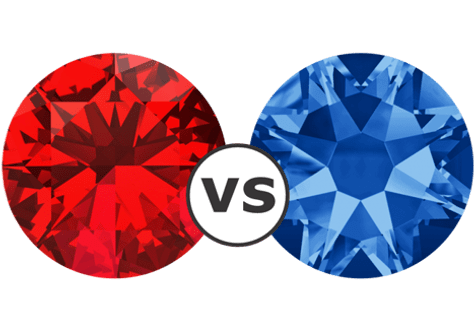
Choosing between two beautiful gemstones can be challenging. Our professional Gemstone Comparison Guides help you clearly understand the differences between popular gemstones so you can make a confident and informed choice.
Each comparison explores the key factors that influence gemstone quality and value, including colour, clarity, durability, rarity and typical treatments. You will also learn how similar-looking gemstones differ in appearance, composition, hardness and more.
HERE IS ALL THE PROFESSIONAL INFORMATION YOU NEED
Gemstone Buyer's Guides
Buying a gemstone should be exciting — but understanding quality, rarity and value is essential before making the right choice. Our professional Gemstone Buyer’s Guides help you understand how colour, clarity, cut and treatments influence the beauty and value of different gemstones.
Each guide explains the key quality factors used by gemologists, including gemstone composition, colour grading, natural inclusions, treatments and origin. You will also learn how these factors affect rarity, durability and market value.
Beryl Family
Feldspar Gemstones
Pyroxene Gemstones
Spodumene Family
Chalcedony & Agate
Quartz Gemstones
Amethyst
Ametrine
Citrine
Prasiolite
Quartz
Rose Quartz
Rutile Quartz
Smoky Quartz
Rare & Collector Gemstones
Apatite
Chrysoberyl
Clinozoisite
Fluorite
Grandidierite
Iolite
Jade
Kyanite
Lapis Lazuli
Phosphosiderite
Prehnite
Serendibite
Sillimanite
Sphene
Sugilite
Vesuvianite