

 1st - Gold

 January
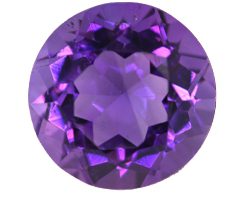 February
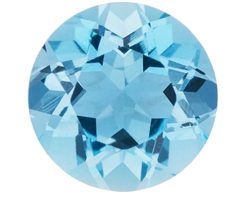 March
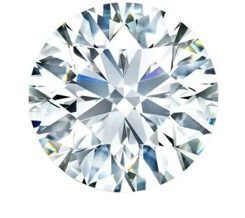 April
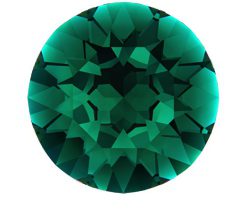 May
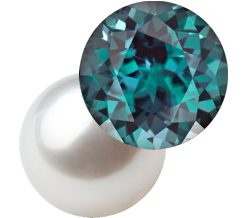 June
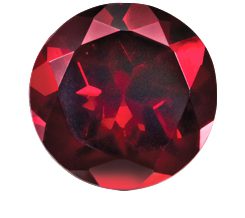 July
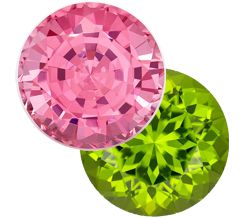 August
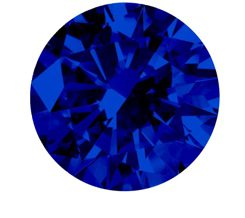 September
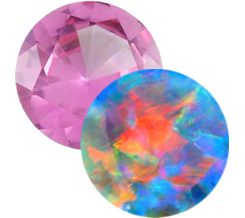 October
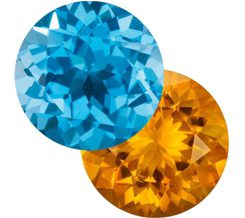 November
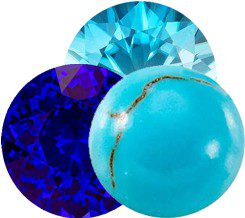 December

 Capricorn - Garnet
 Aquarius - Amethyst
 Pisces - Aquamarine
 Aries - Diamond
 Taurus - Emerald
 Gemini - Pearl
 Cancer - Ruby
 Leo - Peridot
 Virgo - Blue Sapphire
 Libra - Opal
 Scorpio - Topaz
 Sagittarius - Tanzanite

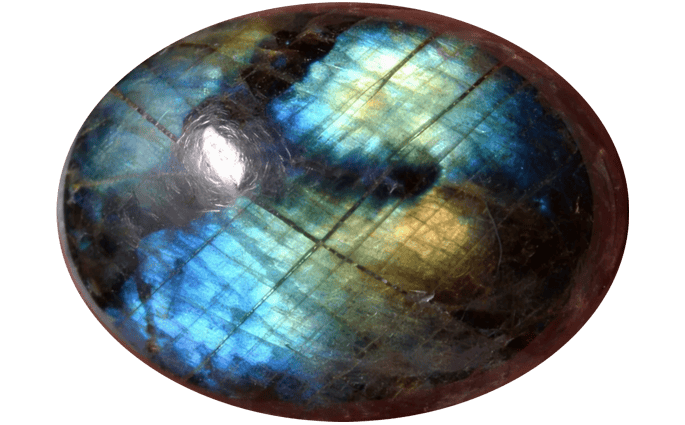
Labradorite
Buyer’s Guide
Quality, Composition, Colour & Value Explained
Discover how colour, clarity, labradorescence and cut influence labradorite value, and learn what truly determines quality before choosing your ideal iridescent gemstone.
A complete professional Labradorite Buyer’s Guide to understanding this gemstone’s quality, origin, treatments and value factors before purchasing.
History, Symbolism & Meaning of Labradorite
Origins and Historical Use

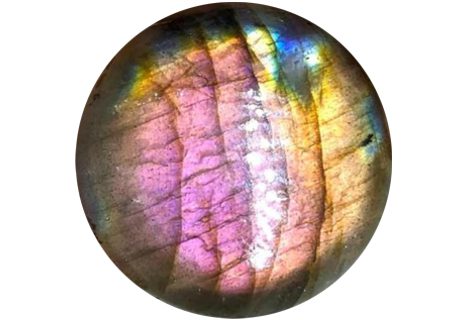
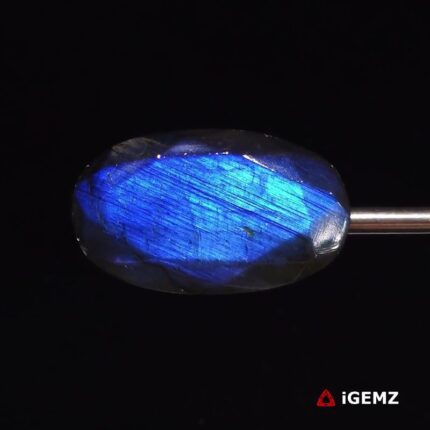
Labradorite was first identified in the Labrador Peninsula of Canada in the 18th century, though Indigenous peoples of the region had long valued it. Early cultures used it in amulets and ceremonial tools, appreciating its mysterious iridescent flashes, known as labradorescence.
The name labradorite honours its place of discovery and reflects its unique optical phenomena. Traditionally, the stone has been associated with magic, protection, and the ability to connect the physical and spiritual realms.
Ancient Beliefs and Spiritual Energy
Labradorite has long been considered a stone of transformation and mystical energy. Indigenous traditions viewed it as a protective stone, capable of deflecting negative energies and enhancing intuition.
In spiritual practices, labradorite is linked to the throat and third-eye chakras. It is said to promote clarity, insight, and creativity, making it a favourite among healers and meditators seeking balance, focus, and spiritual growth.
Modern Symbolism and Collectibility
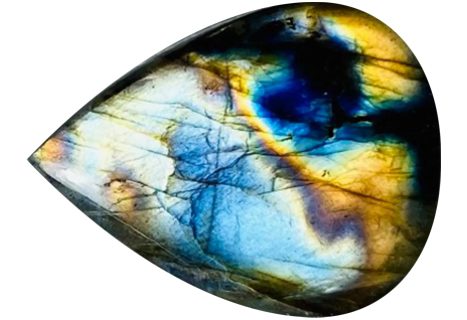
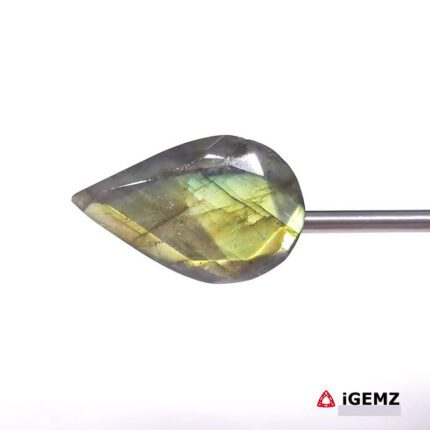
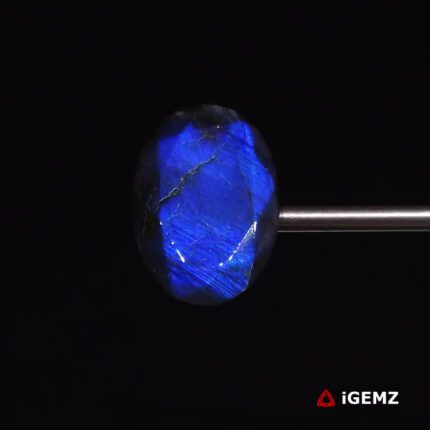
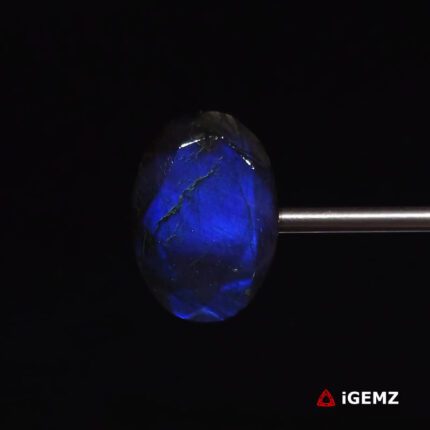
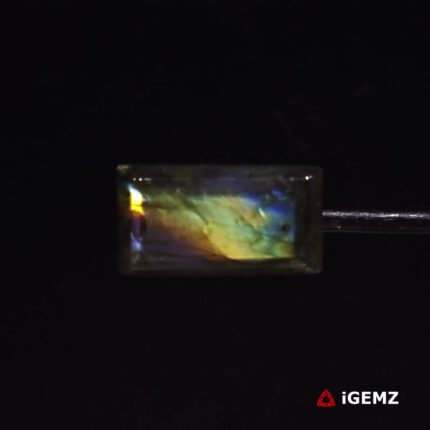
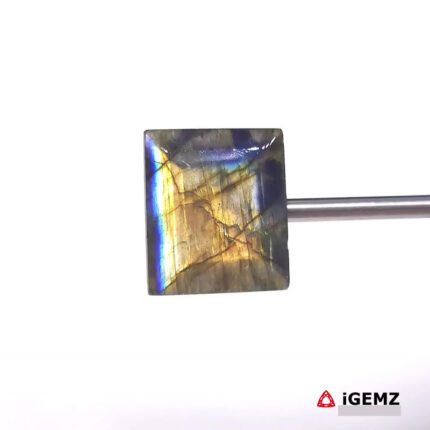
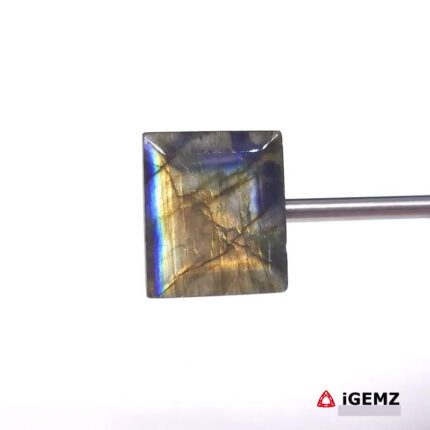
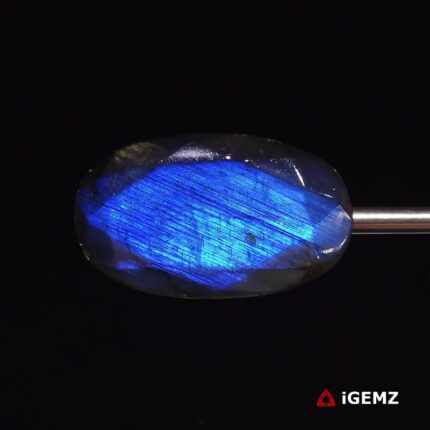
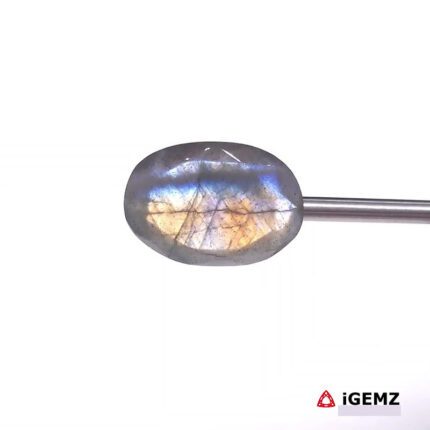
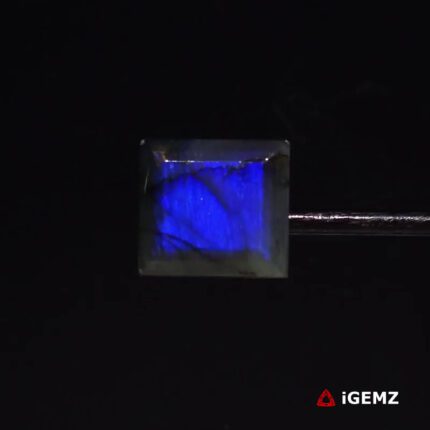
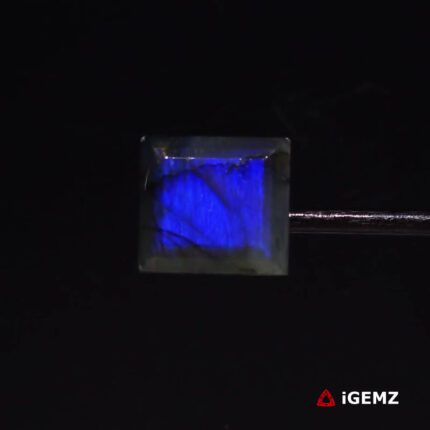
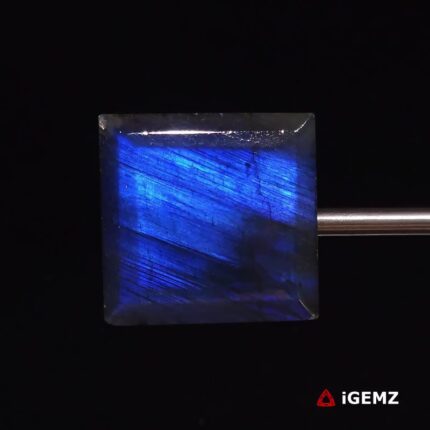
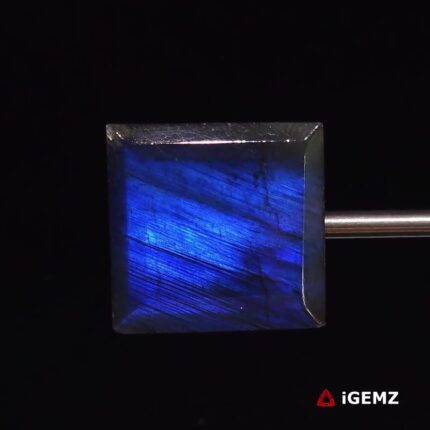
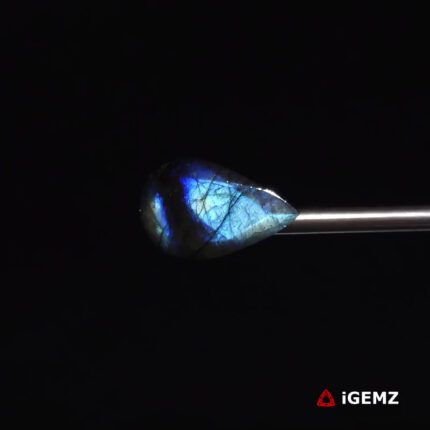
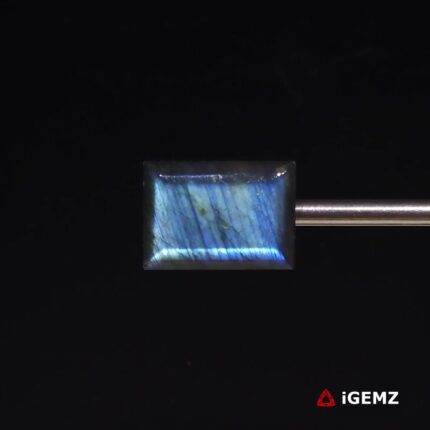
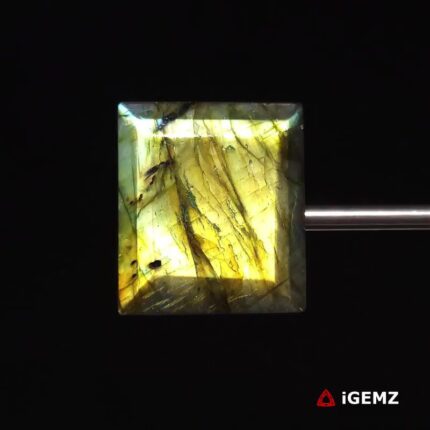
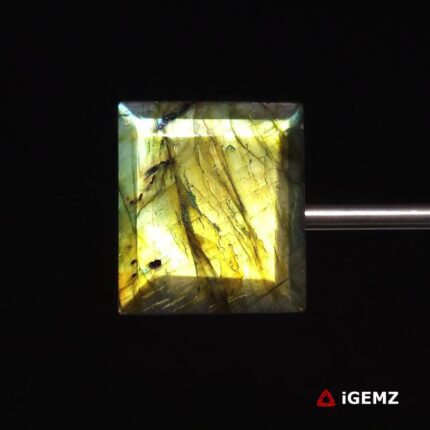
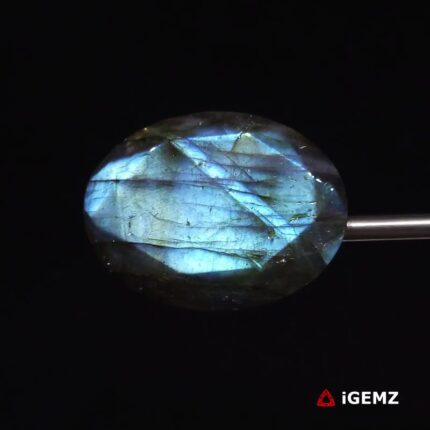
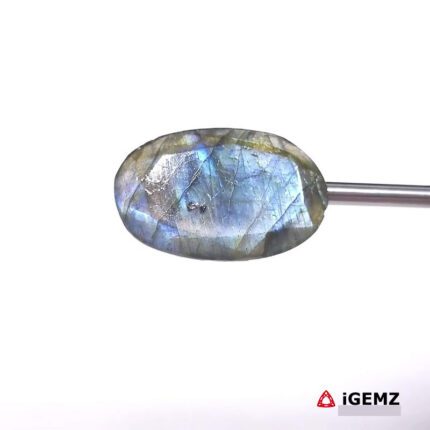
Today labradorite is admired for both its visual effects and metaphysical properties. Collectors prize high-quality specimens for their vivid flashes of blue, green, gold, and sometimes violet.
Modern enthusiasts associate labradorite with personal transformation, protection, and mental clarity. Its captivating iridescence makes it popular for statement jewellery pieces and decorative objects, offering a combination of mystical allure and natural beauty.
Physical & Optical Properties
Explore Labradorite’s Hardness, Lustre, Transparency, Refractive Index and Specific Gravity.
Understanding the gemological properties of labradorite helps determine durability, brilliance and suitability for jewellery.

Colour Range
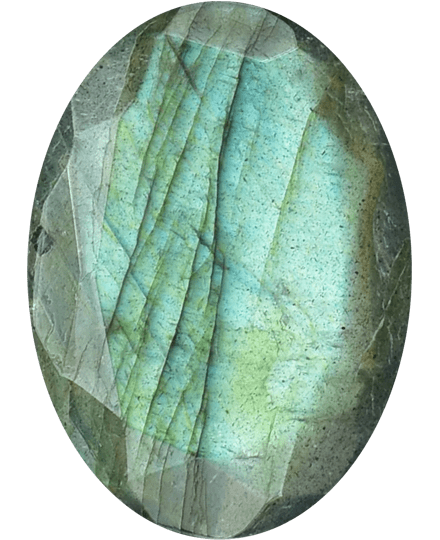
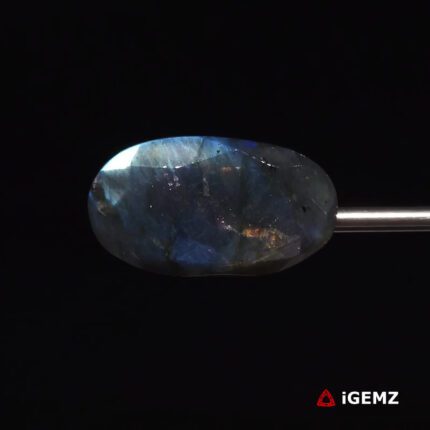
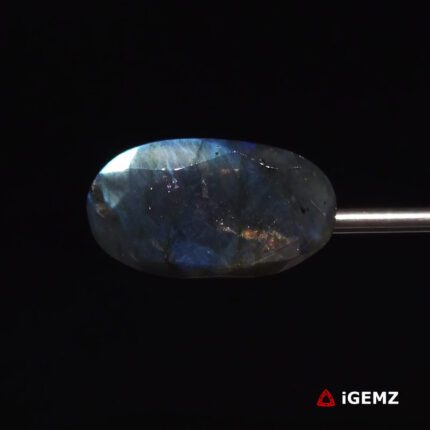
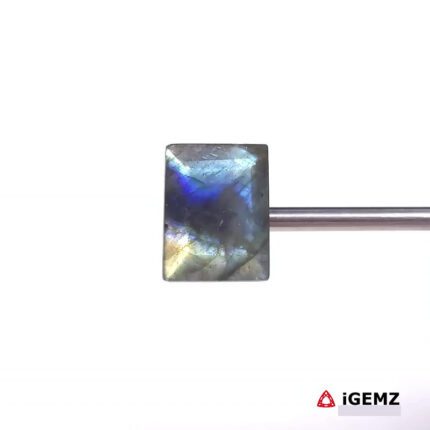
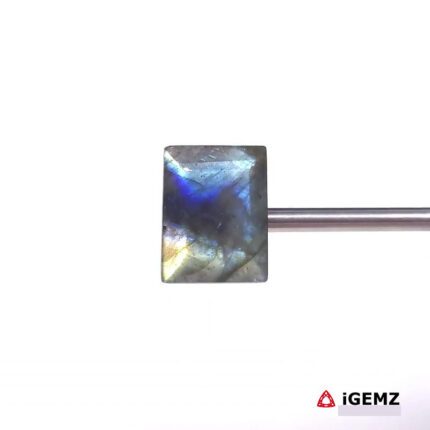
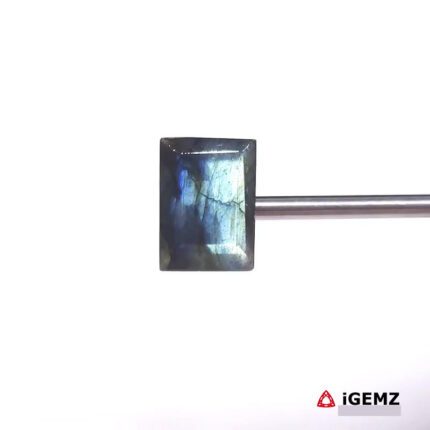
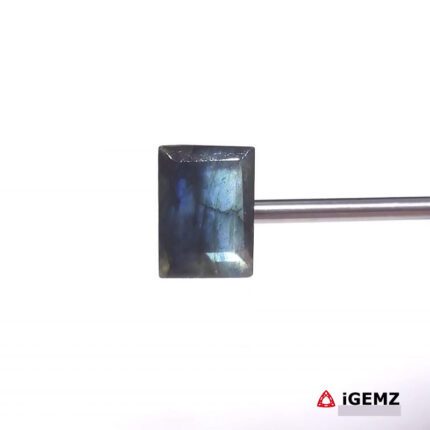
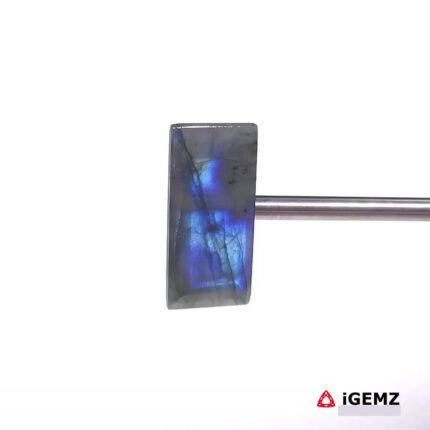
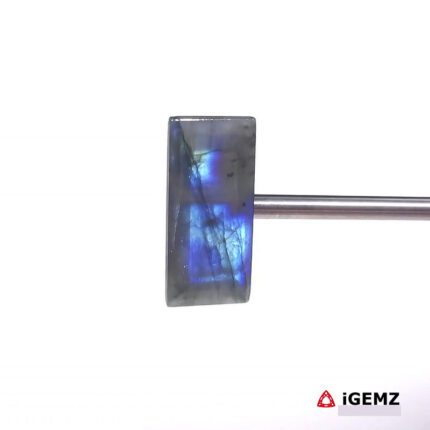
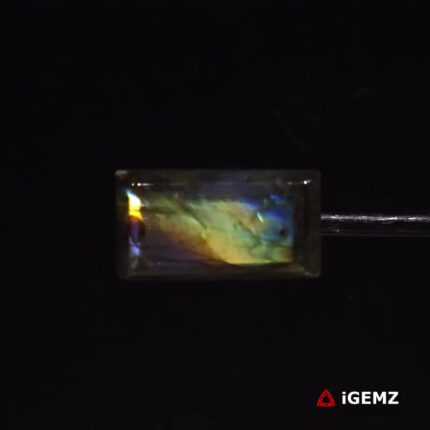
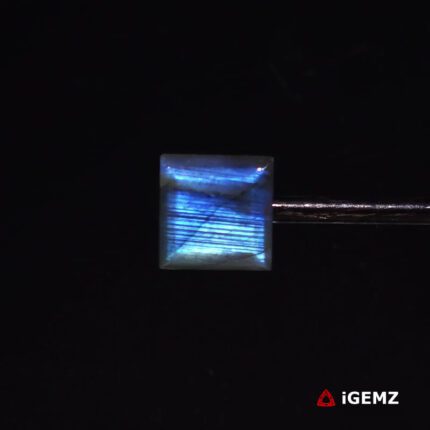
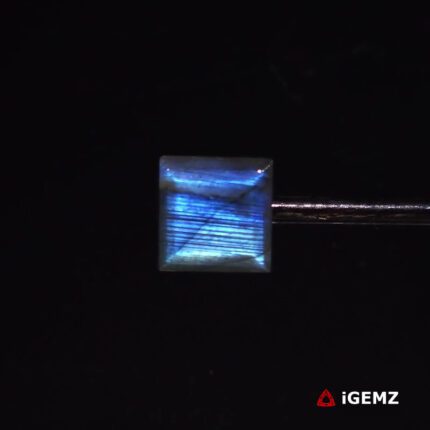
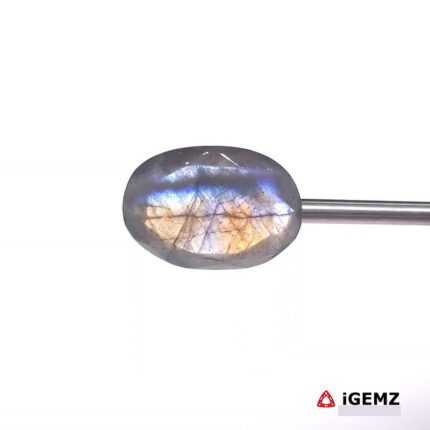
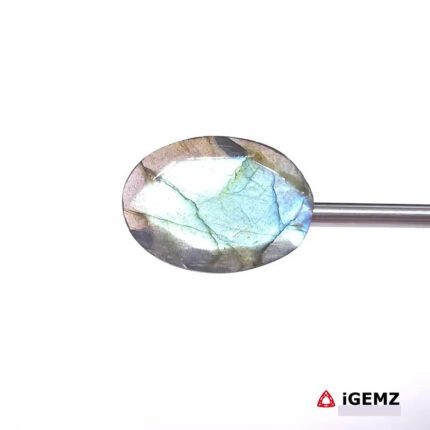
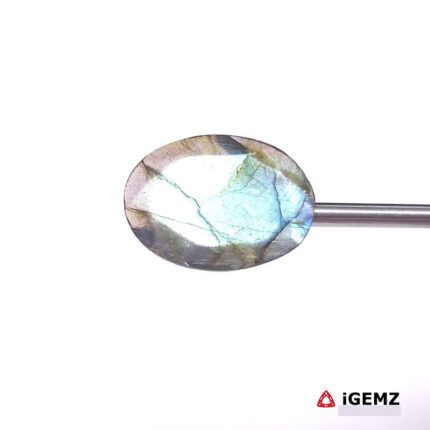
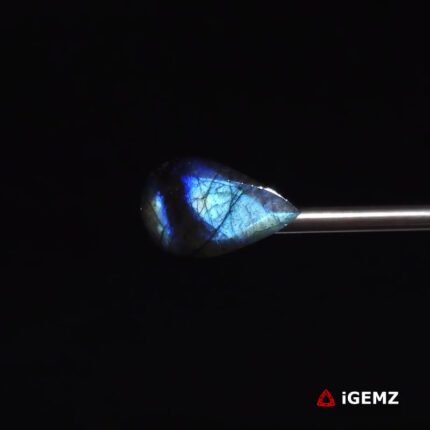
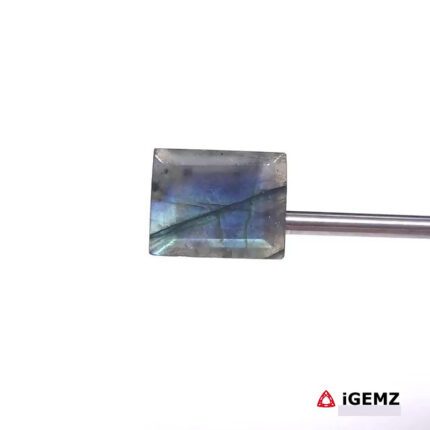
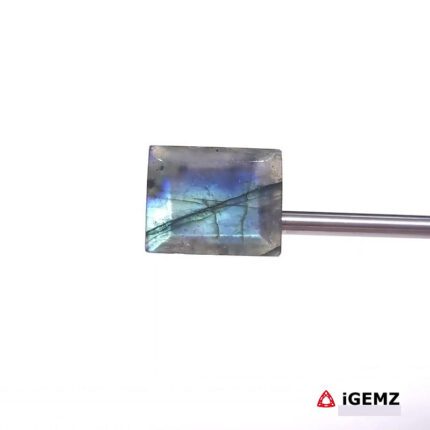
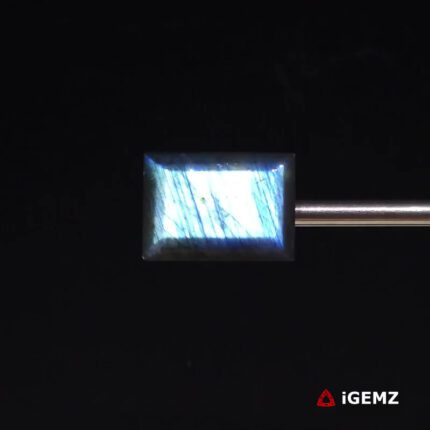
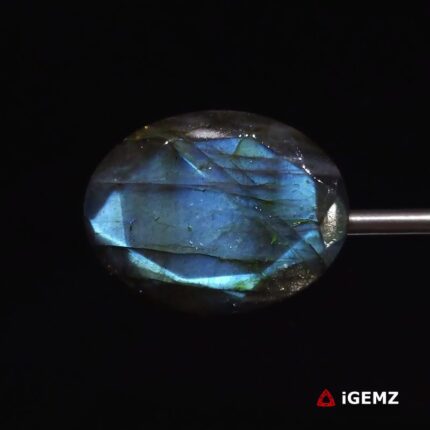
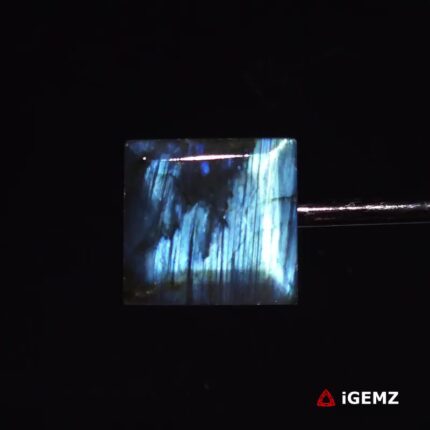
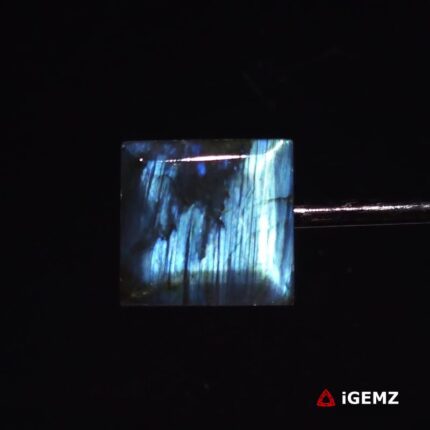
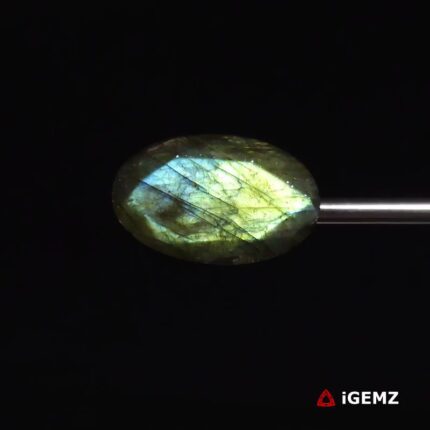
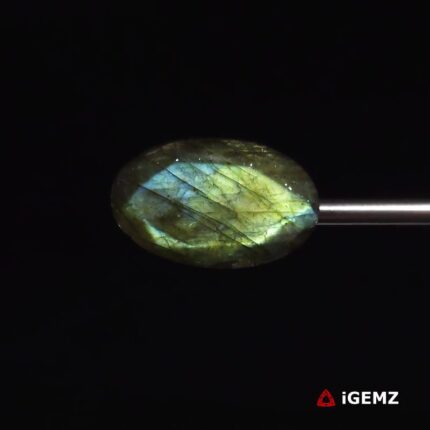
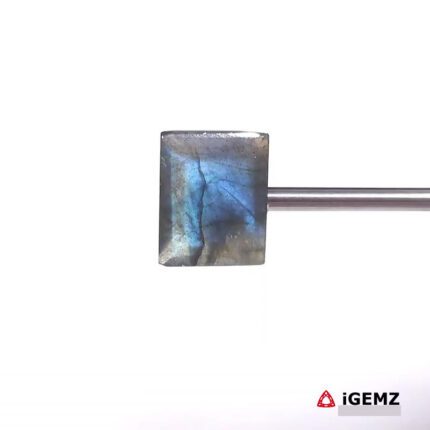
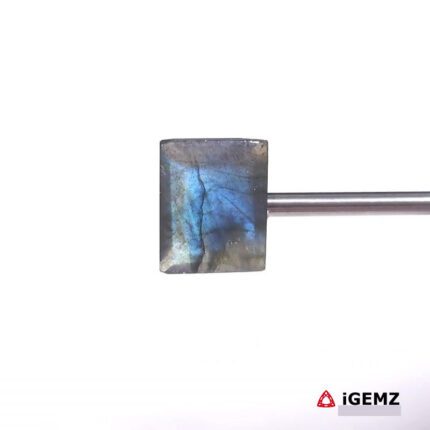
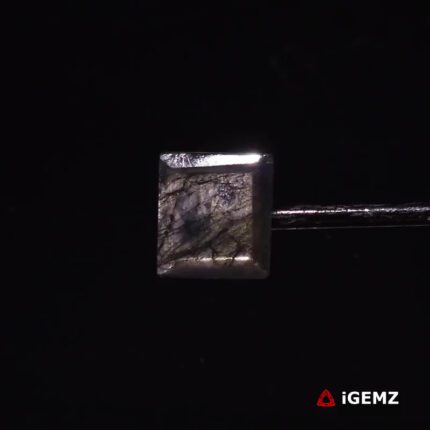
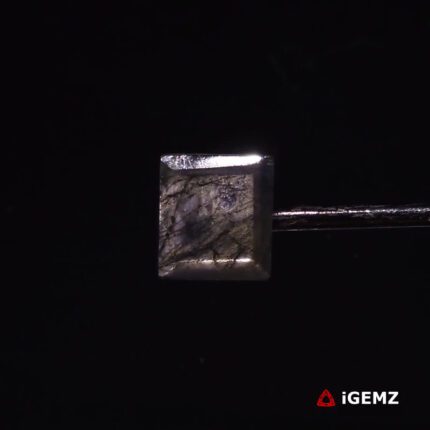
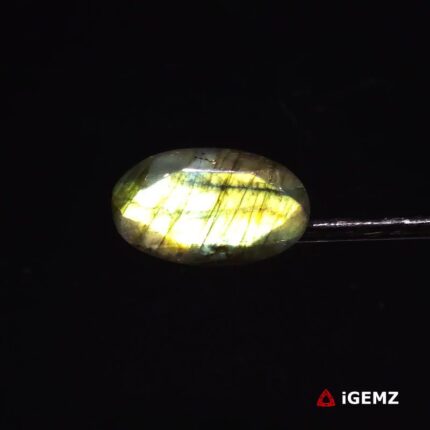
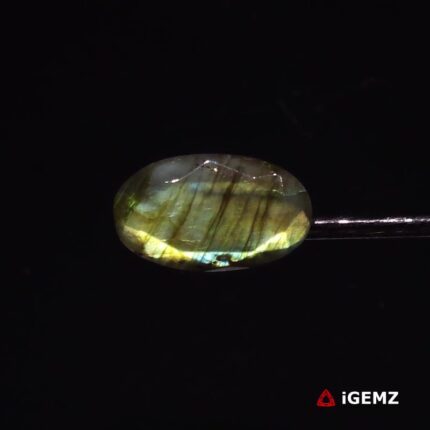
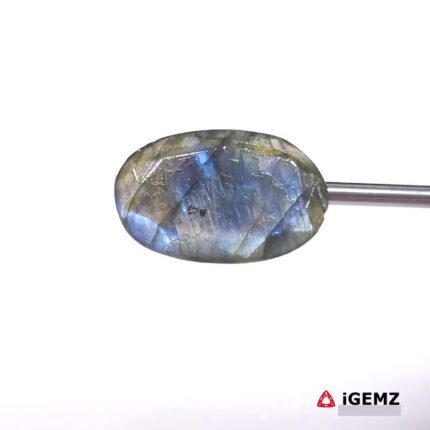
Labradorite occurs in shades of: Grey, Dark grey, Greenish-grey with iridescent flashes of blue, green, gold, and violet. Stones with strong, vibrant labradorescence are the most prized.

Chemical Formula
Labradorite has the (Ca,Na)(Al,Si)₄O₈ chemical formula, belonging to the feldspar mineral family. Its play-of-colour arises from internal lamellar intergrowths that diffract light.

Composition
Calcium, Sodium, Aluminium & Silicon – with trace elements creating the layered structures responsible for labradorescence.

Refractive Index
1.560 – 1.572, contributing to its subtle internal glow.

Lustre
Vitreous to pearly on cleavage planes, producing a soft sheen that enhances labradorescence.

Moh's Hardness & Durability
Labradorite has a Mohs hardness of 6 – 6.5. While suitable for pendants, earrings, and brooches, care must be taken with rings or items exposed to impact due to its cleavage planes.

Crystal System
Its crystal system is triclinic, forming tabular or blocky crystals often exhibiting layered structures that produce labradorescence.

Transparency
Transparent to translucent. Thicker or heavily included stones may appear opaque but can still display vibrant optical flashes.

Mineral Family
Labradorite belongs to the feldspar (tectosilicate) mineral family.

Specific Gravity
2.68 – 2.72, typical for plagioclase feldspar gemstones.
Origin, Treatment & Care
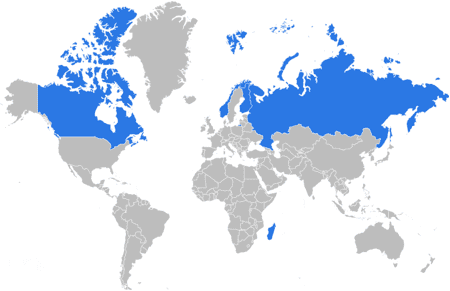
Labradorite is a feldspar gemstone valued for its iridescent play-of-colour. Understanding origin and treatment is important when evaluating quality. Most labradorite is untreated. With gentle care, it remains durable for decorative and jewellery use.

Major Origins
Key sources include Canada (Labrador), Madagascar, Finland, Norway, Russia, and Australia. Madagascar is particularly renowned for producing vivid, colourful specimens.

Treatments
Labradorite is rarely treated. Its value is derived from natural optical effects. Occasionally, stones may be polished to enhance labradorescence, but colour-enhancing treatments are uncommon.

Care and Cleaning
Avoid harsh chemicals, ultrasonic cleaners, and steam. Clean labradorite with warm water, mild soap, and a soft cloth or brush. Store separately to prevent scratching, as feldspar is moderately soft.
How Labradorite Quality & Value Are Determined
Understanding how labradorite is graded helps buyers evaluate beauty and investment potential. Value is influenced by labradorescence intensity, clarity, cut, and carat weight. High-quality stones show vivid colour flashes, minimal internal fractures, and excellent polish.
Labradorescence
The signature optical effect is the primary value factor. Top-quality stones display:
- Strong flashes of blue, green, gold, or violet
- Even colour distribution across the stone
- High visibility of flashes from multiple angles
- Minimal dull areas
Clarity
While some inclusions are acceptable, excessive fractures or cloudiness can obscure labradorescence. Ideal stones have:
- Transparent to translucent body
- Few internal fractures affecting appearance
- Smooth, well-polished surfaces
Cut
Cut significantly impacts how labradorescence is displayed. Expert cutting maximises light play. Important cut factors include:
- Proper orientation along lamellar layers
- Facet angles that enhance colour flashes
- Symmetry and polish that maintain clarity and optical brilliance
Carat Weight
Larger labradorite specimens are rarer and allow broader display of labradorescence. However, size is secondary to colour flash intensity and clarity.
The Balance of the Four Factors
Premium labradorite gemstones combine:
- Strong and vibrant labradorescence
- Good clarity and minimal fractures
- Well-executed cut and polish
- Proportional size showcasing colour flashes
When these factors align, labradorite becomes a visually striking, mystical gemstone suitable for collectors and jewellery alike.
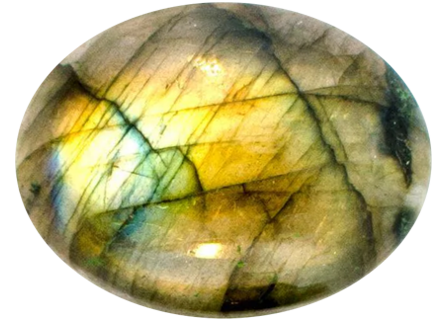
International Pricing Trends – per carat
Labradorite is more affordable than precious gemstones, yet high-quality specimens with vivid labradorescence can command premium prices. Price depends on intensity of optical effects, size, and clarity.
Estimated Average International Labradorite Prices (Good Quality) – Per Carat
| Weight | ZAR | USD | EUR | JPY | GBP | AUD | CAD | CHF | CNY | HKD | NZD | Market Signal |
|---|---|---|---|---|---|---|---|---|---|---|---|---|
| Under 1 carat | Size is widely available | |||||||||||
| 1 - 2 carat | Increasingly popular | |||||||||||
| 2 - 3 carats | Strong demand | |||||||||||
| 3 - 4 carats | Remain desirable | |||||||||||
| 4 - 6 carats | Scarcer in larger sizes | |||||||||||
| 6 - 8 carats | Exceptional stones |
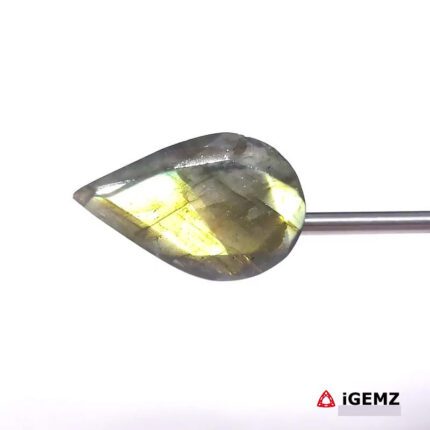
Frequently Asked Questions
What makes labradorite valuable?
The primary factor is labradorescence—the vivid flashes of colour visible when the stone is moved. Strong, multi-coloured flashes command the highest value.
Are all labradorites the same colour?
No. While the body colour is usually grey to greenish-grey, the value comes from the iridescent flashes, which can include blue, green, gold, and violet.
Is labradorite durable for everyday wear?
It is moderately hard (6–6.5 Mohs), suitable for earrings, pendants and brooches. Rings or bracelets require careful settings due to cleavage planes.
Where is labradorite found?
Major sources include Canada, Madagascar, Finland, Norway, Russia, and Australia. Madagascar produces some of the most vivid specimens.
Does labradorite require treatment?
Generally no. Most labradorite is sold untreated. Polishing may be applied to enhance the optical effects, but colour treatment is uncommon.
How do I clean labradorite?
Use warm water, mild soap, and a soft brush or cloth. Avoid harsh chemicals, ultrasonic or steam cleaners, and store separately to prevent scratches.

Buy With Confidence
Professionally inspected gemstones
Full transparency on treatments
Worldwide shipping
Secure checkout
Ready to own the beauty of
LABRADORITE?
Now that you understand the history, symbolism and quality factors behind labradorite, the next step is to select your gemstone. Renowned for its mystical flashes of colour and spiritual energy, labradorite offers both visual intrigue and personal significance. Ideal for pendants, earrings, or statement pieces, it combines beauty, uniqueness and affordability, making it a captivating addition to any gemstone collection.
Mystical Flash
Protective Energy
Spiritual Insight
COMPARE GEMSTONES WITH CONFIDENCE
Gemstone Comparison Guides
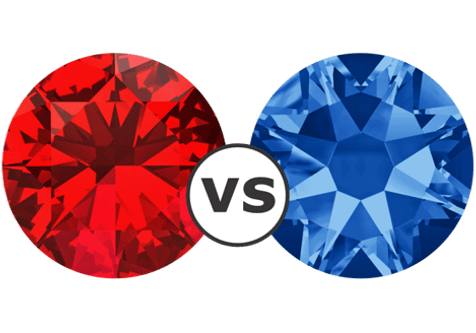
Choosing between two beautiful gemstones can be challenging. Our professional Gemstone Comparison Guides help you clearly understand the differences between popular gemstones so you can make a confident and informed choice.
Each comparison explores the key factors that influence gemstone quality and value, including colour, clarity, durability, rarity and typical treatments. You will also learn how similar-looking gemstones differ in appearance, composition, hardness and more.
HERE IS ALL THE PROFESSIONAL INFORMATION YOU NEED
Gemstone Buyer's Guides
Buying a gemstone should be exciting — but understanding quality, rarity and value is essential before making the right choice. Our professional Gemstone Buyer’s Guides help you understand how colour, clarity, cut and treatments influence the beauty and value of different gemstones.
Each guide explains the key quality factors used by gemologists, including gemstone composition, colour grading, natural inclusions, treatments and origin. You will also learn how these factors affect rarity, durability and market value.
Beryl Family
Feldspar Gemstones
Pyroxene Gemstones
Spodumene Family
Chalcedony & Agate
Quartz Gemstones
Amethyst
Ametrine
Citrine
Prasiolite
Quartz
Rose Quartz
Rutile Quartz
Smoky Quartz
Rare & Collector Gemstones
Apatite
Chrysoberyl
Clinozoisite
Fluorite
Grandidierite
Iolite
Jade
Kyanite
Lapis Lazuli
Phosphosiderite
Prehnite
Serendibite
Sillimanite
Sphene
Sugilite
Vesuvianite