

 1st - Gold
 January
  February
  March
March  April
April  May
May 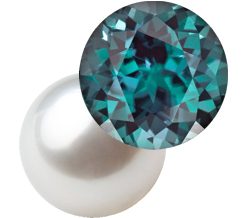 June
June 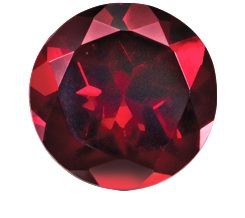 July
July 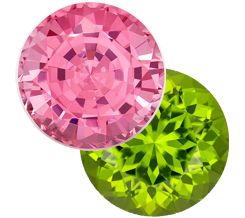 August
 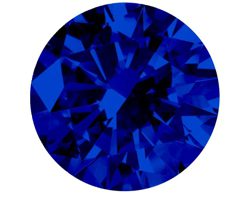 September
 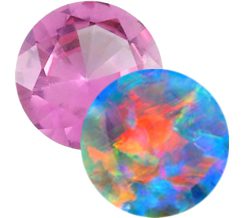 October
 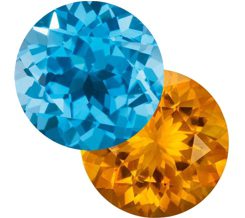 November
 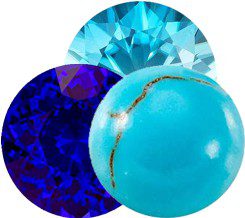 December
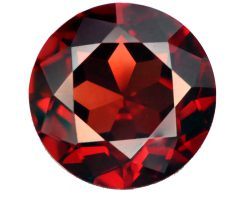
 Capricorn - Garnet
  Aquarius - Amethyst
  Pisces - Aquamarine
 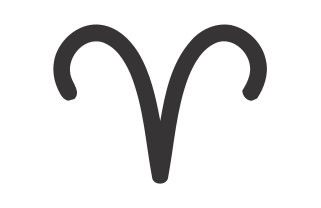 Aries - Diamond
 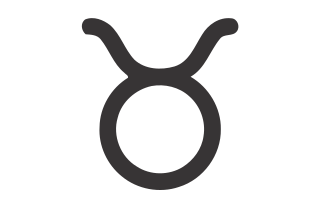 Taurus - Emerald
  Gemini - Pearl
  Cancer - Ruby
  Leo - Peridot
 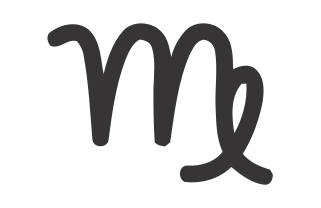 Virgo - Blue Sapphire
  Libra - Opal
 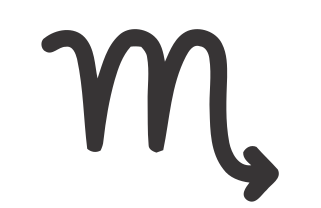 Scorpio - Topaz
  Sagittarius - Tanzanite

Onyx
Buyer’s Guide
Quality, Composition, Colour & Value Explained
Learn how colour, clarity, treatments and cut influence onyx value, and discover what defines quality before choosing your ideal black, green or white onyx gemstone.
This professional Onyx Buyer’s Guide explains the key factors affecting quality, origin, treatments, and value, helping you make confident purchasing decisions.
History, Symbolism & Meaning of Onyx
Origins and Historical Use

Onyx has been cherished since antiquity, with records of its use dating back to ancient Egypt, Rome, and India. Historically, black onyx was carved into amulets and intaglios, believed to offer protection and strength, while white and green variants were prized for decorative jewellery and talismans.
The name “onyx” comes from the Greek word onyx, meaning “claw” or “fingernail,” reflecting the stone’s smooth layers and colour contrast. Onyx was historically used in cameos and ornamental carvings due to its layered composition.
Ancient Beliefs and Spiritual Energy

Onyx has long been associated with grounding, protection, and focus. Black onyx was thought to absorb negative energy, enhance self-discipline and provide courage in challenging situations. Green onyx symbolised growth, vitality, and emotional balance, while white onyx was connected to clarity, purity and calm.
Spiritual practitioners valued onyx for its stabilising influence, connecting the wearer to the root and heart chakras, depending on the colour variant, and supporting strength, patience and mental clarity.
Modern Symbolism and Collectibility

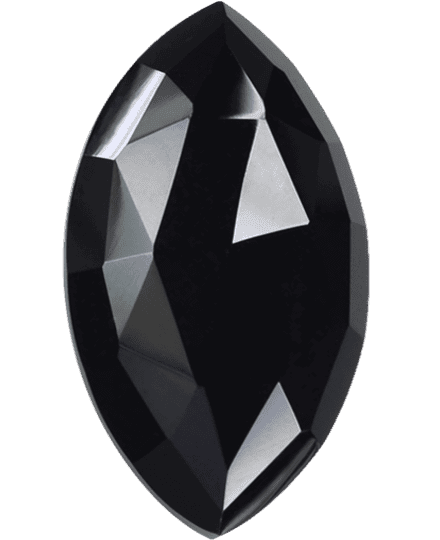
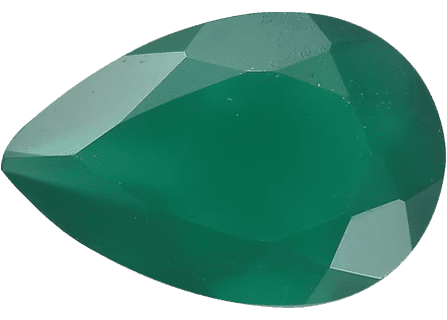
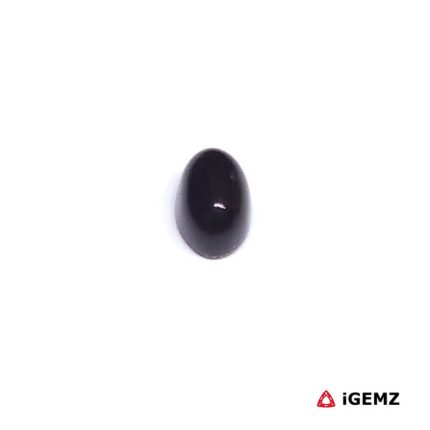
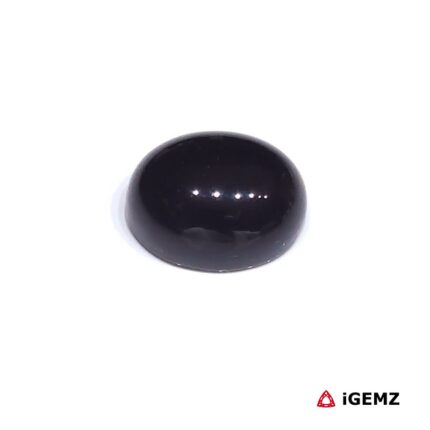
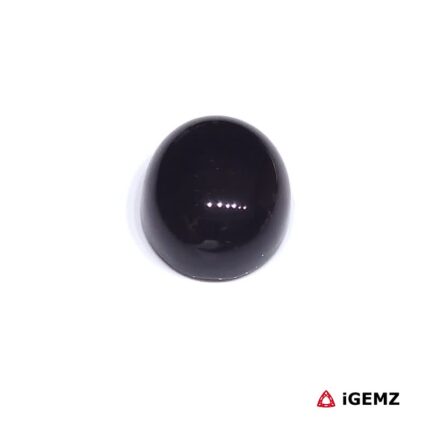
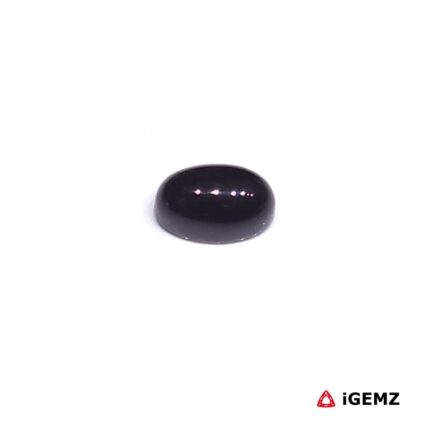
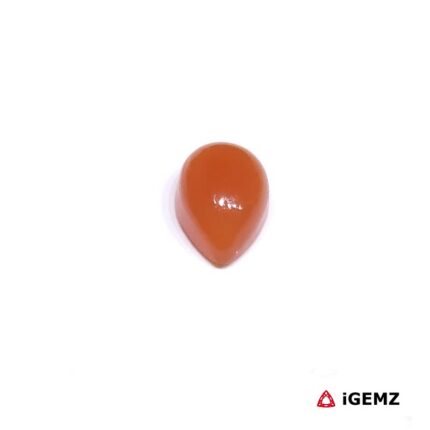
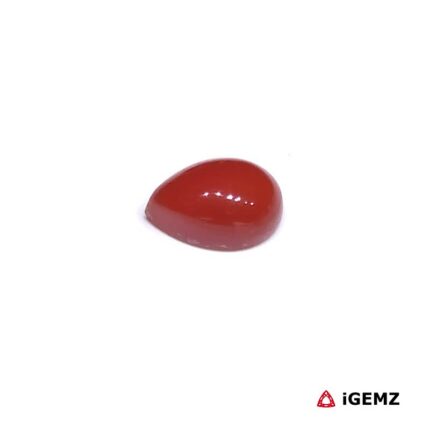
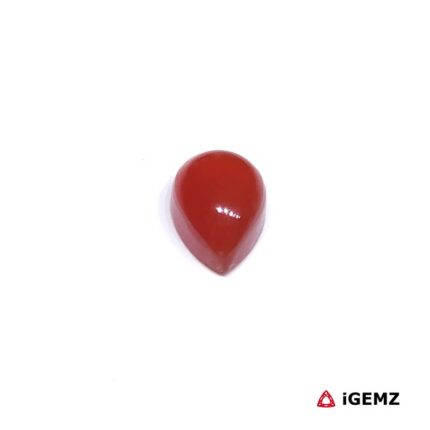
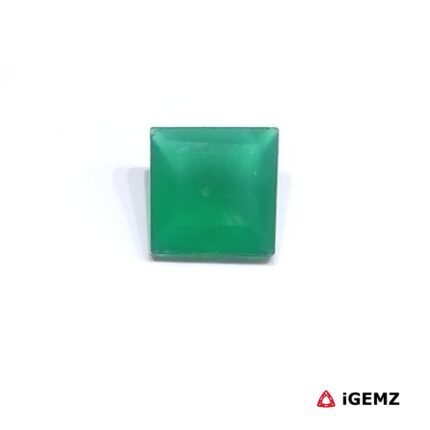
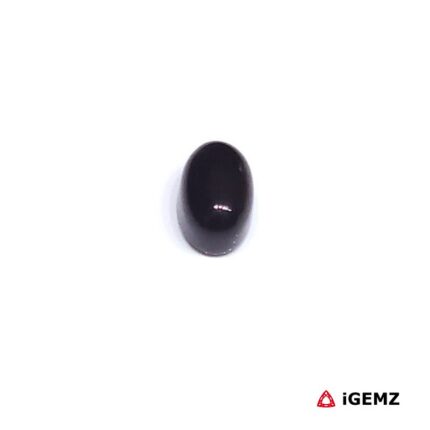
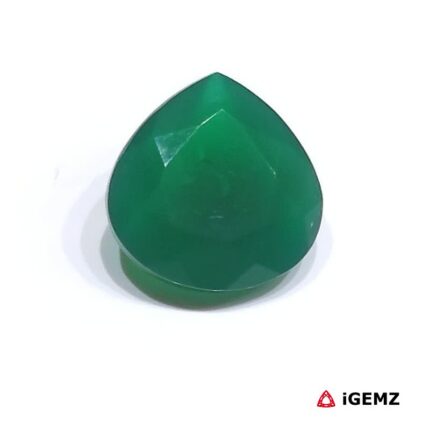
Today, onyx is admired both for its aesthetic appeal and metaphysical qualities. Black onyx remains the most popular, celebrated for its deep, uniform black colour and striking contrast in jewellery. Green onyx is prized for its soft, natural green tones, and white onyx for its elegant, translucent layers.
Collectors and designers appreciate onyx for its versatility in rings, beads, pendants, and cabochons. Its affordability, combined with symbolic and decorative appeal, ensures onyx continues to be a favourite gemstone for modern jewellery and spiritual use.
Physical & Optical Properties
EXPLORE ONYX’S HARDNESS, LUSTRE, TRANSPARENCY, REFRACTIVE INDEX AND SPECIFIC GRAVITY.
Knowing these properties helps determine durability, brilliance, and suitability for daily wear.

Colour Range
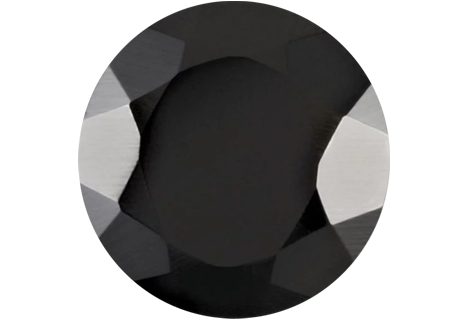
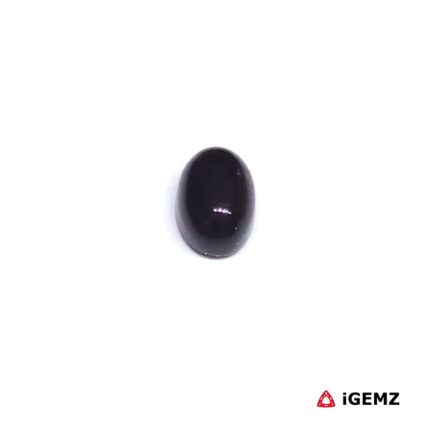
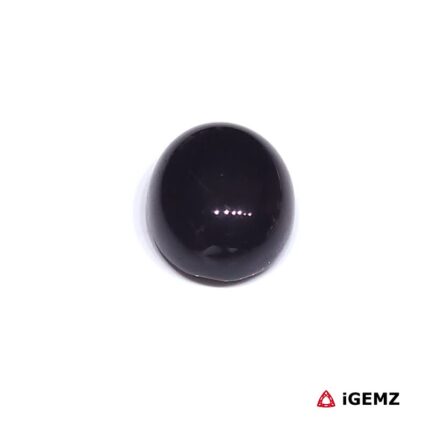
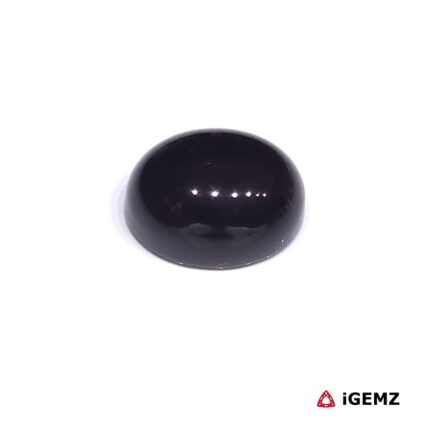
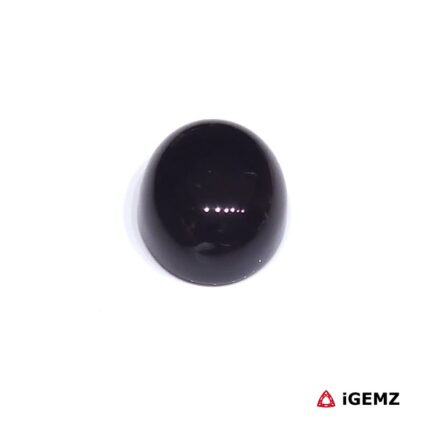
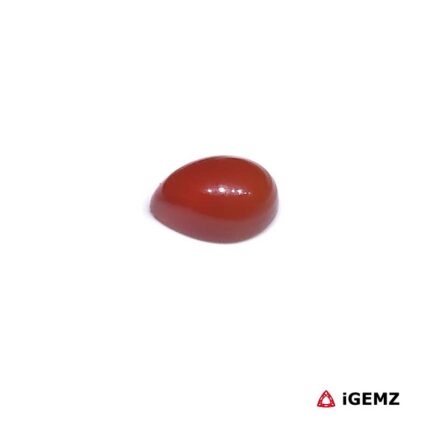
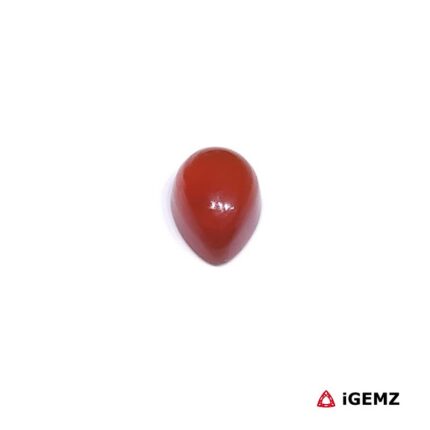
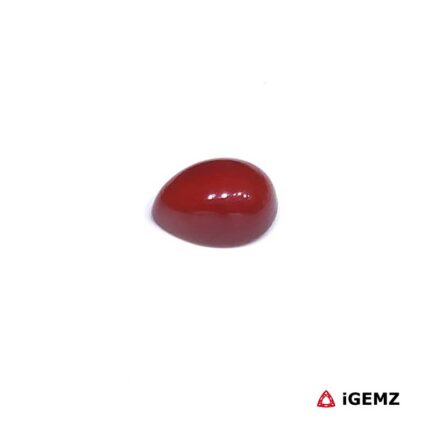
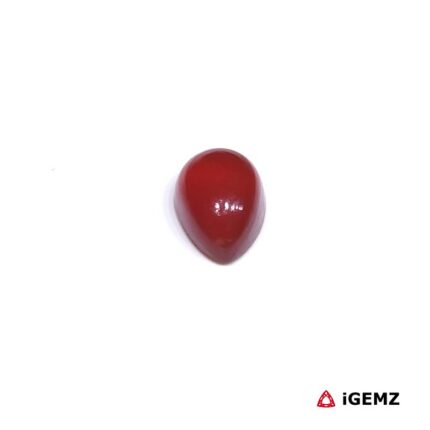
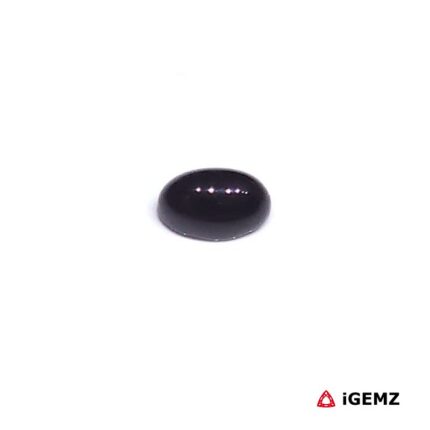
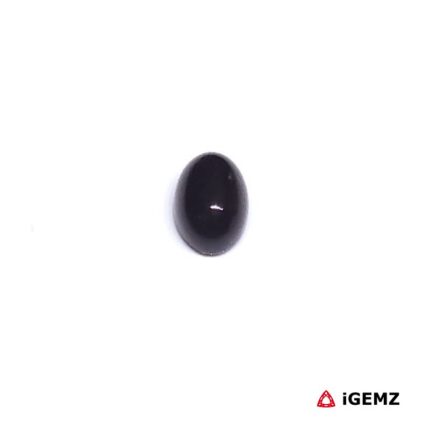
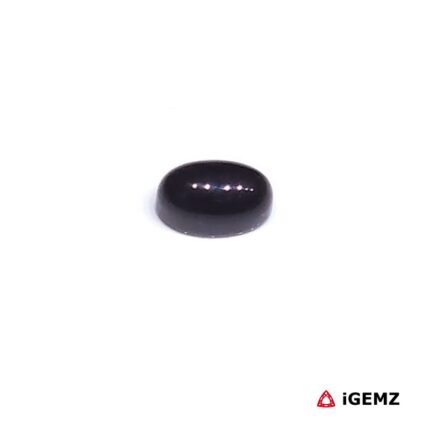
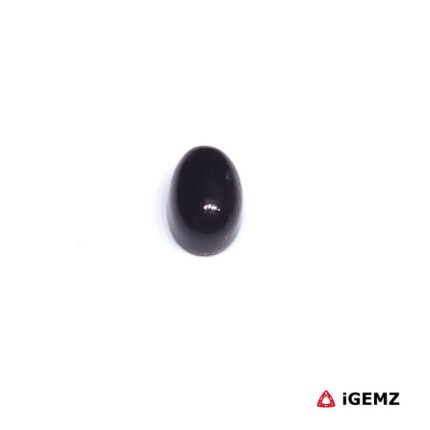
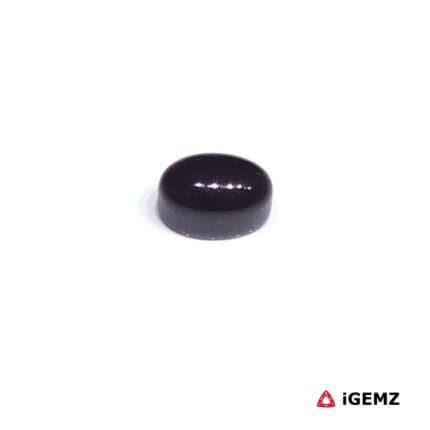
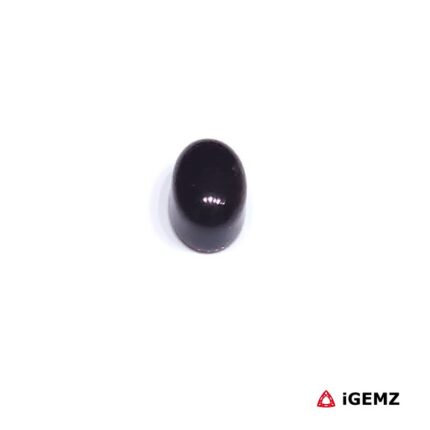
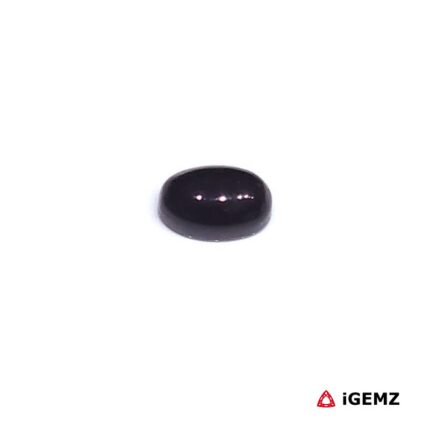
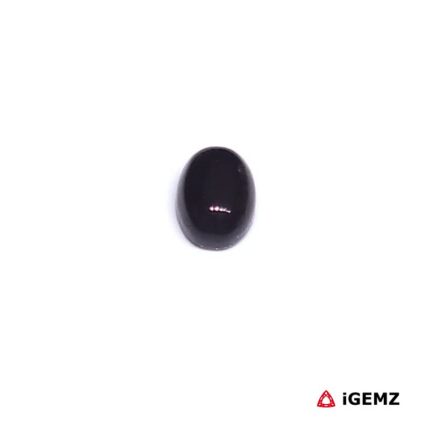
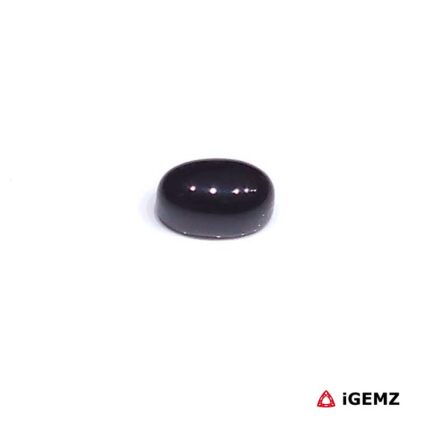
Black onyx: Deep, uniform black.
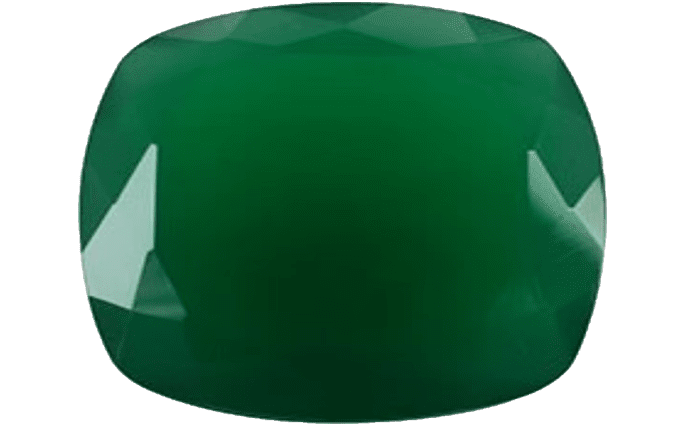
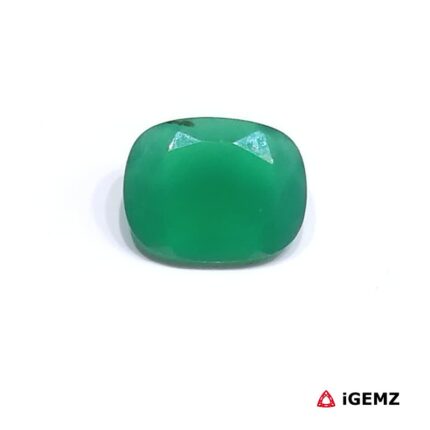
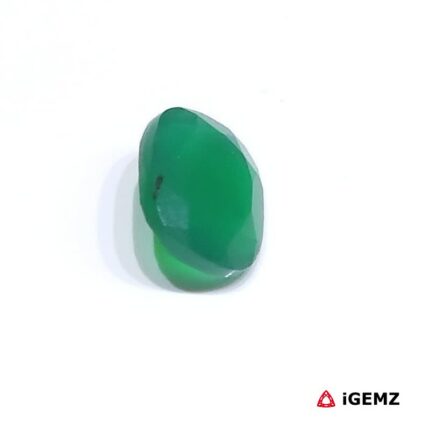
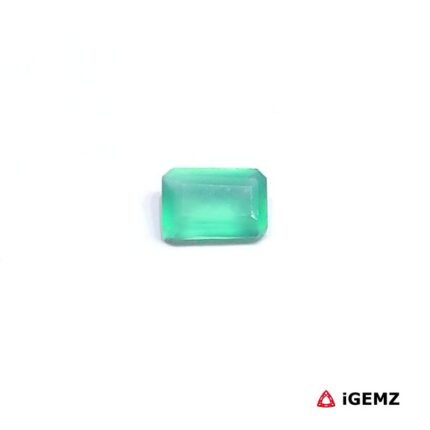
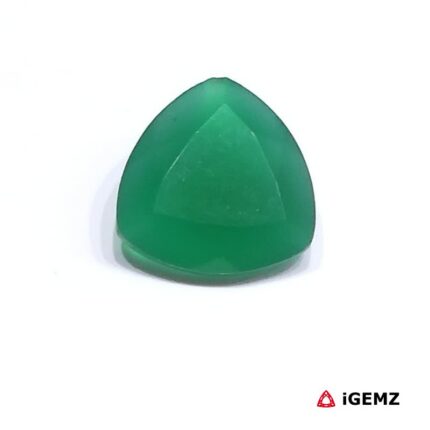
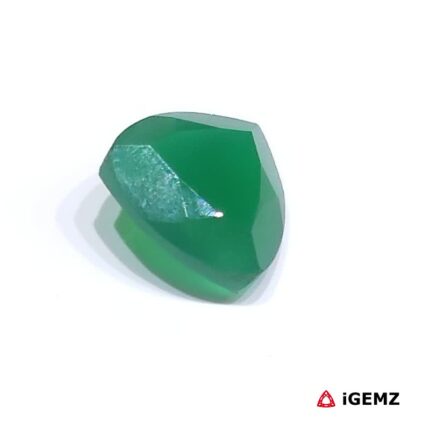
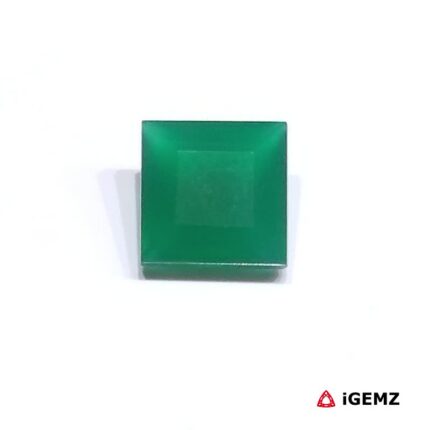
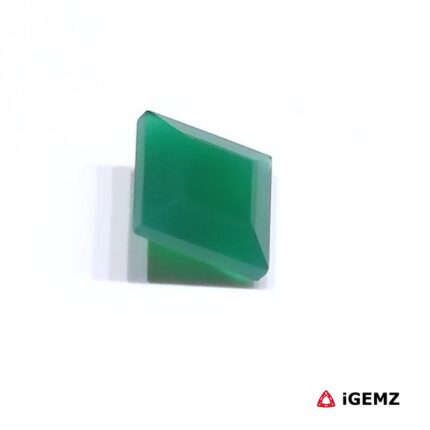
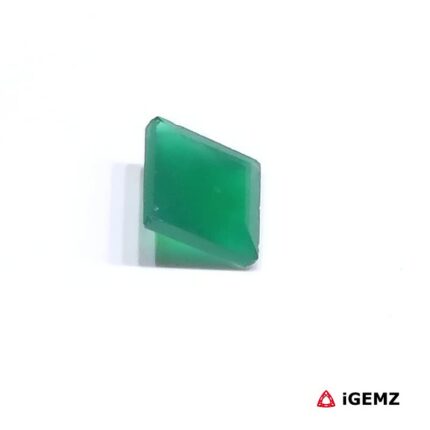
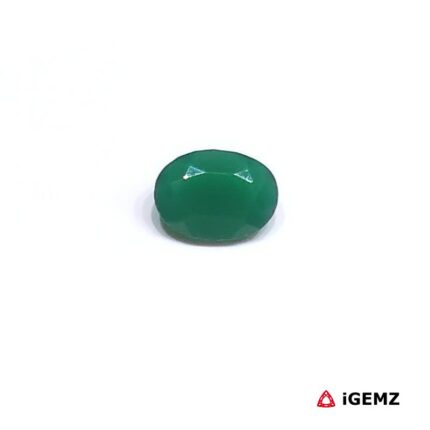
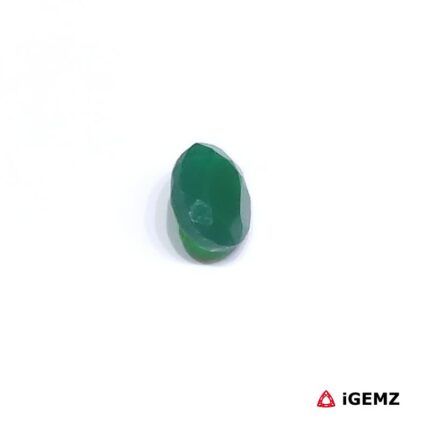
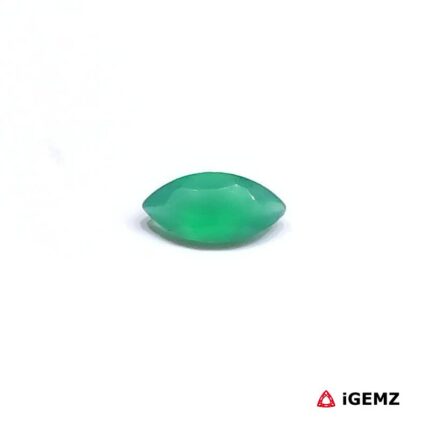
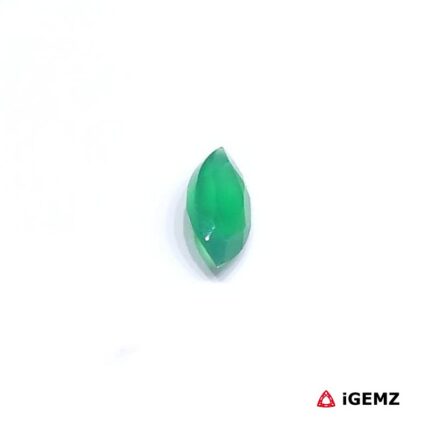
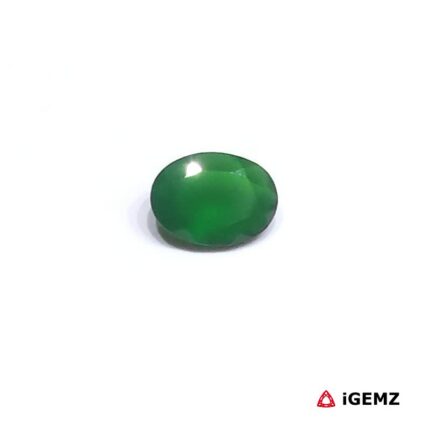
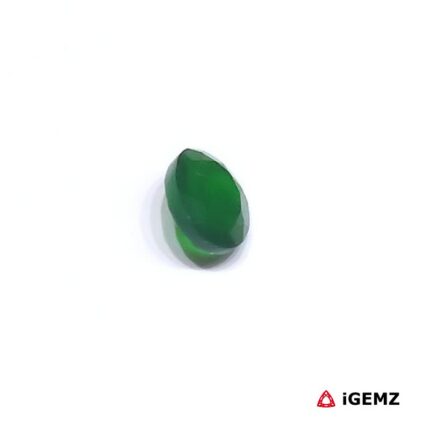
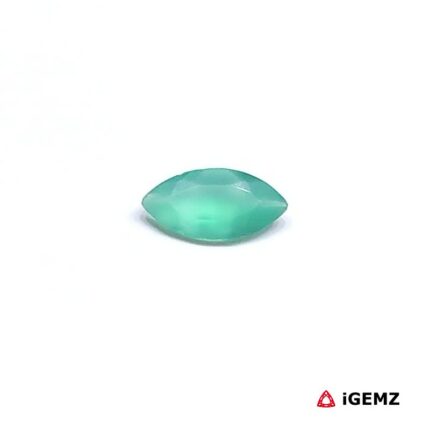
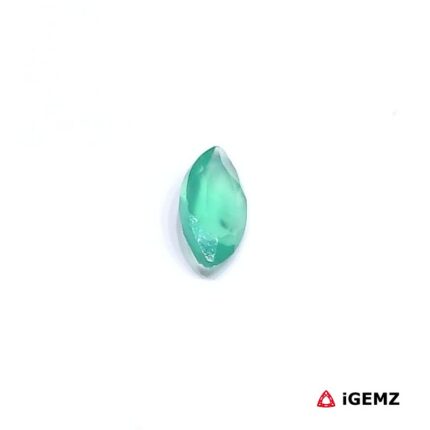
Green onyx: Soft to medium green shades.
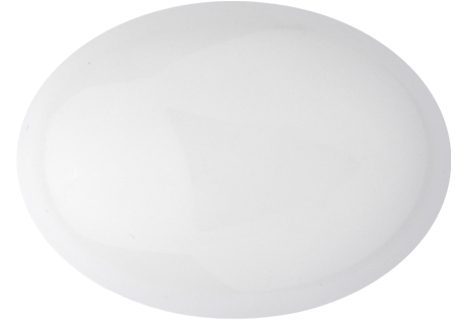
White onyx: Translucent to opaque white, often with layered bands.

Chemical Formula
Onyx is a variety of chalcedony with the chemical formula SiO₂, composed primarily of silicon and oxygen. Natural impurities and banding create its distinctive colours and layers.

Composition
Silicon & Oxygen – trace elements (iron, manganese) contribute to black, green, or white shades.

Refractive Index
1.530 – 1.540, giving onyx a subtle glass-like shine when polished.

Lustre
Vitreous to waxy, providing a smooth, reflective surface.

Moh's Hardness & Durability
Onyx has a Mohs hardness of 6.5 – 7, suitable for rings, pendants and earrings when properly set. Though fairly hard, it can chip if struck sharply and should be protected from hard impacts.

Crystal System
Its crystal system is trigonal, forming fibrous microcrystalline structures.

Transparency
Opaque to translucent, depending on colour and quality; black onyx is usually opaque, white and green can be slightly translucent.

Mineral Family
Onyx belongs to the quartz (chalcedony) mineral family.

Specific Gravity
2.55 – 2.65, typical of chalcedony varieties.
Origin, Treatment & Care
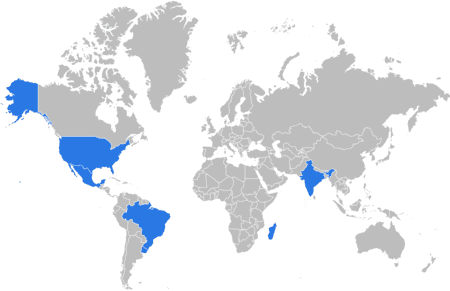
Onyx occurs worldwide, including Brazil, India, Madagascar, Uruguay, and the United States. Colourful varieties are sometimes dyed to enhance intensity, particularly black and green onyx. Understanding treatment is crucial for accurate valuation.
Proper care ensures longevity: avoid harsh chemicals, sudden temperature changes, and store separately from harder gemstones to prevent scratching.

Major Origins
Brazil is a significant source for all colour varieties, with India, Madagascar and Uruguay also supplying high-quality material. U.S. deposits produce mainly black and banded onyx.

Treatments
Black onyx is commonly dyed to achieve uniform deep black; green and white onyx are usually natural, though some green stones are enhanced with colour stabilisation. Treatments should always be disclosed.

Care and Cleaning
Clean gently using warm water, mild soap and a soft cloth. Avoid ultrasonic or steam cleaners. Store separately to prevent scratches from harder gemstones.
How Onyx Quality & Value Are Determined
Onyx value is influenced by colour, clarity, cut and size. While onyx is generally affordable, high-quality stones with uniform colour, minimal inclusions and precise cutting command higher prices.
Colour
Uniformity and intensity of colour are critical:
- Black onyx: deep, consistent black with minimal banding
- Green onyx: even, vibrant green
- White onyx: clean white, subtle translucency, minimal bands
Clarity
High-quality onyx should be free from cracks or surface blemishes that disrupt polish or durability. Minor inclusions are acceptable in natural stones but can affect appearance.
Cut
Cut enhances colour, smoothness and overall visual appeal. Onyx is often cut into cabochons, beads, or flat polished slabs to showcase its rich colour and banding. Symmetry, polish and proportion affect final value.
Size
Larger onyx stones are less rare than other gemstones, but size combined with uniform colour and flawless surface increases desirability.
The Balance of the Four Factors
Top-quality onyx displays:
- Uniform colour across the stone
- Smooth surface with excellent polish
- Proportional size and shape
- Minimal inclusions or imperfections
International Pricing Trends – per carat
Onyx is generally affordable, with prices rising for large, flawless, or intensely coloured stones. High-quality black onyx is the most valued.
Estimated Average International Onyx Prices (Good Quality) – Per Carat
| Weight | ZAR | USD | EUR | JPY | GBP | AUD | CAD | CHF | CNY | HKD | NZD | Market Signal |
|---|---|---|---|---|---|---|---|---|---|---|---|---|
| Under 5 carats | Widely available | |||||||||||
| 5 - 10 carats | Larger stones fetch premium | |||||||||||
| 10 - 20 carats | Uniform stone are rare | |||||||||||
| +20 carats | Collector interest |



Frequently Asked Questions
Is onyx always black?
No. While black is the most common and popular, onyx also occurs naturally in green and white varieties.
Are onyx gemstones treated?
Some black and green onyx are dyed to enhance colour, while white onyx is generally untreated. Always request treatment disclosure.
What is the difference between black onyx and obsidian?
Onyx is a microcrystalline quartz, whereas obsidian is volcanic glass. Onyx is harder and suitable for cutting and jewellery.
Can onyx be worn daily?
Yes, but care is needed. Avoid impact, harsh chemicals, and abrasive surfaces to prevent scratching or chipping.
How do I identify natural onyx?
Look for uniform colour and fibrous microcrystalline structure. Laboratory verification may be required for treated stones.
What is the best way to clean onyx jewellery?
Use warm water, mild soap and a soft cloth. Avoid ultrasonic or steam cleaners, and store separately from harder gemstones.

Buy With Confidence
Professionally inspected gemstones
Full transparency on treatments
Worldwide shipping
Secure checkout
Ready to own the beauty of
ONYX?
Onyx offers a striking blend of elegance, versatility and spiritual significance. Black onyx provides bold, grounding sophistication, green onyx delivers a serene, refreshing touch, and white onyx brings understated purity to any jewellery piece. Durable, affordable and visually captivating, onyx is a versatile gemstone suitable for rings, pendants, beads, and decorative collections.
Bold & Grounding
Refreshing Vitality
Pure Elegance
COMPARE GEMSTONES WITH CONFIDENCE
Gemstone Comparison Guides
Choosing between two beautiful gemstones can be challenging. Our professional Gemstone Comparison Guides help you clearly understand the differences between popular gemstones so you can make a confident and informed choice.
Each comparison explores the key factors that influence gemstone quality and value, including colour, clarity, durability, rarity and typical treatments. You will also learn how similar-looking gemstones differ in appearance, composition, hardness and more.
HERE IS ALL THE PROFESSIONAL INFORMATION YOU NEED
Gemstone Buyer's Guides
Buying a gemstone should be exciting — but understanding quality, rarity and value is essential before making the right choice. Our professional Gemstone Buyer’s Guides help you understand how colour, clarity, cut and treatments influence the beauty and value of different gemstones.
Each guide explains the key quality factors used by gemologists, including gemstone composition, colour grading, natural inclusions, treatments and origin. You will also learn how these factors affect rarity, durability and market value.
Beryl Family
Feldspar Gemstones
Pyroxene Gemstones
Spodumene Family
Chalcedony & Agate
Quartz Gemstones
Amethyst
Ametrine
Citrine
Prasiolite
Quartz
Rose Quartz
Rutile Quartz
Smoky Quartz
Rare & Collector Gemstones
Apatite
Chrysoberyl
Clinozoisite
Fluorite
Grandidierite
Iolite
Jade
Kyanite
Lapis Lazuli
Phosphosiderite
Prehnite
Serendibite
Sillimanite
Sphene
Sugilite
Vesuvianite