

 1st - Gold
 January
  February
  March
March  April
April  May
May 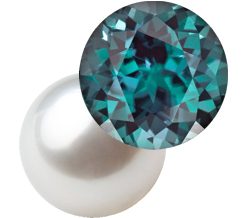 June
June 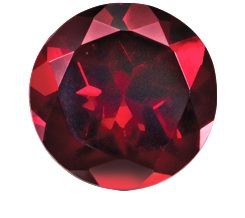 July
July 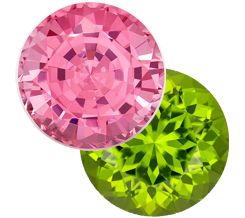 August
 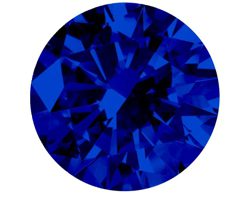 September
  October
  November
  December
 Capricorn - Garnet
  Aquarius - Amethyst
 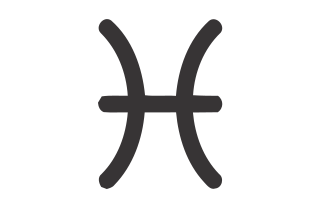 Pisces - Aquamarine
 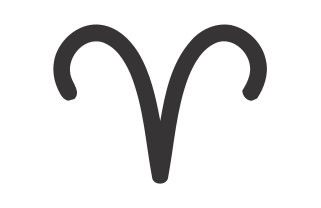 Aries - Diamond
 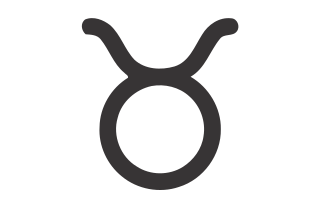 Taurus - Emerald
 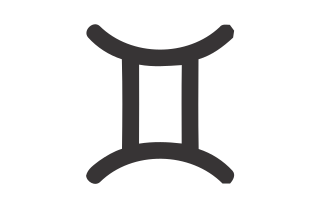 Gemini - Pearl
  Cancer - Ruby
  Leo - Peridot
  Virgo - Blue Sapphire
  Libra - Opal
  Scorpio - Topaz
  Sagittarius - Tanzanite

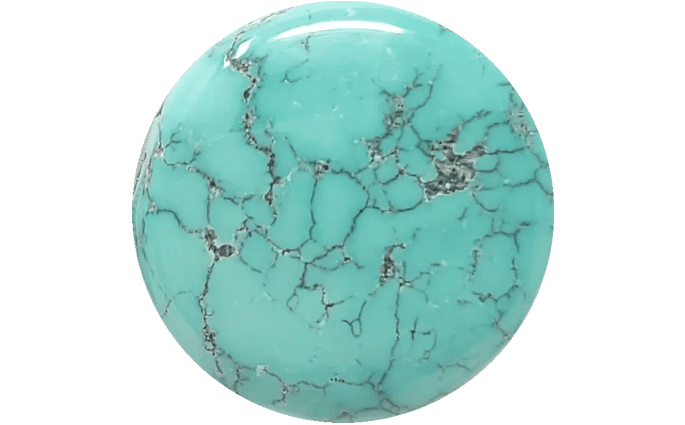
Turquoise
Buyer’s Guide
Quality, Composition, Colour & Value Explained
Discover how colour, matrix patterns, treatments and cut influence turquoise value, and learn what truly determines quality before choosing your ideal blue-green gemstone.
A complete professional Turquoise Buyer’s Guide to understanding this gemstone’s quality, origin, treatments and value factors before purchasing.
History, Symbolism & Meaning of Turquoise
Origins and Historical Use

Turquoise has been treasured for over 7,000 years across cultures worldwide. Ancient Egyptians, Persians, Native Americans and Chinese all prized the stone for its striking blue-green hues and spiritual significance. Turquoise was used in jewellery, amulets, ceremonial objects, and even embedded in weapons or tombs.
The name “turquoise” comes from the French turques, meaning “Turkish,” because the gem historically arrived in Europe via Turkey from Persia. Its distinctive colour has made it a symbol of protection, health, and prosperity throughout history.
Ancient Beliefs and Spiritual Energy

Historically, turquoise was believed to offer protection, attract good fortune, and strengthen communication. It was worn as a talisman to guard against negative energy and enhance spiritual connection.
Turquoise is strongly linked to the throat and heart chakras, thought to encourage honest communication, emotional balance, and inner calm. Healers and shamans valued it for its stabilising energy and grounding properties.
Modern Symbolism and Collectibility

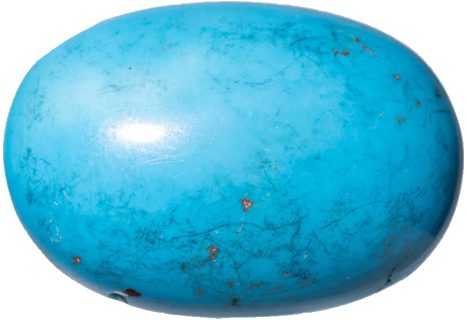
Today, turquoise is celebrated for its vivid colours, distinctive matrix patterns, and cultural significance. Collectors prize high-quality stones with even colour and minimal veining, while contemporary enthusiasts appreciate turquoise for its metaphysical qualities, including protection, creativity, and balance.
Turquoise remains a popular choice for artisan jewellery, statement pieces, and culturally significant designs worldwide.
Physical & Optical Properties
Explore Turquoise’s Hardness, Lustre, Transparency, Refractive Index and Specific Gravity.
Understanding turquoise’s gemological properties helps determine durability, suitability for jewellery, and long-term value.

Colour Range
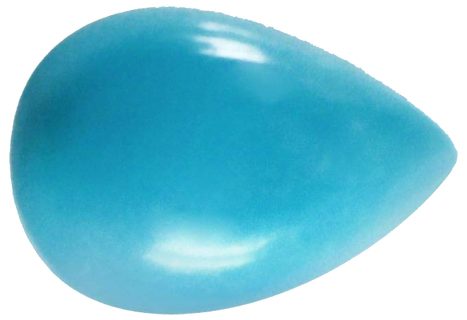
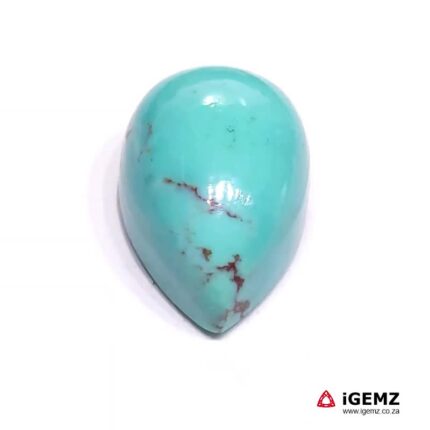
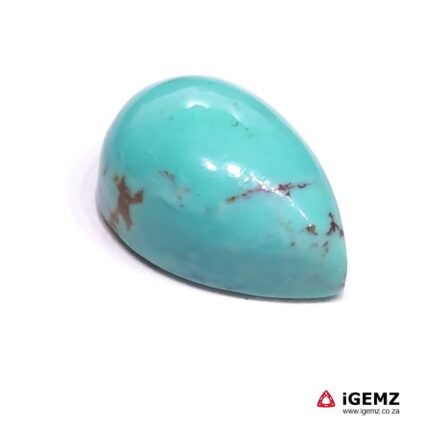
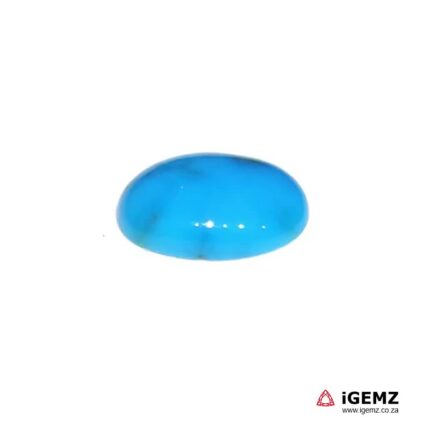
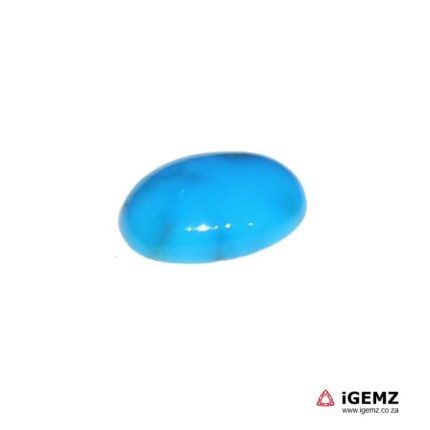
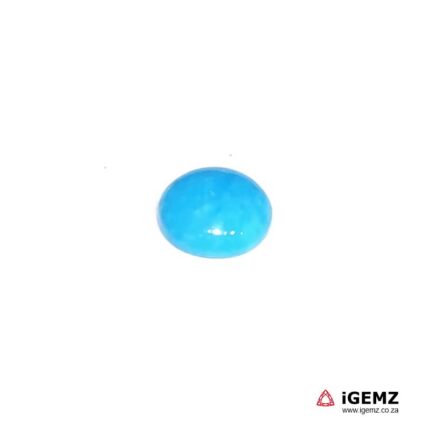
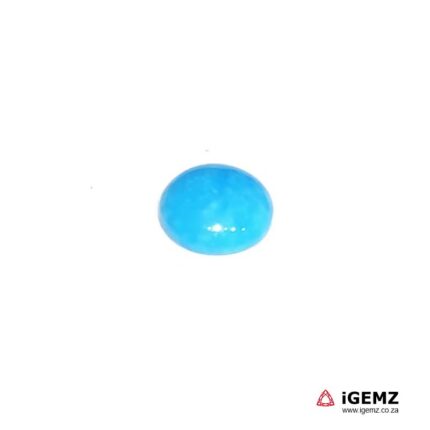
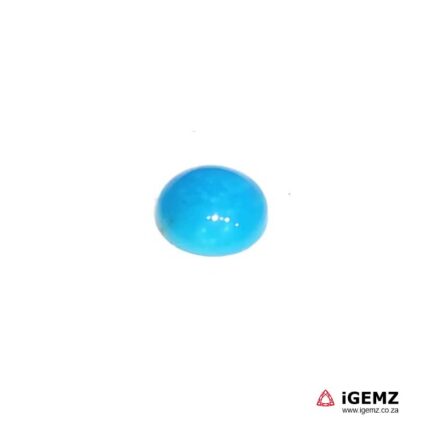
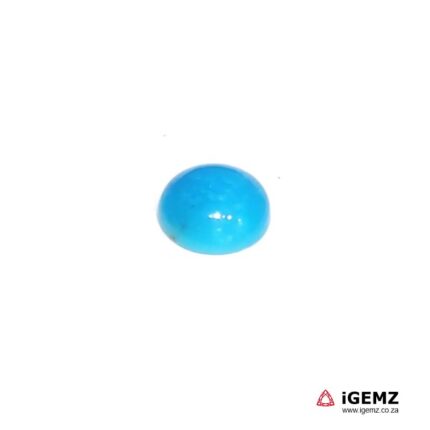
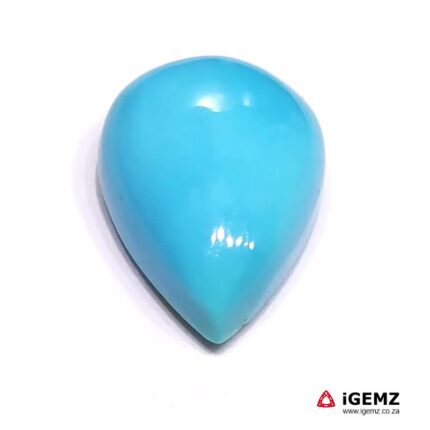
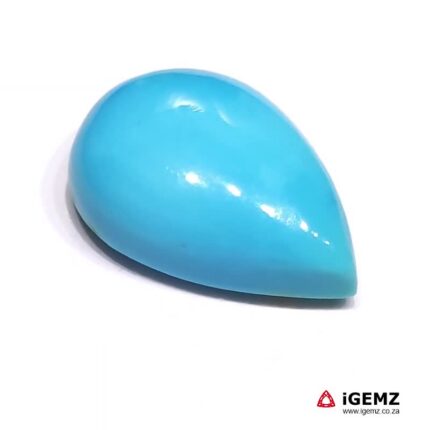
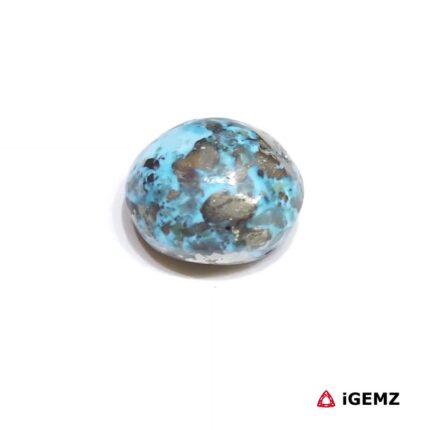
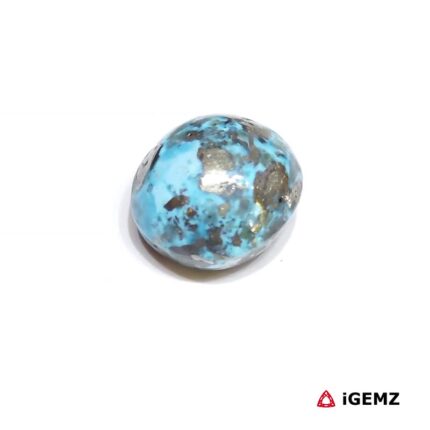
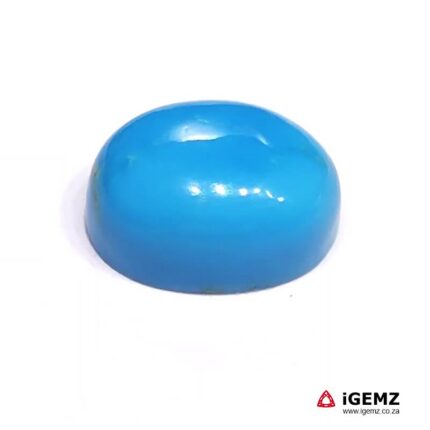
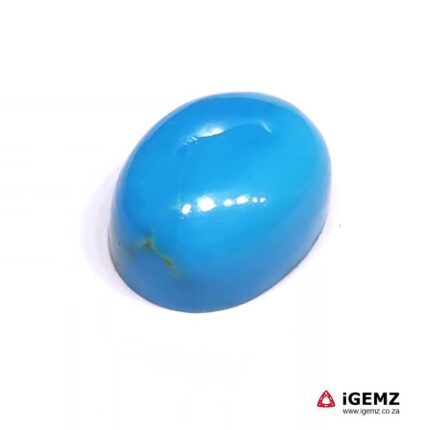
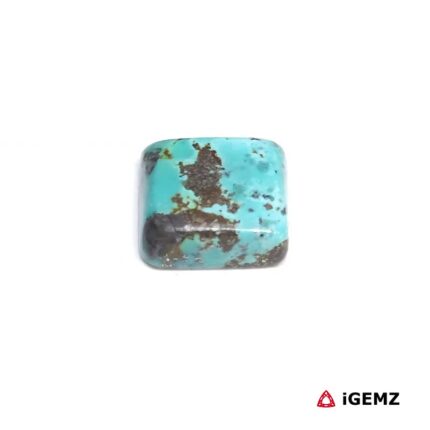
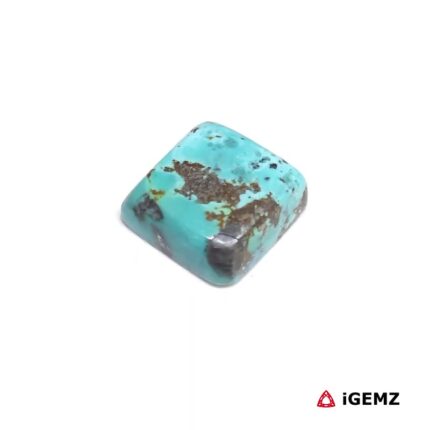
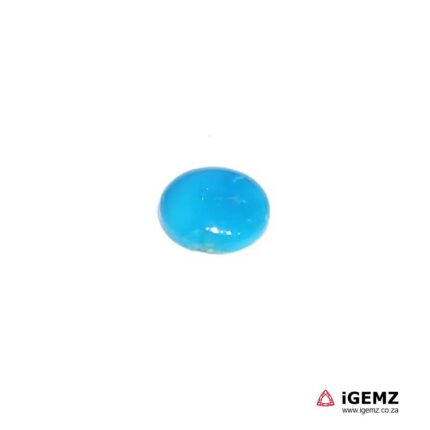
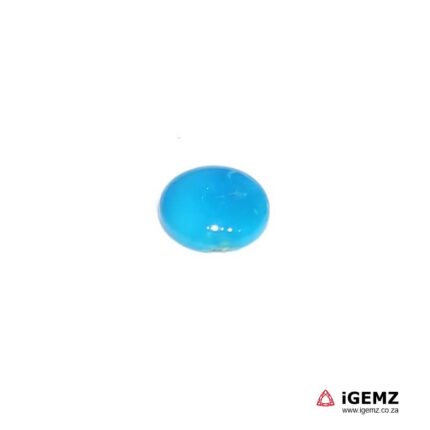
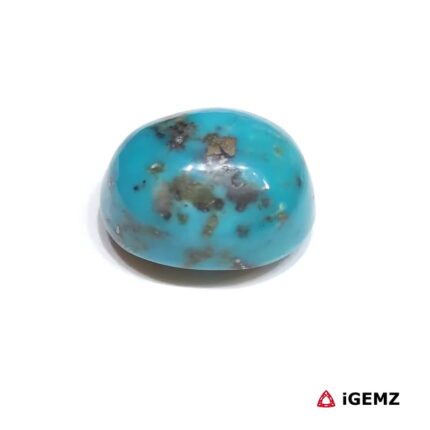
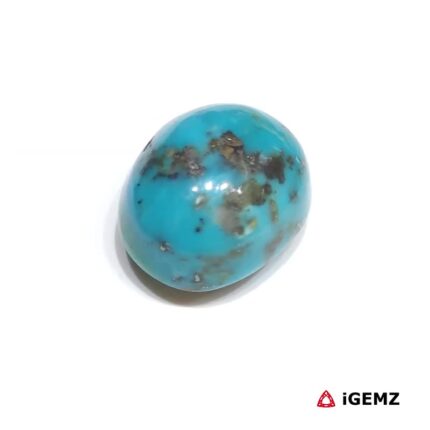
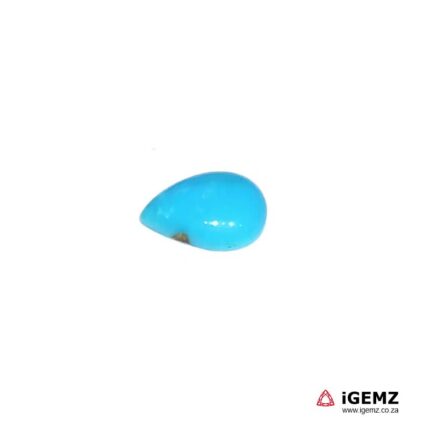
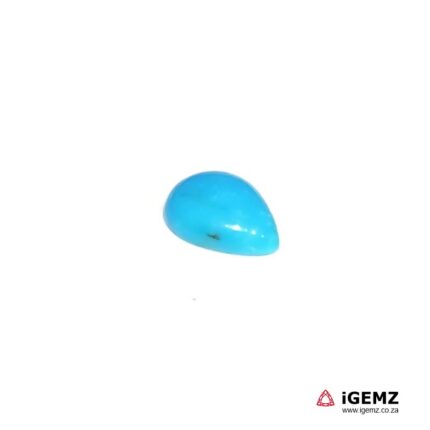
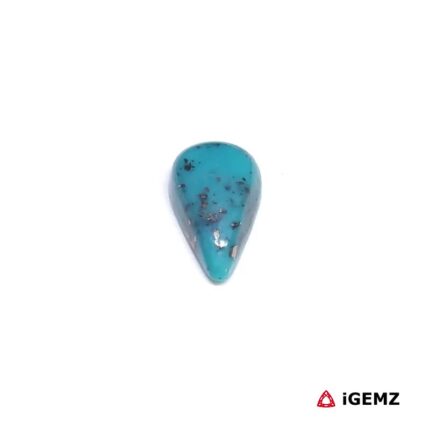
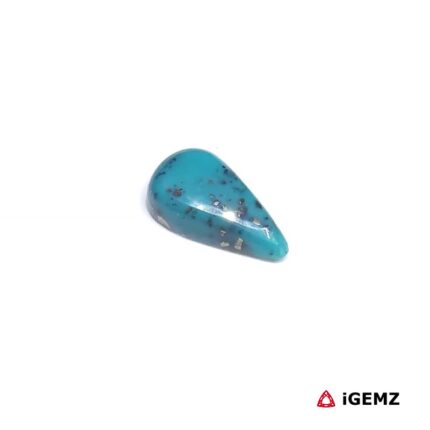
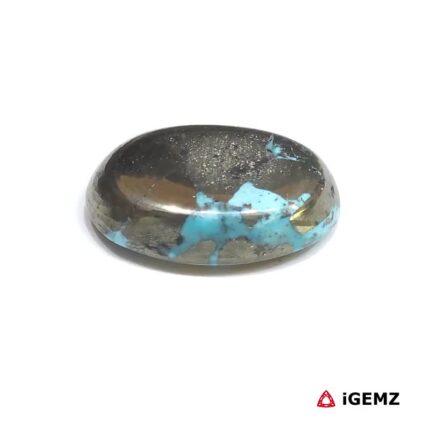
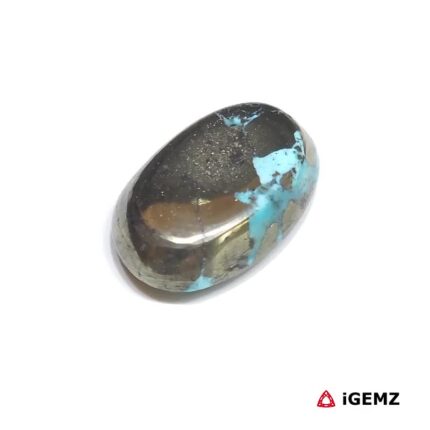
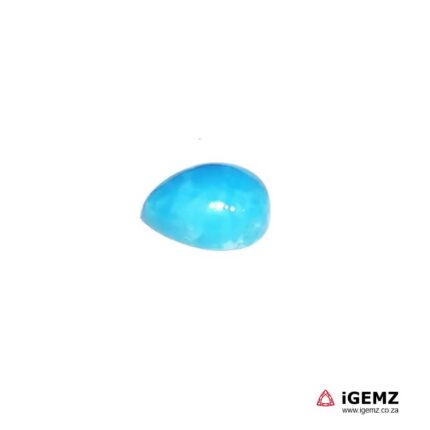
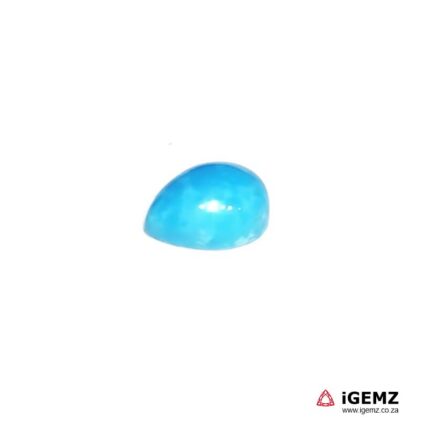
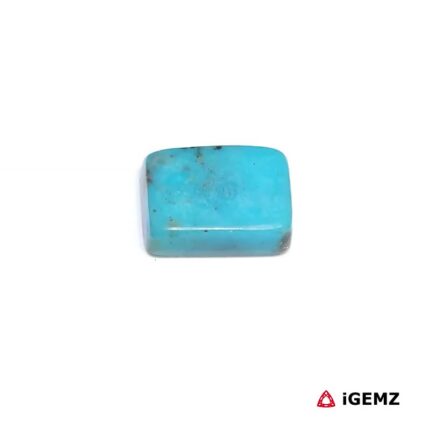
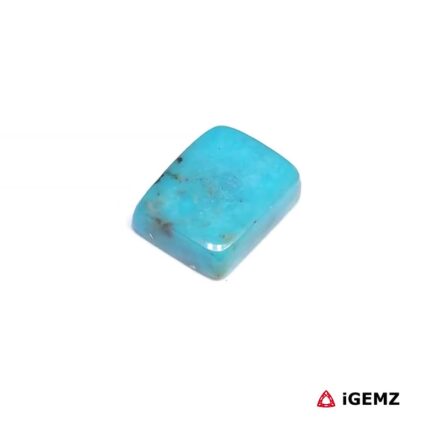
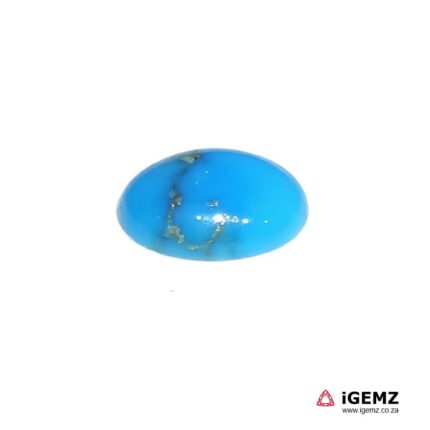
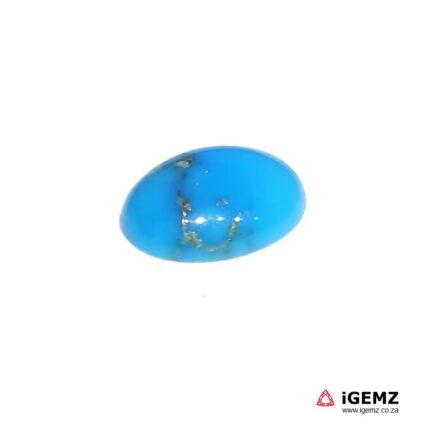
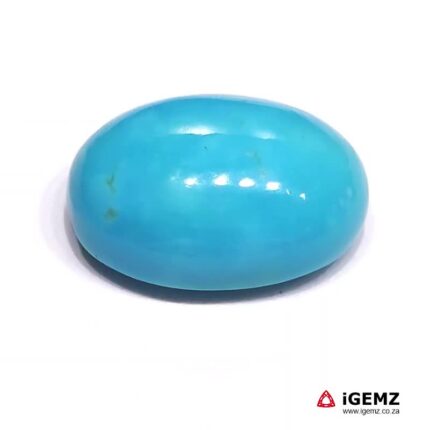
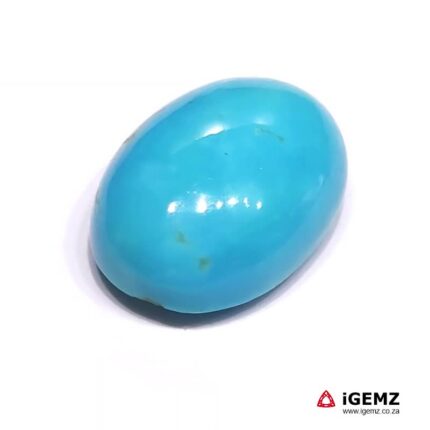
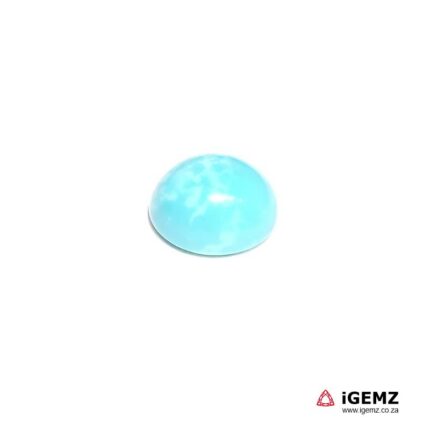
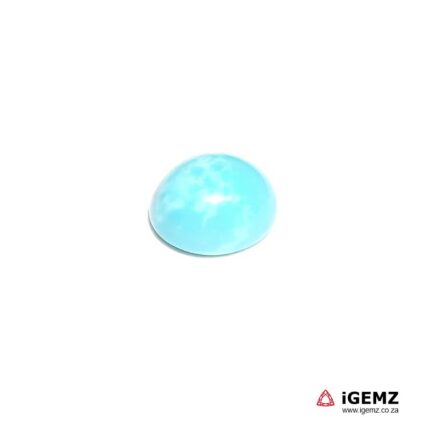
Turquoise occurs in shades of: Sky blue, Robin’s egg blue, Blue-green, Greenish-blue. The most valued stones display an even, vibrant blue with minimal brown or black matrix patterns.

Chemical Formula
Turquoise has the chemical formula CuAl₆(PO₄)₄(OH)₈·4H₂O, composed of copper, aluminium, phosphorus, oxygen and water. Copper content produces blue tones, while iron and other trace elements may create green hues.

Composition
Copper, Aluminium & Phosphate – trace elements and hydration influence colour and intensity.

Refractive Index
1.61 – 1.65, giving turquoise a soft, satiny glow.

Lustre
Waxy to subvitreous, producing a gentle, natural sheen.

Moh's Hardness & Durability
Turquoise has a Mohs hardness of 5 – 6, making it softer than many gemstones. It is prone to scratching and can be fragile if struck. Protective jewellery settings are recommended for rings or bracelets intended for daily wear.

Crystal System
Its crystal system is triclinic, forming microcrystalline masses rather than well-defined individual crystals.

Transparency
Opaque to semi-translucent; high-quality turquoise is typically opaque with even colour.

Mineral Family
Turquoise belongs to the phosphate mineral family.

Specific Gravity
2.60 – 2.90, depending on density and porosity.
Origin, Treatment & Care
Turquoise is a precious and semi-precious gemstone with a long history of cultural significance. Understanding its origin, natural patterns, and treatments is crucial when assessing quality. With careful handling and gentle cleaning, turquoise jewellery can retain its beauty for generations.

Major Origins
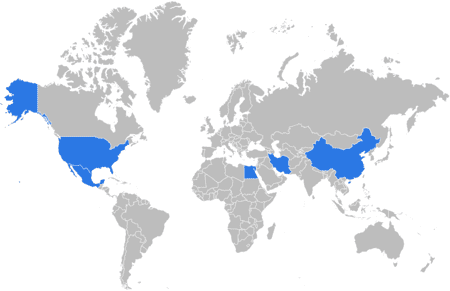
Major sources of turquoise include Iran (Persia), the southwestern United States (Arizona, Nevada, New Mexico), Egypt, China and Tibet. Persian turquoise is highly prized for its intense sky-blue colour and minimal matrix.

Treatments
Many turquoise stones are stabilised with resins or polymers to improve durability and enhance colour. Dyeing is common but generally reduces value. Natural, untreated turquoise with strong colour and minimal matrix is the most sought after.

Care and Cleaning
Avoid harsh chemicals, ultrasonic cleaners, and prolonged exposure to heat or sunlight. Clean gently with a soft cloth and mild water. Store turquoise separately from harder gemstones to prevent scratching or damage.
How Turquoise Quality & Value Are Determined
Turquoise value is determined by a combination of colour, matrix, hardness, cut, and size. Stones with even, vivid blue colour, minimal matrix, and proper treatment command the highest prices.
Colour
Colour is the most critical factor. Premium turquoise typically displays:
- Even sky-blue or robin’s egg blue
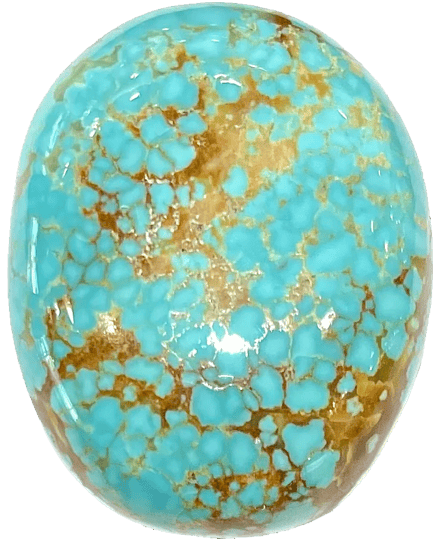
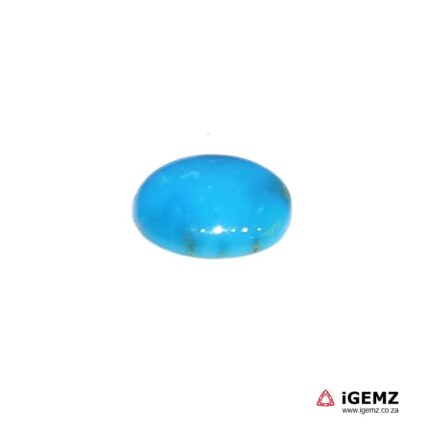
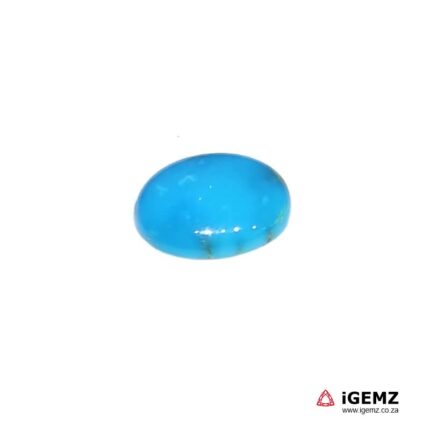
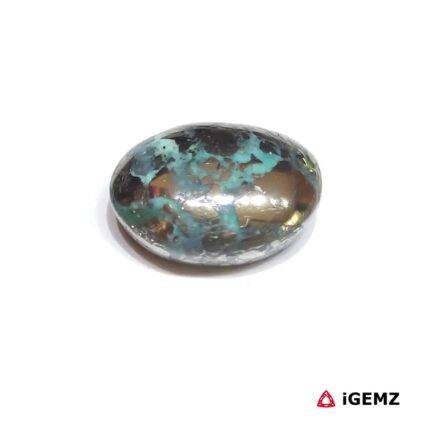
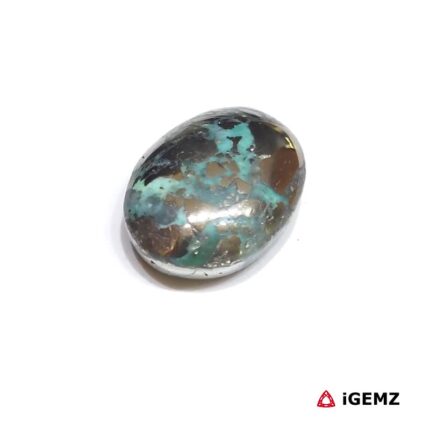
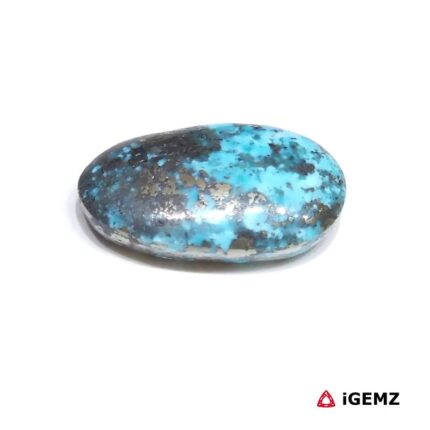
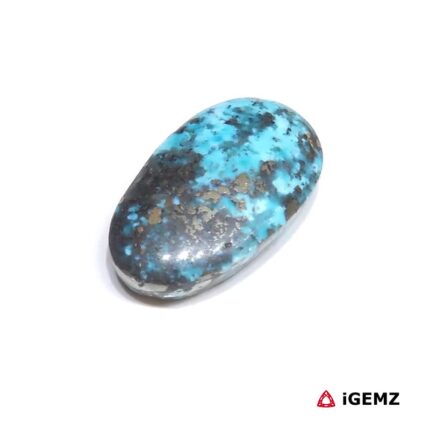
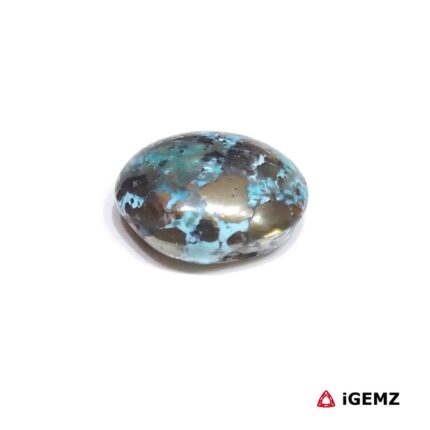
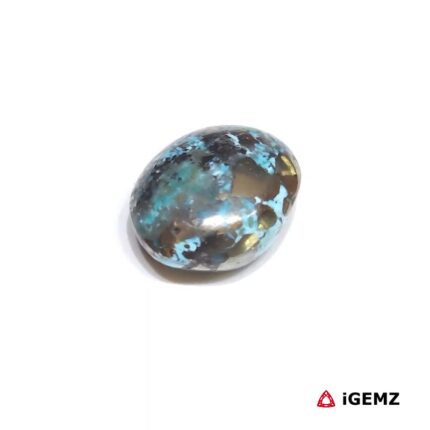
- Minimal brown, black or spiderweb matrix
- Strong, vivid saturation without dullness
Stones that are greenish or pale are generally less valuable, while overly dark or uneven stones may appear unattractive.
Clarity
Unlike transparent gemstones, turquoise is opaque, so clarity relates to surface texture and matrix patterns. High-quality stones:
- Have a smooth surface and tight, fine texture
- Display minimal or attractive matrix patterns
- Are free from cracks or porous areas
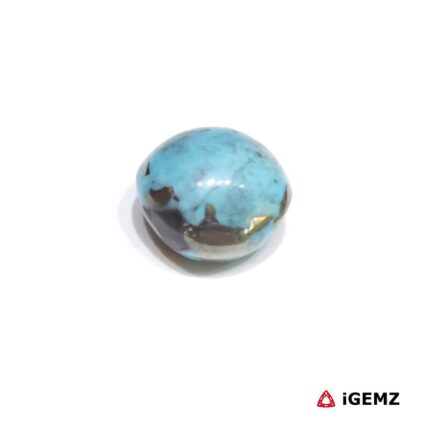
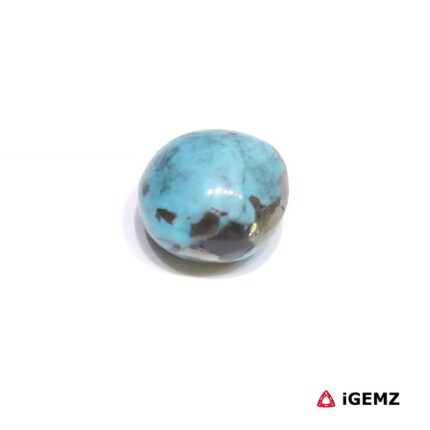
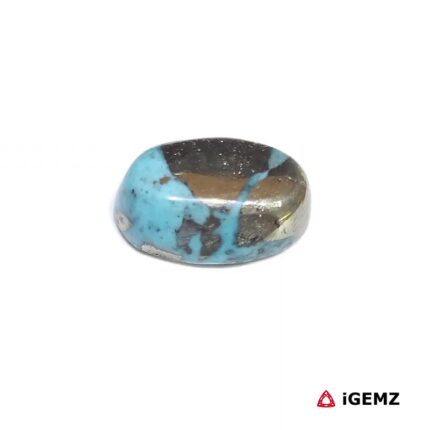
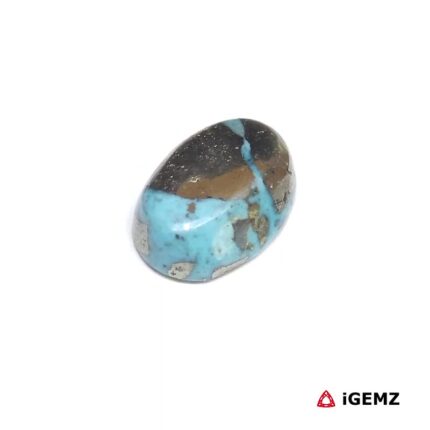
Matrix patterns can enhance character if aesthetically pleasing but excessive veining may reduce value.
Cut
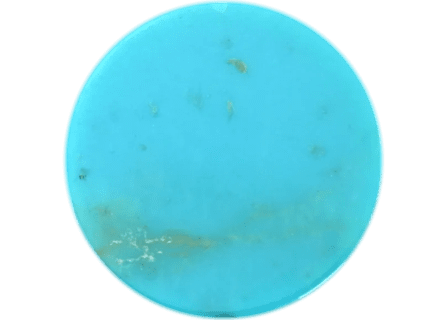
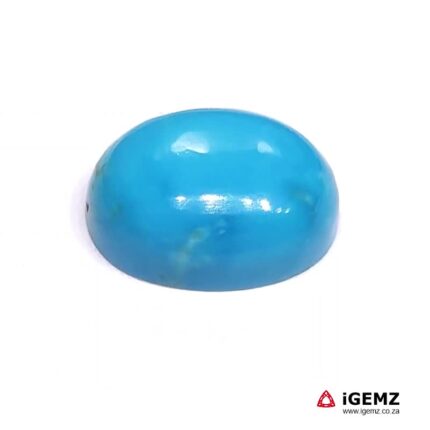
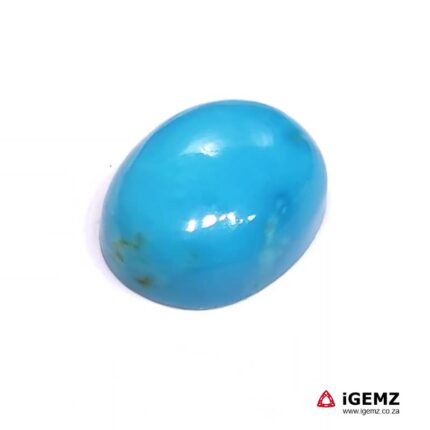
Cut influences how well the stone is shaped for jewellery. Turquoise is often cabochon-cut to showcase its colour and patterns. Important cut considerations include:
- Smooth, symmetrical dome shape
- Polished surface with even curvature
- Size proportional to jewellery design
Flat or poorly cut stones can look lifeless despite good colour.
Carat Weight
Larger turquoise stones are rarer and can command higher prices, especially when colour is vivid and matrix is attractive. As with all gemstones, size alone does not guarantee value—colour and texture remain decisive.
The Balance of the Four Factors
True turquoise value is achieved when colour, matrix, cut, and size complement each other. Premium turquoise gemstones should display:
- Even, vibrant colour
- Attractive or minimal matrix patterns
- Smooth, well-polished surface
- Proportional size suitable for jewellery
International Pricing Trends – per carat
Turquoise pricing varies based on origin, colour, and treatment. Natural, untreated Persian turquoise is highly valued, while stabilised or dyed stones from other sources are more affordable. Prices increase significantly with larger sizes and high-quality colour.
Estimated Average International Turquoise Prices (Good Quality) – Per Carat
| Weight | ZAR | USD | EUR | JPY | GBP | AUD | CAD | CHF | CNY | HKD | NZD | Market Signal |
|---|---|---|---|---|---|---|---|---|---|---|---|---|
| Under 1 carat | Size is widely available | |||||||||||
| 1 - 2 carat | Increasingly popular | |||||||||||
| 2 - 3 carats | Strong demand | |||||||||||
| 3 - 4 carats | Remain desirable | |||||||||||
| 4 - 6 carats | Scarcer in larger sizes | |||||||||||
| 6 - 8 carats | Exceptional stones |
Frequently Asked Questions
Is turquoise a natural gemstone?
Yes. Turquoise is a naturally occurring phosphate mineral valued for its distinctive blue-green colour and cultural significance.
Why does turquoise have a matrix pattern?
Matrix patterns are natural inclusions of the host rock, which can add character or reduce value depending on aesthetics.
Are turquoise stones treated?
Many turquoise stones are stabilised or dyed to enhance durability and colour. Untreated, high-quality turquoise is rare and more valuable.
Which country produces the best turquoise?
Persian (Iranian) turquoise is historically the most prized, though high-quality stones also come from the southwestern USA, China, and Tibet.
Can turquoise be worn daily?
Yes, with care. Turquoise is softer and more porous than other gemstones, so protective settings and gentle handling are recommended.
What factors determine turquoise value?
Colour is the most important, followed by matrix patterns, texture, cut and size. Untreated, even-colour stones command the highest prices.

Buy With Confidence
Professionally inspected gemstones
Full transparency on treatments
Worldwide shipping
Secure checkout
Ready to own the beauty of
TURQUOISE?
Now that you understand the history, symbolism and quality factors behind turquoise, the next step is to secure your own gemstone. Admired for its vivid blue-green tones and cultural significance, turquoise offers a unique blend of natural charm and artisanal beauty. Perfect for cabochon rings, pendants, beads, or inlay work, turquoise adds character and timeless appeal to any gemstone collection.
Vibrant Blue
Protective Energy
Cultural Heritage
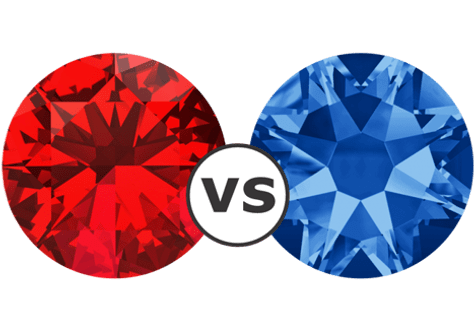
COMPARE GEMSTONES WITH CONFIDENCE
Gemstone Comparison Guides
Choosing between two beautiful gemstones can be challenging. Our professional Gemstone Comparison Guides help you clearly understand the differences between popular gemstones so you can make a confident and informed choice.
Each comparison explores the key factors that influence gemstone quality and value, including colour, clarity, durability, rarity and typical treatments. You will also learn how similar-looking gemstones differ in appearance, composition, hardness and more.
HERE IS ALL THE PROFESSIONAL INFORMATION YOU NEED
Gemstone Buyer's Guides
Buying a gemstone should be exciting — but understanding quality, rarity and value is essential before making the right choice. Our professional Gemstone Buyer’s Guides help you understand how colour, clarity, cut and treatments influence the beauty and value of different gemstones.
Each guide explains the key quality factors used by gemologists, including gemstone composition, colour grading, natural inclusions, treatments and origin. You will also learn how these factors affect rarity, durability and market value.
Beryl Family
Feldspar Gemstones
Pyroxene Gemstones
Spodumene Family
Chalcedony & Agate
Quartz Gemstones
Amethyst
Ametrine
Citrine
Prasiolite
Quartz
Rose Quartz
Rutile Quartz
Smoky Quartz
Rare & Collector Gemstones
Apatite
Chrysoberyl
Clinozoisite
Fluorite
Grandidierite
Iolite
Jade
Kyanite
Lapis Lazuli
Phosphosiderite
Prehnite
Serendibite
Sillimanite
Sphene
Sugilite
Vesuvianite