

 1st - Gold

 January
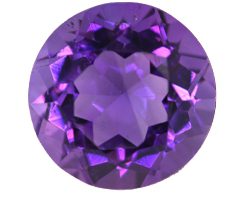 February
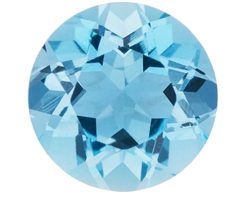 March
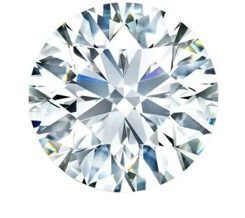 April
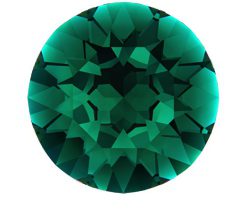 May
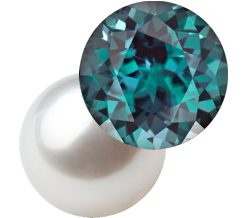 June
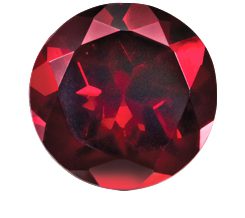 July
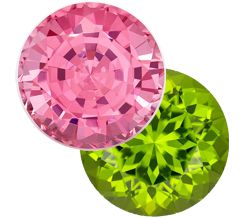 August
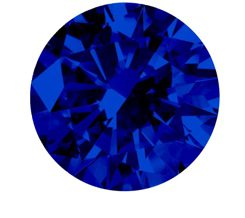 September
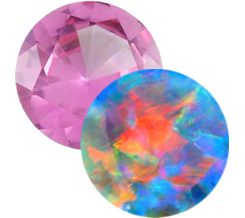 October
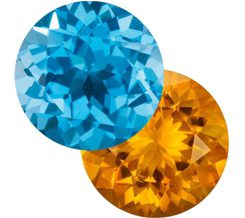 November
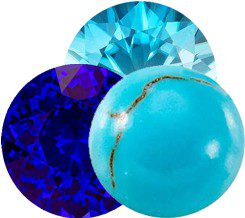 December

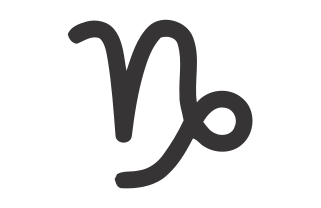 Capricorn - Garnet
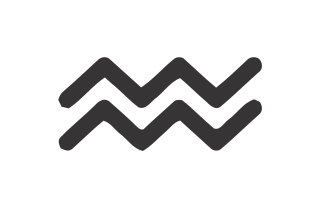 Aquarius - Amethyst
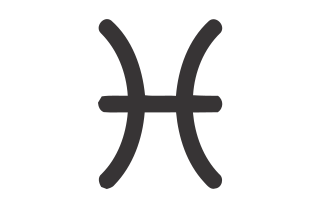 Pisces - Aquamarine
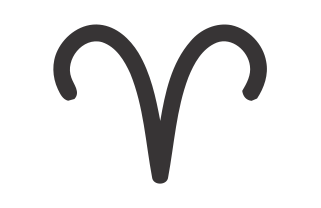 Aries - Diamond
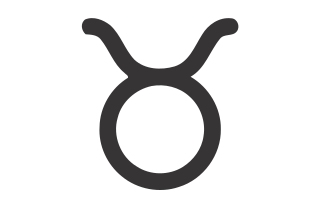 Taurus - Emerald
 Gemini - Pearl
 Cancer - Ruby
 Leo - Peridot
 Virgo - Blue Sapphire
 Libra - Opal
 Scorpio - Topaz
 Sagittarius - Tanzanite

Building a Soft Green Collection Without Emerald: Soft Green Gemstone Inspiration
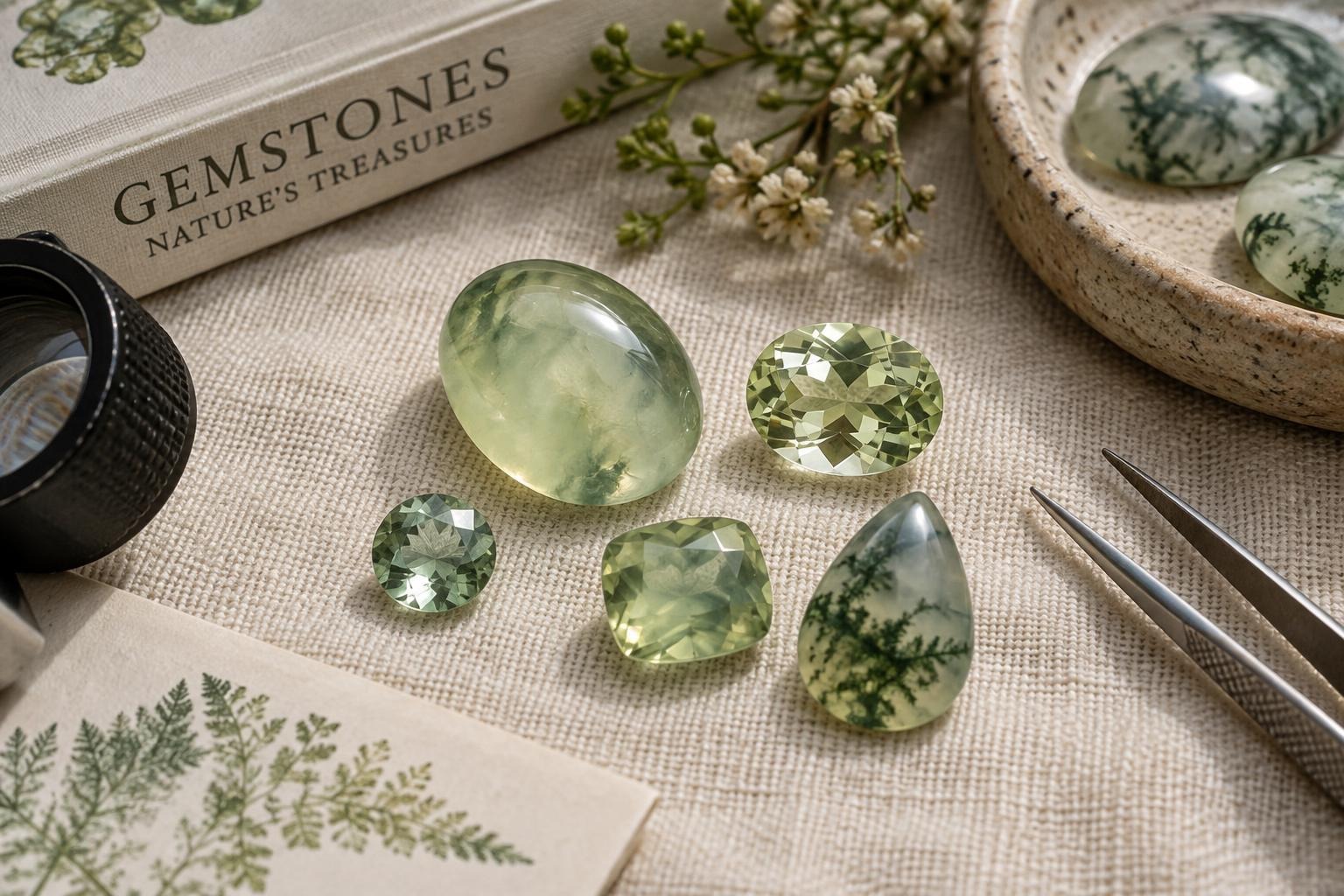
The Colour Edit · 9 min read
Soft green gemstone inspiration offers a fresh palette for collectors and jewellers seeking gentle, elegant hues without the classic choice of emerald. This guide highlights a refined shortlist of green gemstone species that embody calm and earthy tones, steering clear of emerald’s deep intensity. We explore visual themes, practical collecting tips, and the distinctive character of alternatives like prehnite, moss agate and chrysoberyl. Whether building a harmonious collection or sourcing stones to complement existing pieces, these choices bring softness without compromising on charm or sophistication.
The image is for illustration purposes and is not an actual stock item.
01
Soft green gemstones excluding emerald offer diverse textures and transparencies that create a calm, natural aesthetic.
02
Selecting a mix of faceted and cabochon cuts balances light play with organic softness for versatile collections.
03
Consider the practical aspects of hardness and colour harmony when assembling a soft green palette for longevity and style.
Understanding Soft Green Beyond Emerald
Soft green gemstone inspiration pivots away from the saturated, vivid green of emeralds towards a subtler colour family. Here, tones range from pale mint through leaf-green to muted olive. This spectrum offers a sense of freshness and calm, often evoking natural landscapes such as dew-laden foliage or mossy forest floors.
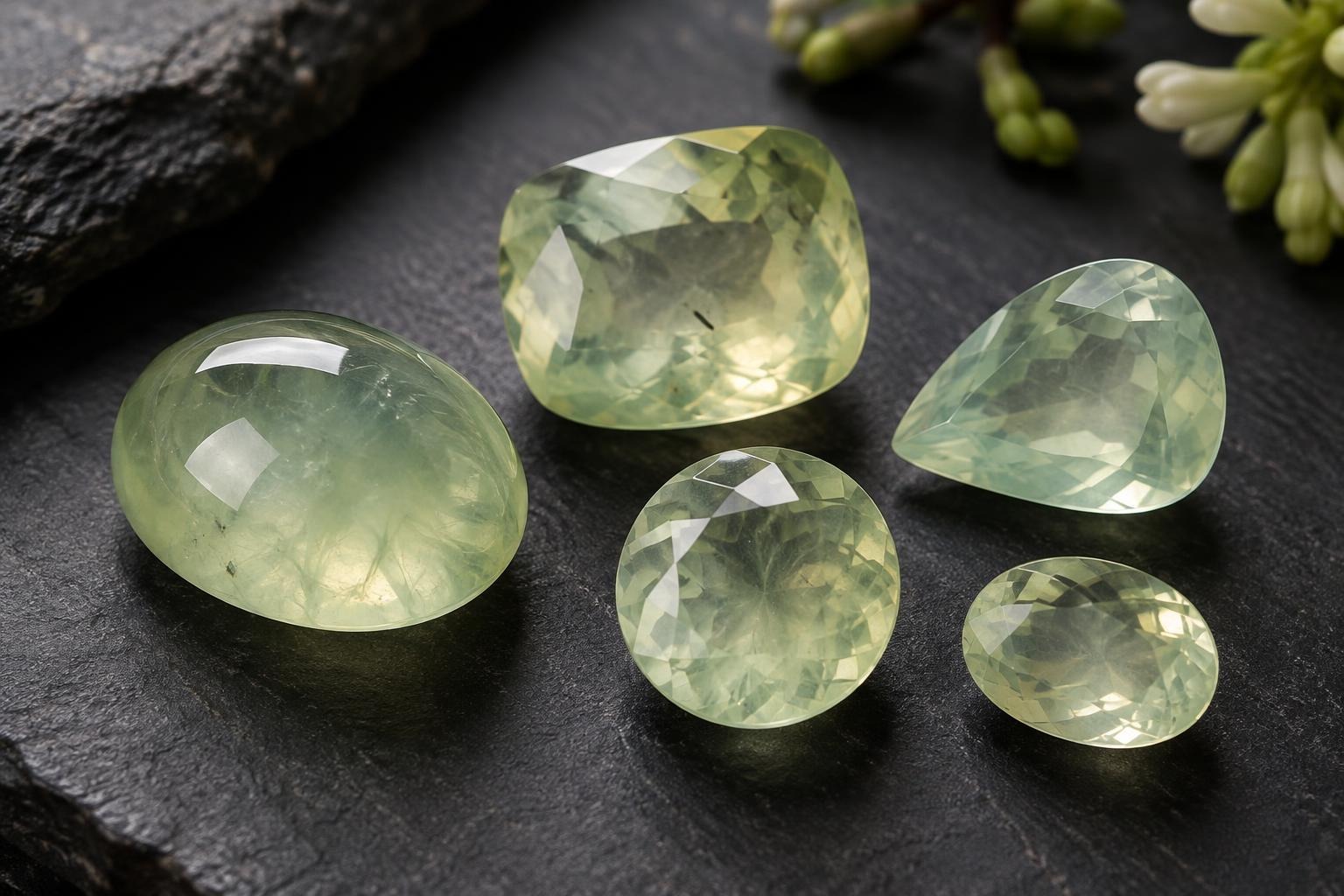
Rather than focusing on bright, bold colour, soft green gemstones tend to have qualities like translucency, pearly or slightly cloudy appearances, or delicate internal textures. These characteristics create an overall sense of understated beauty — a distinct visual mood from emerald’s jewel-bright intensity.
Collecting within this palette allows for a diverse mix of gemstone species offering a wide range of hardness and optical effects, ideal for versatile jewellery creation or display collections. But it’s essential to think about the harmony of colour and how these softer greens interact with other stones or metal settings.
Prehnite: A Favourite Soft Green Mineral Species
Prehnite is one of the quintessential soft green gemstones, admired for its subtle, pale green that can sometimes appear almost yellowish or with faint grassy hues. Its translucent to semi-transparent nature offers a gentle glow rather than a stark colour block.
This mineral species is usually faceted but also popular as cabochons for its ethereal inner light. The colour of prehnite varies slightly with specimens having a soft hint of blue or a cloudy texture that adds depth and interest.
When choosing prehnite, consider the gemstone’s clarity and surface structure since inclusions are common but can enhance the stone’s unique character rather than detract. Its Mohs hardness around 6 to 6.5 makes it suitable for many jewellery settings but not the hardest option for daily wear.
For more detailed information on prehnite, see the iGemz guide dedicated to this gemstone.
Moss Agate and Dendritic Agate: Textural Soft Greens
Moss agate and dendritic agate offer another dimension of soft green inspiration. Unlike uniform colour stones, these chalcedony varieties showcase green mineral inclusions that resemble moss or fern-like patterns trapped inside the translucent white or grey body.
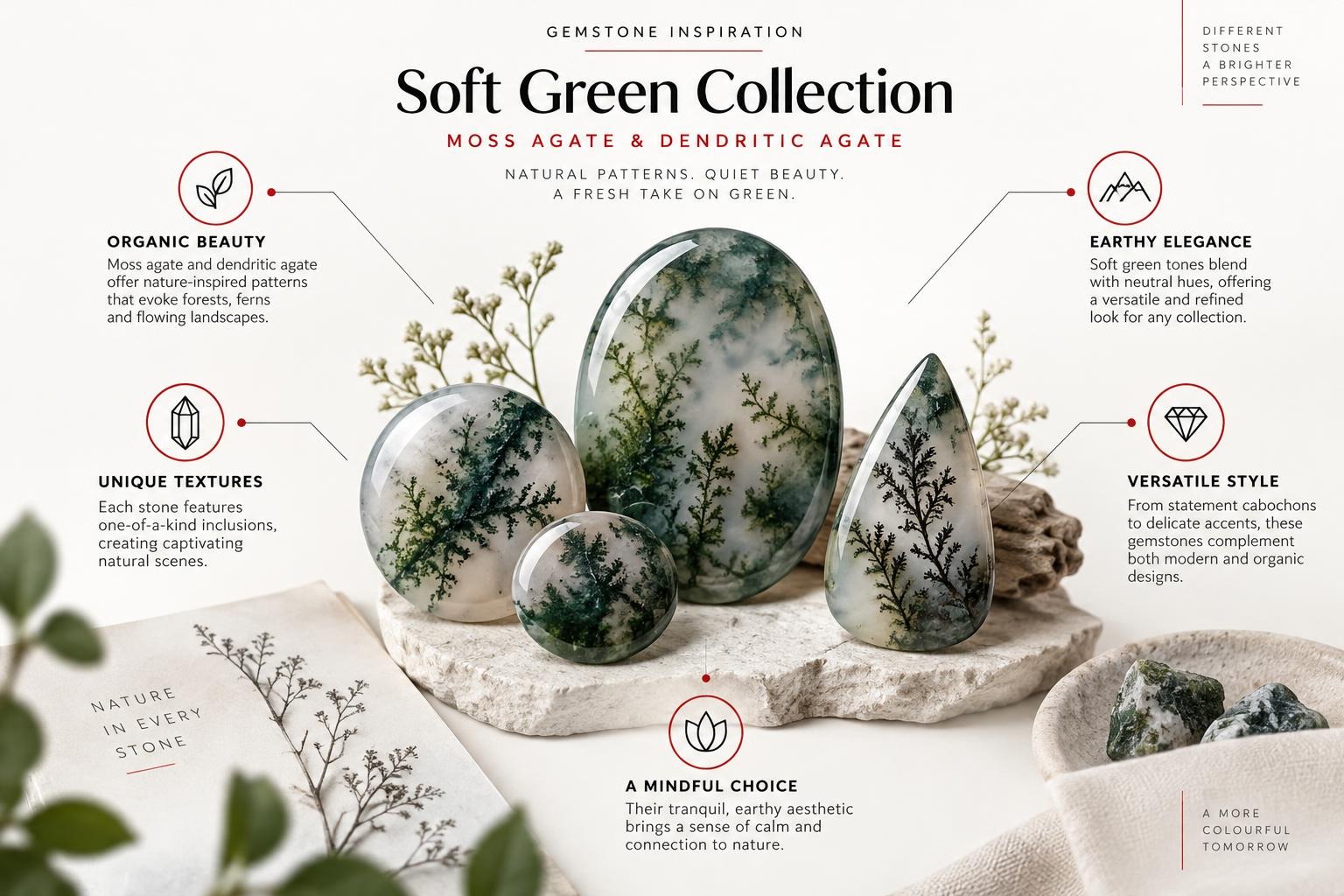
These organic internal landscapes create a natural softness both in colour and appearance, ideal for collectors drawn to stones with unique visual stories rather than flat uniformity. The greens are typically darker or olive toned, providing contrast yet remaining gentle on the eye.
Both stones have a Mohs hardness of about 6.5 to 7, making them practical for many jewellery designs. Their varied patterns mean no two stones are exactly alike, promoting a personalised and textured collection of soft green stones.
Explore more on moss and dendritic agates through iGemz’s dedicated gemstone buyer guides.
Chrysoberyl and Vesuvianite: Subdued Greens with Brilliance
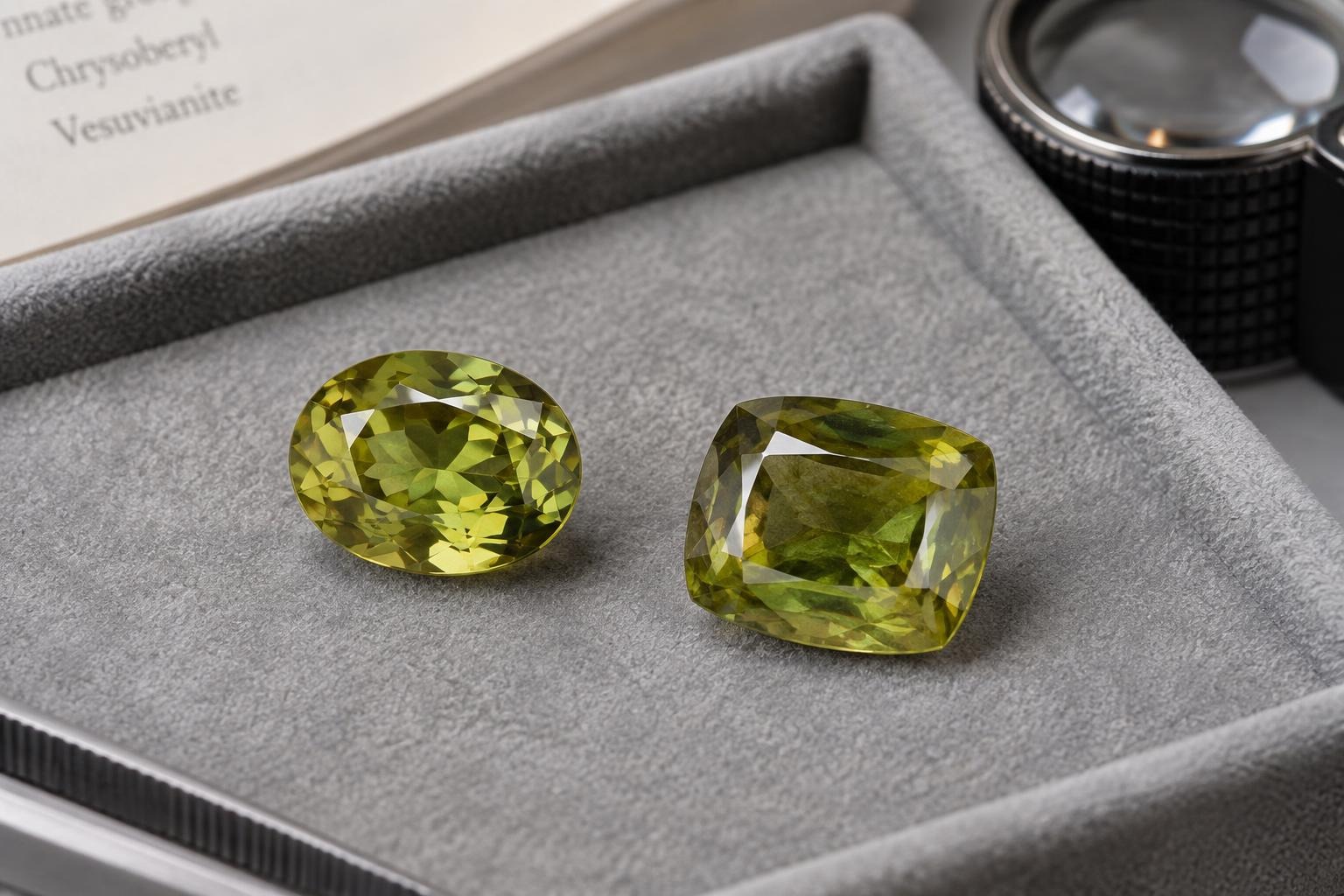
For those who desire a subtle green with more brilliance and durability, chrysoberyl is a notable choice. Its soft green varieties may have a gentle yellow-green or olive undertone, combined with a high refractive index that imparts notable fire and sparkle.
Vesuvianite, another lesser-known species, can offer a more earthy and deep soft green with a hint of translucency and fine lustre. Both gemstones contrast with prehnite’s cloudiness or agate’s patterns by introducing more optical vigour within the soft green spectrum.
The impressive hardness of these stones (chrysoberyl around 8.5, vesuvianite around 6–7) affords collectors practical stones fit for varied jewellery applications that last well with moderate daily wear.
Their subtle hues remain soft and approachable but elevate the collection with light performance and resilience.
More about chrysoberyl and vesuvianite varieties can be found in the respective buyer guides on iGemz.
Chalcedony and Serpentine: Gentle Opaques in Soothing Green
Chalcedony covers a range of microcrystalline quartz varieties, often with serene pale greenish tints. Its waxy lustre and uniform colour plane provide a soft, calming appearance that complements more textured or vitreous stones in a collection.
Serpentine is another option in the opaque green category featuring smooth surfaces and sometimes subtle veining or spotting. It typically displays softer, muted greens that evoke natural stone or foliage without the intensity of a transparent gemstone.
Collectors often include these stones for their understated elegance and ease of matching with other colours or metals. They also perform well in larger sizes due to affordability and durability, creating collectors’ centrepieces in softer hues.
Refer to iGemz’s chalcedony and serpentine guides for additional specifics regarding properties and buying tips.
Chalcedony and serpentine, while commonly grouped under the opaque green category, offer noteworthy nuances beyond their broad classification. For instance, chalcedony’s microcrystalline quartz structure allows slight variations in translucency that can soften or intensify its visual presence depending on the cut and polish. This flexibility lets collectors select stones that range from almost translucent pale green to warmer, denser textures. In contrast, serpentine’s appeal often lies in its solid, calming matte surfaces or its subtly mottled appearance, which can evoke natural stone artefacts or ancient carvings, anchoring a collection in an earthy narrative.
When combining chalcedony with serpentine, collectors gain an opportunity to juxtapose softness with structure: chalcedony’s gentle glow can lend lightness, while serpentine’s solid hues provide grounding. Their lower hardness compared to chrysoberyl or vesuvianite means these stones are best suited to pendant or earrings designs, or as display specimens where wear and tear is less intensive.
In terms of sourcing and verifying these soft green stones, it is crucial to remember that the exact shade or pattern cannot guarantee species identification. For example, multiple mineral species may display soft green hues in chalcedony or serpentine categories, with overlapping visual characteristics. Professional gemmological confirmation using refractive index or other non-destructive tests is advisable when accuracy matters.
Additionally, collectors should be aware that inclusions and internal patterns within chalcedony or serpentine can influence perceived colour intensity. Such variables are integral to these stones’ organic charm but also complicate attempts at consistent matching, especially in larger collections or when grouping pieces for coordinated jewellery.
Another practical consideration is the effect of cutting style. Cabochon cuts, common for serpentine and chalcedony, enhance surface lustre and soften light reflection, complementing their opaque or semi-translucent nature. Faceting, less common but sometimes applied to chalcedony, can introduce rare flashes of brilliance, altering the stone’s visual impact within a collection of predominantly soft, muted greens.
Collectors focusing on soft green gemstone inspiration should contemplate the overall colour temperature and its harmony with metal choices. For instance, cooler pale greens in chalcedony may pair elegantly with white gold or silver, while warmer olive tones in serpentine and vesuvianite can resonate with yellow gold’s warmth, enabling a coherent, well-balanced presentation.
When arranging a collection, variation in form factor and gemstone size is as important as colour harmony. Larger serpentine or chalcedony stones crafted as statement cabochons contrast attractively with smaller, sharply faceted chrysoberyl gems, creating a dynamic visual dialogue that adheres to a soft green theme without monotony.
Lastly, remember that lighting conditions alter the subtle greens in these stones. Natural, diffused light reveals nuanced translucency or internal patterns, while artificial lighting might flatten or exaggerate colour contrasts. Viewing stones under multiple light sources or requesting supplementary images with varying illumination can aid informed selection for an online purchase.
Combining Stones: Creating Harmony Without Emeralds
A soft green collection without emerald allows for exciting creative freedom through texture, transparency and tone. Mixing translucent prehnite with patterned moss agate or lustrous chrysoberyl provides depth without clashing, as their shared softness creates visual synergy.
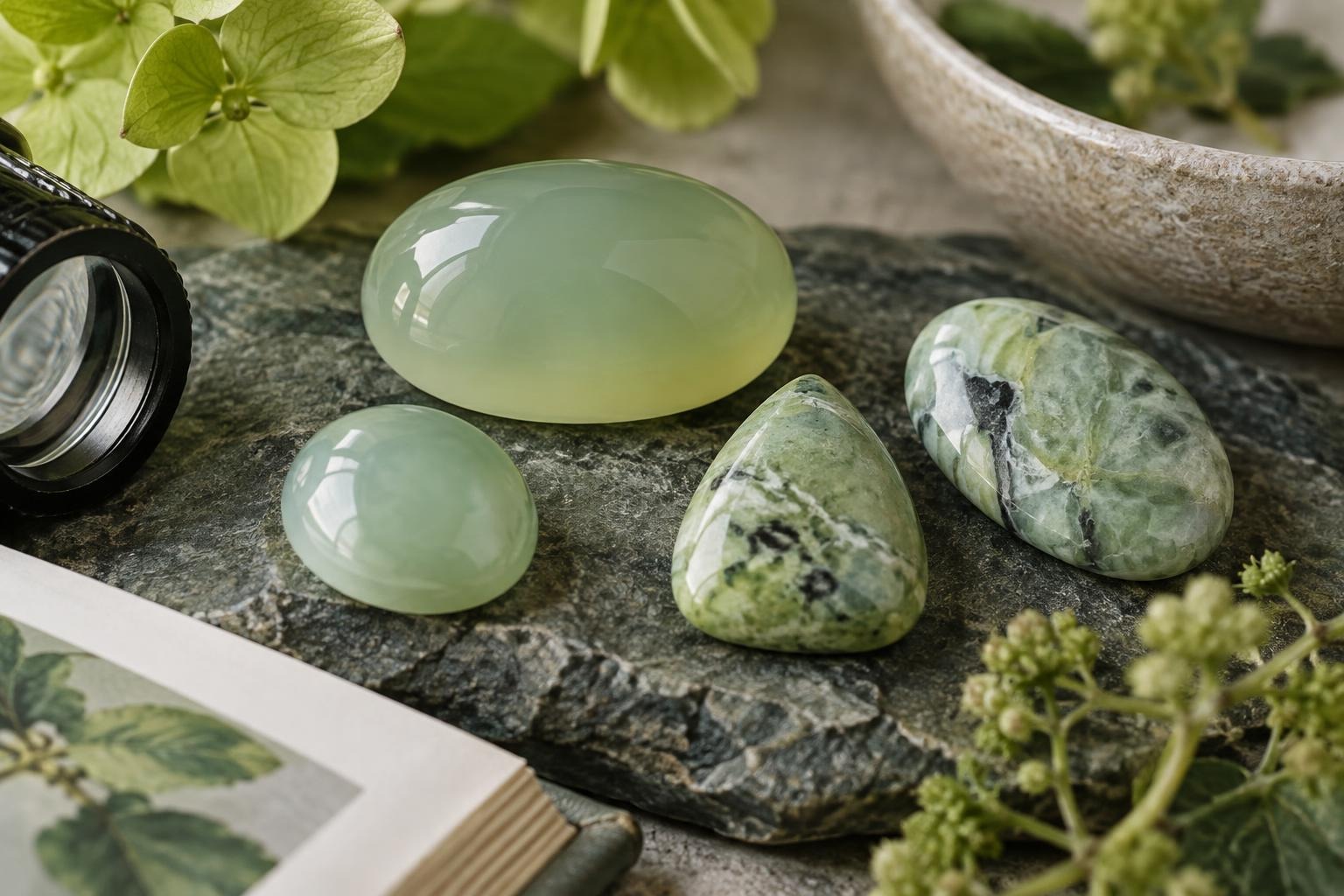
Consider the interplay between semi-opaque stones like chalcedony with the brighter, faceted gems to balance matte and shine. Using stones of varied green undertones rather than a single flat colour enriches the collection’s interest and adaptability.
Working with practical hardness ranges (from about 6 to 8.5) ensures the collection’s utility across different jewellery forms or specimen handling. Grouping stones in shapes that complement their optical properties — such as cabochons for textured agates and faceted cuts for chrysoberyl — reinforces visual cohesion.
Accessorising or layering with other neutral or softly coloured gemstones can further enhance the tranquil green theme without overpowering it.
Collector Considerations: Balancing Aesthetic and Practicality
When building a soft green gemstone collection excluding emeralds, deliberate choices about gemstone species, cut and clarity support both the aesthetic vision and practical use. Soft green gemstone inspiration leans towards gentler colour presence, so good transparency or pleasing patterns matter significantly.
Consider hardness: stones like chrysoberyl and vesuvianite offer resilience, while prehnite and agate are softer alternatives requiring careful handling. Prioritising a mix can provide options for daily wear versus occasional use.
Colour uniformity is less critical than colour harmony in this palette. Some collectors prefer slight hue variation for natural diversity; others aim for near consistency, which might limit choice but increase coordinating ease.
Standardising measurements and carat weights helps compare stones objectively, particularly when shopping via online catalogues.
For guidance on millimetre size and carat weight relations, see the iGemz resource on choosing a gemstone that fits.
Visual Inspiration and Selecting Soft Green Gemstones Today
Visual inspiration for a soft green collection embraces natural textures and gentle, soothing hues rather than bright saturation. Editorial illustrations with softly faceted stones such as pale prehnite or moss agate cabochons arranged alongside lustrous chrysoberyl faceted gems convey an organised, serene aesthetic fitting this theme.
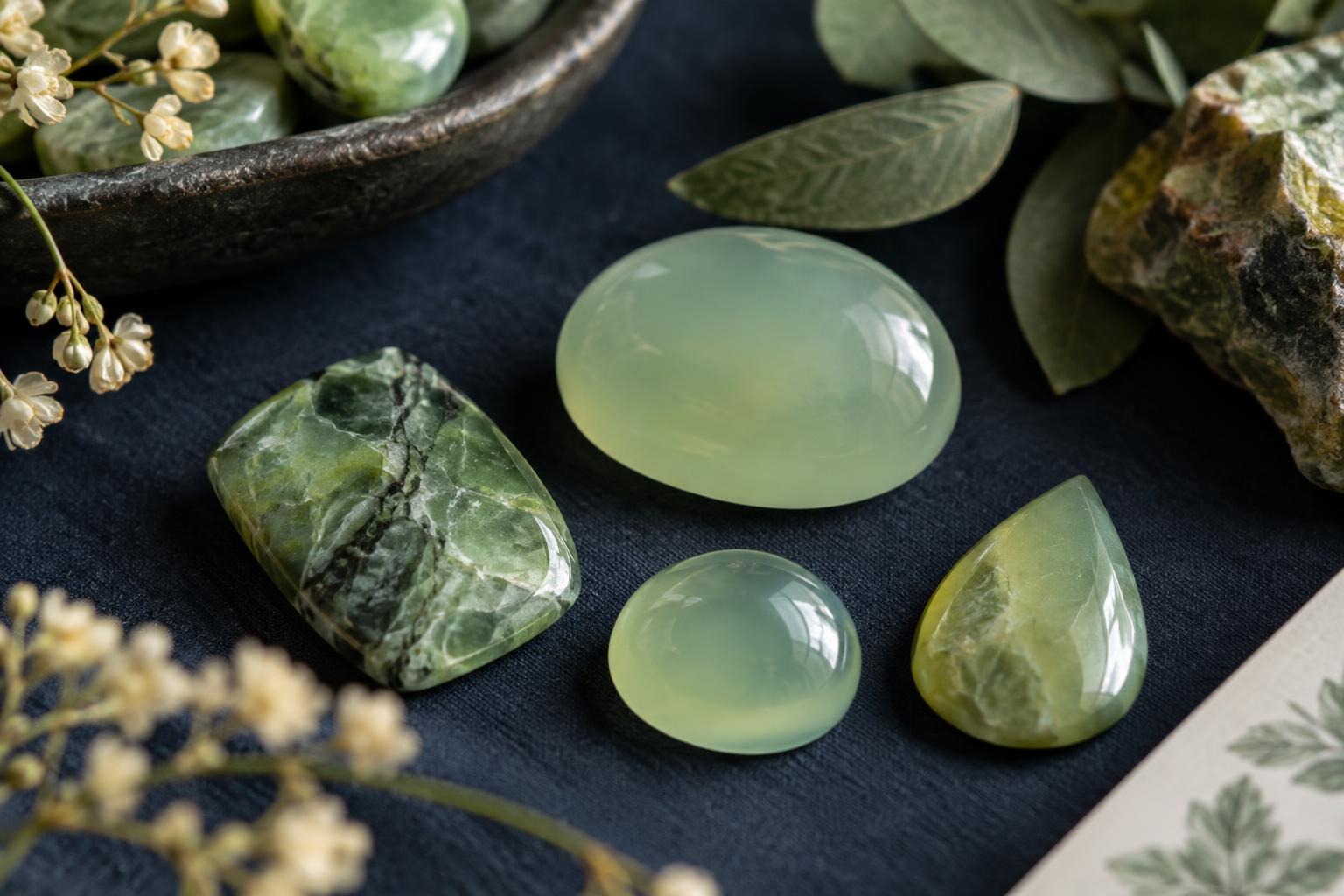
Grouping stones by their translucency or pattern can create beautiful visual rhythms, especially when matched with pale metals or pearl accents in display.
Avoid the temptation to replace emerald’s vibrant green with overly bright or inconsistent hues that break the cohesive softness. Selecting well-cut stones with high-quality polish and appropriate shapes enhances the overall impression.
This thematic approach respects the personal nature of aesthetic association with green and offers a versatile, elegant colour story without the dominance of a single gemstone species.
For further inspiration, consider browsing the broad range of soft green gemstones in the iGemz loose gemstone catalogue.
Your inspiration questions, answered
Why exclude emerald from a soft green gemstone collection?
Emeralds have a distinctive, intense green that can dominate a collection. Excluding them allows for exploring gentler green tones and textures, creating a more subtle and varied aesthetic.
Are soft green gemstones suitable for everyday jewellery?
Many soft green stones like chrysoberyl and vesuvianite have good hardness suitable for daily wear, while softer stones like prehnite and agate require more care. Selecting a balanced mix optimises wearability.
How do I ensure colour harmony in a soft green collection?
Focus on stones with similar undertones and tonal values, considering translucency and texture as part of the colour experience rather than strict colour matching alone.
Can soft green gemstones show different colours in varying light?
Yes, soft green gemstones may appear differently under changing illumination. Understanding this effect is important when selecting stones, especially online.
What gemstone cuts work best for soft green stones?
Faceted cuts highlight brilliance in stones like chrysoberyl, while cabochons best suit patterned or translucent stones like moss agate and prehnite, enhancing softness and texture.
Start with a gemstone. Make it your own.
Explore a serene collection of soft green loose gemstones online and build your collection with beautiful alternatives beyond emerald.