


 1st - Gold

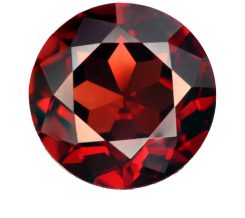 January
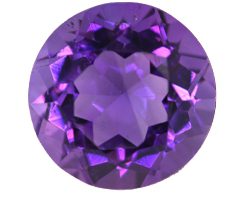 February
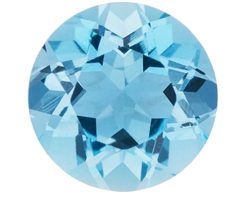 March
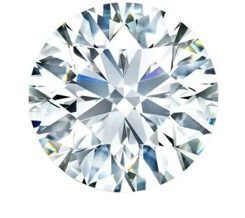 April
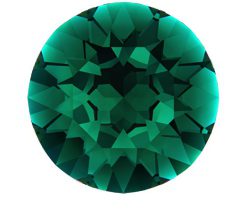 May
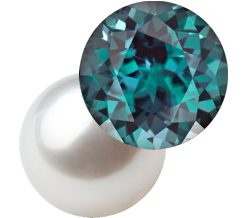 June
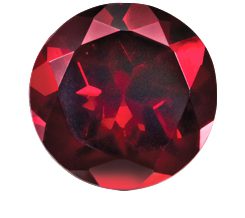 July
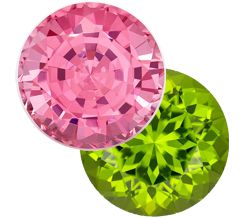 August
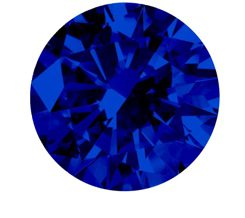 September
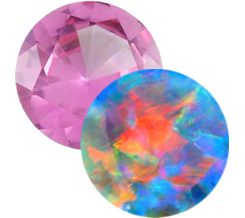 October
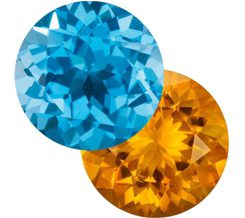 November
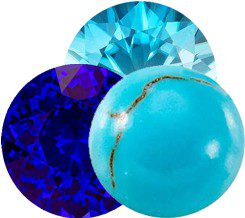 December

 Capricorn - Garnet
 Aquarius - Amethyst
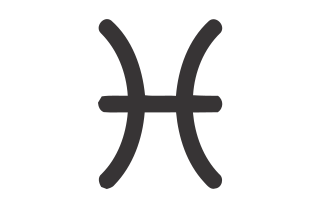 Pisces - Aquamarine
 Aries - Diamond
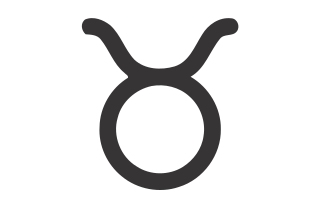 Taurus - Emerald
 Gemini - Pearl
 Cancer - Ruby
 Leo - Peridot
 Virgo - Blue Sapphire
 Libra - Opal
 Scorpio - Topaz
 Sagittarius - Tanzanite



Exploring Brown as a Deliberate Gemstone Colour Choice
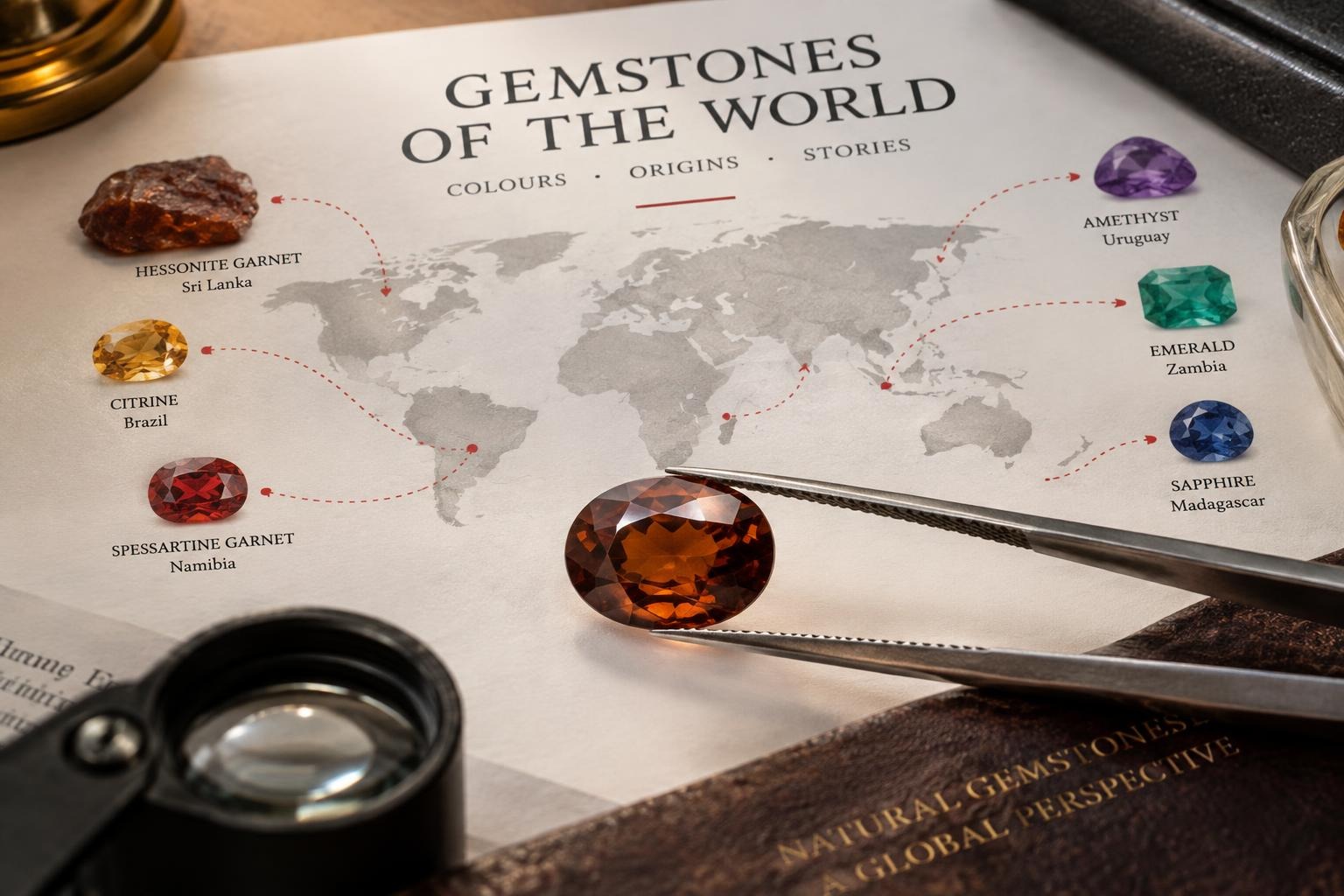
The Colour Edit · 9 min read
Brown gemstone inspiration invites a fresh perspective on a colour often overlooked in gemmology and jewellery design. Rather than considering brown a flaw or dull option, it serves as a sophisticated, warm design preference that offers depth and versatility. Whether as stand-alone centres or paired with lighter or darker hues, brown loose gemstones bring an earthy richness to curated collections and creative palettes. This article explores how to consciously select and combine brown stones purposefully, considering the visual impact for various design aesthetics and personal tastes.
The image is for illustration purposes and is not an actual stock item.
01
Brown is a purposeful and elegant gemstone colour, not a default or undesirable option.
02
Combining brown stones with lighter or darker hues creates balanced and visually engaging palettes.
03
Selecting brown gemstones online requires attention to standard gemmological data and an appreciation of personalised aesthetic preferences.
Why Brown? Recognising Brown as a Colour Choice in Gemstones
In the world of gemmology and jewellery design, brown often suffers from misconceptions as a colour signalling dullness or undesirability. However, brown is a complex colour with varied tones ranging from soft caramel to deep chocolate and reddish mahogany. These hues evoke natural warmth and earthiness, making brown gemstones a deliberate aesthetic preference rather than a flaw.
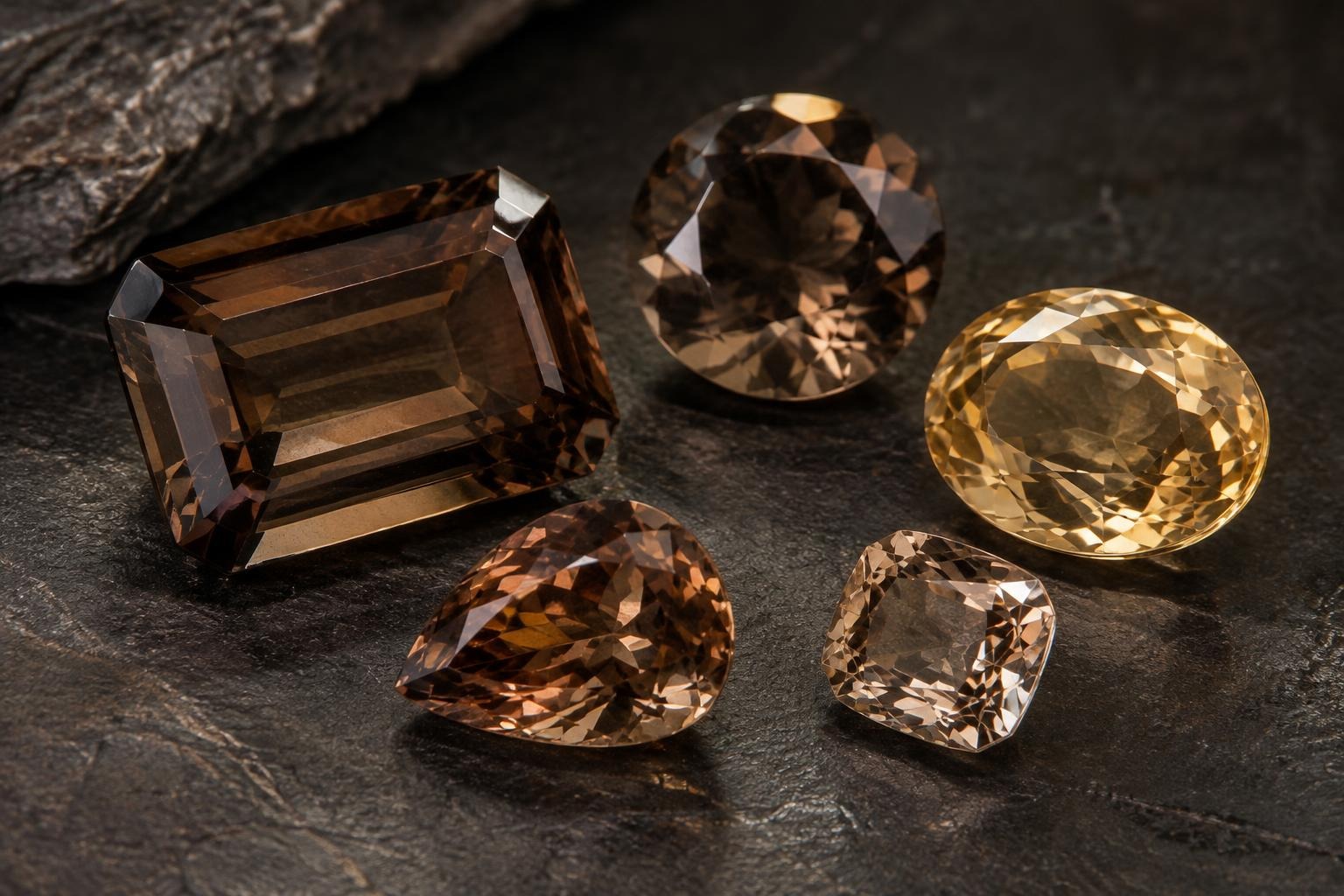
Brown loose gemstones offer subtlety and sophistication, contrasting sharply with the more vivid or pastel tones commonly favoured. They bring grounding qualities within gemstone palettes, making them ideal for designs based on natural colours and traditional materials such as gold or wood settings.
Choosing brown challenges established norms and opens possibilities for unique combinations and personal expression. It reminds collectors and jewellers that colour is subjective and context-dependent, with brown providing a rich visual vocabulary that enriches rather than dilutes gemstone collections.
Visual Brief: Showcasing the Depth and Variability of Brown Gemstones
For brown gemstone inspiration, the visual narrative centres on warmth, texture, and contrast. Imagine a selection featuring loose stones like smoky quartz, hessonite garnet, and certain garnet species, displayed to emphasise their layered hues and clarity variations. Faceting styles enhance brown’s natural luminosity and depth rather than obscure it.
Include combinations with lighter chocolates, warm tans, and amber tones creating smooth gradients alongside patches of darker browns that offer dramatic shadow effect. The use of transparent and semi-translucent stones further introduces a play of light essential to appreciating brown’s subtle beauty.
The overall aesthetic should be grounded and organic, evoking autumnal landscapes or hand-crafted rustic jewellery inspirations. The focus is not on flashy brilliance but on nuanced charm and earthy elegance, relying on standardised gemmological presentation with precise measurements in millimetres to allow collectors to assess stone proportions effectively.
Combining Brown with Light Tones: Soft Contrasts and Warm Brightness
One of the most effective practical approaches in brown gemstone design is pairing browns with lighter stones, such as pale citrine, light topaz, or creamy moonstone. These combinations create a visual balance where the light tones highlight brown’s warmth while offering brightness to the overall palette.
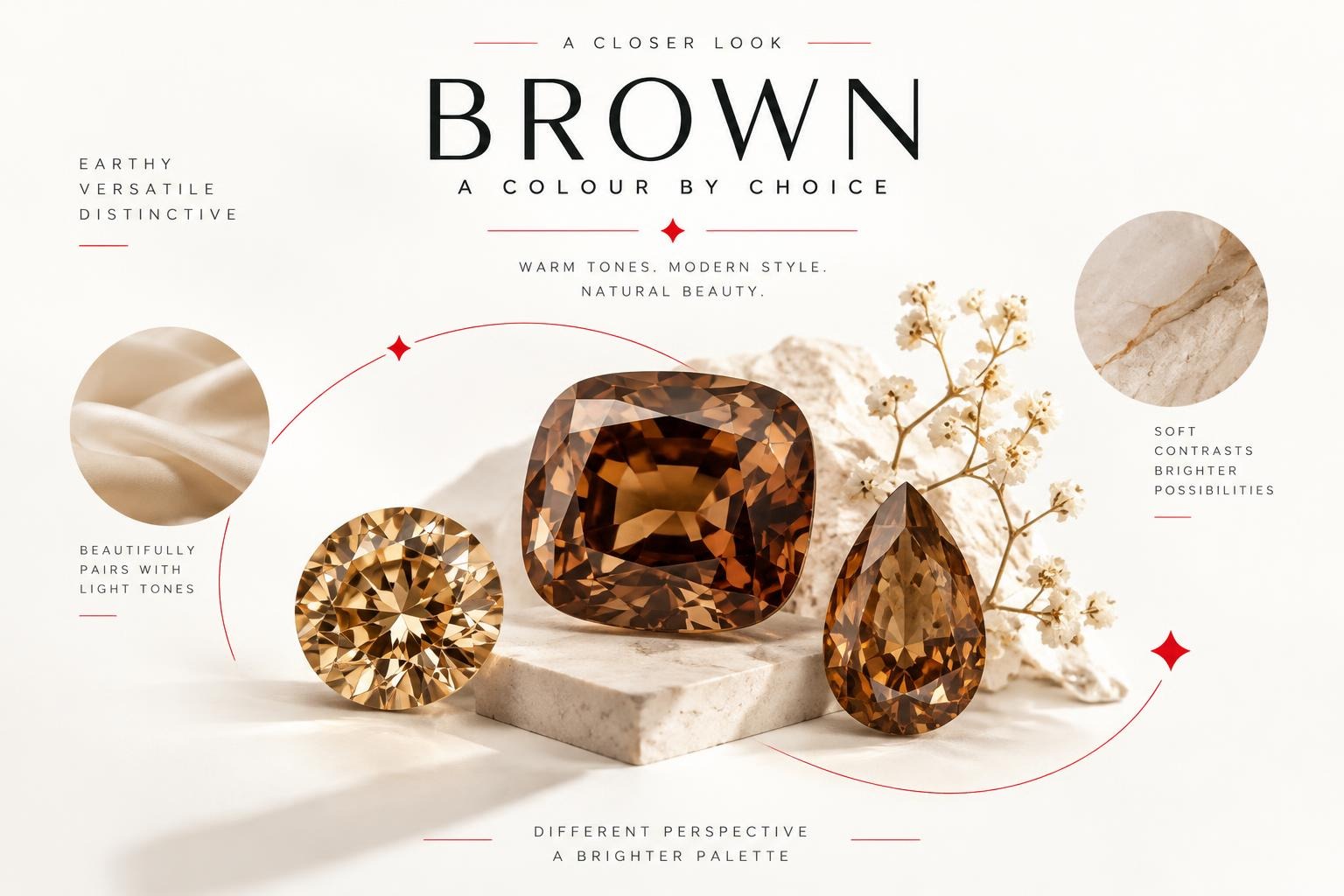
Such light-to-brown mixes provide a gentle contrast that appeals to those seeking understated elegance rather than stark juxtapositions. The result can be soothing and harmonious, perfect for jewellery pieces or gemstone collections inspired by desert landscapes or sunlit woods.
Collectors might prioritise the interplay of facets reflecting light across both colour tones, appreciating how light stones accentuate the depth within brown hues. From a practical perspective, choosing stones with complementary clarity and matching approximate sizes measured in millimetres ensures cohesive sets. For further reference on millimetre sizing and carat weight, readers can consult this guide: https://www.igemz.co.za/carat-weight-vs-millimetre-size-choosing-a-gemstone-that-fits/.
Dark and Brown Gemstones: Bold Richness and Dramatic Depth
Contrasting brown gemstones with darker stones—such as black spinel, deep blue sapphire, or dark green tourmaline—produces a compelling palette that accentuates brown’s richness. These combinations harness deep colour saturation to communicate drama, luxury, and a sense of timeless elegance.
Dark stones set adjacent to brown loose gemstones amplify the latter’s nuances, highlighting reddish undertones or chocolate warmth against near-black backdrops. This is a favourite approach for collectors or jewellers who prefer bold expressions over subtlety, providing a striking alternative to common colour pairings.
This theme demands careful selection of stones with similar hardness ranges to maintain durability and minimise mismatch in wearability. It also invites experimentation with different gemstone cuts to maximise light reflection and colour interplay within complex brown shades.
Types of Brown Gemstones: Mineral Species and Varieties for Inspiration
The colour brown in gemstones crosses various mineral species and varieties, each offering distinct optical properties and style potentials. Examples include hessonite garnet, rich in orange-brown to cinnamon hues, smoky quartz with its translucent greyish warms, and certain varieties of zircon which may display yellowy brown tones.
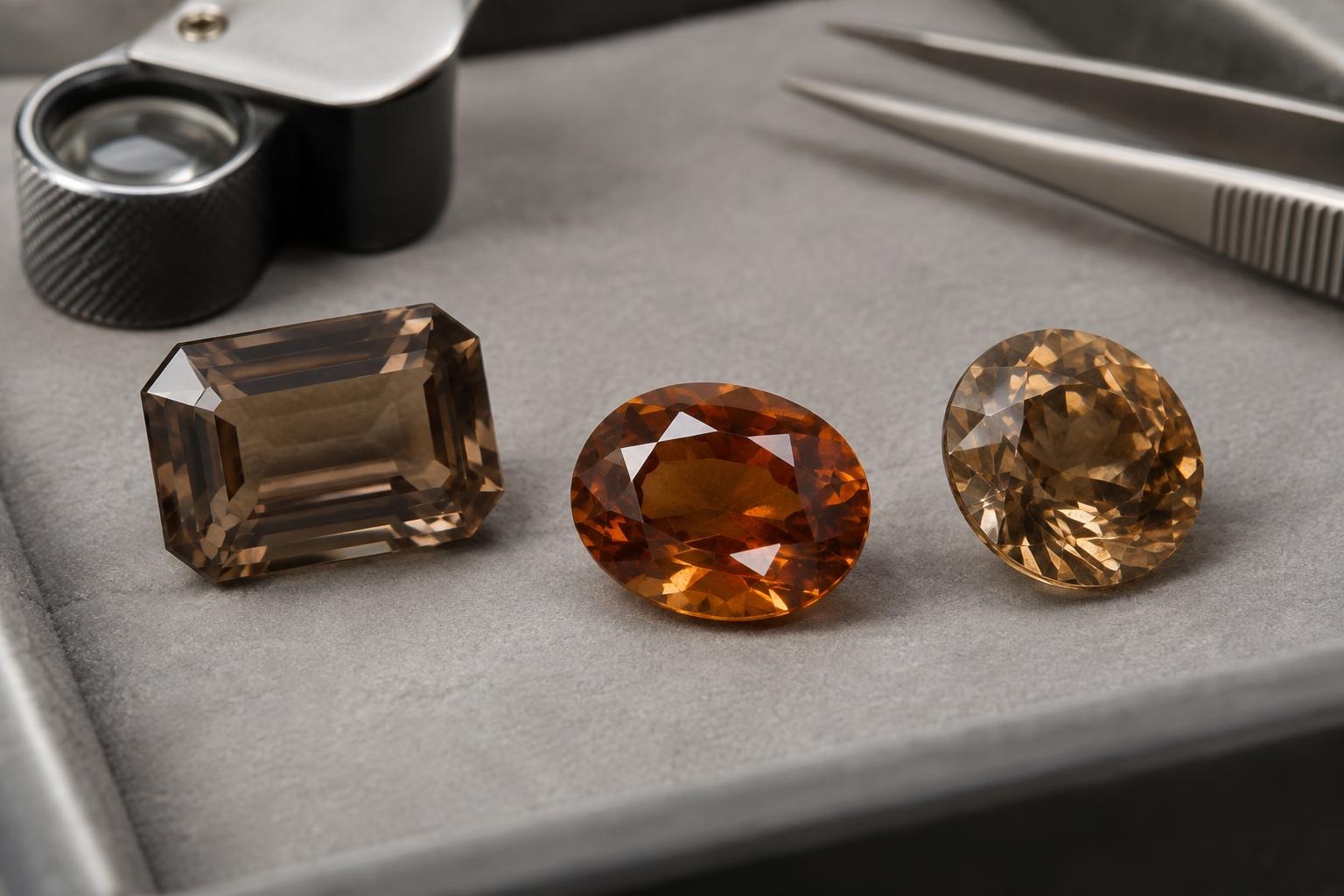
It is important to recognise that brown is not a single colour but a broad family within gemmology. Identification should be based on certified gemmological reports when relevant and not on colour alone, as photographs and lighting can be deceptive. For example, smoky quartz shares a mineral species classification with clear quartz but differs mainly by its natural irradiation causing brownish to greyish tint.
Collectors inspired by brown gemstone colour choices should consult detailed guides dedicated to each species to understand their treatments, hardness, and optical attributes. Several related educational resources are available on the iGemz website for those interested in exploring further.
Design Applications: Using Brown Stones as Unique Centrepieces
While this article is dedicated to loose gemstones, the design implications are clearly inspiring. Brown stones as centrepieces avoid clichés in favour of a warm, grounded luxury that appeals to clients or collectors wanting an autumnal or earthy vibe.
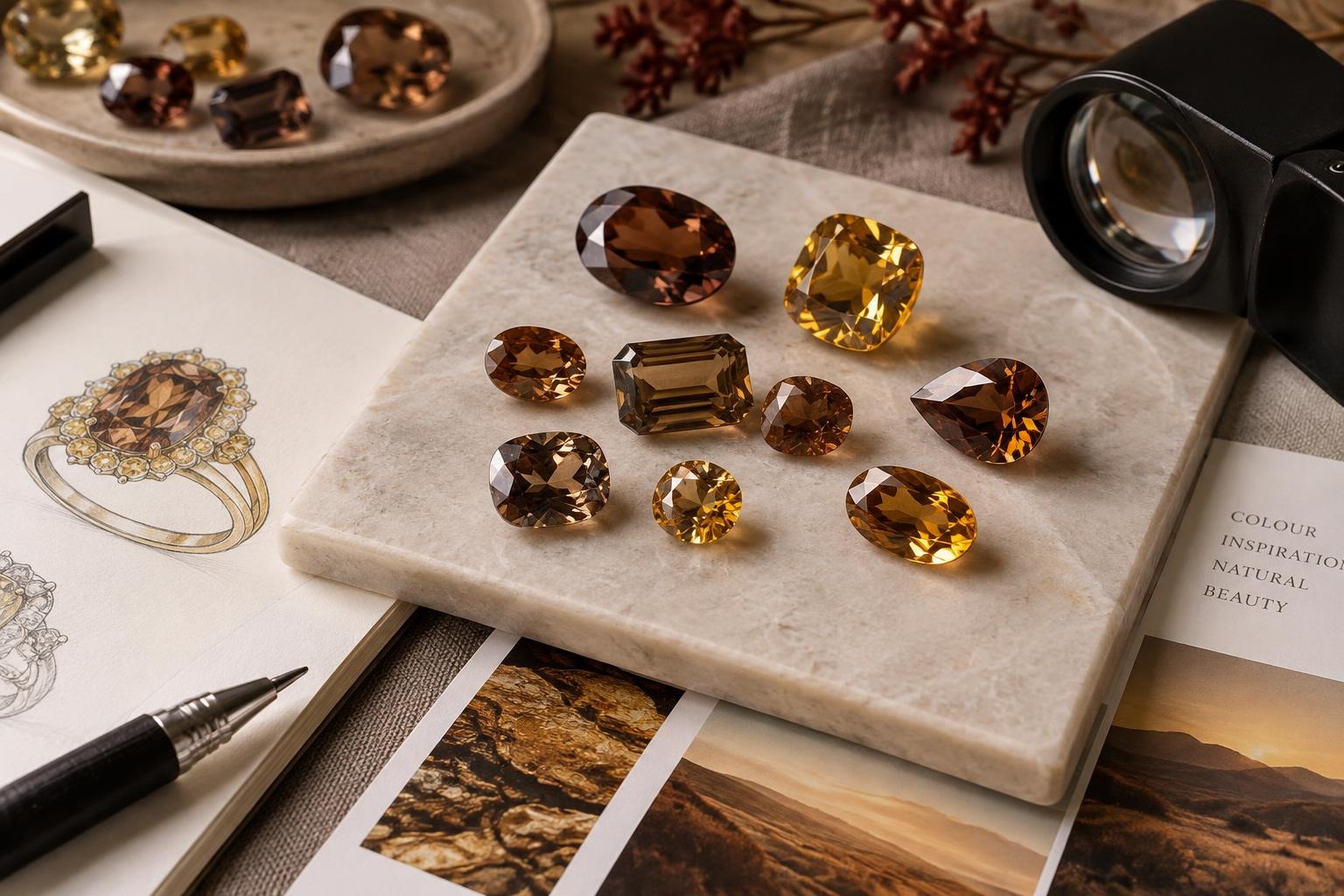
The choice of cut plays a significant role—brilliant cuts can highlight clarity and sparkle, while step cuts may emphasise internal colour zoning or inclusions typical of brown stones. As brown gemstones often come in medium to darker saturation, they command presence without overwhelming other colours or metals.
One practical tip is balancing the perceived size of brown stones with their setting or mounting metal. Rich yellow or rose gold settings enhance warmth, while white metals can create a modern contrast but may risk lending a cooler feel that may not harmonise as well with brown hues.
Personalising Brown Gemstone Choices: Subjective Associations and Preferences
Brown gemstone inspiration is deeply personal. Unlike universally trendy colours such as blue or pink, brown invites wearers to express a sense of place, mood, or memory that is unique and often understated. Many associate brown with coziness, autumn, woodlands, and natural materials, shaping how they select and combine stones.
Jewellers and collectors may also appreciate brown’s flexibility as a neutral colour that pairs with many others yet has its own character. It lends itself well to vintage or artisanal design aesthetics and can easily integrate into collections based on natural theme colour stories.
Personal preference may lead some to prefer warmer browns leaning into orange or red undertones, while others select darker, almost coffee-toned browns. The key is recognising that brown gemstone choice signals intention—not compromise.
Selecting Brown Gemstones Online: Practical Considerations
Acquiring loose brown gemstones online relies heavily on trust and accurate information rather than direct viewing. Buyers should focus on detailed descriptions, millimetre measurements, carat weight, clear images, and standardised gemstone grading terms.
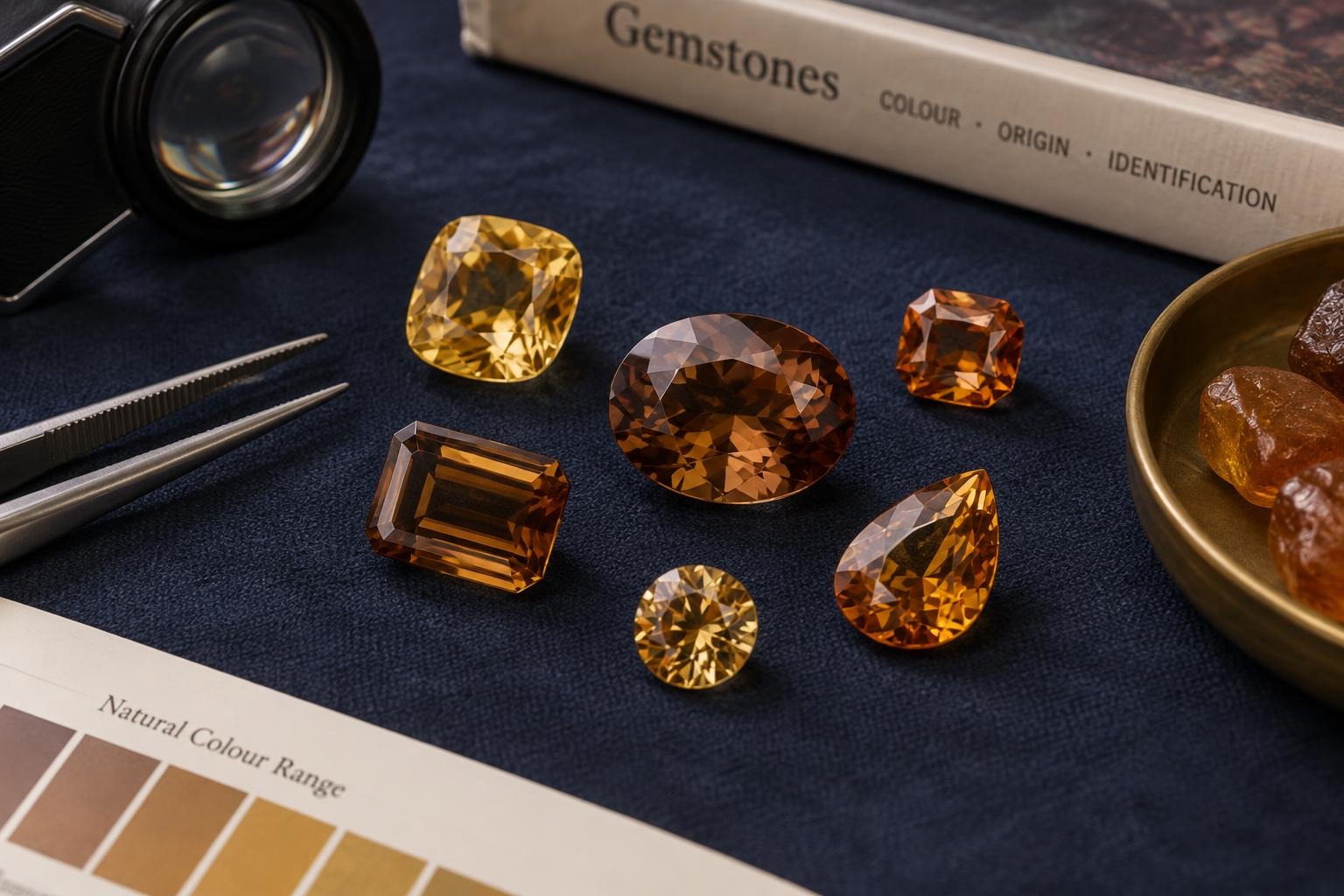
Since brown tones can vary under different lighting, it is wise to consider the effect of light on apparent colour. The iGemz guide on lighting and gemstone appearance can provide further insight: https://www.igemz.co.za/why-the-same-gemstone-looks-different-in-different-lighting/.
Consulting professional gemmological reports is advisable if identification or treatment status matters. It is important to differentiate such reports from valuations or any pricing advice, which are not provided online. Transparency in gemstone species, cut style, and clarity grading supports confident buying decisions.
When selecting brown gemstones for collections or design inspiration, it is important to acknowledge that the colour’s visual perception can be highly context-dependent. Even among stones of the same mineral species, variations in saturation, tone, and transparency influence the overall impression of warmth or coolness in the brown hues. For example, a medium brown garnet with a slight orange undertone will evoke a different emotional response than a darker, nearly cocoa-coloured zircon. This subtle distinction supports treating brown as an intentional palette choice tailored to personal or thematic goals rather than a default or secondary option.
A practical example lies in pairing brown gemstones with metallic settings, where different precious metals substantially affect the colour dialogue. Yellow or rose gold accentuates the richness and warmth inherent in brown tones, complementing its natural earthy quality. Conversely, white gold or platinum settings can introduce a cooler contrast, which may or may not harmonise with brown depending on the specific stone’s undertones. Such considerations highlight the nuanced decision-making involved in embracing brown gemstone inspiration, whether for collectors assembling visually coherent suites or jewellers advising clients on centre stones.
Beyond colour contrast, the interplay of stone size and cut is another key practical design element when choosing brown gemstones. Faceting styles such as mixed cuts or oval shapes often maximise the stone’s internal reflections, enhancing the warm glow rather than disguising the brown tones. Smaller stones with intensive saturation may appear almost black and demand a delicate balance when mixed with lighter companions to avoid visual flatness. Conversely, larger brown stones with lighter saturation can introduce subtlety and prevent the palette from feeling too dense or heavy.
While brown gemstones adapt beautifully to combinations with both light and dark stones, their role as stand-alone centrepieces should not be underestimated. A well-cut brown stone can command attention through its depth and complex layering of colour zones, inviting closer inspection and appreciation. In this regard, the viewer’s subjective interpretation of brown can vary from rustic simplicity to sophisticated opulence, making it a uniquely versatile focal colour for personal gemstone collections.
It is also worth recognising that brown gemstone inspiration can extend beyond traditional gemstone shapes and cuts. Cabochons and rose cuts, for example, may offer alternative expressions of brown’s warmth and texture, producing soft light play and organic surface character that contrast with the brilliance of faceted cuts. This versatility enables collectors and jewellers to explore less orthodox combinations that channel artisanal and natural themes, reflecting preferences for subtlety and tactile qualities over mere sparkle.
Finally, when sourcing loose brown gemstones online, it is prudent to temper expectations with awareness of colour perception variability. Monitor any provided imagery carefully alongside standardised measurements and descriptions, acknowledging that lighting conditions, digital presentations, and viewing devices may distort true colour impressions. Requesting additional information or multiple images under different lighting scenarios can support confident decisions. Additionally, engaging gemmological expertise when necessary ensures accurate identification and clarity regarding any treatments, reinforcing trust in brown gemstone choices as purposeful and pleasurable.
Your inspiration questions, answered
Is brown gemstone a common colour choice for collectors?
While less conventional than blues or reds, brown gemstones appeal to collectors seeking unique, warm earth tones that convey natural elegance and understated style.
Can brown gemstones be mixed easily with other colours?
Yes, brown pairs well with both light tones for soft contrasts and dark stones for dramatic effects, making it highly versatile in colour combinations.
Does brown colour indicate a specific mineral or treatment?
Brown is a colour description applicable across different mineral species; it does not indicate any particular treatment and cannot be assumed from images alone.
How do I assess the size of brown loose gemstones online?
Look for both carat weight and precise millimetre dimensions; these standard gemmological metrics help judge the stone’s actual size and suitability.
Are brown gemstones suitable for every jewellery style?
Brown stones are especially suited to natural, rustic, or vintage-inspired designs but can also be incorporated into modern styles with appropriate metal and cut choices.
Start with a gemstone. Make it your own.
Explore our curated selection of loose brown gemstones to discover stunning natural beauty that complements your unique style and design vision.