

 1st - Gold

 January
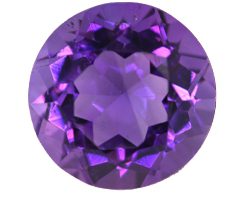 February
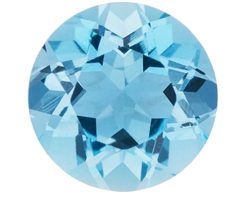 March
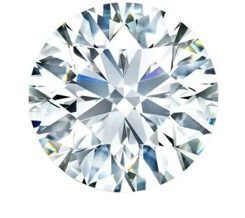 April
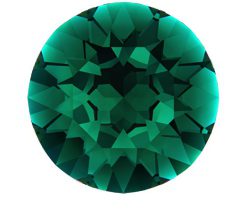 May
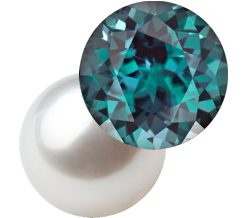 June
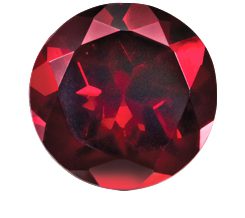 July
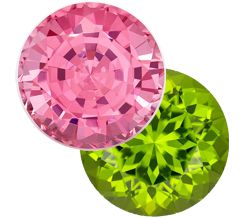 August
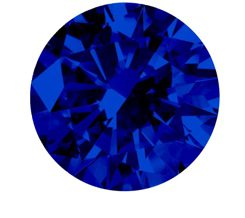 September
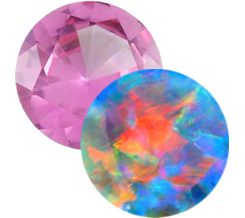 October
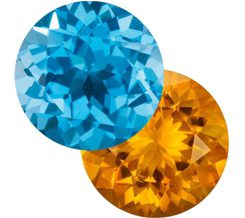 November
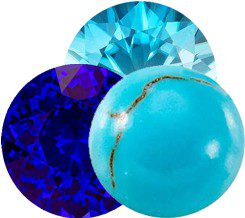 December
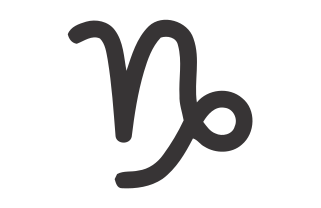 Capricorn - Garnet
 Aquarius - Amethyst
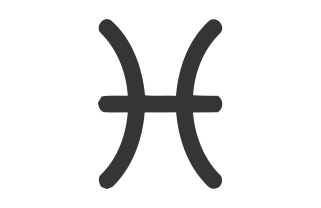 Pisces - Aquamarine
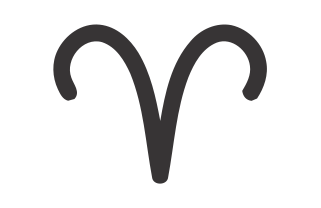 Aries - Diamond
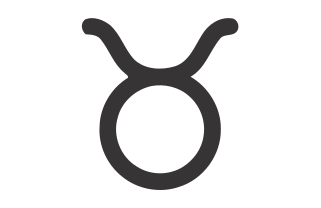 Taurus - Emerald
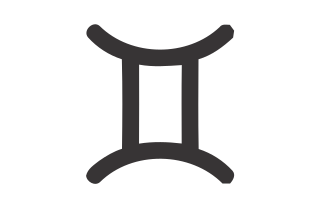 Gemini - Pearl
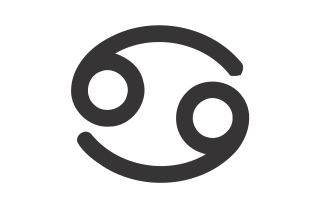 Cancer - Ruby
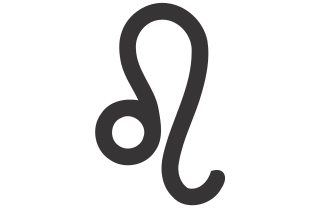 Leo - Peridot
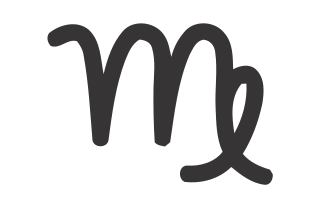 Virgo - Blue Sapphire
 Libra - Opal
 Scorpio - Topaz
 Sagittarius - Tanzanite

Carat Weight vs Millimetre Size: Choosing a Gemstone That Fits
The iGemz journal · 9 min read
When selecting loose gemstones online, understanding carat weight vs millimetre size is crucial to ensure your chosen gem fits perfectly into your jewellery design or collection. Carat weight measures a gemstone’s mass, while millimetre size indicates its physical dimensions. These two measurements often influence a gemstone’s appearance and suitability for various settings. Buyers need clear, practical guidance to balance these aspects effectively when choosing a gemstone that suits their style and intended use.
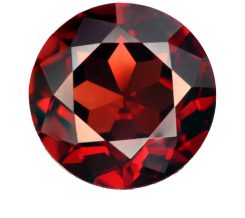
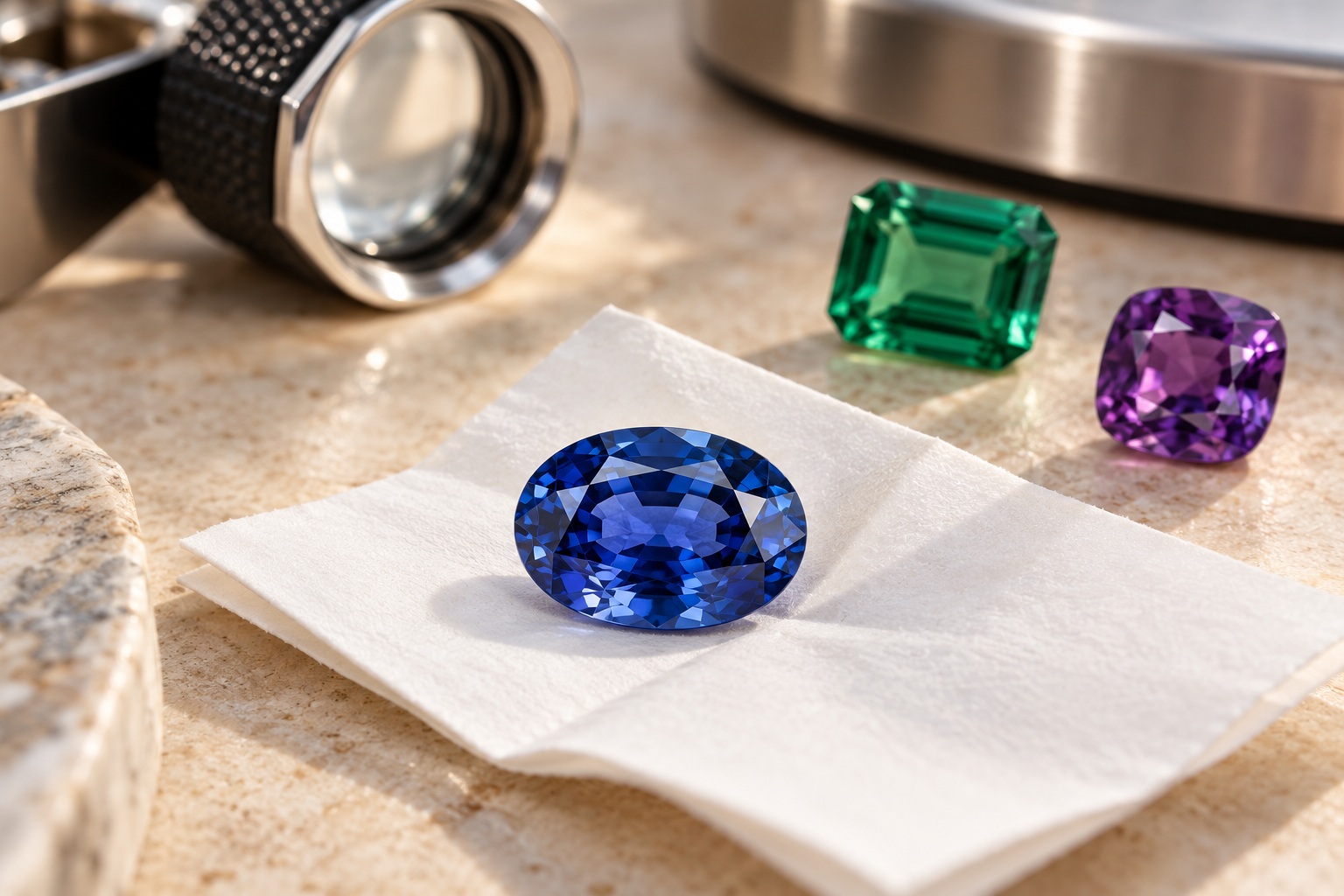
The image is for illustration purposes and is not an actual stock item.
What Is Carat Weight and How Is It Used?
Carat weight is the standard unit used to measure the mass of gemstones and pearls, where one carat equals 0.2 grams. This metric is crucial in gemstone trade since it often influences a gemstone’s value. While carat weight tells you how heavy a gemstone is, it doesn’t directly indicate the stone’s size or appearance, as two stones can weigh the same but occupy different volumes depending on their densities and cuts.
Significantly, carat weight alone cannot guarantee the gemstone's visual size. For example, due to varying densities among minerals, a 1-carat sapphire may look smaller in millimetre size than a 1-carat quartz. Jewelers often use carat weight alongside cut and shape to classify and value gemstones.
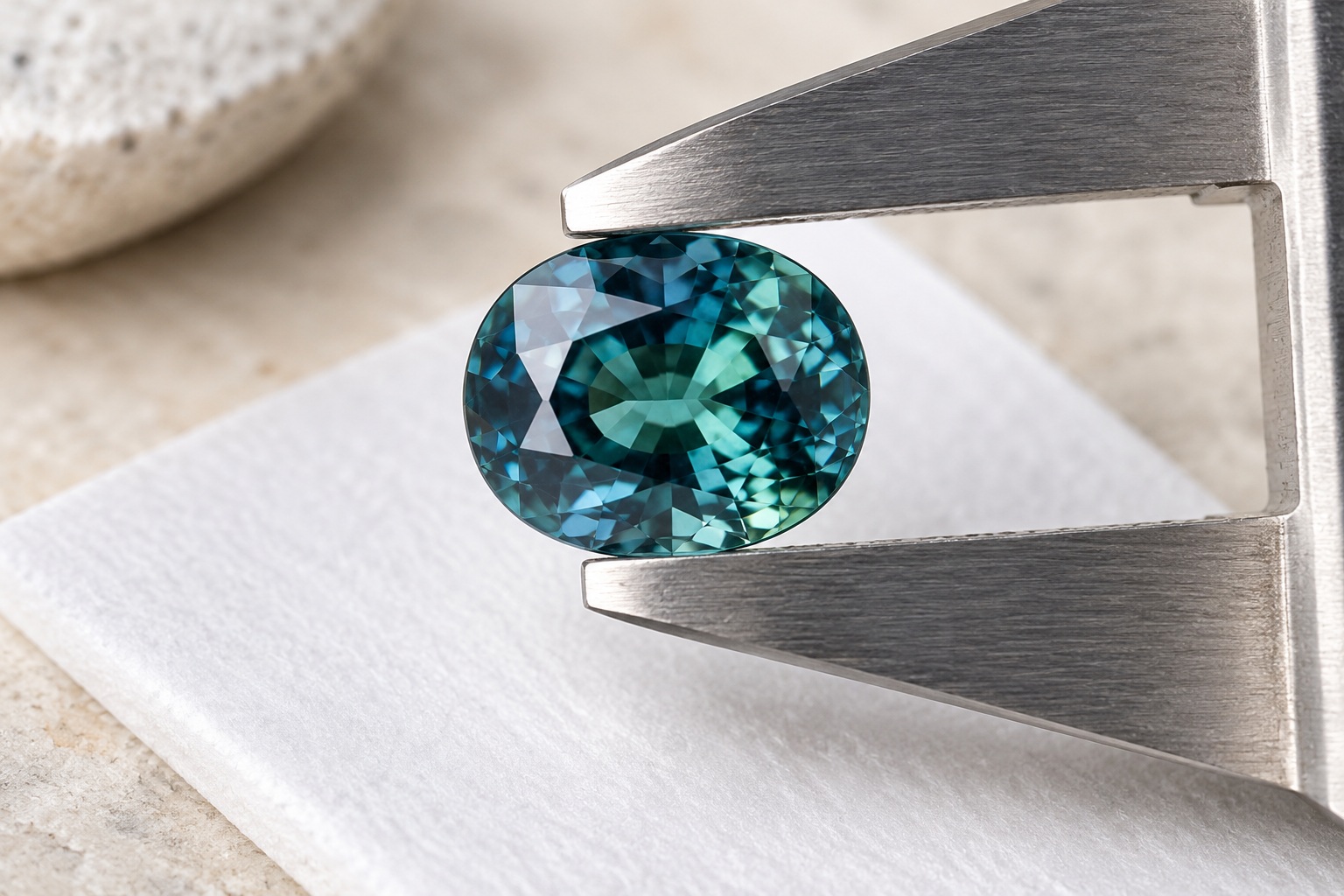
For buyers of loose gemstones, knowing the carat weight helps gauge how much gem material you are acquiring. However, visualising the stone’s actual size requires considering its millimetre measurements too, especially when planning for jewellery settings.
Understanding Millimetre Size and Its Importance
Millimetre size refers to the physical measurements of a gemstone — typically its length, width, and depth. These dimensions vary based on the shape and cut style of the gem. Millimetre size gives you precise information about the gemstone’s actual size, which is important for fitting the stone into a jewellery setting or for visual impact.
Many buyers prefer to see dimensions in millimetres because it tells them how large the gemstone will look when set. For example, a round brilliant cut gemstone may be described as 7 mm in diameter, which indicates its overall face-up size.
Because millimetre size affects how the gemstone will wear and appear, understanding this measurement is essential especially when ordering loose gemstones online, where you cannot physically view the stone beforehand.
Why Carat Weight and Millimetre Size May Not Match
It’s common for buyers to expect carat weight and millimetre size to correlate directly, but this is rarely the case. The reasons stem primarily from differences in gemstone density (also called specific gravity) and cutting styles.
Different mineral species have different densities. For example, diamond is denser than quartz, so a 1-carat quartz gem will be physically larger than a 1-carat diamond. Similarly, fancy cuts can also influence dimensions. A deep-cut gemstone may be heavier but smaller in millimetres, whereas a shallow cut might appear larger but weigh less.

When buying loose gemstones, it’s important to ask for both carat weight and exact millimetre dimensions specified. This prevents surprises in size and ensures the gemstone will fit as intended.
How Gemstone Shape and Cut Affect Size Perception
The cut and shape of a gemstone strongly influence how its carat weight translates to millimetre size and how large it appears to the eye. Popular shapes like round, oval, pear, and emerald cut each distribute weight differently.
For example, cushion and emerald cuts tend to have deeper pavilion depths, which can increase carat weight without correspondingly increasing visible face-up size. On the other hand, a shallow cut spreads the weight more broadly, creating an appearance of a larger stone in millimetres despite a lower carat weight.
Factors such as the stone’s brilliance and how it is faceted also affect perception. Buyers who prioritise visual size often choose cuts optimised for maximum face-up area rather than just weight.
Considering Density When Comparing Gemstones
Density, or specific gravity, is the measure of how much a gemstone weighs relative to its volume. This property varies greatly across gemstone types and influences the relationship between carat and size.
For example, sapphire (corundum) has a specific gravity around 4.0, while quartz varieties are closer to 2.65. This means a 1-carat sapphire will occupy a smaller volume and therefore smaller millimetre size than a 1-carat quartz or topaz, which are less dense.

Awareness of these differences can help buyers estimate the gemstone’s size better. It also emphasises why the same carat weight does not mean the same visual stone size across different gemstone species.
Another practical consideration stems from inclusions and internal features within gemstones, which can affect apparent size and perceived value. Two stones of identical carat weight and millimetre dimensions might look quite different due to clarity differences. Buyers focusing solely on carat weight or size measurements may overlook how visible inclusions influence the gemstone's face-up beauty. While these internal characteristics do not alter weight or size directly, they impact quality and should be assessed through detailed descriptions or magnified images where available.
In addition, gemstone treatments such as heat treatment, irradiation or coating can influence a stone's stability and durability, although these do not change carat weight or millimetre size. The impact of treatments relates to care recommendations and longevity rather than physical dimensions, but you should always obtain relevant treatment information when selecting loose gemstones to understand maintenance needs.
When considering mounting options, depth (measured in millimetres) is often critical since a stone set too deep or too shallow may not fit securely or look optimal in certain jewellery settings. For example, a deeper cut gemstone with identical face-up dimensions to a shallow cut one may require a different type of mounting or setting depth allowance. Buyers designing custom jewellery should communicate these millimetre depth measurements clearly with jewellers to ensure an ideal fit.
It is also useful to remember that for certain shapes and cuts, millimetre size may be represented by varying dimension counts. Whereas round gemstones often list a single diameter, fancy shapes like pear, marquise or emerald cuts provide length by width measurements, and sometimes also stone depth. Considering all three dimensions offers a fuller understanding of the gemstone’s volume and fitting requirements.
Finally, when comparing gemstones across species, prioritise checking the actual millimetre measurements rather than assuming stones of similar carat weight will appear the same. For example, clients often expect a 1-carat tourmaline to look similar in size to a 1-carat garnet, but subtle differences in shape, cut style and density will create noticeable size variation. Checking millimetre size provides the clarity needed to avoid misunderstandings and to match stones to design aspirations accurately.
Together, these practical points reinforce why a holistic approach considering carat weight, millimetre size, gemstone density, cut proportions and visual clarity leads to more satisfying purchases. Buyers benefiting from such detailed attention to all these factors are more likely to receive loose gemstones that both fit their jewellery design and meet their aesthetic expectations.
Tips for Selecting Gemstones That Fit Your Jewellery Design
When buying loose gemstones, especially online, first identify the style or jewellery setting the stone must fit. Confirm the millimetre sizes the setting requires — paying attention to length, width, and depth dimensions.
Use those measurements as your primary guide and then check the carat weight listed to understand the stone’s mass. If working with a jeweller, provide the millimetre sizes to ensure the gemstone will be suitable.
If you plan to set stones in custom jewellery, consider the cut style and shape that will best fit the design’s size requirements while also delivering the desired appearance. Remember that carat weight is important for value but millimetre size is the final determinant of fit.
At iGemz, every gemstone listing includes precise measurements to help you choose confidently.
The Role of Cut Quality and Proportions in Size and Sparkle
Cut quality directly affects gemstone brilliance and the way it returns light, which impacts perceived size and beauty. Proportions such as pavilion depth, crown height and table size influence how big a gem looks from above.
A well-proportioned gemstone maximises face-up size and sparkle, even if the carat weight remains constant. In contrast, a gemstone cut too deep may lose visible size despite its weight, and a poor cut can reduce the stone’s visual appeal.
Always consider requesting details or images about cut quality, especially if size appearance is a key factor. For guidance on these aspects, see iGemz’s many gemstone buyer’s guides focused on cut and proportions.
How to Use Both Measurements When Buying Online
When purchasing loose gemstones online, rely on both carat weight and millimetre size for making informed choices. Carat weight quantifies the amount of precious material, while millimetre measurements ensure the stone meets your size expectations.
Be sure to examine product descriptions carefully and review any additional measurements for length, width, and depth. Some listings may include approximate diameter, especially for round stones.
If uncertain, ask the gemstone seller for clarifications before purchase. While photographs provide visual clues, they are not substitutes for exact measurements due to variables in lighting, background and image scale.
Using these two metrics together allows you to confidently select loose gemstones that suit your jewellery projects and personal style.
Summary: Balancing Carat Weight and Millimetre Size for Best Fit
Understanding the difference between carat weight and millimetre size helps you make informed decisions when selecting loose gemstones. Keep in mind that carat weight measures mass, while millimetre size provides physical dimensions essential for fitting jewellery or matching designs.
Consider gemstone density, shape, cut style and proportions as factors influencing how these two measurements relate. By prioritising millimetre size but considering carat weight, you align visual appearance with material value.

For detailed information on various gemstones and their properties, visit the extensive gemstone buyer’s guides at iGemz. Expert guidance and precise measurements support confident online purchases of loose faceted gemstones and cabochons.
Remember, measuring twice online means selecting the perfect gemstone once!
Your questions, answered
What exactly does carat weight measure in a gemstone?
Carat weight measures the mass or weight of a gemstone, where 1 carat equals 0.2 grams. It does not indicate the gemstone’s physical size but is used primarily for pricing and valuation.
Why can two gemstones of the same carat weight look different in size?
Differences in gemstone density and cut affect how much volume the same carat weight occupies. Denser stones are smaller in size, and cut proportions can alter face-up dimensions.
Should I rely on carat weight or millimetre size when buying loose gemstones online?
Millimetre size is more important for fitting purposes and visual size, but carat weight helps understand value. Use both together to make an informed choice.
Do gemstone shapes affect how carat weight translates to size?
Yes, different shapes and cuts distribute weight differently. Deep cuts generally add weight but reduce visible size, while shallow cuts increase face-up size but lower weight.
Can photographs accurately show gemstone size for online buying?
Photographs offer an impression but cannot replace exact measurements. Lighting and scale differences make it essential to check specified millimetre dimensions when buying online.
Find a colour that speaks to you.
Browse our extensive selection of loose faceted gemstones and cabochons at iGemz to find the perfect gem that fits your design and preference.