



 1st - Gold


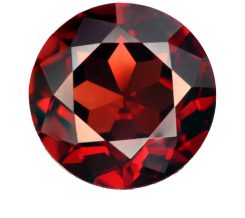 January
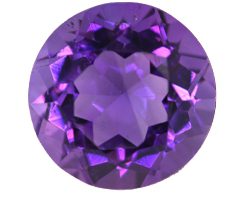 February
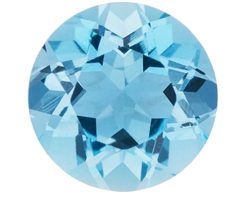 March
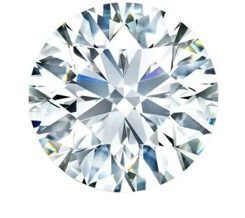 April
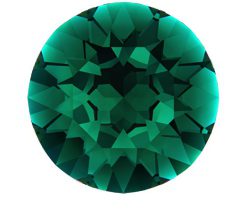 May
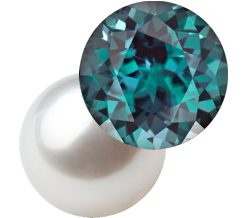 June
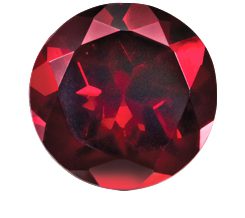 July
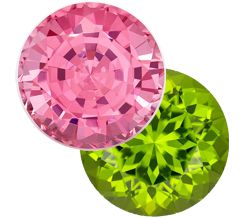 August
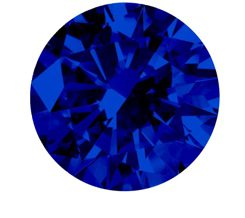 September
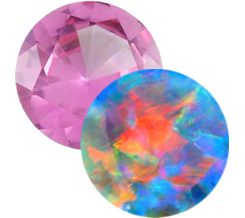 October
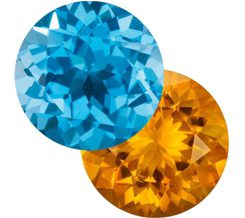 November
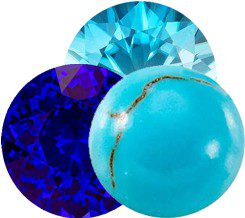 December

 Capricorn - Garnet
 Aquarius - Amethyst
 Pisces - Aquamarine
 Aries - Diamond
 Taurus - Emerald
 Gemini - Pearl
 Cancer - Ruby
 Leo - Peridot
 Virgo - Blue Sapphire
 Libra - Opal
 Scorpio - Topaz
 Sagittarius - Tanzanite



Why the Same Gemstone Looks Different in Different Lighting
The iGemz journal · 9 min read
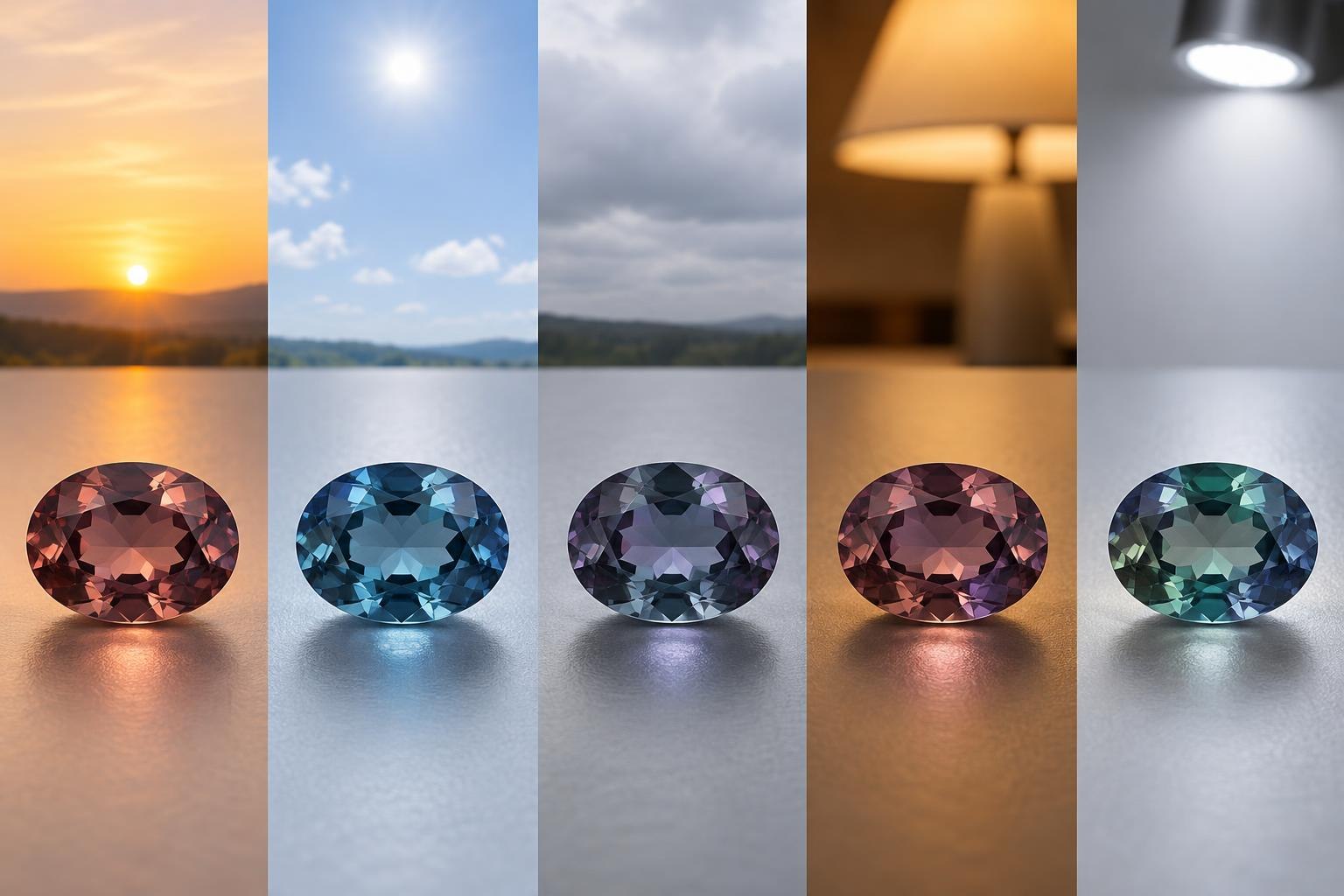
Understanding gemstone colour in different lighting helps explain why a stone that looks bright blue in one photograph can appear softer, darker or more violet elsewhere. The light source, viewing angle and camera can each influence what you see. Here is how to separate those effects and make a more informed choice when buying a loose gemstone online.
The image is for illustration purposes and is not an actual stock item.
The Basics of Gemstone Colour and Light Interaction
Gemstones are minerals or organic materials that absorb, transmit and reflect light, producing visible colour. The perceived colour depends on the light source’s quality, intensity, and spectrum. Different lighting environments reveal or mask aspects of a gemstone’s hue, tone and saturation.
A gemstone’s composition and structure influence which wavelengths of light it absorbs, transmits or reflects. Colour-producing elements such as chromium or iron contribute to the appearance of many varieties. The light available to illuminate the stone matters too: changing the source changes the mixture of wavelengths entering the gem and, potentially, the colour reaching your eye.
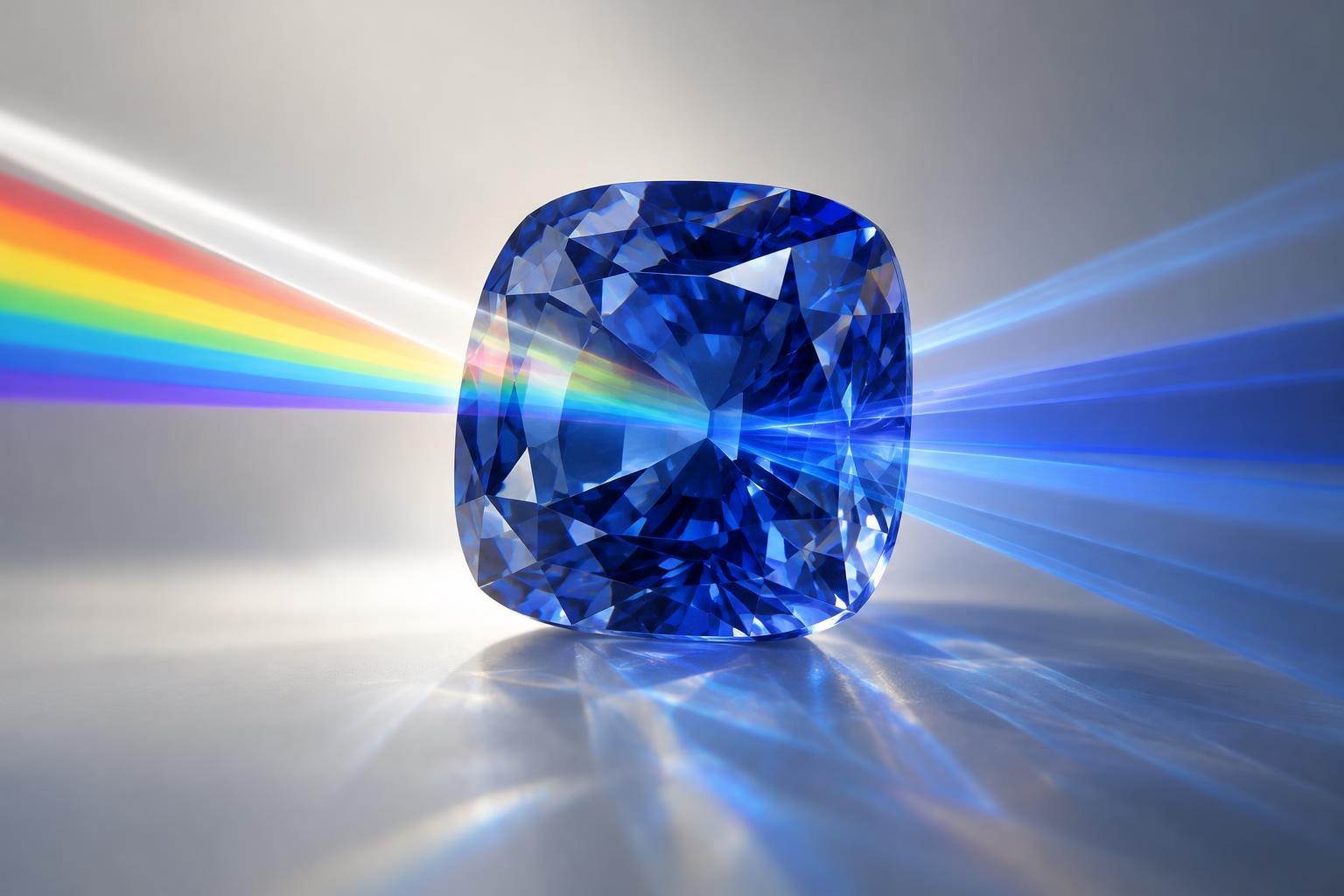
It helps to separate colour from sparkle. Colour describes the impression of hue, tone and saturation; sparkle comes from changing bright reflections as the stone, light or observer moves. A dramatic highlight can draw attention in a photograph without showing how the whole stone looks in ordinary room lighting. Both impressions can be real, but they answer different buying questions.
Rather than searching for one image that captures everything, look for a useful range of views. A face-up photograph can help you judge the overall colour, while a short video can reveal the balance between bright and dark areas as the stone moves. Neither should be treated as a laboratory test or a promise that the gemstone will look identical everywhere.
Why Gemstone Colour Changes Under Different Lighting
Various light sources have different spectral compositions ranging from sunlight, incandescent bulbs, LED lighting to fluorescent lamps. Sunlight, for example, is broad spectrum with a balance of cool and warm wavelengths. Incandescent lighting tends toward warmer, yellowish light. Fluorescent bulbs can be cooler or greenish.
Because different sources supply different mixtures of wavelengths, the same stone may appear warmer, cooler, brighter or less saturated when the illumination changes. Some gemstones show only a modest shift. Others display a distinct colour-change effect between suitable light sources. A slight difference between photographs is not enough, by itself, to classify a gemstone as a colour-change variety.
For a useful comparison, change one variable at a time. First keep the stone in a similar face-up position and change the light source. Then keep the lighting steady and gently alter the viewing angle. This separates changes associated mainly with illumination from those associated mainly with direction. It is a practical observation method, not a substitute for gemmological identification.
When asking a seller for additional photographs, describe the question you want answered. For example, ask whether the stone still looks blue under warm indoor lighting, or whether its colour becomes noticeably darker in a normally lit room. A specific question is more helpful than simply asking for the most attractive photograph.
Four lighting conditions worth comparing
Indirect daylight
A useful starting point for a broad view of colour. Its character varies with the time of day, weather and surroundings; it is not a single, unchanging reference. Compare gentle daylight with the indoor lighting in which the gemstone is likely to be seen.
Warm indoor light
Incandescent lamps and warm-white LEDs can produce different impressions from daylight. Ask how the particular gemstone appears in warm room lighting rather than assuming every warm lamp will create the same colour effect.
Fluorescent light
Fluorescent lamps vary in their spectral output. They can make some colours look different from their appearance in daylight or under other lamps. Identify the lighting used in a photograph before comparing it with another view.
LED light
“LED” describes a technology, not one consistent colour appearance. Warm-white, cool-white and daylight-labelled products can differ. A colour-temperature label alone does not tell you exactly how a particular gemstone will look beneath that lamp.
Colour change, pleochroism and moving reflections
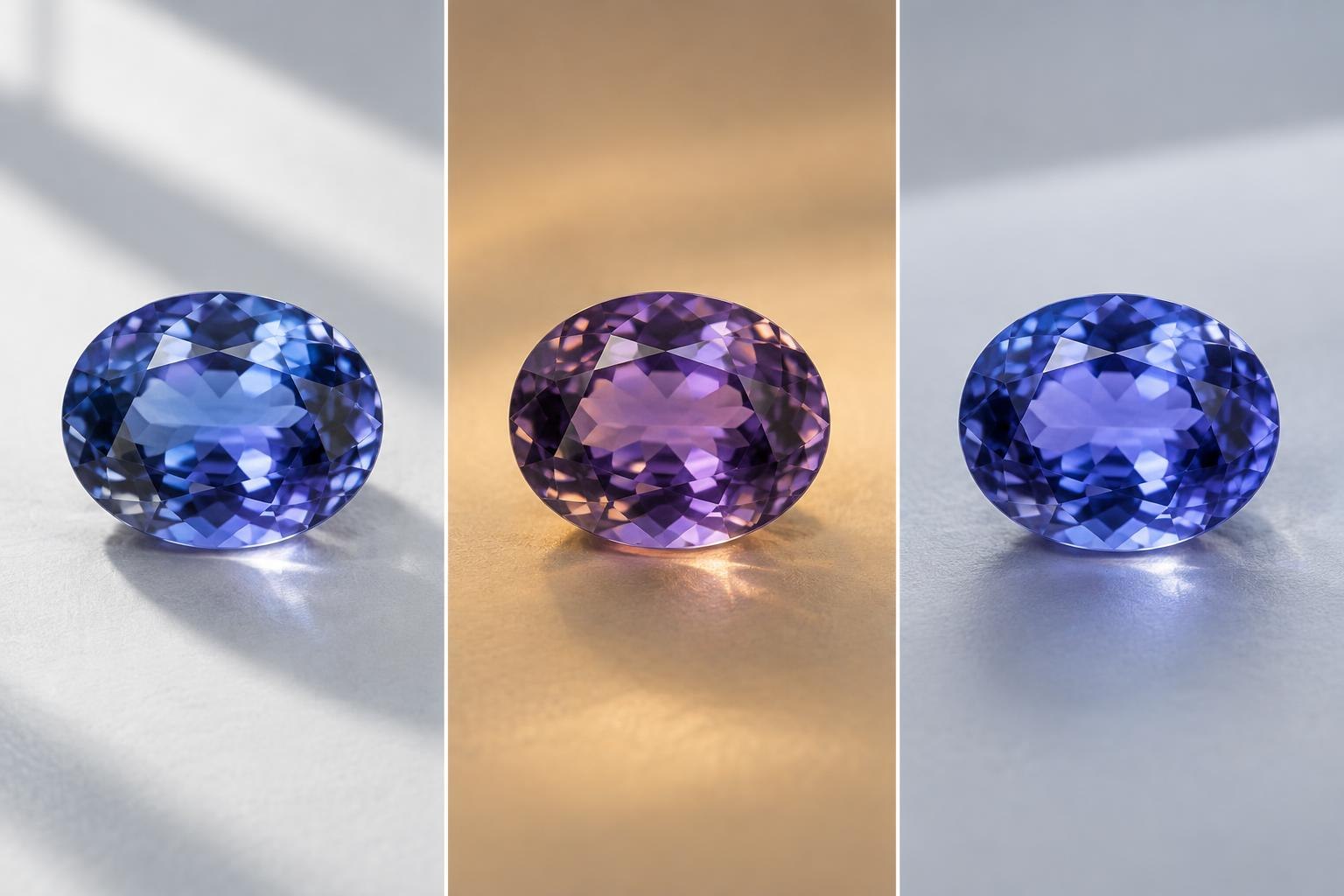
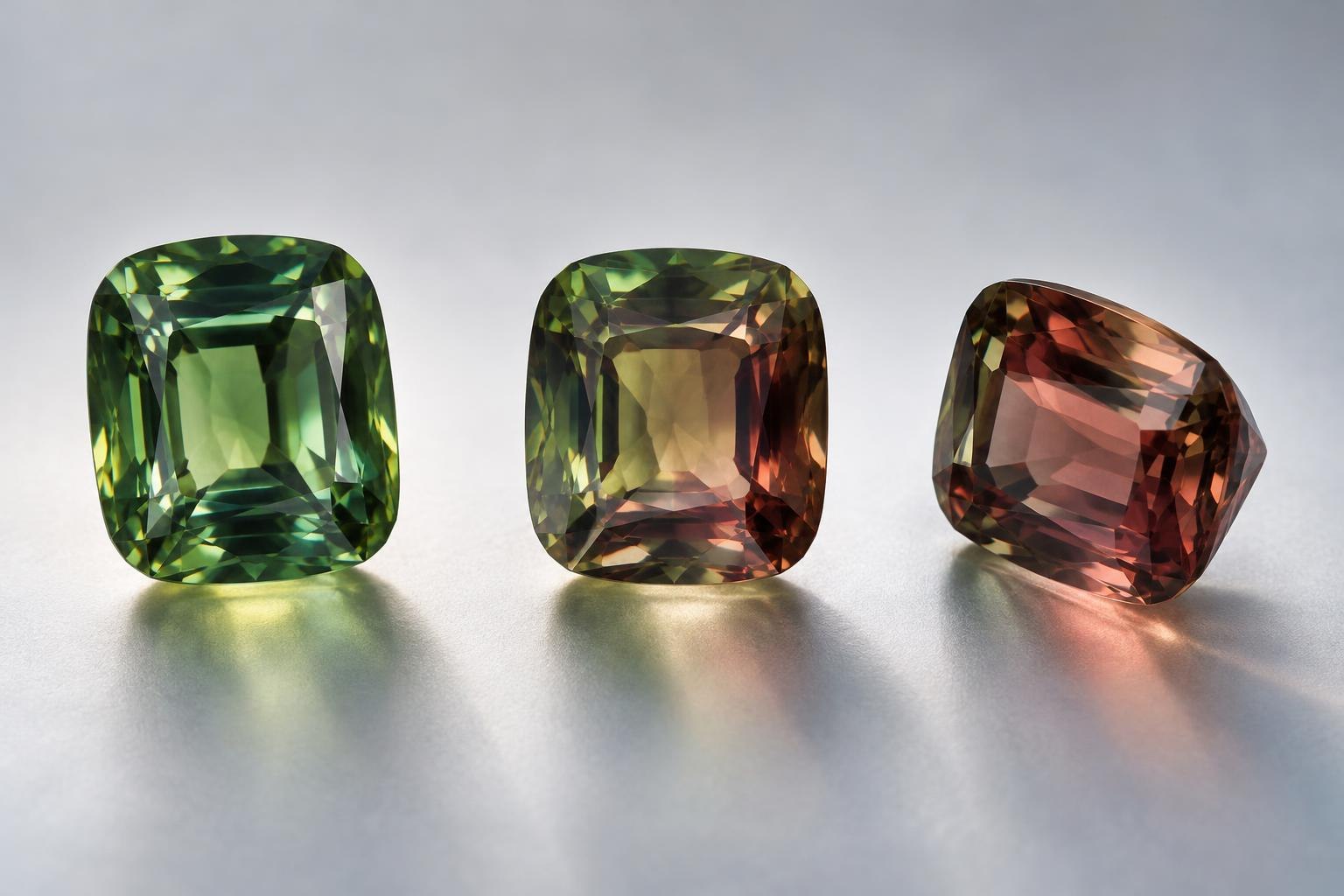
Colour change and pleochroism are related to a gemstone’s interaction with light, but they describe different observations. Colour change concerns a change in appearance between light sources. Alexandrite is a familiar example. Pleochroism concerns different colours seen along different directions through certain crystals; it is not defined by switching from daylight to a lamp.
Iolite and tanzanite are useful examples when discussing directional colour. Rotating a pleochroic gemstone under steady lighting may reveal different colour components. A faceted stone can mix those components in its face-up appearance, so an illustration showing different colours should be understood as a concept, not proof that a particular stock item behaves that way.
Chatoyancy and asterism are different again: the familiar cat’s-eye band and star-like pattern involve reflected light associated with features inside a gemstone. Moving a light can change the visibility or position of the effect. That movement should not automatically be described as a colour-change phenomenon.
Another practical consideration involves the environment where the gemstone is examined. Surrounding colours, surfaces, and the colour temperature of ambient light combine to affect colour perception. For instance, a gemstone viewed next to intensely coloured fabrics or in a brightly coloured setting may seem visually shifted due to contrast effects. This phenomenon means assessment in neutral, uncluttered lighting surroundings provides a more reliable impression of gemstone colour.
Cut and viewing direction also affect the balance of light and dark areas. Tilting a faceted stone may reveal reflections, areas of extinction or a window through the centre. These observations can help you understand its appearance, but they do not establish the stone’s identity, origin, treatment status or value.
The accompanying illustrations are deliberately conceptual. They are not calibrated comparisons, optical diagrams or evidence of the response of a specific gemstone. Use them to understand the questions to ask, then rely on photographs, descriptions and relevant documentation for the actual stone you are considering.
Why photographs and screens need a little context
Buying loose gemstones online, without physical viewing, presents a challenge because photography and screens cannot replicate the experience of visualising colour under multiple lighting conditions. Photos usually rely on one light source, and monitor settings vary widely.
For this reason, understanding gemstone colour in different lighting helps buyers set realistic expectations. It is advisable to request detailed descriptions about the viewing conditions for gemstone photos and be cautious about relying solely on images.
A camera makes choices about exposure and white balance, and different devices can make different choices in the same scene. Your screen introduces another layer of interpretation. Brightness settings and warm display modes can affect the impression of a photograph, so viewing the same image on two screens does not necessarily tell you which display is accurate.
For a more consistent comparison, use the same screen and similar brightness settings when looking at several listings. Temporarily disabling a strong warm display filter can make comparisons easier. This does not calibrate your screen or reproduce the gemstone exactly; it simply removes one avoidable difference between your viewing conditions.
Request a video that shows slow movement rather than only fast flashes of sparkle. A moment with the stone held relatively still can be particularly useful for assessing the overall impression. If the background, exposure or lighting changes between clips, ask about those differences before drawing conclusions about the gemstone itself.
The diversity of lighting encountered in everyday environments—ranging from bright outdoor sunlight to low incandescent household lighting—means that the final jewellery setting will influence how the gemstone colour is seen once mounted. Buyers should keep in mind that colour impressions made in controlled viewing may shift when the finished piece is worn in different lights. Advising clients or planning personal use to include observation under typical ambient light conditions will prevent unwanted surprises.
For online buying, written descriptions remain useful alongside photographs. Ask about the dominant face-up colour, any secondary hue, visible zoning and whether the seller notices a significant difference between daylight and warm indoor light. Confirm the relevant listing details and any available laboratory report rather than inferring them from how vivid the photograph looks.
A laboratory report answers questions within its stated scope; it is not a guarantee of how every camera or observer will render the stone. Similarly, an attractive photograph is not a substitute for a report when identification or treatment information matters. Use the two kinds of information together, with realistic expectations about what each can tell you.
A practical checklist before you choose
- Ask which lighting conditions were used for the actual stock photographs. If lighting behaviour is important to your choice, request additional views under a clearly described alternative light source.
- Keep your comparisons consistent. Use the same screen and similar display settings, and consider the gemstone’s overall face-up appearance rather than judging it only by the brightest frame in a video.
- Separate changes in light source from changes in viewing direction. Ask whether the seller is describing ordinary variation, a colour-change effect or pleochroism, and avoid treating these terms as interchangeable.
- Match your expectations to the intended use. A stone for evening wear may be seen mainly in indoor lighting, while another may be worn regularly in daylight. Discuss the settings that matter to you.
- Check the information for the specific gemstone: dimensions, weight, disclosed treatment and any available report. Colour alone cannot confirm identity, natural status, geographical origin or treatment.
- Ask the remaining questions before ordering. A clear description and useful photographs are more valuable than assuming that a generic illustration, species name or single colour label tells the whole story.

Choose with a fuller picture
A gemstone does not have to look identical in every environment to be beautiful. The useful question is whether you understand its appearance well enough to choose confidently. Compare clearly described lighting conditions, allow for camera and screen differences, and ask about the actual stone. A fuller picture is a better basis for buying than one dramatic photograph.
Your questions, answered
Why can the same gemstone look different in daylight and indoors?
Different light sources supply different mixtures of wavelengths. The gemstone interacts with that light, and your viewing conditions influence the result. The size and direction of the apparent change depend on the stone and the lights involved; there is no single colour shift that applies to every gemstone.
Is pleochroism the same as colour change?
No. Pleochroism concerns colours seen through different directions in certain crystals. Colour change concerns a different appearance between light sources. Keep the illumination steady when exploring directional colour, and avoid labelling every change seen while tilting a stone as pleochroism.
Can a photograph show a gemstone exactly as I will see it?
A photograph is useful evidence of appearance, but lighting, exposure, white balance and screen settings affect the result. Several clearly described views and a considered written description are more informative than one image. They still cannot guarantee an identical appearance under all viewing conditions.
Which light should I use to compare gemstone colour?
Start with indirect daylight and compare it with a suitable indoor source, ideally one similar to the lighting in which the gemstone will be seen. Keep the background and viewing position reasonably consistent. There is no need to treat a particular compass direction as a universal rule for every location.
Does a change in colour prove treatment, origin or authenticity?
No. An apparent change between lighting conditions does not establish those facts. Identification and treatment questions require appropriate gemmological examination and, where relevant, documentary evidence. Check the scope and details of any report supplied with the specific stone.
Find a colour that speaks to you.
Explore loose faceted gemstones and cabochons, compare the details of each stone and ask us for further information where you need it.