

 1st - Gold
 January
 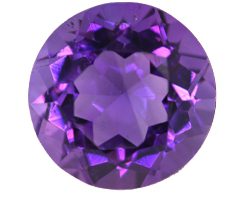 February
 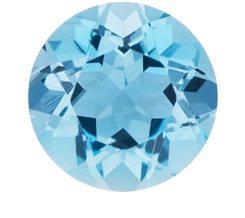 March
March 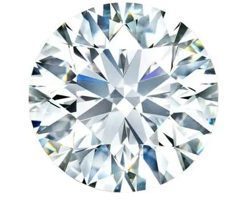 April
April 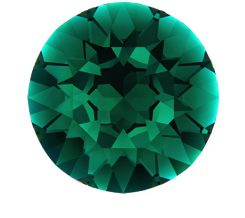 May
May 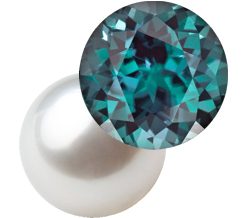 June
June 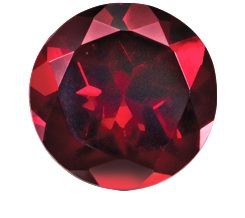 July
July 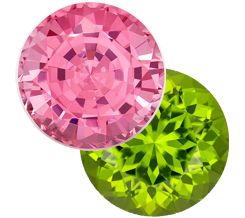 August
 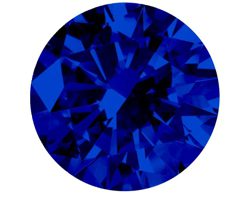 September
 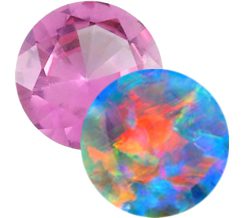 October
 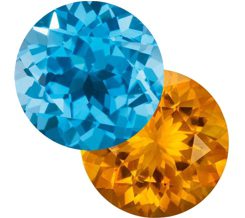 November
 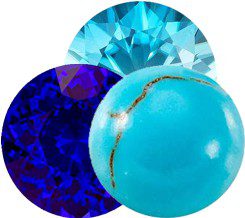 December
 Capricorn - Garnet
  Aquarius - Amethyst
  Pisces - Aquamarine
  Aries - Diamond
  Taurus - Emerald
  Gemini - Pearl
  Cancer - Ruby
  Leo - Peridot
  Virgo - Blue Sapphire
  Libra - Opal
  Scorpio - Topaz
  Sagittarius - Tanzanite


Tanzanite Gemstones – Properties, Origins, Treatments and Buying Guide
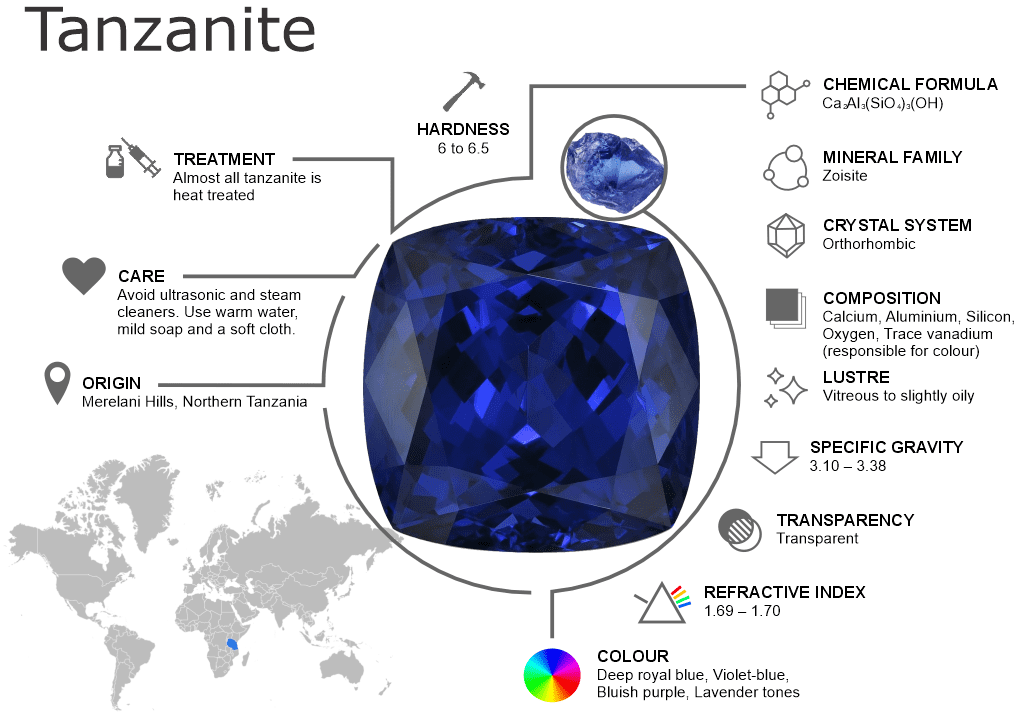
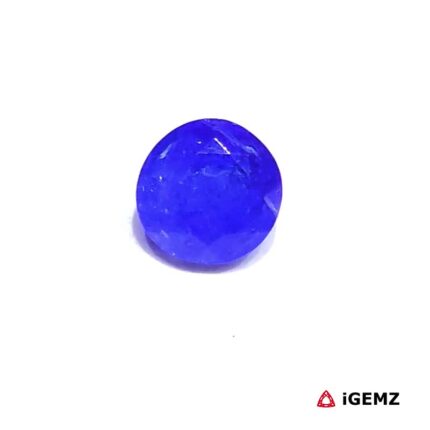
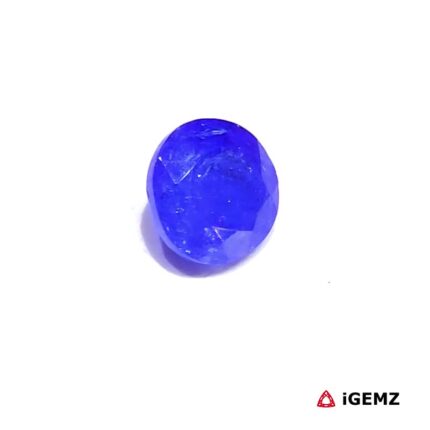
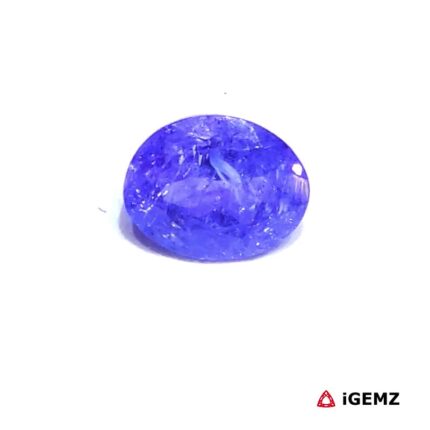
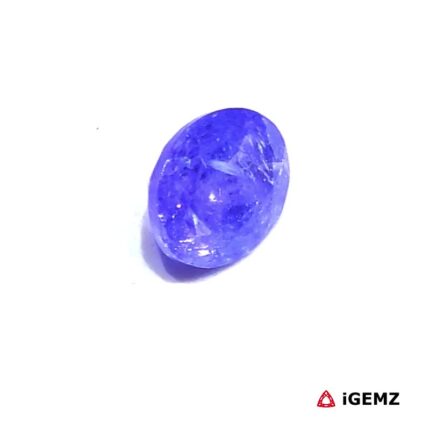
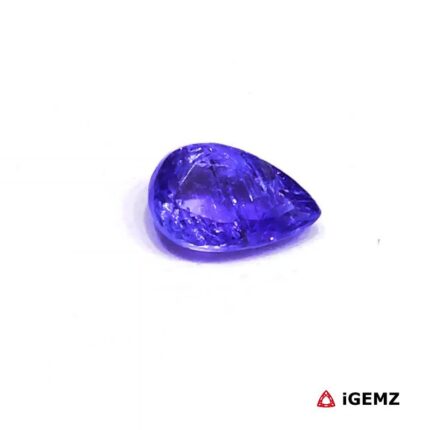
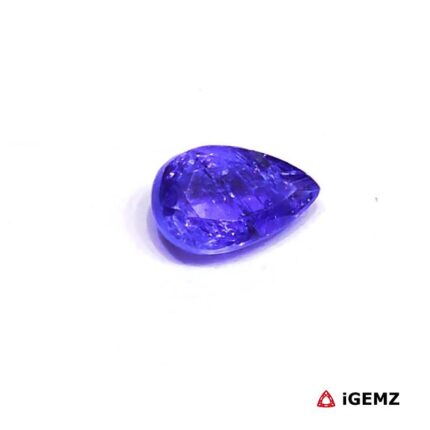
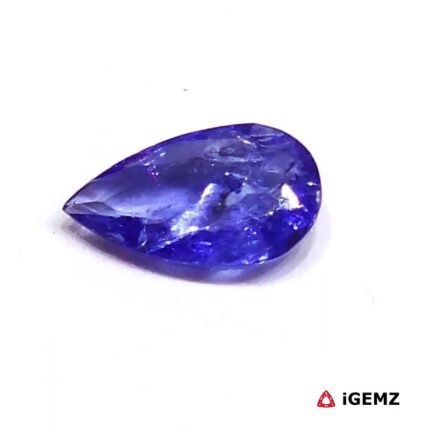
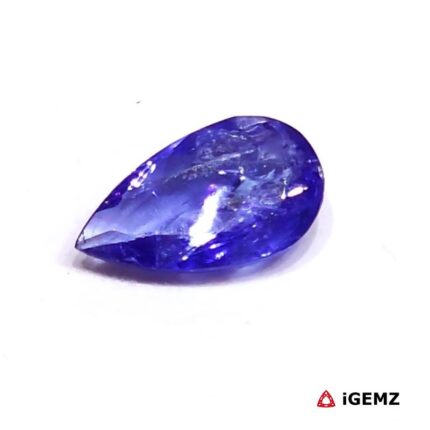
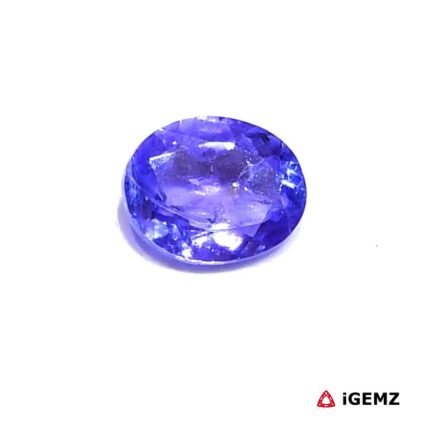
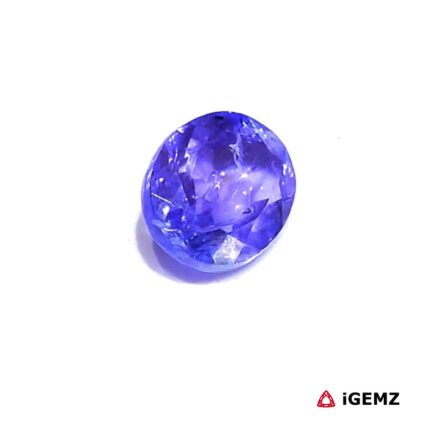
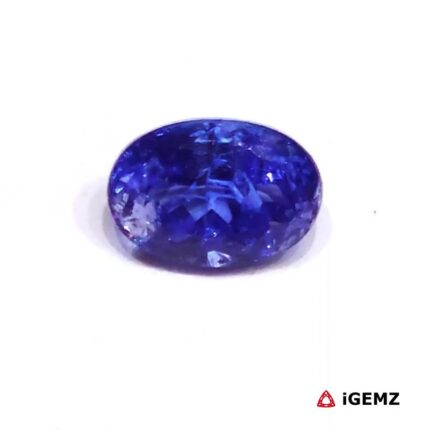
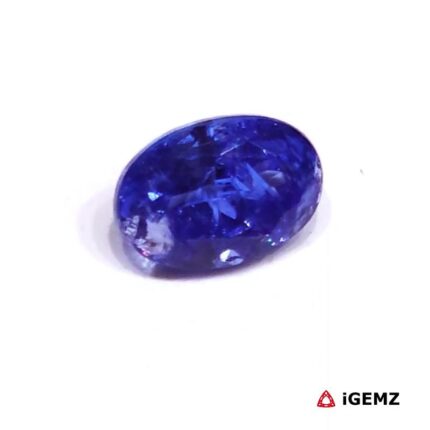
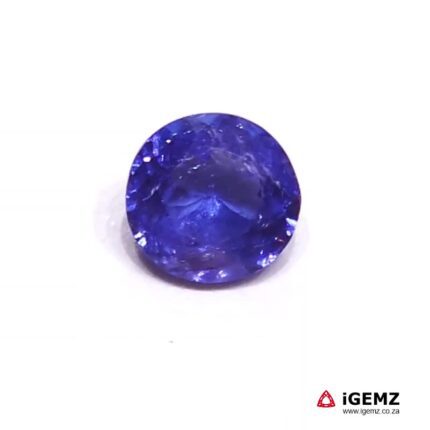
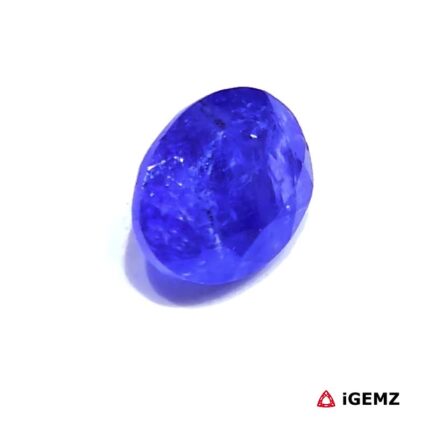
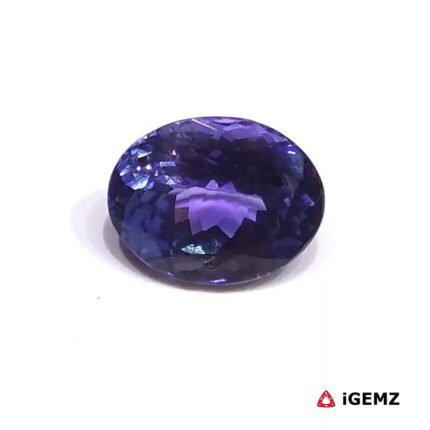
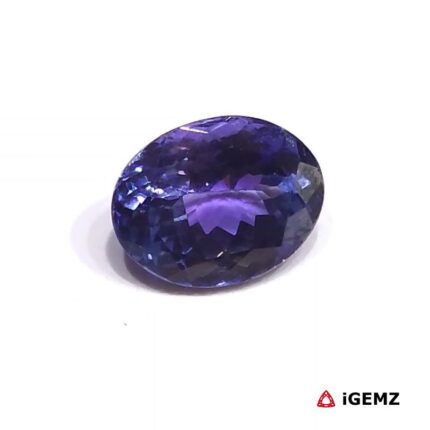
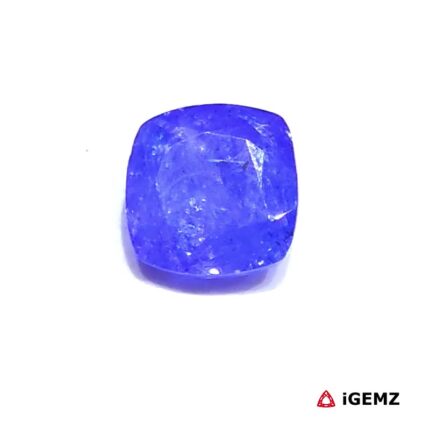
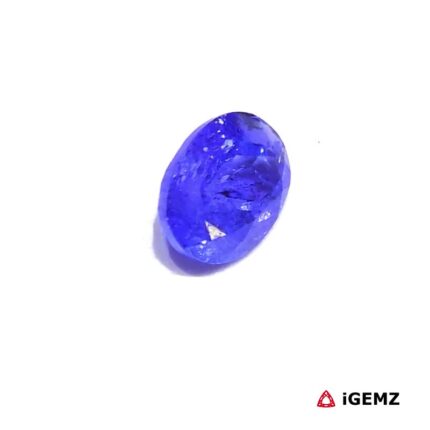
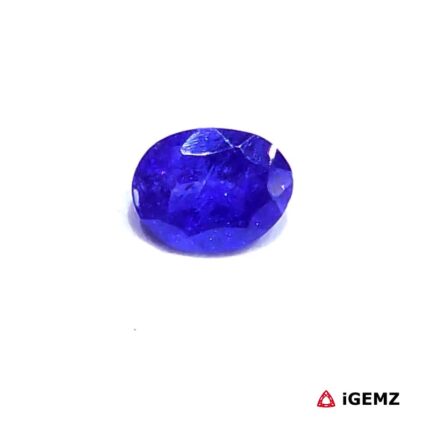
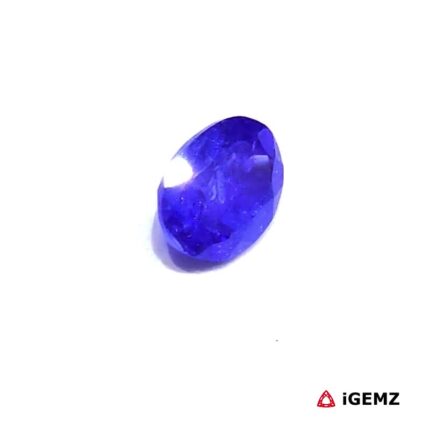
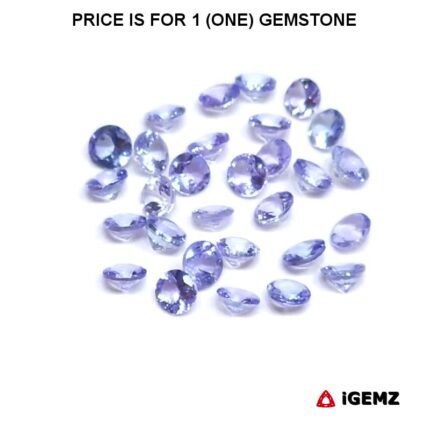
Tanzanite is one of the rarest and most captivating gemstones in the world, prized for its intense blue to violet hues and exceptional brilliance. Discovered only in the 20th century, tanzanite is found in a single location on Earth, making it far rarer than diamond.
Renowned for its striking colour shift and luxurious appearance, tanzanite has become one of the most desirable coloured gemstones in fine jewellery. In this guide, we explore tanzanite from a professional gemmological and commercial perspective, covering its physical properties, crystal structure, treatments, origins and how to identify fine-quality stones.
What is Tanzanite?
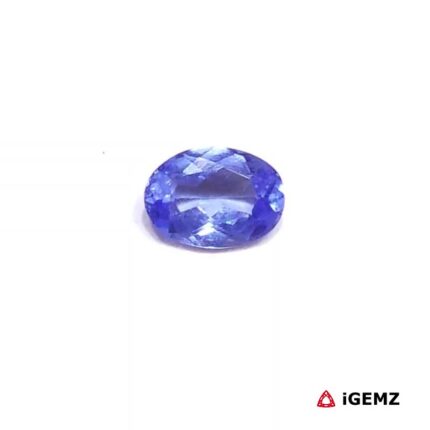
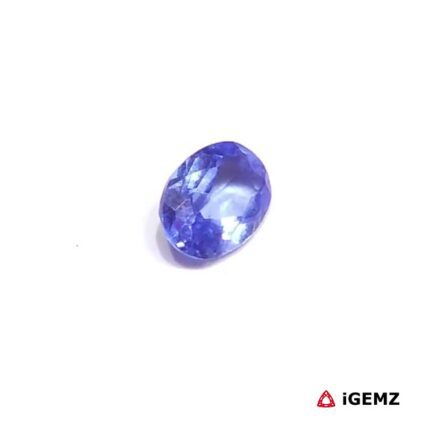
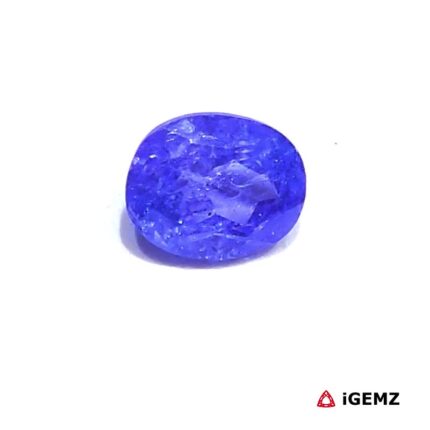
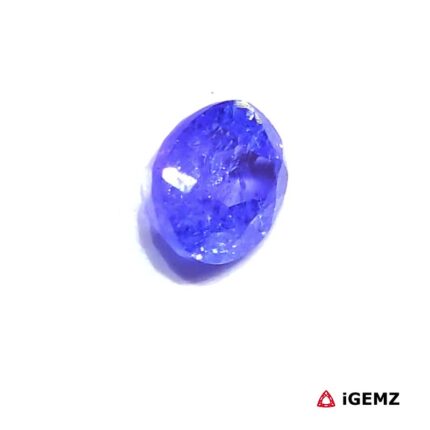
Tanzanite is the blue to violet variety of the mineral zoisite. It was first discovered in 1967 in Tanzania and quickly became one of the most sought-after gemstones in the world.
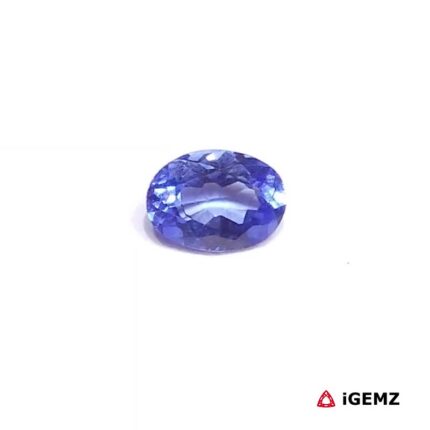
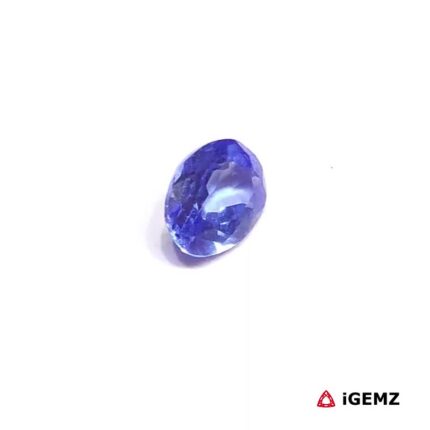
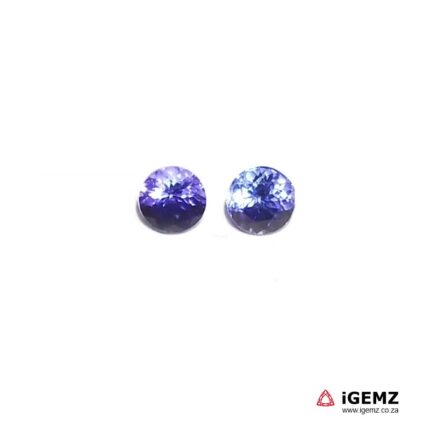
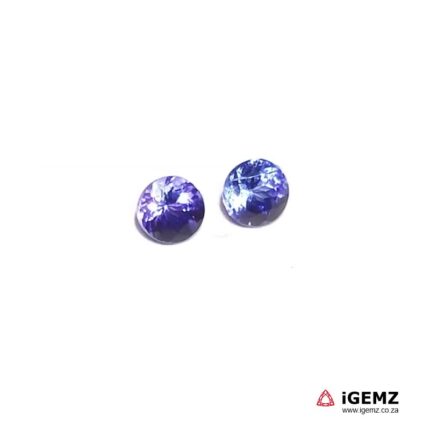
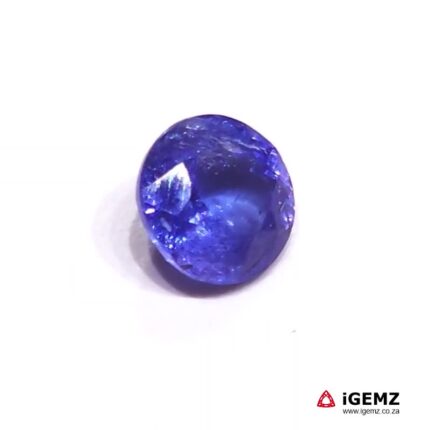
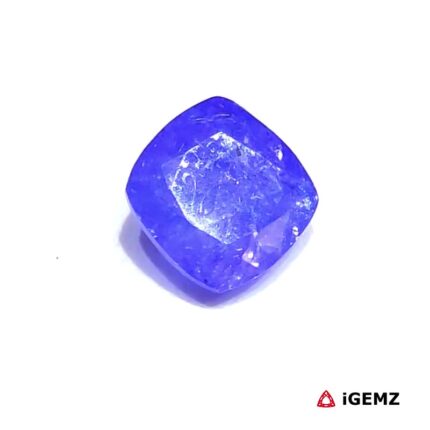
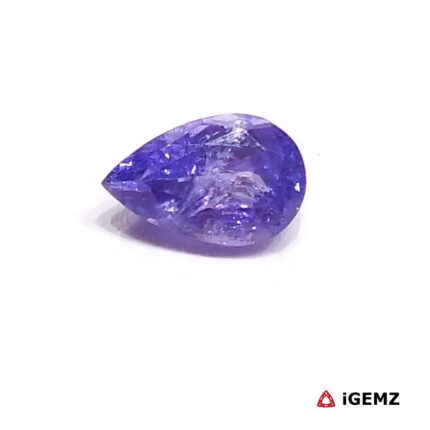
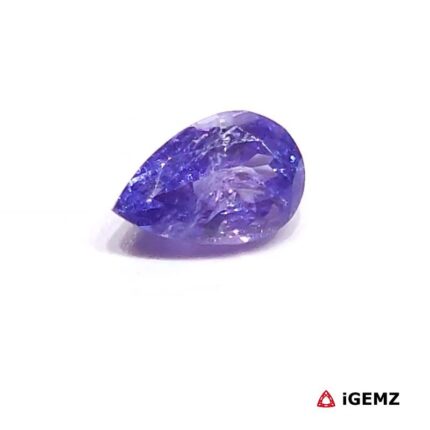
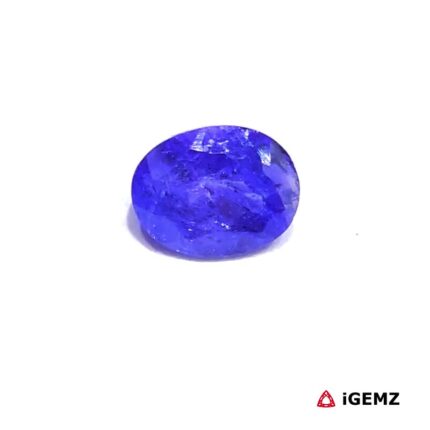
Its unique colour is caused by trace amounts of vanadium, and its famous blue-violet appearance is enhanced through heat treatment. Tanzanite is valued for its rarity, vibrant colour and strong pleochroism, meaning it can show different colours depending on viewing angle.
Mineral Composition

Tanzanite has the chemical formula:
Ca₂Al₃(SiO₄)₃(OH)
It is composed primarily of:
Calcium
Aluminium
Silicon
Oxygen
Trace vanadium (responsible for colour)
The presence of vanadium gives tanzanite its distinctive blue, violet and purplish hues, which are intensified through heat treatment.
Mineral Family and Crystal System

Tanzanite belongs to the zoisite mineral group, part of the silicate family.
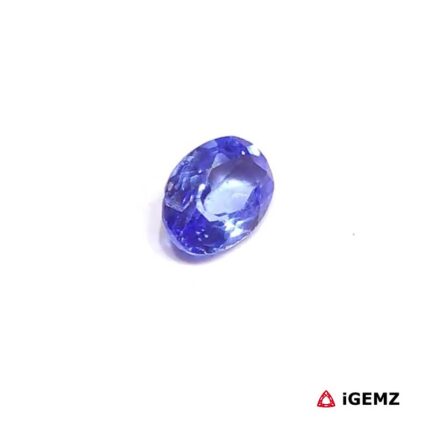
Its crystal system is orthorhombic, which contributes to its strong pleochroism — a defining feature where different colours appear when viewed from different angles.
Optical and Physical Properties
Tanzanite is prized for its vivid colour, brilliance and optical character.

Lustre
Tanzanite has a vitreous to slightly oily lustre, giving it excellent visual depth.

Transparency
Fine-quality tanzanite is transparent with excellent clarity.

Refractive index
1.69 – 1.70, giving strong brilliance and fire.

Specific gravity
3.10 – 3.38, typical of zoisite minerals.
Colour Range
Tanzanite displays a unique range of colours:
Deep royal blue
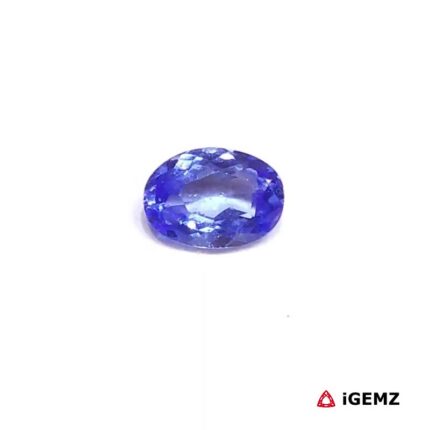
Violet-blue
Bluish purple
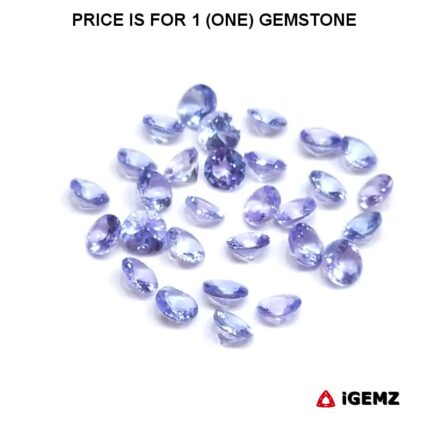
Lavender tones
The most valuable stones exhibit a rich, saturated blue with violet undertones.


Mohs Hardness and Durability

Tanzanite has a Mohs hardness of 6 to 6.5.
While suitable for jewellery, it is softer than sapphire or diamond and should be worn with care, especially in rings.
Treatments

Care and Cleaning
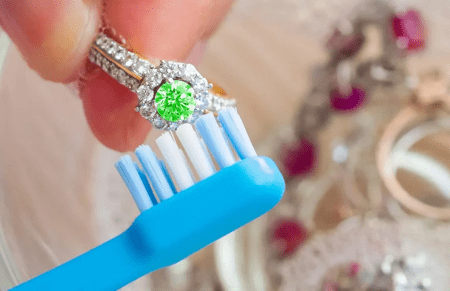
Avoid ultrasonic and steam cleaners.
Use warm water, mild soap and a soft cloth.
Store separately from harder gemstones to prevent scratching.
Major Origins


Frequently Asked Questions
Is tanzanite a natural gemstone?
Yes, tanzanite is a naturally occurring variety of zoisite.
Why is tanzanite so rare?
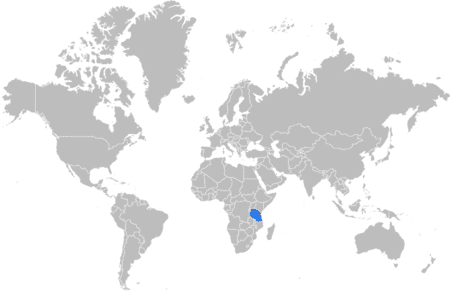
Tanzanite is mined from only one small area in Tanzania, making it rarer than diamond.
Is tanzanite always heat treated?
Yes, almost all tanzanite is heat treated to bring out its blue colour.
Does tanzanite change colour?
Yes, it shows pleochroism, displaying blue, violet and burgundy tones from different angles.
Is tanzanite suitable for everyday wear?
It can be worn daily with care, but is better suited to pendants and earrings than rings.
How can I tell if tanzanite is real?
Genuine tanzanite shows pleochroism, high clarity and strong blue-violet colour.
Does tanzanite fade over time?
No, heat-treated tanzanite is colour stable under normal conditions.
What is the best colour of tanzanite?
Deep blue with violet undertones is the most valuable colour.
Is tanzanite rarer than sapphire?
Yes, tanzanite is significantly rarer than sapphire in nature.
Is tanzanite a good investment stone?
Yes, due to its limited supply and increasing demand, fine tanzanite has strong long-term value.