



 1st - Gold

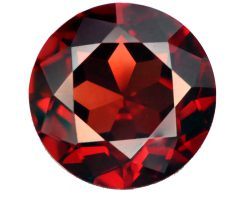 January
 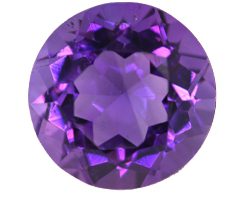 February
 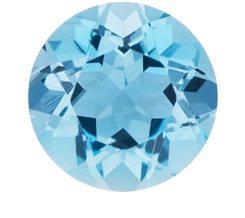 March
March 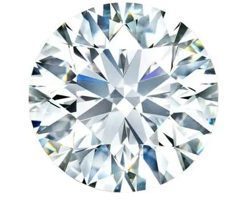 April
April 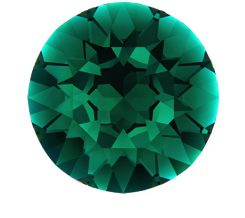 May
May 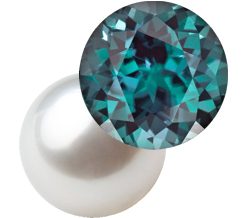 June
June 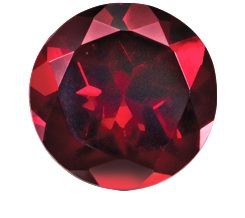 July
July 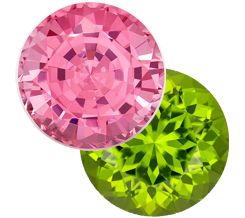 August
 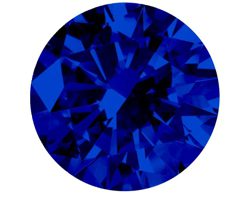 September
 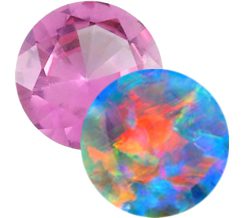 October
 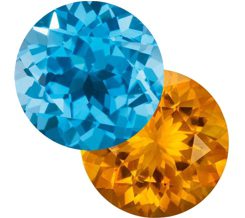 November
 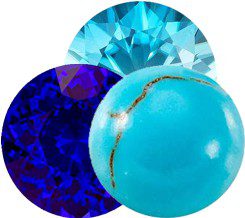 December
 Capricorn - Garnet
  Aquarius - Amethyst
  Pisces - Aquamarine
  Aries - Diamond
  Taurus - Emerald
  Gemini - Pearl
  Cancer - Ruby
  Leo - Peridot
  Virgo - Blue Sapphire
  Libra - Opal
  Scorpio - Topaz
  Sagittarius - Tanzanite


Kunzite Gemstones – Properties, Origins, Treatments and Buying Guide
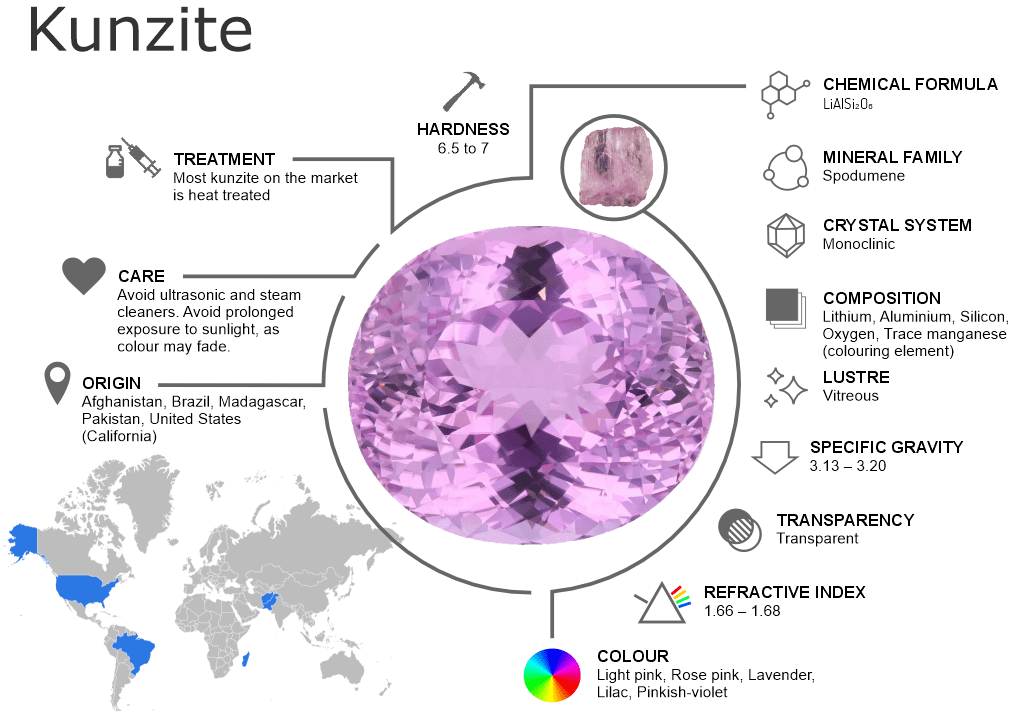
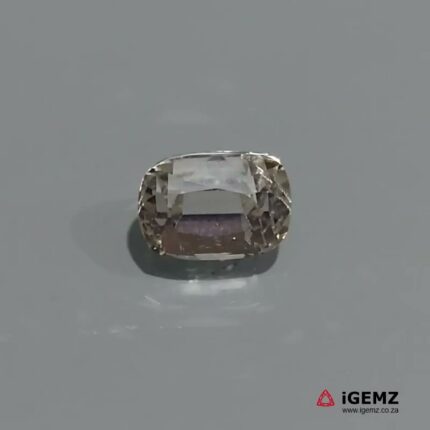
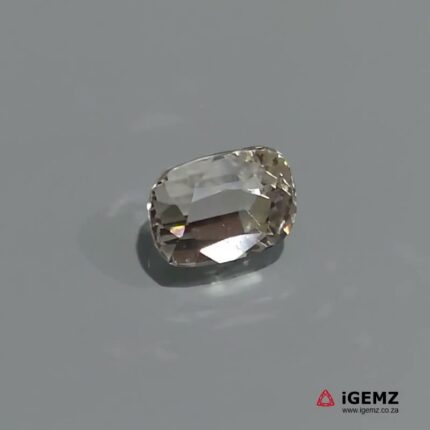
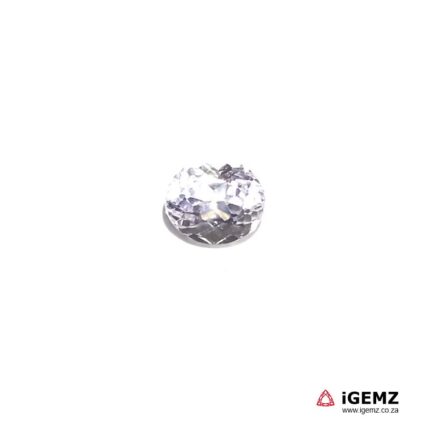
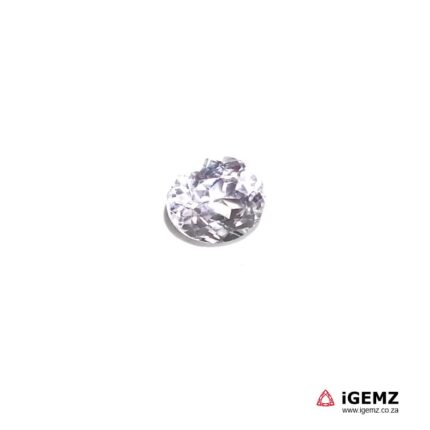
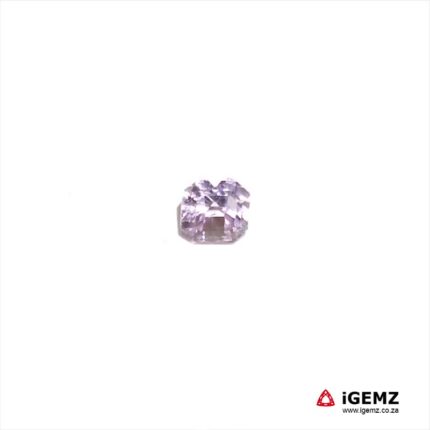
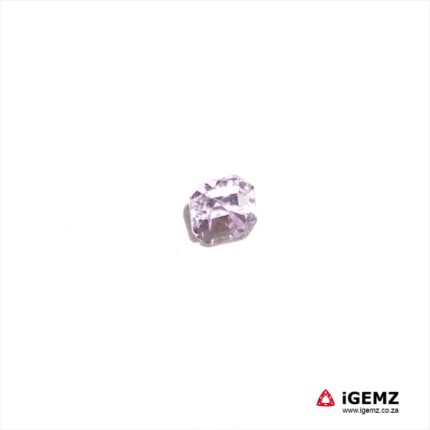
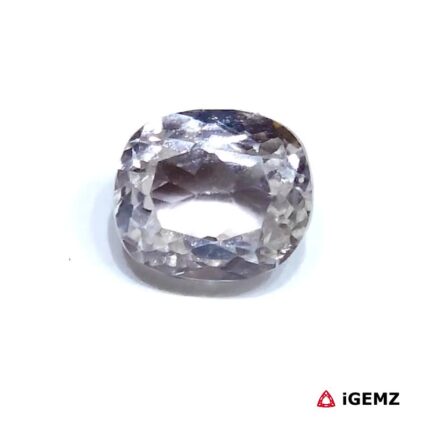
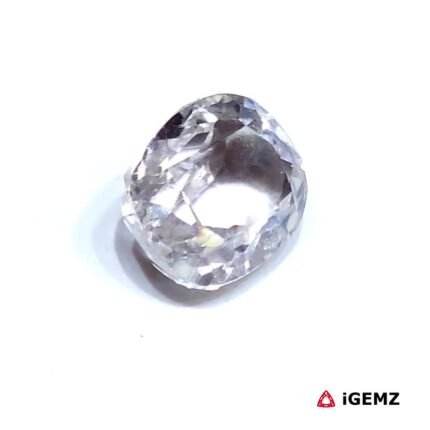
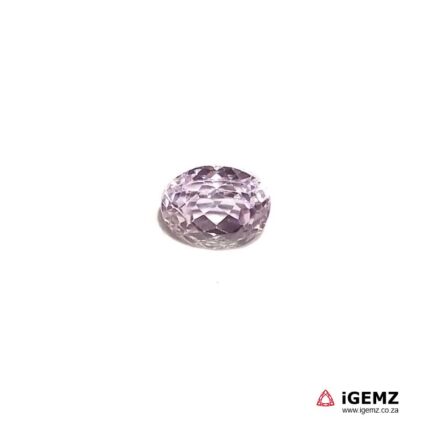
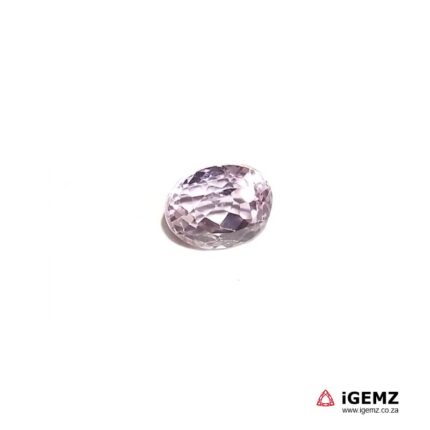
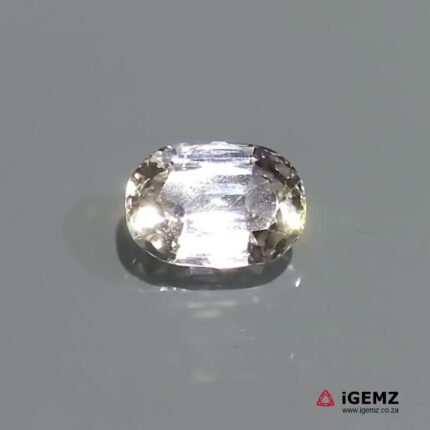
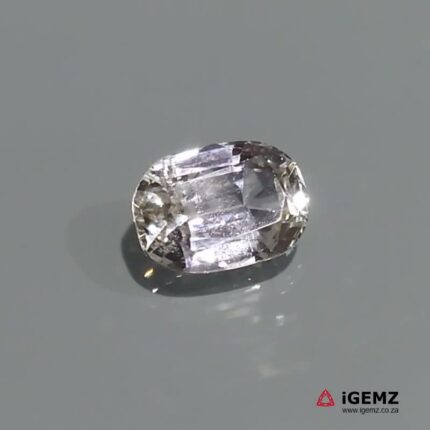
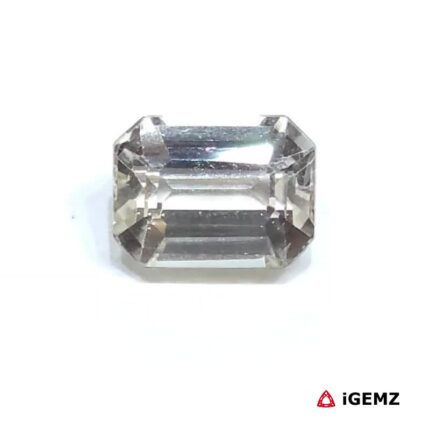
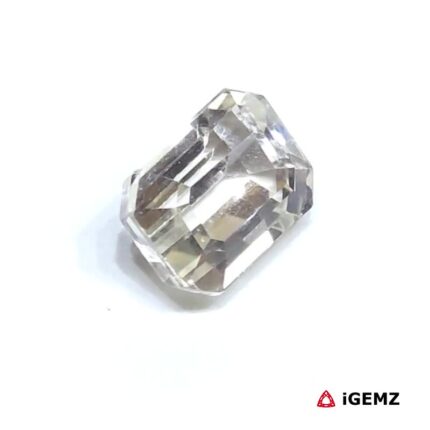
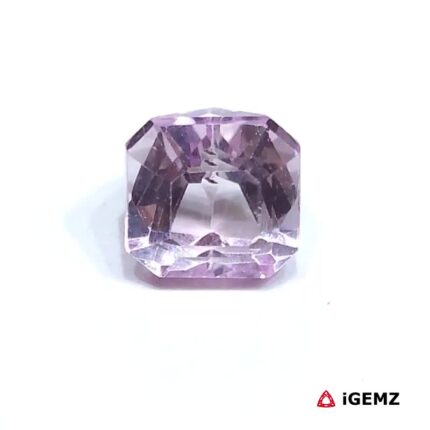
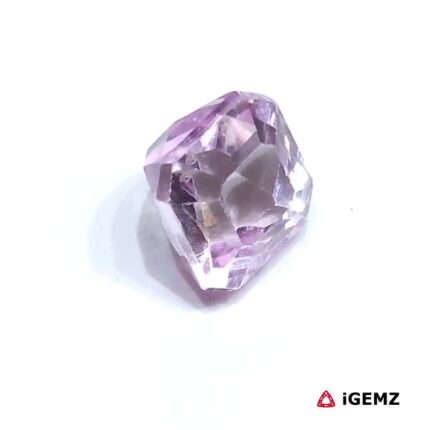
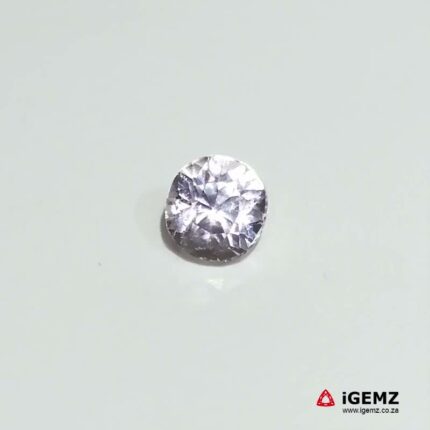
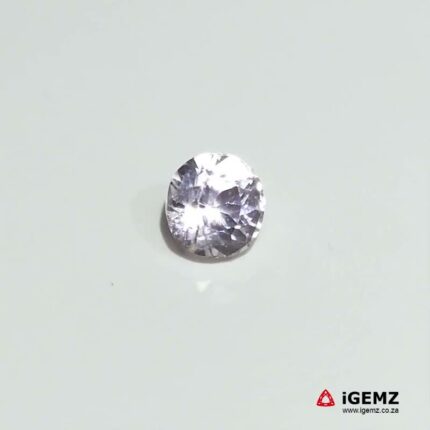
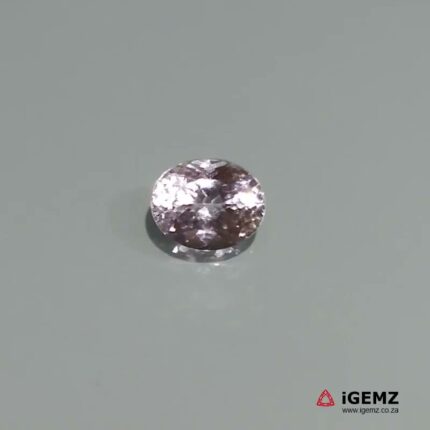
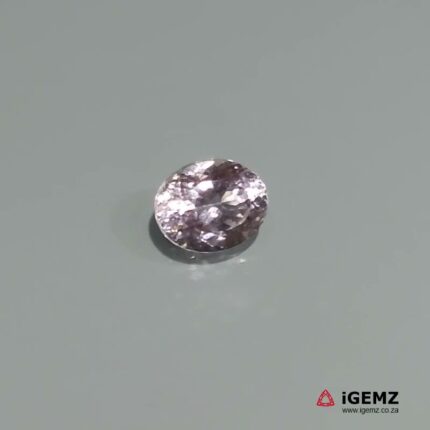
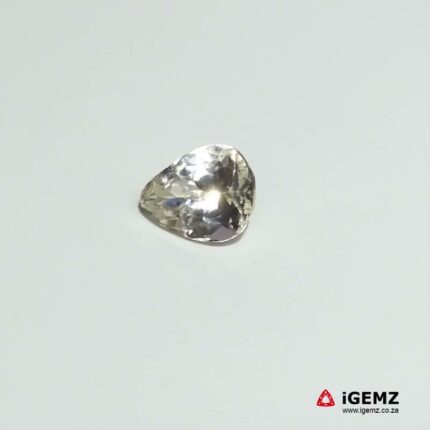
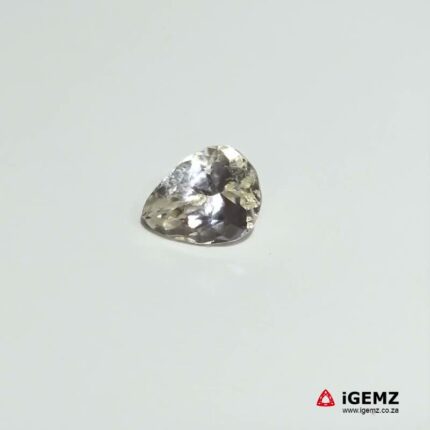
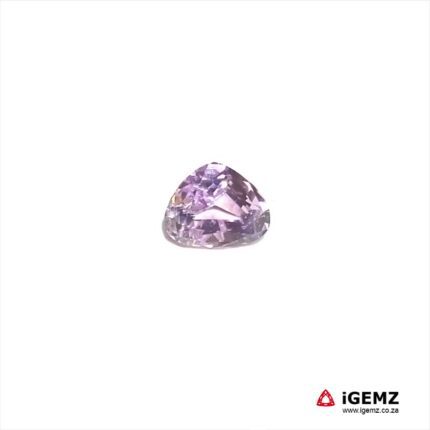
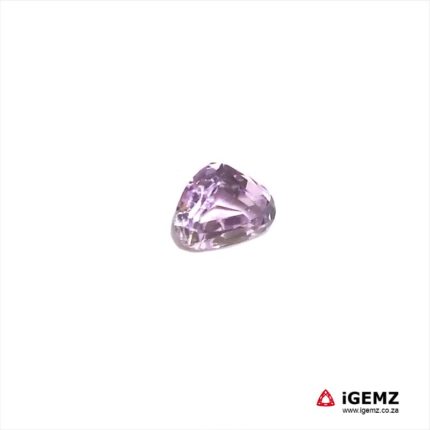
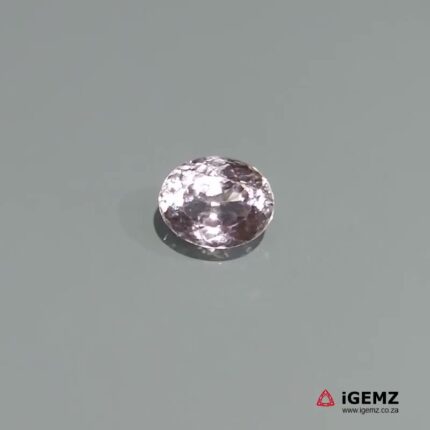
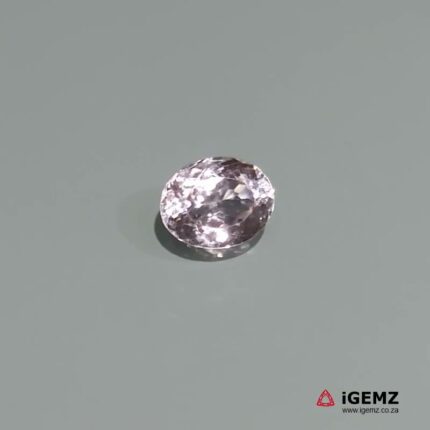
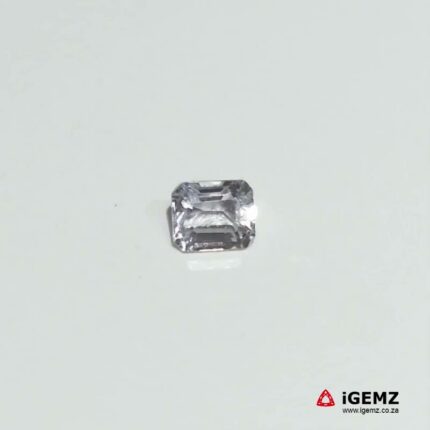
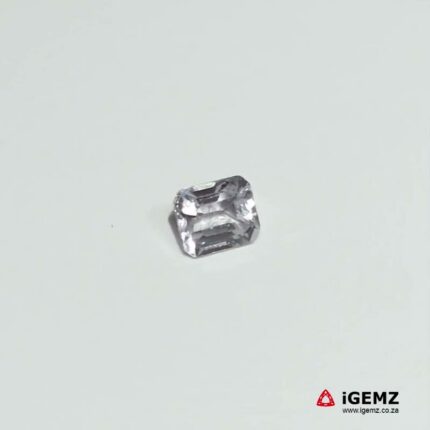
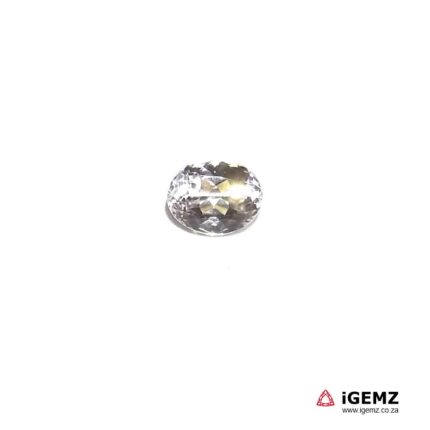
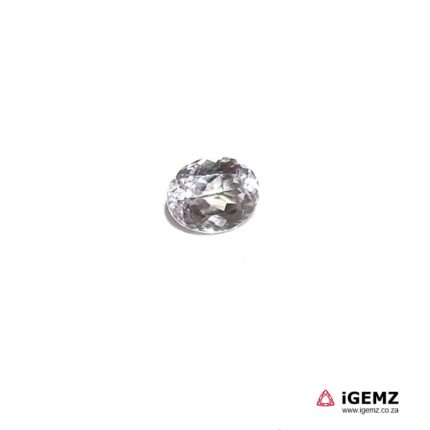
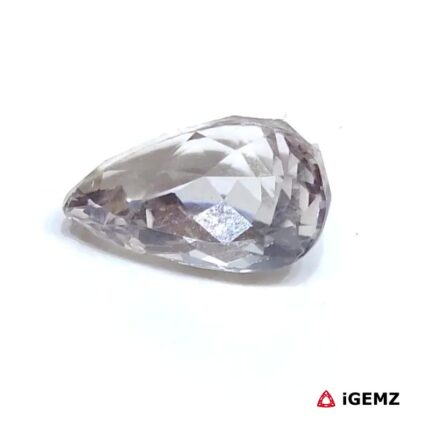
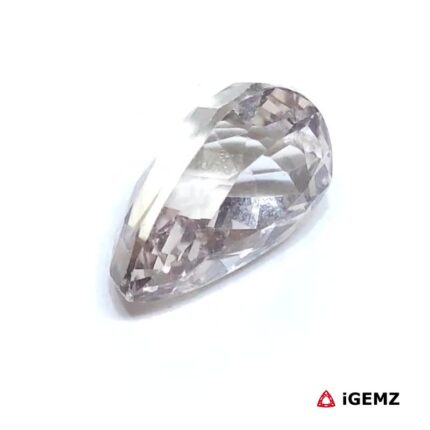
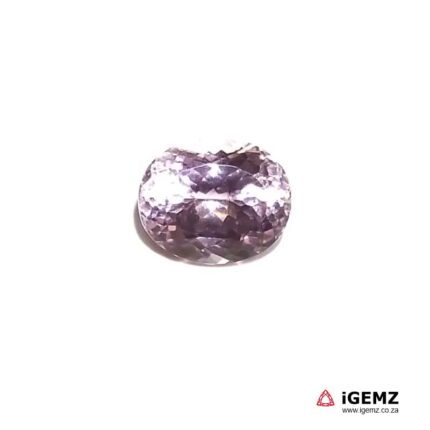
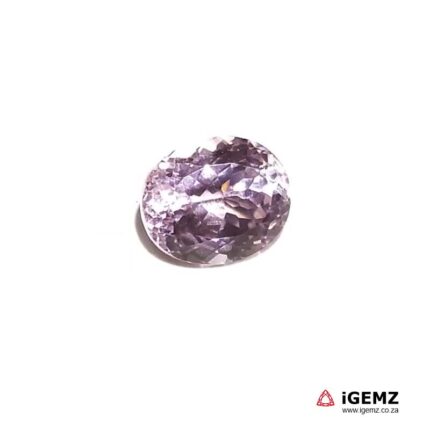
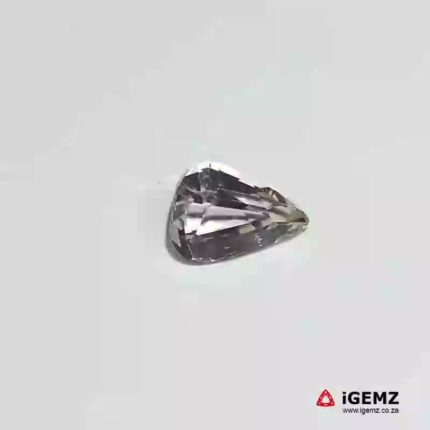
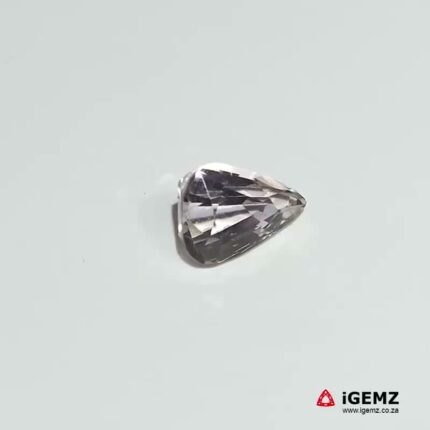
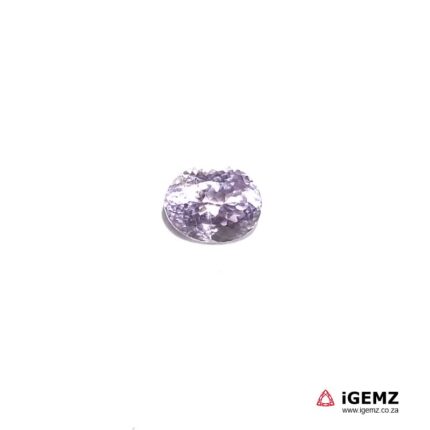
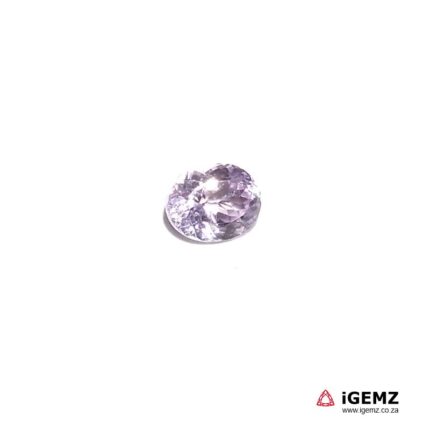
Kunzite is a captivating gemstone known for its delicate pink to violet hues and exceptional brilliance. A member of the spodumene family, kunzite is admired for its soft pastel tones, strong light return and natural elegance. Unlike heavily saturated gemstones, kunzite’s beauty lies in its subtle colour play and high transparency.
In this guide we explore kunzite from a professional gemmological and commercial perspective, covering its physical properties, crystal structure, treatments, origins and how to identify fine-quality stones.
What is Kunzite?
Kunzite is the pink to lilac variety of the mineral spodumene, a lithium aluminium silicate. It was first identified in 1902 and named after renowned gemmologist George Frederick Kunz.
Its colour is caused by trace amounts of manganese and varies from soft blush pink to vivid lavender. Kunzite crystals grow in large sizes and are highly transparent, allowing cutters to produce impressive gemstones with exceptional brilliance.
Kunzite is pleochroic, meaning it displays different colour intensities when viewed from different angles — an important consideration when cutting the stone.
Mineral Composition
Kunzite has the chemical formula:
LiAlSi₂O₆
It is composed primarily of:
Lithium
Aluminium
Silicon
Oxygen
Trace manganese (colouring element)
The intensity of colour depends on the amount of manganese present and the orientation of the crystal during cutting. The finest kunzite displays a clean, pastel pink to violet hue with excellent transparency.
Mineral Family and Crystal System

Kunzite belongs to the spodumene mineral group, which is part of the pyroxene family.
Its crystal system is monoclinic, producing elongated prismatic crystals that are often very large and well-formed. This crystal structure contributes to kunzite’s strong pleochroism and excellent light performance.
Optical and Physical Properties
Kunzite is prized for its clarity, brilliance and soft pastel glow, making it a favourite for fine jewellery.

Lustre
Kunzite has a bright vitreous lustre that gives it a clean, glass-like shine.

Transparency
Gem-quality <a href=”https://www.igemz.co.za/product-category/natural-gemstones/kunzite/” target=”_blank”>kunzite</a> is transparent with excellent clarity.

Refractive index
1.66 – 1.68, producing strong brilliance and sparkle.

Specific gravity
3.13 – 3.20, typical for spodumene gemstones.
Colour Range
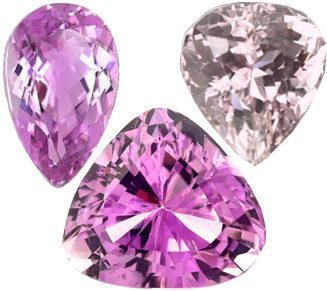
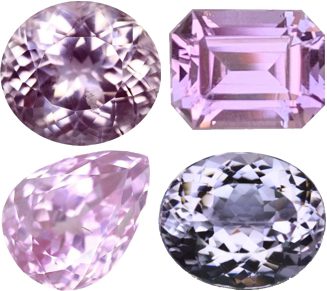
Kunzite occurs in a range of soft pastel shades:
Light pink
Rose pink
Lavender
Lilac
Pinkish-violet
The most valuable stones display strong colour saturation with good clarity and minimal brown or grey tones.
Mohs Hardness and Durability

Kunzite has a Mohs hardness of 6.5 to 7, making it softer than many popular gemstones.
While suitable for pendants, earrings and occasional-wear rings, it should be protected from hard knocks and daily abrasion.
Treatments

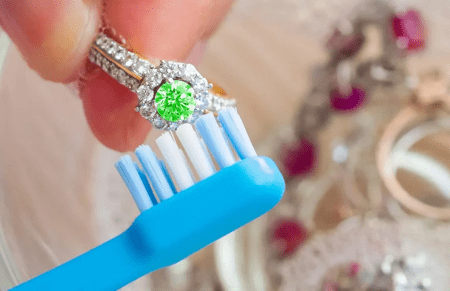
Care and Cleaning
Avoid ultrasonic and steam cleaners.
Avoid prolonged exposure to sunlight, as colour may fade.
Clean using warm water, mild soap and a soft cloth.
Store separately to prevent scratching.
Major Origins
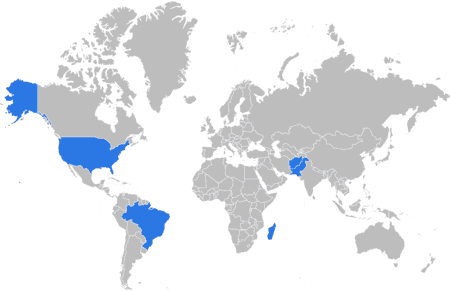
Major sources of Kunzite include:
Afghanistan
Brazil
Madagascar
Pakistan
United States (California)
Frequently Asked Questions
Is kunzite a natural gemstone?
Yes, kunzite is a naturally occurring variety of spodumene.
What gives kunzite its colour?
Trace amounts of manganese are responsible for kunzite’s pink and violet hues.
Is kunzite treated?
Most kunzite is gently heat treated to improve colour stability.
Is kunzite suitable for everyday wear?
Kunzite is better suited to occasional wear due to its moderate hardness.
Does kunzite fade in sunlight?
Yes, prolonged exposure to strong sunlight can cause colour fading.
How can I tell if kunzite is real?
Real kunzite shows strong pleochroism, high clarity and a vitreous lustre.
Is kunzite more valuable than morganite?
Generally no, but fine vivid kunzite can command strong prices.
Where does the best kunzite come from?
Afghanistan and Pakistan produce some of the finest material.
Can kunzite be scratched easily?
Yes, it can be scratched by harder gemstones such as sapphire or diamond.
Is kunzite a good jewellery stone?
Yes, when properly set and cared for, kunzite makes beautiful jewellery.