


 1st - Gold
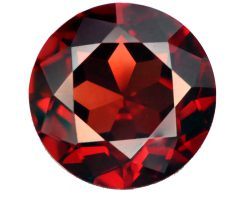 January
 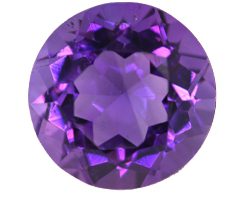 February
 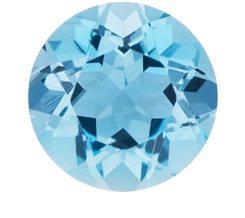 March
March 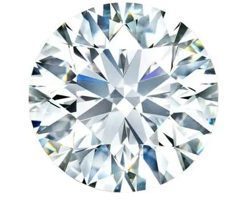 April
April 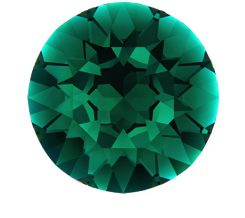 May
May 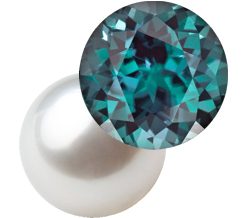 June
June 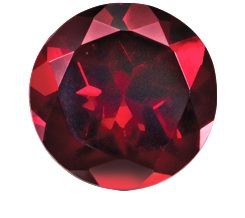 July
July 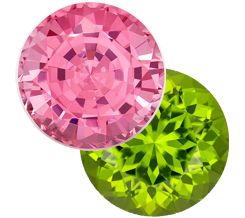 August
 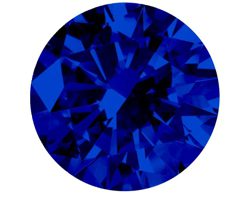 September
 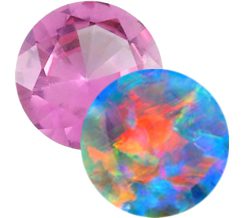 October
 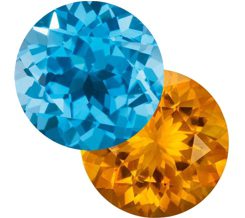 November
 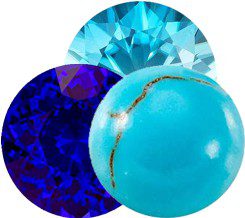 December
 Capricorn - Garnet
  Aquarius - Amethyst
 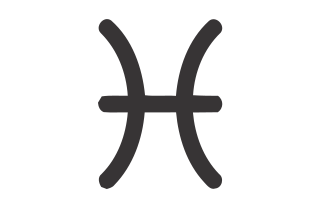 Pisces - Aquamarine
 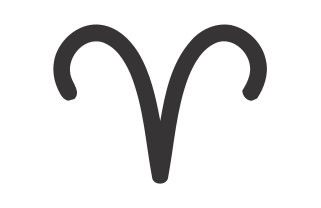 Aries - Diamond
  Taurus - Emerald
  Gemini - Pearl
  Cancer - Ruby
  Leo - Peridot
  Virgo - Blue Sapphire
  Libra - Opal
  Scorpio - Topaz
  Sagittarius - Tanzanite


Fluorite Gemstones – Properties, Origins, Treatments and Buying Guide
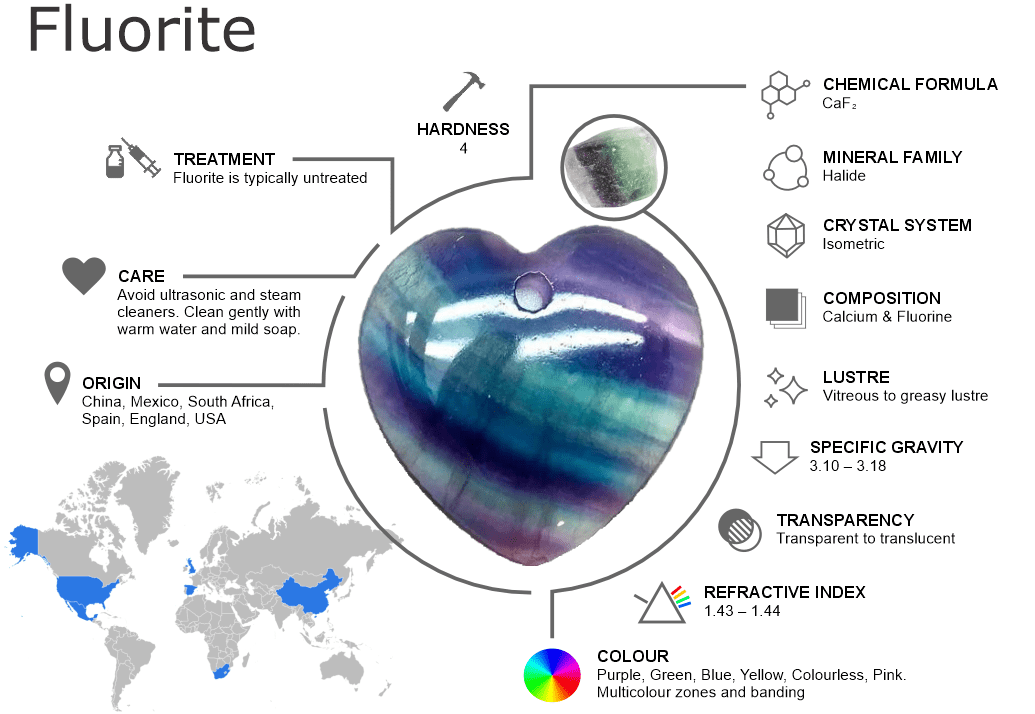
Fluorite is one of the most visually striking gemstones, prized for its wide range of vibrant colours and strong clarity. Unlike stones that rely on deep saturation, fluorite is valued for its purity of colour, fluorescence, and natural geometric crystal forms.
In this guide we examine fluorite from a professional gemmological and commercial perspective, covering its physical properties, crystal structure, treatments, origins and how to identify fine-quality stones.
What is Fluorite?
Fluorite is a colourful mineral composed of calcium fluoride (CaF₂), forming in cubic crystals with excellent transparency. It occurs in veins, hydrothermal deposits, and sedimentary rocks. Unlike many gemstones, fluorite frequently forms large, perfectly shaped octahedral or cubic crystals suitable for collectors and jewellery alike.
Mineral Composition
Mineral Family and Crystal System

Fluorite belongs to the halide mineral family.
Its crystal system is isometric (cubic), often forming perfect cubes or octahedra, which enhances its visual appeal in jewellery and collectors’ specimens.
Optical and Physical Properties
Fluorite combines vivid colour, clarity, and excellent optical effects such as fluorescence and color zoning, making it highly desirable for decorative and collector pieces.

Lustre
Vitreous, giving a bright, glass-like shine.

Transparency
Transparent to translucent; gem-quality stones are highly transparent.

Refractive index
1.434 – 1.438, providing gentle brilliance and clear internal reflection.

Specific gravity
3.0 – 3.2, typical of halide minerals.
Colour Range
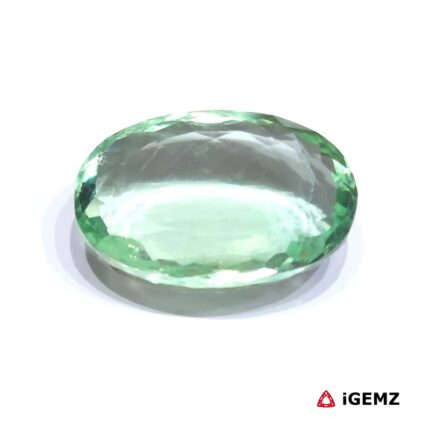
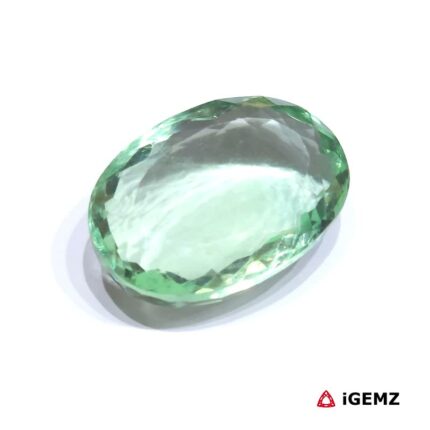
Fluorite occurs in an extraordinary range of colours:
Purple
Green
Yellow
Blue
Pink
Colourless
Banded combinations
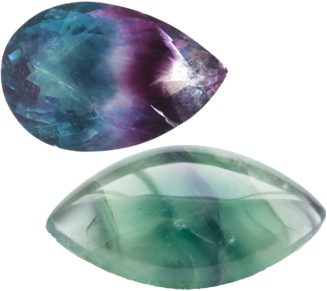
The most valuable stones display strong, pure colours with minimal zoning.
Mohs Hardness and Durability

Fluorite has a Mohs hardness of 4, making it relatively soft and suitable primarily for pendants, earrings, and collector’s pieces rather than everyday rings.
It is brittle and can cleave easily along octahedral planes.
Treatments

Most fluorite is untreated. Rarely, heat treatment may be applied to reduce colour zoning. No coatings or fillings are used in fine-quality stones.
Care and Cleaning
Avoid ultrasonic and steam cleaners.
Do not expose to sudden temperature changes.
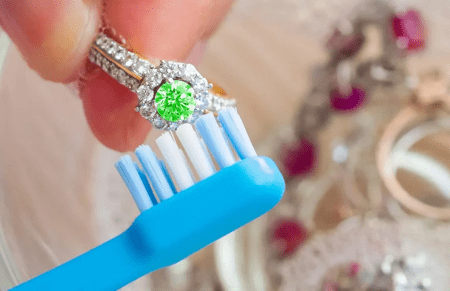
Clean with warm water, mild soap, and a soft brush.
Store fluorite separately from harder gemstones to prevent scratches.
Major Origins
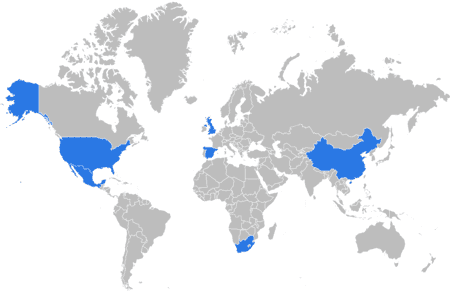
Major sources of fluorite include:
China
Mexico
South Africa
Namibia
United States (Illinois, Kentucky)
Spain
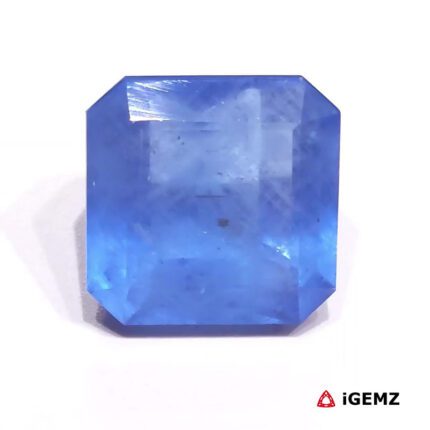
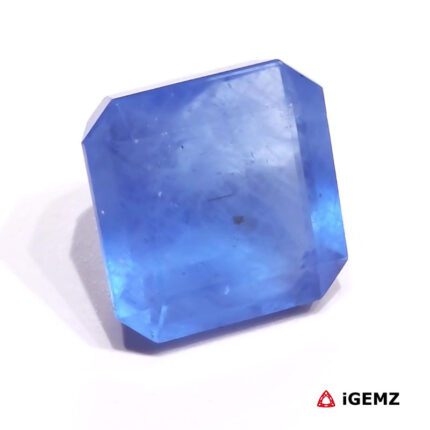
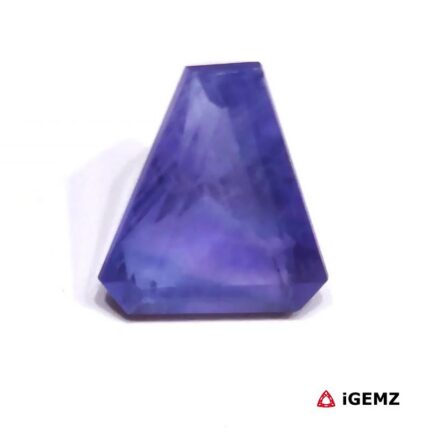
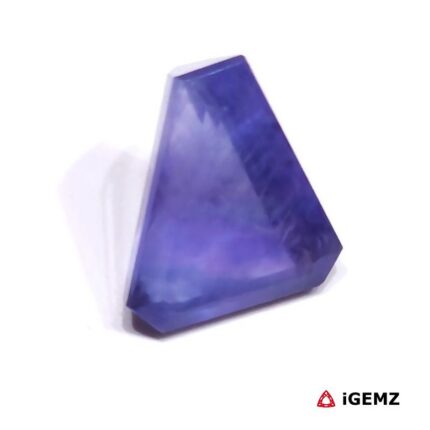
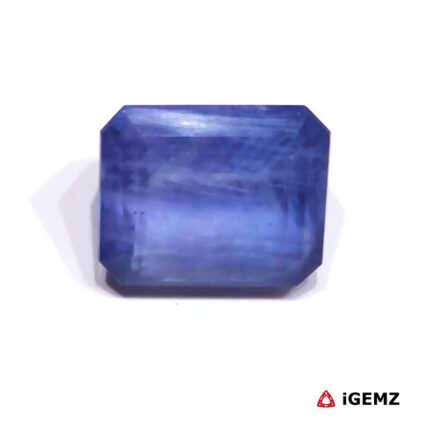
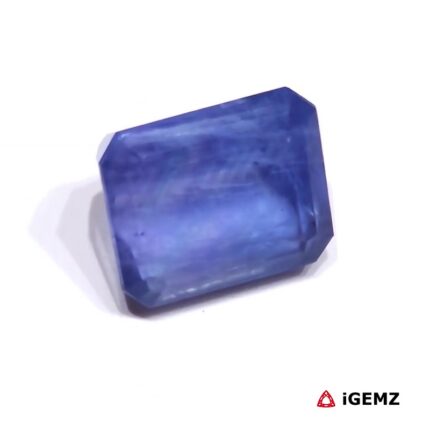
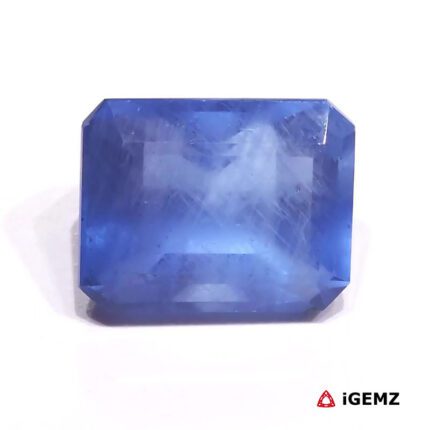
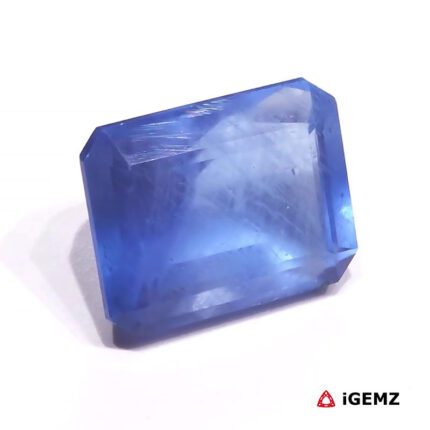
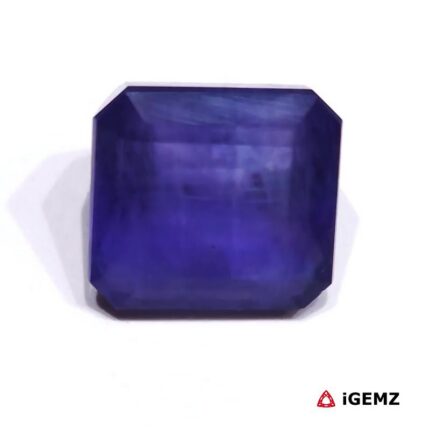
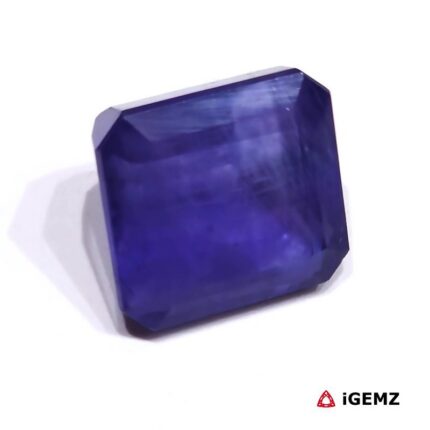
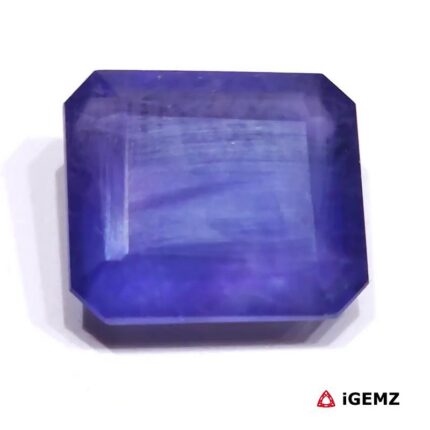
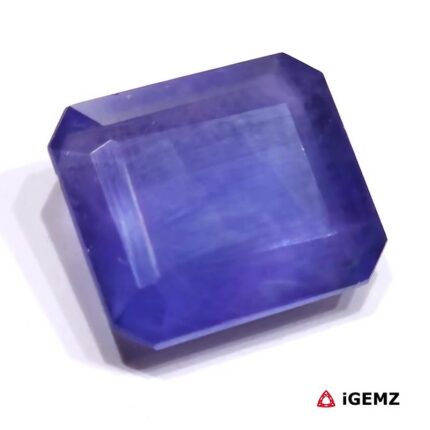
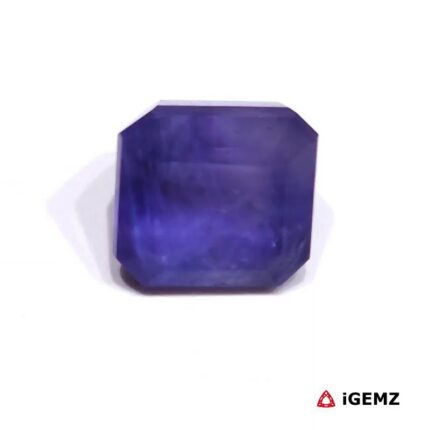
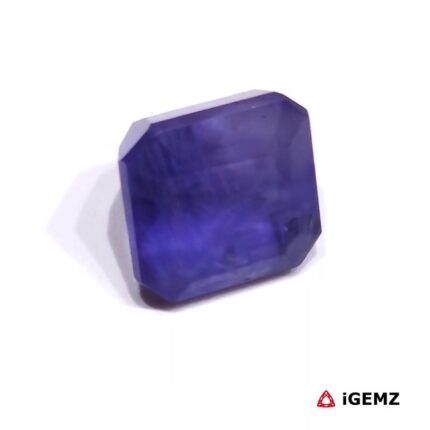
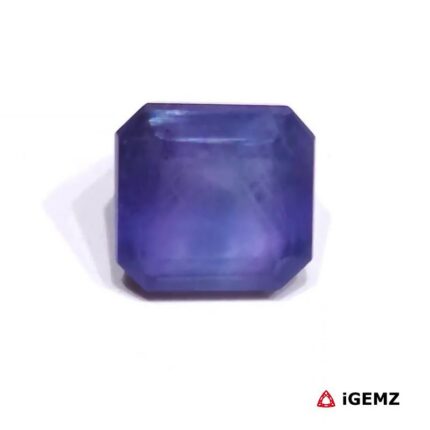
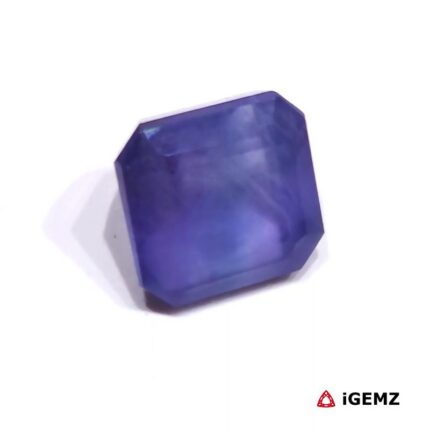
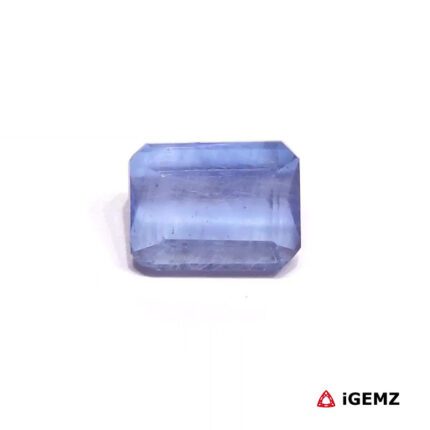
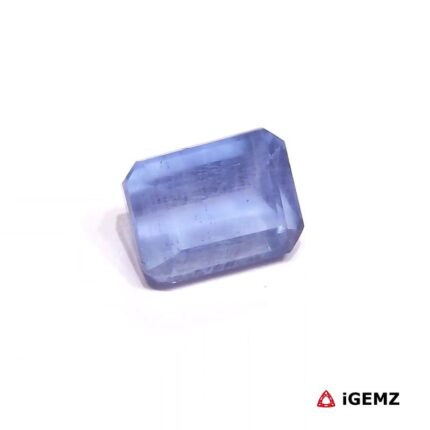
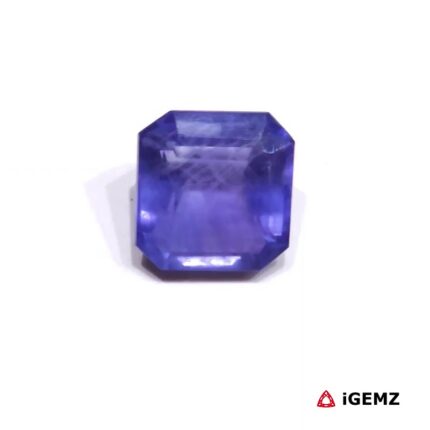
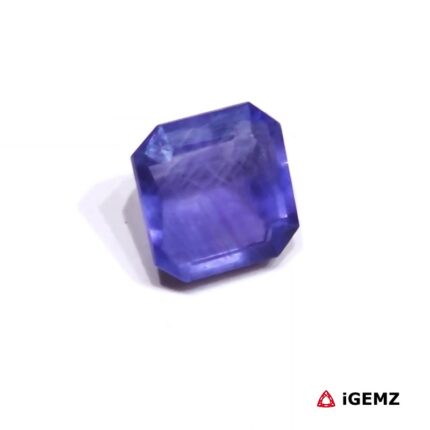
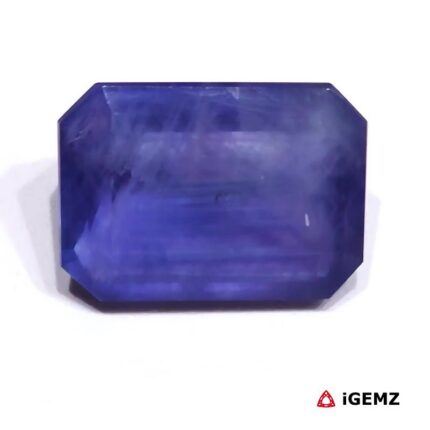
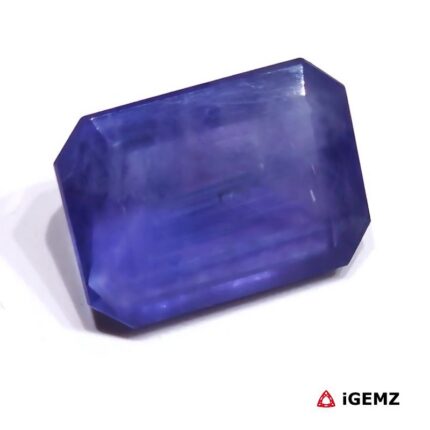
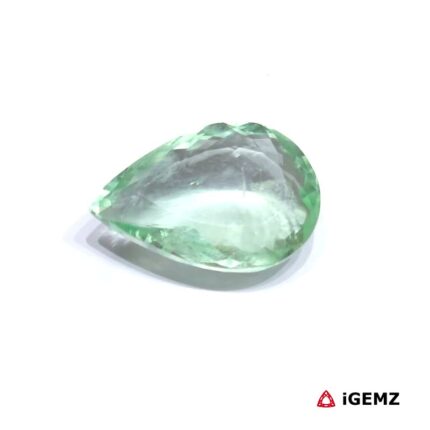
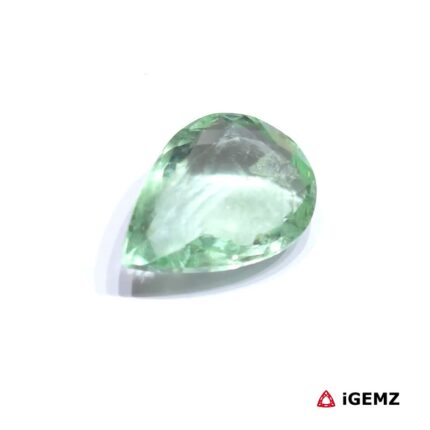
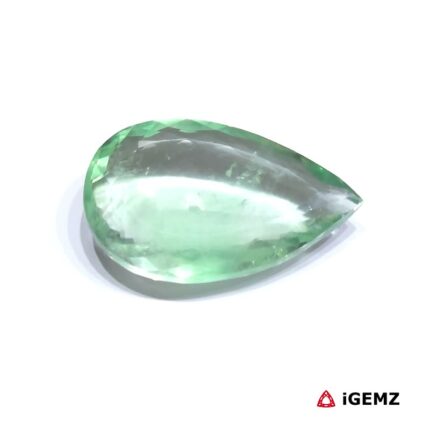
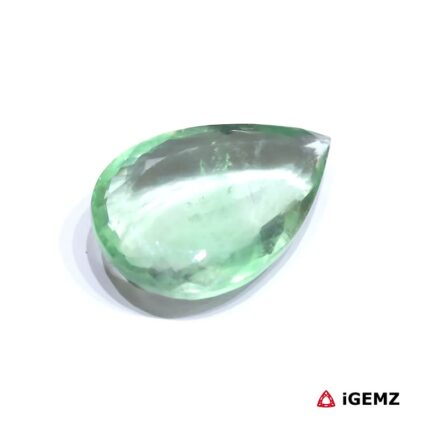
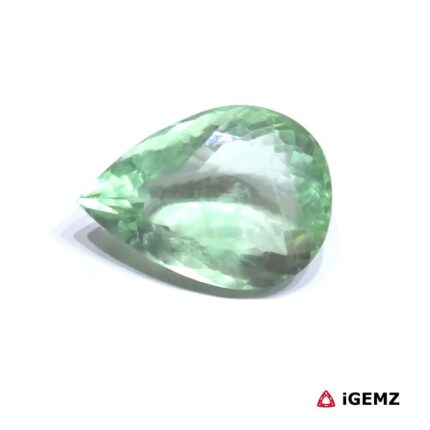
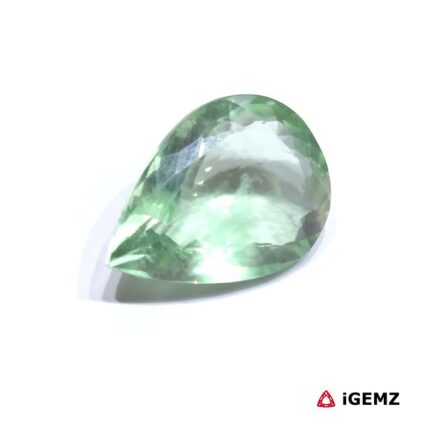
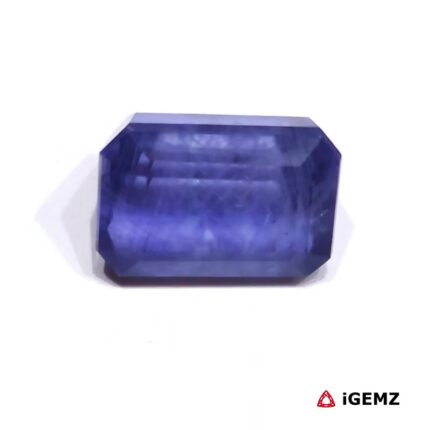
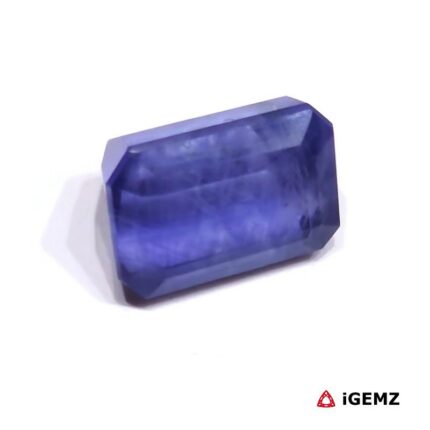
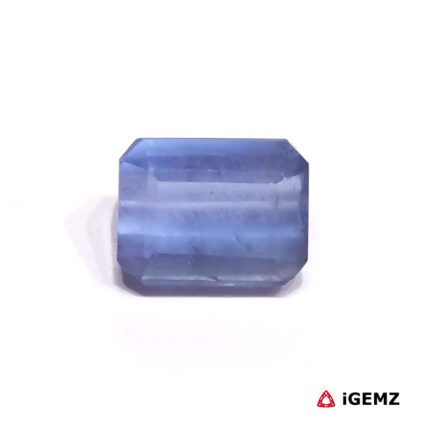
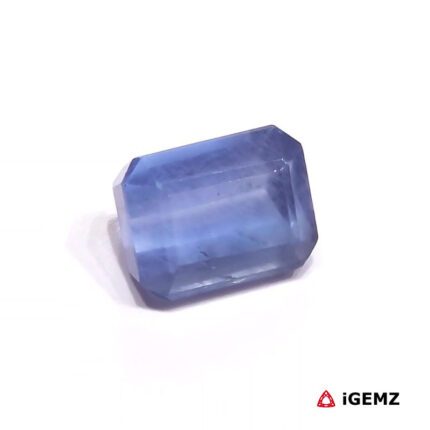
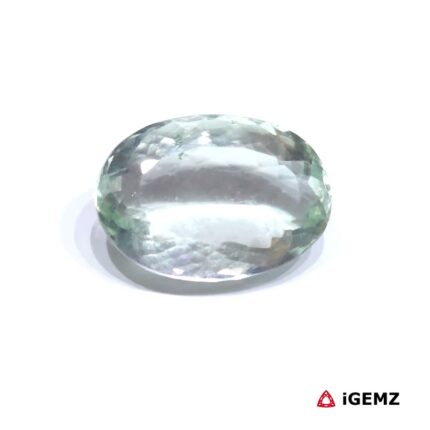
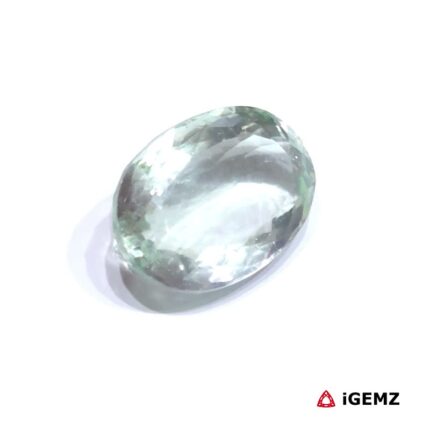
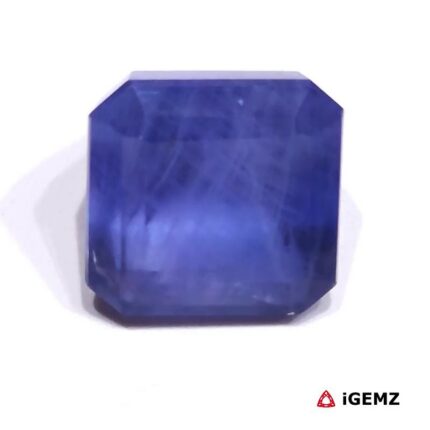
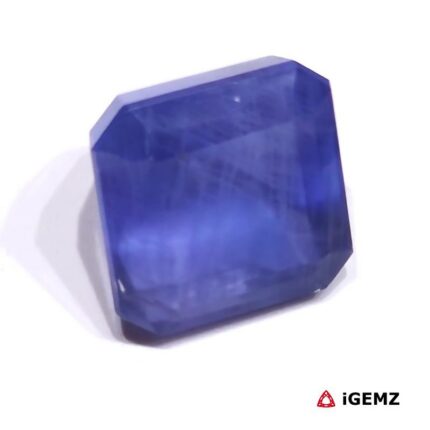
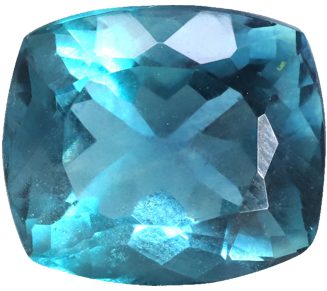
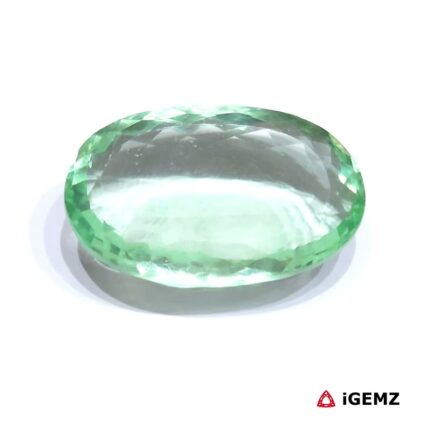
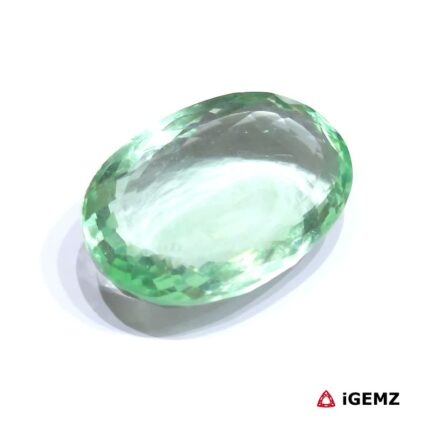
Natural Blue Fluorite 43.98 ct Loose Gemstone | iGemz29770
SKU:
iGemz29770
Original price was: R5,856.00.R2,928.00Current price is: R2,928.00.
Frequently Asked Questions
Is fluorite a natural gemstone?
Yes, <a href=”https://www.igemz.co.za/product-category/natural-gemstones/fluorite/” target=”_blank”>fluorite</a> occurs naturally and is widely collected.
What colours does fluorite come in?
<a href=”https://www.igemz.co.za/product-category/natural-gemstones/fluorite/” target=”_blank”>Fluorite</a> occurs in purple, green, yellow, blue, pink, colourless, and banded varieties.
Is fluorite treated?
Most <a href=”https://www.igemz.co.za/product-category/natural-gemstones/fluorite/” target=”_blank”>fluorite</a> is untreated. Rare heat treatment may reduce colour zoning.
Is fluorite suitable for daily wear?
<a href=”https://www.igemz.co.za/product-category/natural-gemstones/fluorite/” target=”_blank”>Fluorite</a> is soft (Mohs 4) and should be worn in jewellery that is protected from impact.
Does fluorite fluoresce?
Yes, many <a href=”https://www.igemz.co.za/product-category/natural-gemstones/fluorite/” target=”_blank”>fluorite</a> specimens exhibit fluorescence under UV light.
How can I identify real fluorite?
Look for cubic crystal forms, bright colours, vitreous lustre, and typical cleavage planes.
Where does the best fluorite come from?
China, Mexico and Namibia produce some of the most vivid and collectible <a href=”https://www.igemz.co.za/product-category/natural-gemstones/fluorite/” target=”_blank”>fluorite</a>.
Can fluorite be scratched easily?
Yes, it is soft and scratches easily from harder stones.
Is fluorite safe to clean with ultrasonic machines?
No, avoid ultrasonic and steam cleaners; use gentle soap and water.
Can fluorite be used in rings?
Yes, but only for occasional wear in rings, pendants, or earrings to prevent chipping.