


 1st - Gold

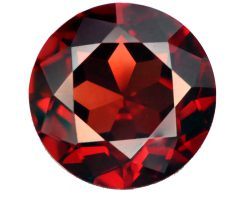 January
 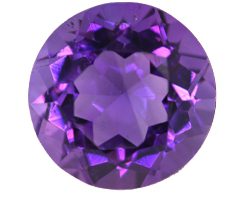 February
 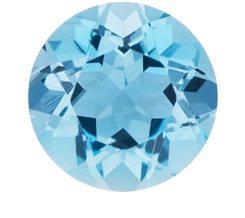 March
March 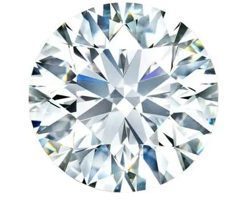 April
April 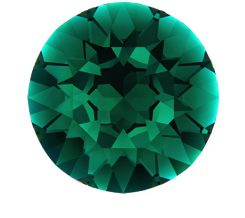 May
May 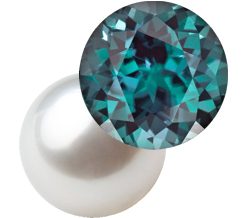 June
June 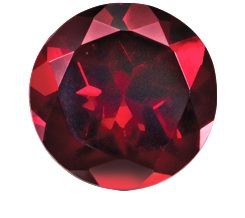 July
July 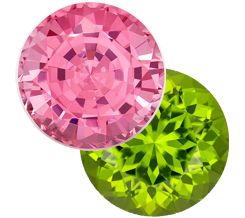 August
 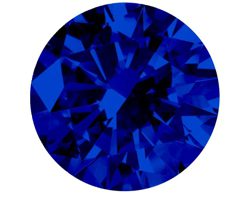 September
 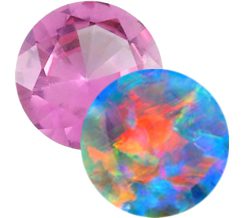 October
 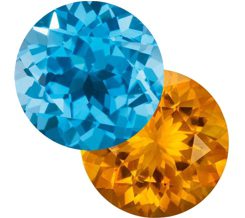 November
 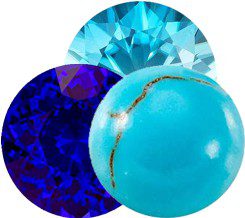 December
 Capricorn - Garnet
  Aquarius - Amethyst
  Pisces - Aquamarine
  Aries - Diamond
  Taurus - Emerald
  Gemini - Pearl
  Cancer - Ruby
  Leo - Peridot
  Virgo - Blue Sapphire
  Libra - Opal
  Scorpio - Topaz
  Sagittarius - Tanzanite


Amethyst Gemstones – Properties, Origins, Treatments and Buying Guide
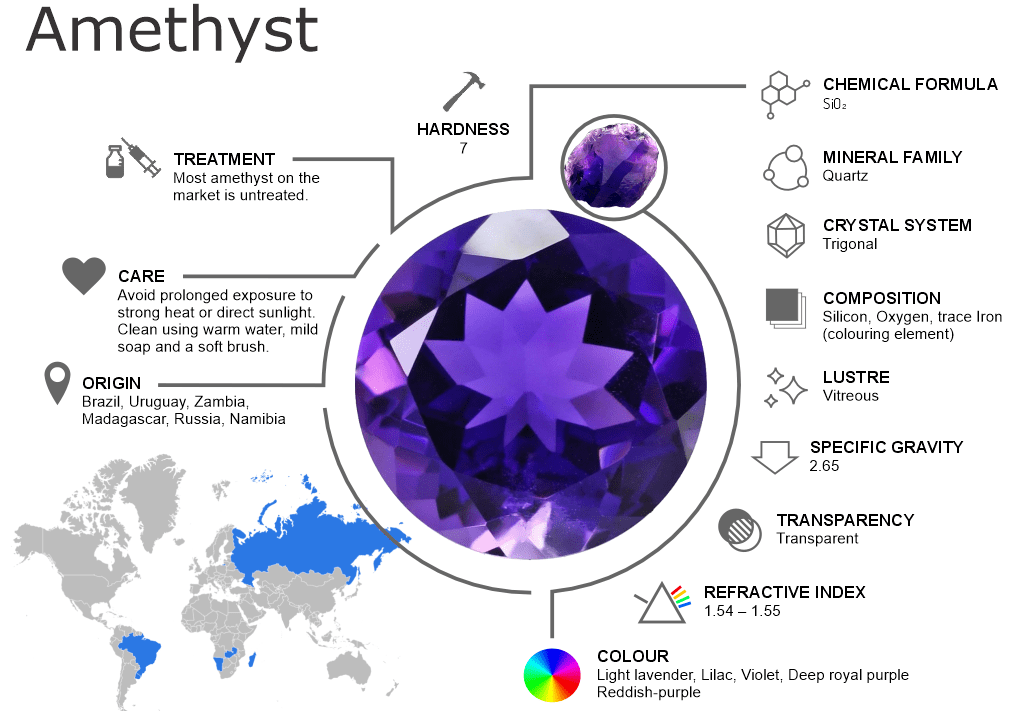
Amethyst is one of the world’s most recognisable and treasured gemstones, admired for its rich purple tones and exceptional clarity. As the most valuable variety of quartz, amethyst has been prized for centuries in jewellery, royal regalia and spiritual objects. Its balance of beauty, durability and affordability makes it one of the most popular gemstones globally.
In this guide we examine amethyst from a professional gemmological and commercial perspective, covering its physical properties, crystal structure, treatments, origins and how to identify fine-quality stones.
What is Amethyst?
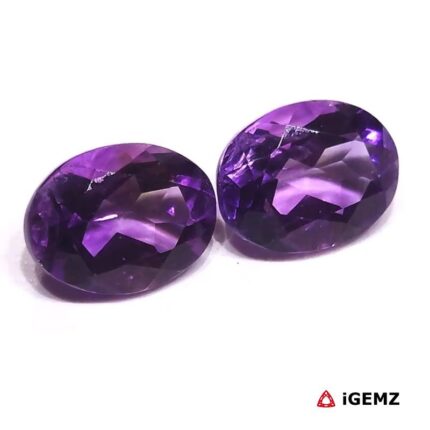
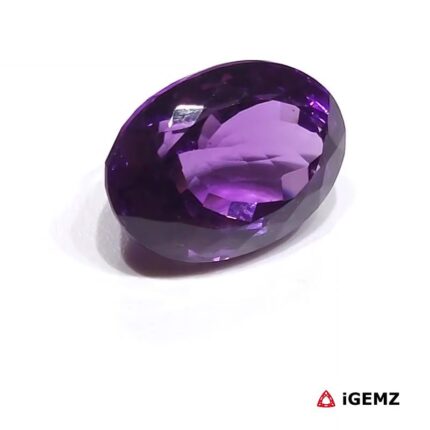
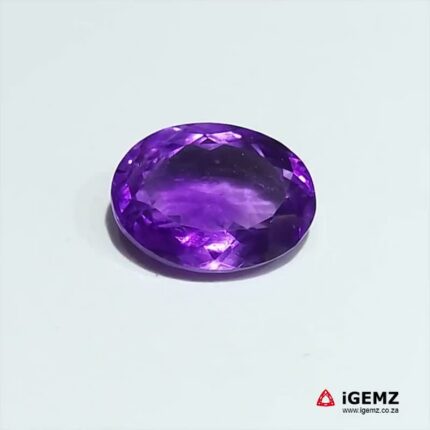
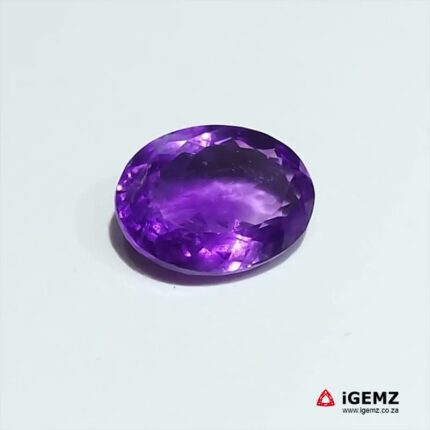
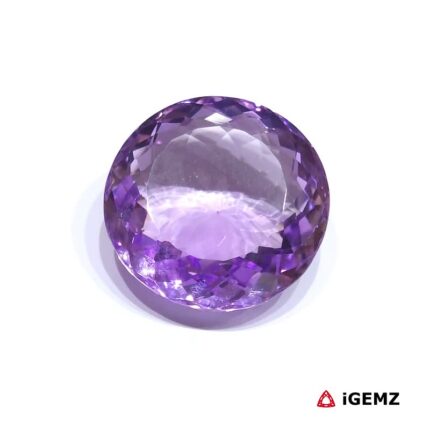
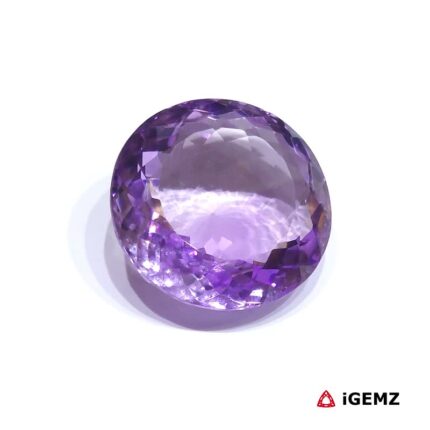
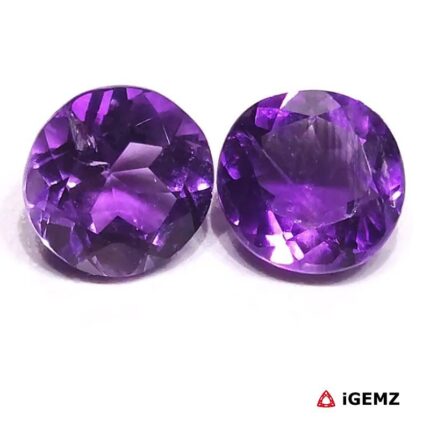
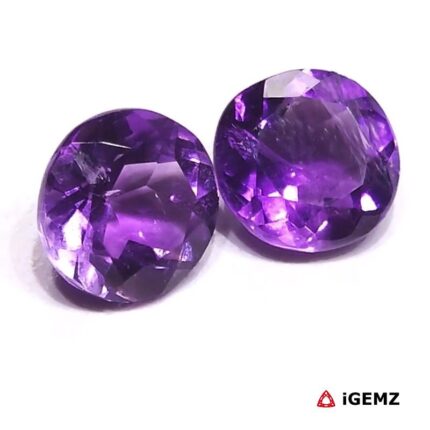
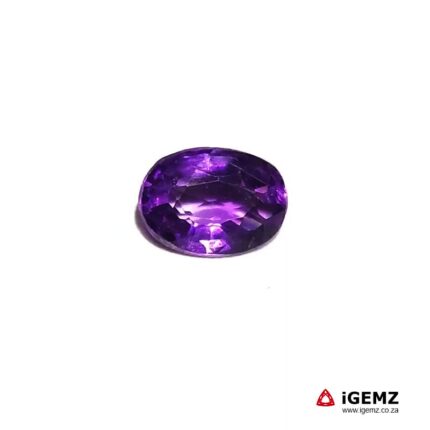
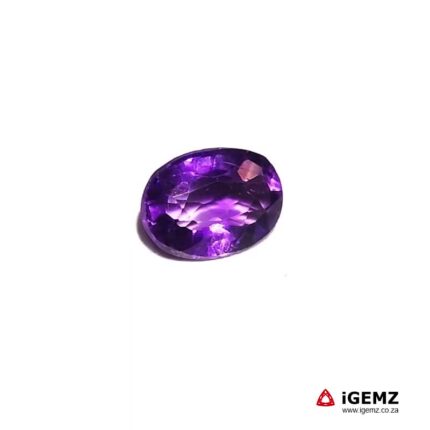
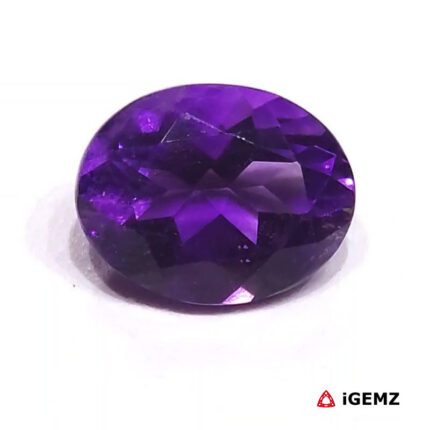
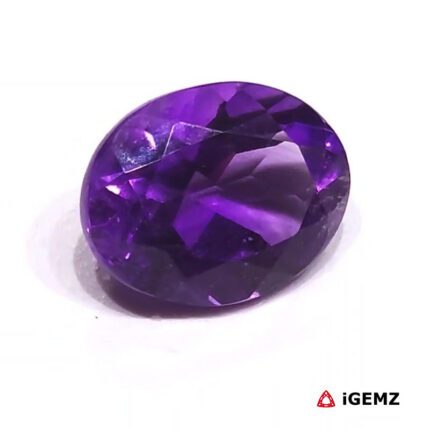
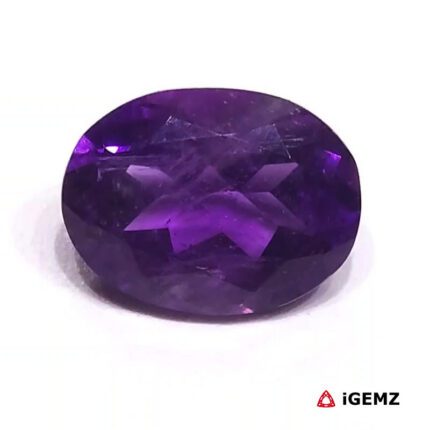
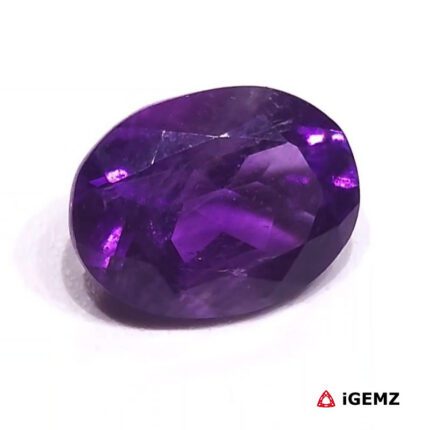
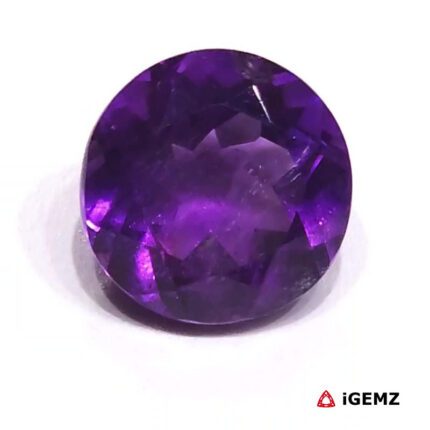
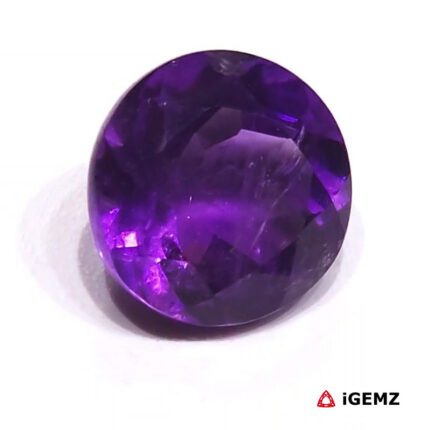
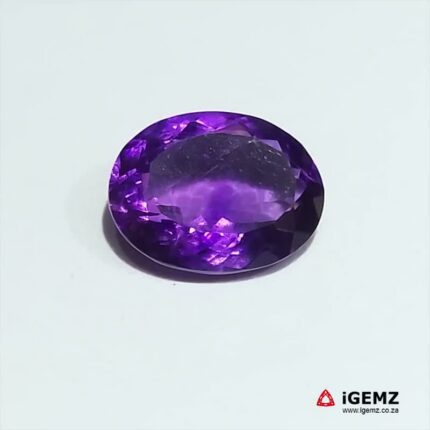
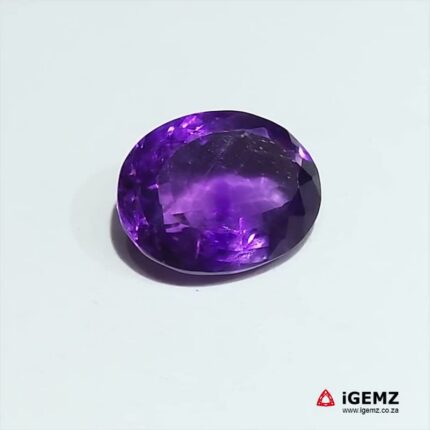
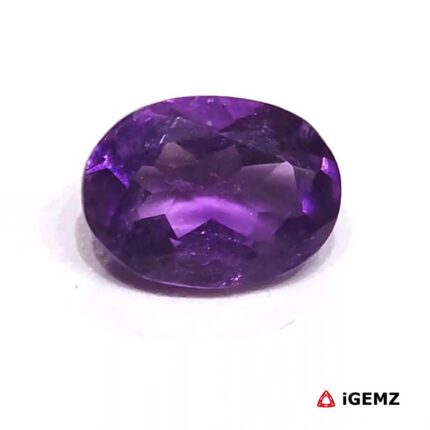
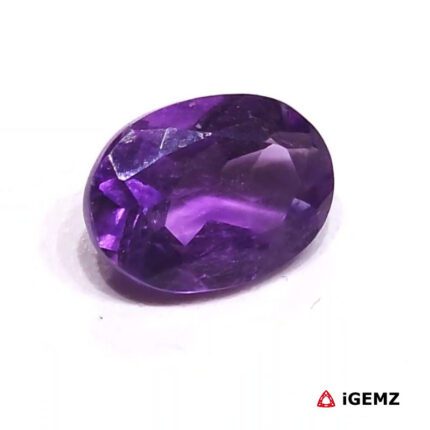
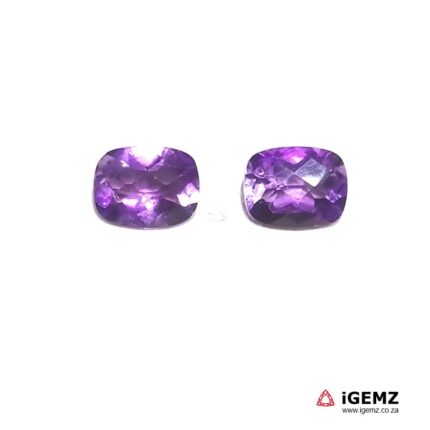
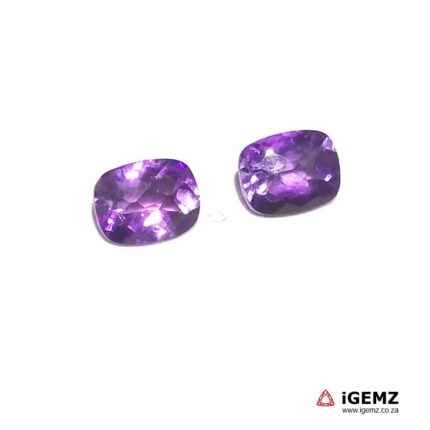
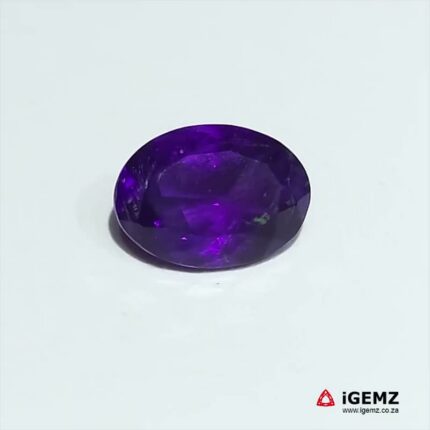
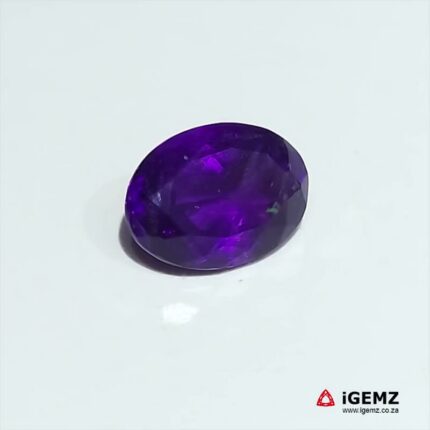
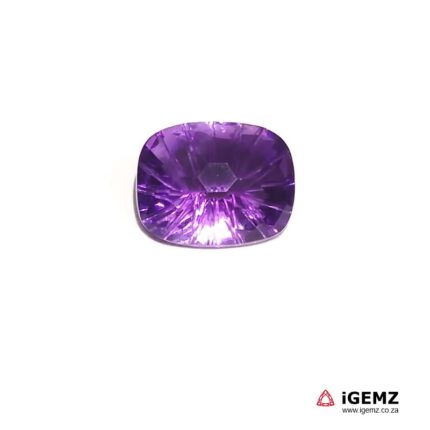
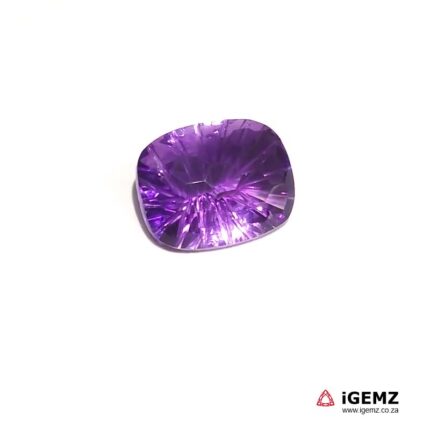
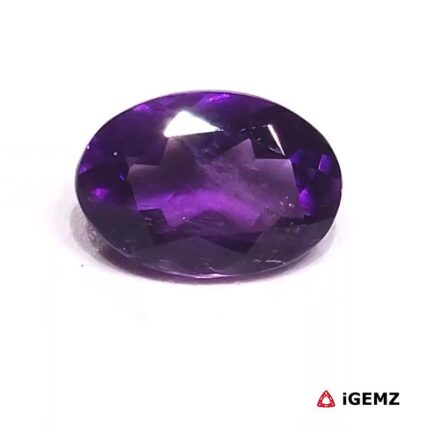
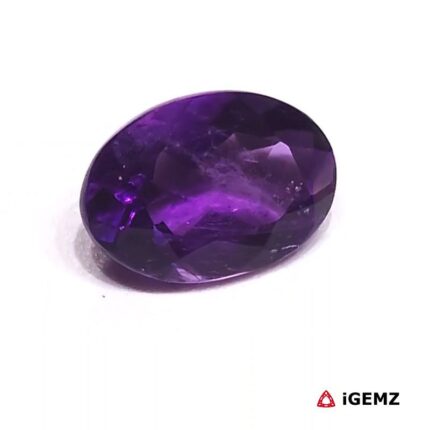
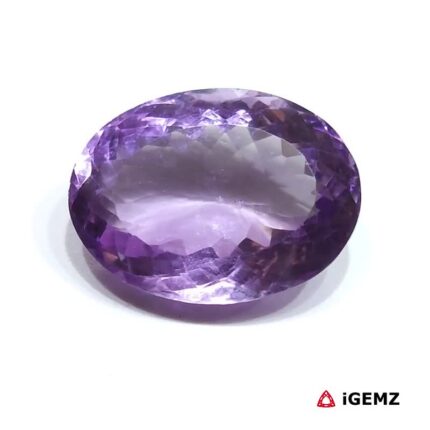
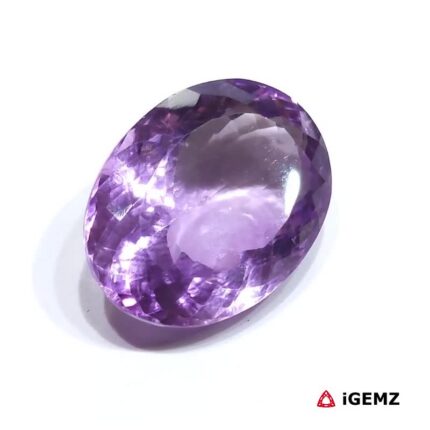
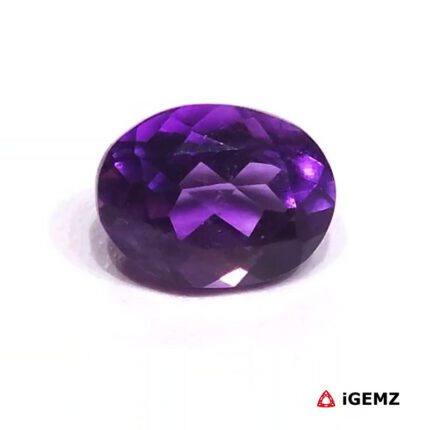
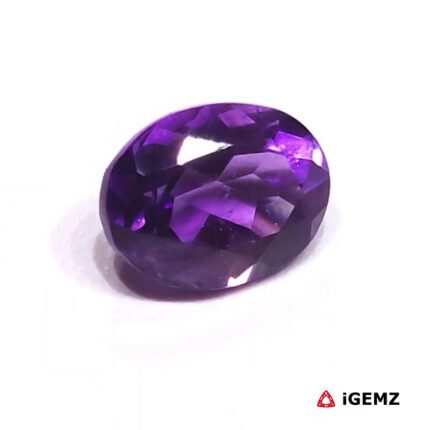
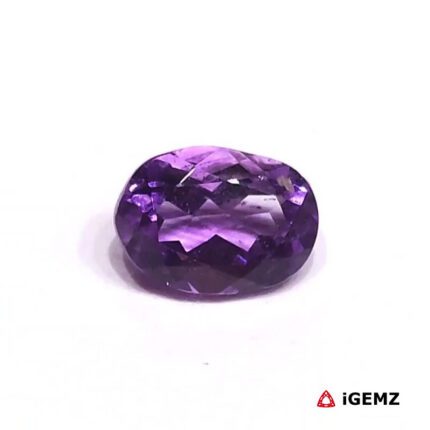
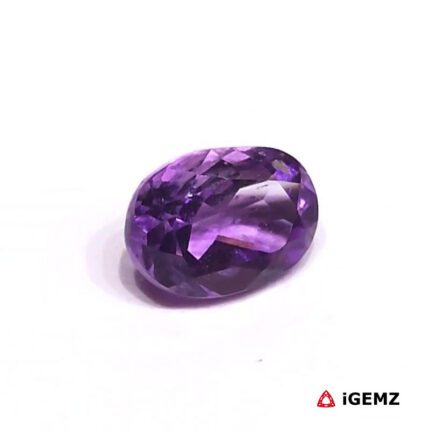
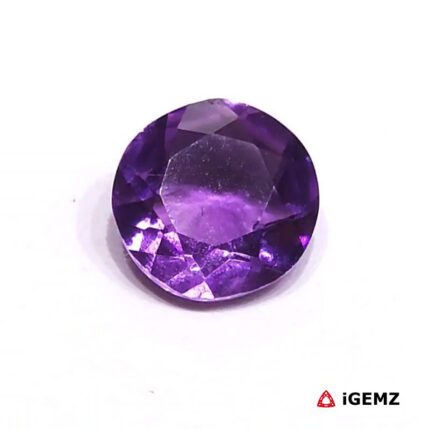
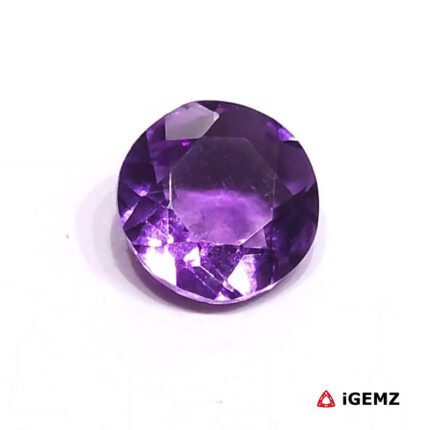
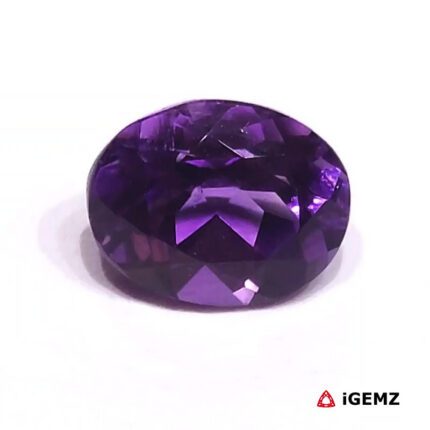
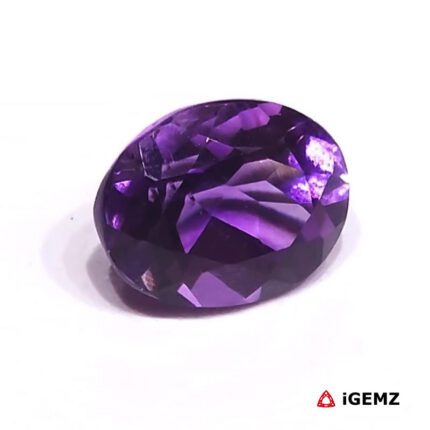
Amethyst is the purple variety of quartz, coloured by trace amounts of iron and natural irradiation during crystal formation. It ranges from light lavender to deep royal purple, with the finest stones displaying rich saturation and excellent transparency.
Amethyst crystals typically form in geodes and volcanic cavities, often growing into large, well-defined crystals suitable for both faceted gemstones and ornamental specimens.
Mineral Composition
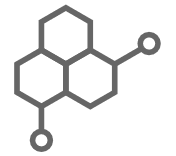
Amethyst has the chemical formula:
SiO₂
It is composed primarily of:
Silicon
Oxygen
Trace iron (colouring element)
Natural irradiation alters the iron within the crystal lattice, producing amethyst’s characteristic purple colour. Deeper colour saturation generally increases value.
High-quality amethyst displays strong colour, excellent clarity and even tone distribution.
Mineral Family and Crystal System

Amethyst belongs to the quartz mineral family, one of the most abundant and widely distributed mineral groups on Earth.
Its crystal system is trigonal, forming hexagonal prisms that often terminate in well-defined crystal points.
Optical and Physical Properties
Amethyst offers an excellent balance of brilliance, durability and colour, making it ideal for all types of jewellery.

Lustre
Amethyst has a vitreous (glassy) lustre that gives it a bright, clean appearance.

Transparency
Gem-quality amethyst is transparent, with minimal inclusions.

Refractive index
1.54 – 1.55, providing good brilliance and light return.

Specific gravity
2.65, typical for quartz gemstones.
Colour Range
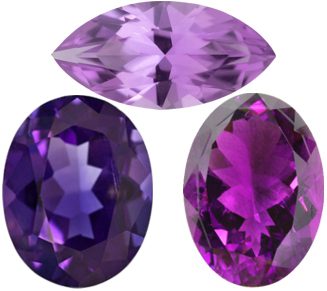
Amethyst occurs in a wide range of purple shades, including:
Light lavender
Lilac
Violet
Deep royal purple
Reddish-purple
The most valuable stones show deep, even colour with flashes of red or blue under light.

Mohs Hardness and Durability

Amethyst has a Mohs hardness of 7, making it suitable for rings, earrings, pendants and bracelets.
While durable, it can still be scratched by harder gemstones and should be protected from heavy impact.
Treatments

Care and Cleaning
Avoid prolonged exposure to strong heat or direct sunlight.
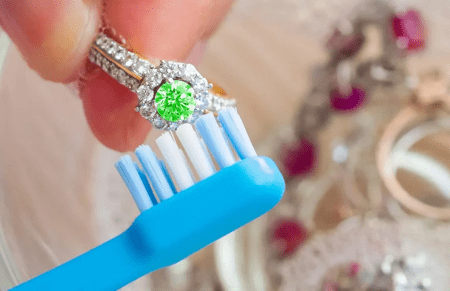
Clean using warm water, mild soap and a soft brush.
Avoid ultrasonic and steam cleaners.
Store separately from harder gemstones.
Major Origins

Major sources of amethyst include:
Brazil
Uruguay
Zambia
Madagascar
Russia
Namibia
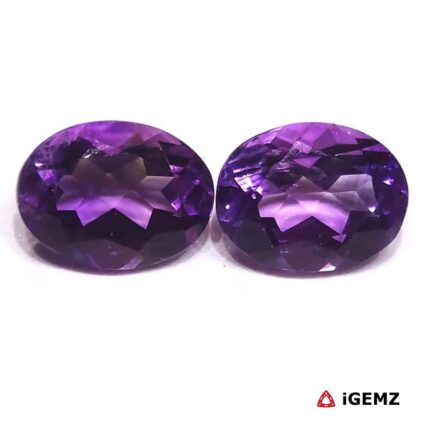
Brazil and Uruguay are particularly renowned for producing deep purple, high-quality stones.

Frequently Asked Questions
Is amethyst a natural gemstone?
Yes, amethyst is a naturally occurring variety of quartz found worldwide.
What gives amethyst its purple colour?
Trace amounts of iron and natural radiation within the crystal structure create its purple colour.
Is amethyst treated?
Most amethyst is untreated, although some may be heat treated to modify colour.
Is amethyst suitable for everyday wear?
Yes, with a Mohs hardness of 7, amethyst is suitable for daily jewellery when properly cared for.
Can amethyst fade over time?
Prolonged exposure to strong sunlight or heat may cause fading in some stones.
How can I tell if amethyst is real?
Genuine amethyst has good clarity, consistent colour and the optical properties of quartz.
Where does the best amethyst come from?
Brazil, Uruguay and Zambia are among the most respected sources.
Is amethyst expensive?
Amethyst is generally affordable, though fine deep-colour stones can command higher prices.
Can amethyst be scratched easily?
It is reasonably durable but can be scratched by harder gemstones such as sapphire or diamond.
Is amethyst suitable for engagement rings?
Yes, it is popular for alternative engagement rings, provided it is worn with care.