



 1st - Gold

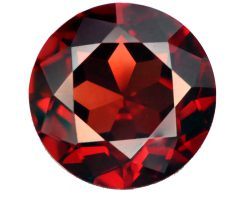 January
 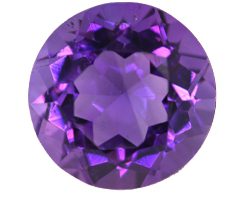 February
 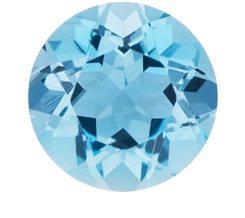 March
March 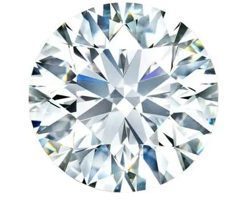 April
April 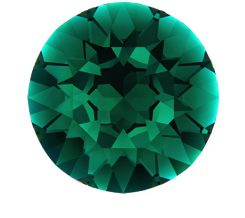 May
May 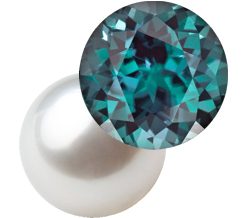 June
June 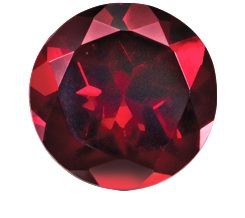 July
July 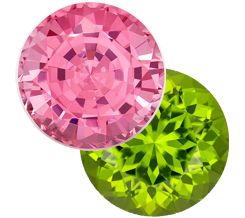 August
 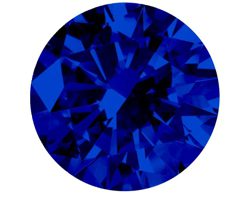 September
 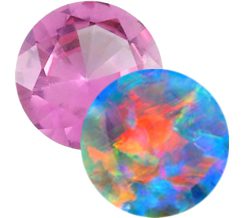 October
 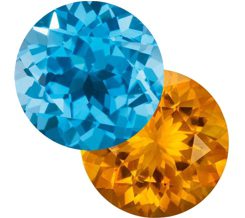 November
 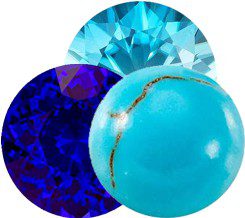 December
 Capricorn - Garnet
  Aquarius - Amethyst
  Pisces - Aquamarine
  Aries - Diamond
  Taurus - Emerald
  Gemini - Pearl
  Cancer - Ruby
  Leo - Peridot
  Virgo - Blue Sapphire
  Libra - Opal
  Scorpio - Topaz
  Sagittarius - Tanzanite


Aquamarine Gemstones – Properties, Origins, Treatments and Buying Guide
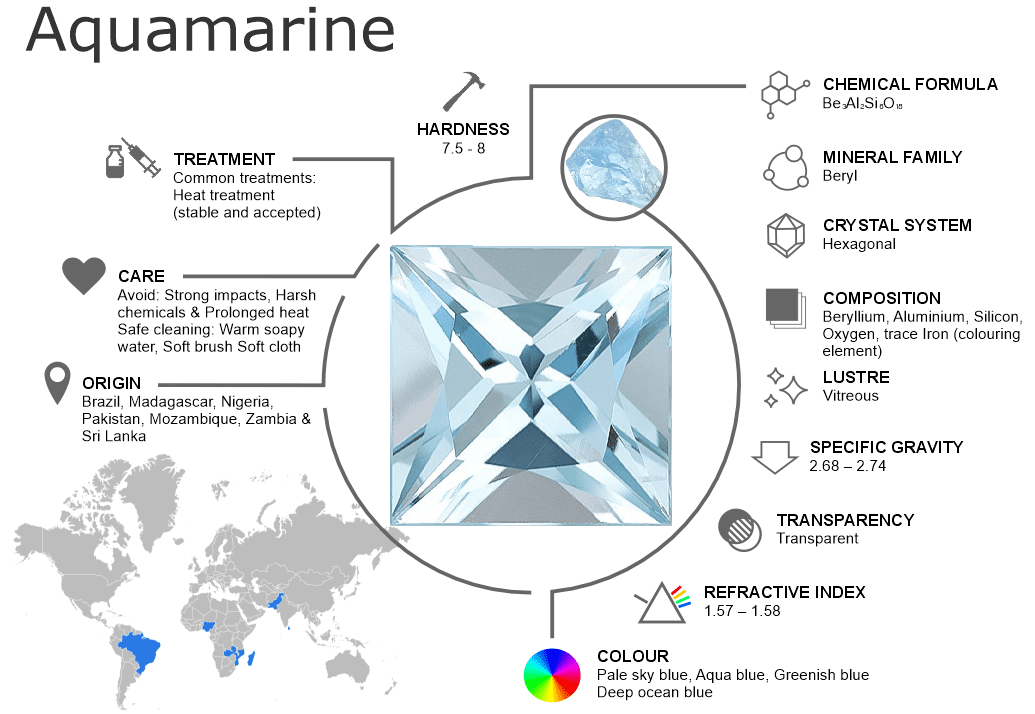
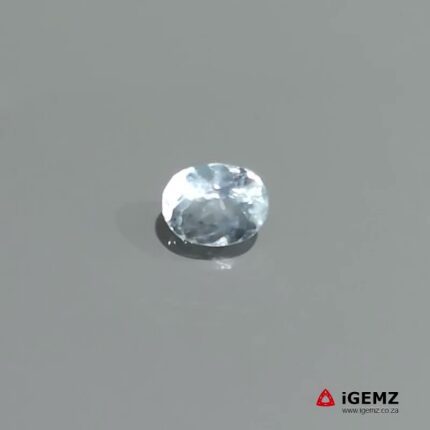
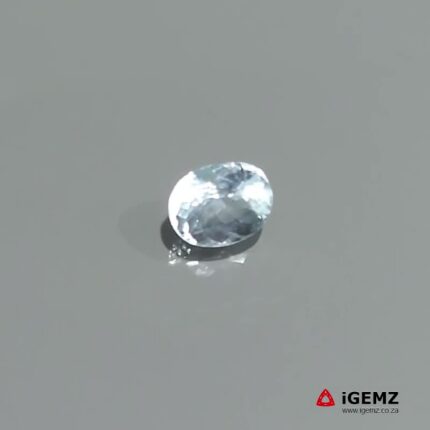
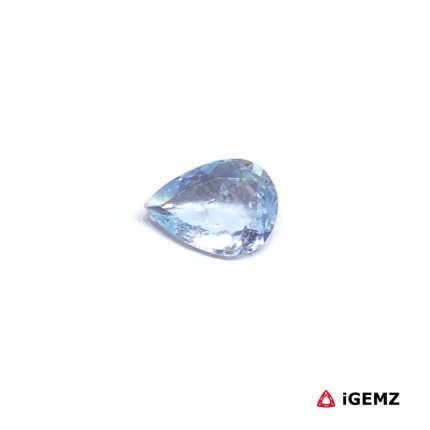
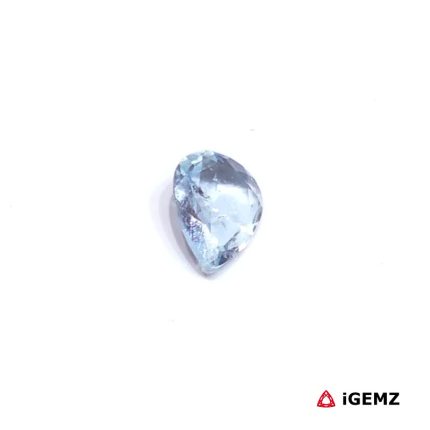
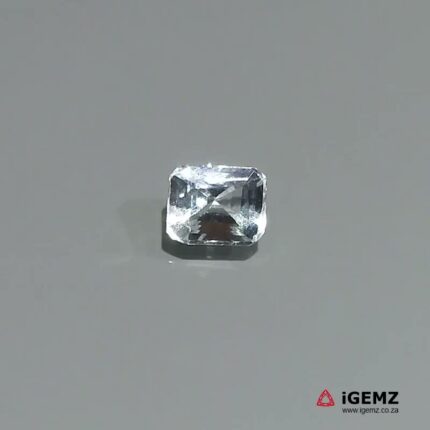
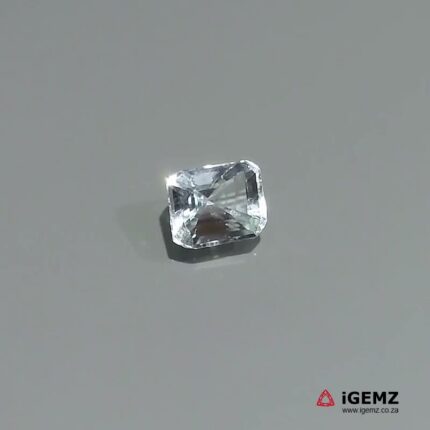
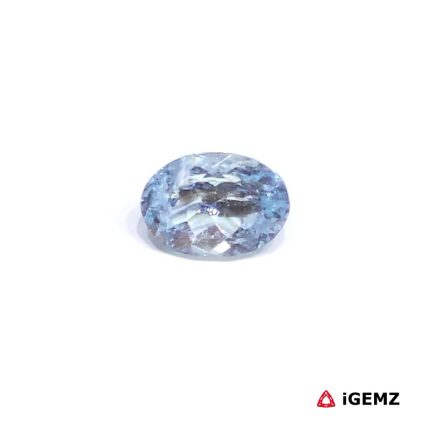
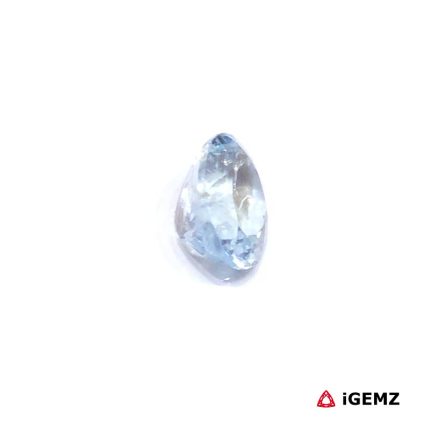
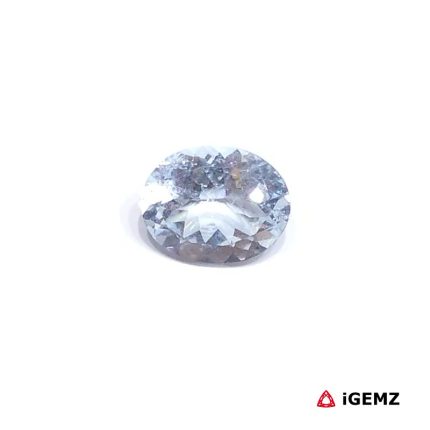
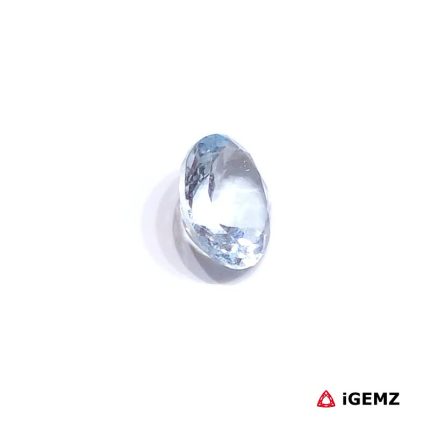
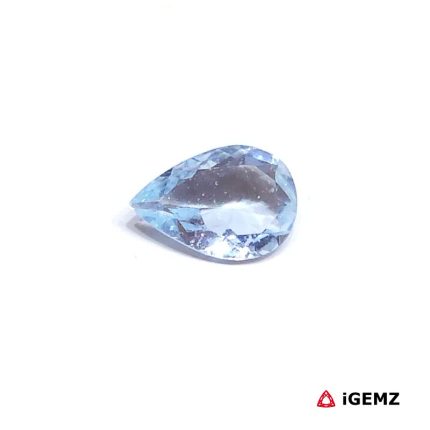
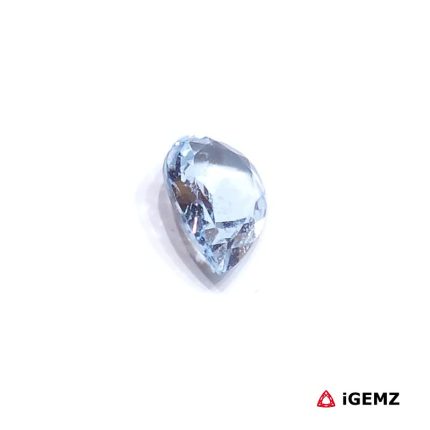
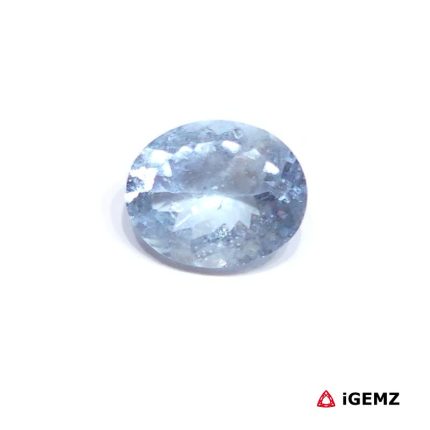
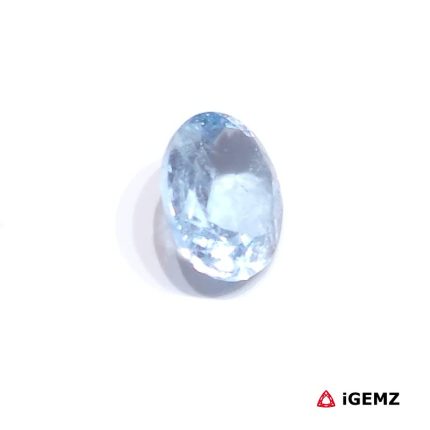
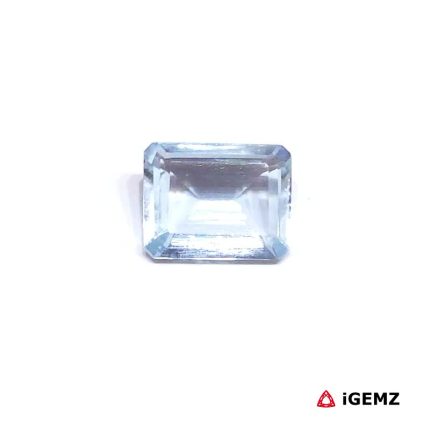
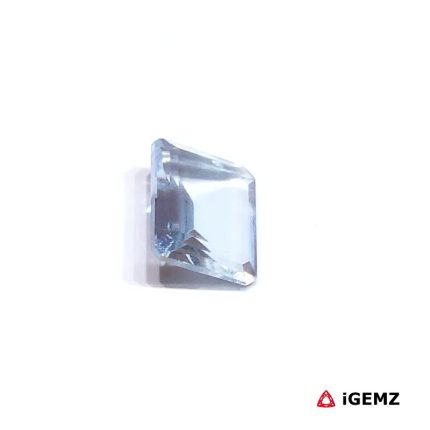
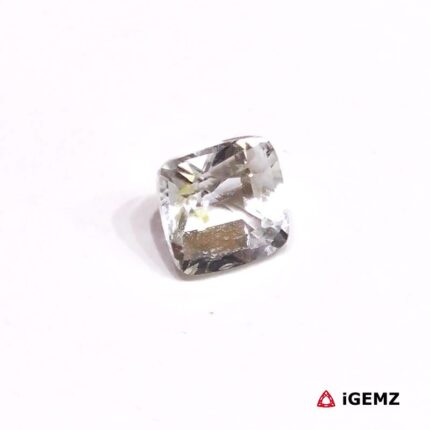
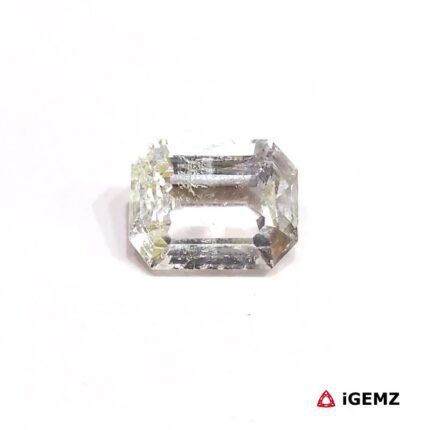
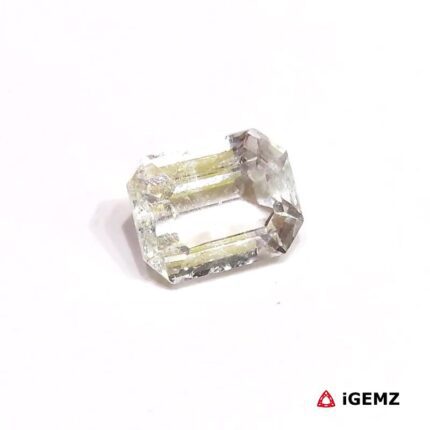
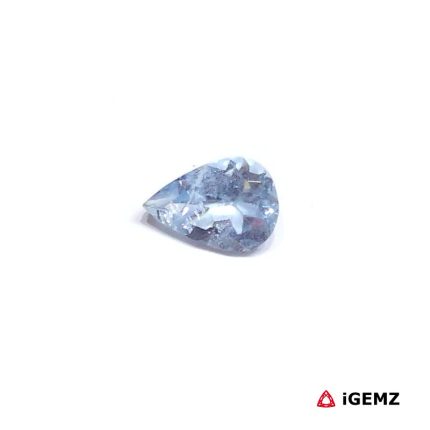
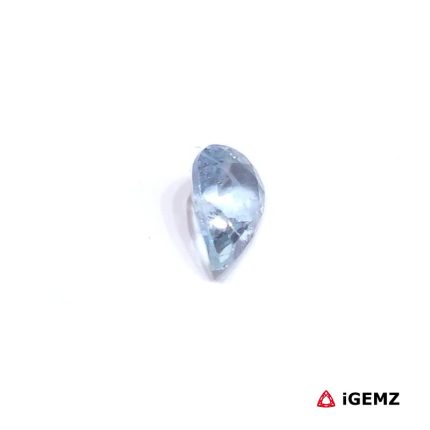
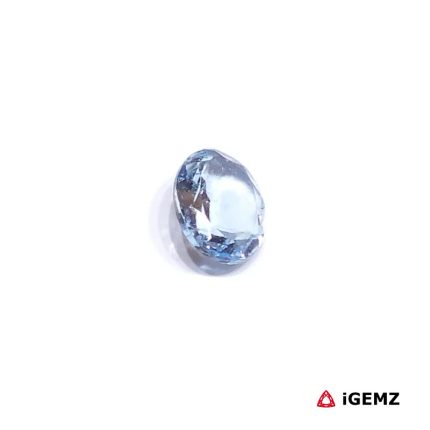
Aquamarine is one of the world’s most admired blue gemstones, celebrated for its calming ocean-like colour, excellent clarity and elegant brilliance. A member of the beryl family, aquamarine has been prized for centuries for both its beauty and durability, making it a favourite in fine jewellery.
In this guide we explore aquamarine from a professional gemmological and commercial perspective, covering its mineral composition, optical properties, durability, treatments, origins and how to identify high-quality stones.
What Is Aquamarine?
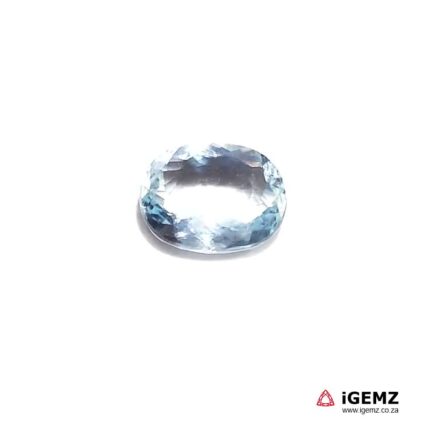
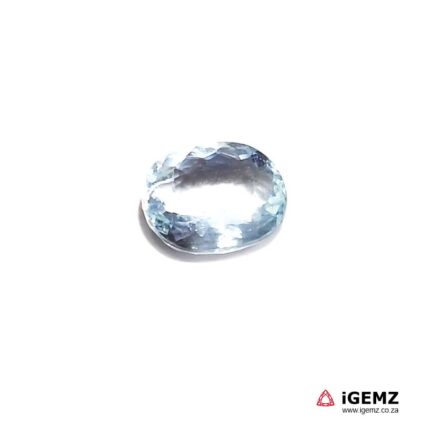
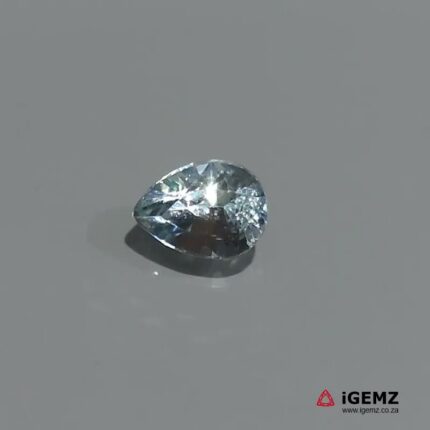
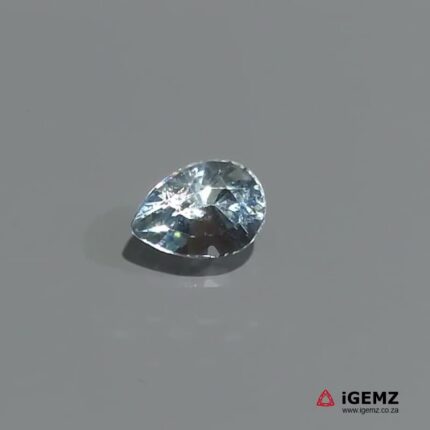
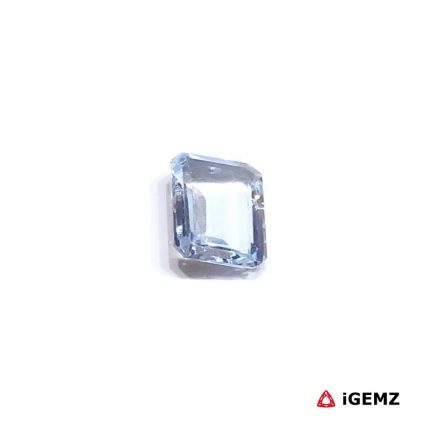
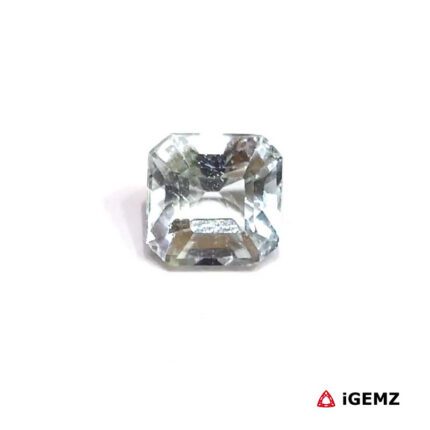
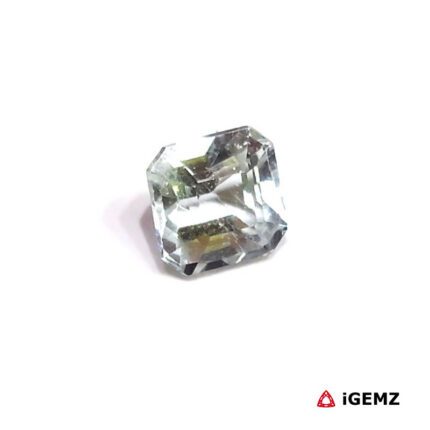
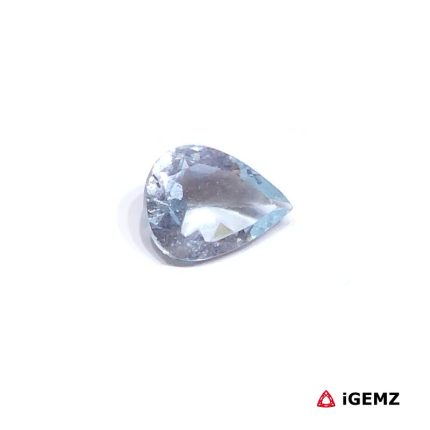
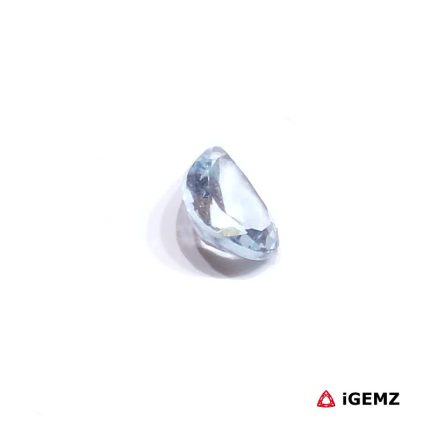
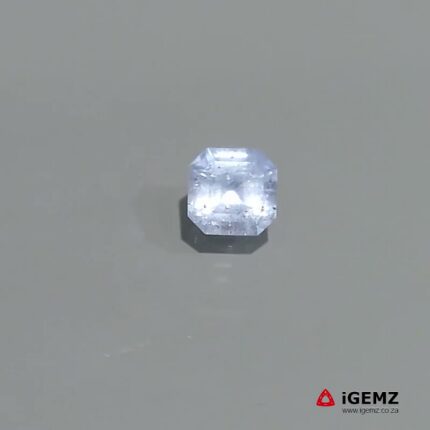
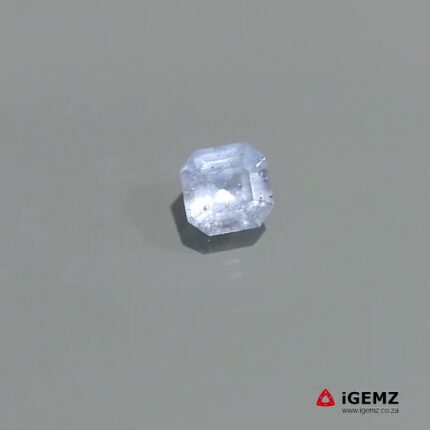
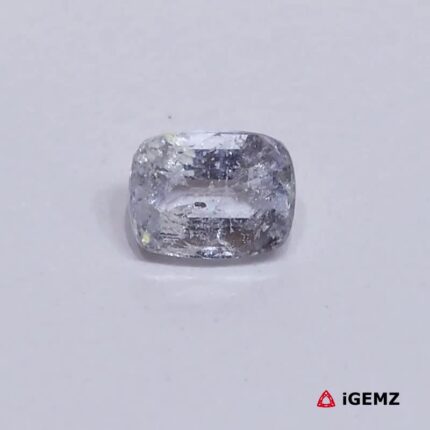
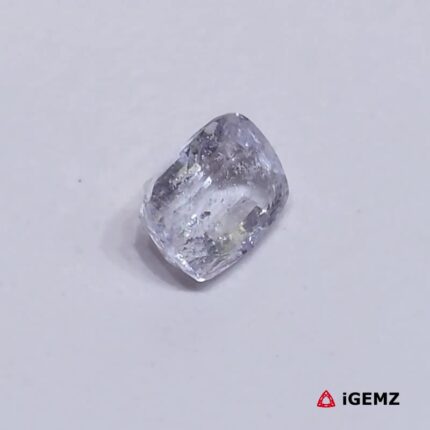
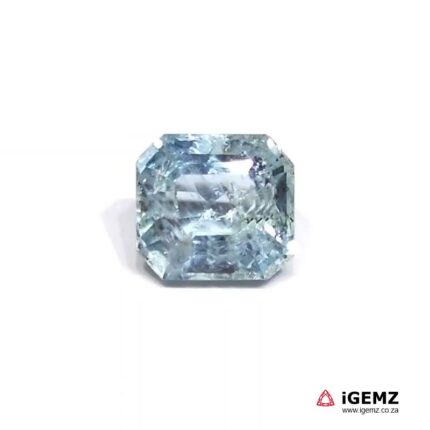
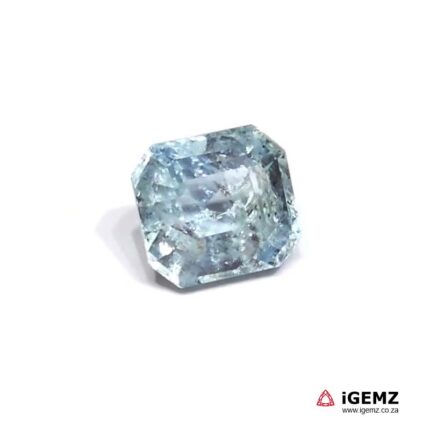
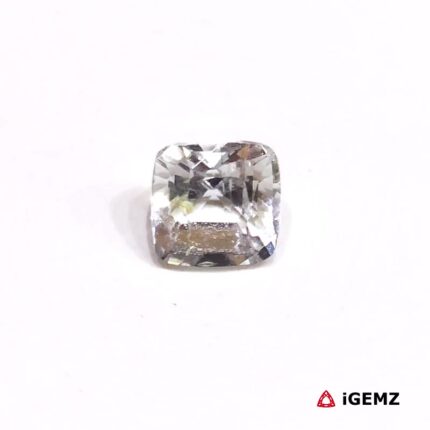
Aquamarine is the blue to blue-green variety of the mineral beryl, the same mineral family as emerald, morganite and heliodor. Its name is derived from the Latin “aqua marina”, meaning “water of the sea”, referencing its clear, ocean-like colour.
Aquamarine forms in granitic pegmatites and hydrothermal veins and is valued for its excellent transparency, crisp brilliance and superior durability compared to many other coloured gemstones.
Mineral Composition

Aquamarine has the chemical formula:
Be₃Al₂Si₆O₁₈
This means it is composed primarily of:
- Beryllium
- Aluminium
- Silicon
- Oxygen
The blue colour of aquamarine is caused by trace amounts of iron within the crystal structure.
- Low iron = pale blue
- Higher iron = deeper blue or blue-green
The most valuable aquamarines show a clear, saturated blue with minimal green or grey tones.
Mineral Family and Crystal System

Aquamarine belongs to the beryl family, a group of silicate minerals that also includes emerald and morganite.
Its crystal system is hexagonal, which produces long prismatic crystals with excellent clarity and structural strength.
This crystal structure contributes to aquamarine’s durability and its suitability for a wide range of jewellery designs.
Optical and Physical Properties
Aquamarine possesses excellent optical characteristics that make it highly desirable in fine jewellery.

Lustre
Aquamarine displays a bright vitreous (glassy) lustre, giving well-cut stones exceptional brilliance.

Transparency
Gem-quality aquamarine is transparent and highly valued for its clarity.

Refractive index
1.57 – 1.58
Aquamarine has a clean brilliance with subtle sparkle and excellent light return.

Specific Gravity
2.68 – 2.74
Aquamarine is slightly lighter than many gemstones such as sapphire and ruby, contributing to its comfortable wear while retaining excellent heft for a premium feel.
Colour Range
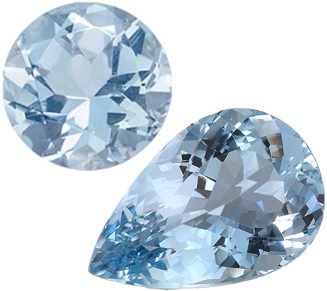
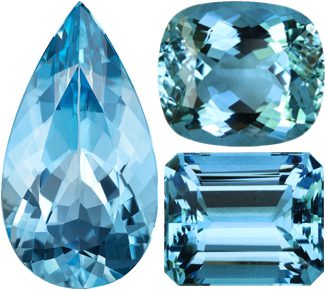
Aquamarine occurs in a range of blue shades:
- Pale sky blue
- Aqua blue
- Greenish blue
- Deep ocean blue (most valuable)
The finest aquamarines display a strong, even blue with excellent transparency and no grey or green undertone.
Mohs Hardness and Durability

Aquamarine has a Mohs hardness of 7.5 to 8, making it significantly more durable than many coloured gemstones.
It offers:
- Good toughness
- Excellent resistance to scratching
- Suitability for rings, earrings and daily wear
With proper care, aquamarine jewellery can last generations.
Treatments

Aquamarine is commonly heat treated to remove green or yellow tones and enhance its blue colour.
Common treatments:
- Heat treatment (stable and accepted)
Rare:
- Fracture filling (low-quality stones only)
Heat treatment is permanent and widely accepted within the gemstone trade.
Care and Cleaning
Aquamarine is relatively easy to care for.
Avoid:
- Strong impacts
- Harsh chemicals
- Prolonged heat exposure
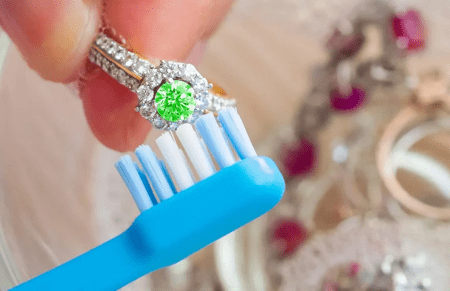
Safe cleaning:
- Warm soapy water
- Soft brush
- Soft cloth drying
Store separately from harder gemstones to avoid scratching.
Major Origins

Major aquamarine sources include:
- Brazil (world’s largest producer)
- Madagascar
- Nigeria
- Pakistan
- Mozambique
- Zambia
- Sri Lanka
Brazilian aquamarine is particularly prized for its clarity and colour consistency.


Frequently Asked Questions
Is aquamarine a natural gemstone?
Yes, aquamarine is a naturally occurring gemstone and a member of the beryl family.
Does aquamarine change colour?
Aquamarine is stable in colour, although most stones are heat treated to enhance blue tones.
Is aquamarine suitable for everyday wear?
Yes, with a hardness of 7.5–8, aquamarine is suitable for daily wear with normal care.
Is aquamarine more durable than emerald?
Yes. Aquamarine is much tougher than emerald and far less prone to cracking.
What is the most valuable aquamarine colour?
Deep, vivid blue with high clarity is the most valuable colour.
Is aquamarine treated?
Most aquamarine is gently heat treated to improve colour. This treatment is permanent and accepted.
How can I tell if aquamarine is real?
Real aquamarine has excellent clarity, a cool blue tone and a vitreous lustre. It is also harder than glass.
Where does aquamarine come from?
Major sources include Brazil, Madagascar, Nigeria and Pakistan.
Does aquamarine fade in sunlight?
No, aquamarine is stable and does not fade under normal light exposure.
Is aquamarine a birthstone?
Yes, aquamarine is the traditional birthstone for March.