

 1st - Gold

 January
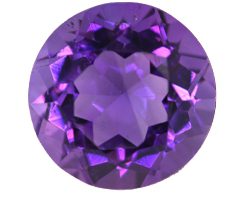 February
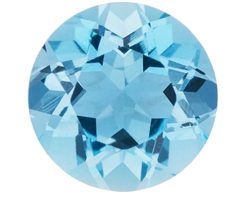 March
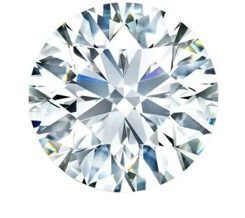 April
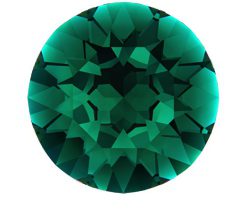 May
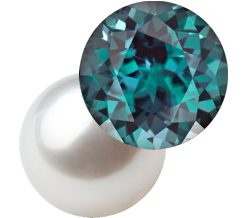 June
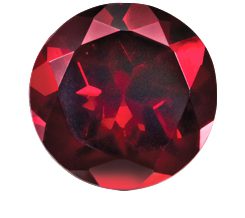 July
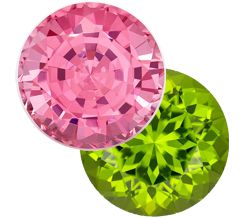 August
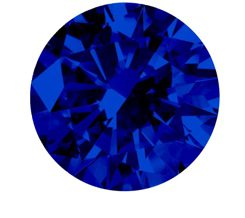 September
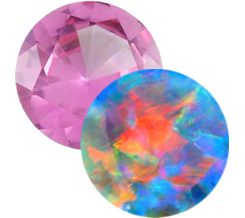 October
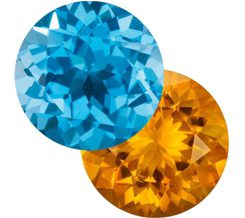 November
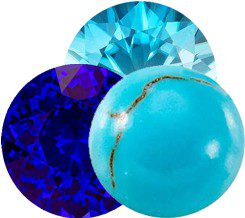 December

 Capricorn - Garnet
 Aquarius - Amethyst
 Pisces - Aquamarine
 Aries - Diamond
 Taurus - Emerald
 Gemini - Pearl
 Cancer - Ruby
 Leo - Peridot
 Virgo - Blue Sapphire
 Libra - Opal
 Scorpio - Topaz
 Sagittarius - Tanzanite

Exploring the Blue Green Gemstone Palette: Beyond the Word Teal
The Colour Edit · 8 min read
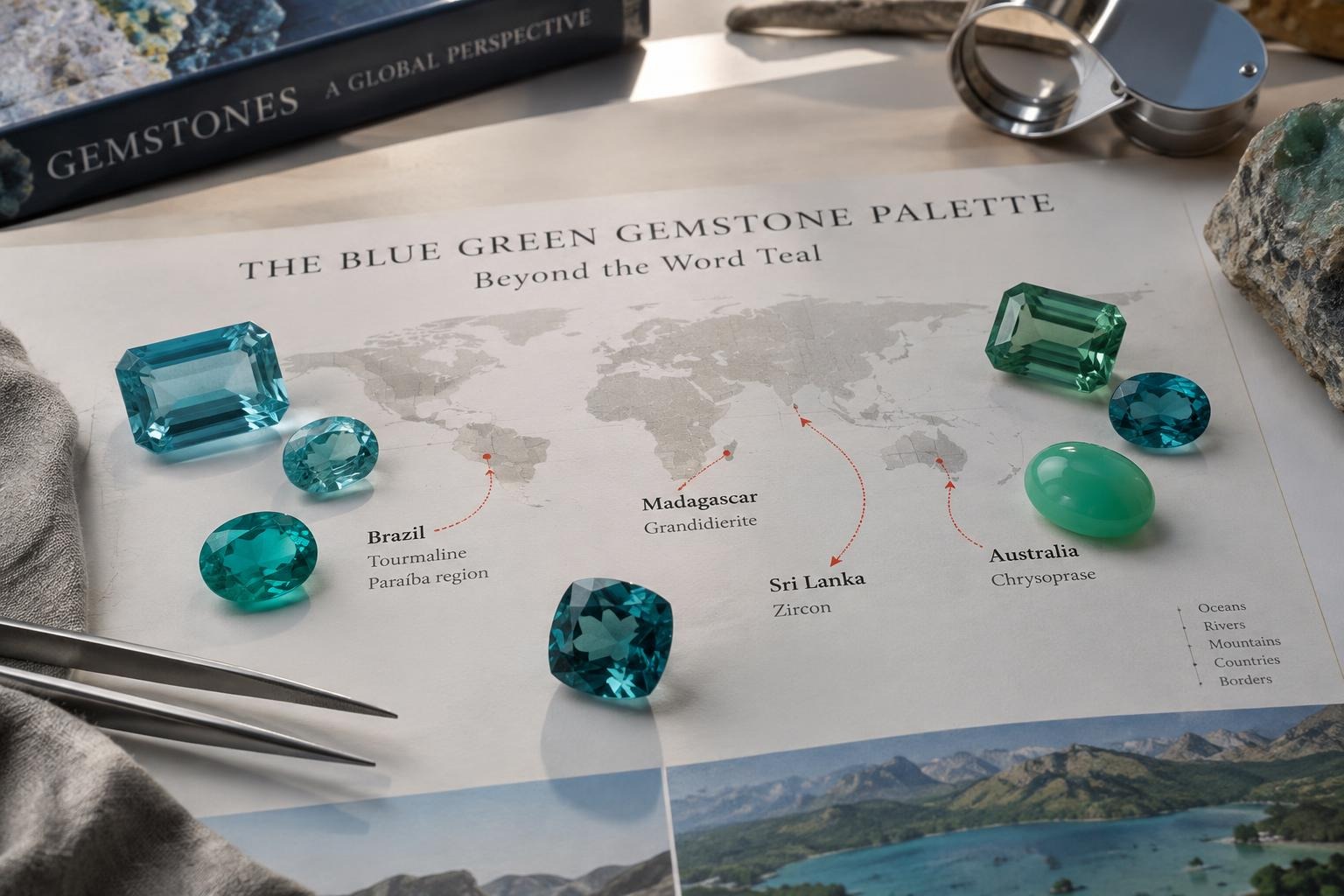
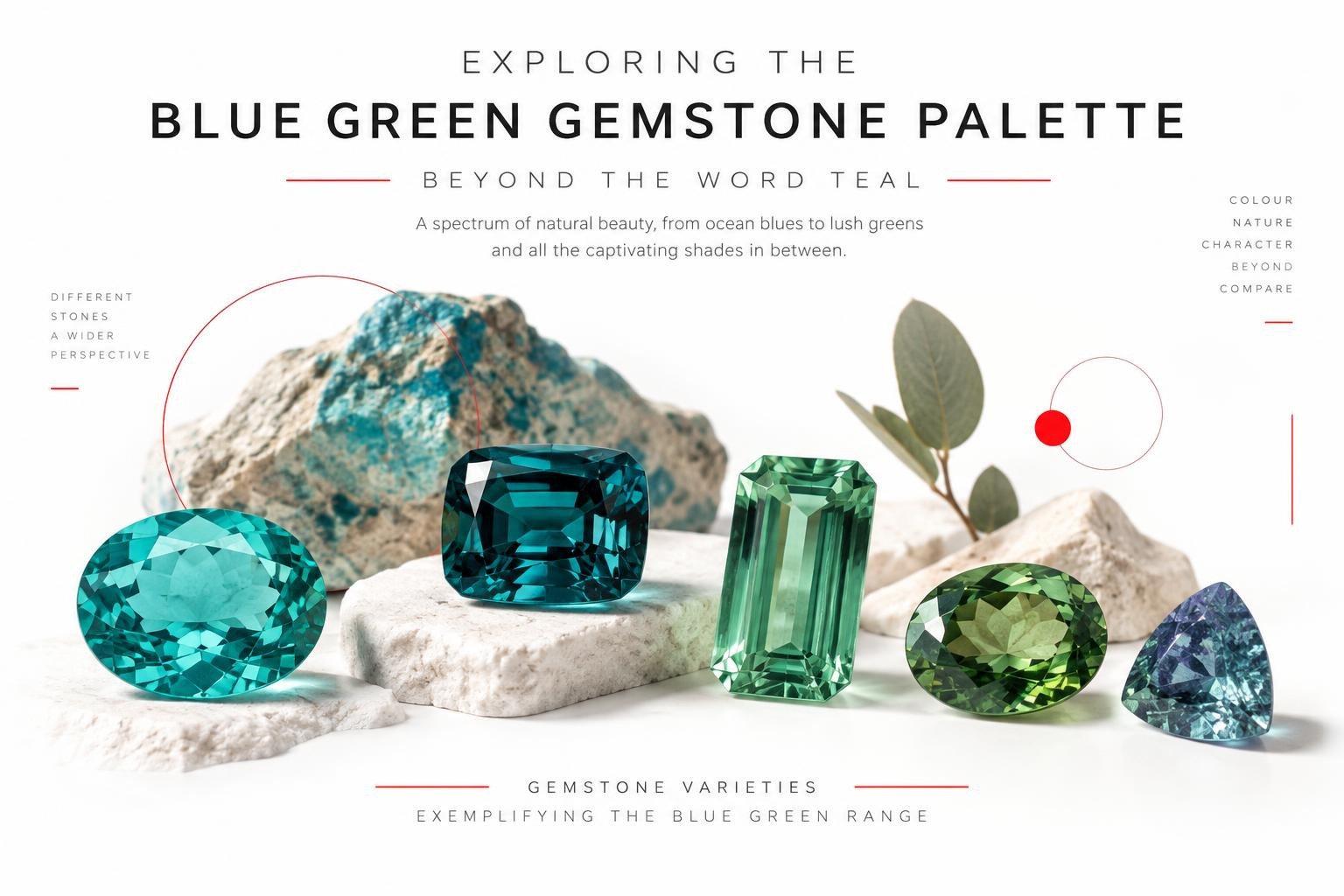
The blue green gemstone palette encompasses a captivating spectrum of shades that go far beyond the familiar word 'teal'. Whether your preferences lean toward cooler blues, vibrant aquas or soft seafoam tones, this rich colour family offers distinctive avenues for personal expression and collecting. Exploring this diverse palette allows gemstone enthusiasts to connect with subtle colour variations, each carrying its own charm and character. This guide helps you break down the blue green spectrum into specific visual tastes and understand practical ways to select loose faceted gemstones that resonate with your own aesthetic sensibilities.
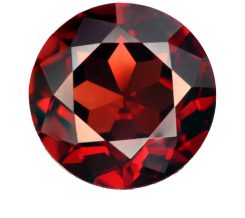
The image is for illustration purposes and is not an actual stock item.
01
Explore the blue green gemstone palette beyond the simplistic label ‘teal’ to discover your preferred shade range.
02
Consider gemstone species, cut and shape alongside colour to best express your personal visual style.
03
Balance aesthetic choices with practical details like hardness and size-to-carat ratio for informed selection.
Understanding the Blue Green Gemstone Palette
The blue green gemstone palette features an alluring blend of colours that intertwine blue and green in varying proportions, presenting a visual feast of shades ranging from cool indigos to soft minty greens. Unlike narrower shades like teal, this broader palette embraces subtle transitions and gradations, providing endless inspiration for collectors seeking unique colour expressions. The interplay between blue and green affects perceived depth and vibrancy. Some gemstones, leaning closer to blue, evoke serene oceanic moods, while others shift toward green, suggesting freshness and nature. Appreciating this continuum encourages thoughtful exploration beyond simple colour labels, enhancing gemmological understanding and selection.
Personal Visual Preferences Within Blue Green Shades
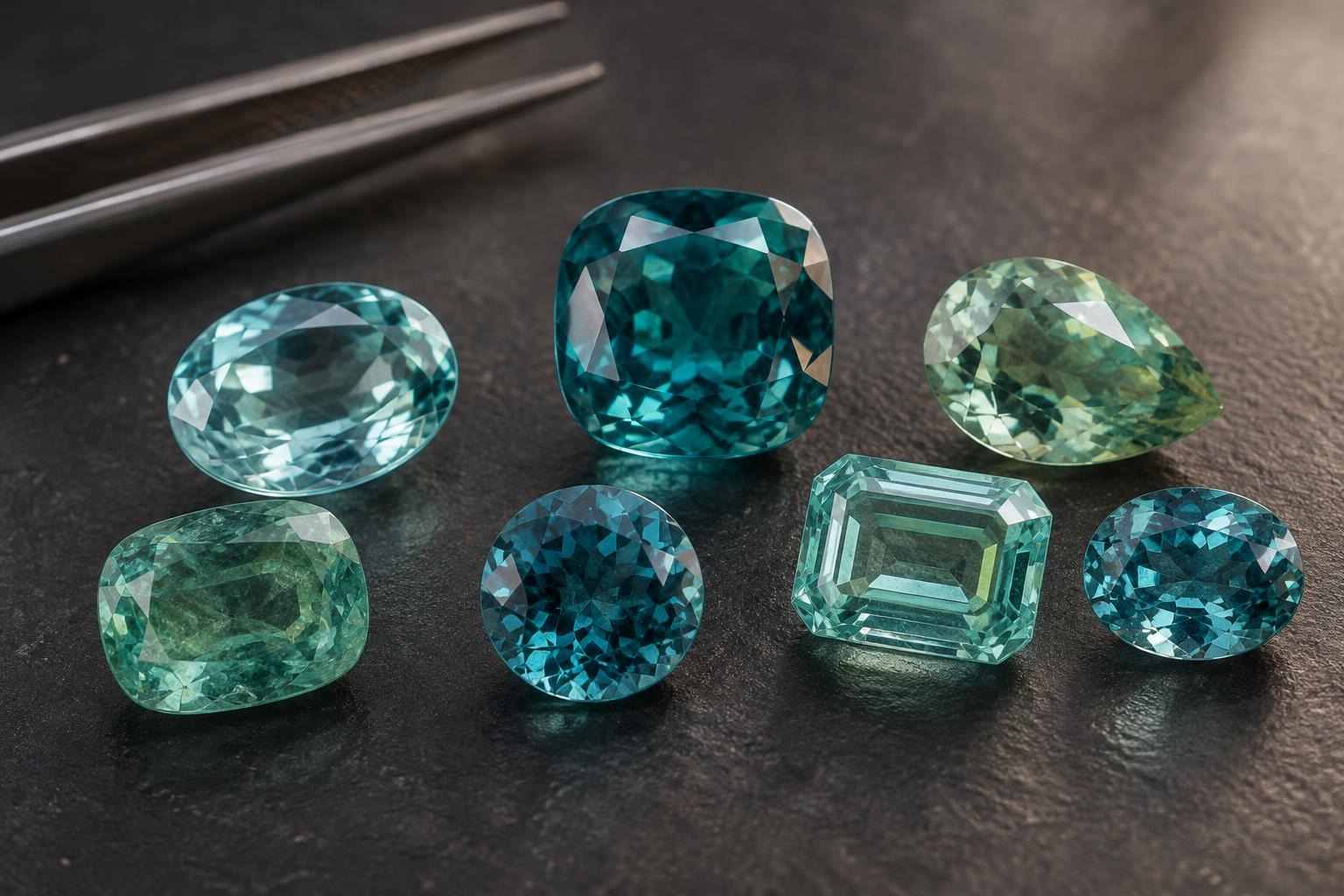
Blue green hues can trigger diverse personal reactions influenced by cultural, emotional or aesthetic experiences. Some individuals prefer the intensity of rich blue greens, akin to deep sea waters, associating them with calm and sophistication. Others are drawn to lighter aqua tones that feel playful and ethereal, or to more muted grassy greens offering understated elegance. Recognising your particular affinity within this range helps in tailoring gemstone choices more effectively. Reflecting on your lifestyle, wardrobe colours, or inspiration sources—such as landscapes or art—can guide which segment of the palette truly resonates with you.
Gemstone Varieties Exemplifying the Blue Green Range
Several mineral species and gemstone varieties showcase blue green colours across the spectrum. Aquamarine, a beryl variety, is often found in pale to medium blues with subtle green undertones, lending itself to cooler blue green tastes. Tourmaline offers an impressive colour range, including vibrant teal-like and bluish greens, ideal for those favouring more vivid hues. Chrysoprase presents a refreshing apple green with a cool influence from blue, suitable for muted preference collectors. Other options such as apatite, kyanite and prehnite provide nuanced variations within the palette, offering choices for sophisticated palettes. Each gemstone’s cut, clarity and size contribute to how the blue green shade is perceived, underscoring the value in exploring multiple varieties.
How Shape and Cut Influence Perception of Blue Green Colours
A gemstone’s cut and shape play a significant role in highlighting or softening its blue green colour nuances. Brilliant cuts with numerous facets enhance sparkle and can intensify colour saturation by reflecting light best. Emerald and rectangular cuts, with their larger facets, often bring out more subtle colour shifts and depth, suitable for stones with complex hues or noticeable inclusions. Rounded cabochons display colour uniformly, ideal for more delicate or less intense blue green tones. Considering how light interacts with the gemstone—its brilliance, dispersion and depth—can guide you in selecting stones that align with your desired colour expression within the blue green palette.
Layering and Combining Blue Green Gemstones for Collecting
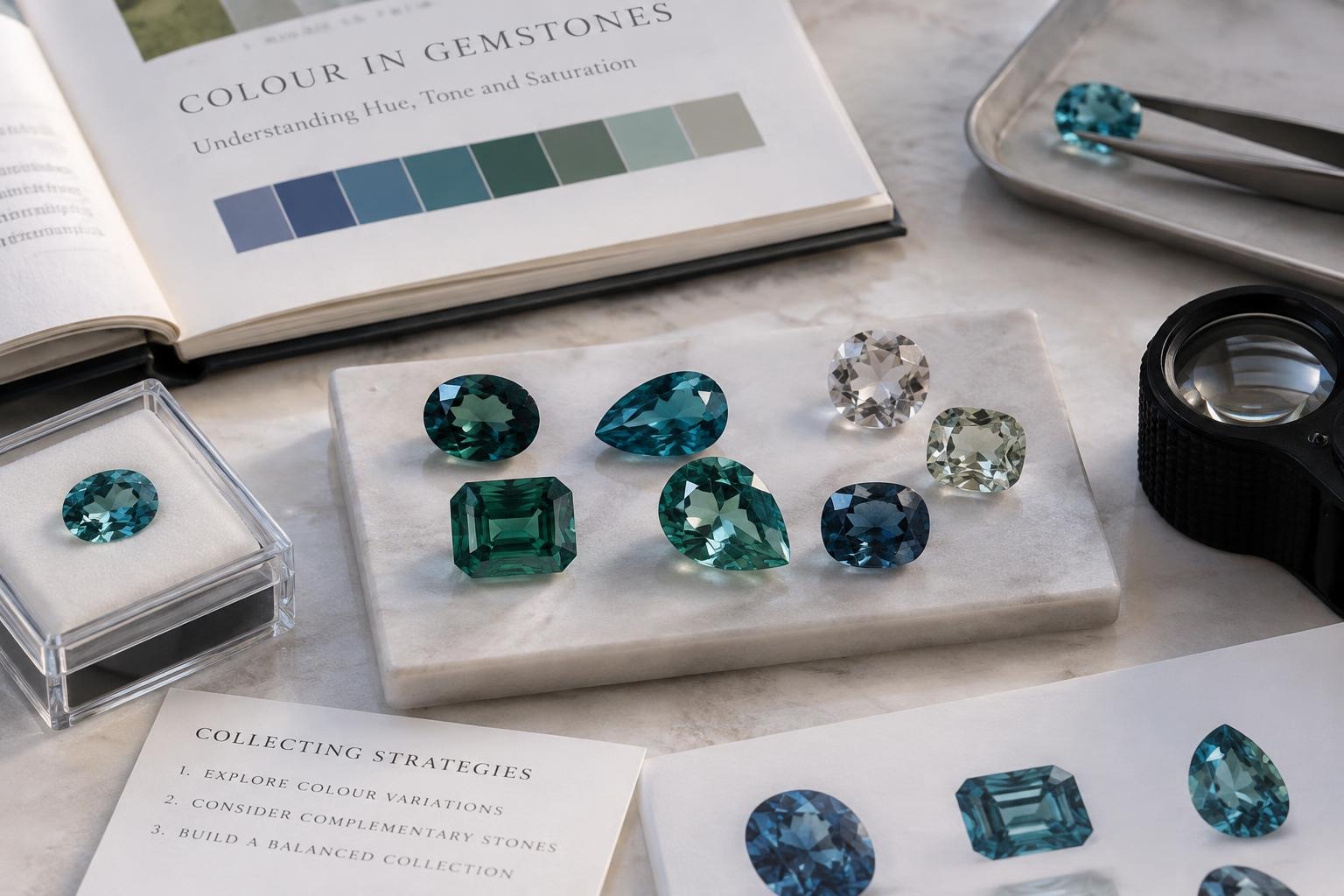
Collecting loose gemstones within the blue green palette can be rewarding when organising stones by visually distinct preferences rather than a single label. Grouping stones by cooler blue dominance supports a marine-inspired collection, while a green-leaning group might evoke botanical themes. Combining various mineral species with complementary cuts enhances diversity and interest without sacrificing colour harmony. Pairing stones from the blue green spectrum with neutral or contrasting colours broadens creative possibilities. This approach enables collectors and trade buyers to curate unique gemstone selections that reflect personal taste across the palette’s expansive range.
Selecting Blue Green Gemstones Based on Practical Considerations
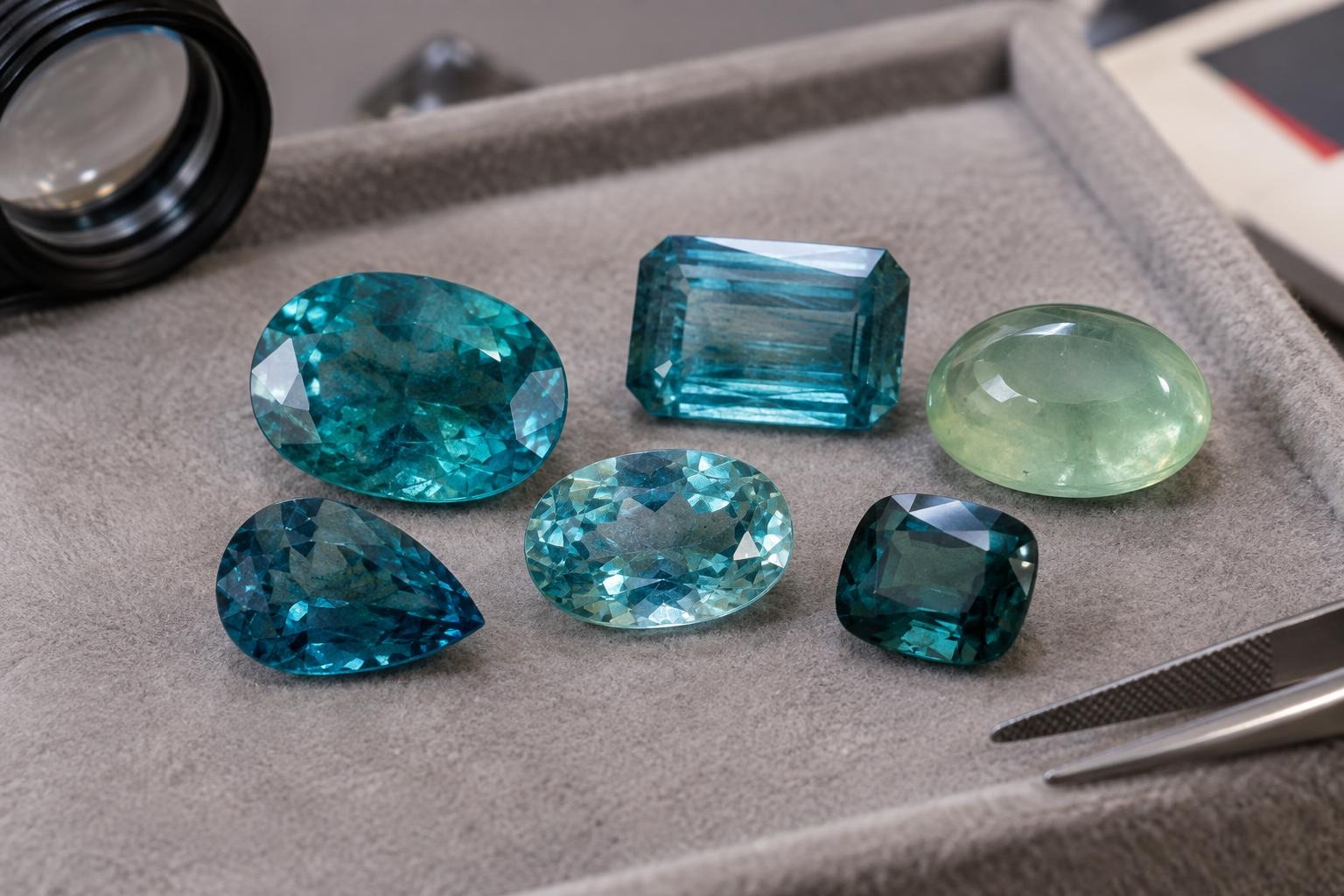
Beyond colour preference, practical factors influence blue green gemstone selection. Hardness affects suitability for different jewellery applications, even though this guide focuses on loose stones. For example, beryl (aquamarine) ranks around 7.5-8 on the Mohs scale, offering good durability. Tourmaline and apatite are somewhat softer, so knowledge of their properties assists in educated buying decisions. Additionally, carat weight relative to millimetre size influences visual impact and value perception; reference to the guide on Carat Weight vs Millimetre Size: Choosing a Gemstone That Fits provides useful insights. These considerations help balance aesthetic desires with functional realities.
Avoiding Common Colour Misconceptions in Blue Green Stones
When exploring the blue green gemstone palette, it is important to avoid assumptions based solely on colour or images. Colour shifts can occur under varying lighting, but this differs from genuine colour change phenomena and should not lead to assumptions about treatment or origin. Photographs may exaggerate or mute tones, so professional gemmological evaluation is recommended to confirm identity and natural status. Furthermore, terms like ‘teal’ may not fully capture the subtlety of blue green hues, so rely on precise descriptions and personal observation rather than generic labels.
Further Reading and Related Resources
For readers interested in deeper exploration, related guides provide detailed knowledge about many blue green gemstone varieties. For example, the iGemz guides on Aquamarine Gemstones – Properties, Origins, Treatments and Buying Guide and Tourmaline Gemstones – Properties, Origins, Treatments and Buying Guide offer in-depth insight. Additionally, practical advice on the effect of lighting on gemstone colour is discussed in Why the Same Gemstone Looks Different in Different Lighting. Engaging with these materials enhances informed choices within the blue green gemstone palette.
Beyond the closely related hues often grouped under 'teal', the blue green gemstone palette reveals a fascinating interplay between colour temperature, brightness and saturation that shapes individual preferences. For example, some collectors favour cooler blues with subtle green hints that evoke a watery calmness reminiscent of polar ice or deep lakes. Others might lean toward warmer, greener stones that feel lively and organic, suggestive of mosses or shallow tropical waters. This distinction extends to the preferred intensity — whether a softly muted, smoky aquamarine or a vivid, almost electric blue-green tourmaline. Understanding where your eye finds balance between these qualities can transform how you build a collection and choose individual stones.
When arranging loose faceted gemstones within this spectrum, the gemmologist’s appreciation for cut quality becomes crucial. Certain cuts, such as the radiant or cushion, can amplify a stone’s brilliance, making saturated blue green colours appear more vibrant and luminous. Meanwhile, step cuts like emerald cuts highlight transparency and subtle colour nuances, which may serve stones with more complex or layered hues well. This interplay illustrates a practical point: the same mineral species and colour shade may offer countless visual personalities, depending on how the facets refract and reflect light. Collectors and buyers benefit by closely examining faceting styles to identify which combination most effectively showcases their favourite blue green tones.
Beyond visual nuances, practical examples help to clarify this palette’s reach. Look at aquamarines ranging from pale turquoise with barely-there green undertones to richer blue greens that suggest subtle seascapes. Alternatively, compare a chrome-rich chrysoprase showing minty green vibrancy with a cooler, bluer tourmaline that borders on teal or oceanic hues. Apatite and kyanite contribute more unusual tones; apatite sometimes appears as electric blue green flashes, challenging conventional colour boundaries, whereas kyanite offers pleochroism, allowing previewing slightly different blues and greens from varied angles. These differences provide tangible ways to find personal favourites within an impressively wide and nuanced blue green gemstone palette.
It is also worth noting that layering your loose stones by grouping them according to these finer colour distinctions can enhance enjoyment and visual coherence. For example, a collection might focus on 'aquatic serenity' with predominantly cooler, calmer blue greens, or 'verdant vibrancy' featuring stones leaning clearly toward green with blue undertones. Such organising principles help in categorising stones for future purchase decisions and for aligning with design intentions if the loose stones are acquired for setting by a jeweller. Thoughtful curation within the palette reflects a collector’s identity as much as mineralogy, continuing the resonance of the stones beyond simple colour naming conventions.
When contemplating the 'blue green gemstone palette', it’s important also to appreciate the dynamic qualities of colour perception. Lighting conditions, viewing angles and even surrounding colours can alter the apparent balance of blue and green visible in a stone. This variability adds rich complexity but also considerations for tried-and-tested selection methods. Evaluating gemstones in diverse light sources without relying solely on online photographs is advisable. While this guide does not cover buying processes, understanding how such factors modulate colour perception can reduce surprises when receiving loose gemstones and foster more confident, satisfying acquisitions. This aspect highlights that personal preference often converges with technical insight for the best outcomes.
Finally, recognising the diversity encompassed within the blue green gemstone palette invites collectors and buyers to embrace stones that may not conform to expected norms or cataloguing standards. Experimenting with lesser-known varieties or stones exhibiting unique hues within the continuum can lead to discovering rare visual statements. The aesthetic appeal of loose faceted gemstones lies partly in their ability to surprise and delight, offering each individual a personal connection to the colours that most inspire them. Such an approach encourages selective collection development, not by chasing trends but by nurturing authentic visual preferences that resonate long-term.
Summary: Three Key Takeaways for Blue Green Gemstone Enthusiasts
1. The blue green gemstone palette is a broad continuum; explore beyond the word ‘teal’ to discover personal visual favourites.
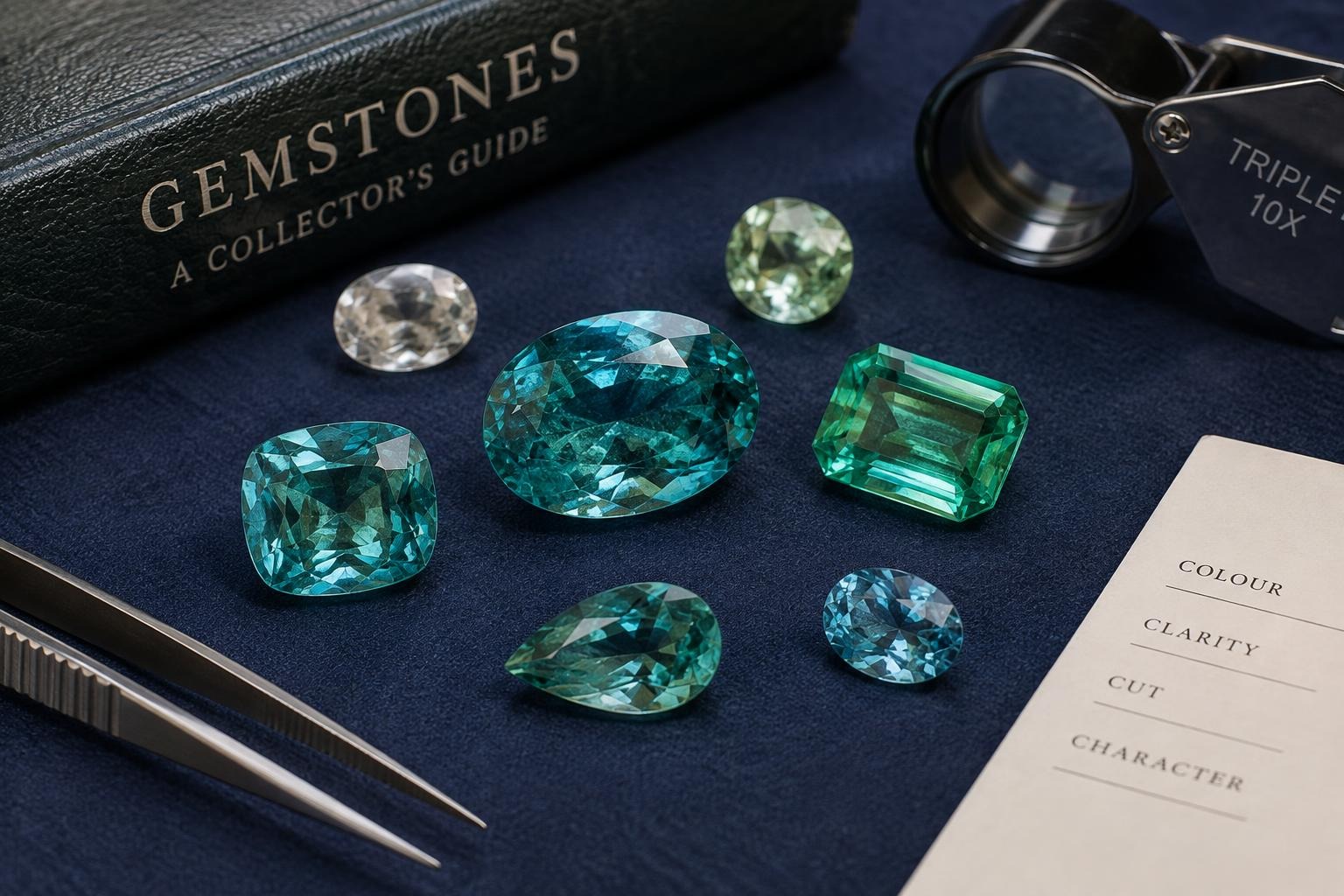
2. Consider shape, cut and gem species alongside colour when choosing stones to capture your desired expression within the palette.
3. Practical gemstone properties, including hardness and size-to-carat ratios, are essential to balance aesthetics with usability.
Your inspiration questions, answered
What minerals typically display blue green colours?
Several minerals show blue green hues including beryl (aquamarine), tourmaline, chrysoprase, apatite, and prehnite. Each offers unique shades and saturations within the palette.
Does the term 'teal' cover all blue green gemstone colours?
No, teal is just one specific shade in the broader blue green gemstone palette. The range includes many hues from pale aqua to deep forest green influenced blue tones.
How does lighting affect blue green gemstone colours?
Gemstone colours can appear different under varied lighting conditions, which is a normal optical effect. This differs from colour change and should be considered when viewing loose stones.
Are all blue green gemstones equally durable?
No. Hardness and durability vary between species. Aquamarine is relatively hard, while apatite is softer and may require careful use if set in jewellery.
Can I identify a blue green gemstone’s treatment from its colour?
No reliable identification of treatment or origin can be made from colour or photographs alone. Professional gemmological testing is necessary for accurate information.
Start with a gemstone. Make it your own.
Explore the diverse blue green gemstone palette and discover your perfect loose gemstone today.