



 1st - Gold


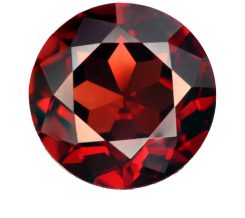 January
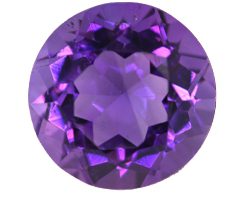 February
 March
 April
 May
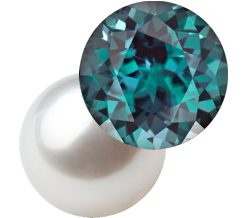 June
 July
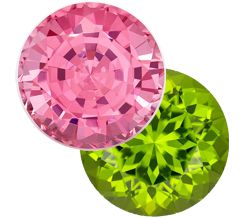 August
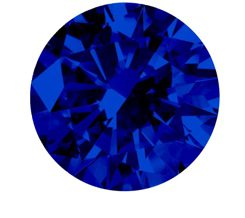 September
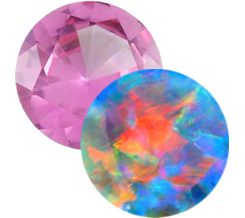 October
 November
 December

 Capricorn - Garnet
 Aquarius - Amethyst
 Pisces - Aquamarine
 Aries - Diamond
 Taurus - Emerald
 Gemini - Pearl
 Cancer - Ruby
 Leo - Peridot
 Virgo - Blue Sapphire
 Libra - Opal
 Scorpio - Topaz
 Sagittarius - Tanzanite



Reading a Loose Gemstone Listing Sold as a Parcel
Gemstone Journal · 10 min read
When shopping for loose gemstones online, encountering parcel listings is common. Gemstone parcel listings bundle multiple stones together, often sold by total mass or count rather than individually. Understanding how to read these listings is crucial for making informed choices. This guide clarifies how to interpret total mass, stone count, size ranges, representativeness, and the availability of individual data within parcels. You’ll learn to distinguish between documented facts and illustrative examples, equipping you to navigate gemstone parcel listings confidently.
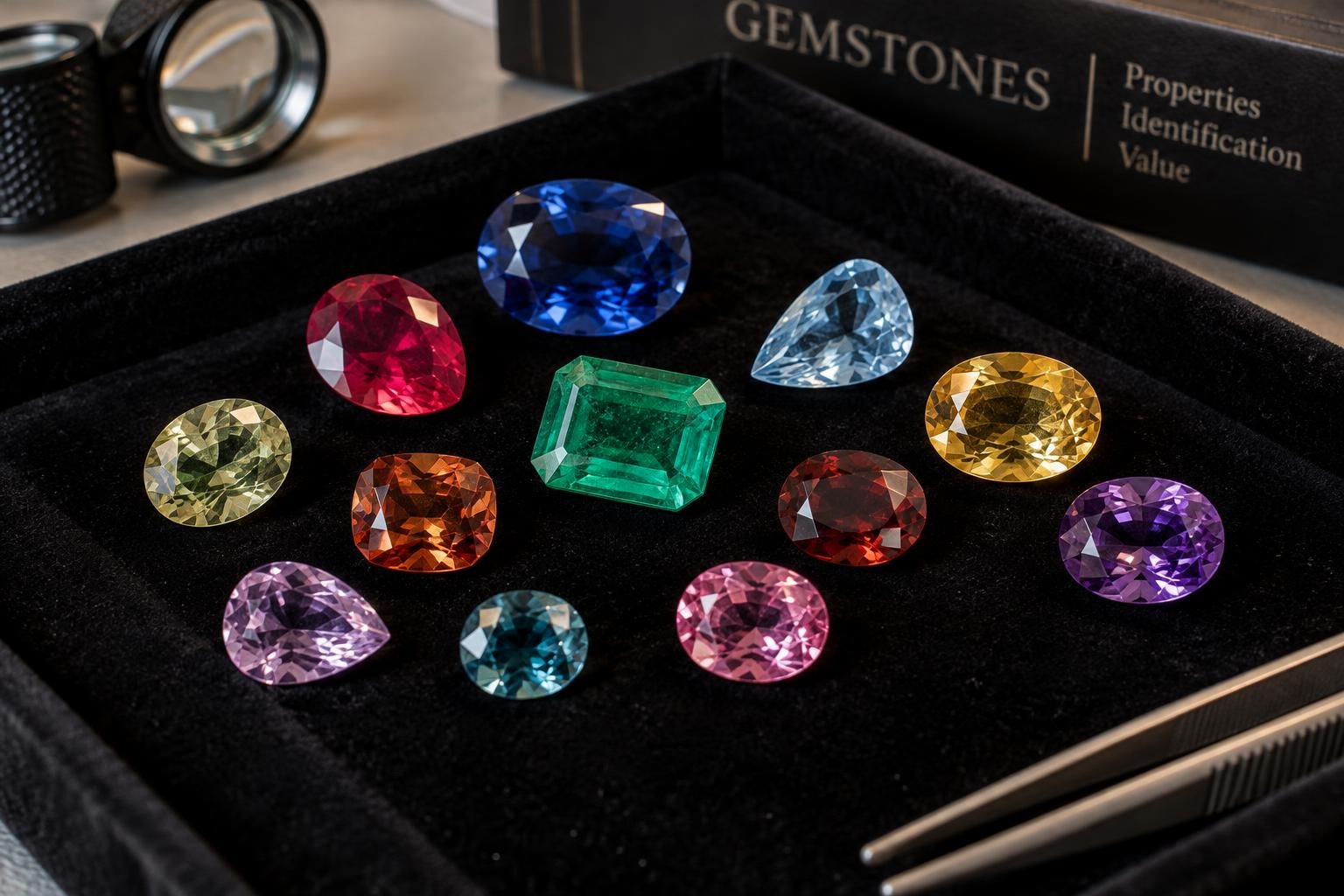
The image is for illustration purposes and is not an actual stock item.
What Is a Gemstone Parcel Listing?
A gemstone parcel listing refers to the sale of multiple loose gemstones grouped together as a lot or batch rather than sold singly. In these listings, sellers usually provide aggregate information such as the total mass in carats, approximate number of stones, and general size range. Unlike individual gemstone listings, parcels do not always come with detailed data on each stone’s exact carat weight, dimensions in millimetres, or individual quality characteristics.
Parcel listings serve buyers seeking stones for bead-making, multiple jewellery projects, or resellers requiring bulk quantities. However, purchasing via a parcel means buying an assortment rather than a single-cut centre stone, and it requires understanding how the parcel’s data summarises the contents.
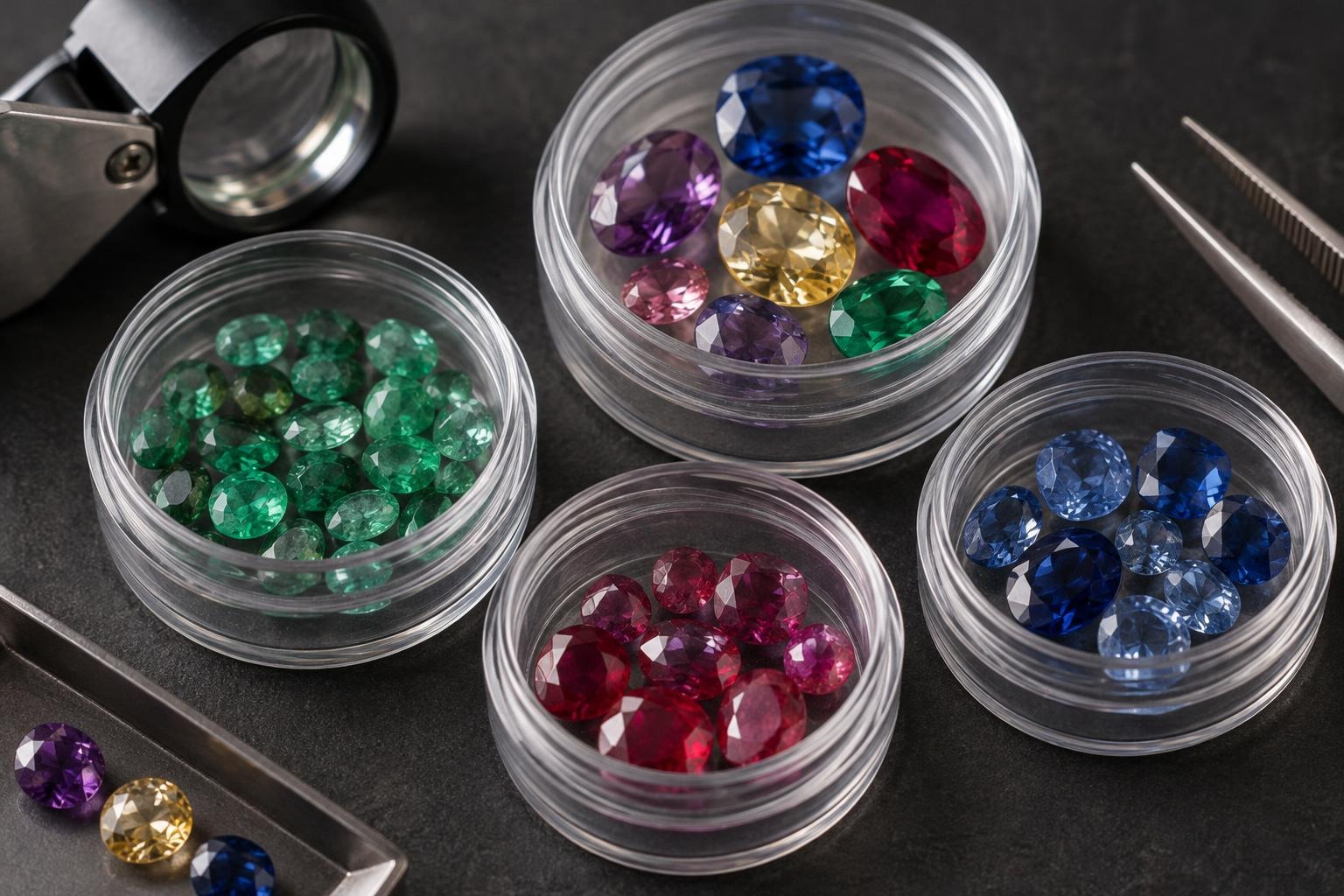
It is important to note that gemstone parcels vary widely in how much detail the seller provides. Some list exact counts and size ranges; others only give total carat mass. Always check how transparent the listing is about individual stone information to assess suitability for your needs.
Understanding Total Mass and Count in Parcel Listings
The total mass in carats is often the headline figure in a parcel listing. It indicates the combined weight of all gemstones in the parcel. For instance, a parcel might be described as containing 100 carats total weight (cttw), representing how much the batch weighs collectively rather than each stone’s weight individually.
Knowing the total count of stones is equally important. Listings sometimes specify the approximate or exact number of stones included, such as a parcel of 25 green tsavorites. This helps buyers understand the average size per stone when combined with the total mass figure.
If the parcel listing provides both total mass and count, you can estimate the average carat weight per stone by dividing total carats by the number of stones. Remember, this is an average — individual stones can vary widely in size within the parcel.
Bear in mind that these total and count figures are factual data from the parcel as a whole, but lack detail at the individual stone level unless otherwise stated.
Decoding Size Range and Representativeness
Parcel listings often include a size range in millimetres to describe the smallest and largest stones in the batch. For example, a parcel might note the stones range from 3 mm to 8 mm across. This informs how uniform or varied the parcel is in size, but it does not guarantee an even distribution of stones throughout the range.
Size range data is helpful but can be misleading if taken as indicative of parcel consistency. Often, parcels contain many stones clustered around the lower end of the size range with only a few larger examples. This uneven distribution is natural in gemstone parcels.
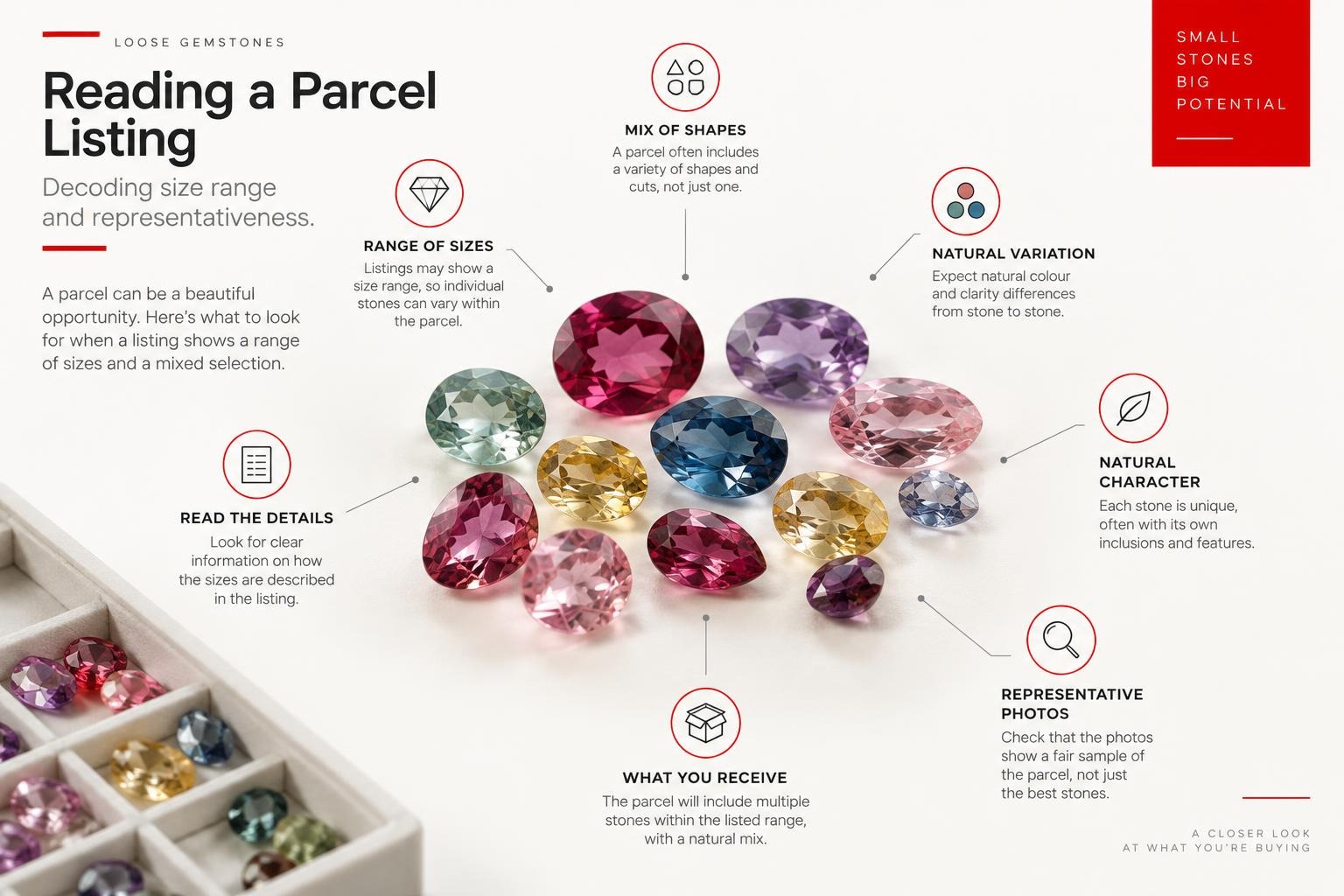
Representativeness refers to whether the parcel data (mass, count, size range) truly reflects the stones you receive. Some parcels are carefully selected subsets representing consistent quality and size. Others are mixed assortments, and the listing should clarify which applies.
If the listing does not explicitly state how representative the parcel is or if it is a random assortment, buyers should approach with caution and ask for clarification when necessary.
Can Individual Stone Data Be Available in Parcels?
Typically, gemstone parcel listings provide aggregate rather than individual data. However, some listings or sellers might supply detailed information per stone within the parcel: specific carat weights, millimetre measurements, or quality grades for each stone.
Having individual data can significantly enhance buyer confidence, allowing for better evaluation and comparison with other lots or single stones. This is especially valuable when parcels contain fewer stones where individual variability critically affects overall value.
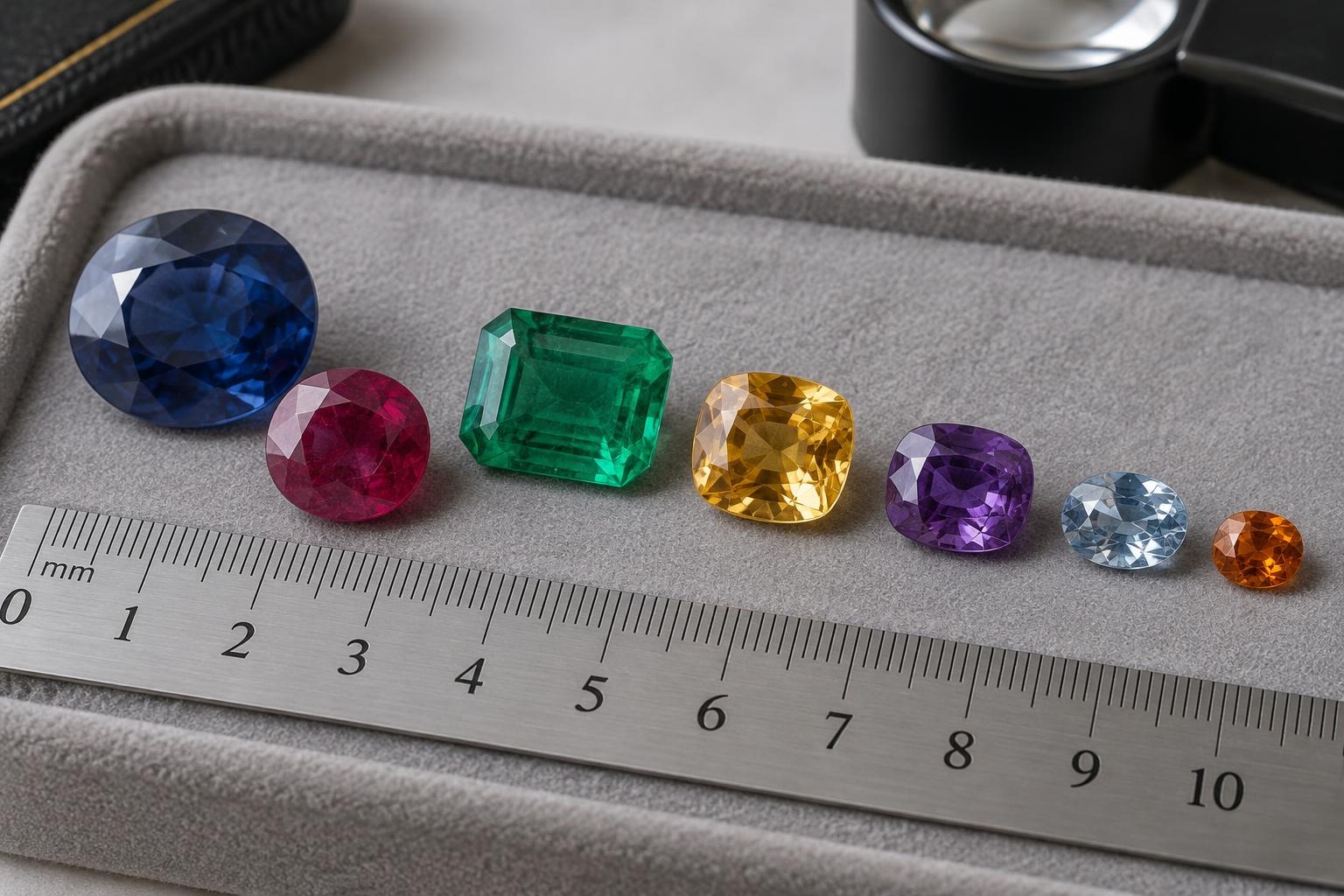
In the absence of such data, buyers rely on averages and ranges, bearing in mind the increased uncertainty about the parcel’s precise composition. Clear communication with the seller can sometimes resolve questions about what information is available, although no guarantees exist.
Remember that photographs alone cannot substitute verified numerical data due to lighting, angle, and photography limitations.
Limitations and Practical Considerations When Buying Parcels
When purchasing gemstone parcels, be aware of inherent limitations. Aggregate information lacks the granularity of single-stone listings, making exact quality evaluation difficult.
Parcel size variation, colour range, clarity, and cutting style can introduce inconsistencies not obvious from the listing. The parcel may include a range of qualities mixed in, which might impact overall appeal or value.
Always consider intended use; parcels meant for fashion jewellery or crafting may tolerate variance better than fine centre stones meant for premium jewellery.
If possible, request details about parcel origins, sorting criteria, and full disclosure of any treatments or enhancements applied to stones — though these are often limited in parcel sales.
Avoid relying on photographs for judgment; instead, seek clear, documented data or rely on professional gemmological advice when investing significant sums.
Distinguishing Documented Facts from Illustrative Scenarios
Listings sometimes use illustrative or example scenarios to explain parcel contents, which should be distinguished from verified facts. For example, a seller might state “typical parcel sizes range between 2 mm and 8 mm” as an example rather than exact specifications for the stones you receive.
Documented facts are confirmed by actual measurements, counts, and total mass verified by the seller or through gemmological reports when available. Illustrative examples help explain what parcels may look like but cannot substitute concrete data.
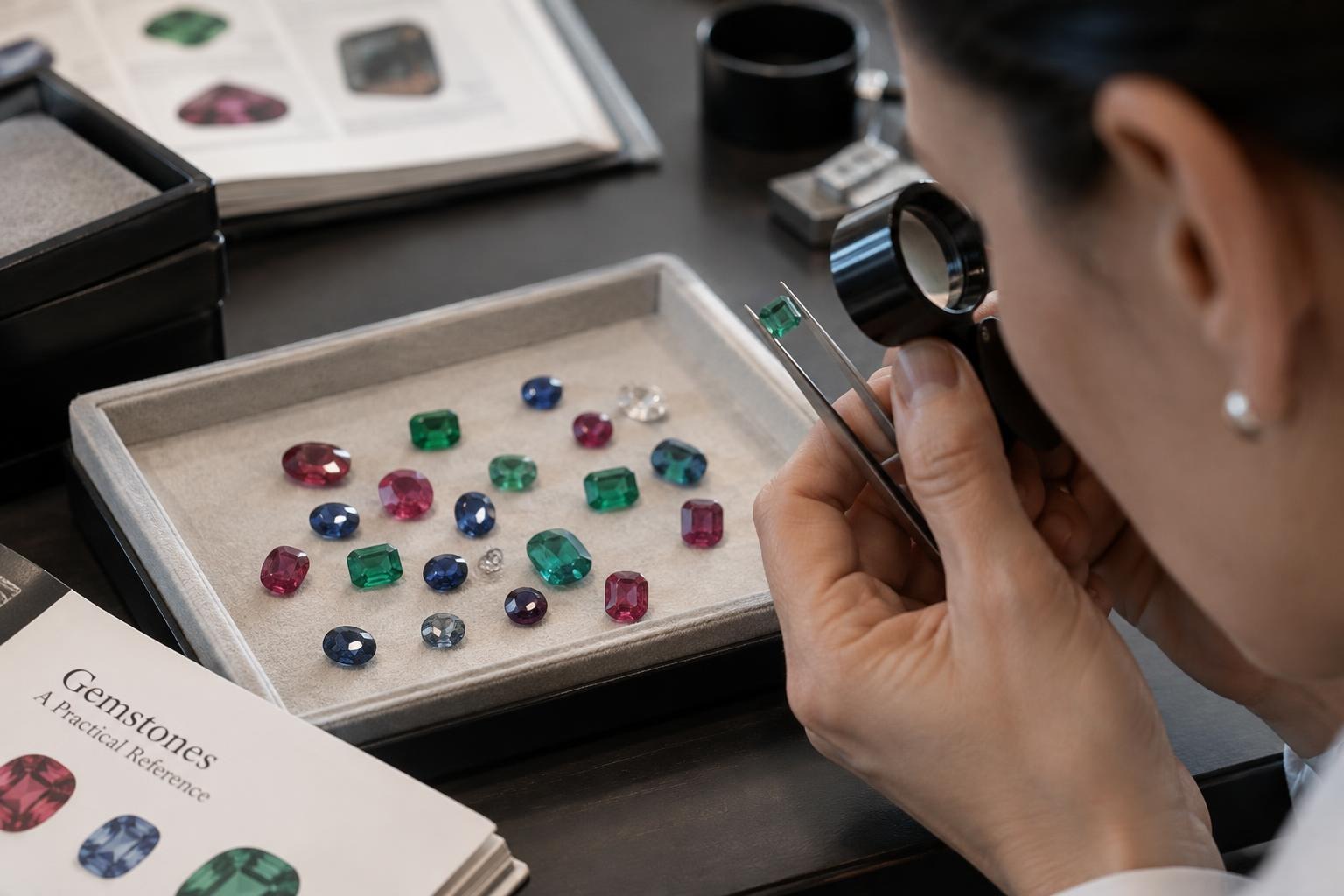
Buyers should carefully read descriptions and ask sellers for clarity if examples appear ambiguous. Understanding what is guaranteed versus what is illustrative helps prevent disappointment or misinterpretation.
Keep in mind that communications about gemstone parcels do not imply equal sizes, qualities, or treatments unless explicitly stated.
Comparing Parcel Listings: What to Look For
When evaluating multiple gemstone parcel listings, compare several critical data points where available: total carat weight, stone count, size range, and any notes on representativeness.
Look for listings that provide clear counts and size ranges as opposed to vague terms such as 'approximate' or ‘mixed sizes’. Precise data improves confidence in what you will receive.
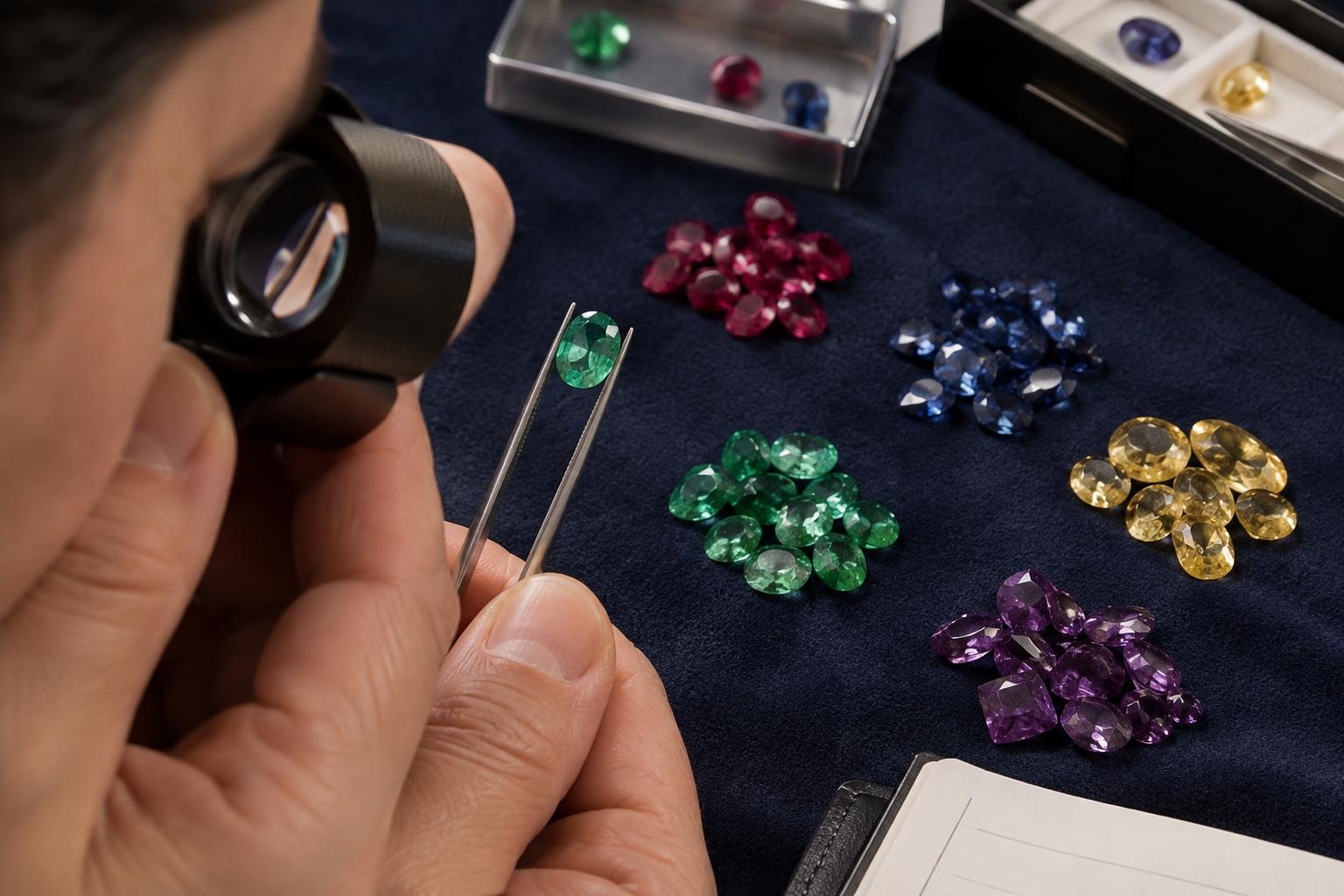
Check for information about any available individual stone data or quality grading. Parcels with individual details offer a better basis for comparison, although not all sellers provide this.
Be cautious about parcels that provide only total weight with no count or size information, as this leaves uncertainty about average stone size and parcel composition.
Use listings as a tool to set expectations and ask sellers direct questions when possible. This helps ensure the parcel matches your project requirements or collection standards.
Practical Examples: Relating Parcel Data to Your Needs
Imagine a parcel listing showing 50 carats total mass with 100 stones ranging from 3 mm to 6 mm. Estimating an average weight of around 0.5 carat each might help plan jewellery designs requiring consistent sizes.
Alternatively, a parcel with 25 carats in 40 stones, size range 5 mm to 9 mm, suggests a broader size spread and higher average weight per stone, suitable for more substantial pieces or mixed designs.
If individual stone data is provided — such as exact carat weights and measurements — you can select stones more confidently for specific purposes, assessing consistency or diversity within the parcel.
These practical interpretations rely on parcel listing data clarity and completeness to avoid surprises after purchase.
Another key consideration is how parcel listings address the homogeneity of included stones. Listings may not explicitly state the degree to which stones vary in quality attributes such as colour saturation, clarity, and cut precision. When these characteristics fluctuate widely within a parcel, the total mass and size range alone may not provide sufficient insight into what the parcel truly contains. For example, two parcels of equal total carat weight and similar size range could differ significantly in overall aesthetic appeal and suitability for fine jewellery depending on the consistency of quality. Hence, buyers should inquire whether the parcel is hand-selected for uniformity or simply a bulk assortment.
It is also important to be aware that the weight distribution across a parcel may be disproportionate. Larger stones contribute disproportionately to total carat mass, meaning a parcel with a few large stones and many smaller ones might share the same total weight as a parcel of uniformly medium-sized stones. This affects how you might estimate average stone weights from count and total mass figures. When no individual stone data is listed, understanding weight distribution aids realistic expectations.
Furthermore, parcels described by size range often lack clarification on the measurement method used. Some listings may provide maximum dimension (length or diameter), while others may average length and width or even include depth. Since measurements impact how the parcel fits into design requirements, it is useful to confirm measurement standards with the seller if important to your project.
From a practical standpoint, consider how parcel contents align with your intended use. Crafting pieces that require closely matched stones—such as a uniform row of faceted gems—demands parcels with tight size and quality distribution, ideally supplemented by individual stone data. In contrast, parcels for mosaic-style settings or less size-critical applications may tolerate broader ranges.
Lastly, note that parcel listings rarely specify if stones within have been subjected to treatments or enhancements, and if so, to what extent this varies. Because treatments impact durability and appearance, their absence from parcel descriptions means buyers should either request clarification or factor in uncertainty when assessing suitability and pricing.
Keeping these additional nuances in mind alongside the documented parcel data helps buyers make more informed decisions when navigating listings lacking fine individual gemstone details. Combining transparent data requests with clear project needs minimises surprises and enhances purchasing confidence.
Summary and Tips for Buyers Reading Gemstone Parcel Listings
To summarise, reading gemstone parcel listings requires focusing on total mass in carats, stone count, size range in millimetres, and how representative the parcel is of uniform quality and size.
Check whether individual data for stones within the parcel is available, as this information is valuable but not always provided.

Distinguish solid documented facts from illustrative or example scenarios within the listing text; request seller clarification if needed.
Keep in mind the inherent limitations of parcel purchases, where variability is more common than in single stone listings.
Use parcel listings as a guide to set expectations and plan your order accordingly, bearing in mind your specific jewellery or collection needs.
For further detailed guidance regarding gemstone identification and quality, visit the comprehensive guides at iGemz, such as the general gemstone buyers’ advice.
Your questions, answered
What information should a gemstone parcel listing always include?
A complete parcel listing should clearly state the total mass in carats, the number of stones included, and the size range in millimetres. This helps buyers understand the overall parcel composition. However, individual stone data is often not available.
Can I know the exact size of each gemstone in a parcel?
Usually, parcel listings provide size ranges or averages but not the exact measurements for each stone. Some sellers may offer individual stone data upon request, but this is not standard practice.
Why is representativeness important in gemstone parcels?
Representativeness ensures that the parcel data accurately reflects the stones you receive in terms of size, quality, and colour uniformity. Non-representative parcels can have a wide variance, which might affect your project outcome.
Are photographs reliable for assessing gemstone parcels?
Photographs are useful but limited; they cannot replace precise numerical data since lighting, angle, and image quality affect gemstone appearance. Always rely on documented facts and measurements over photos alone.
Should I expect treatment or origin details in parcel listings?
Treatment and origin information for individual stones in a parcel are rarely detailed unless supported by documented evidence. Avoid assumptions based on appearance or parcel listing alone; professional gemmological testing is recommended when necessary.
Find a colour that speaks to you.
Explore our extensive range of loose faceted gemstones and cabochons available online. Whether you're buying singles or parcels, our clear listings and expert support help you find the perfect stones for your needs.