



 1st - Gold


 January
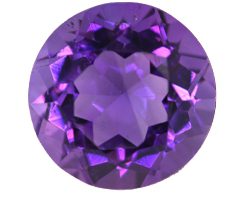 February
 March
 April
 May
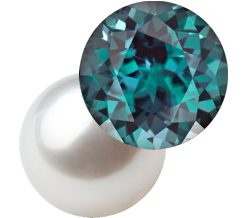 June
 July
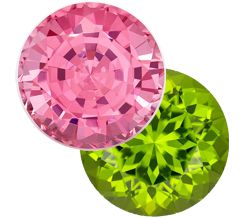 August
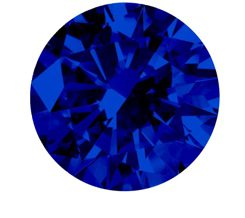 September
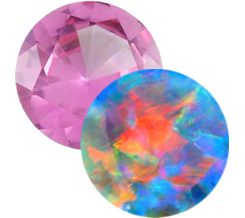 October
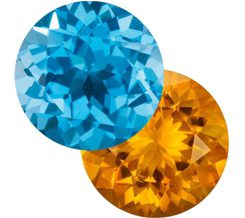 November
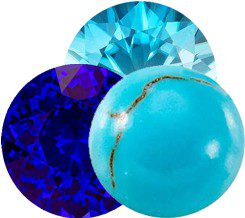 December

 Capricorn - Garnet
 Aquarius - Amethyst
 Pisces - Aquamarine
 Aries - Diamond
 Taurus - Emerald
 Gemini - Pearl
 Cancer - Ruby
 Leo - Peridot
 Virgo - Blue Sapphire
 Libra - Opal
 Scorpio - Topaz
 Sagittarius - Tanzanite



Understanding Untreated Gemstone Disclosure When Testing Scope is Limited
Gemstone Journal · 10 min read
When a gemstone report claims a stone is "untreated," it is essential to understand what this means in the context of the testing scope applied. Limited testing scope can restrict the laboratory's ability to detect all treatment types, influencing the accuracy of the "untreated gemstone disclosure." This article offers a clear explanation of the claim scope, report wording nuances, and limitations of treatment detection, ensuring buyers of loose gemstones grasp the implications before purchase.
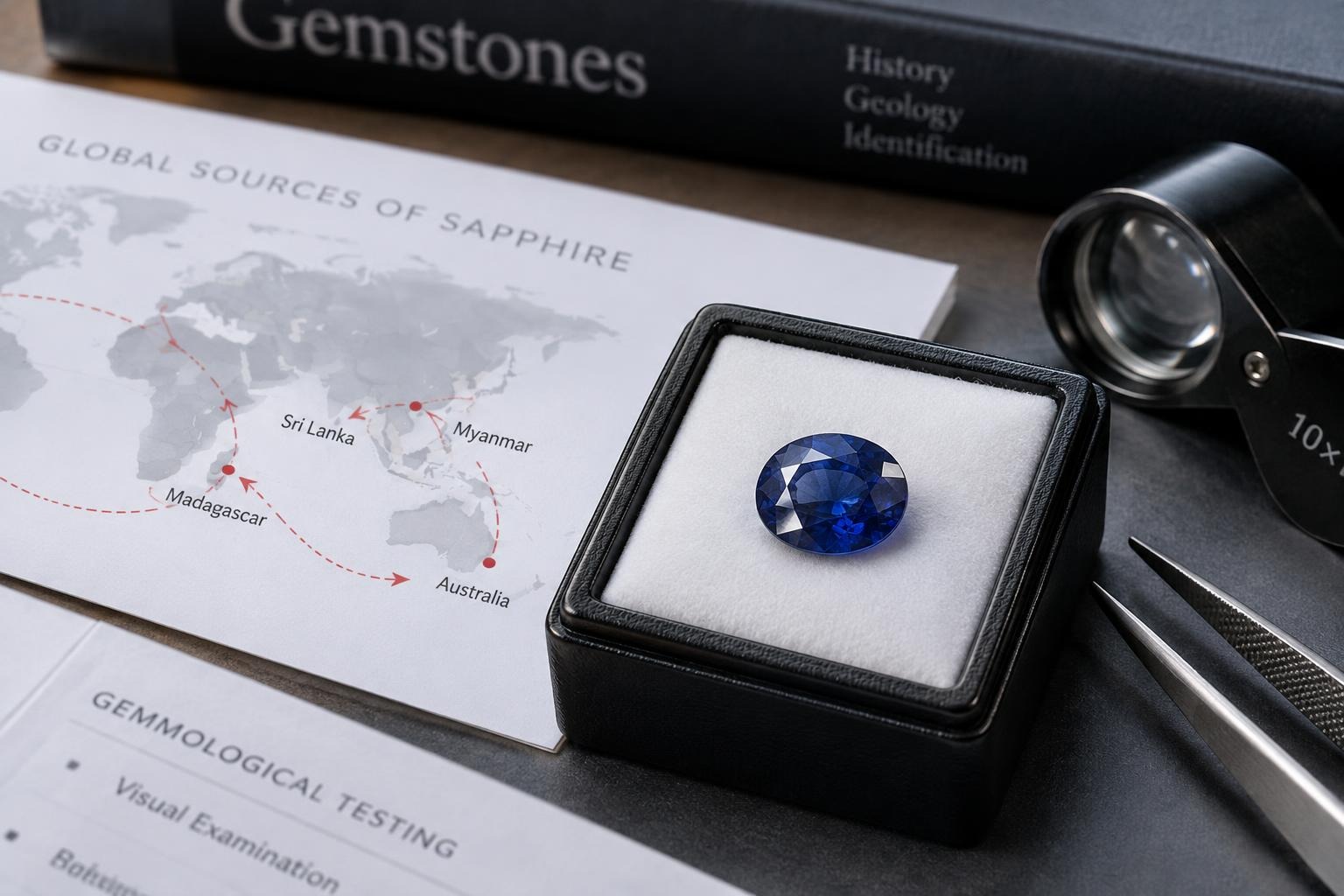
The image is for illustration purposes and is not an actual stock item.
Defining Untreated Gemstone Disclosure and Its Scope
The term "untreated gemstone disclosure" refers to a lab or seller's statement that a gemstone has not undergone any enhancement treatments based on an examination. However, these disclosures depend heavily on the range and depth of testing performed. A limited scope means only specific treatments or features were checked using certain methods, which may not reveal all possible enhancements.
For example, a report might declare a ruby "untreated" based on standard gemmological testing that looks for heat treatment signs but does not include advanced techniques to detect additional diffusion treatments. Buyers must understand that "untreated" means untreated within that report’s stated testing scope.
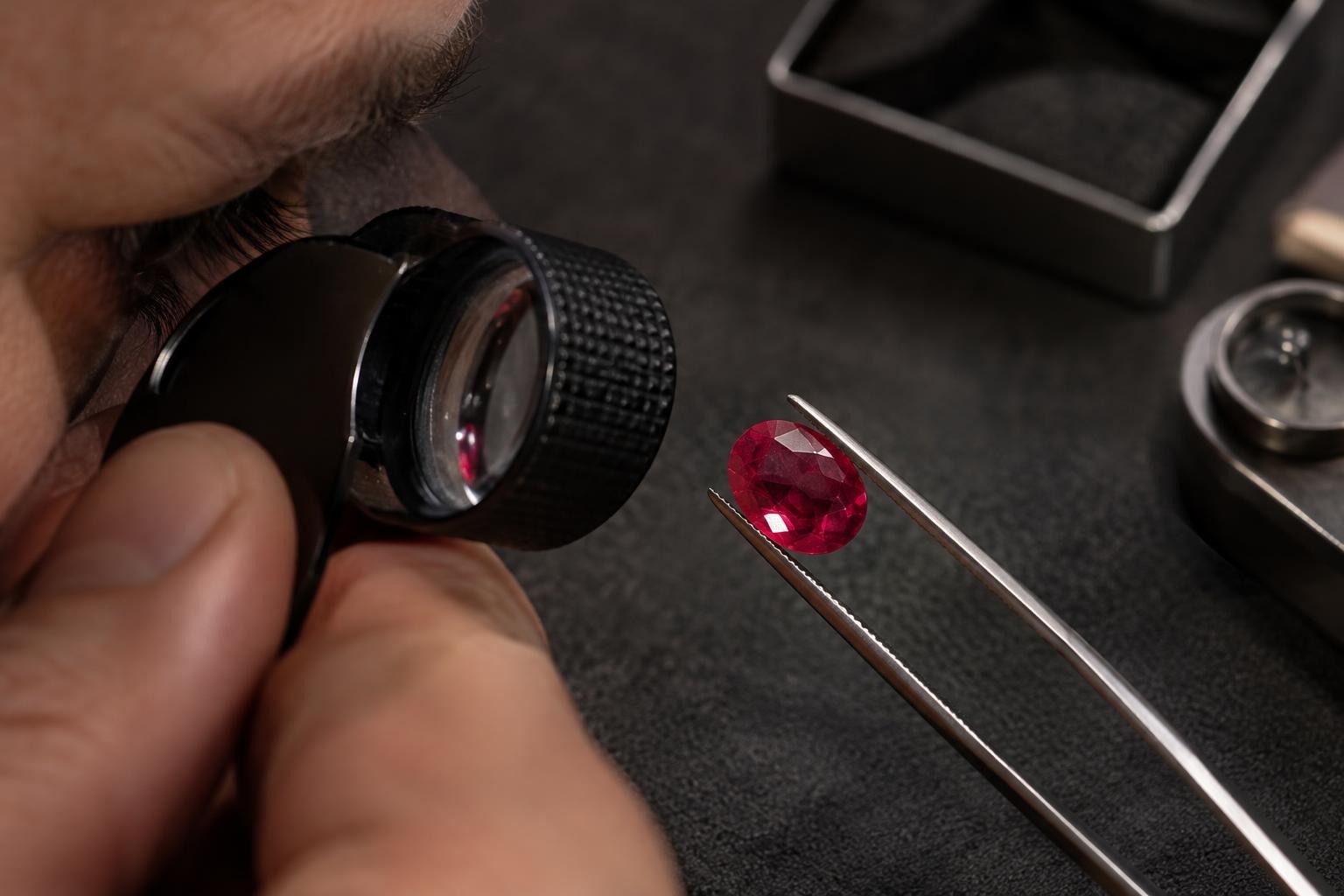
Authoritative gemmological laboratories such as the Gemological Institute of America (GIA) clarify in their report introductions and footnotes the exact scope of their testing. They use wording like "no indications of treatment were observed under the testing parameters," specifying the limitations.
Common Treatments and Detection Challenges in Limited Testing
Worth knowing
Gemstone treatments vary widely, from heat treatment and irradiation to fracture filling and surface coatings. Each requires different detection techniques – some visible under magnification or standard spectroscopy, others needing specialised equipment.
Worth knowing
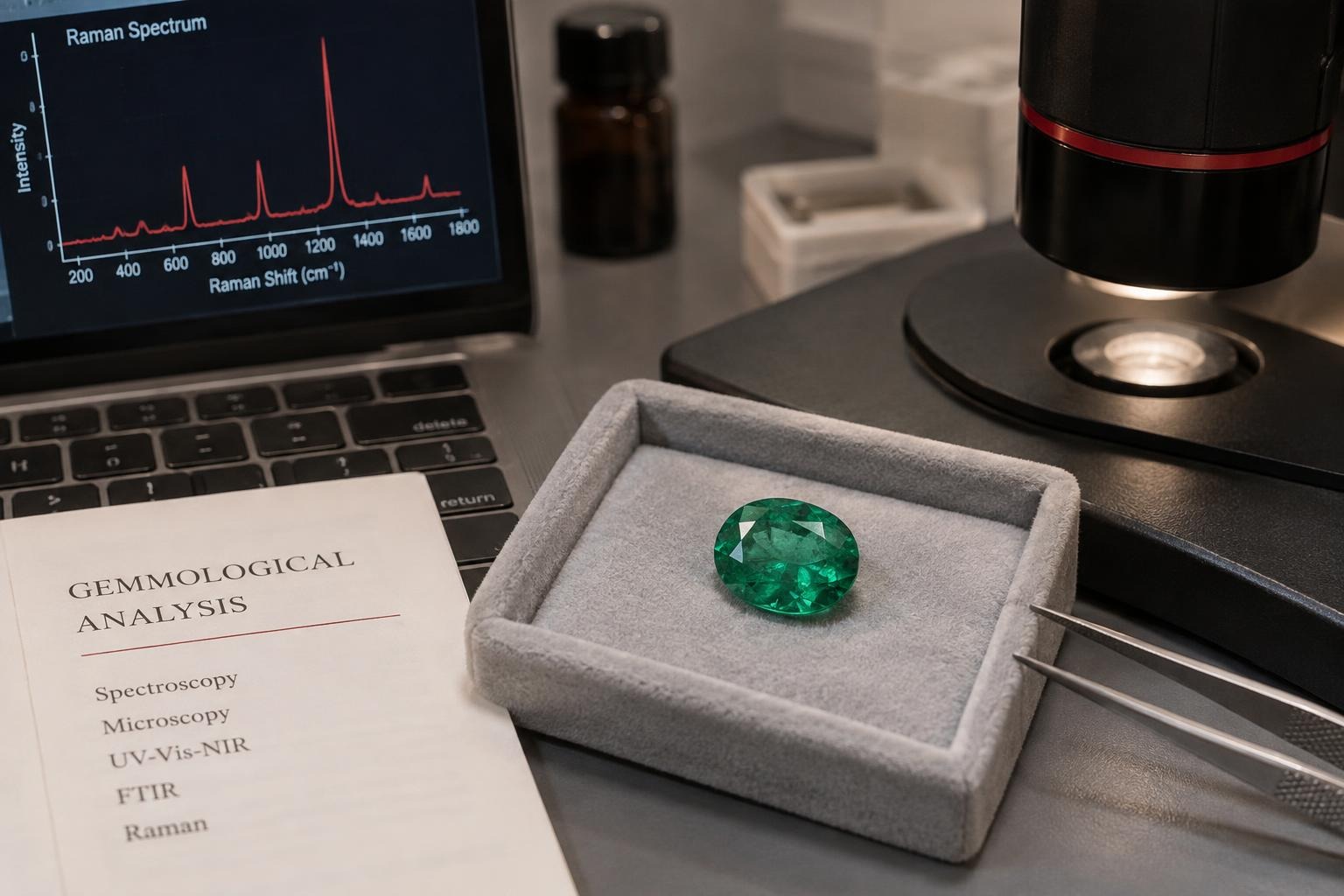
Limited scope testing may include standard spectroscopic and visual analysis but omit methods like laser ablation or advanced X-ray fluorescence that reveal subtle treatments. Some treatments, especially those involving trace elements or nanoscale diffusion, might be entirely undetectable without extensive testing.
Worth knowing
As a result, stating a gemstone is "untreated" under such limitations essentially means "no treatments detectable with these tests." For loose gemstones, prospective buyers should be aware that "untreated" does not imply the absolute absence of all treatments.
Understanding Wording in Gemmological Reports
Careful reading of report wording is vital to properly interpret an untreated gemstone disclosure. Declarations like "no evidence of treatment detected" or "appearance consistent with natural state" indicate that within the lab’s testing scope, no treatments were found. The use of words such as "no indications" and "within the limits of today’s techniques" adds clarity about scope limitations.
Some reports specify that testing does not cover certain known treatments or that detection limits exist for specific enhancements. This strengthens transparency but requires readers to consider the practical implications of treatment detection limits.
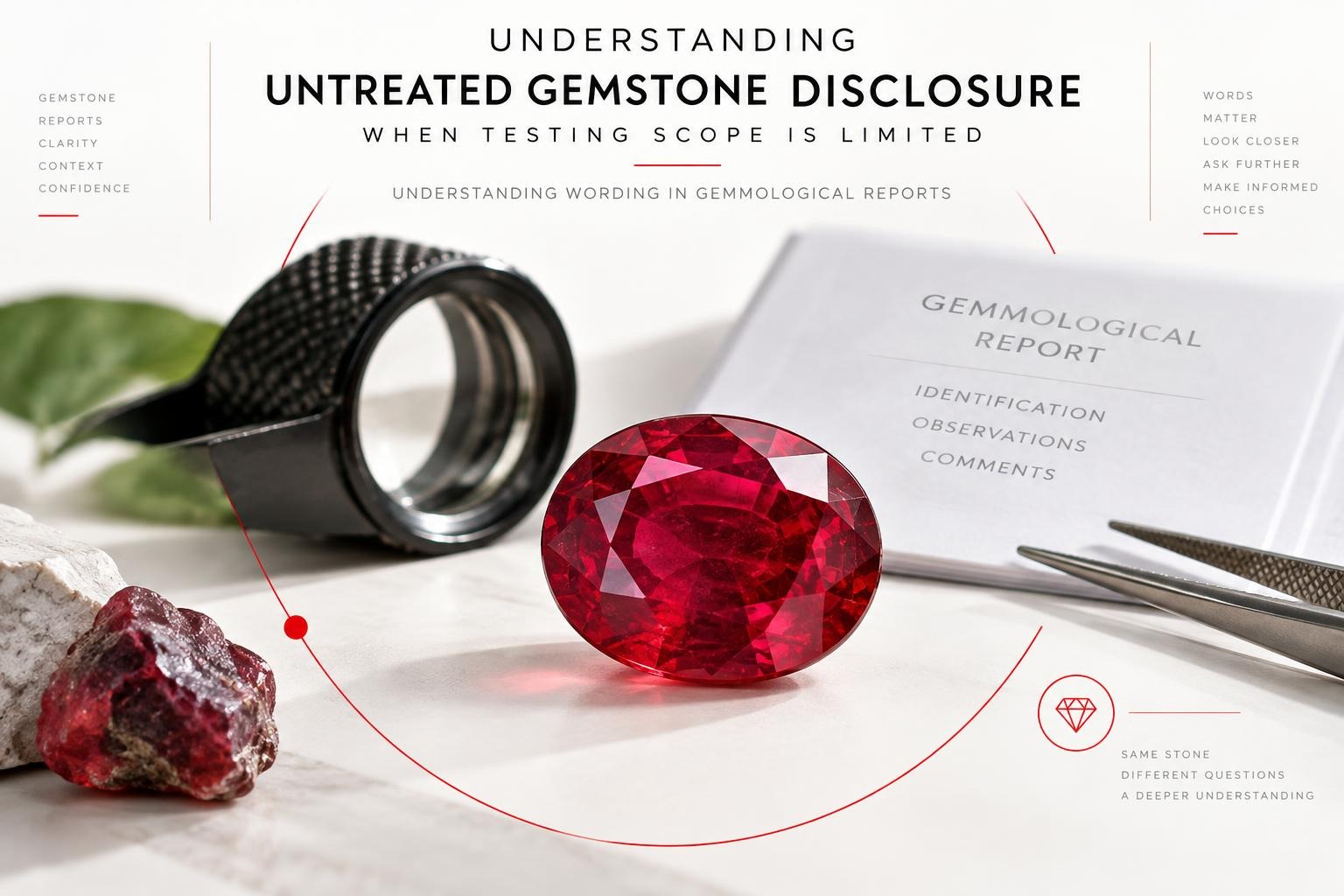
Therefore, legally and ethically, sellers and labs cannot claim absolute untreated status unless comprehensive testing with cutting-edge methods was performed, which is rarely feasible for all loose gemstones.
Examples Illustrating Limited Testing Impact on Treatment Disclosure
Worth knowing
Imagine a sapphire with a report stating it is "untreated" based on standard UV-Vis and magnification analysis. This excludes advanced chemical or microscopic analyses that could detect subtle diffusion or coatings. Should such treatments be present, they might remain concealed without further testing.
Worth knowing
Conversely, a diamond declared untreated after comprehensive spectroscopy covering growth features, inclusions and fluorescence offers greater assurance. But those reports often note the specific testing scope and disclaim that some treatments remain undetectable by current methods.
Worth knowing
These examples highlight that "untreated gemstone disclosure" depends fundamentally on test scope and methods. Buyers should request or review lab reports carefully and consider independent verification if untreated status is critical.
Implications for Buyers of Loose Gemstones
When buying loose faceted gemstones online, recognising the nuances of untreated gemstone disclosure is essential. Limited testing scope means buyers should not rely solely on a simple "untreated" label without understanding the report’s detailed wording and scope.
It is advisable to ask for copies of laboratory reports and inquire about the tests performed. Buyers might also seek expert gemmological advice or choose gemstones from suppliers offering comprehensive certification with explicit treatment testing.
By appreciating the testing scope and its inherent limitations, buyers can make more informed decisions, weighing possible treatment risks against other factors like value and gemmological properties.
Authoritative Sources and Industry Standards on Treatment Disclosure
Leading gemmological bodies including the GIA, International Gemological Institute (IGI), and American Gem Trade Association (AGTA) provide guidelines on treatment disclosure and testing standards. They recommend clarity on testing limits and encourage transparency in reporting.
GIA’s education emphasises that "untreated" means no treatment was observed under the applied testing scope and equipment. They also explain that current methods cannot always detect every possible treatment, especially newer or subtle ones.
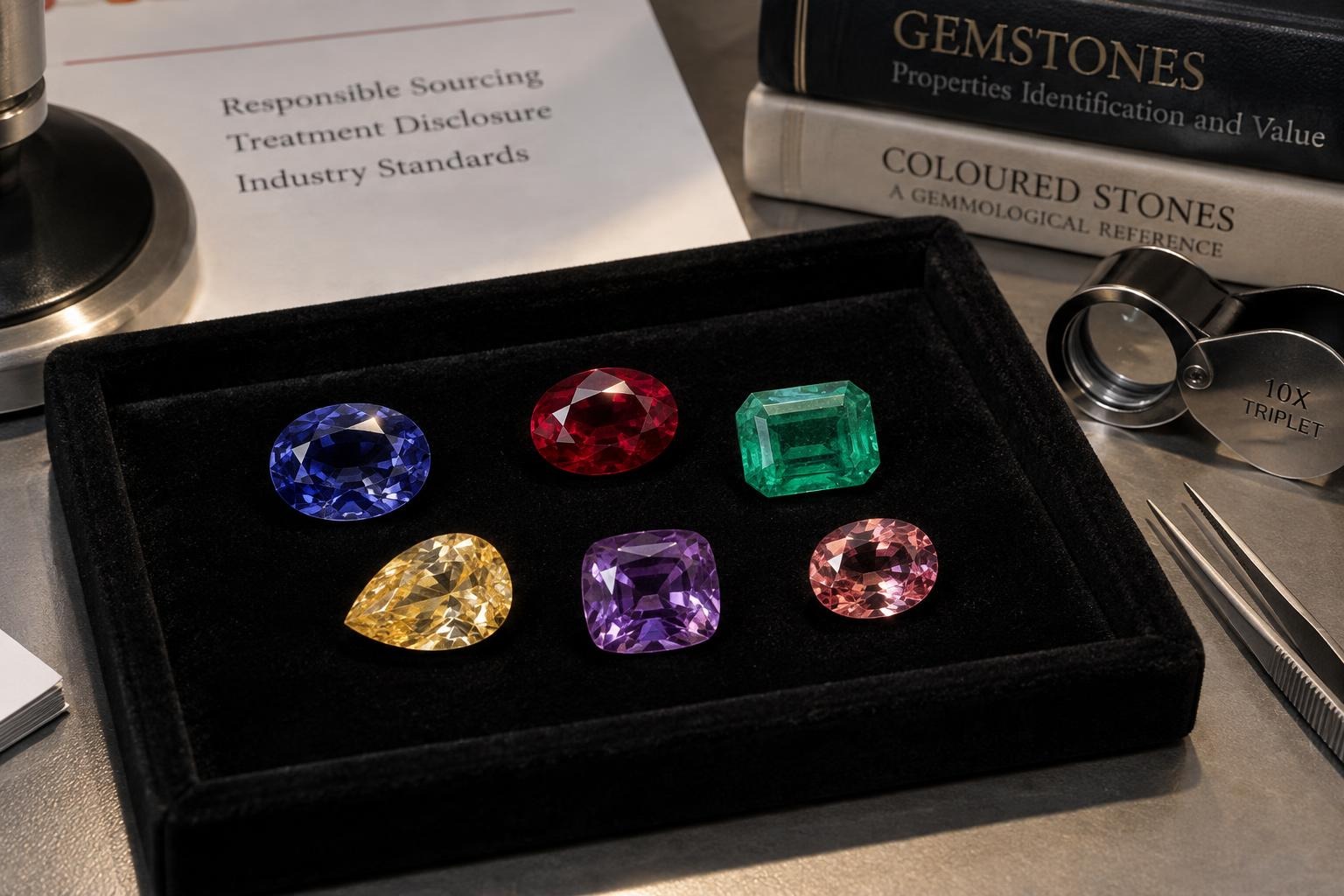
These standards aim to protect buyers by ensuring disclosures are honest and appropriately qualified regarding detection limits. Understanding these positions helps buyers and sellers align expectations realistically.
Distinguishing Mineral Species and Varieties in Treatment Disclosure
Different mineral species and gemstone varieties have distinct treatment susceptibilities and testing challenges. For example, sapphires (a variety of corundum) are commonly heat treated, whereas other varieties might be less prone to treatment or use different enhancement techniques.
This diversity means that an untreated disclosure for one variety or species does not universally apply to all gemstones. Testing protocols and scopes are often customised according to species characteristics and known treatments.
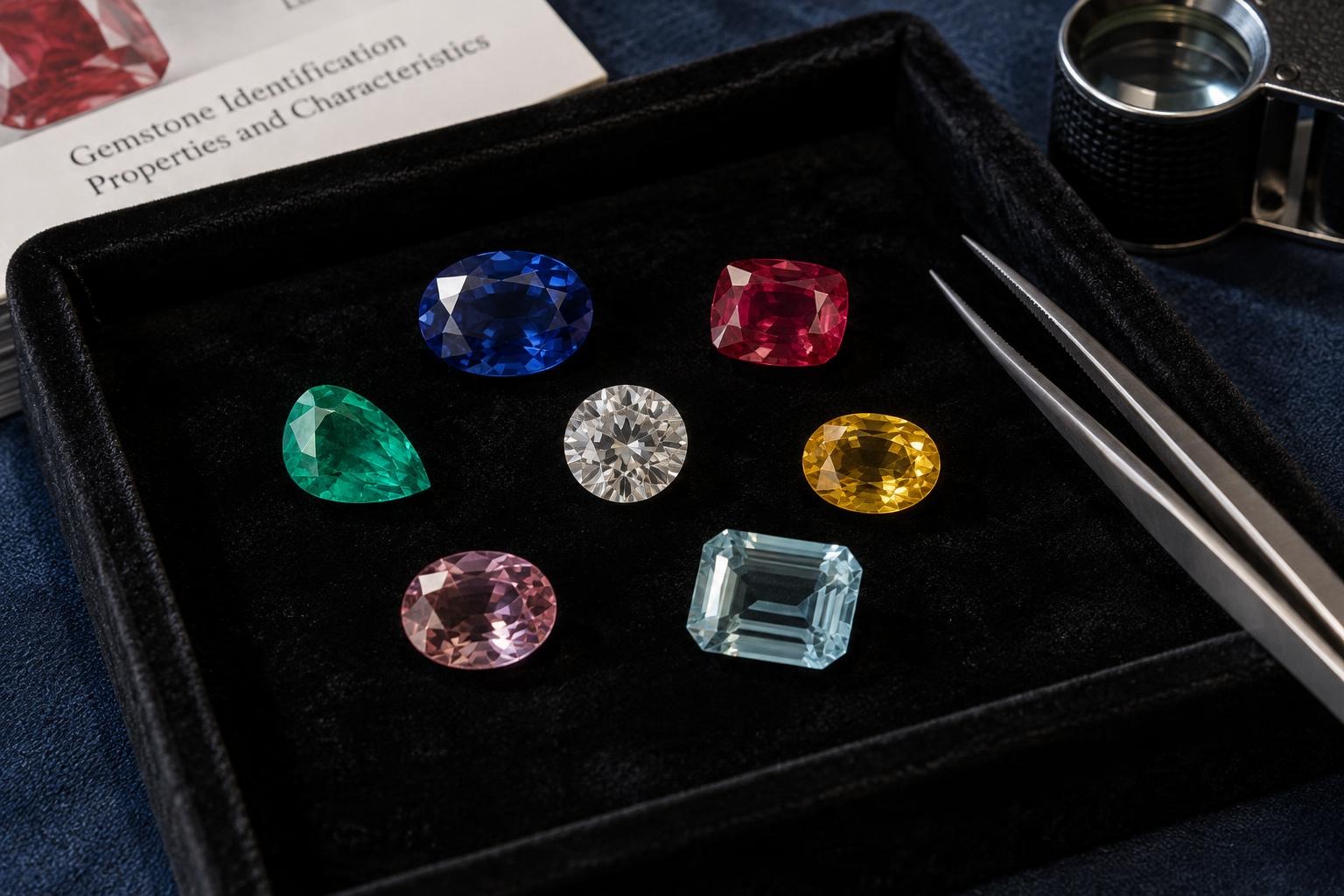
Understanding the mineralogical context can help buyers interpret untreated disclosures better and assess where additional research or testing might be warranted.
Beyond these technical limitations, the context of the untreated gemstone disclosure also hinges on the cooperation and transparency between the buyer, seller, and laboratory. Buyers should seek laboratories that clearly state their methods and any limitations to ensure full understanding of the scope. For example, some labs include a comment section that explicitly notes if certain tests—like Fourier-transform infrared spectroscopy or advanced microscopic imaging—were not performed, which can materially affect the confidence in the untreated claim.
Another practical consideration is the evolving nature of treatment detection technology and treatment methods themselves. What remains undetectable today may be identifiable tomorrow as laboratories adopt newer instruments or analytical standards. Hence, an untreated report represents a snapshot of current scientific capabilities rather than an immutable fact about the gemstone’s history.
It is also important to understand that testing scope can be influenced by factors such as gemstone size, shape, or presence of inclusions. Smaller gemstones or those with significant natural inclusions may limit the efficacy of some detection techniques. In these cases, laboratories might issue an untreated report qualified with statements indicating potential limitations due to sample characteristics.
Importantly, untreated disclosures do not certify that a gemstone has not undergone any natural physical or chemical changes during formation or geological history. Such intrinsic features are not treatments and typically fall outside report scope. Differentiating between such natural origins and human intervention is a core aspect of gemmological testing but requires careful interpretation of report wording.
Practical examples include transparent disclosures noting "no evidence of heat treatment detected using standard methods" which reminds buyers that less common or emerging treatments may not have been assessed. This transparency aids buyers in deciding whether additional testing or expert consultation is warranted prior to committing to purchase.
Ultimately, untreated gemstone disclosure under limited testing scope should be interpreted as a qualified expert opinion, not an absolute guarantee. By combining careful review of report wording, inquiry about testing protocols, and professional advice, buyers can make considered decisions aligned with their personal priorities and risk tolerance. This measured approach helps maintain confidence when sourcing loose faceted gemstones online.
Common Misunderstandings About Untreated Gemstone Claims
One typical misunderstanding is equating “untreated” with “natural” or “completely pristine.” Untreated simply means free from artificial treatment within the tested scope, not that the gemstone is necessarily flawless or perfectly natural in colour and clarity.
Another confusion is between different types of treatments; some may be detected easily while others remain obscure under limited testing. Buyers might assume a report’s untreated claim covers all possibilities, which is misleading.
It is also important to note that photographic evidence or visual inspection alone cannot verify untreated status reliably. Expert gemmological testing with reported scope details remains the best approach.
Navigating Laboratory Reports and Valuations for Untreated Stones
Laboratory reports focus on scientific identification and treatment detection, whereas valuations assess market value based on multiple factors including treatment status. Buyers should avoid confusing the two.
A lab report declaring a gemstone “untreated” within test limits provides a factual statement but does not equate to a formal valuation or guarantee of value.
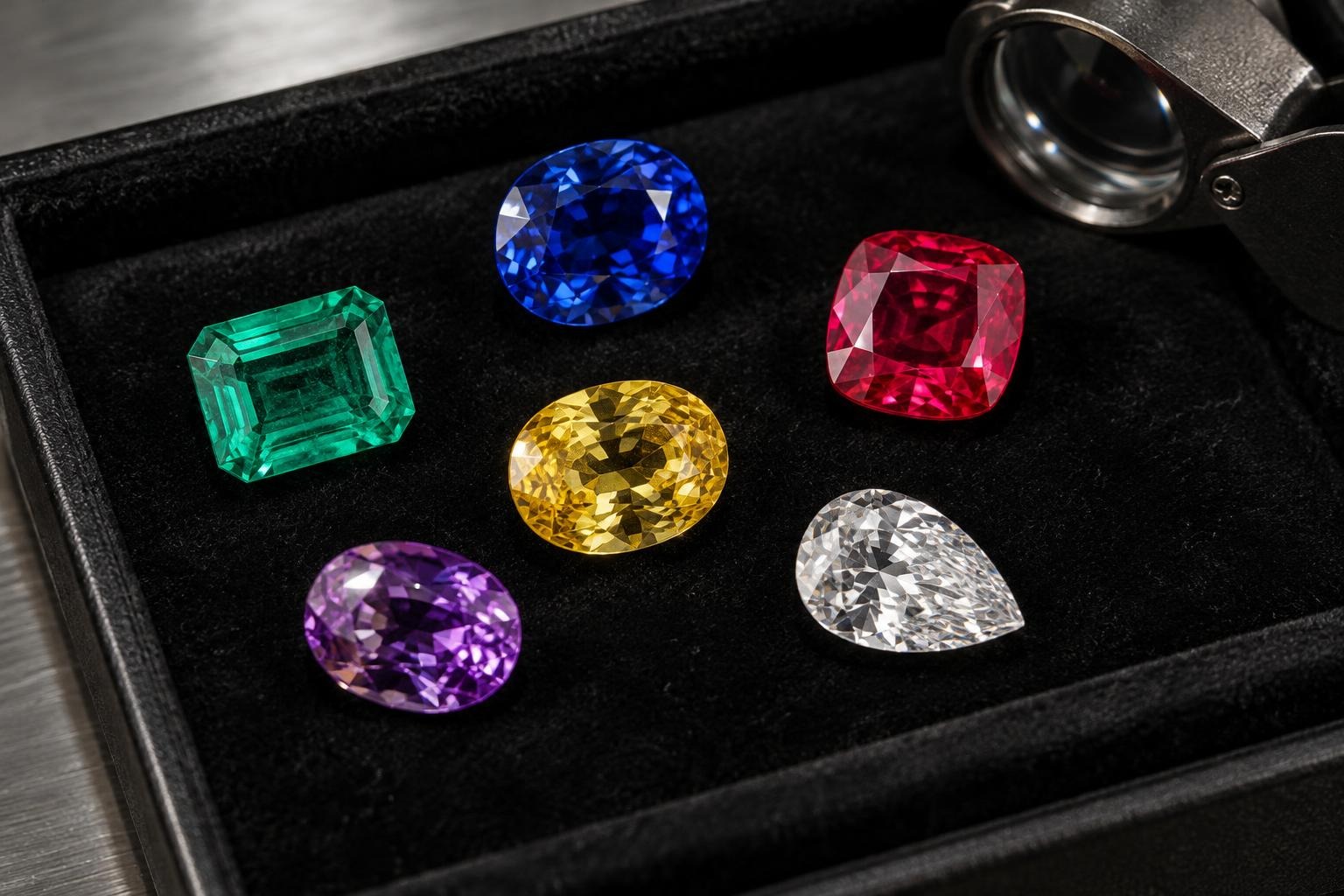
Understanding the distinctions helps buyers interpret documentation properly and set realistic expectations when acquiring loose gemstones.
Beyond the usual spectroscopic and visual techniques, some treatments remain particularly elusive under limited testing conditions. For example, certain glass-filled rubies may appear visually similar to untreated stones, but the glass filling can only be accurately assessed using immersion methods, specific lighting, or advanced infrared spectroscopy, which may not be part of a standard limited scope examination. This illustrates how the absence of detectable treatments in basic tests does not categorically exclude their presence.
The challenge of limited testing scope also extends to the rapid evolution of gemstone enhancement technologies. Laboratories might not always have immediate access to specialised methods or cutting-edge equipment capable of revealing newly developed treatments. Consequently, an untreated gemstone disclosure must be understood as reflecting the capabilities of current testing protocols at the time of the report, recognising that not all enhancements are equally identifiable.
Practical scenarios further clarify such limitations. Imagine a buyer receives a report stating a sapphire is untreated after standard gemmological tests. If the stone had undergone a trace-element diffusion treatment using novel elements or processes unknown to the testing laboratory, these enhancements might remain undetected. Similarly, treatments applied at nanoscopic levels may escape laboratory detection unless the testing scope includes electron microscopy or similar methods, which are typically unavailable for routine loose gemstone analyses.
Another limitation relates to the sample's characteristics. Tiny gemstones or ones with dense inclusions might restrict the effectiveness of certain tests, reducing reliability. For instance, fluorescence or absorption features used to identify treatments might be masked or insufficiently resolvable, leading to an untreated claim that actually represents a testing inconclusiveness rather than an unequivocal absence of treatment.
Transparency in the language of gemmological reports plays a crucial role in managing expectations. Reports that affirm an untreated claim “within the limits of the applied tests” or similar cautionary phrases set realistic parameters for interpretation. Buyers should therefore familiarise themselves with these nuanced wordings, which are designed to convey both the findings and the inherent uncertainties.
It is also worth considering that untreated gemstone disclosure does not guarantee the stone's natural colour or clarity is typical. Geological variability and natural enhancement phenomena, such as minor pleochroism or slight mineral inclusions, can influence appearance without constituting treatment. Thus, the untreated designation strictly pertains to artificial or human-imposed alteration, not inherent natural variation.
From a practical buyer’s perspective, consultation with professional gemmologists can assist in assessing report scope and significance. For high-value stones where untreated status strongly influences purchase decisions, obtaining more thorough testing from a reputable laboratory equipped with advanced instruments may be justified, bearing in mind cost and time factors.
Ultimately, an untreated gemstone disclosure given under limited testing scope is a qualified statement based on available evidence rather than an absolute guarantee. Buyers should integrate this understanding into their evaluation processes, utilising available documentation, expert advice, and informed supplier communication to make prudent gemstone selections.
Your questions, answered
What does "untreated" mean if a laboratory report mentions limited testing scope?
It means the gemstone showed no evidence of treatments within the range of tests performed, but some treatments might remain undetectable due to scope limitations.
Can all gemstone treatments be detected by any standard lab test?
No, some treatments require advanced or destructive testing methods not routinely done, so standard tests may miss certain enhancements.
Should I trust an "untreated" claim without a laboratory report?
No, untreated claims without a detailed report specifying testing scope carry higher uncertainty. Lab reports provide necessary transparency.
Is an untreated gemstone always more valuable than a treated one?
Not necessarily. Untreated status can affect value, but other quality factors and market demand also influence gemstone pricing.
What steps can a buyer take to verify the untreated claim on a loose gemstone?
Request a comprehensive lab report detailing the tests performed, consult a qualified gemmologist, and consider reputable suppliers with transparent disclosure policies.
Find a colour that speaks to you.
Browse our wide selection of loose faceted and cabochon gemstones. Discover quality stones with clear treatment disclosures to enhance your jewellery creations.