



 1st - Gold
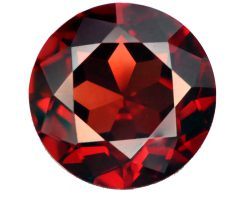 January
 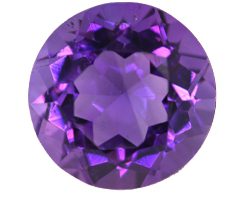 February
 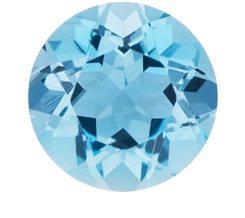 March
March 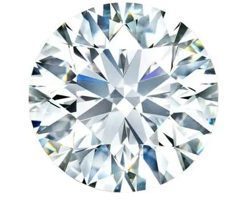 April
April 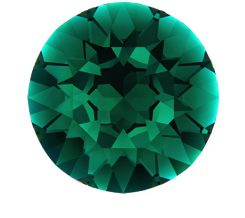 May
May 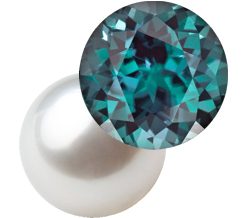 June
June 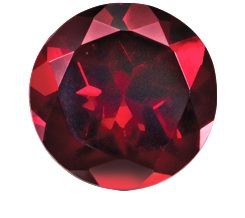 July
July 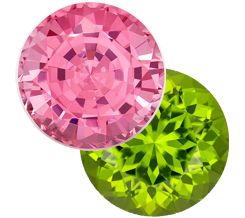 August
 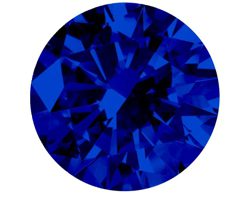 September
 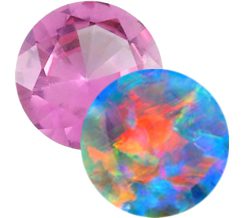 October
 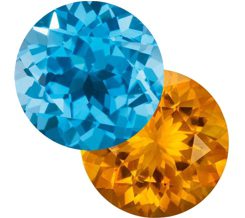 November
  December
 Capricorn - Garnet
  Aquarius - Amethyst
  Pisces - Aquamarine
  Aries - Diamond
  Taurus - Emerald
  Gemini - Pearl
  Cancer - Ruby
  Leo - Peridot
  Virgo - Blue Sapphire
  Libra - Opal
  Scorpio - Topaz
  Sagittarius - Tanzanite


Chalcedony Gemstones – Properties, Origins, Treatments and Buying Guide
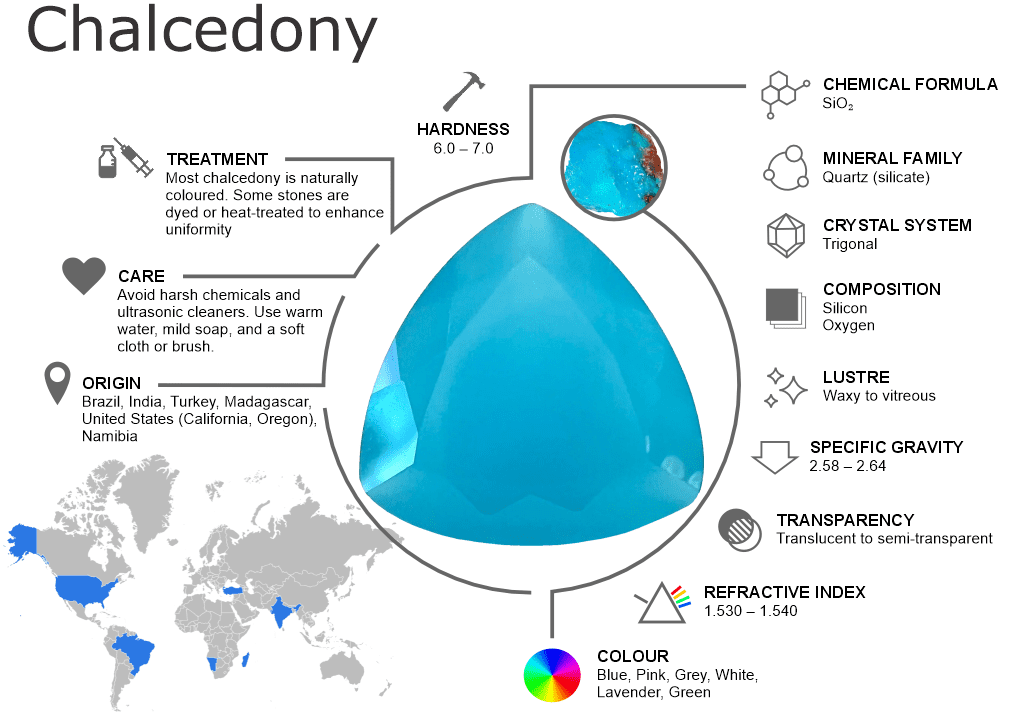
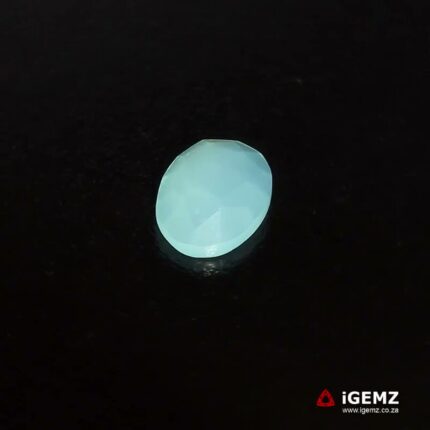
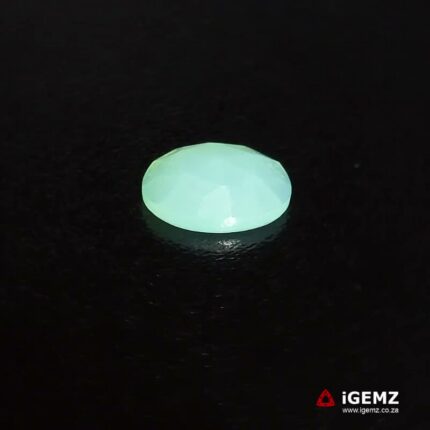
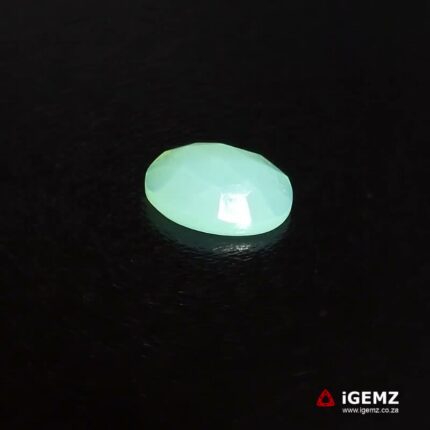
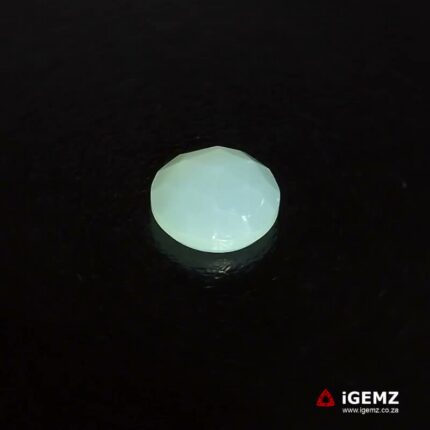
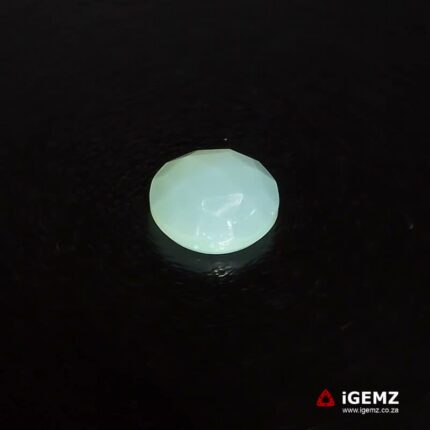
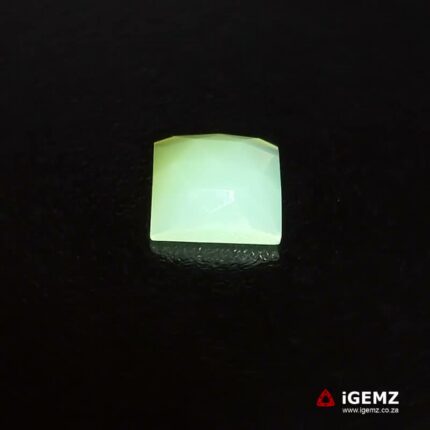
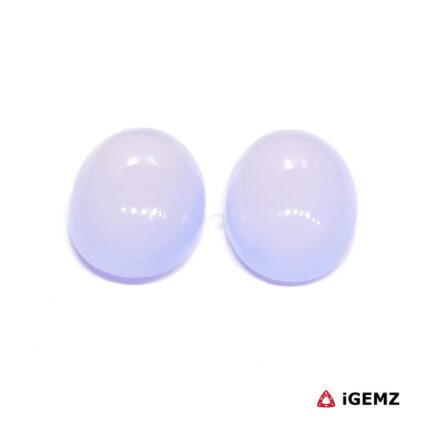
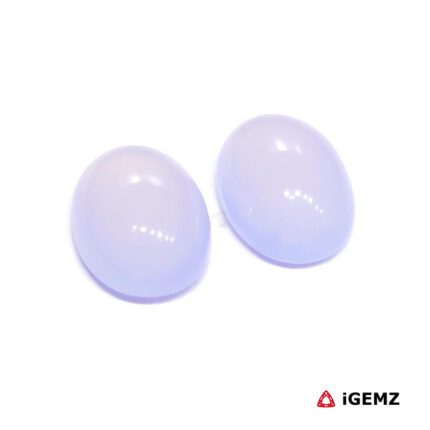
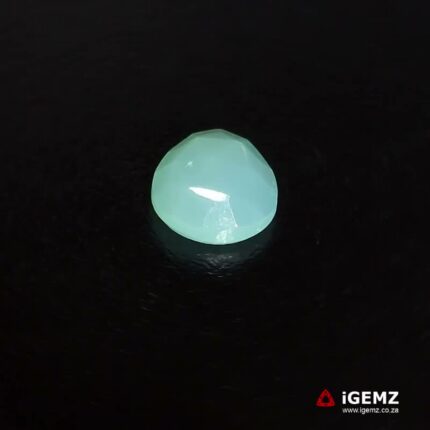
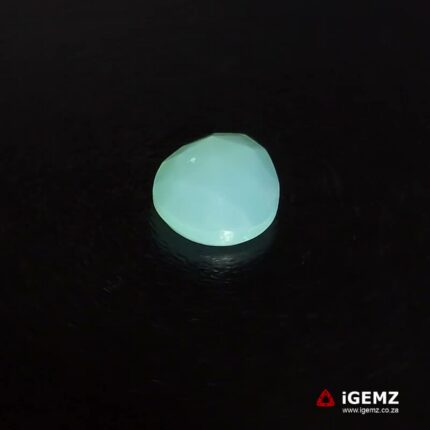
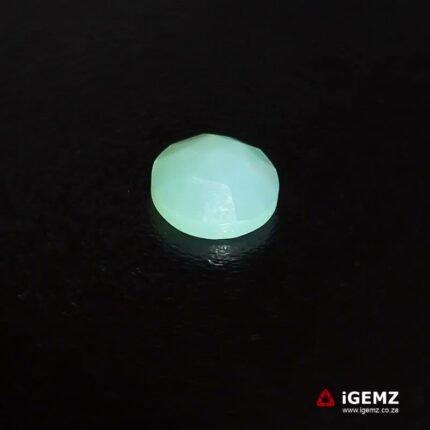
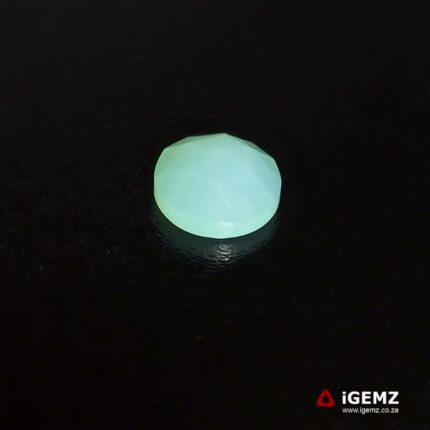
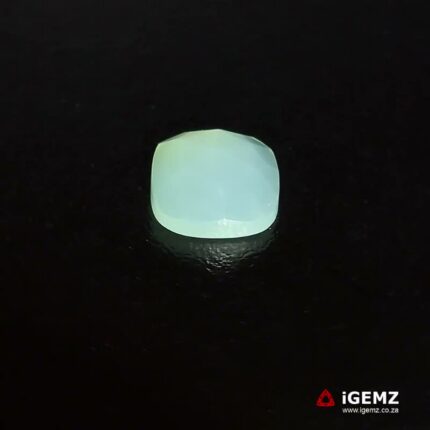
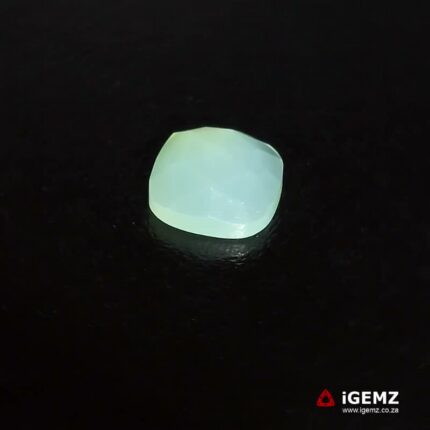
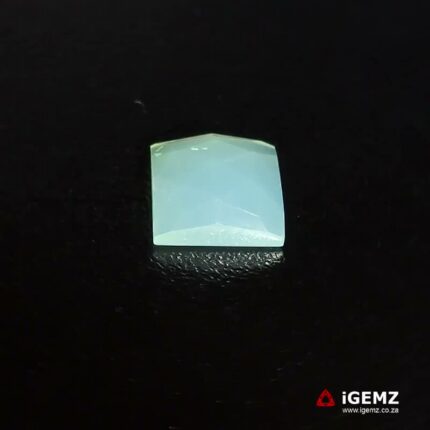
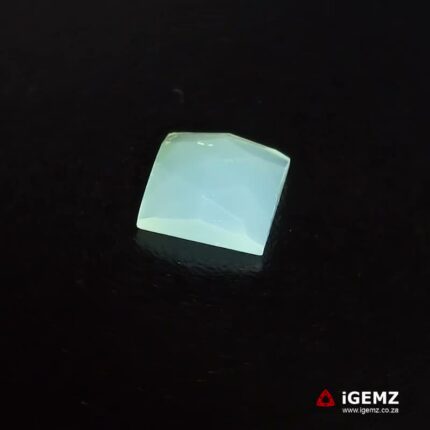
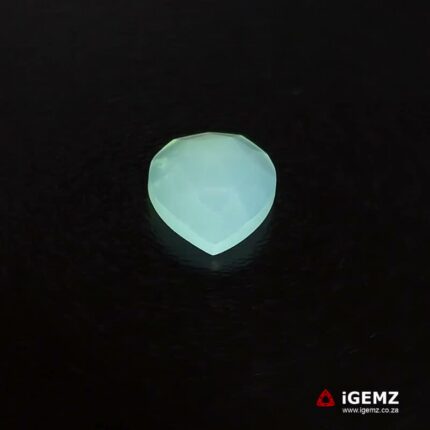
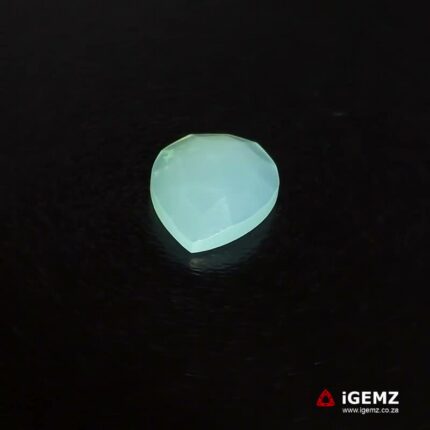
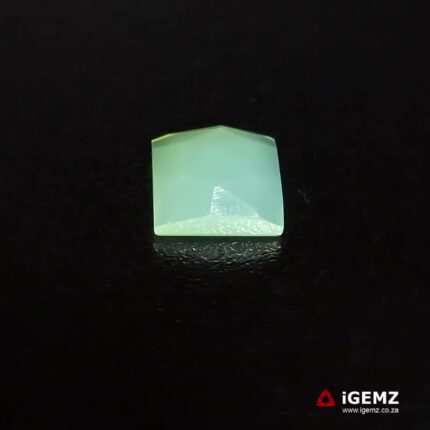
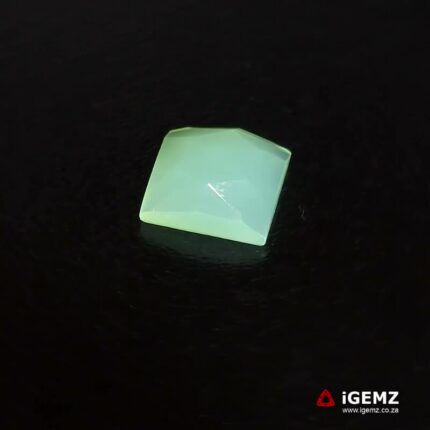
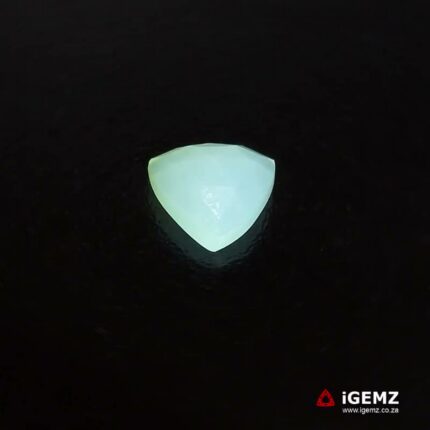
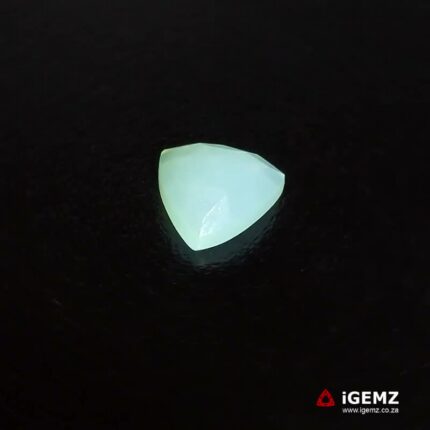
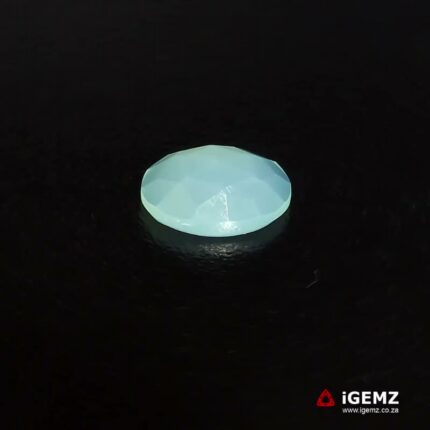
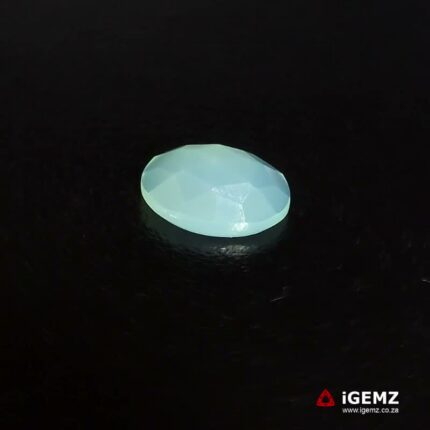
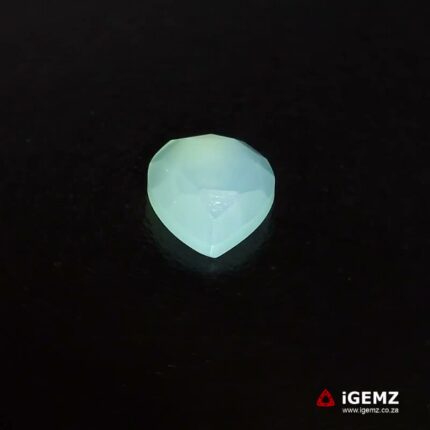
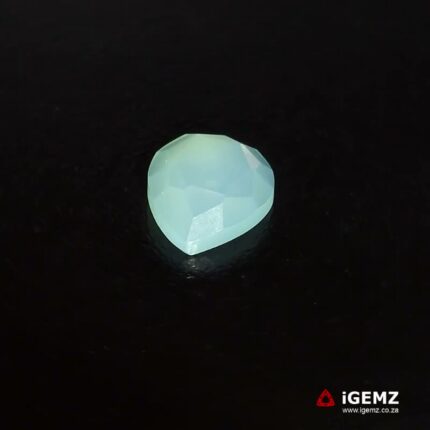
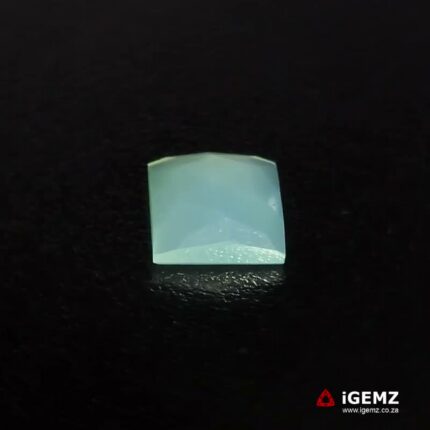
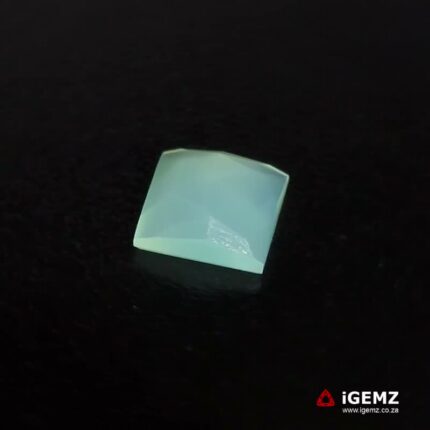
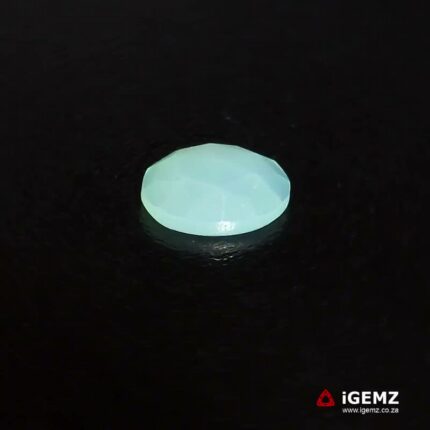
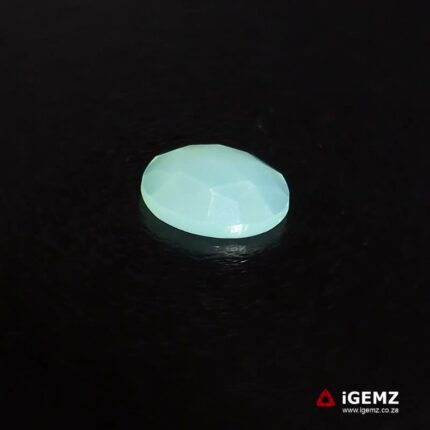
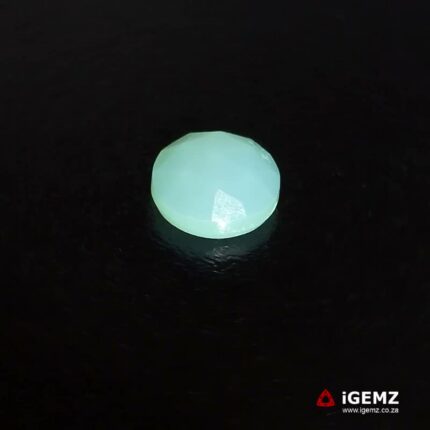
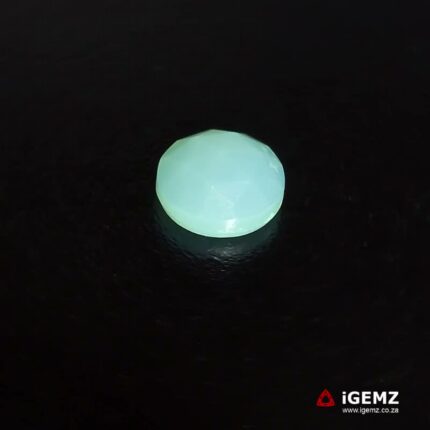
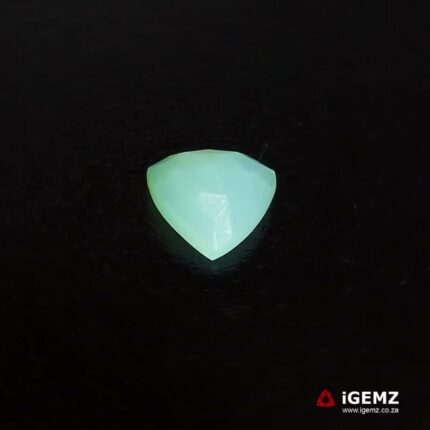
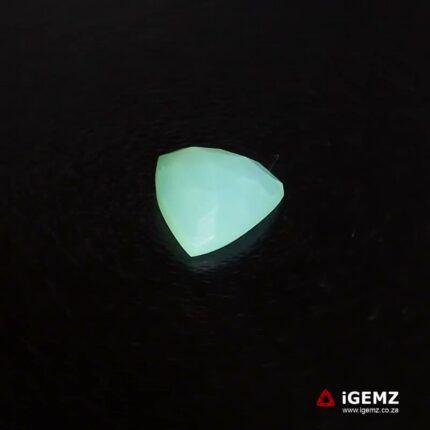
Chalcedony is a highly admired gemstone in the quartz family, valued for its soft, translucent appearance and range of pastel colours. Unlike vividly saturated gemstones, chalcedony exhibits beauty in its subtle uniformity, smooth texture, and gentle glow.
In this guide we examine chalcedony from a professional gemmological and commercial perspective, covering its physical properties, crystal structure, treatments, origins, and how to identify high-quality stones.
What is Chalcedony?
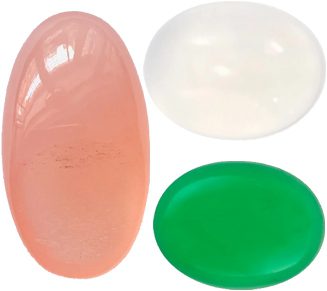
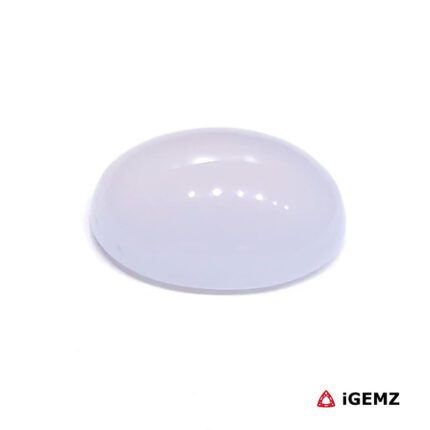
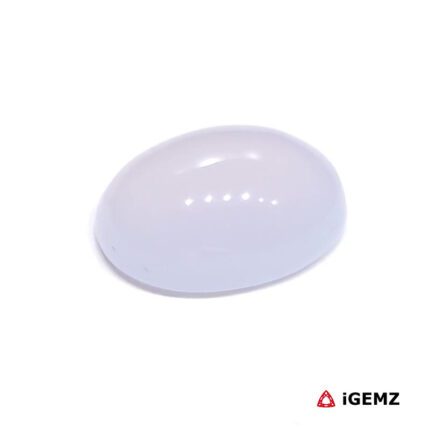
Chalcedony is a microcrystalline variety of quartz composed of silicon dioxide (SiO₂). It forms in cryptocrystalline masses rather than visible crystals, giving it a smooth texture and translucent appearance. Its pastel colours, which include blue, pink, grey, and white, make it highly desirable in cabochons and carvings.
Mineral Composition
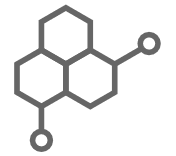
Chalcedony has the chemical formula:
SiO₂
It is composed primarily of:
Silicon
Oxygen
The microcrystalline structure consists of interlocking quartz fibres, giving chalcedony its translucence and waxy lustre.
Mineral Family and Crystal System

Chalcedony belongs to the quartz (silicate) family.
Its crystal system is trigonal, but its microcrystalline nature prevents visible crystal formation, resulting in a smooth, uniform texture ideal for cabochons and beads.
Optical and Physical Properties
Chalcedony combines a gentle translucence with uniform colour, making it highly valued for carvings, jewellery, and ornamental objects.

Lustre
Waxy to vitreous, giving a soft glow.

Transparency
Translucent to semi-transparent; top-quality stones show uniform colour and gentle light diffusion.

Refractive index
1.530 – 1.540, providing soft optical clarity.

Specific gravity
2.58 – 2.64, typical of quartz varieties.
Colour Range
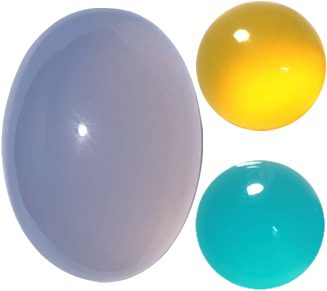
Chalcedony occurs in soft pastel colours:
Blue
Pink
Grey
White
Lavender
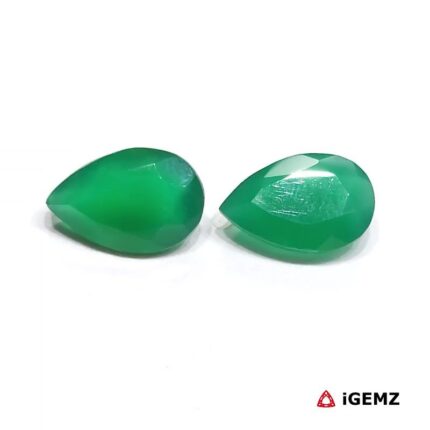
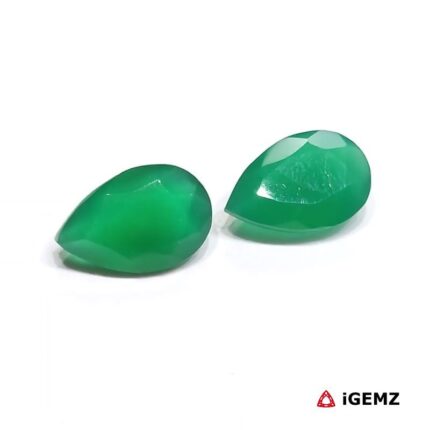
Green
Uniformity of colour and translucence greatly affects value.
Mohs Hardness and Durability

Chalcedony has a Mohs hardness of 6 – 7, making it suitable for pendants, earrings, beads, and moderate-wear rings. It is generally tough but can chip if struck sharply.
Treatments

Most chalcedony is naturally coloured. Some stones are dyed or heat-treated to enhance uniformity, which should always be disclosed by reputable sellers.
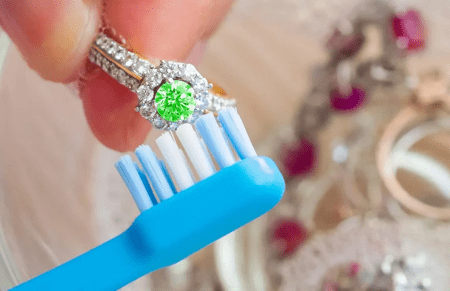
Care and Cleaning
Avoid harsh chemicals and ultrasonic cleaners.
Use warm water, mild soap, and a soft cloth or brush.
Store chalcedony separately from harder gemstones to prevent scratches.
Major Origins

Major sources of chalcedony include:
Brazil
India
Turkey
Madagascar
United States (California, Oregon)
Namibia


Frequently Asked Questions
Is chalcedony a natural gemstone?
Yes, chalcedony occurs naturally and is widely used in jewellery and carvings.
What colours does chalcedony come in?
It occurs in pastel shades of blue, pink, grey, white, lavender, and green.
Is chalcedony treated?
Some stones are dyed or heat-treated to enhance colour, but natural chalcedony is also widely available.
Is chalcedony suitable for daily wear?
Yes, with a Mohs hardness of 6–7, but care should be taken to avoid hard impacts.
How can I tell if chalcedony is real?
Look for uniform translucence, smooth texture, and waxy to vitreous lustre.
Does chalcedony fade in sunlight?
Properly coloured chalcedony is stable and does not fade under normal sunlight exposure.
Where does the finest chalcedony come from?
Brazil, India, Turkey, and Madagascar are known for high-quality chalcedony.
Can chalcedony be scratched easily?
It is moderately hard, but can be scratched by harder quartz or gemstones like sapphire.
Is chalcedony suitable for rings?
Yes, but rings should be worn with care to avoid chipping.
Can chalcedony be cleaned with ultrasonic machines?
No, avoid ultrasonic and steam cleaners; use warm water and mild soap instead.