
 1st - Gold

 January
  February
 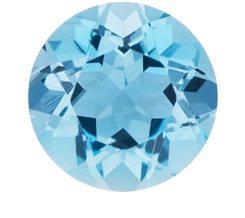 March
March 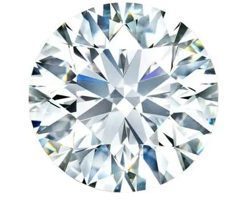 April
April 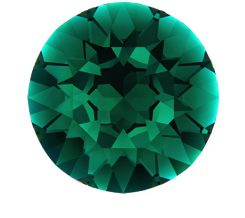 May
May 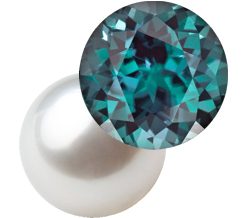 June
June 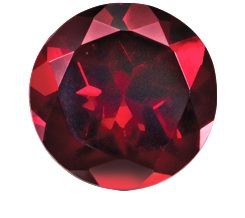 July
July 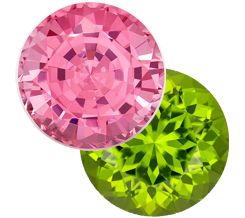 August
  September
  October
 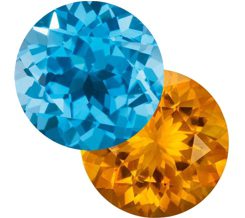 November
 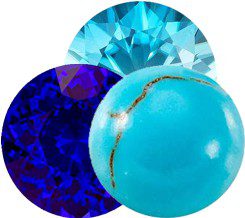 December
 Capricorn - Garnet
  Aquarius - Amethyst
  Pisces - Aquamarine
  Aries - Diamond
  Taurus - Emerald
  Gemini - Pearl
  Cancer - Ruby
  Leo - Peridot
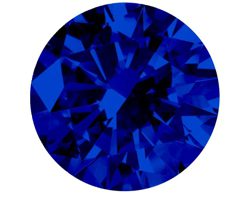
  Virgo - Blue Sapphire
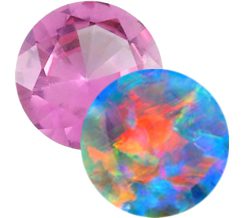
  Libra - Opal
  Scorpio - Topaz
  Sagittarius - Tanzanite


Serendibite Gemstones – Properties, Origins, Treatments and Buying Guide
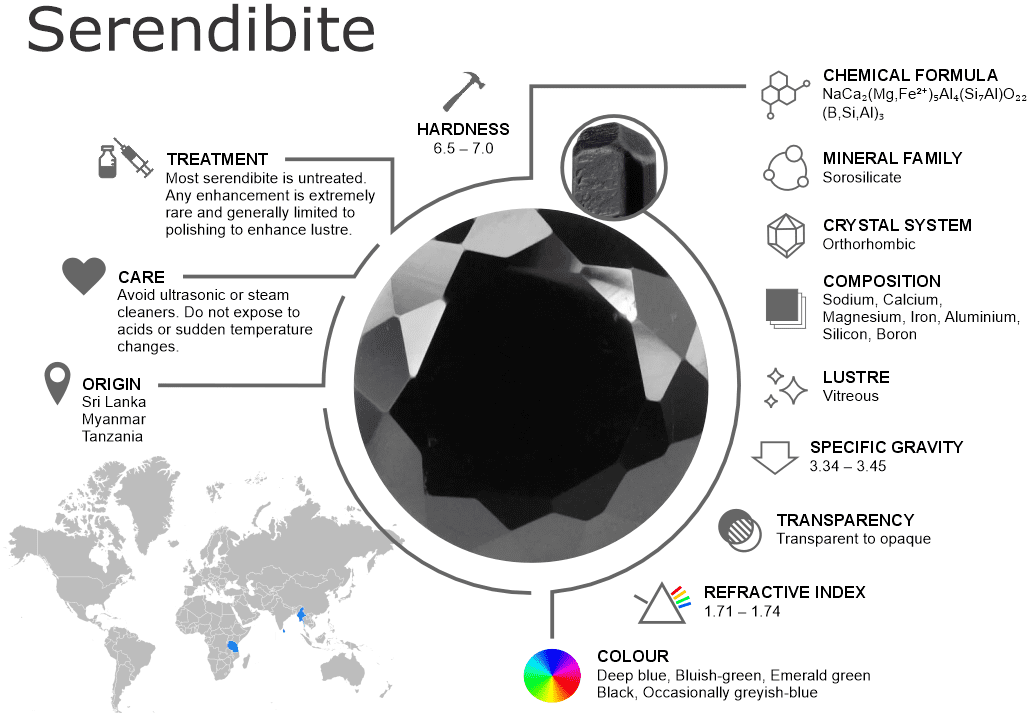
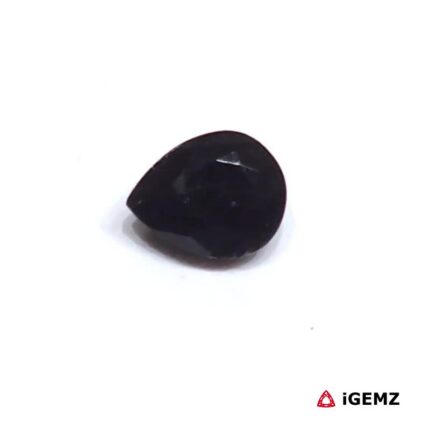
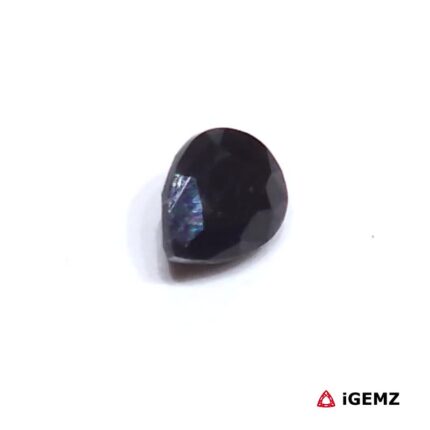
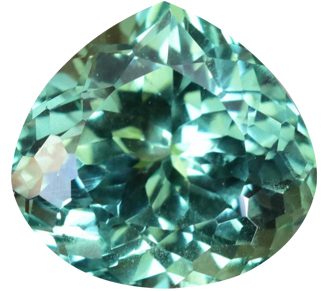
Serendibite is one of the rarest and most exotic gemstones in the world, prized for its deep blue to green hues and extraordinary clarity. Its striking colours and rarity make it highly sought after by collectors and connoisseurs of fine gemstones.
In this guide, we examine serendibite from a professional gemmological and commercial perspective, covering its physical properties, crystal structure, treatments, origins, and tips for identifying high-quality stones.
What is Serendibite?
Serendibite is a rare silicate mineral composed of complex calcium, magnesium, aluminium, boron, and silicon. It is extremely scarce in nature and typically forms deep blue, bluish-green, or green gemstones that rival sapphire in colour intensity. Crystals are usually prismatic or tabular and can reach sizes suitable for cutting into exquisite faceted gemstones.
Mineral Composition
Serendibite has the chemical formula:
NaCa₂(Mg,Fe²⁺)₅Al₄(Si₇Al)O₂₂(B,Si,Al)₃
It is composed primarily of:
Sodium
Calcium
Magnesium
Iron
Aluminium
Silicon
Boron
The interplay of these elements produces its deep blue to green colour range. High-quality stones exhibit uniform saturation and exceptional transparency.
Mineral Family and Crystal System

Serendibite belongs to the sorosilicate mineral family, which is known for complex tetrahedral chains of silicate.
Its crystal system is orthorhombic, producing prismatic crystals that enhance the gem’s brilliance and faceting potential.
Optical and Physical Properties
Serendibite combines extraordinary clarity, brilliance, and rare colour, making it highly prized among collectors. Its optical properties include strong pleochroism in some specimens and high refractive indices, giving intense internal reflection.

Lustre
Vitreous, producing a bright, glass-like appearance.

Transparency
Transparent to opaque; gem-quality stones are fully transparent.

Refractive index
1.71 – 1.74, giving exceptional brilliance and depth of colour.

Specific gravity
3.34 – 3.45, reflecting its dense silicate composition.
Colour Range
Serendibite occurs in a limited range of deep, saturated colours:
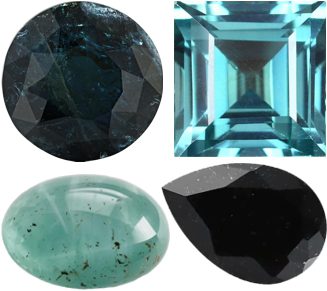
Deep blue
Bluish-green
Emerald green
Black
Occasionally greyish-blue
The most valuable stones are intense blue with high transparency and minimal zoning.
Mohs Hardness and Durability

Serendibite has a Mohs hardness of 6.5–7, making it suitable for jewellery with protective settings. It is brittle and can cleave if struck sharply, so careful handling is required.
Treatments

Most serendibite is untreated. Any enhancement is extremely rare and generally limited to careful polishing to enhance lustre. No heat, irradiation, or coatings are applied.
Care and Cleaning
Avoid ultrasonic or steam cleaners.
Do not expose to acids or sudden temperature changes.
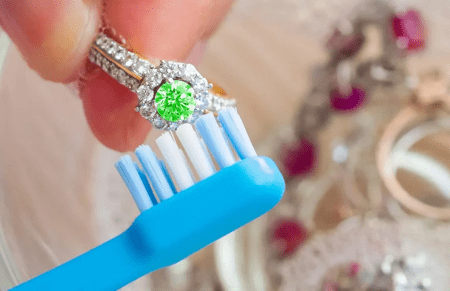
Clean with warm water, mild soap, and a soft brush.
Store serendibite separately from harder gemstones to prevent scratches.
Major Origins

Major sources of serendibite include:
Sri Lanka
Myanmar
Tanzania
These localities produce extremely rare, collector-grade gemstones.