

 1st - Gold
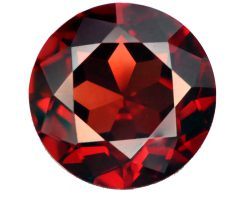 January
 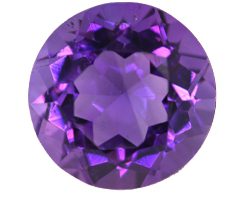 February
 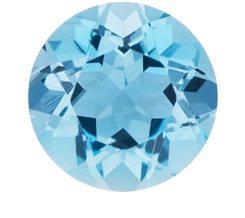 March
March 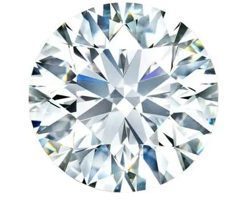 April
April 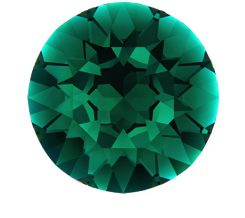 May
May 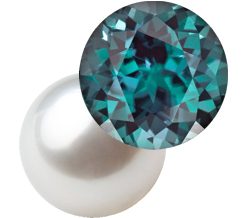 June
June 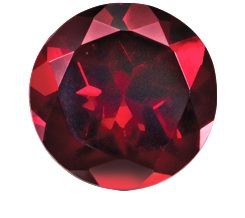 July
July 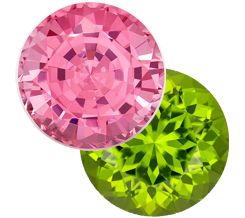 August
 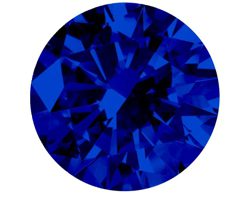 September
 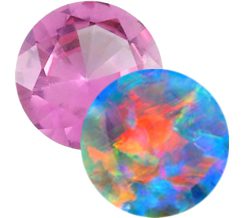 October
 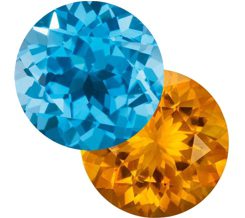 November
 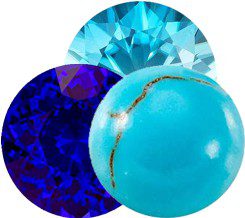 December
 Capricorn - Garnet
  Aquarius - Amethyst
  Pisces - Aquamarine
  Aries - Diamond
  Taurus - Emerald
  Gemini - Pearl
  Cancer - Ruby
  Leo - Peridot
  Virgo - Blue Sapphire
  Libra - Opal
  Scorpio - Topaz
  Sagittarius - Tanzanite

Coral Gemstones – Properties, Origins, Treatments and Buying Guide
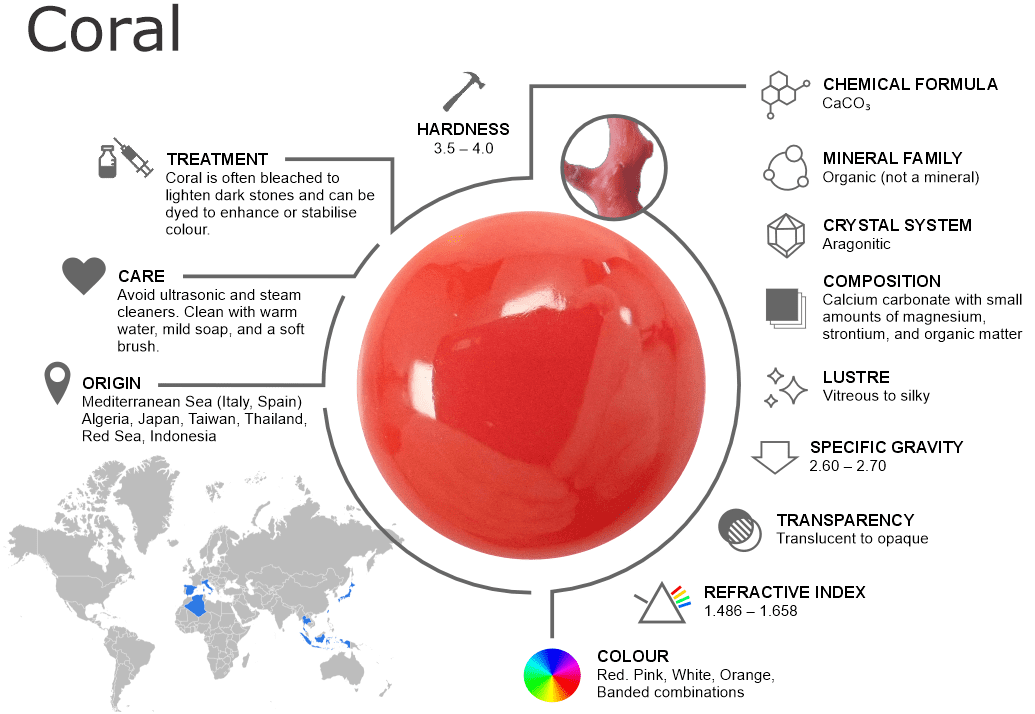
Coral is one of the oldest gemstone materials known to humanity, valued for its organic origin, rich colours and cultural significance. Unlike mineral gemstones formed deep within the earth, coral is created by living marine organisms and has been used in jewellery, amulets and carvings for thousands of years.
In this guide we examine coral from a professional gemmological and commercial perspective, covering its physical properties, structure, treatments, origins and how to identify fine-quality material.
What is Coral?
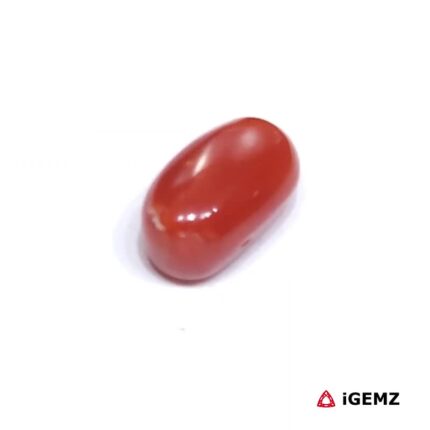
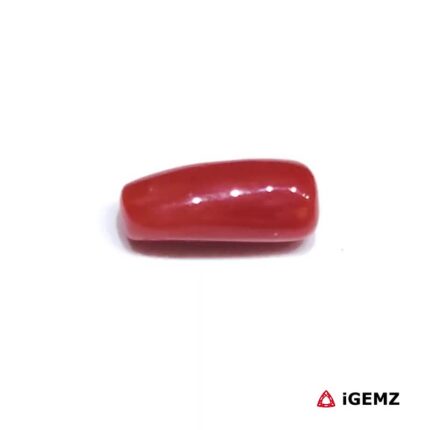
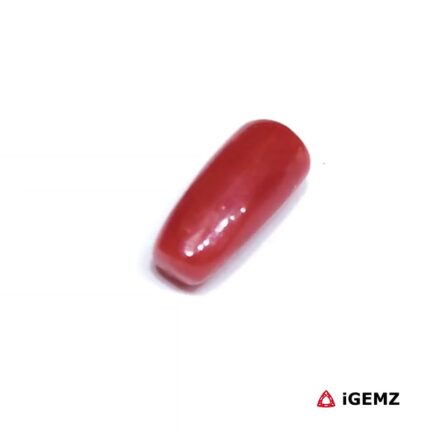
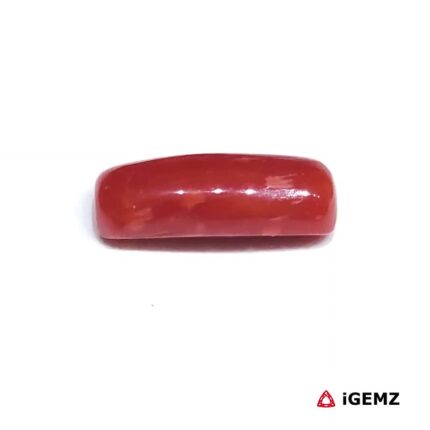
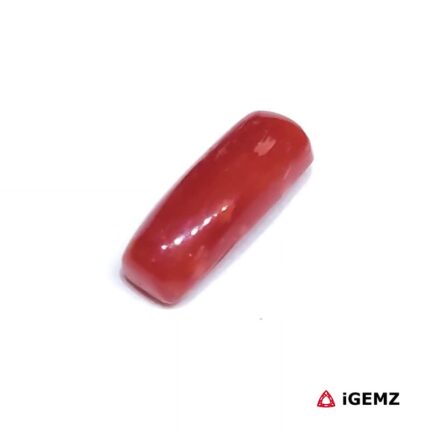
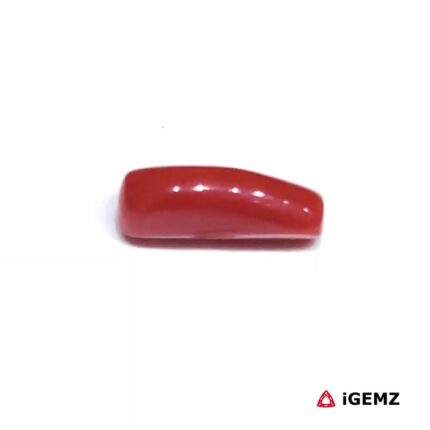
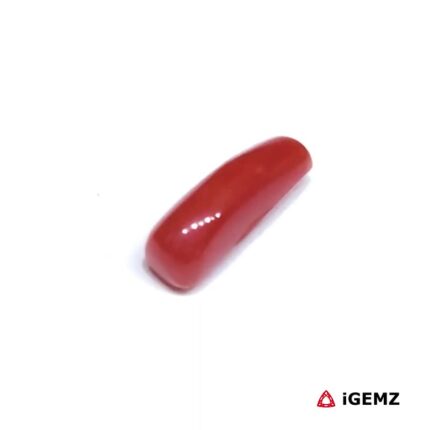
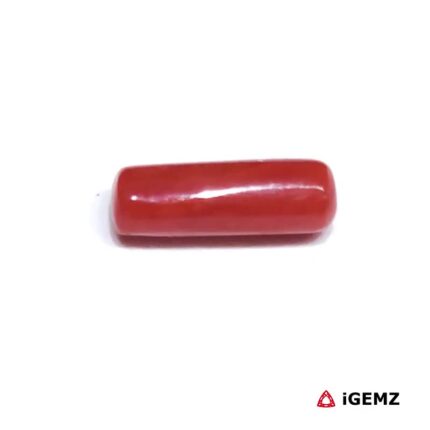
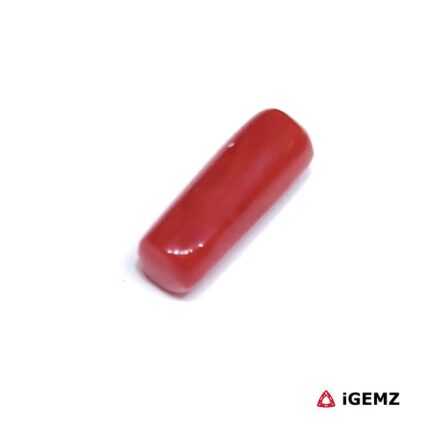
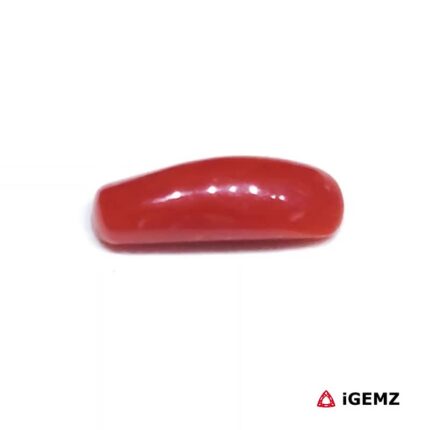
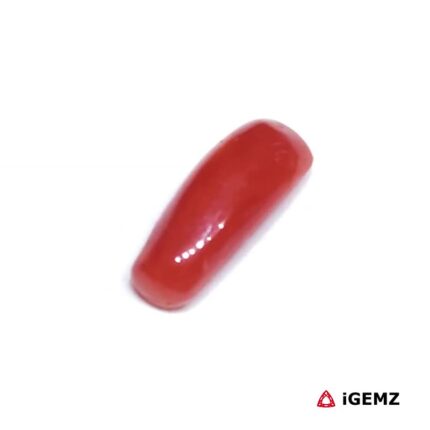
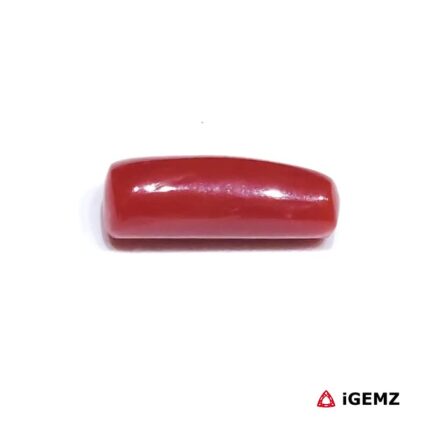
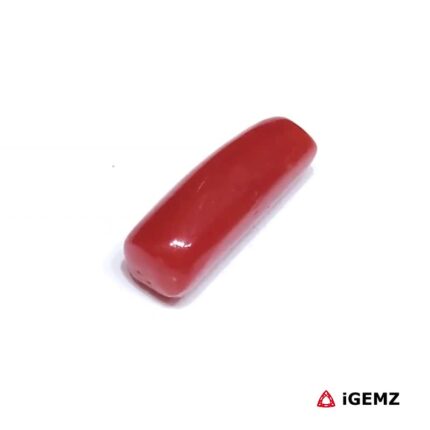
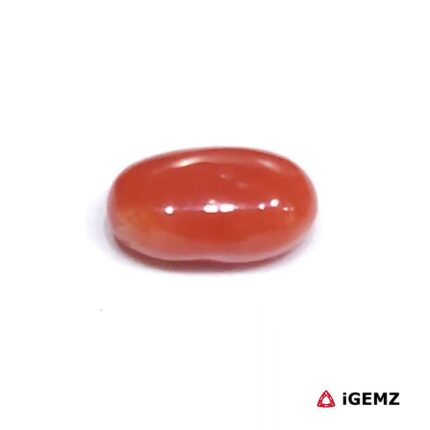
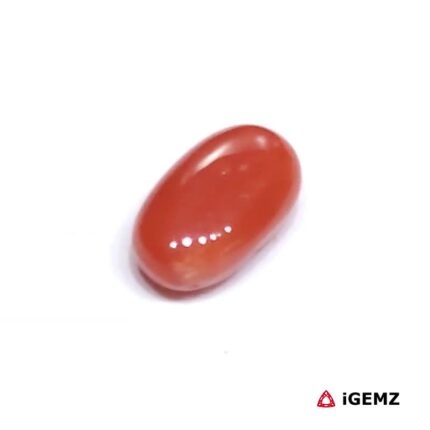
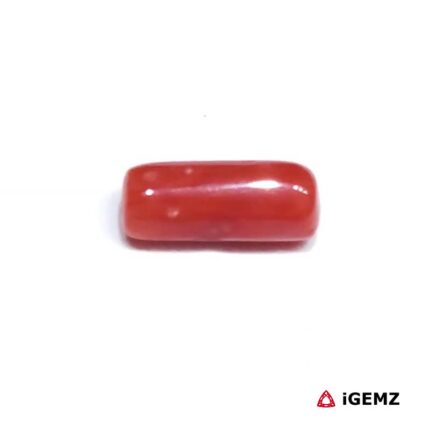
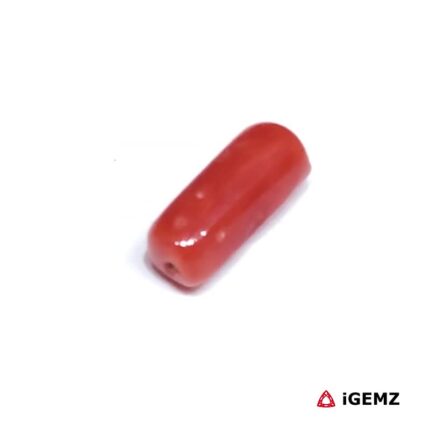
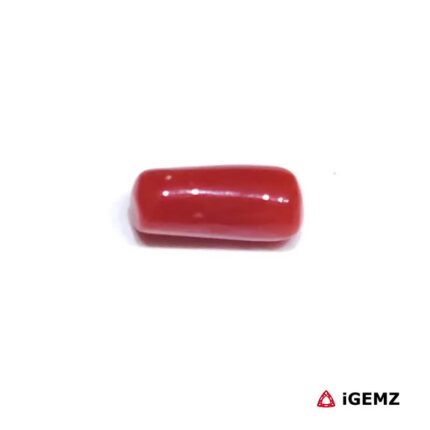
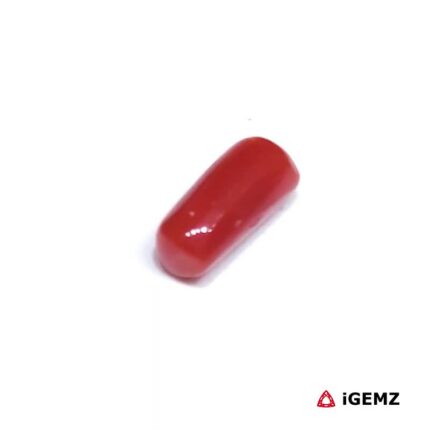
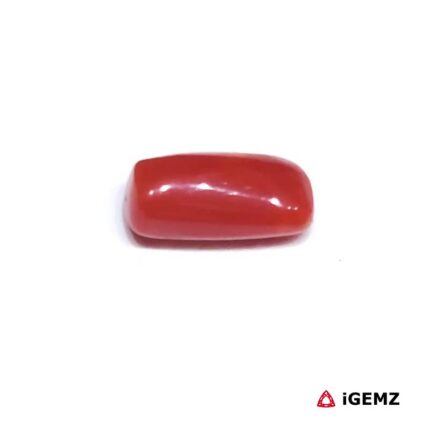
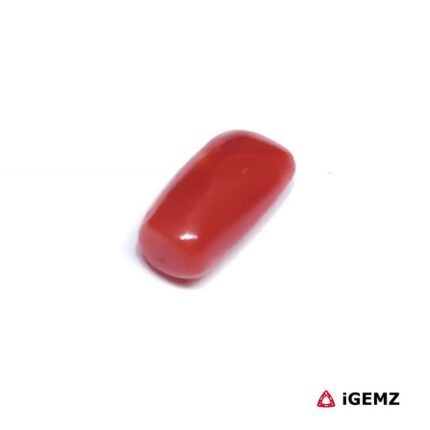
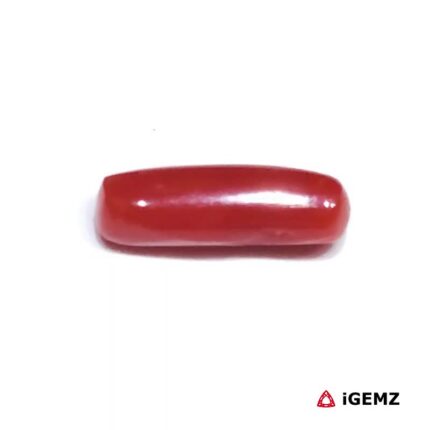
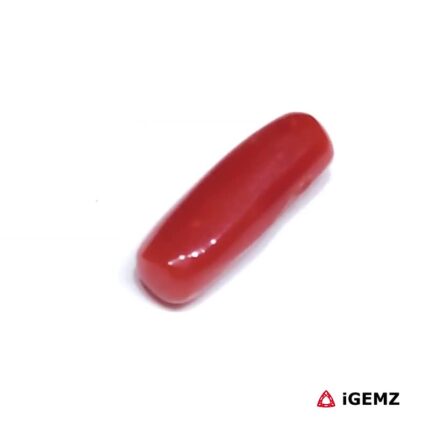
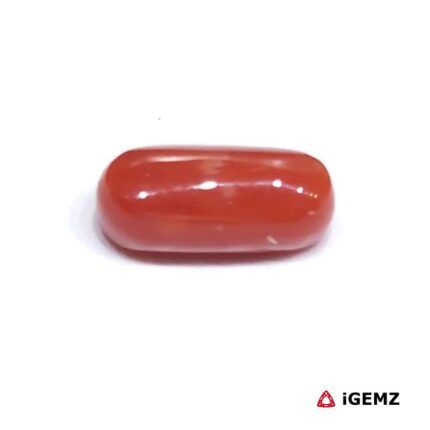
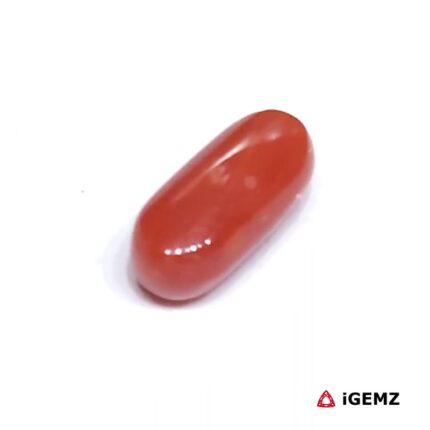
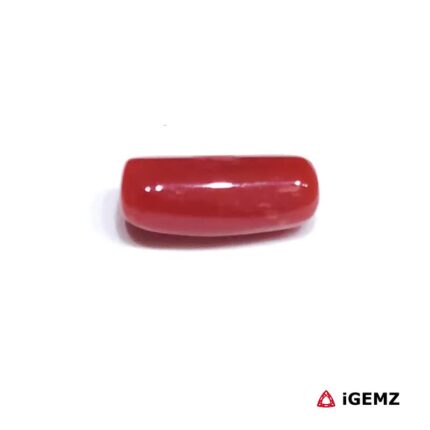
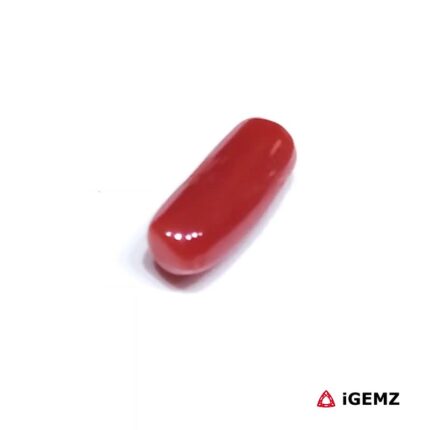
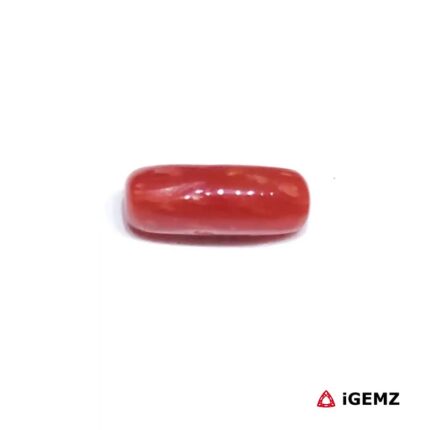
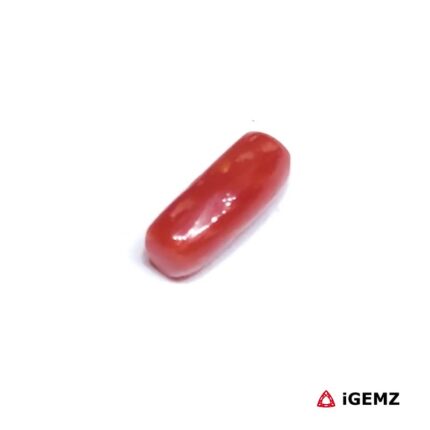
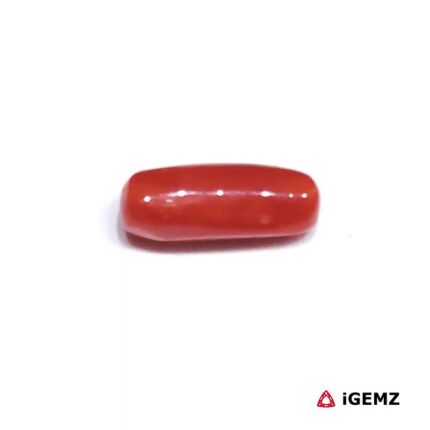
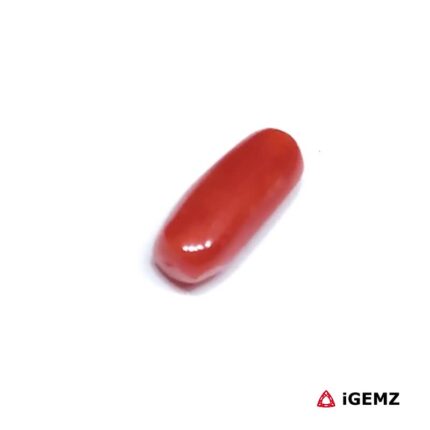
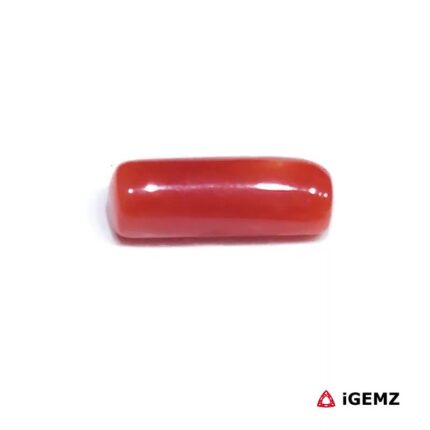
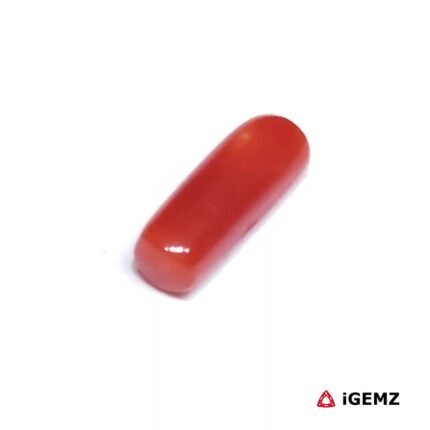
Coral is an organic gemstone formed from the skeletal remains of marine polyps. Over time, these calcium carbonate structures harden and can be cut and polished for use in jewellery.
Unlike mineral gemstones, coral does not crystallise. Its value depends on colour, density, surface quality and origin. Historically, coral has been associated with protection, vitality and status.
Mineral Composition
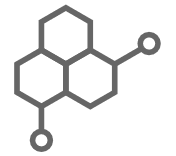
Coral is composed primarily of:
Calcium carbonate (CaCO₃)
Minor organic compounds and trace elements contribute to colour variation and structure.
Because coral is organic, its composition differs significantly from crystalline gemstones.
Mineral Family and Structure

Coral is classified as an organic gemstone rather than a mineral.
It does not belong to a crystal system. Instead, it forms in branching or massive structures created by marine organisms.
Optical and Physical Properties
Coral is valued for its smooth polish, distinctive colour and organic texture rather than brilliance.

Lustre
Dull to vitreous when polished.

Transparency
Opaque.

Refractive index
Approximately 1.48 – 1.66 depending on density.

Specific gravity
2.60 – 2.70.
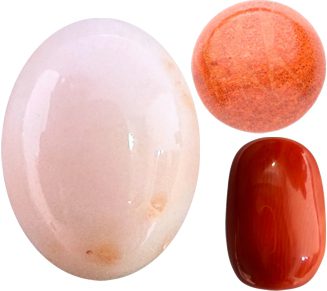
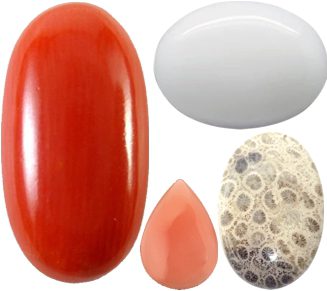
Colour Range
Coral occurs in a variety of colours:
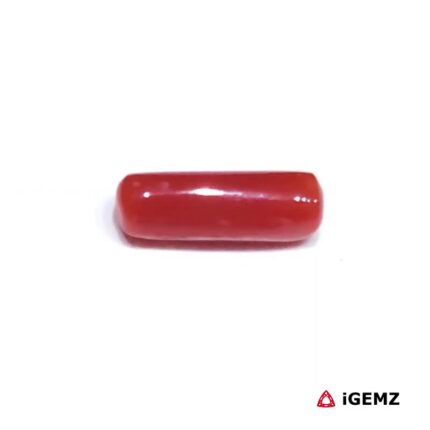
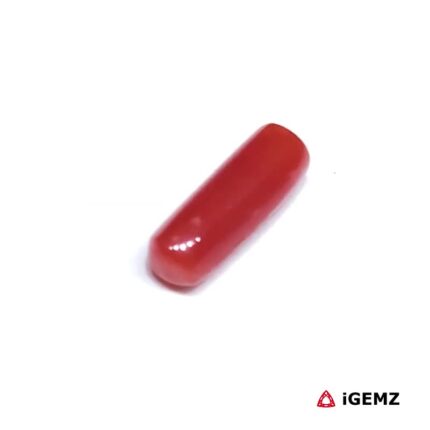
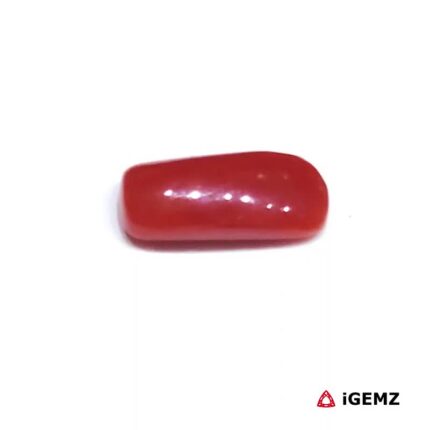
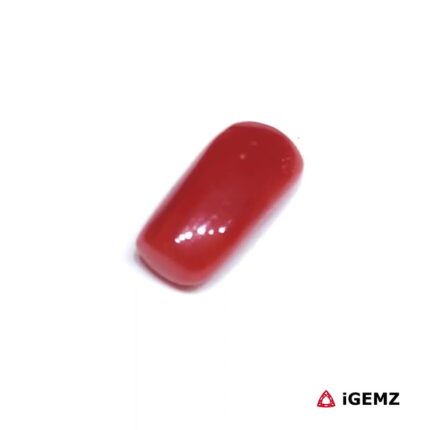
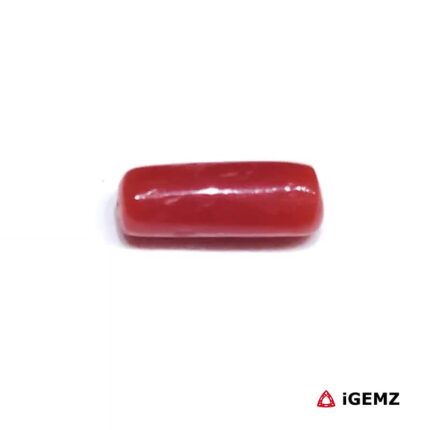
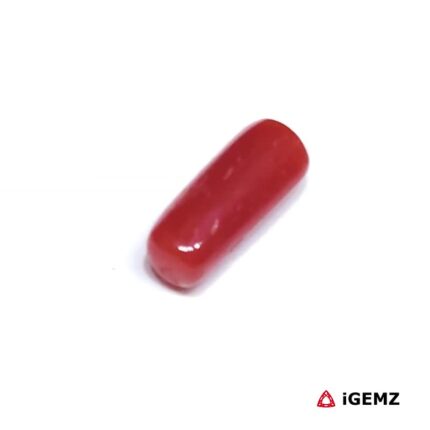
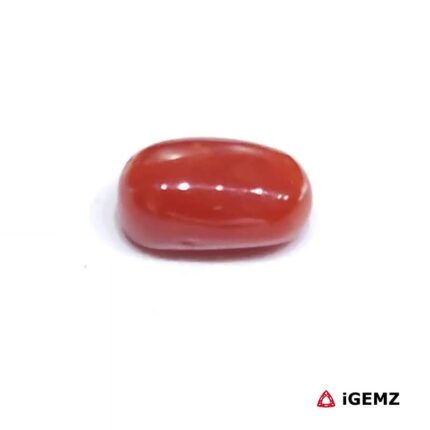
Red
Pink
Salmon
White
Black
Red and deep pink coral are traditionally the most valuable colours.
Mohs Hardness and Durability

Coral has a Mohs hardness of 3 to 4, making it relatively soft.
It is best suited for earrings, pendants and occasional-wear jewellery rather than daily rings.
Treatments

Most coral on the market is treated to improve colour and durability.
Common treatments include dyeing, waxing and resin impregnation. These treatments should be disclosed at sale.
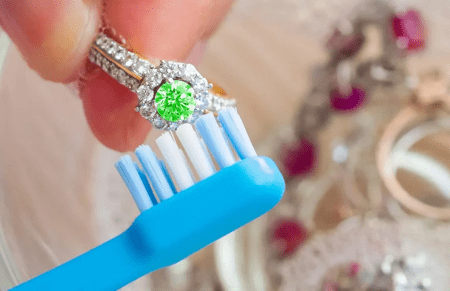
Care and Cleaning
Avoid ultrasonic and steam cleaners.
Avoid acids, perfumes and cosmetics.
Clean gently with a soft cloth and mild soap if necessary.
Store coral separately from harder gemstones.
Major Origins
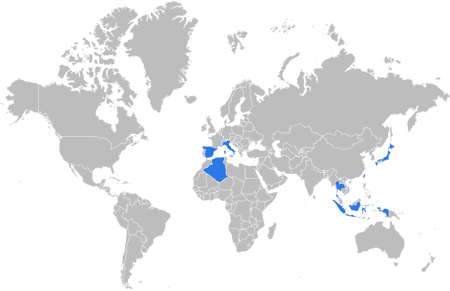
Major sources of coral include:
Mediterranean Sea (Italy, Spain)
Algeria
Japan
Taiwan
Thailand
Red Sea
Indonesia
Frequently Asked Questions
Is coral a natural gemstone?
Yes, <a href=”https://www.igemz.co.za/product-category/natural-gemstones/coral/” target=”_blank”>coral</a> is a natural organic gemstone formed by marine organisms.
Is coral a mineral?
No, coral is an organic gemstone and not a mineral.
Is coral treated?
Most coral is treated by dyeing or waxing to improve colour and durability.
Is coral suitable for everyday wear?
Coral is best for occasional wear due to its softness.
What colours does coral occur in?
Coral occurs in red, pink, salmon, white and black.
Can coral fade over time?
Dyed coral may fade with prolonged exposure to sunlight or chemicals.
Where does coral come from?
Major sources include the Mediterranean, Japan and Southeast Asia.
Is coral protected?
Certain coral species are protected and regulated under international law.
How can I tell if coral is real?
Natural coral shows organic texture and growth patterns under magnification.
Is coral valuable?
Fine-quality red coral is considered valuable and collectible.