

 1st - Gold
 January
 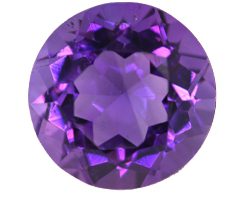 February
 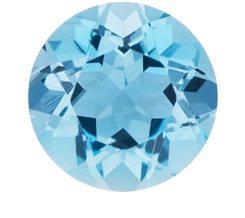 March
March 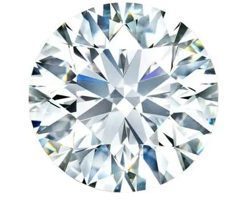 April
April 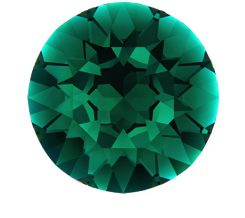 May
May 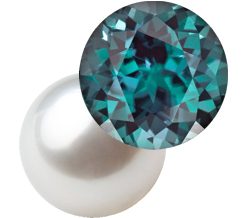 June
June 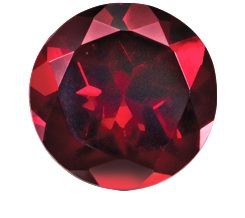 July
July 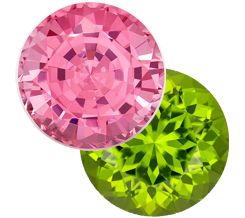 August
 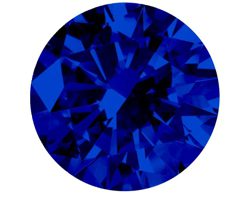 September
 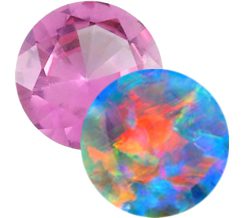 October
 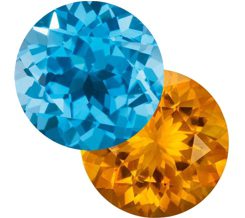 November
 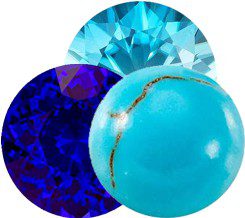 December
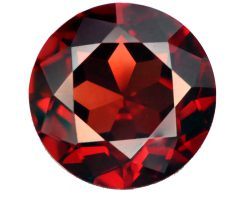
 Capricorn - Garnet
  Aquarius - Amethyst
  Pisces - Aquamarine
 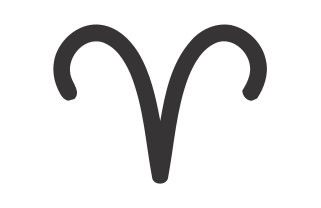 Aries - Diamond
 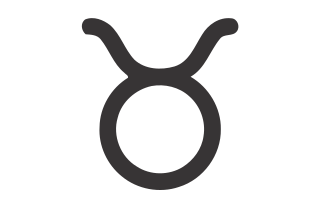 Taurus - Emerald
 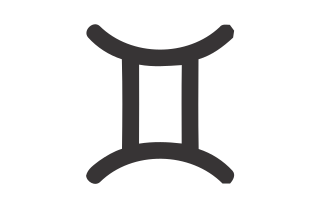 Gemini - Pearl
  Cancer - Ruby
  Leo - Peridot
  Virgo - Blue Sapphire
  Libra - Opal
 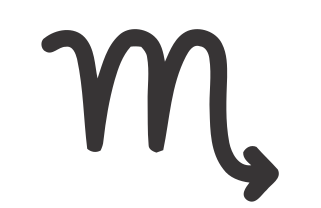 Scorpio - Topaz
  Sagittarius - Tanzanite


Jade Gemstones – Properties, Origins, Treatments and Buying Guide
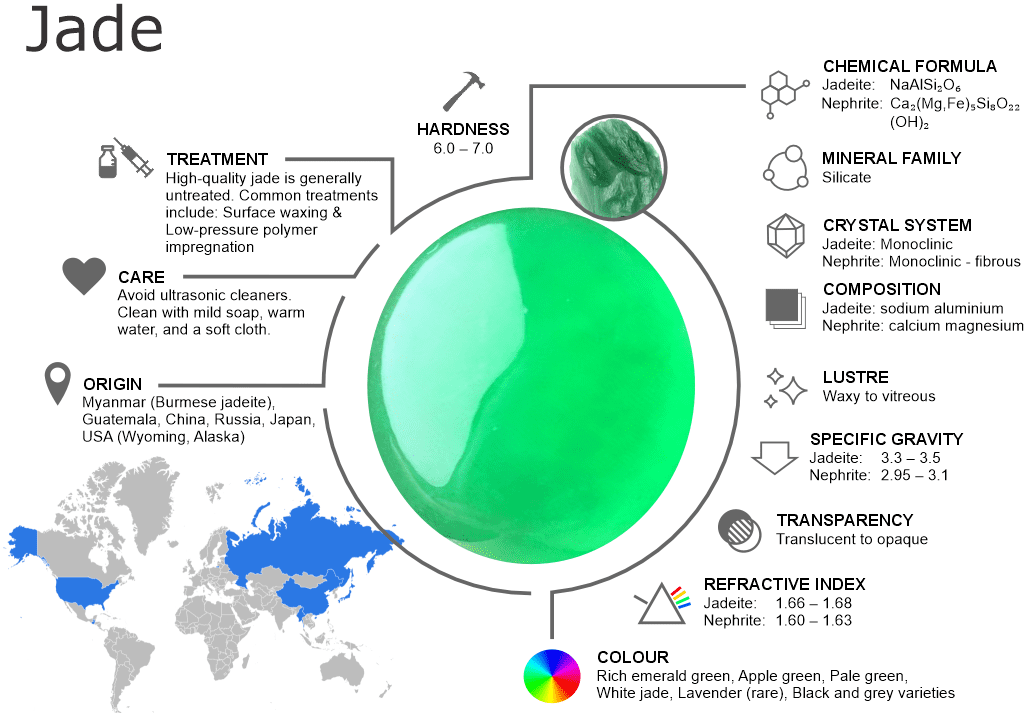
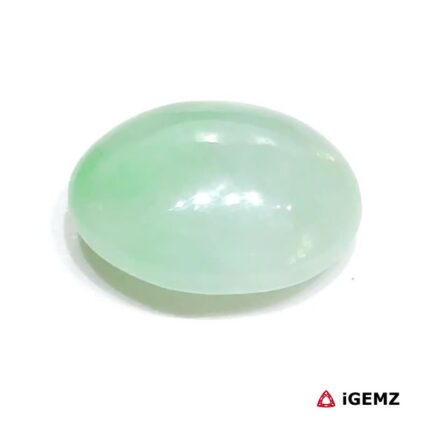
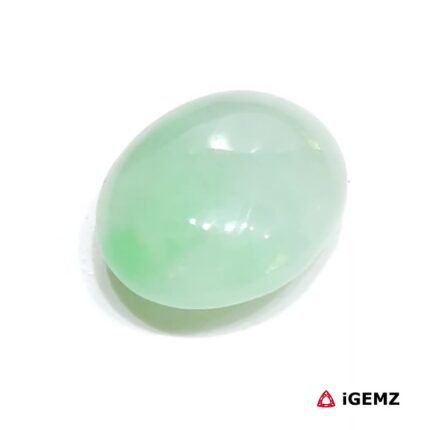
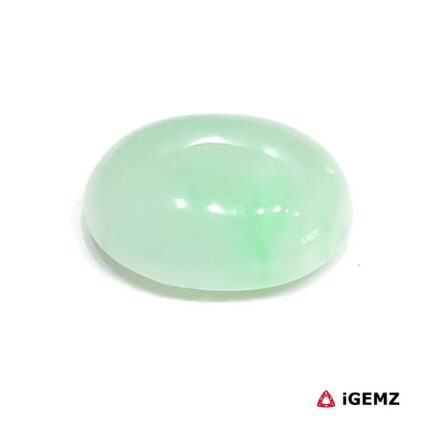
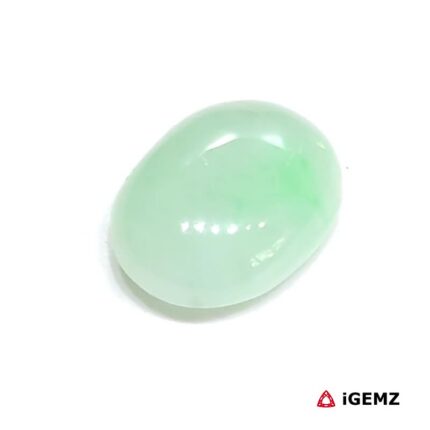
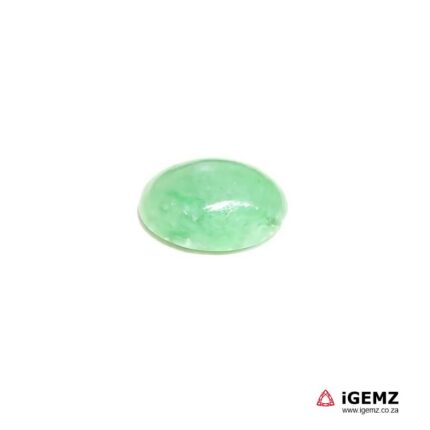
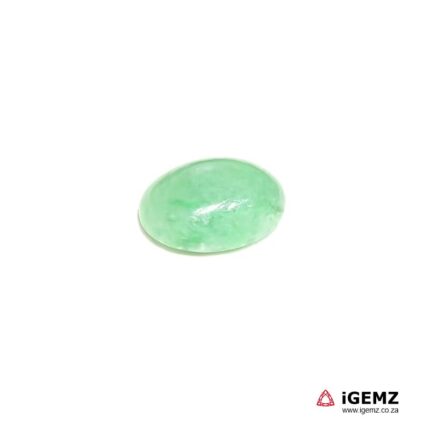
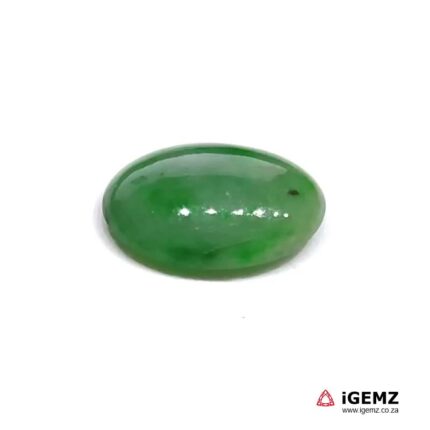
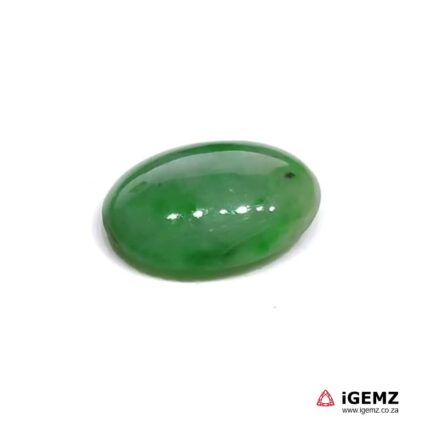
Jade is a legendary gemstone, valued for its rich green hues and historical significance across cultures. Unlike brightly coloured stones, jade is prized for its smooth texture, translucency, and toughness, making it ideal for intricate carvings and fine jewellery.
In this guide, we examine jade from a gemmological and commercial perspective, covering its physical properties, crystal structure, treatments, origins, and how to identify high-quality stones.
What is Jade?
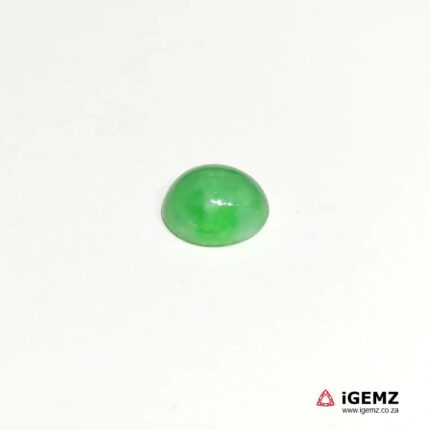
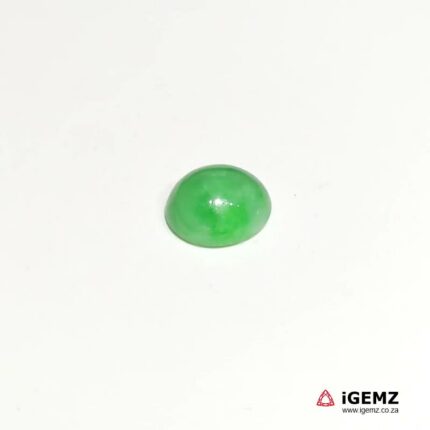
Jade is a durable gemstone that exists in two mineral varieties: nephrite (calcium magnesium silicate) and jadeite (sodium aluminium silicate). Both forms are highly valued for their rich green shades and smooth, waxy lustre.
Jade forms in metamorphic rocks and occasionally in hydrothermal deposits, often producing dense, tough material suitable for carving, beads, and cabochons.
Mineral Composition
Jade has two primary forms:
Jadeite: NaAlSi₂O₆ – sodium aluminium silicate
Nephrite: Ca₂(Mg,Fe)₅Si₈O₂₂(OH)₂ – calcium magnesium silicate
Trace elements, including iron and chromium, influence its colour, creating the spectrum of greens for which jade is celebrated.
Mineral Family and Crystal System

Jade belongs to the silicate mineral family.
Jadeite: Monoclinic crystal system
Nephrite: Monoclinic but fibrous structure
Its interlocking fibrous texture gives jade exceptional toughness, making it far stronger than many gemstones of similar hardness.
Optical and Physical Properties
Jade combines rich colour, translucency, and remarkable toughness, allowing it to be carved into intricate jewellery or decorative pieces without chipping.
Lustre
Waxy to vitreous, giving jade its characteristic smooth appearance.

Transparency
Translucent to opaque; highest value stones are semi-transparent and evenly coloured.

Refractive index
Jadeite: 1.66 – 1.68
Nephrite: 1.60 – 1.63

Specific gravity
Jadeite: 3.3 – 3.5
Nephrite: 2.95 – 3.1
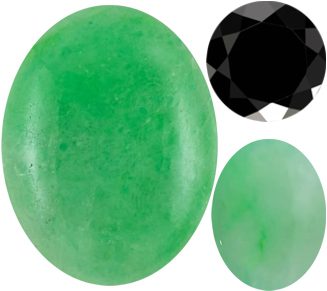
Colour Range
Jade occurs in:
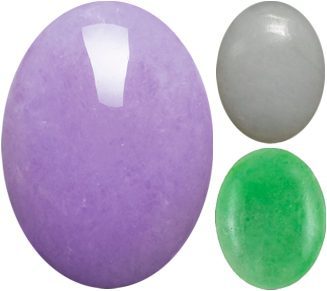
Rich emerald green
Apple green
Pale green
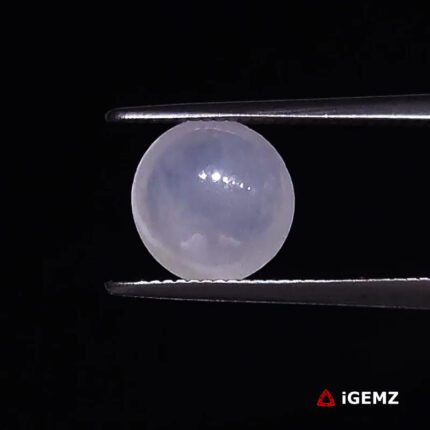
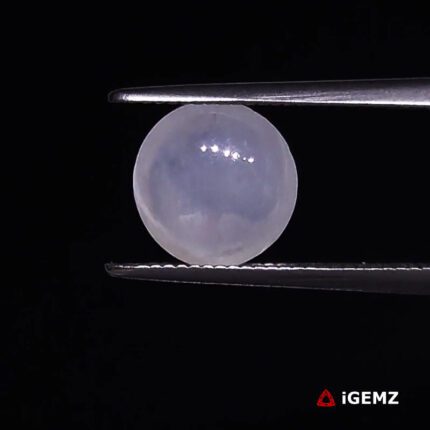
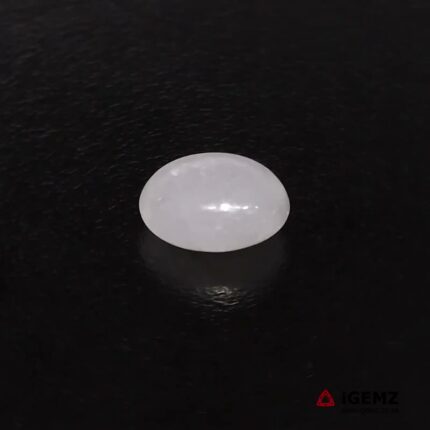
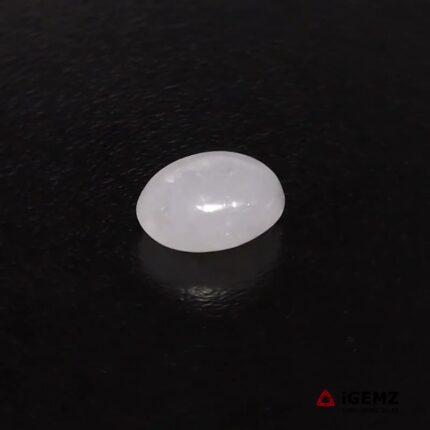
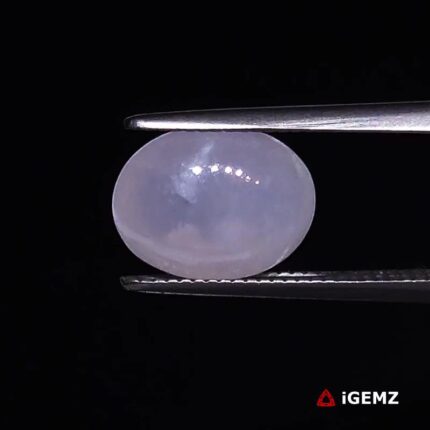
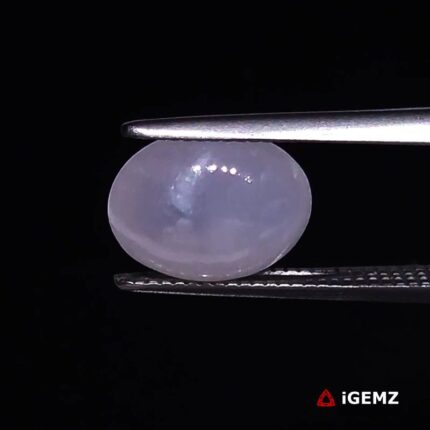
White jade
Lavender (rare)
Black and grey varieties
Even colour distribution and translucency dictate the highest commercial value.
Mohs Hardness and Durability
Jadeite and nephrite have a Mohs hardness of 6 – 7, but exceptional toughness due to interlocking fibres makes them suitable for rings, pendants, beads, and carvings.
Jade resists chipping better than most stones of similar hardness.
Treatments

Care and Cleaning
Avoid ultrasonic and steam cleaners.
Do not expose to acids or harsh chemicals.
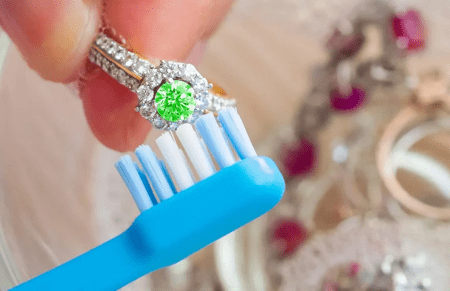
Clean gently with mild soap, warm water, and a soft cloth.
Store separately from harder gemstones to prevent scratches.
Major Origins
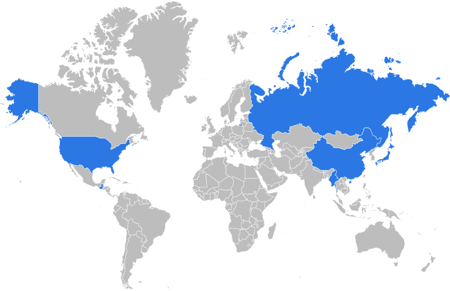
Major sources of jade include:
Myanmar (Burmese jadeite)
Guatemala
China
Russia
Japan
USA (Wyoming, Alaska)
Frequently Asked Questions
Is jade a natural gemstone?
Yes, jade occurs naturally in nephrite and jadeite forms.
What colours does jade come in?
Jade occurs in green, white, black, lavender, and rare yellow tones.
Is jade treated?
Top-quality jade (Grade A) is untreated. Some lower-grade jade may be polymer-impregnated or waxed.
Is jade suitable for daily wear?
Yes, jade is tough, but rings should avoid hard knocks due to brittleness along cleavage planes.
Does jade fade in sunlight?
No, natural jade is stable under sunlight and will not fade.
How can I identify real jade?
Check for smooth, waxy lustre, fibrous structure, even colour, and translucency in fine specimens.
Where does the finest jade come from?
Myanmar (Burmese jadeite) produces the most valuable emerald-green jade.
Can jade be scratched easily?
With a Mohs hardness of 6–7, jade resists scratches better than many stones of similar hardness but can still be marked by harder gems.
Is jade suitable for carving?
Yes, jade’s toughness makes it ideal for intricate carvings and beads.
Can jade be used in rings?
Yes, jade rings are popular but should be worn carefully to avoid chips and breaks.