



 1st - Gold


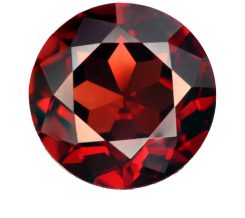 January
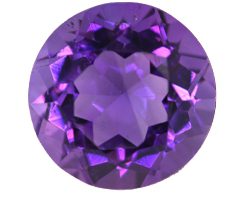 February
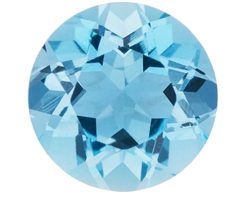 March
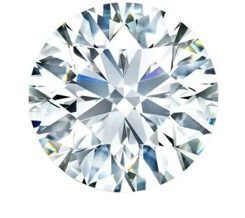 April
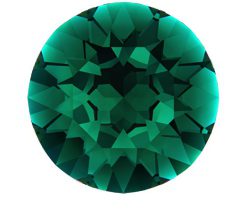 May
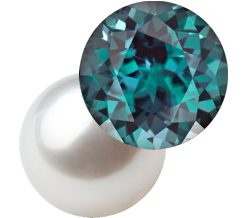 June
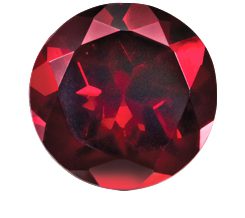 July
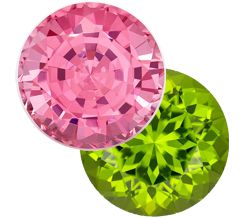 August
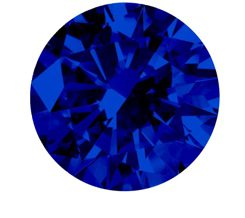 September
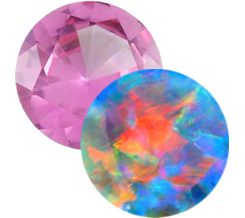 October
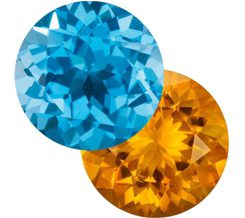 November
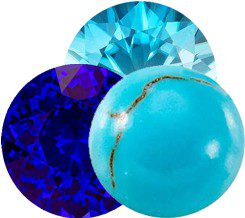 December

 Capricorn - Garnet
 Aquarius - Amethyst
 Pisces - Aquamarine
 Aries - Diamond
 Taurus - Emerald
 Gemini - Pearl
 Cancer - Ruby
 Leo - Peridot
 Virgo - Blue Sapphire
 Libra - Opal
 Scorpio - Topaz
 Sagittarius - Tanzanite



Understanding the Limits of a Gemstone Report Number Search
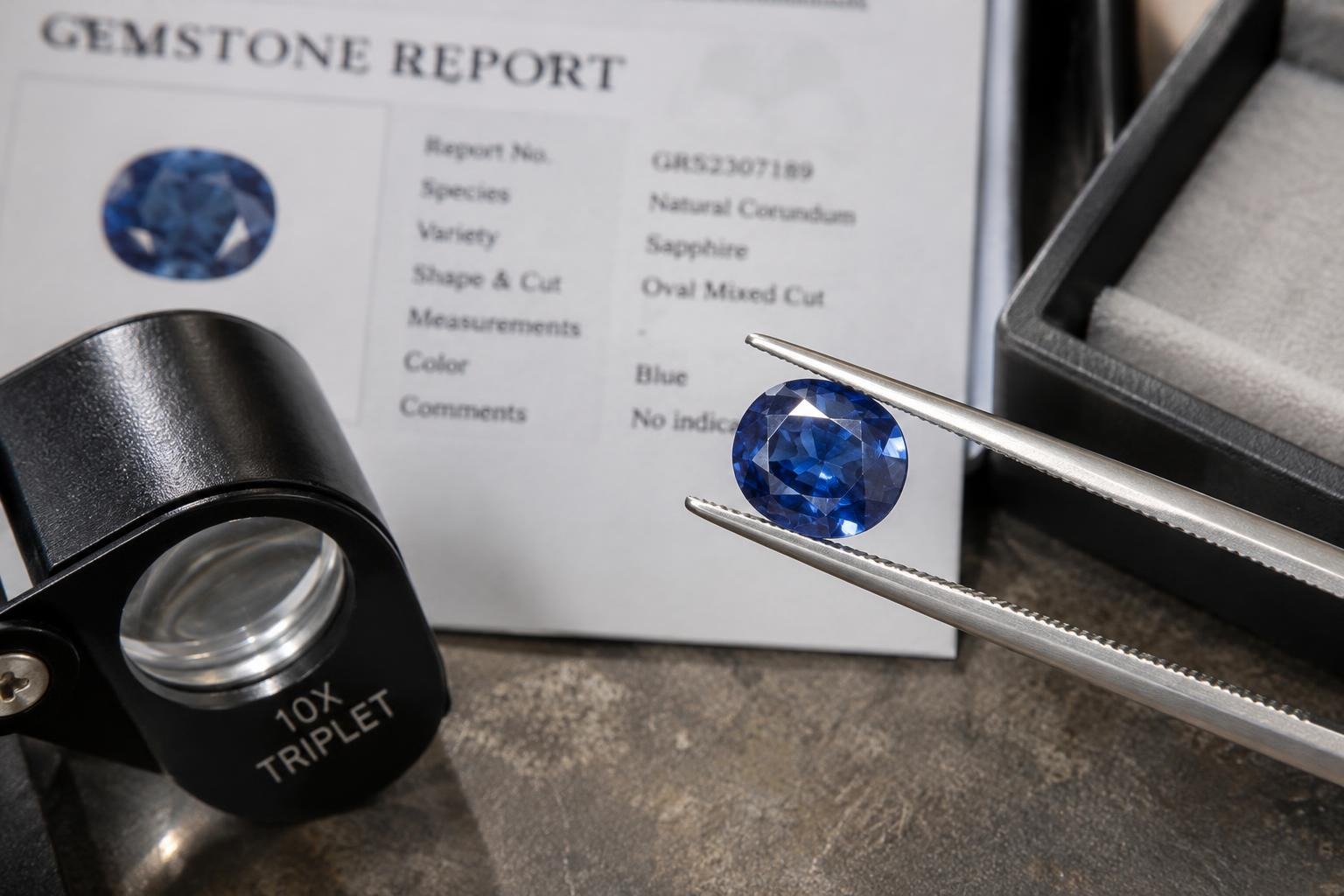
Gemstone Journal · 9 min read
When purchasing loose gemstones, buyers often seek reassurance about authenticity and quality by conducting a report number search. Though this is a helpful step, it is essential to understand the gemstone report verification limits. A report number search can confirm if a laboratory report exists matching that number but cannot verify details about the specific physical stone in your possession. Recognising this distinction protects buyers from overreliance on database matches and clarifies what further steps are necessary to confirm a gemstone's identity and characteristics with confidence.
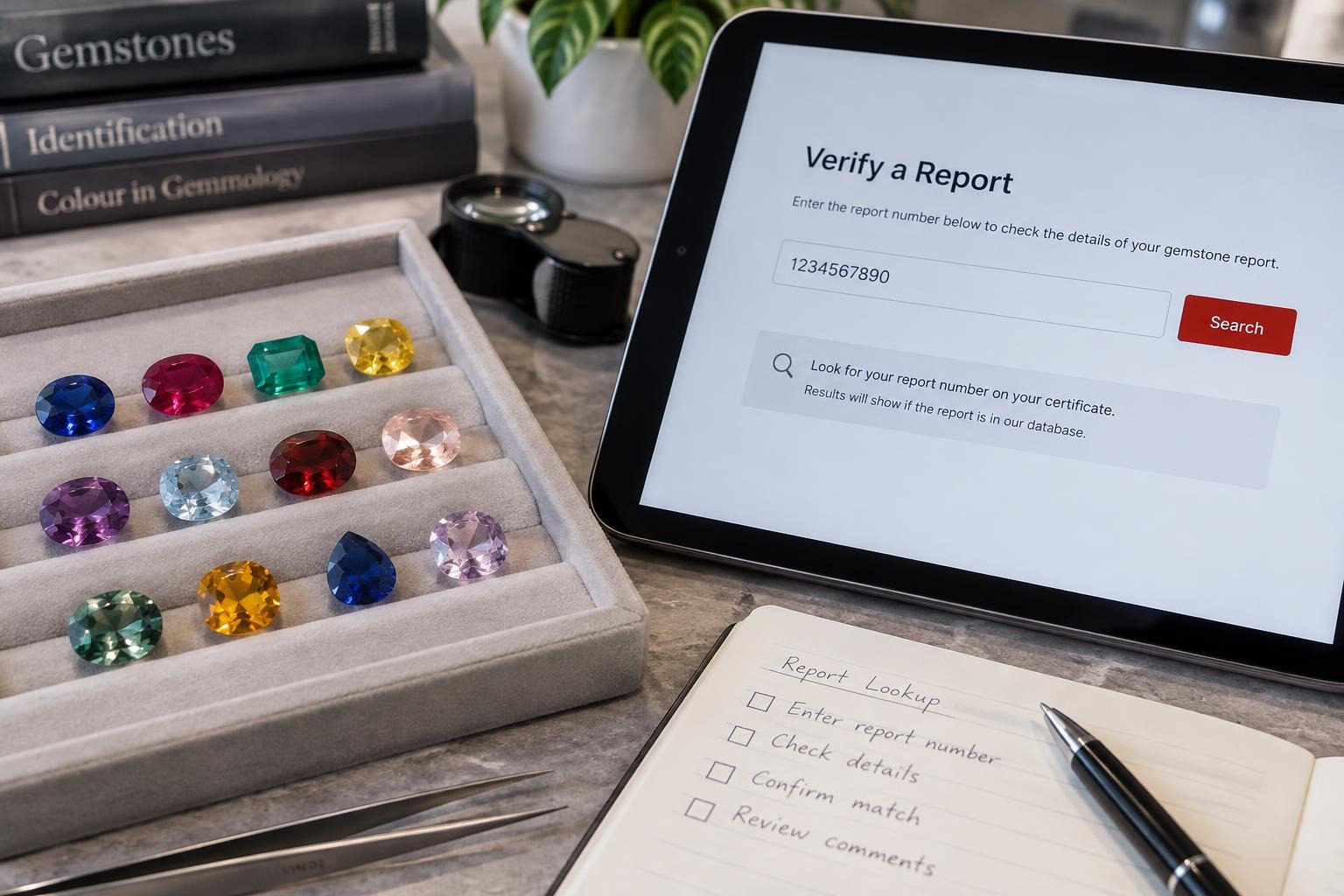
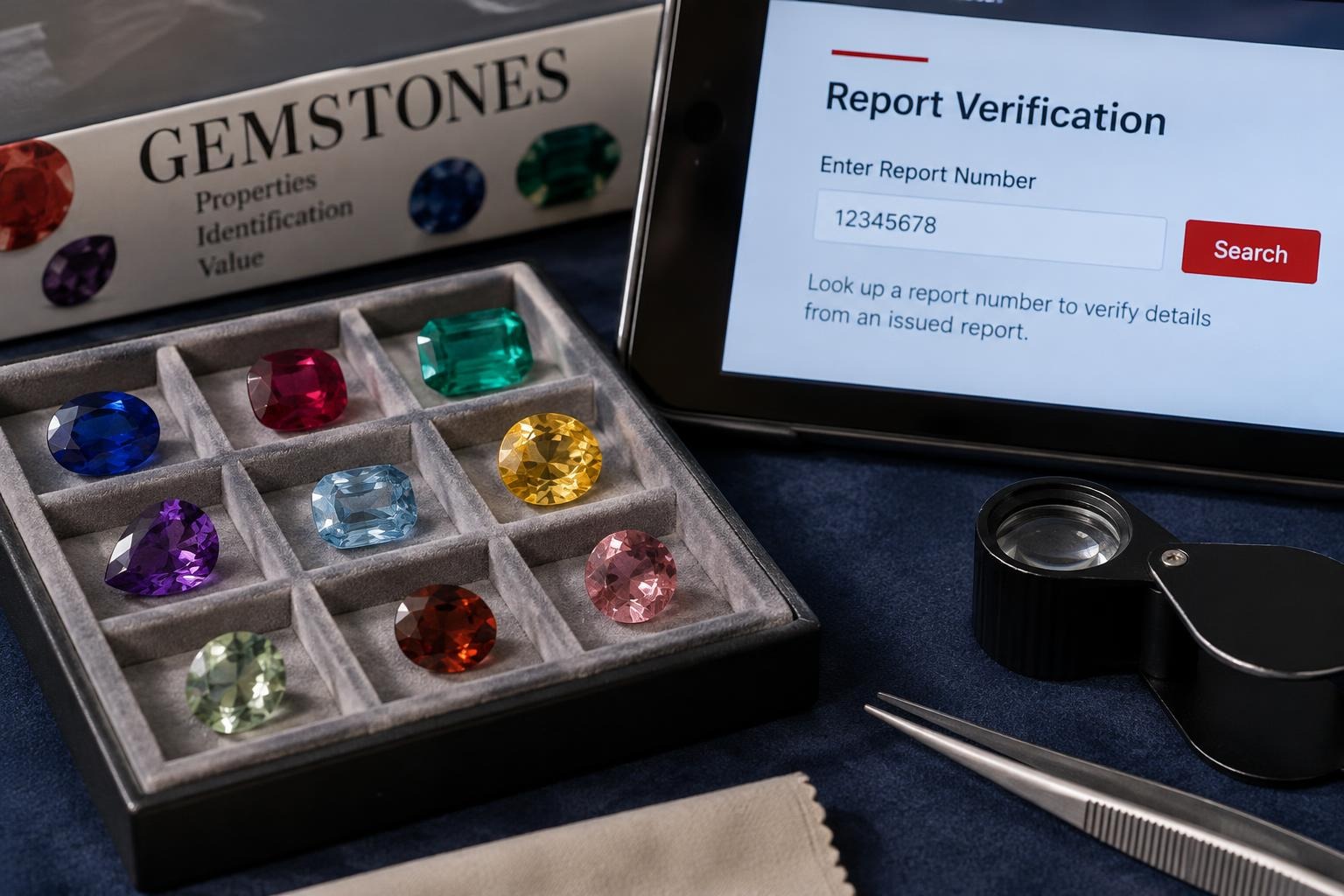
The image is for illustration purposes and is not an actual stock item.
What Is a Gemstone Report Number Search?
A gemstone report number search involves entering a unique identification number—assigned by gemmological laboratories on their certificates—into an online database. This search returns the official report's existence and sometimes basic details such as the gemstone species, variety, cut shape, weight, and colour description. Buyers use it to quickly verify that the report number is genuine and active, which can help thwart counterfeit or fabricated reports.
However, the database match reflects documentation only and is disconnected from physical inspection. The number confirms the report’s presence but not the correspondence with the actual loose gemstone offered or owned. iGemz does not provide or issue gemstone reports but encourages buyers to understand their verification scope before purchase.
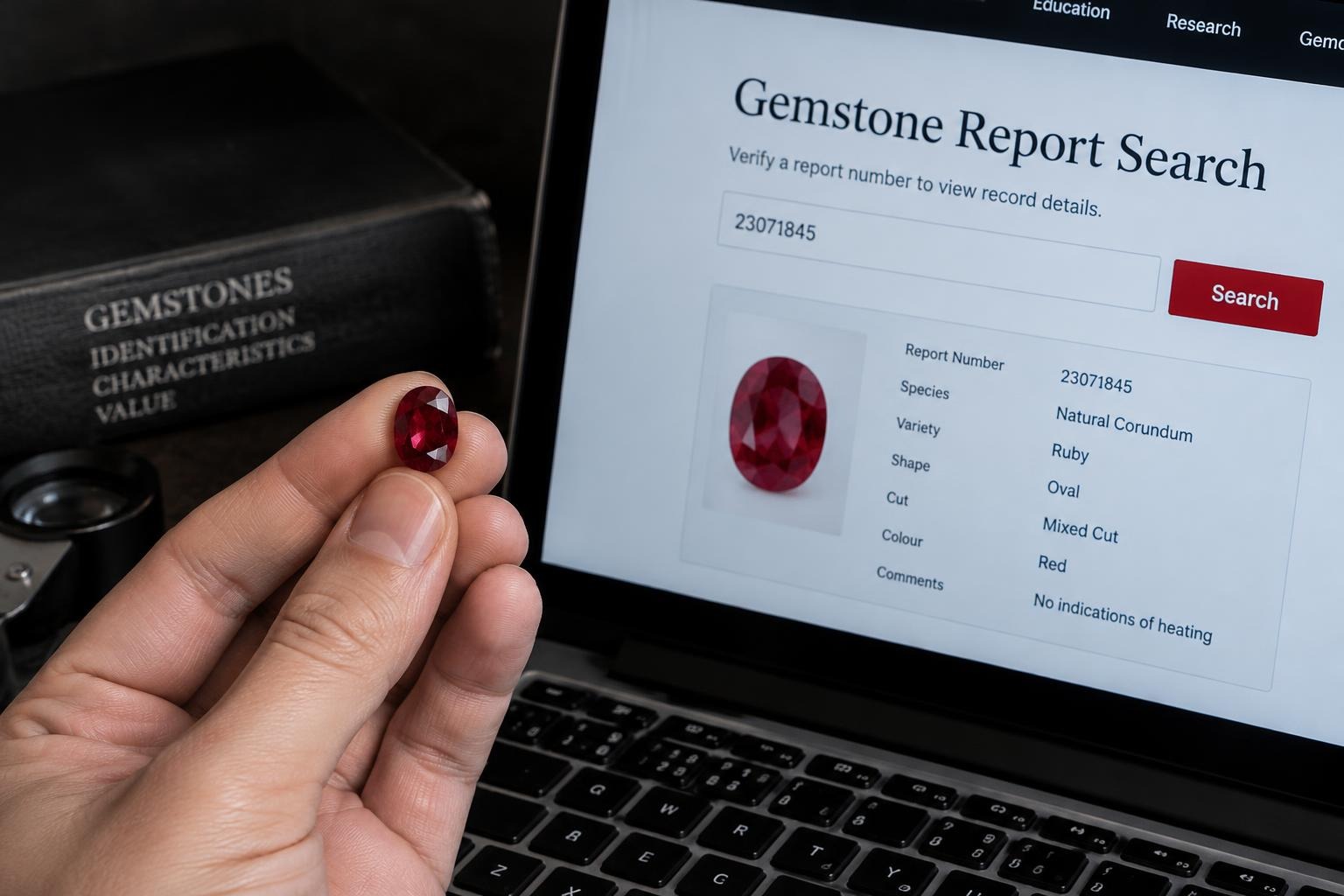
By knowing how a report number search functions, buyers prepare for realistic expectations, avoiding mistaken assumptions about the report’s ability to confirm the specific gemstone's physical properties.
Illustration Caption: The image is for illustration purposes and is not an actual stock item.
Database Matching Versus Physical Stone Verification
The core limitation of a report number search is that it only matches a number to an existing document in a laboratory’s system. It does not electronically ‘see’ the physical stone. Consequently, several mismatches or fraudulent scenarios can still occur despite a correct report number match:
• A report may be valid but issued for a different gemstone than the one accompanying the report number when sold.
• A genuine report may be reused illicitly on multiple stones.
• Stones may be misrepresented despite differing in size, cut, or treatment status from the report details.
Laboratories issue reports based on specific examinations. These reports include critical data such as carat weight, dimensions in millimetres, species, variety, clarity, colour, cut, and noted treatments if any. Confirming that the physical stone matches these characteristics requires professional gemmological appraisal using instruments and testing techniques beyond database cross-referencing.
This understanding steers buyers toward combining report number checks with comprehensive gemmological evaluation when identity and description accuracy is vital.
Evidence Limitations Inherent to Report Number Searches
Report number searches provide evidence only that a report exists with that assigned number, hosted by the issuing laboratory. They cannot prove:
• That the physical gemstone you examine or receive is identical to the one the report describes.
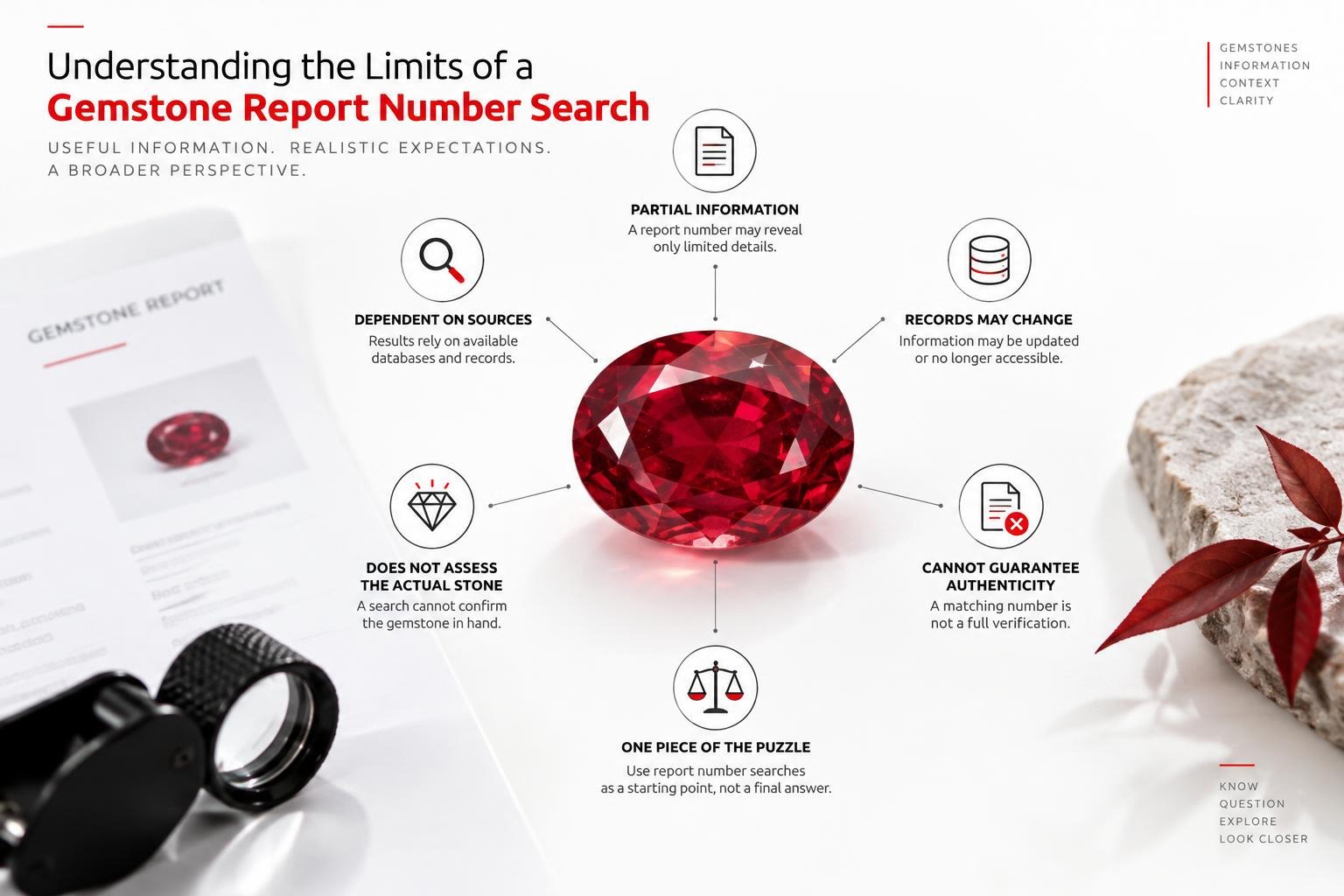
• That the report’s data remain accurate (for instance, stone characteristics can be altered by recutting or damages after reporting).
• Whether any treatment disclosed on the report is present or omitted in the actual stone.
• The ownership or provenance of the gemstone.
• The gem’s actual origin, although some reports mention locality when verified.
Additionally, photographs or scanned images sometimes accompany reports online, but these are general illustrations and not necessarily the exact stone. Hence, visual identification via reports should be considered illustrative rather than conclusive.
To minimise risk, buyers should clarify with sellers whether the gemstone and its report correspond, supported by up-to-date gemmological verification where appropriate.
Practical Questions to Ask When Using a Report Number Search
To harness the benefits of report number searches while recognising their constraints, consider asking these practical questions:
1. Which laboratory issued the report, and do they provide an accessible and reliable online report number verification service?
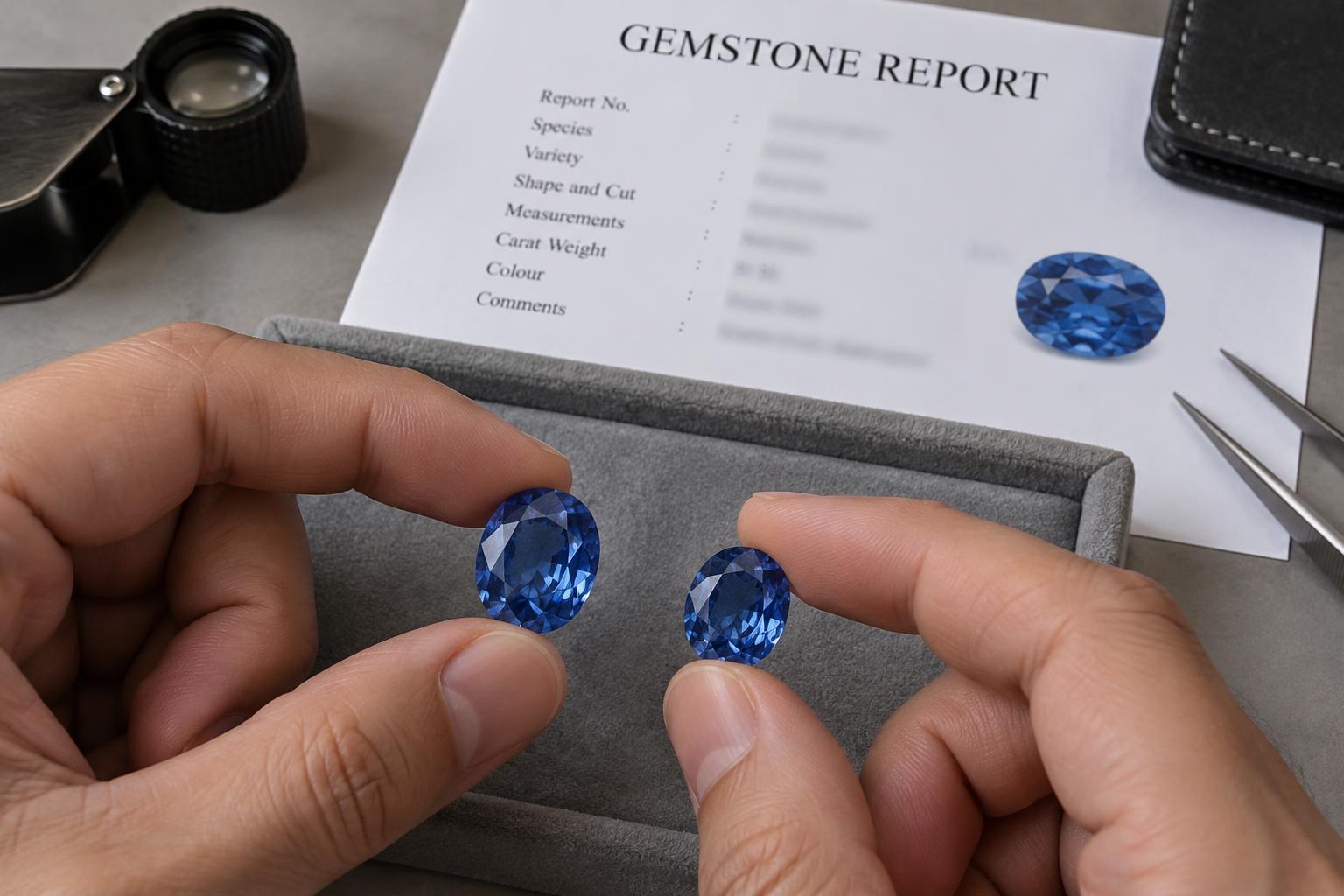
2. Does the report detail correspond closely with the seller’s descriptions of colour, carat mass, cut, and species?
3. Was the gemstone submitted for testing recently or a significant time ago? Has it undergone changes since?
4. Is there independent gemmological certification or appraisal beyond the number verification?
5. Can the seller provide supporting information about treatments or origins documented in the report?
6. Are you able to view or request clear gemstone images that align with report details, noting that visuals are not definitive proof?
By asking these questions, you can enhance due diligence and reduce uncertainties linked to relying solely on report number searches.
Illustrative Scenario: When a Report Number Search Alone Isn’t Enough
Imagine a buyer checks a report number for a sapphire and confirms it exists, issued by a recognised global laboratory. However, upon receiving the loose gemstone, the buyer notes discrepancies in colour saturation and size compared to the report’s description. The buyer realises the report number search only guaranteed the report existed, not that the loose sapphire matches that report.
This emphasises that matching report numbers are a starting point, not a conclusive identification. In such cases, professional gemmological verification, including measurements, refractive index testing, magnification to examine inclusions, and possibly spectroscopy, is required to confirm the stone's identity and match with the report conditions.
Practical scenarios like this highlight the need for combining report number verification with trusted gemmological expertise for confident gemstone purchasing.
Distinguishing Laboratory Reports From Gemmological Valuations
It is vital to differentiate between laboratory reports and gemmological valuations, particularly when evaluating what a report number search confirms.
Laboratory reports are technical documents created by gemmological labs after thorough analysis of an individual gemstone. They detail objective attributes such as mineral species, variety, carat weight, dimensions, cut style, clarity characteristics, and any treatments detected. Each report displays a unique report number but does not assign market value.
In contrast, gemmological valuations or appraisals provide an estimated monetary value based on market conditions, quality, and desirability. These valuations may reference laboratory reports but are distinct services, typically conducted by qualified gemmologists or valuers.
A report number search accesses the laboratory’s record linked to a report number, not an appraisal or valuation database.
Understanding this separation helps buyers appreciate that report verification confirms documentation existence but does not guarantee market value or trading status.
When Should You Rely On Report Number Searches?
Report number searches are useful in several contexts but should be employed thoughtfully:
• As a preliminary step for verifying that a particular gemstone report is genuine and issued by the claimed laboratory.
• To confirm consistency when you already possess the loose gemstone and report, matching carat weight, cut, and species descriptions.
• When deciding to request additional gemmological verification if initial searches indicate genuine documentation.
• For quick cross-reference during online buying to identify fraudulent or fabricated report numbers.
However, these searches are not sufficient as the sole proof of gemstone authenticity or legal ownership.
When precision about the loose gemstone's identity, treatment status or origin matters, laboratory certification and direct examination by qualified gemmologists are essential.
Knowing when report number verification is adequate and when further study is needed is key to a secure purchase.
Additional Resources for Gemstone Education
For buyers seeking to deepen their gemmological knowledge and understand gemstone qualities beyond report verification, iGemz offers extensive guides and buying resources. Some recommended educational links include:
• How Gemstones Are Graded and Certified – a detailed look at what laboratory reports encompass and their limits: https://www.igemz.co.za/how-gemstones-are-graded-and-certified/
• The Four Cs: The Cornerstones of Gemstone Value – understanding colour, clarity, cut, and carat implications: https://www.igemz.co.za/the-four-cs-the-cornerstones-of-gemstone-value/
• Carat Weight vs Millimetre Size: Choosing a Gemstone That Fits – crucial for recognising size descriptions on reports: https://www.igemz.co.za/carat-weight-vs-millimetre-size-choosing-a-gemstone-that-fits/
• Why the Same Gemstone Looks Different in Different Lighting – to appreciate colour variance and report colour descriptions: https://www.igemz.co.za/why-the-same-gemstone-looks-different-in-different-lighting/
These resources support buyers in interpreting gemmological information and avoid common misunderstandings regarding report verification.
Another key consideration is that report numbers do not track changes to a gemstone after the report date. For example, if a stone is recut, repolished, or even damaged following its laboratory examination, the original report’s parameters such as carat weight, dimensions, cut proportions, and clarity observations may no longer apply. The report number remains the same, but the physical characteristics drift from what was documented. This underscores why ongoing verification from a qualified gemmologist is important if ownership changes hands or alterations occur.
Moreover, laboratories rarely offer services that link a report number to a physical stone in real time. While some databases allow online lookup by report number, they do not electronically confirm that the loose gemstone presented matches the reported gem. The absence of biometric or laser inscriptions on the stone means there is no direct registration between the stone and its report number. Buyers and sellers must rely on physical inspection and trusted intermediaries to maintain stone-report integrity.
In jewellery trade practice, sellers often accompany reports with high-resolution images and precise measurements to approximate the report’s description. However, relying on photographs for ultimate verification is limited, as lighting, camera quality, and angles affect the appearance, and subtle differences in cut or inclusions may be invisible. Thus, images should be regarded as illustrative aids rather than definitive proof of report-stone correspondence.
Practical examples illuminate these limits: a sapphire report may list specific parameters like weight to two decimal places and dimensions in millimetres. Without carefully measuring the received stone with callipers or gemmological tools, simply associating the stone with the report number online could misrepresent the stone’s actual characteristics. Such discrepancies can have material implications for valuation and buyer confidence.
Lastly, ethical and provenance claims cannot be substantiated through a report number search. While some laboratories may note the origin if verified, this information is not universally included nor guaranteed accurate over time. Transformations of the gemstone’s history post-report, including treatment or ownership, are outside the scope of the database’s capabilities, reinforcing that report number searches address only a narrow documentary facet of gemstone verification.
Summary: Optimising Your Gemstone Purchase Confidence
Remember that gemstone report verification via report number searches is a valuable tool, but its limits mean it cannot confirm physical stone authenticity alone. Buyers should combine it with professional gemmological appraisal and informed questioning. Reports remain important documented facts, but physical inspection, treatment disclosures, and up-to-date certification complete a responsible verification process.
By understanding what a report number check can and cannot confirm, you develop realistic expectations and safeguard your gemstone acquisitions against errors related to misrepresented documentation or mismatched stones.
Use all available resources, including expert advice and educational guides, in your journey to acquire loose faceted gemstones with confidence.
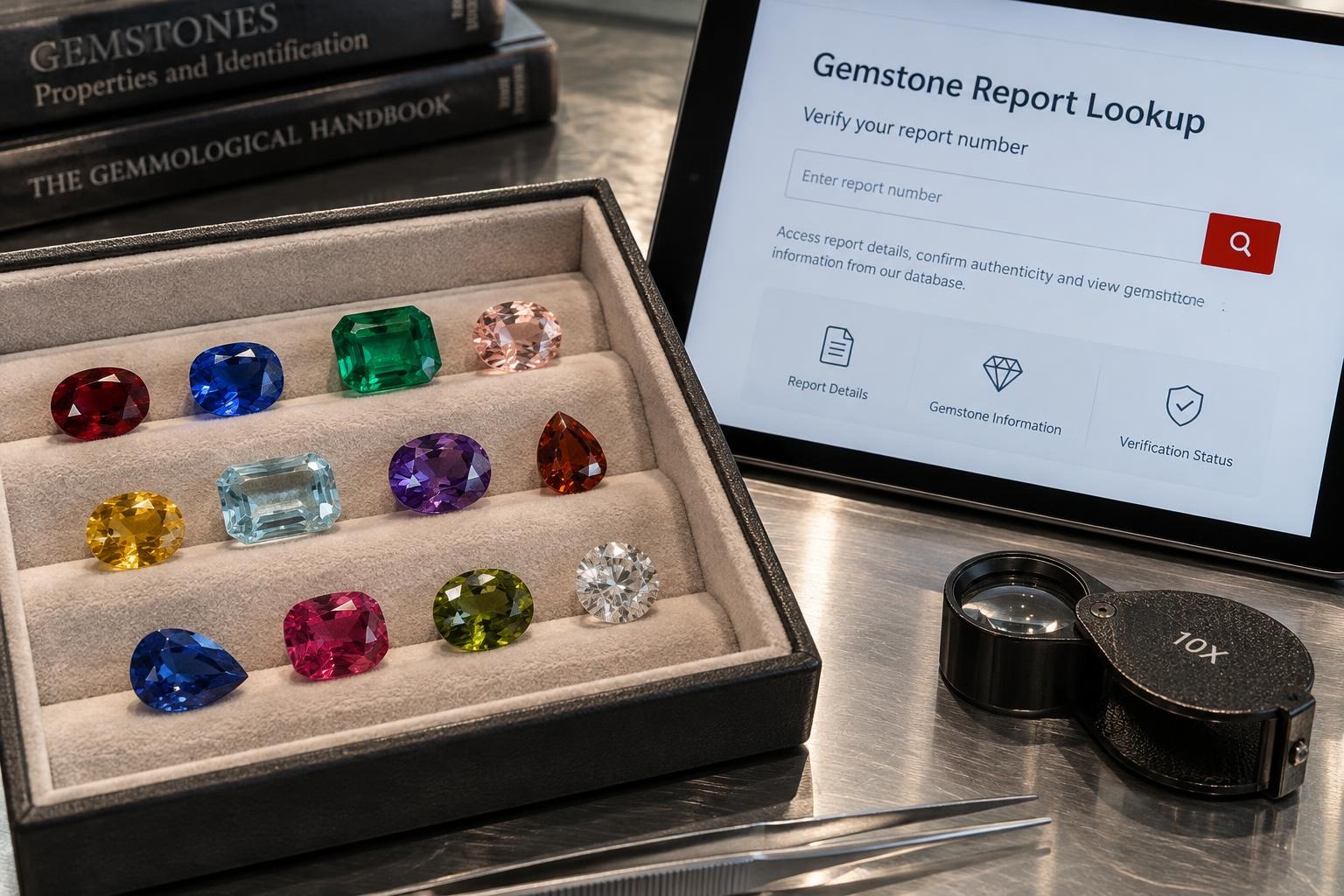
Illustration Caption: The image is for illustration purposes and is not an actual stock item.
Your questions, answered
Can a report number search confirm the stone I received matches the report?
No, a report number search can only verify that a report with that number exists in the issuing laboratory’s database. It cannot confirm that the particular physical stone matches the report’s details. Professional gemmological testing is needed for this confirmation.
Are gemstone report numbers unique to each stone?
Yes, reputed gemmological laboratories assign unique report numbers to each analysed gemstone. However, misuse of numbers or report duplication can occur in fraudulent cases. Therefore, a number alone does not guarantee authenticity of your physical gemstone.
Does the online database always provide full report details?
It depends on the laboratory. Some provide basic information like species, weight, and colour, while others offer more detailed data online. However, photos or images are typically illustrative. Full detailed reports often require formal requests or copies.
What is the difference between a laboratory report and a gemstone valuation?
A laboratory report provides gemmological analysis and description without price. A valuation estimates the gemstone’s market value. Report number searches verify certificates, not valuations, which are separate services.
When should I seek a professional gemmologist beyond report number checks?
Whenever you need to confirm that a gemstone matches its report, verify treatment disclosures, confirm origin, or assess quality aspects not apparent from documentation alone. Professionals use instruments and tests beyond online verification.
Find a colour that speaks to you.
Explore our beautifully cut loose gemstones and make your next precise gemstone purchase with confidence at iGemz.