
 1st - Gold

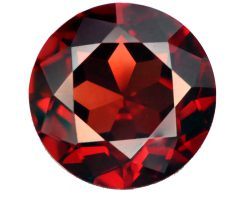 January
 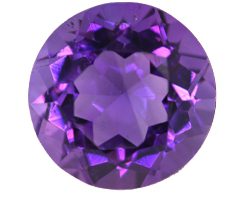 February
 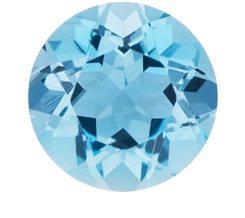 March
March 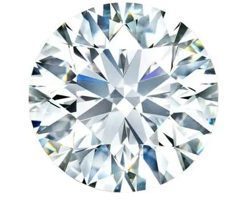 April
April 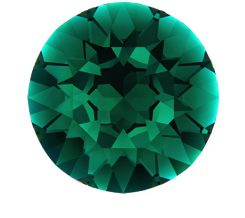 May
May 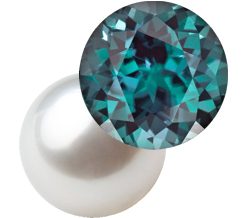 June
June 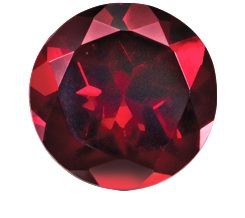 July
July 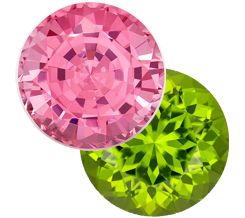 August
 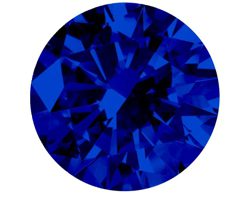 September
 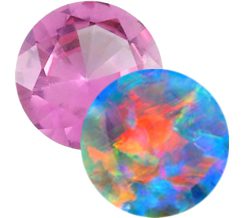 October
 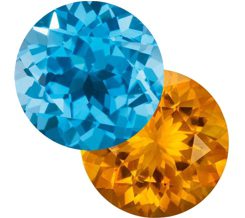 November
 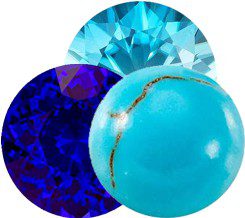 December
 Capricorn - Garnet
  Aquarius - Amethyst
  Pisces - Aquamarine
  Aries - Diamond
  Taurus - Emerald
  Gemini - Pearl
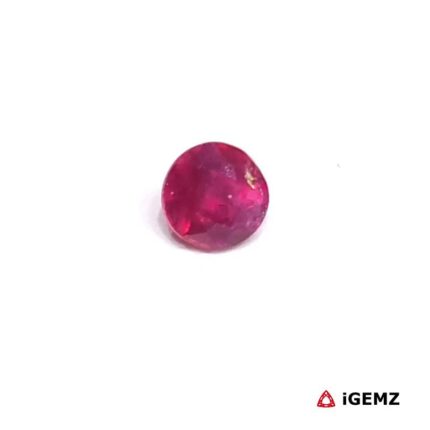
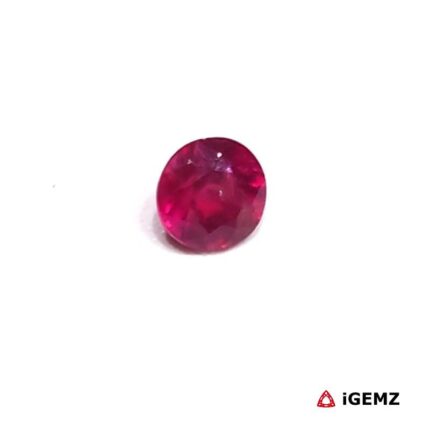
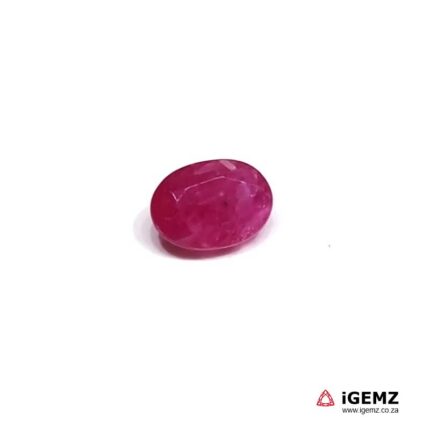
  Cancer - Ruby
  Leo - Peridot
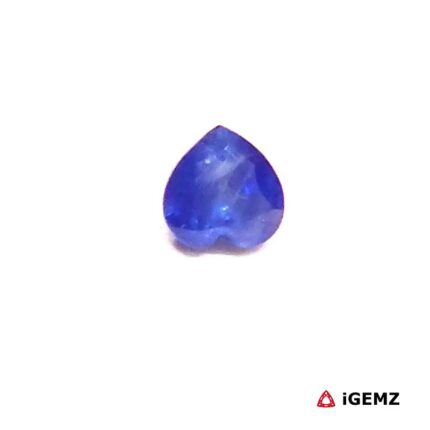
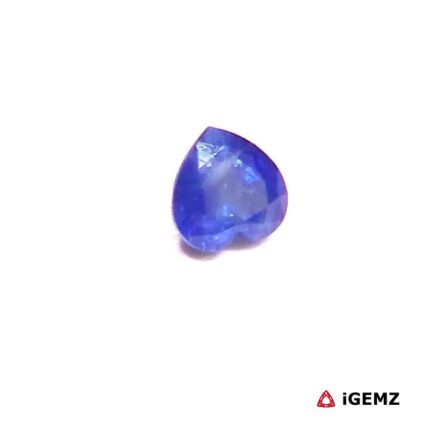
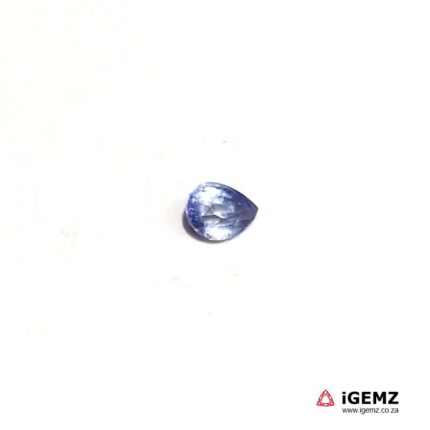
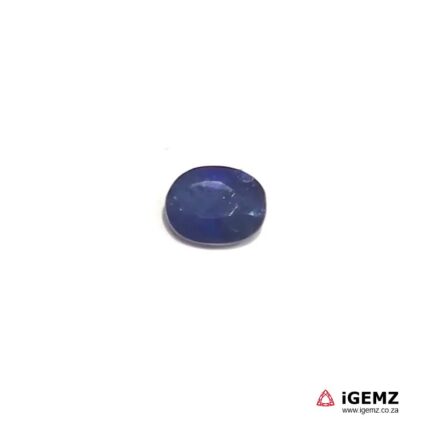
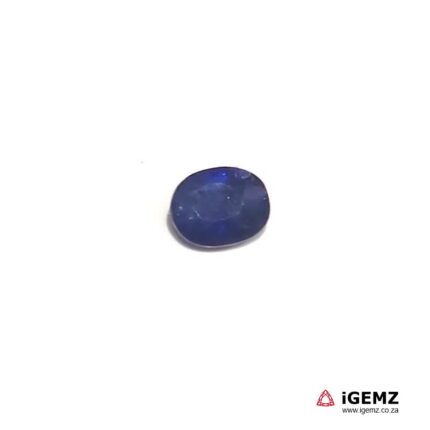
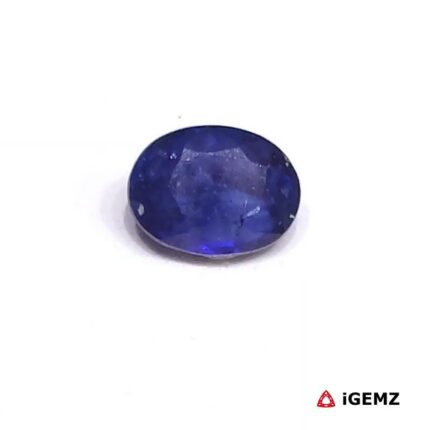
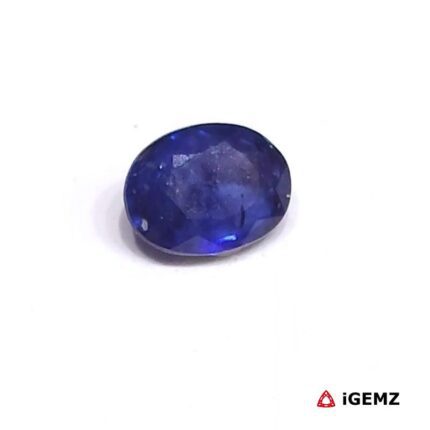
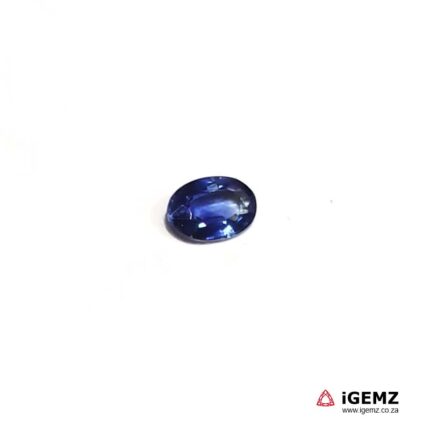
  Virgo - Blue Sapphire
  Libra - Opal
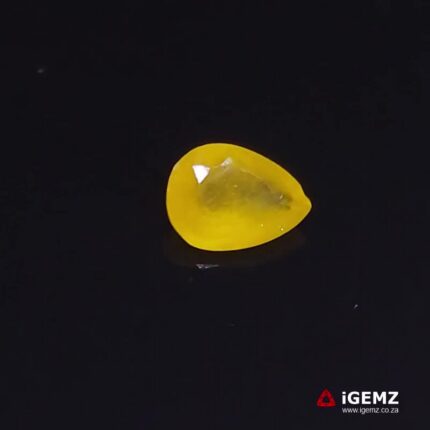
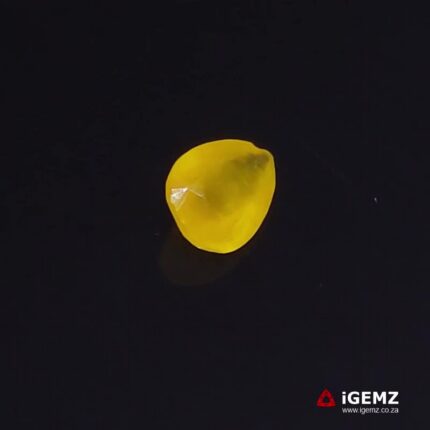
  Scorpio - Topaz
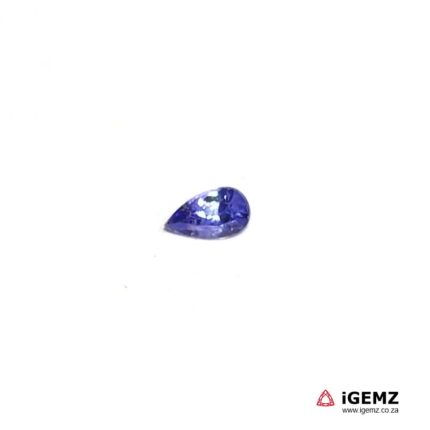
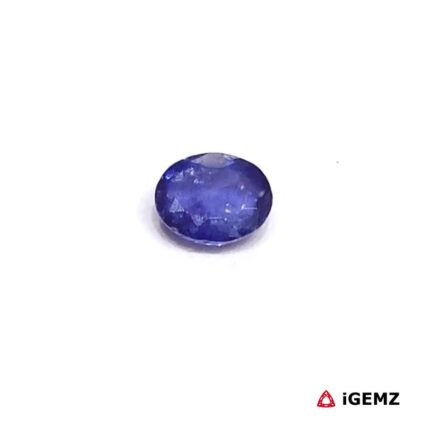
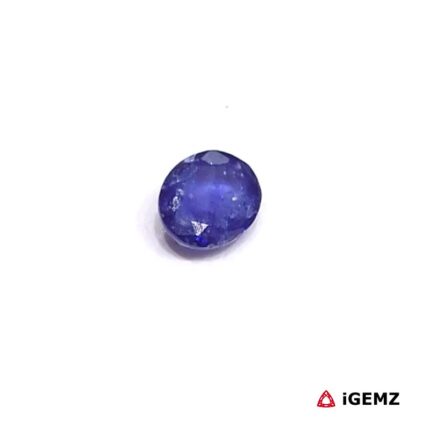
  Sagittarius - Tanzanite

The Four Cs: The Cornerstones of Gemstone Value
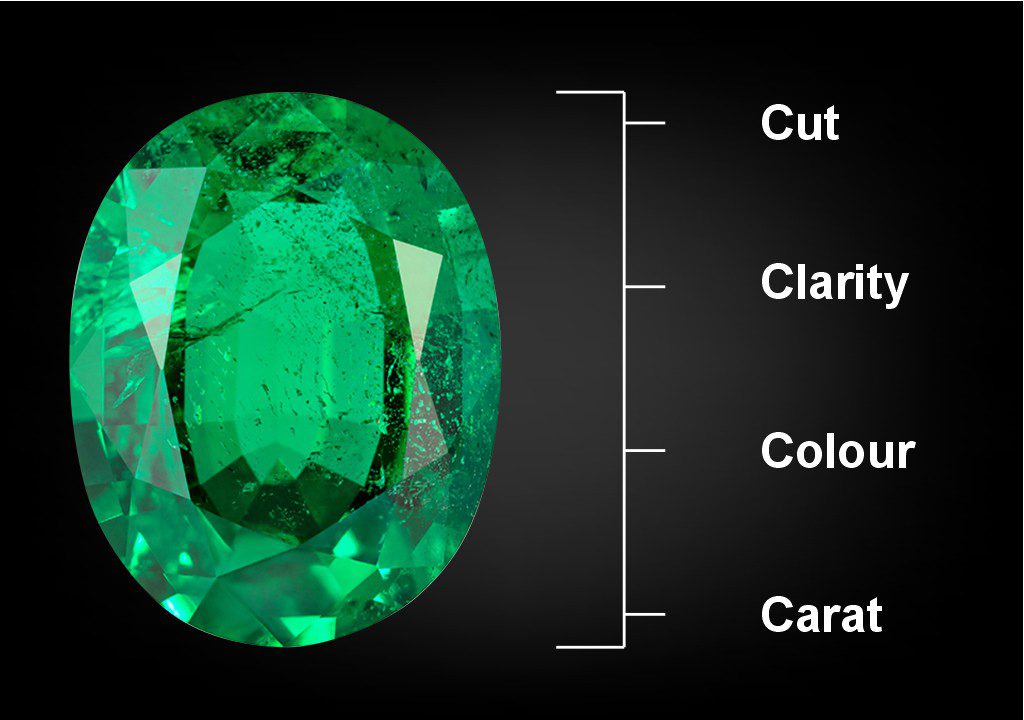
The Four Cs—Cut, Clarity, Colour, and Carat Weight — are universally recognised as the fundamental criteria for assessing a gemstone’s quality and, consequently, its value and price.
Cut
The cut of a gemstone affects how well it reflects light, contributing to its brilliance and overall appearance. A well-cut gemstone can appear more vibrant and valuable than one with similar colour and clarity but a poor cut.
Clarity
Clarity refers to the presence of internal or external imperfections, known as inclusions and blemishes. Fewer and less visible inclusions generally increase a gemstone’s value. However, certain inclusions can be characteristic of specific gemstones and may not detract from their value.
Colour
Colour is arguably the most significant factor in determining a gemstone’s value. For coloured stones, the ideal colour is vivid and intense, without being too dark or too light. The hue, tone, and saturation all play pivotal roles:
- Hue: The dominant colour of the gemstone.
- Tone: The lightness or darkness of the hue.
- Saturation: The intensity or purity of the hue.
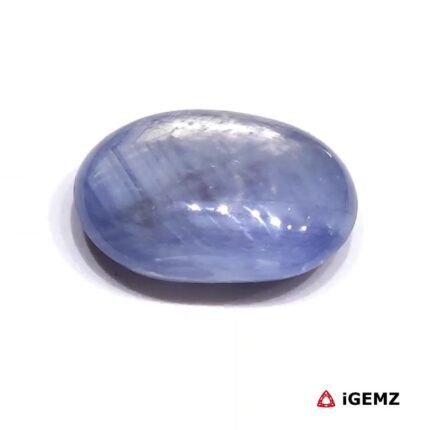
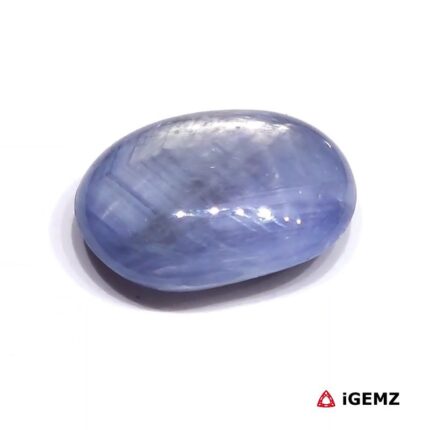
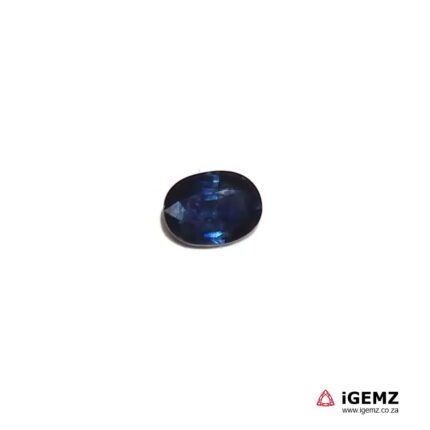
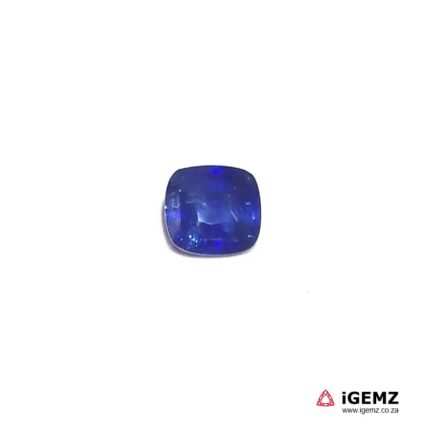
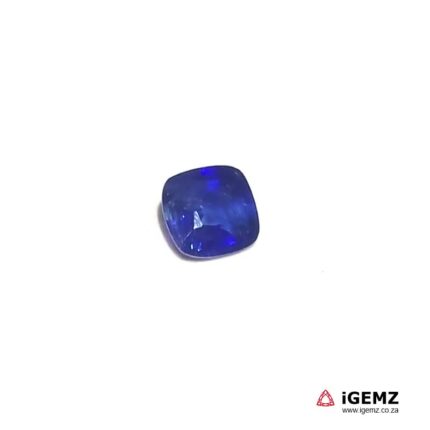
For instance, a deep blue sapphire from Sri Lanka is typically more valuable than a pale blue one from another region.
Carat Weight
Carat weight measures the size of the gemstone. Larger gemstones are rarer and often more valuable, but the other Cs must also be of high quality to command a premium price.
Rarity and Availability
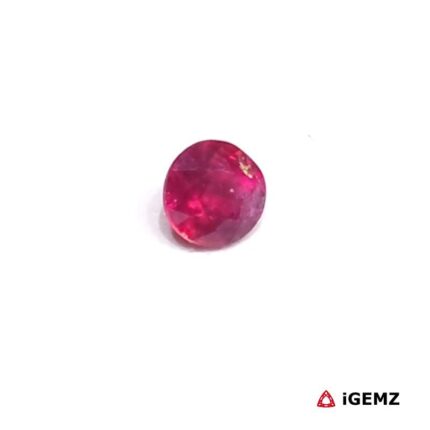
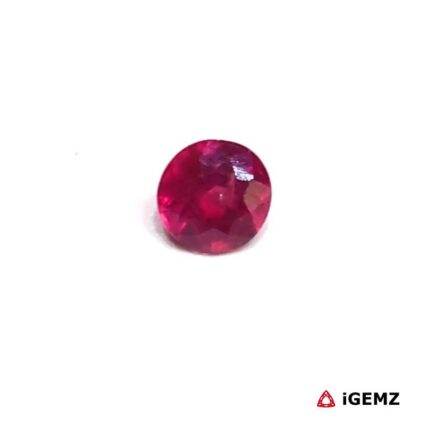
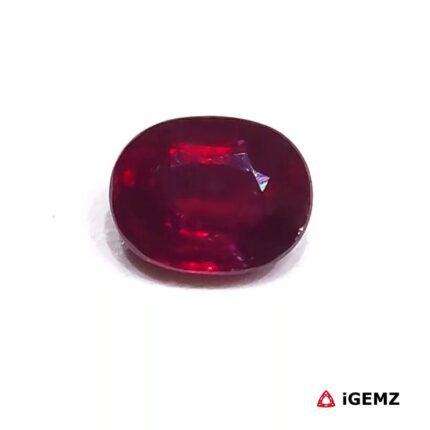
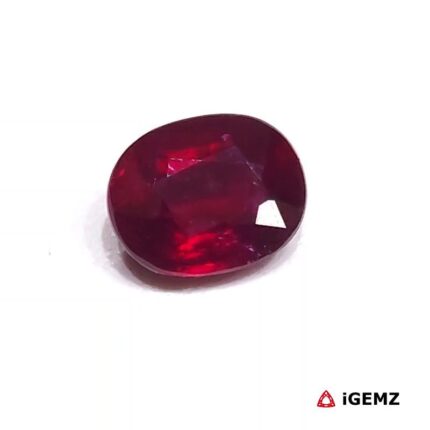
The rarity of a gemstone significantly impacts its price. Stones that are scarce or have limited availability often command higher prices. For example, Burma rubies and Colombian emeralds are renowned for their exceptional quality and are priced accordingly.
Origin and Provenance
The geographical origin of a gemstone can influence its value. Certain regions are known for producing gemstones with unique characteristics:
- Colombian Emeralds: Known for their rich green hue.
- Burma Rubies: Famous for their deep red colour and clarity.
- Sri Lankan Sapphires: Valued for their vibrant blue tones.
Gemstones from these regions often carry a premium due to their esteemed reputation.
Treatments and Enhancements
Many gemstones undergo treatments to enhance their colour, clarity, or durability. While some treatments are standard and accepted in the industry, others can affect a gemstone’s value:
- Heat Treatment: Commonly used to improve colour and clarity.
- Laser Drilling: Used to remove inclusions.
- Fracture Filling: Enhances clarity by filling surface cracks.
It’s essential to disclose any treatments a gemstone has undergone, as they can influence its market value.
Market Demand and Trends
The demand for certain gemstones can fluctuate based on fashion trends, cultural significance, and market dynamics. For instance, the popularity of Tanzanite surged after its discovery in the 1960s, leading to increased demand and higher prices.
Certification and Grading Reports
Gemstones accompanied by certification from reputable gemological laboratories, such as the The Gem Lab – Cape Town or EGL South Africa – Johannesburg, often command higher prices. These certifications provide assurance regarding the gemstone’s authenticity and quality.
Economic Factors
Broader economic conditions, including inflation, currency fluctuations, and global trade dynamics, can impact gemstone prices. Economic downturns may lead to decreased demand, while periods of economic growth can drive prices upward.
Conclusion
Understanding the multifaceted factors that influence gemstone pricing empowers consumers to make informed decisions. Whether you’re investing in a piece of jewellery or selecting a gemstone for its aesthetic appeal, considering these elements will help you appreciate the true value of your purchase.
What are the Four Cs in gemstone grading?
The Four Cs—Colour, Clarity, Cut, and Carat Weight—are the primary criteria used to evaluate the quality and value of a gemstone.
Does the origin of a gemstone affect its price?
Yes, gemstones from renowned regions often carry a premium due to their unique characteristics and reputation.
Are treated gemstones less valuable?
Not necessarily. Some treatments are standard and accepted, but it’s essential to disclose any treatments, as they can influence a gemstone’s market value.
Do economic conditions impact gemstone prices?
Yes, broader economic factors can influence supply, demand, and ultimately, gemstone prices.
How can I verify a gemstone's authenticity?
Obtaining a certificate from a reputable gemological laboratory ensures the gemstone’s authenticity and quality.