



 1st - Gold


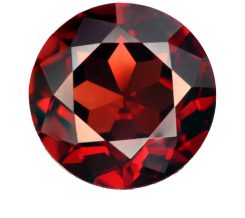 January
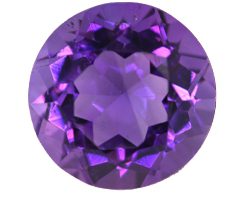 February
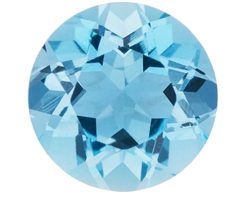 March
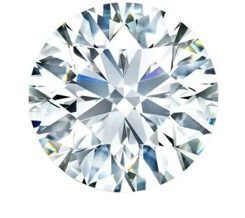 April
 May
 June
 July
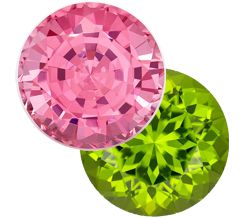 August
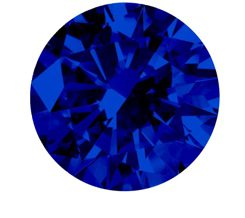 September
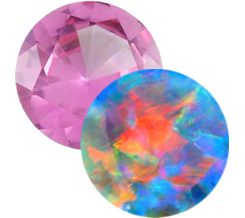 October
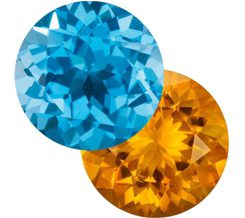 November
 December

 Capricorn - Garnet
 Aquarius - Amethyst
 Pisces - Aquamarine
 Aries - Diamond
 Taurus - Emerald
 Gemini - Pearl
 Cancer - Ruby
 Leo - Peridot
 Virgo - Blue Sapphire
 Libra - Opal
 Scorpio - Topaz
 Sagittarius - Tanzanite



How to Read Unspecified Treatment Status in a Gemstone Listing
Gemstone Journal · 8 min read
When buying loose gemstones online, encountering terms like “unknown gemstone treatment” can be confusing. This phrase often appears in listings when the treatment status hasn't been clearly identified or documented. Understanding the difference between unknown treatment, not tested, and no indications is essential to making informed decisions. This guide explains these terms in plain language, emphasising the importance of documented facts over assumptions. Whether you are a collector, retailer or jewellery trade buyer, grasping these distinctions helps when considering loose gemstone purchases where treatment information is unspecified or unclear.
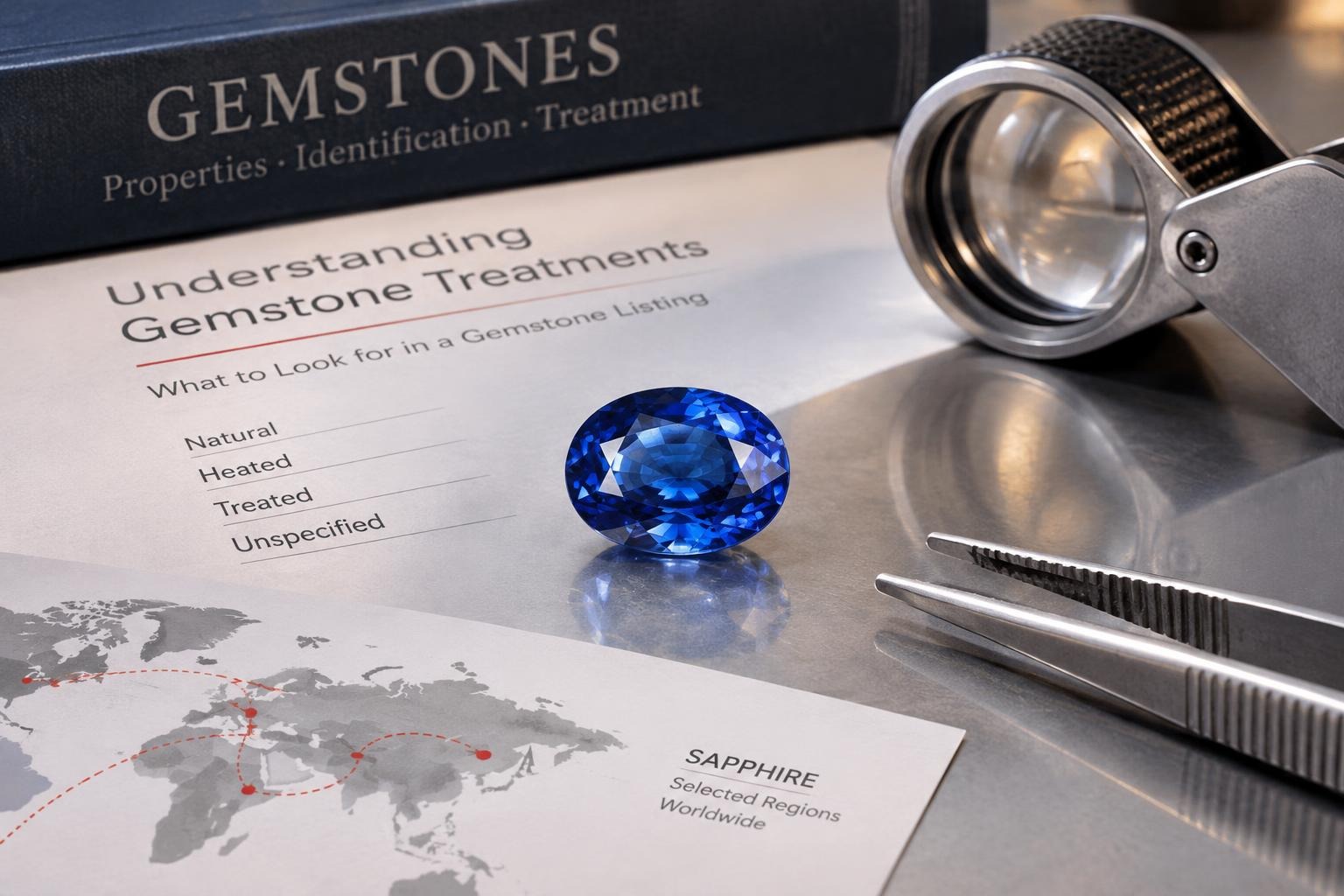
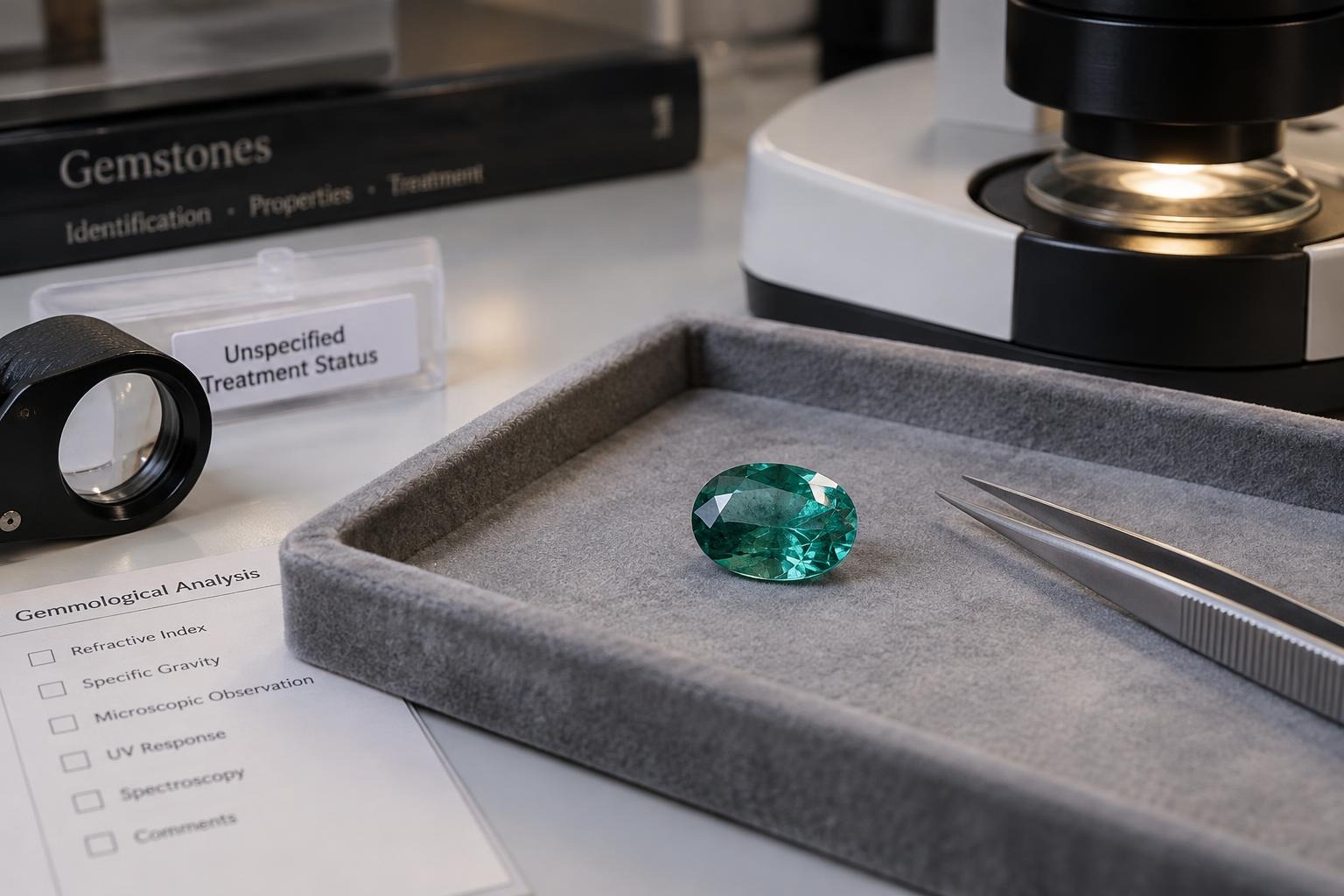
The image is for illustration purposes and is not an actual stock item.
What Does Unspecified Treatment Status Mean?
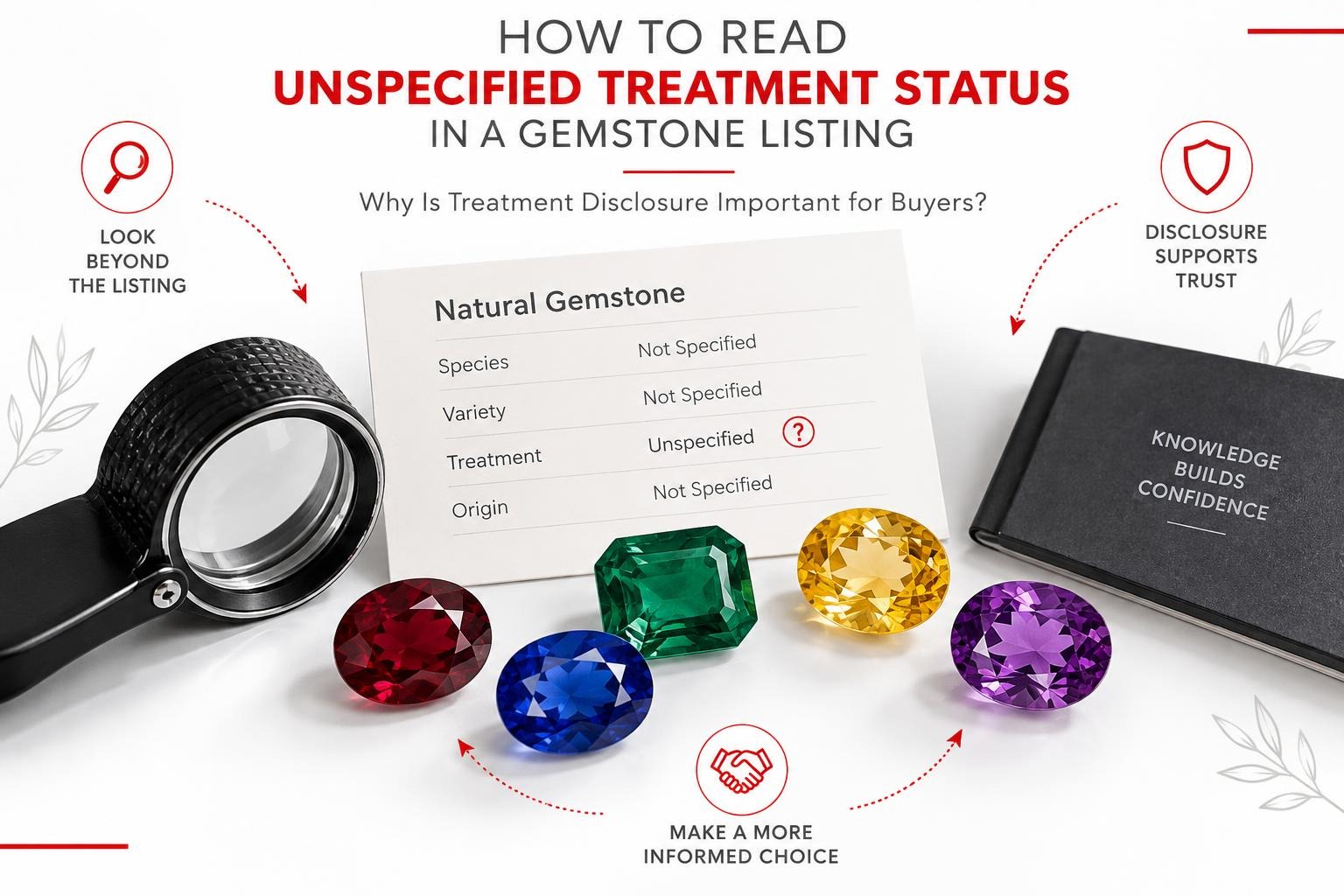
In a gemstone listing, an unspecified treatment status refers to a lack of clear information about whether the gemstone has undergone any enhancement or treatment. Treatments may include heating, filling, irradiation or coating but when the seller or supplier cannot confirm or does not provide details, the status is termed as unspecified or unknown. This does not imply that the stone is necessarily untreated; rather, it means that documented evidence about its treatment isn’t available.
Unspecified treatment may arise because the gemstone’s origin is not fully known, because laboratory testing hasn’t been performed, or because the sellers do not have the documentation. The term draws attention to an information gap and should prompt buyers to consider their own risk tolerance and purpose for the gemstone. For example, collectors or trade buyers may require more precise treatment disclosures than casual buyers.
Distinguishing Unknown, Not Tested and No Indications
These three phrases are often used in listings but mean different things: • Unknown means the treatment status isn’t documented or confirmed. No specific origin or lab report is available to clarify. • Not tested means the gemstone has not undergone any gemmological tests to detect treatment. No information is available because no examination was done. • No indications means testing has been carried out but found no evidence of treatment. However, this does not absolutely guarantee the absence of treatment, as some treatments can be difficult to detect.
Knowing the distinction is useful: unknown emphasises an information gap, not tested reflects no testing done, and no indications suggests testing was done but treatment was not apparent. None of these confirms that the gemstone is untreated— only that there is no documented proof otherwise.
Why Is Treatment Disclosure Important for Buyers?
Gemstone treatments can affect value, durability and care requirements. Disclosure allows buyers to assess if the gemstone meets their expectations and suitability for specific applications. For instance, certain treatments can improve colour or clarity but may also reduce durability or require special handling. Without clear treatment information, buyers may risk surprises after purchase.
In an online environment, where buyers cannot physically inspect gemstones, this information is even more crucial. Knowing if a stone is untreated or has unspecified or unknown treatment status helps gauge transparency and may guide follow-up questions to the supplier. It also affects how buyers might seek certification or independent testing if precise treatment status matters to them.
Limitations of Visual Inspection and Photographs
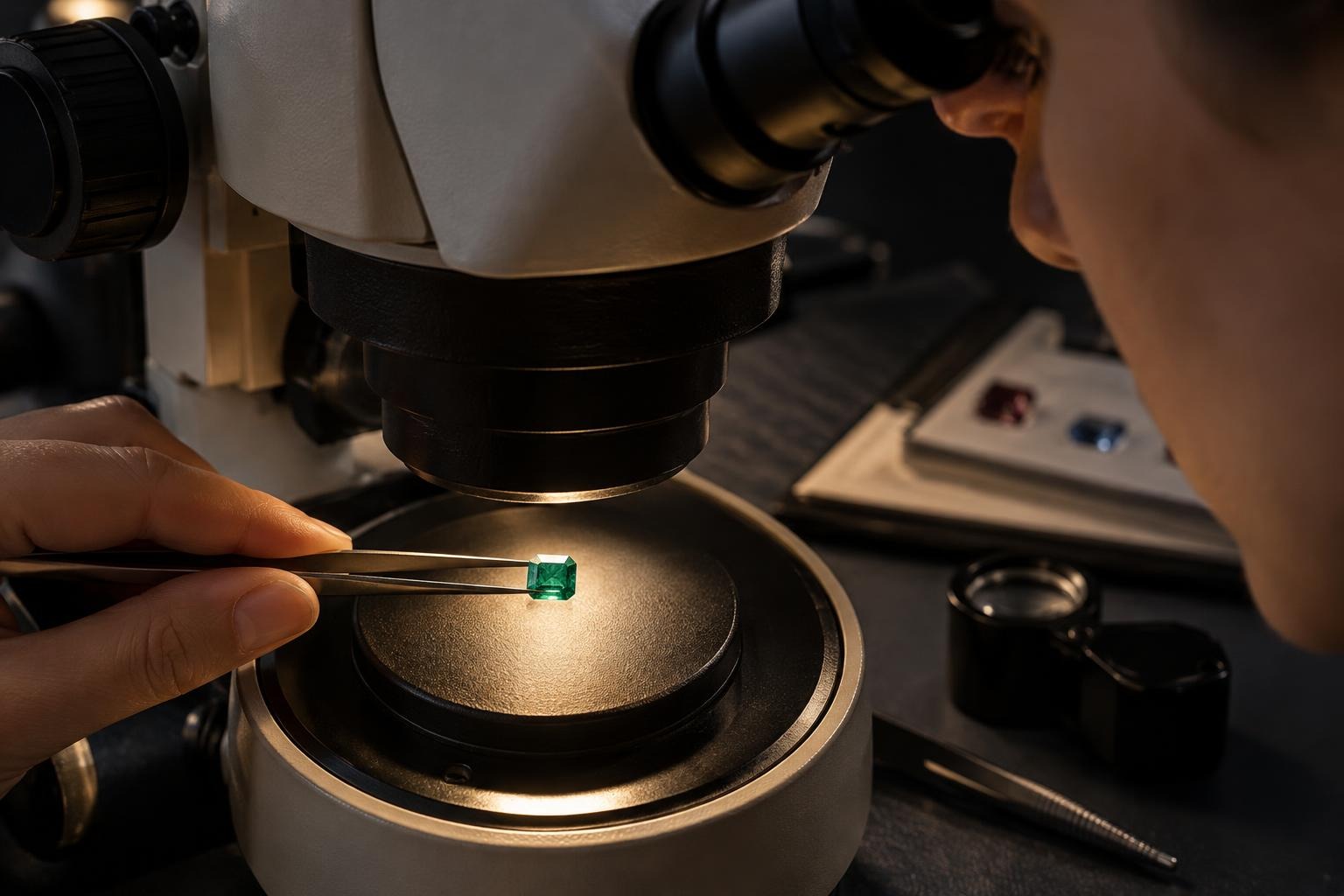
It is important to understand that identifying treatment status from photographs or visual inspection alone is unreliable. Many treatments, such as heat treatment or fracture filling, can be invisible even under magnification. Photographs do not capture internal features or subtle chemical changes that gemmological tests detect. Moreover, colour can appear differently depending on lighting, camera settings, and screen displays.
Therefore, terms like unknown treatment should not be interpreted based solely on the gemstone’s appearance. Only documented laboratory testing or professional gemmological evaluation can confirm or rule out specific treatments with confidence.
It is also important to consider that gemstone treatment detection often depends on the type and sophistication of tests performed. Some treatments, such as high-temperature heating or diffusion, may leave subtle changes that require advanced spectroscopic or microscopic examination to identify conclusively. In contrast, other treatments like fracture filling might be detected visually with magnification if the filling material has distinctive features. However, these capabilities vary between laboratories and testing protocols, meaning a lack of documented treatment might reflect limitations in testing scope or available technology rather than confirming the stone is untreated.
Moreover, the absence of treatment information may arise from the source of the gemstone. Some dealers acquire stones from origins where documentation and testing facilities are limited or prohibitively expensive, leading to listings with unknown gemstone treatment status. Buyers should be mindful that this absence is not indicative of quality or natural status but rather of information accessibility. In practical terms, this means greater caution and clearer communication with sellers is advised, particularly when treatment is relevant to value, durability or intended use.
In some cases, sellers may rely on historical market knowledge or typical treatment practices for certain gemstone varieties. For example, sapphires from particular regions are commonly heat-treated, but without specific testing or reporting, assuming treatment is speculative and risks misinforming buyers. Similarly, a rare gemstone with very few reported treatments might be listed as unknown simply because standard testing was not done, not because there is a guarantee of untreated status. Buyers should avoid making assumptions based solely on species or origin without supporting documentation.
Practical examples also show that gemstones with unknown treatment status can differ widely in buyer expectations. A jewellery designer selecting stones for a high-end piece might require documented untreated stones for marketing claims or warranty purposes. Conversely, a collector focused on colour or rarity might accept unknown treatment if no visual defects exist and certification is unavailable. These scenarios highlight the importance of aligning treatment information with intended use, budget and risk tolerance.
Lastly, independent laboratory testing is the most reliable way to clarify treatment when listings show unknown status. Most reputable gemmological laboratories offer evaluation of treatment presence and type, often providing a certificate or report that details findings. While such testing involves additional cost and sometimes waiting periods, it gives buyers confidence and can greatly reduce uncertainty in online purchases. Even when treatment status is unspecified initially, considering the option of testing is a practical step towards informed gemstone buying.
Practical Questions to Ask When Treatment Status Is Unknown
When a listing specifies unknown gemstone treatment, buyers can consider asking the seller practical questions: • Has the gemstone been tested for treatment by a recognised laboratory? • Are there any reports, even preliminary, that indicate treatment or lack thereof? • How does the seller source its gemstones and what steps do they take to verify treatment status? • If no documentation exists, is there an option for independent testing before or after purchase? Being proactive helps clarify uncertainties and informs decision making.
This approach is useful for international buyers who cannot view stones physically but wish to confirm transparency or pursue certification. Sellers committed to accurate disclosures will appreciate and accommodate reasonable enquiries where treatment status is ambiguous.
Examples of Unspecified Treatment Status in the Market
A sapphire might be listed with ‘unknown gemstone treatment’ because the supplier did not receive a lab report. The stone might be natural and untreated, treated, or a mix thereof. Without testing or documentation, it remains unknown. Another example is a rare garnet variety with no common treatments documented but no explicit test results either. The treatment status is unknown until proven.
Alternatively, a stone advertised as ‘not tested’ could include a new, small shipment of tourmaline where testing resources are not immediately available. ‘No indications of treatment’ might apply to a ct zircon after standard laboratory analysis found no treatments detected, though full assurance requires lab report validation.
These scenarios illustrate why listings must carefully use precise terminology and why buyers should seek clarification or lab certification if treatment details matter to them.
Documented Facts Versus Illustrative Scenarios
Understanding unknown treatment depends on documented facts from laboratories or gemmologists rather than assumptions or photographic evidence. Official gemmological labs provide detailed analyses but their absence leaves room for uncertainty. Illustrative scenarios help explain concepts but should not replace specifics of each gemstone’s condition.
For example, without a lab report, it’s impossible to categorically state whether a stone is untreated. An illustrative example might show a natural sapphire with unknown treatment status, but the actual stone could differ. Buyers should prioritise documented facts and use scenarios only to understand possible implications, not to determine the stone's actual treatment.
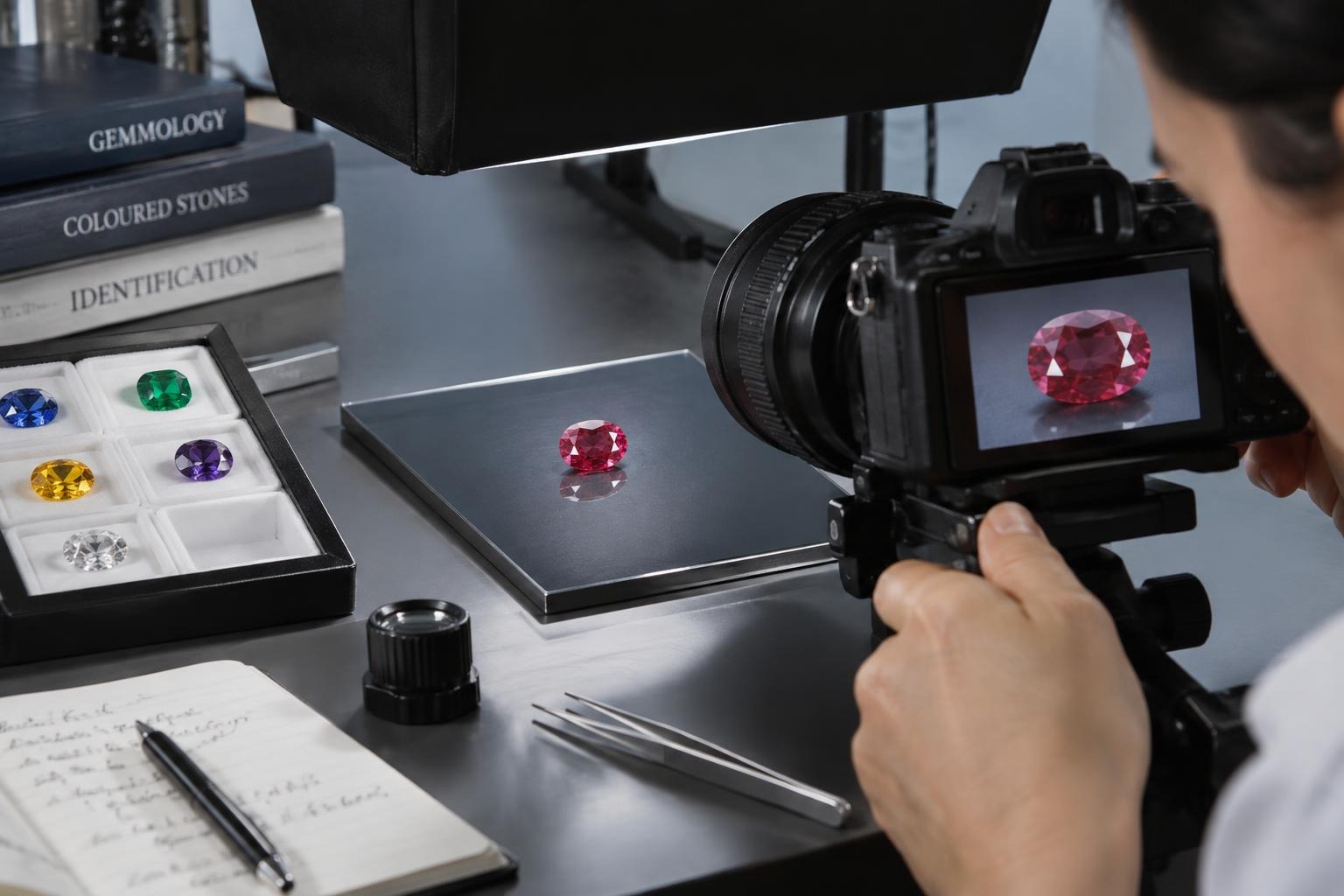
This reinforces why independent lab testing is the standard for confirming treatment when precise knowledge is required.
Where to Learn More About Gemstone Treatment and Certification
For buyers who want to deepen their understanding of gemstone treatments and certification, authoritative guides and educational sites provide valuable resources. The Gemological Institute of America (GIA) is a leading authority offering explanations about common treatments and their detection methods. iGemz also provides educational gemstone guides and articles explaining gemmological concepts in clear language.
Learning about treatment types, detection and certification helps buyers evaluate listings critically and ask the right questions. For example, you can explore iGemz’s gemstone lab certification overview to understand what tests and reports include, and the differences between lab reports and valuations. Knowledge empowers confident buying, especially online where physical examination is limited.
Summary and Recommendations for Buyers
When faced with unknown gemstone treatment or unspecified status in listings, it’s essential to recognise this means a lack of confirmed information, not a guarantee of natural or untreated status. Buyers should differentiate between unknown, not tested and no indications to understand the scope of information provided. Always consider seeking further documentation or independent gemmological testing if treatment knowledge is critical.
Clear communication with sellers and awareness of testing limitations safeguards expectations. Embrace documented facts over visual assumptions. Understanding these nuances helps you navigate the loose gemstone market with greater confidence.
Explore more about gemstone properties, treatment types and certification options at iGemz’s educational pages and guides to empower your gemstone buying journey.
Your questions, answered
What does 'unknown gemstone treatment' mean in a listing?
It means the treatment status of the gemstone is not confirmed or documented. There is no information whether the stone is treated or untreated.
Is 'not tested' the same as 'unknown treatment'?
'Not tested' means the gemstone has not undergone treatment detection tests, so no information is available, while 'unknown' suggests the results or documentation are missing or unclear.
Does 'no indications of treatment' mean the gemstone is untreated?
Not necessarily. It means tests showed no signs of treatment, but some treatments might be difficult to detect, so it does not guarantee the stone is untreated.
Can I rely on photographs to determine treatment status?
No. Photographs cannot reliably reveal treatments as many enhancements are invisible visually. Professional testing or lab reports are needed.
What should I do if I want to know the treatment status of a gemstone?
Request lab certification or gemmological testing documentation from the seller. If unavailable, consider independent testing to be sure.
Find a colour that speaks to you.
Explore our wide range of loose faceted gemstones and cabochons with clear treatment disclosures to suit your collection or jewellery projects.