

 1st - Gold
 January
 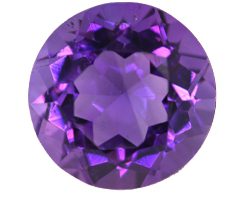 February
 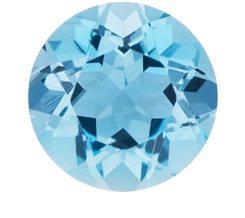 March
March 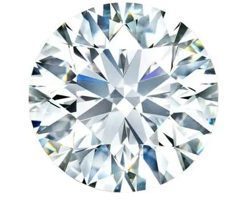 April
April 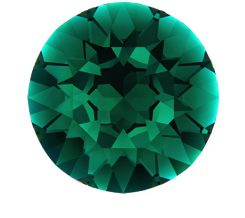 May
May 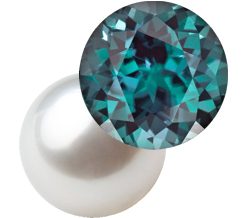 June
June 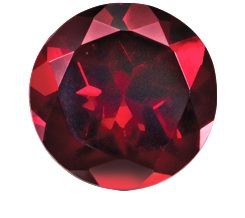 July
July 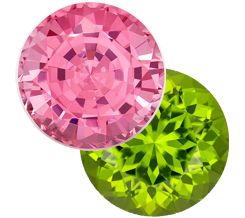 August
 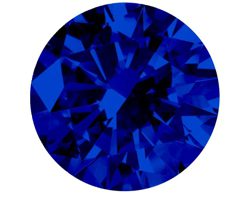 September
 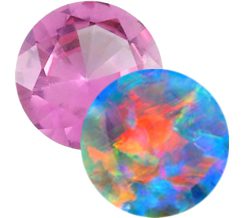 October
 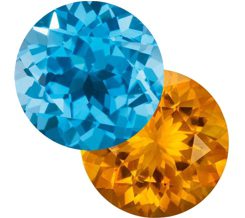 November
 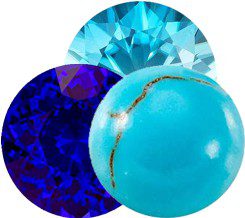 December
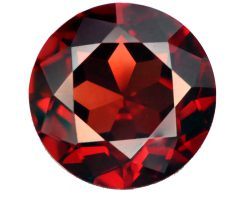
 Capricorn - Garnet
  Aquarius - Amethyst
  Pisces - Aquamarine
  Aries - Diamond
  Taurus - Emerald
  Gemini - Pearl
  Cancer - Ruby
  Leo - Peridot
  Virgo - Blue Sapphire
  Libra - Opal
  Scorpio - Topaz
  Sagittarius - Tanzanite
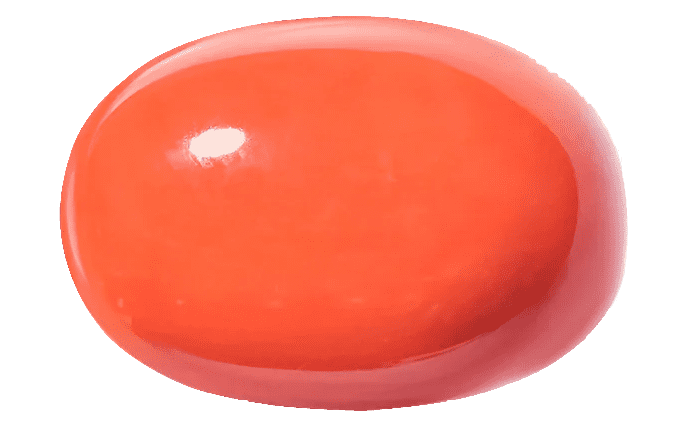
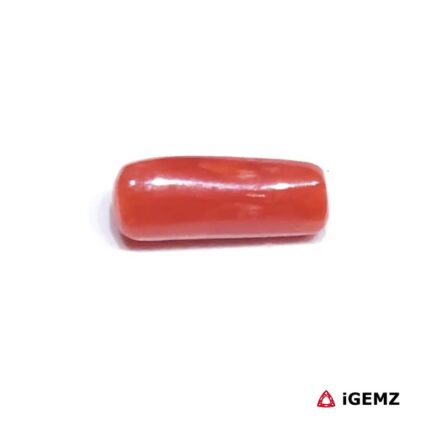
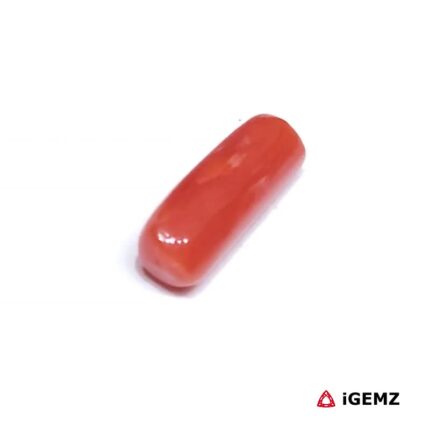
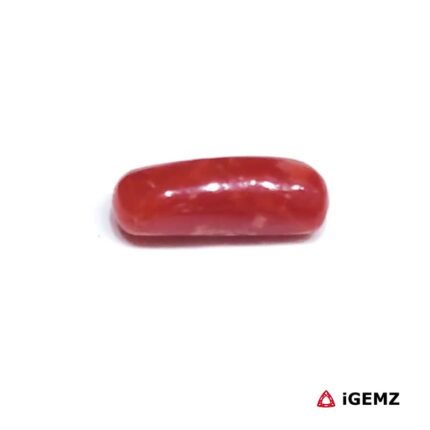
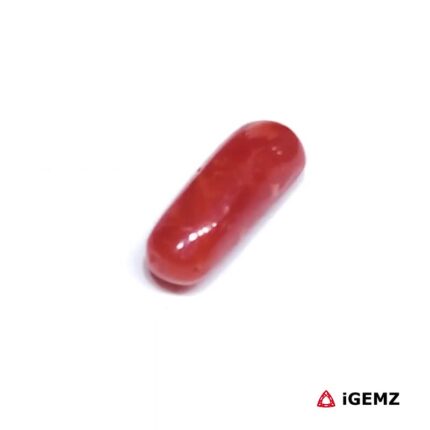
Coral
Gemstone Pricing Guide
Coral Prices Per Carat in ZAR, USD, EUR and GBP.
Coral price per carat varies significantly depending on colour intensity, origin and whether the material is natural, dyed or treated. Coral is one of the oldest organic gemstones in the world and is formed from marine coral polyps, making it a rare and highly regulated gemstone in fine jewellery markets.
While coral is generally more affordable than gemstones like ruby or sapphire, high-quality deep red Mediterranean coral with strong colour saturation and excellent polish can still achieve premium international prices in the global gemstone market.
Coral Pricing Guide: Per Carat in ZAR, USD, EUR & GBP.
Page Navigation
Why Coral Prices Vary
Although coral is widely known and used in jewellery, not all coral material holds the same value. High-grade natural coral is increasingly rare due to environmental protection laws and restricted harvesting.
Key price drivers include:
- Colour intensity and uniformity
- Natural vs dyed or stabilized material
- Origin (Mediterranean vs oceanic sources)
- Size and density of the coral
- Surface quality and polish
- Demand in Asian and European luxury markets
The strongest pricing factor is deep, even red colour saturation with minimal blemishes
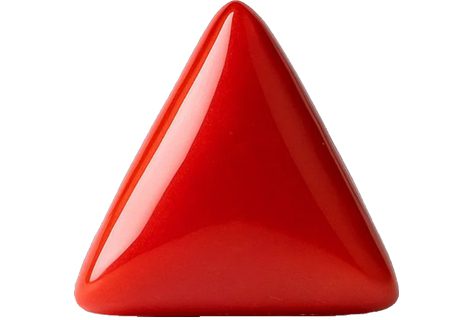
Coral Price by Gemstone Quality – Per Carat
All prices below are approximate international retail ranges in ZAR, USD, EUR and GBP.
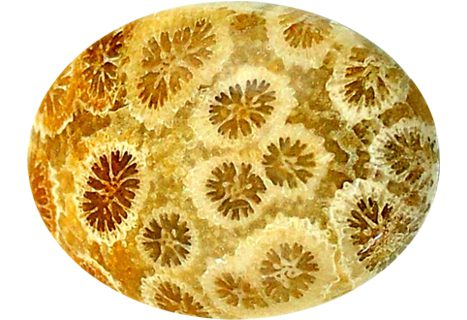
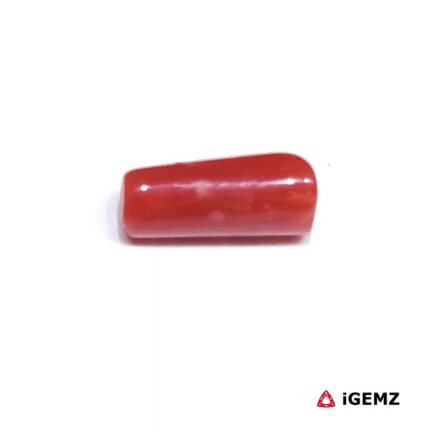
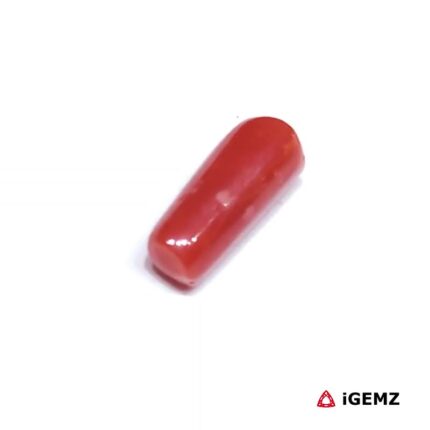
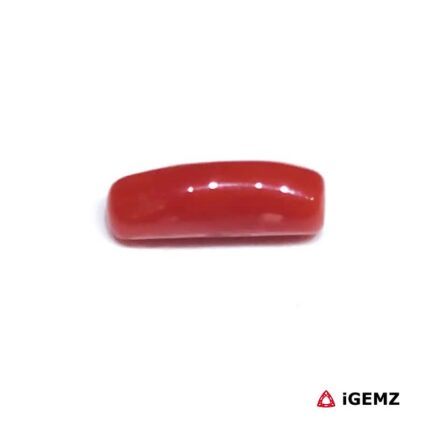
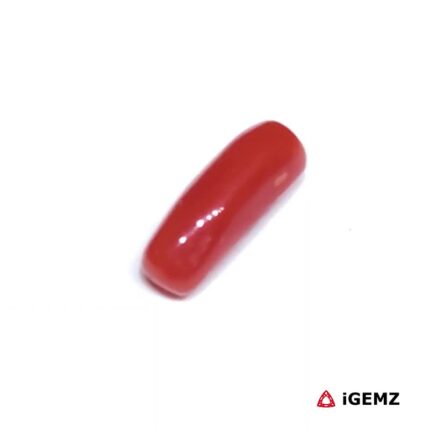
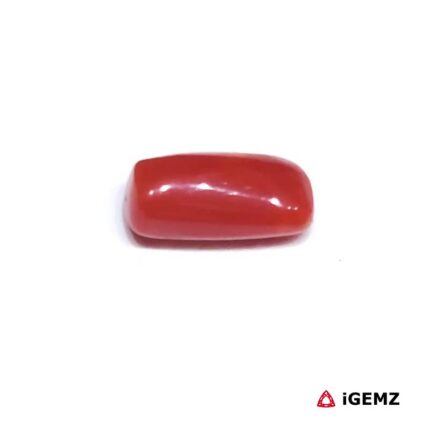
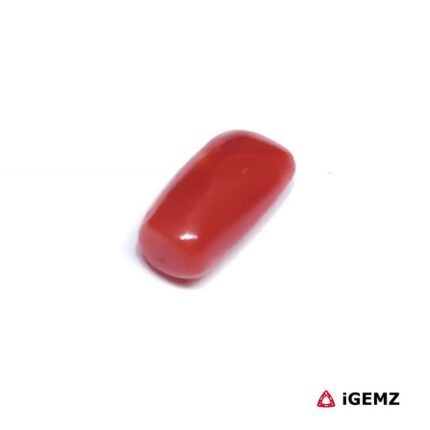
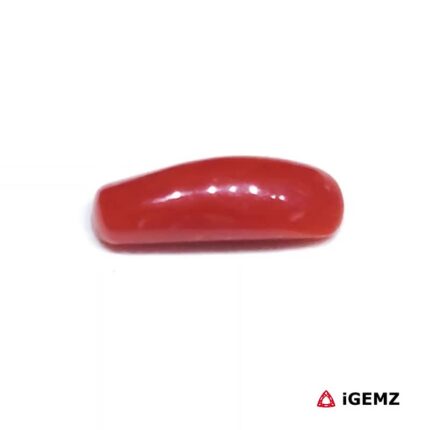
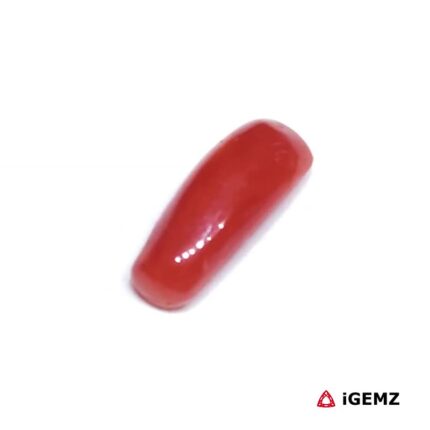
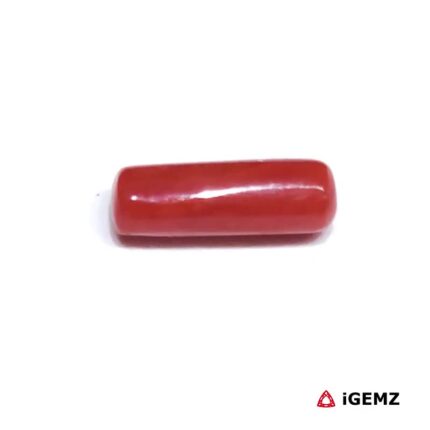
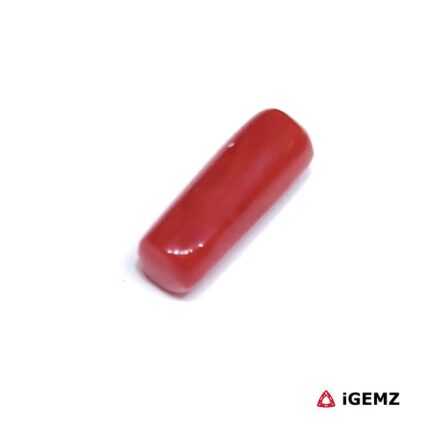
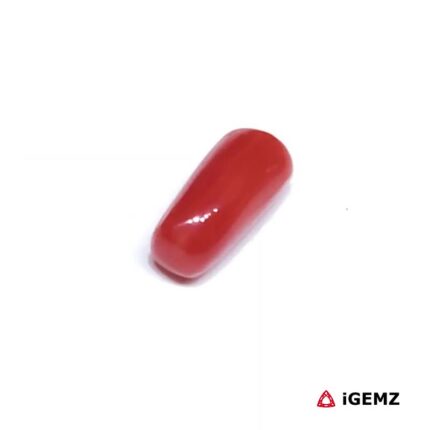
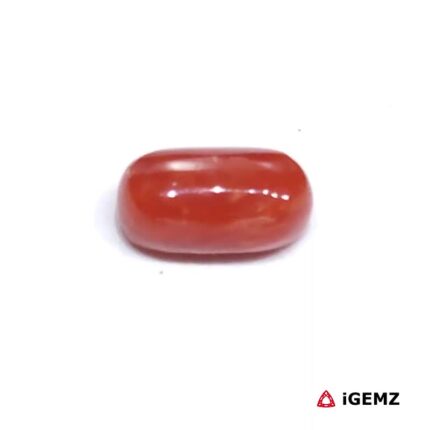
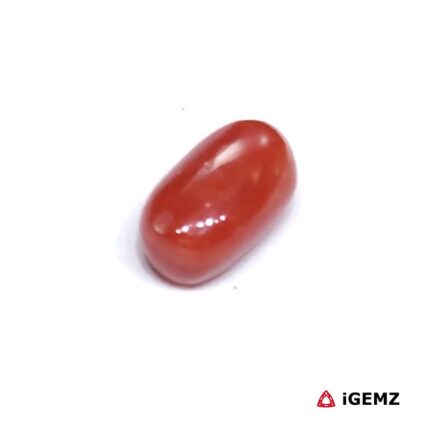
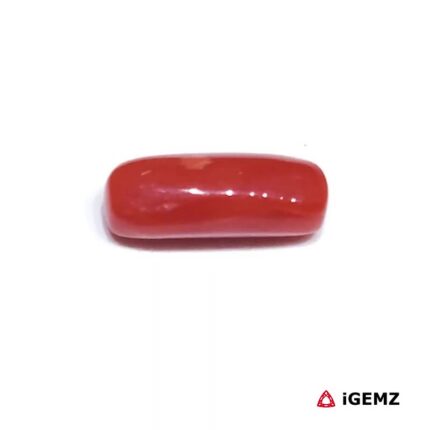
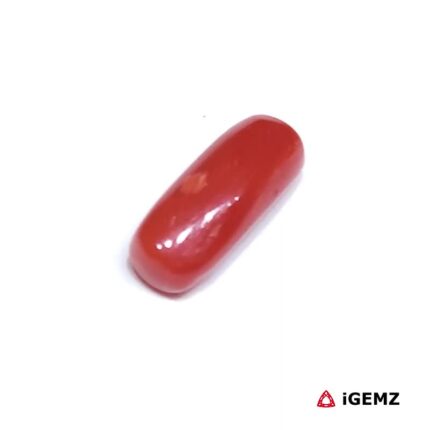
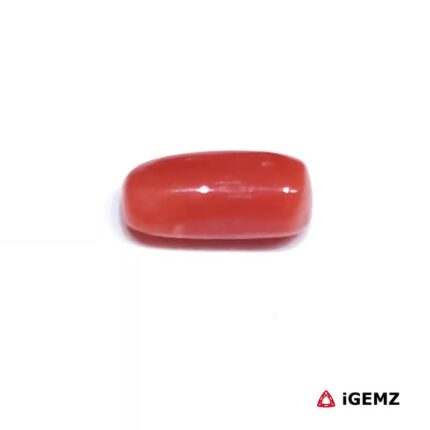
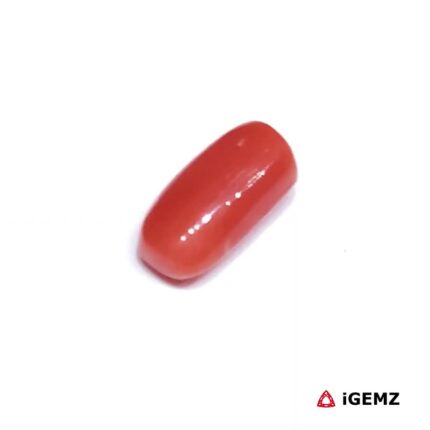
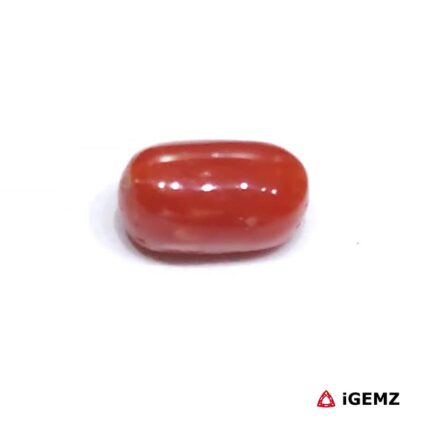
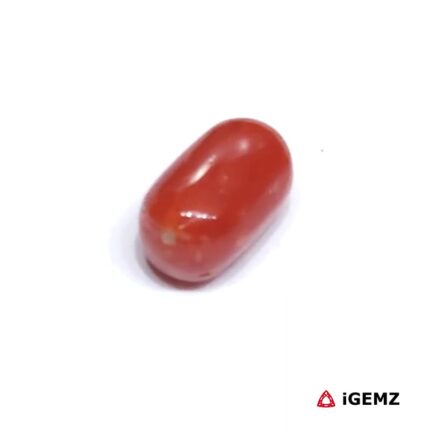
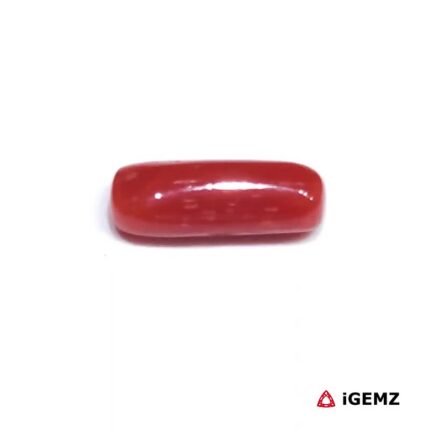
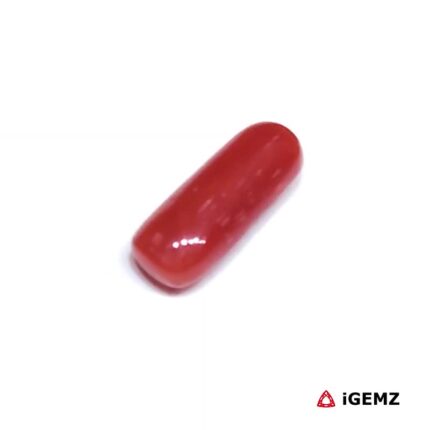
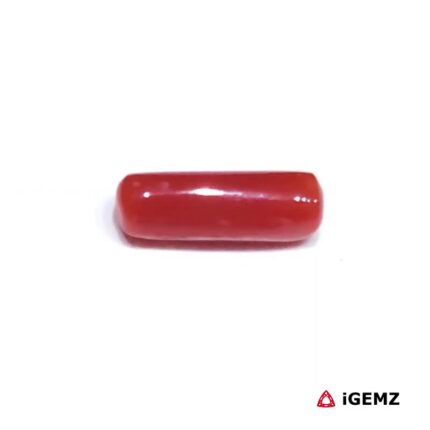
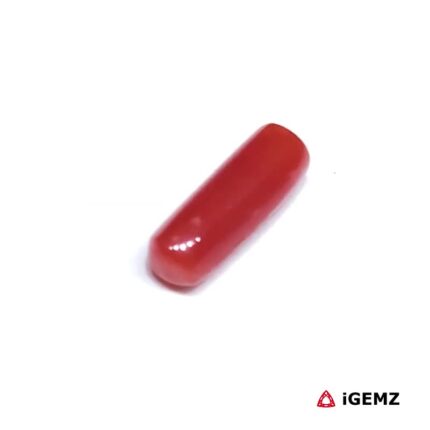
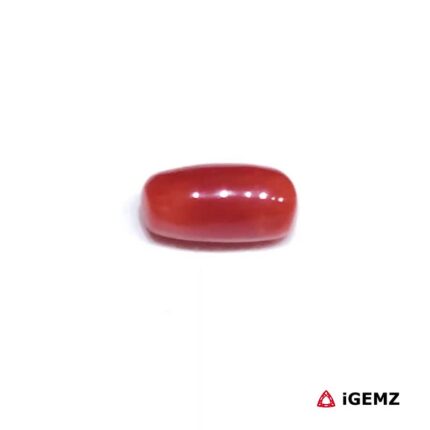
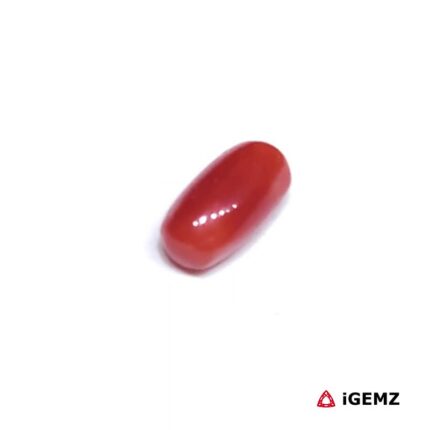
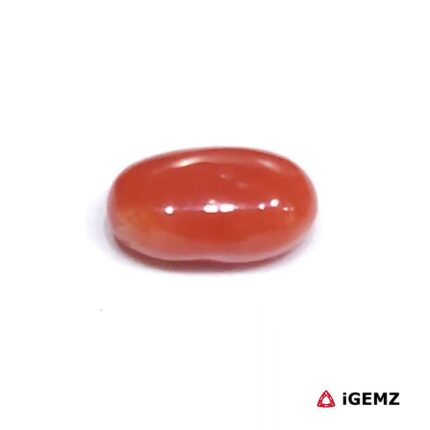
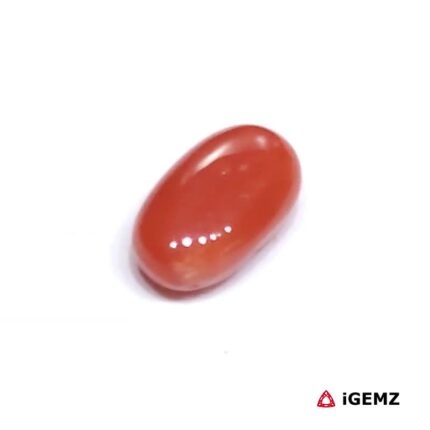
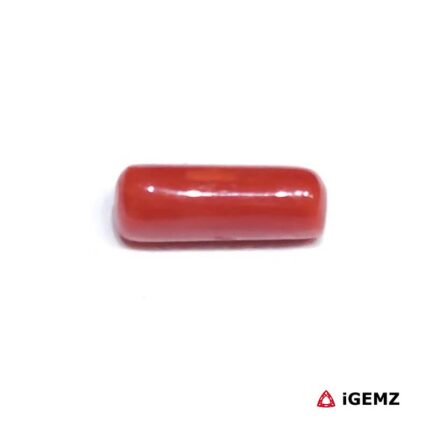
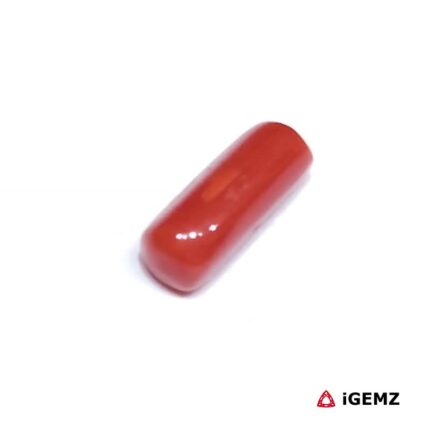
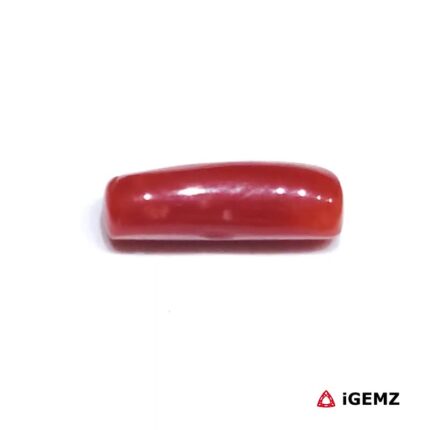
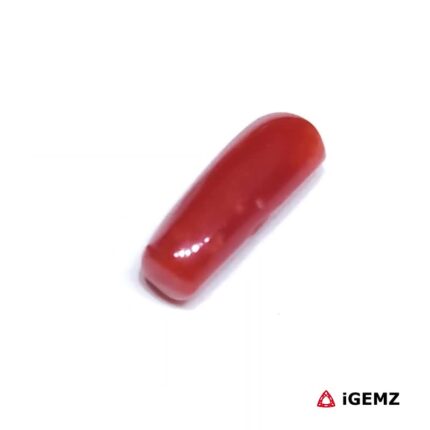
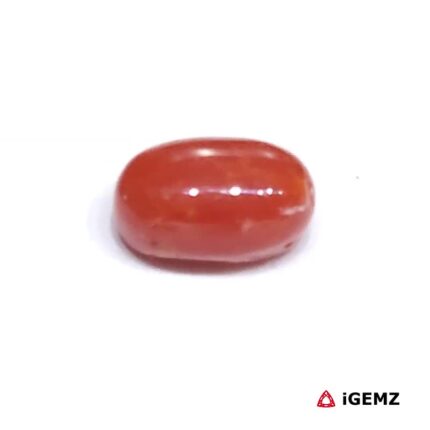
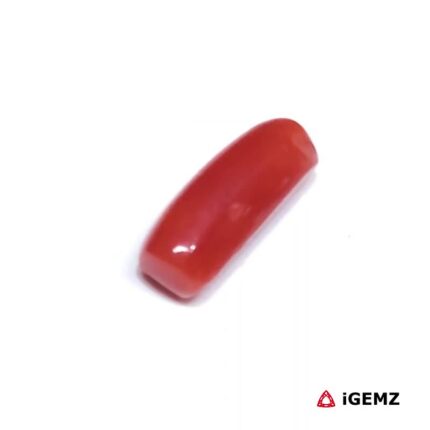
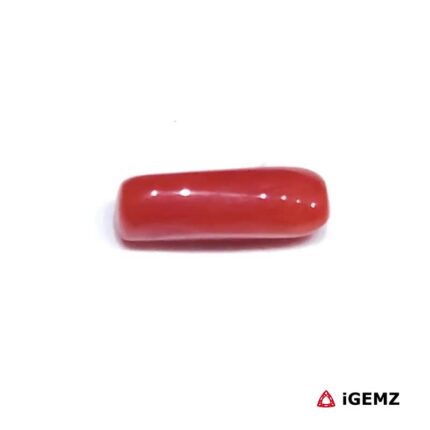
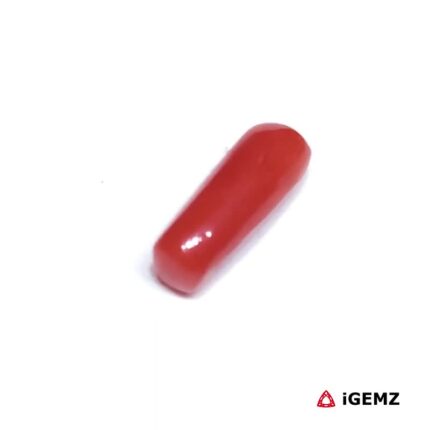
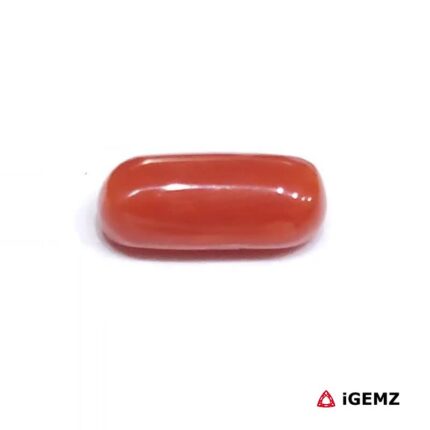
Coral is an organic gemstone formed from marine coral skeletons. It is valued in jewellery for its rich natural colours ranging from white and pink to deep red and black.
Red coral, particularly Mediterranean origin, is the most valuable and sought-after variety. Pricing is heavily influenced by colour depth, origin authenticity and whether the coral is natural or treated.
Top-tier coral is extremely rare due to strict harvesting regulations and long growth cycles in natural reef environments.
Tsavorite garnet is a rare green grossular garnet discovered in East Africa. It is known for its exceptional brilliance, high refractive index, and vivid green colour that often rivals emerald in appearance, but with greater durability and brilliance.
Because fine tsavorite is significantly rarer than most garnets, pricing increases sharply with colour quality and size. Exceptional tsavorite above 3 carats with pure green colour is extremely rare and highly collectible.
| Coral Gemstone Quality | ZAR | USD | EUR | GBP |
|---|---|---|---|---|
| Commercial Coral | R40 – R400 | |||
| Good Quality Coral | R400 – R2,200 | |||
| Fine Quality Coral | R2,200 – R11,000 | |||
| Premium Mediterranean Coral | R11,000 – R45,000+ |
How Colour Affects Coral Price
Colour is the most important factor in coral valuation.
Colour Grades
- White Coral: lowest value, widely available
- Pink Coral: mid-range value
- Orange Coral: moderate value
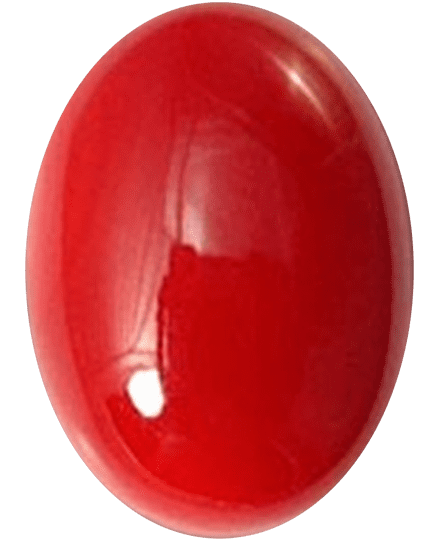
- Deep Red Coral: highest value (premium tier)
- “Ox Blood” Coral: luxury collector grade
Deep, uniform red coral with strong saturation is the most valuable and widely sought after in international markets.
How Clarity Affects Price
Coral is an organic material and naturally has texture variations, but quality still depends on surface condition.
- Smooth, polished surfaces = higher value
- Porous or rough material = lower value
- Visible cracks or pits reduce pricing
- Uniform texture improves jewellery appeal
Unlike crystalline gemstones, coral value is more dependent on appearance and polish than internal clarity.
Coral Origins and Price Differences
Origin plays a major role in coral gemstone pricing, especially for red coral.
Key Origins:
- Mediterranean Sea (Italy, Spain) – highest value
- Japan – high-quality deep red coral
- Taiwan – mid-to-high grade coral
- Philippines – variable quality supply
- South China Sea – commercial-grade material
- South Africa (limited occurrence) – lower supply relevance
Mediterranean coral remains the benchmark for premium pricing due to its historic reputation and limited supply.
Coral Size Pricing Effect – per gemstone size
Larger coral pieces are significantly more expensive due to scarcity and harvesting limitations.
| Coral Gemstone Size | ZAR | USD | EUR | GBP |
|---|---|---|---|---|
| 1 - 3 Carats (Small) | R200 – R2,000 | |||
| 3 - 7 Carats (Medium) | R1,500 – R8,000 | |||
| 7 - 12 Carats (Large) | R5,000 – R25,000 | |||
| 12+ Carats (Premium Large) | R15,000 – R80,000+ |
Why Coral Is Still Valuable
Coral remains a desirable gemstone despite its organic origin and availability challenges.
Key Value Factors
- Historical and cultural significance
Coral has been used in jewellery for thousands of years across Europe and Asia. - Restricted supply
Modern environmental protections limit harvesting, increasing scarcity. - Natural beauty
Deep red coral has a distinctive warm glow unmatched by synthetic materials. - Jewellery demand
Coral remains popular in beads, rings, bracelets and traditional luxury jewellery. - Rarity of high-quality colour
Fine natural coral with rich, even colour and minimal blemishes is increasingly difficult to source. - Craftsmanship potential
Coral is highly valued by jewellers and carvers for detailed beads, cabochons and ornamental designs. - Vintage and antique appeal
Older coral jewellery and untreated vintage pieces often command premium prices among collectors.
Why Deep Red Coral Costs More
Deep red coral commands higher prices because:
- It is the rarest natural colour grade
- Mediterranean sources are heavily restricted
- It has strong cultural demand in luxury markets
- It polishes exceptionally well for jewellery use
High-quality red coral is increasingly treated as a collectible organic gemstone.
Is Coral a Good Investment?
Coral is not a high-growth investment gemstone, but it holds strong value in niche markets.
It is ideal for:
- Antique and vintage jewellery collecting
- Cultural and heritage jewellery pieces
- Statement organic gemstone jewellery
- Limited-supply luxury accessories
Fine Mediterranean coral can retain value well due to supply constraints and regulatory protections.
Buying Tips for Coral
Focus on Natural Colour First
Deep natural red coral is always more valuable than dyed material.
Avoid Dyed Coral Misrepresentation
Always confirm whether coral has been dyed or stabilized.
Check Surface Quality
Smooth polish significantly increases jewellery value.
Verify Origin Claims
Mediterranean and Japanese coral carry premium pricing.
Avoid Overly Cheap Coral
Extremely low pricing often indicates imitation or dyed material.
Consider Ethical Sourcing
Many regions restrict harvesting—ensure legal and responsible sourcing.
Match Coral Type to Jewellery Use
Beads, cabochons and carvings all behave differently in pricing.
Check Consistency of Colour
Natural coral should display even colour throughout the piece without obvious patches or fading.


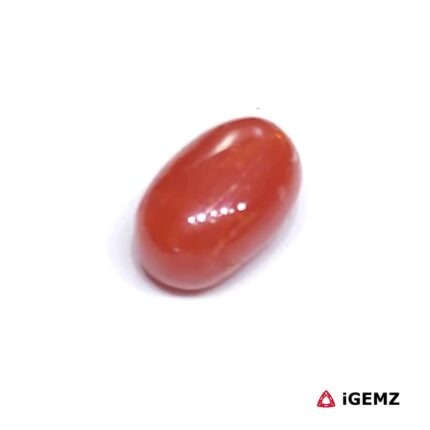
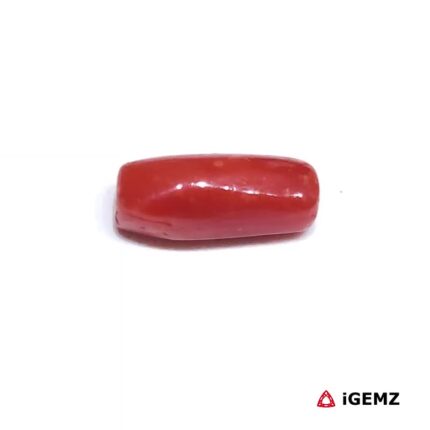
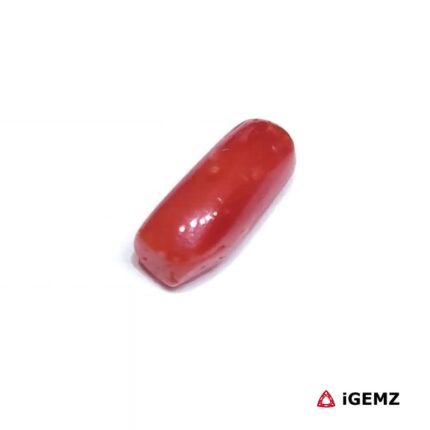
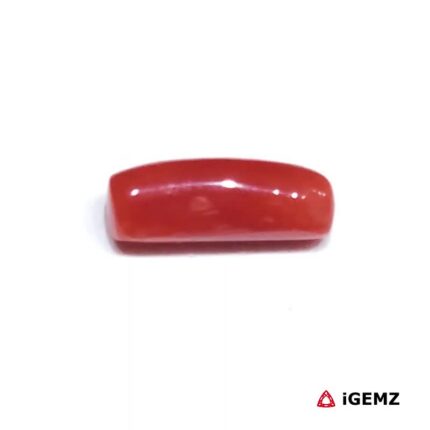
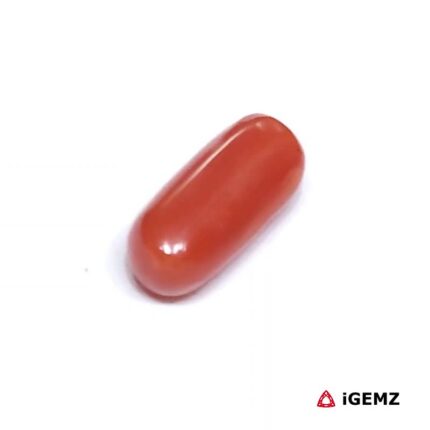
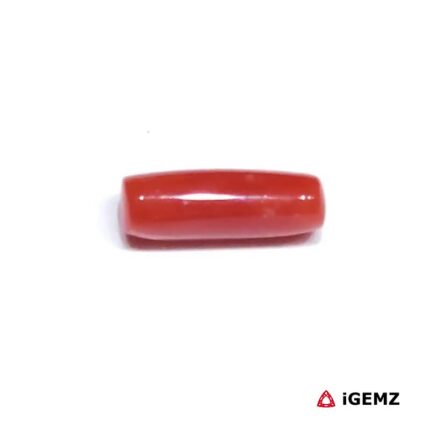
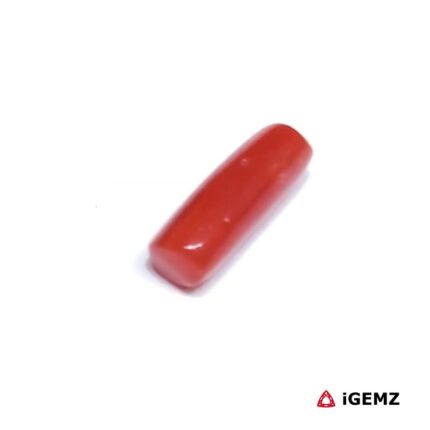

Buy With Confidence
Professionally inspected gemstones
Full transparency on treatments
Worldwide shipping
Secure checkout
Final Thoughts on CORAL GEMSTONE PRICES
Coral remains one of the most historically significant organic gemstones in the world. While it is more accessible than rare gemstones like ruby or sapphire, high-quality deep red coral continues to command strong demand in international jewellery markets.
Understanding coral price per carat, colour grading and origin differences is essential for identifying genuine value and avoiding low-quality or treated material.
For buyers seeking natural beauty, tradition and organic gemstone appeal, coral remains a timeless and distinctive choice in both South African and global markets.
Vibrant Colours
Natural Warmth
Protective Energy

HERE IS ALL THE PROFESSIONAL INFORMATION YOU NEED
Gemstone Price Guides
Understanding gemstone prices can be complex — but knowing what determines value helps you make informed buying decisions. Our professional Gemstone Price Guides explain how rarity, colour, clarity, cut, carat weight, treatments and origin influence the pricing of different gemstones.
Each guide provides detailed pricing information across various quality grades and sizes, helping you understand how gemologists and the international gemstone market assess value. You will also learn how factors such as colour, size, origin and clarity affect both current market prices and long-term desirability.
Beryl Family
Feldspar Gemstones
Pyroxene Gemstones
Spodumene Family
Chalcedony & Agate
Quartz Gemstones
Amethyst
Ametrine
Citrine
Prasiolite
Quartz
Rose Quartz
Rutile Quartz
Smoky Quartz
Rare & Collector Gemstones
Apatite
Chrysoberyl
Clinozoisite
Fluorite
Grandidierite
Iolite
Jade
Kyanite
Lapis Lazuli
Phosphosiderite
Prehnite
Serendibite
Sillimanite
Sphene
Sugilite
Vesuvianite
HERE IS MORE PROFESSIONAL INFORMATION FOR YOU
Other Professional Gemstone Guides
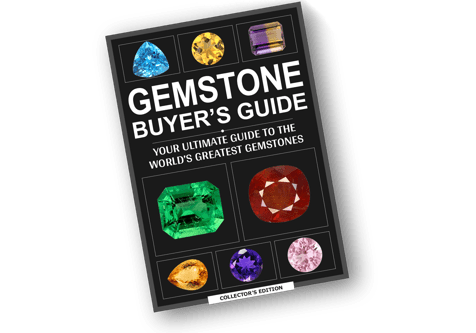
Before purchasing a gemstone, we also recommend reading our professional Gemstone Buyer’s Guides. These guides explain the quality factors that influence beauty, rarity and value, helping you better understand gemstone grading, treatments, durability and overall investment quality.
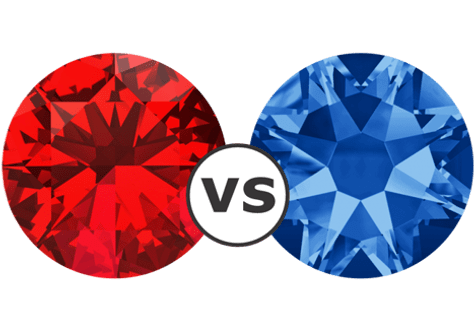
Our Gemstone Side-by-Side Comparison Guides make it easier to compare different gemstones in one place. Discover how colour, durability, rarity, value and overall appearance differ between gemstones, helping you choose the perfect stone for your style, budget and preferences.