

 1st - Gold
 January
 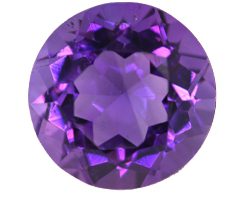 February
  March
March  April
April  May
May 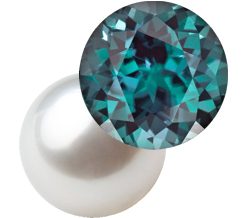 June
June 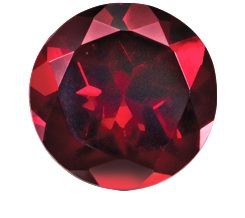 July
July 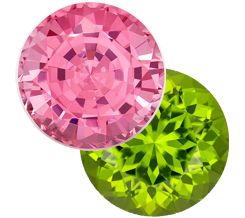 August
 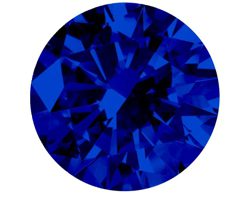 September
 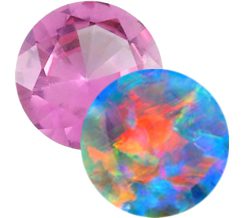 October
 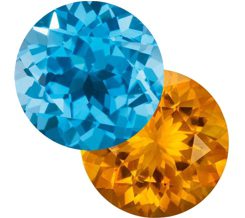 November
 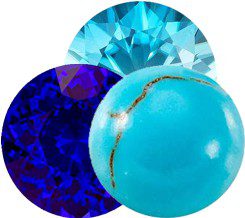 December
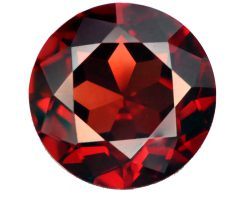
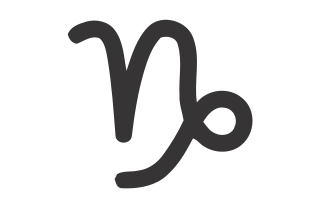 Capricorn - Garnet
  Aquarius - Amethyst
  Pisces - Aquamarine
  Aries - Diamond
  Taurus - Emerald
  Gemini - Pearl
  Cancer - Ruby
  Leo - Peridot
  Virgo - Blue Sapphire
  Libra - Opal
  Scorpio - Topaz
  Sagittarius - Tanzanite
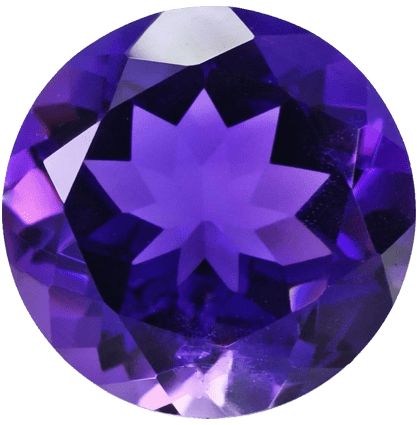
Amethyst
Pricing Guide
Amethyst Prices Per Carat in ZAR, USD, EUR & GBP
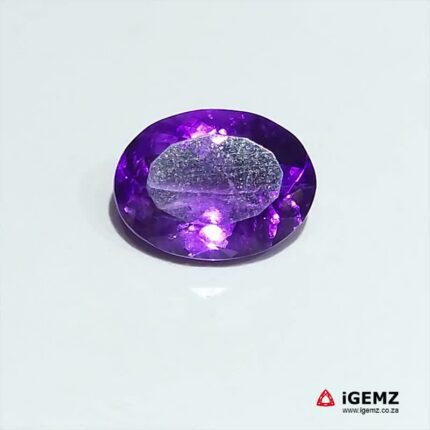
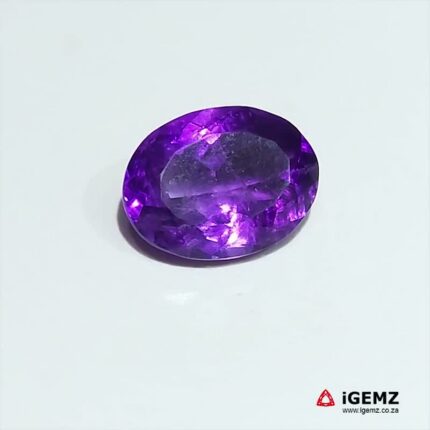
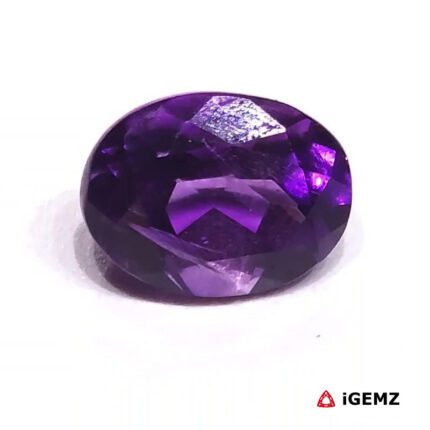
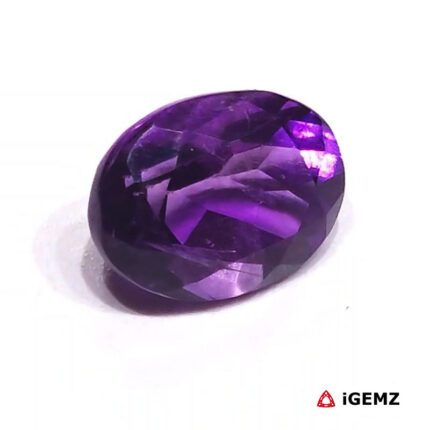
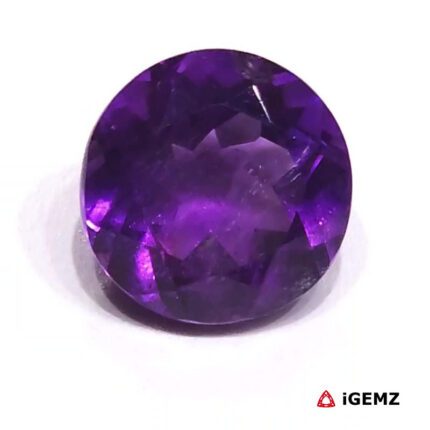
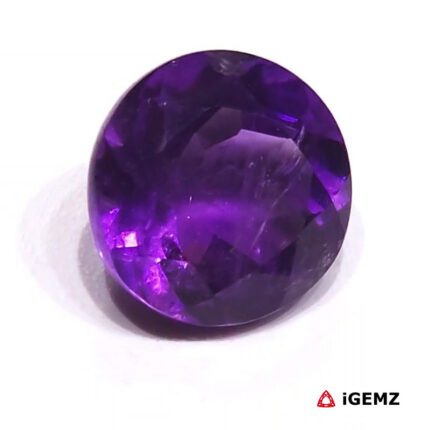
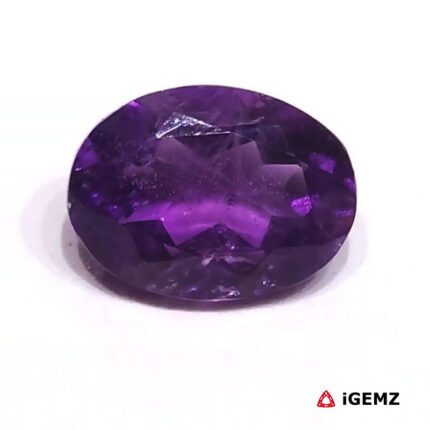
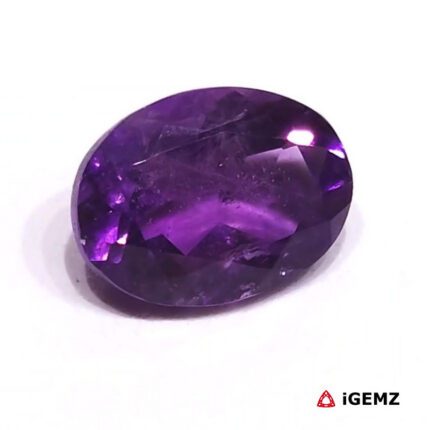
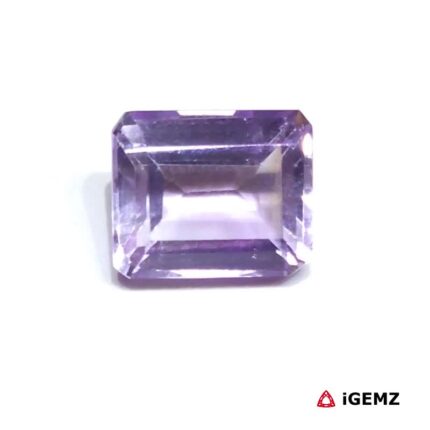
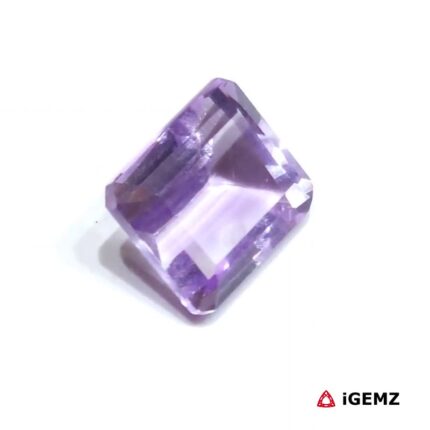
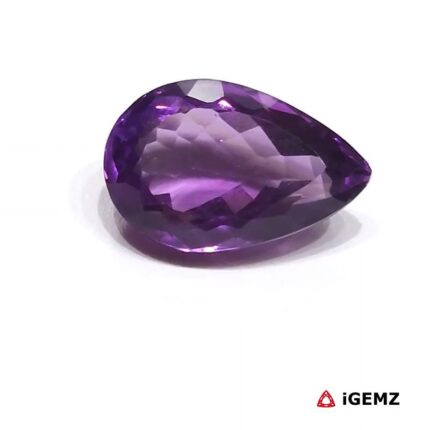
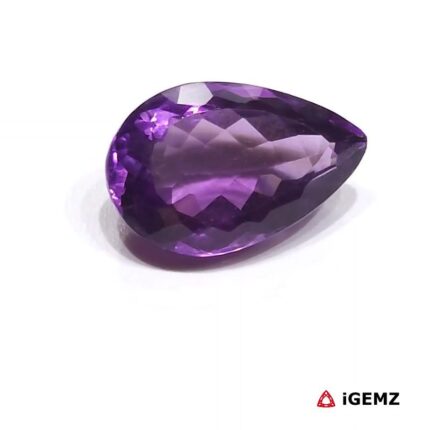
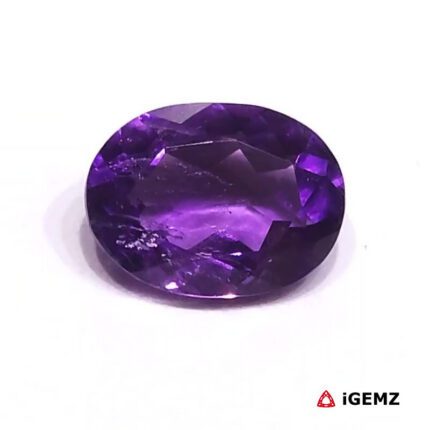
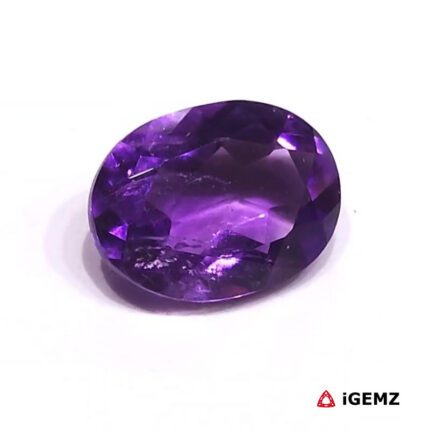
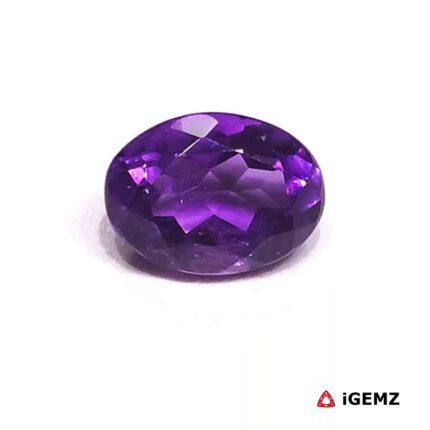
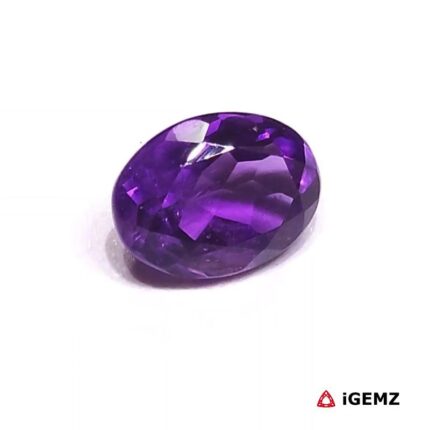
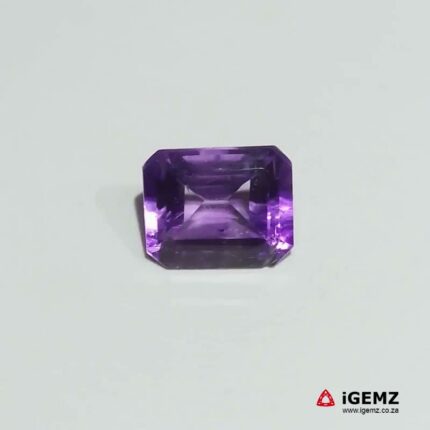
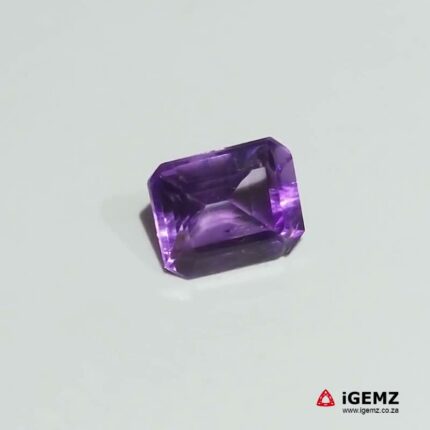
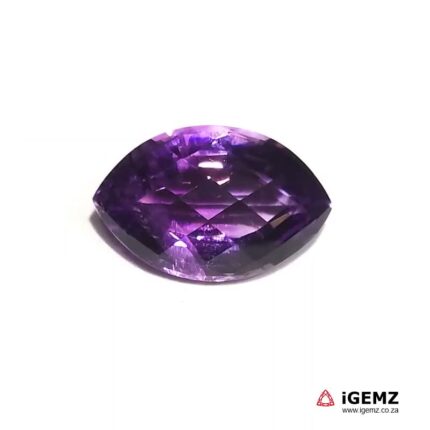
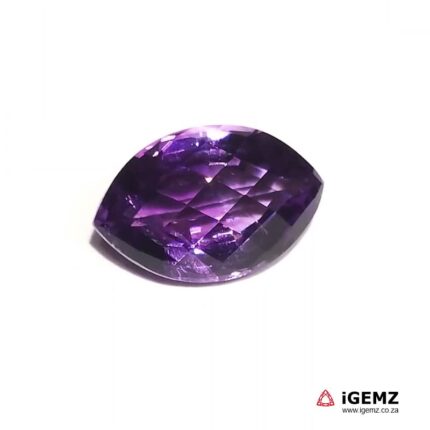
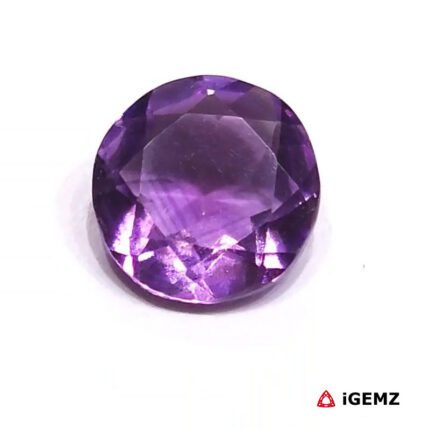
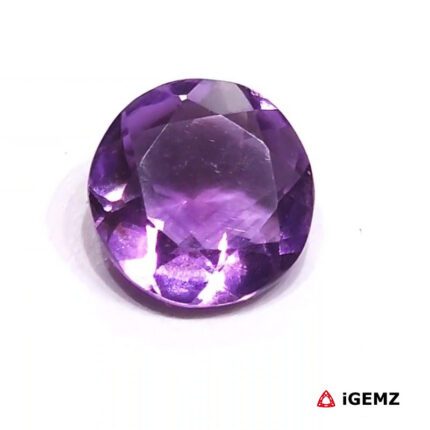
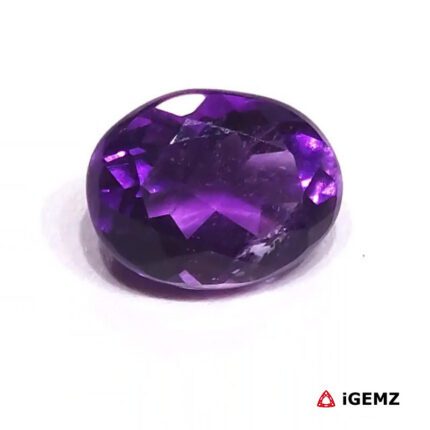
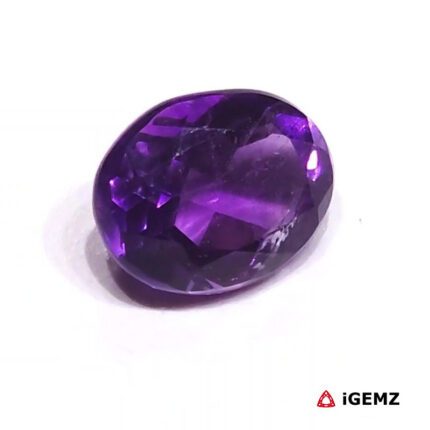
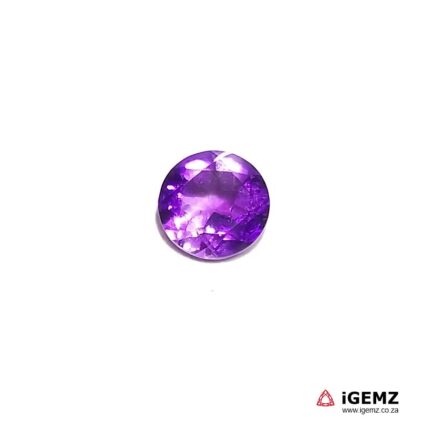
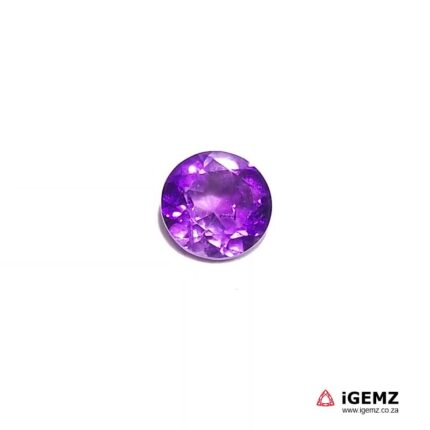
Amethyst is one of the most popular and widely available gemstones in the world. It is a variety of quartz known for its beautiful purple colour, ranging from light lavender to deep royal violet.
While amethyst is generally more affordable than gemstones like ruby or sapphire, fine-quality stones with deep saturation and excellent clarity can still command strong prices in the global market.
Amethyst Price Guide: Amethyst Prices Per Carat in ZAR, USD, EUR & GBP
Page Navigation
Why Amethyst Prices Vary
Although amethyst is widely available, not all material is equal in value.
Key price drivers include:
- Colour intensity and tone
- Clarity and transparency
- Size of the crystal
- Origin of the stone
- Cutting quality
- Market demand
The biggest price difference comes from colour saturation.
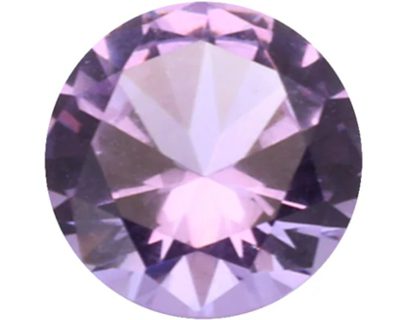
Amethyst Price Per Carat
All prices below are approximate international retail ranges in ZAR, USD, EUR and GBP.
Amethyst is one of the most popular and widely available gemstones in the world. It is a variety of quartz known for its beautiful purple colour, ranging from light lavender to deep royal violet. While amethyst is generally more affordable than gemstones like ruby or sapphire, fine-quality stones with deep saturation and excellent clarity can still command strong prices in the global market.
Whether you are buying amethyst for jewellery, spiritual use, or collecting fine gemstones, understanding its pricing structure helps you avoid overpaying and identify true quality.
| Amethyst Gemstone Quality | ZAR | USD | EUR | GBP |
|---|---|---|---|---|
| Commercial Amethyst | R30 – R250 | |||
| Good Quality Amethyst | R250 – R1,200 | |||
| Fine Quality Amethyst | R1,200 – R5,000 | |||
| Deep Royal Purple Amethyst | R5,000 – R20,000+ |
How Colour Affects Amethyst Price
Colour is the most important factor in amethyst pricing.
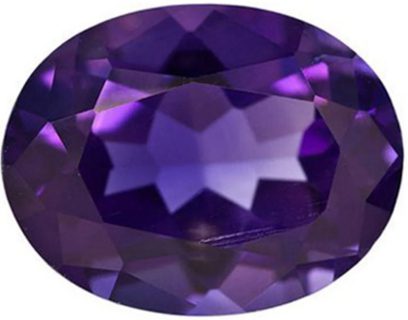
Colour Grades
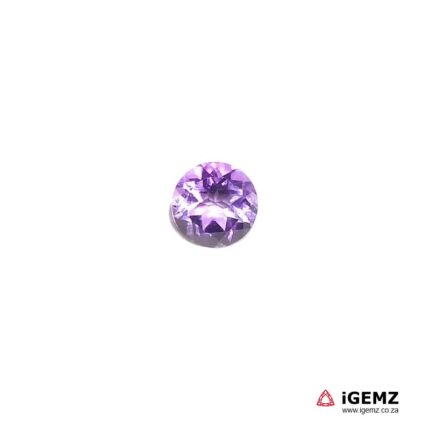
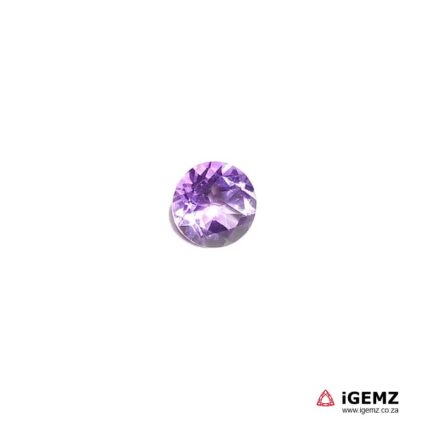
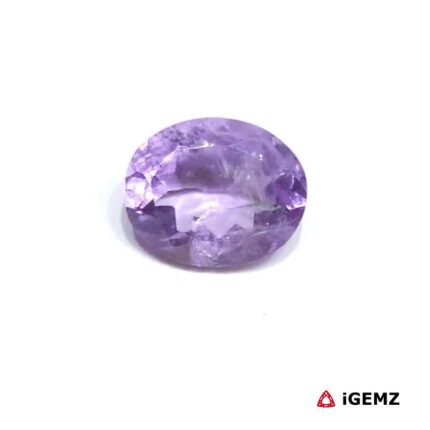
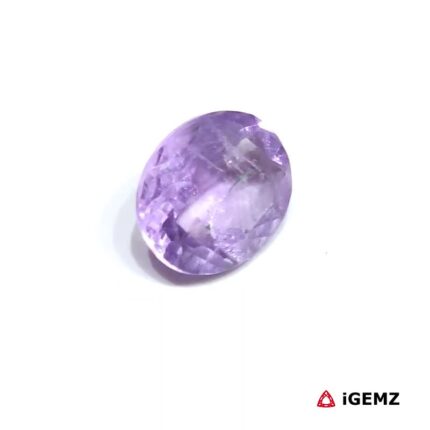
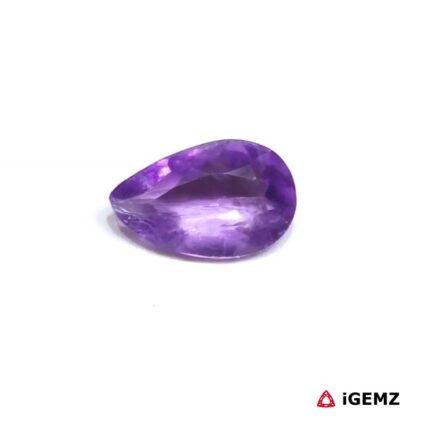
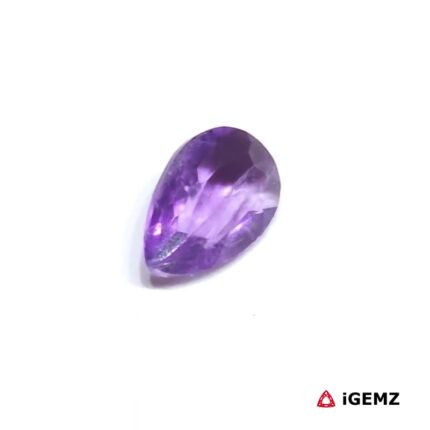
- Light Lavender: low value, mass market
- Medium Purple: standard jewellery grade
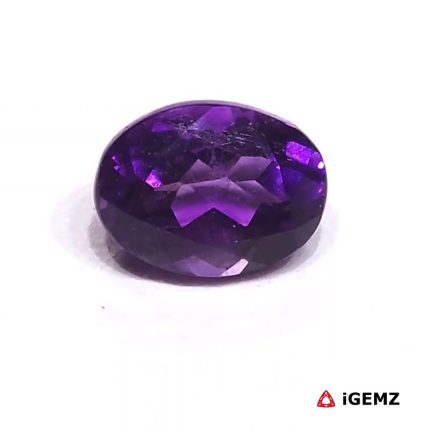
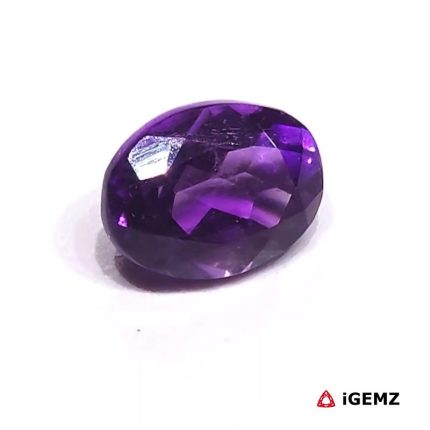
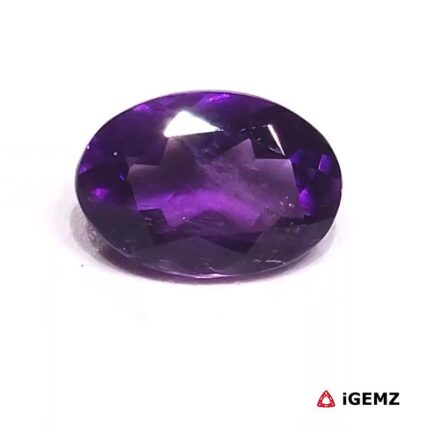
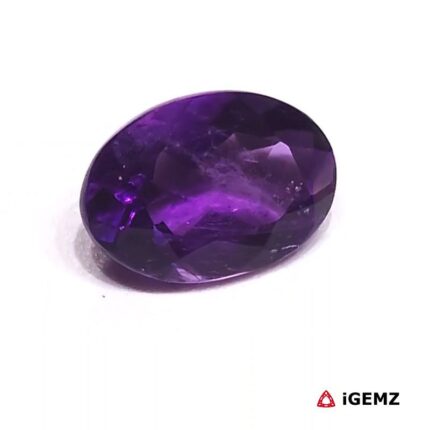
- Deep Purple: high value
- Royal Purple with red flashes: premium tier
The richest colours typically come from African and South American deposits.
How Clarity Affects Price
Amethyst is generally a clean gemstone, but clarity still matters.
- Eye-clean stones = higher value
- Cloudy or heavily included stones = lower value
- Zoning or uneven colour reduces pricing
Unlike diamonds, inclusions are less important than colour intensity.
Amethyst Origins and Price Differences
Different geographic sources produce different colour tones and market desirability.
Key Origins
- Brazil (largest supplier, wide range of quality)
- Zambia (deeper, richer purple tones)
- Uruguay (premium dark royal purple material)
- South Africa (smaller deposits, variable quality)
Amethyst Size Pricing Effect
Unlike ruby, amethyst does not increase exponentially in price with size. It scales more gradually because large crystals are relatively abundant.
However, larger stones with strong colour saturation still command higher prices per piece.
| Amethyst Gemstone Size | ZAR | USD | EUR | GBP |
|---|---|---|---|---|
| 1 - 5 Carats | R200 – R2,500 | |||
| 5 - 10 Carats | R500 – R5,000 | |||
| 10 - 20 Carats | R1,200 – R12,000 | |||
| 20+ Carats Premium | R2,500 – R25,000+ |
Why Amethyst Is Still Valuable
Amethyst is not rare like ruby or emerald, but high-quality material still holds strong market appeal.
Key Value Factors
1. Colour Quality
Deep purple amethyst is far more valuable than pale or washed-out material.
2. Clean Material Availability
Eye-clean amethyst is common, but intensely coloured eye-clean material is less common.
3. Large Crystal Formation
Amethyst forms in large geodes, but fine cutting-grade crystals are still selectively graded.
4. Jewellery Demand
Amethyst is widely used in rings, pendants, and statement jewellery pieces.
Why Deep Purple Amethyst Costs More
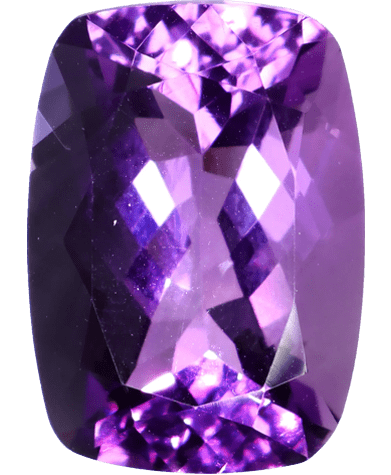
Deep purple amethyst commands higher prices because:
- It is less common in large clean crystals
- It shows stronger visual appeal in jewellery
- It is more desirable in luxury markets
- It has better light performance
Stones with red flashes or “raspberry tone” are especially valued.
Is Amethyst a Good Investment?
Amethyst is generally not considered a high-growth investment gemstone, but it is excellent for:
- Jewellery value retention
- Affordable gemstone collecting
- Large statement pieces
- Entry-level gemstone portfolios
Buying Tips for Amethyst
Focus on Colour First
The deeper the purple, the higher the value.
Avoid Overheated Pricing
Amethyst is widely available – pricing should remain reasonable unless top-grade.
Check Clarity Carefully
Most fine amethysts are eye-clean. Avoid stones with obvious fractures, cloudy areas or visible inclusions that reduce brilliance.
Consider the Stone’s Tone
Very dark amethyst can appear almost black in low light, while overly pale stones may lack richness. Look for a balanced, vibrant purple.
Look for Even Colour Distribution
Avoid heavily zoned or uneven stones.
Choose Well-Cut Stones
Cut quality significantly affects brilliance and visual appeal.
Ask About Treatments
Some amethyst on the market may be heat treated to alter colour. Always ask whether the gemstone has undergone any treatments.
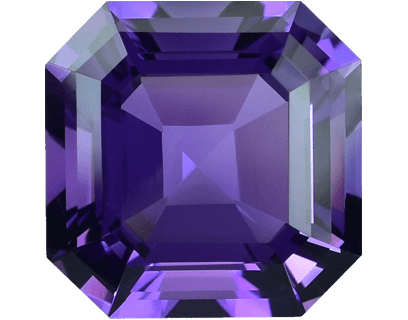
Match the Shape to the Jewellery Design
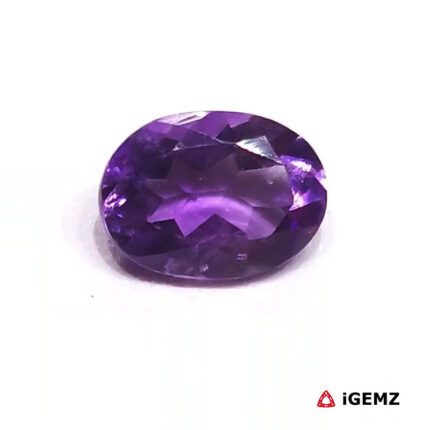
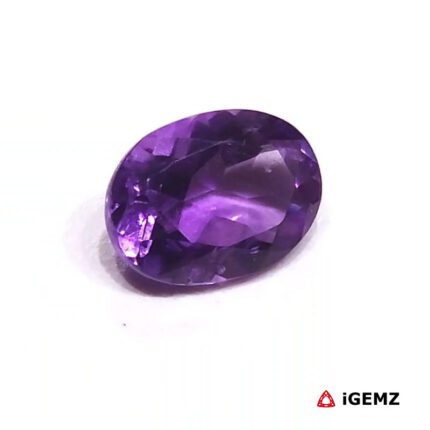
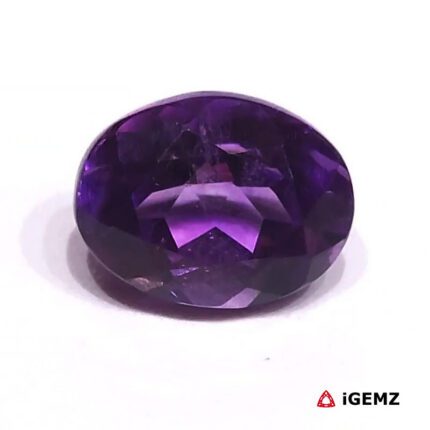
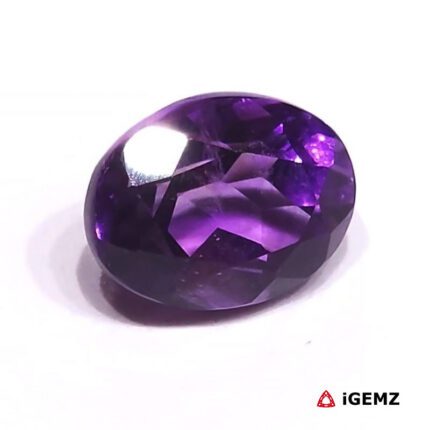
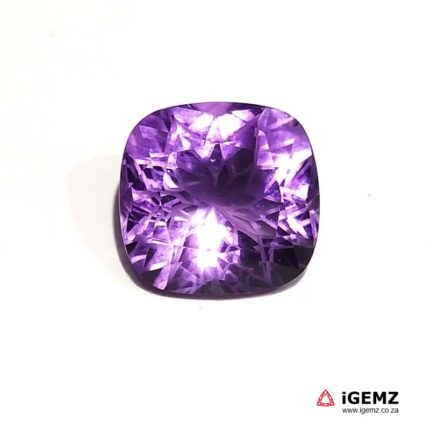
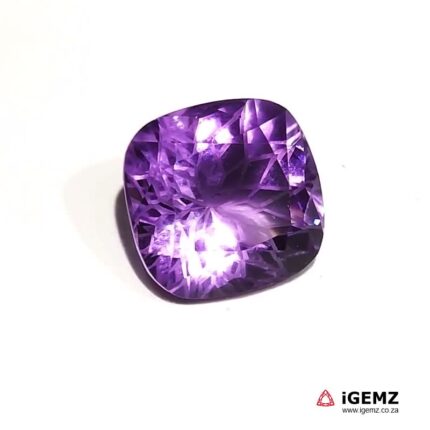
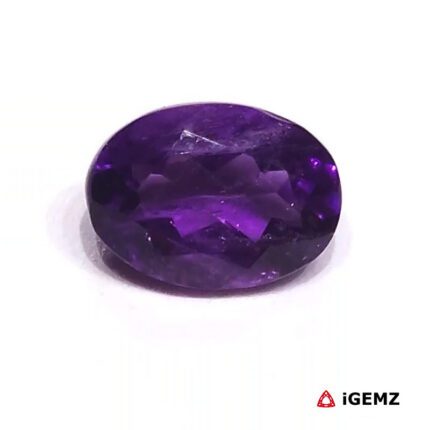
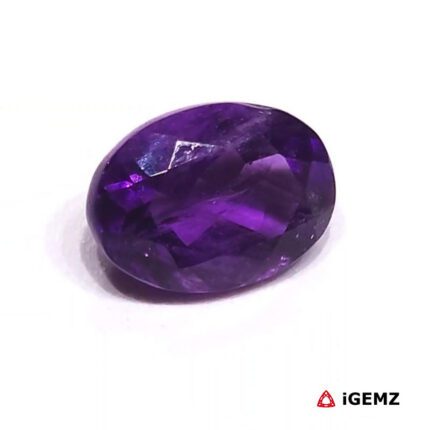
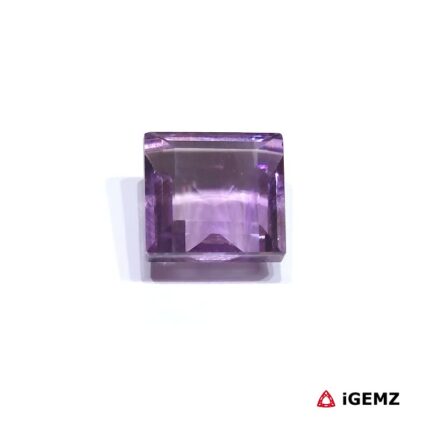
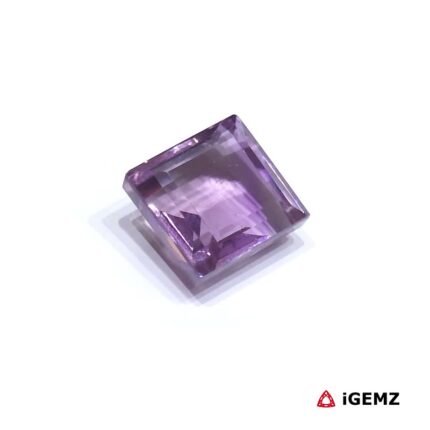
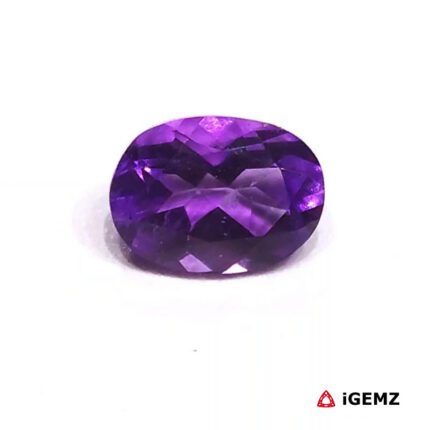
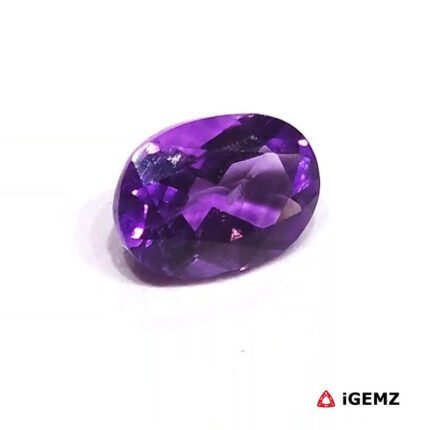
Certain cuts and shapes display colour more effectively. Oval and cushion cuts often show richer colour saturation and better brilliance.

Buy With Confidence
Professionally inspected gemstones
Full transparency on treatments
Worldwide shipping
Secure checkout
Final Thoughts on AMETHYST PRICES
Amethyst remains one of the most accessible and visually striking gemstones in the world. While it does not reach the investment levels of rubies or sapphires, high-quality deep purple amethyst continues to hold strong demand in the jewellery market.
Understanding amethyst price per carat, colour grading and origin differences ensures you can identify true value and avoid overpaying for low-grade material.
For buyers seeking beauty, affordability and versatility, amethyst remains one of the best entry-level coloured gemstones available globally.
Vibrant Purple
Calming Energy
Spiritual Balance

HERE IS ALL THE PROFESSIONAL INFORMATION YOU NEED
Gemstone Price Guides
Understanding gemstone prices can be complex — but knowing what determines value helps you make informed buying decisions. Our professional Gemstone Price Guides explain how rarity, colour, clarity, cut, carat weight, treatments and origin influence the pricing of different gemstones.
Each guide provides detailed pricing information across various quality grades and sizes, helping you understand how gemologists and the international gemstone market assess value. You will also learn how factors such as colour, size, origin and clarity affect both current market prices and long-term desirability.
Beryl Family
Feldspar Gemstones
Pyroxene Gemstones
Spodumene Family
Chalcedony & Agate
Quartz Gemstones
Amethyst
Ametrine
Citrine
Prasiolite
Quartz
Rose Quartz
Rutile Quartz
Smoky Quartz
Rare & Collector Gemstones
Apatite
Chrysoberyl
Clinozoisite
Fluorite
Grandidierite
Iolite
Jade
Kyanite
Lapis Lazuli
Phosphosiderite
Prehnite
Serendibite
Sillimanite
Sphene
Sugilite
Vesuvianite
HERE IS MORE PROFESSIONAL INFORMATION FOR YOU
Other Professional Gemstone Guides
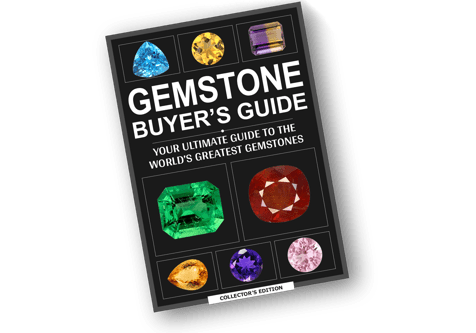
Before purchasing a gemstone, we also recommend reading our professional Gemstone Buyer’s Guides. These guides explain the quality factors that influence beauty, rarity and value, helping you better understand gemstone grading, treatments, durability and overall investment quality.
Our Gemstone Side-by-Side Comparison Guides make it easier to compare different gemstones in one place. Discover how colour, durability, rarity, value and overall appearance differ between gemstones, helping you choose the perfect stone for your style, budget and preferences.