

 1st - Gold
 January
 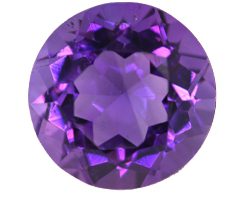 February
 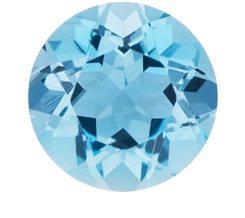 March
March 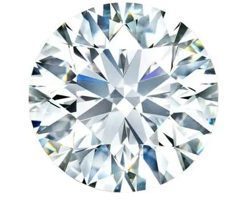 April
April 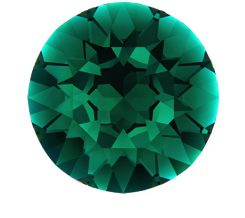 May
May 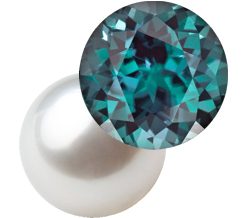 June
June 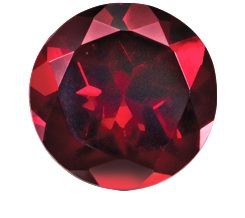 July
July 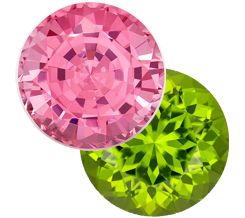 August
 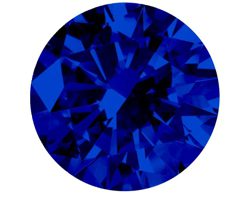 September
 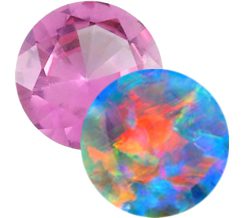 October
 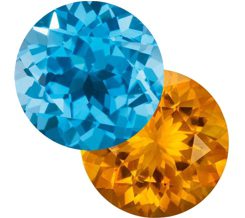 November
 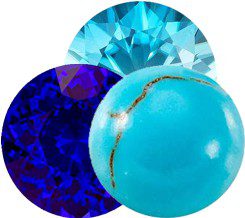 December
 Capricorn - Garnet
  Aquarius - Amethyst
  Pisces - Aquamarine
  Aries - Diamond
  Taurus - Emerald
  Gemini - Pearl
  Cancer - Ruby
  Leo - Peridot
  Virgo - Blue Sapphire
  Libra - Opal
  Scorpio - Topaz
  Sagittarius - Tanzanite
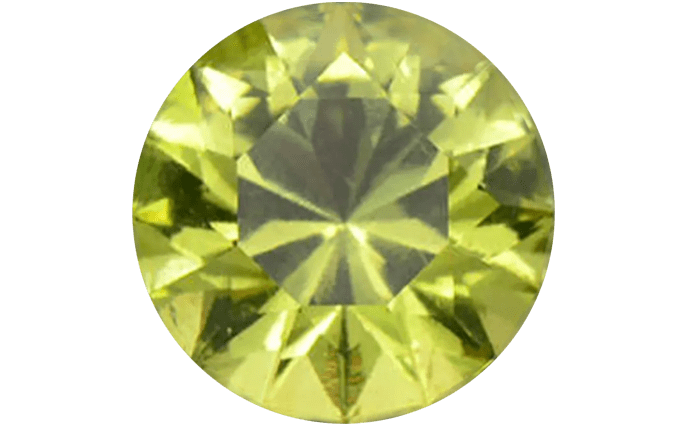
Apatite
Pricing Guide
Apatite Prices Per Carat in ZAR, USD, EUR & GBP
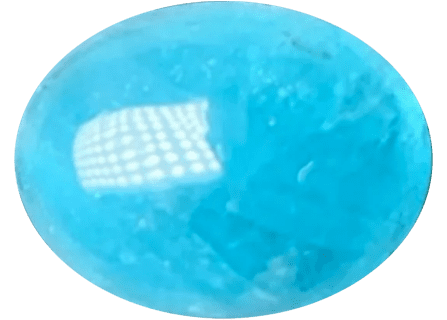
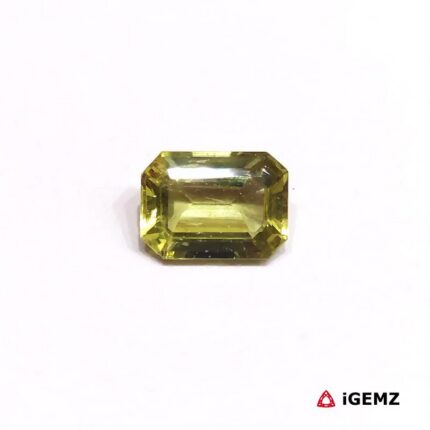
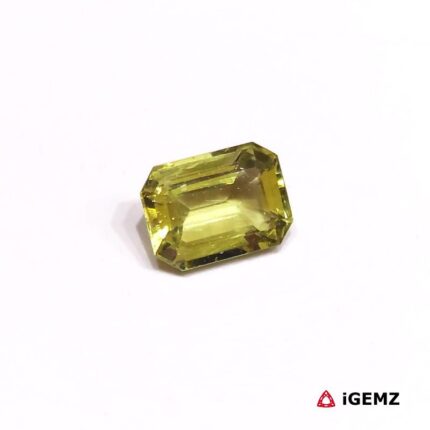
Apatite price per carat varies significantly depending on colour intensity, clarity and overall gemstone quality. Apatite is one of the most visually striking yet lesser-known gemstones in the quartz-family alternatives market, prized for its vivid neon-like blue, teal, green and occasionally yellow hues.
While apatite is generally more affordable than gemstones like sapphire or tourmaline, fine-quality neon blue apatite with strong saturation and excellent clarity can achieve surprisingly strong international prices, especially in calibrated jewellery sizes.
Apatite Pricing Guide: Ametrine Prices Per Carat in ZAR, USD, EUR and GBP.
Page Navigation
Why Apatite Prices Vary
Although apatite is available in several deposits worldwide, gem-quality material suitable for cutting is relatively limited compared to common quartz or beryl species. The strongest price differences come from colour intensity and transparency.
Key price drivers include:
- Colour saturation and hue (especially neon blue)
- Clarity and transparency
- Size of the crystal
- Cutting quality
- Origin of the material
- Demand in designer jewellery markets
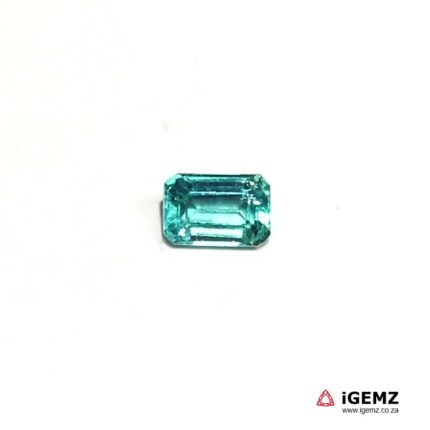
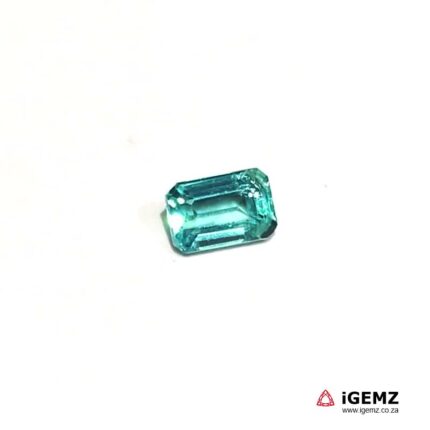
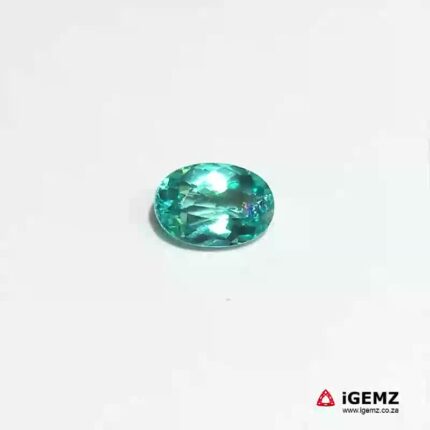
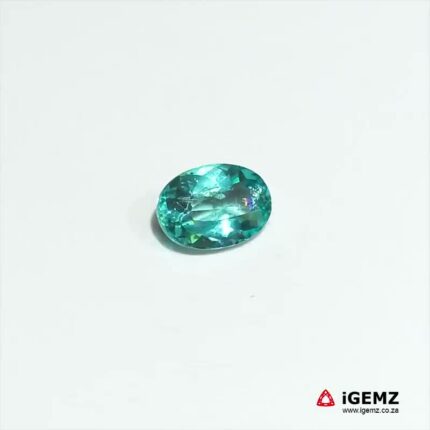
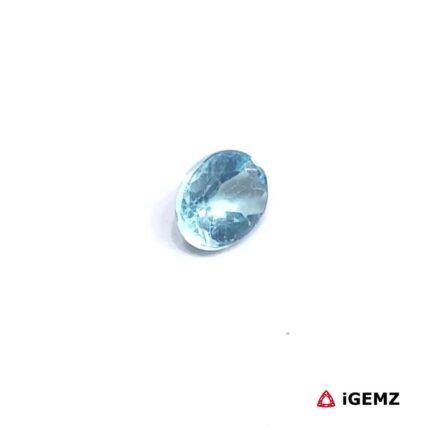
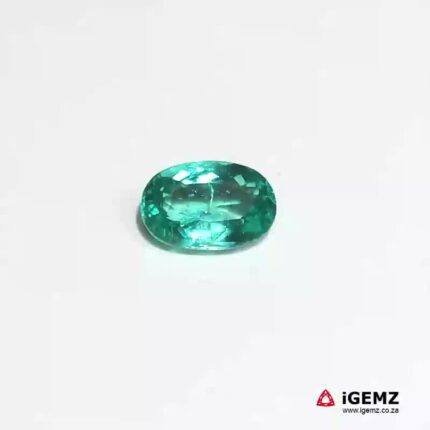
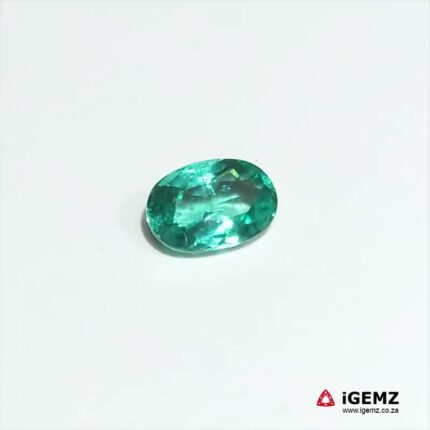
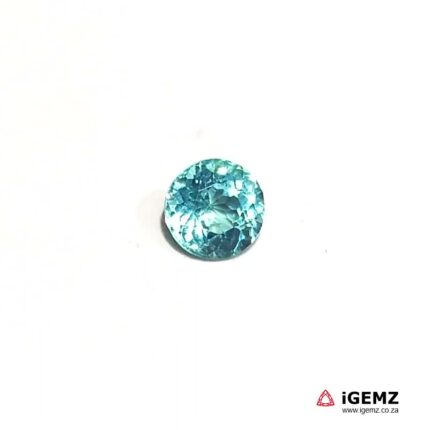
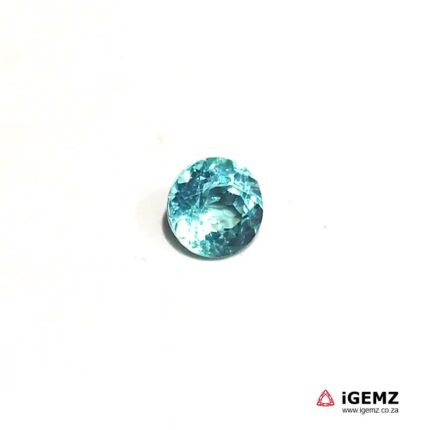
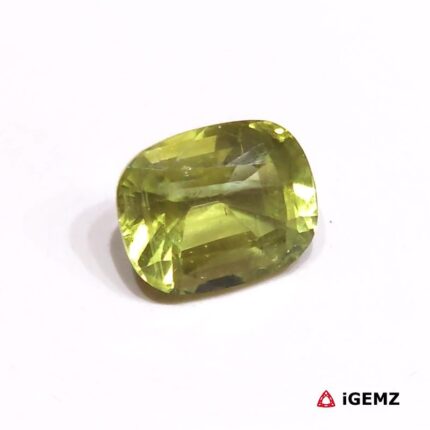
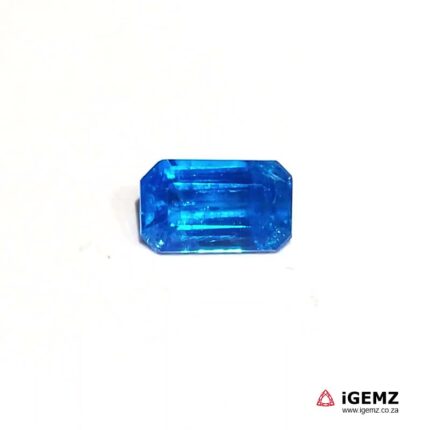
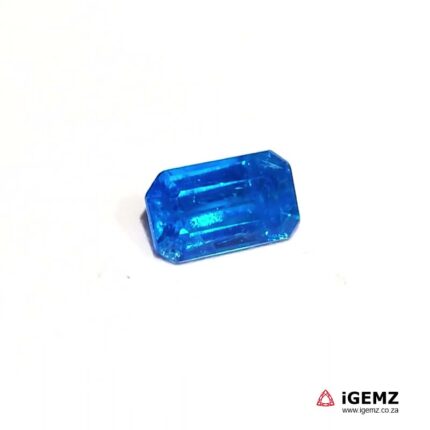
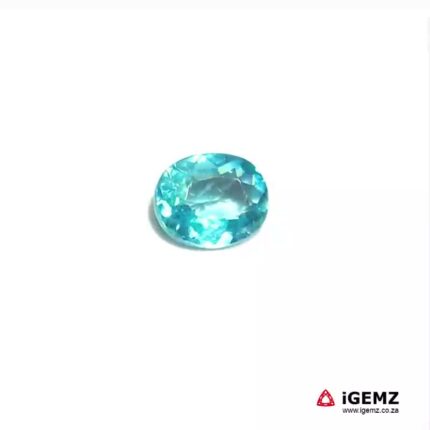
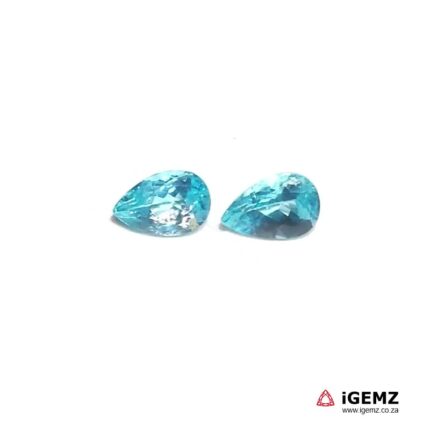
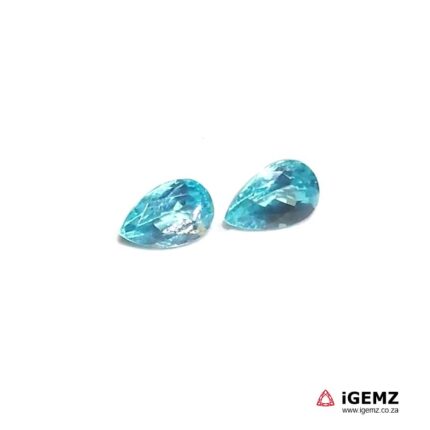
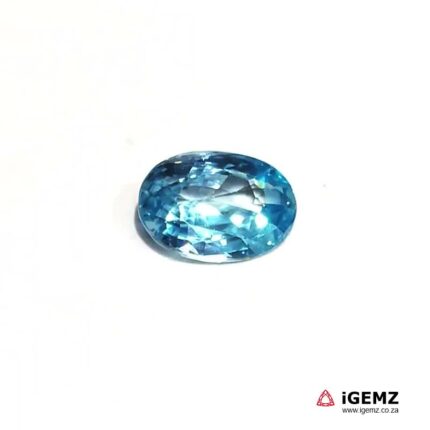
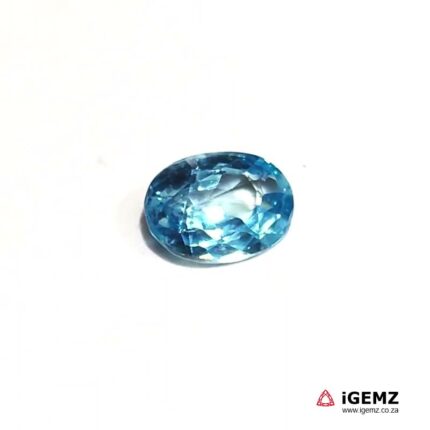
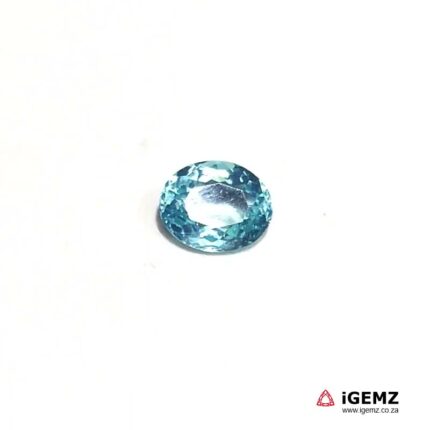
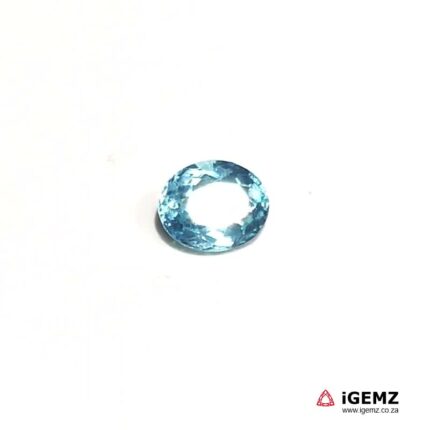
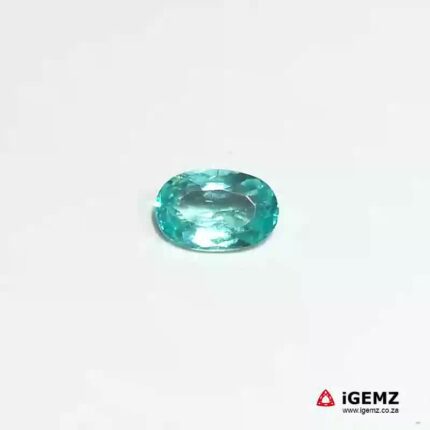
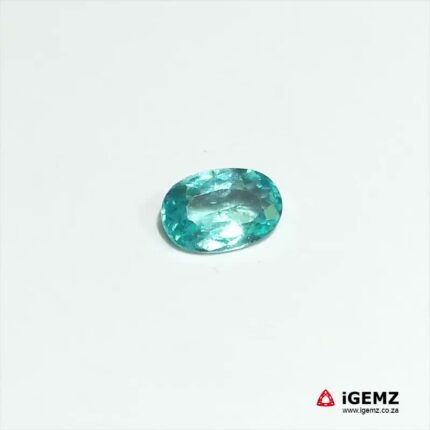
The most valuable apatite shows electric neon blue colour with high transparency and minimal visible inclusions.
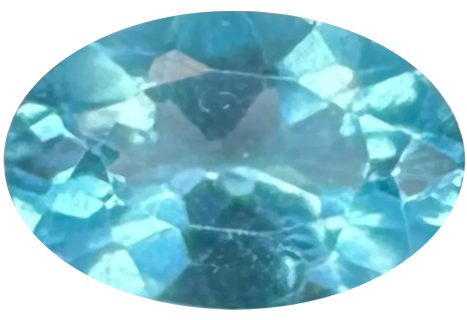
Apatite Price Per Carat
All prices below are approximate international retail ranges in ZAR, USD, EUR and GBP.
Apatite is a calcium phosphate mineral known for its vibrant and highly saturated colours, especially neon blue apatite which is widely used in affordable luxury jewellery collections. While it is softer than many gemstones, its strong colour performance makes it highly desirable in fashion-forward jewellery.
Whether you are buying apatite for jewellery design, gemstone collecting or wholesale sourcing, understanding pricing tiers ensures accurate value assessment and prevents overpaying for low-saturation material.
| Apatite Gemstone Quality | ZAR | USD | EUR | GBP |
|---|---|---|---|---|
| Commercial Apatite | R50 – R400 | |||
| Good Quality Apatite | R400 – R2,000 | |||
| Fine Neon Blue Apatite | R2,000 – R10,000 | |||
| Top Collector Grade Apatite | R10,000 – R40,000+ |
How Colour Affects Apatite Price
Colour is the most important value factor in apatite pricing.
Colour Grades
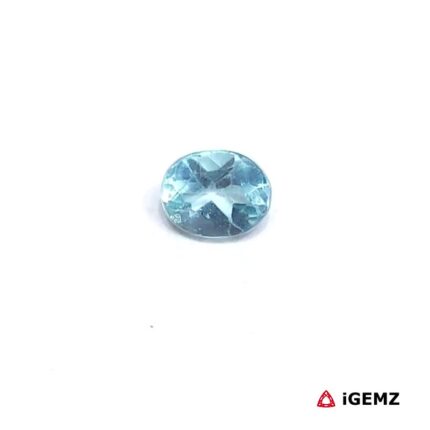
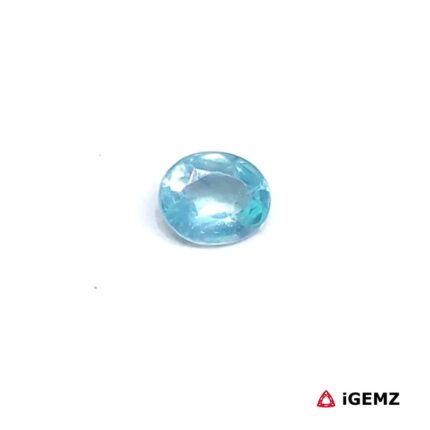
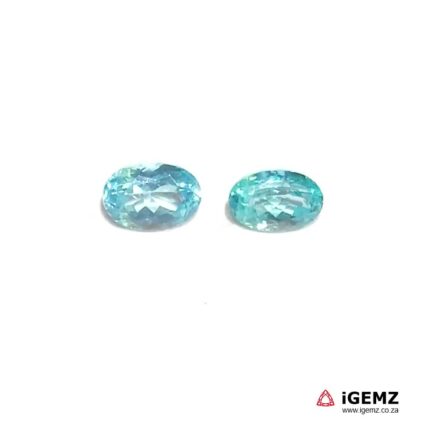
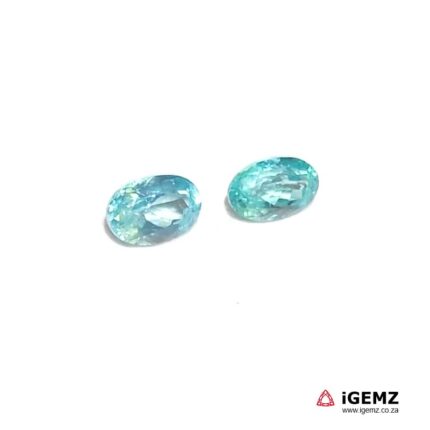
- Pale blue/green: low value, commercial grade
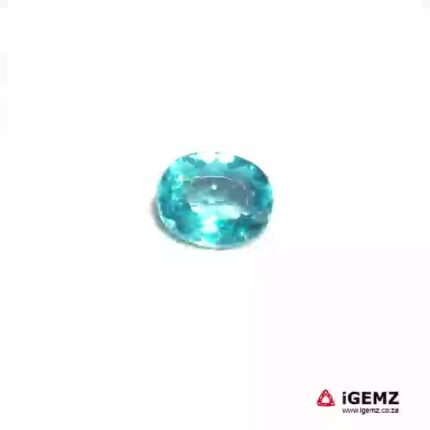
- Medium blue: standard jewellery grade
- Strong blue/teal: high value
- Neon electric blue: premium collector grade
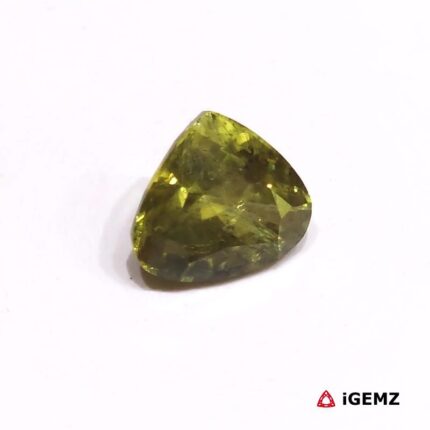
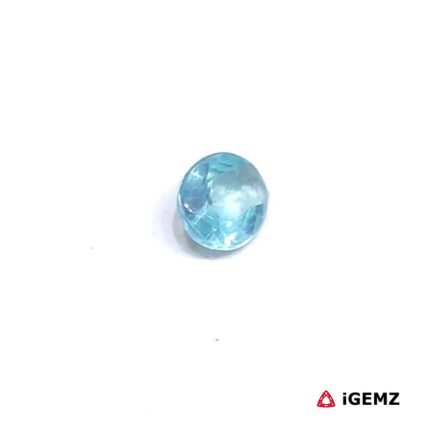
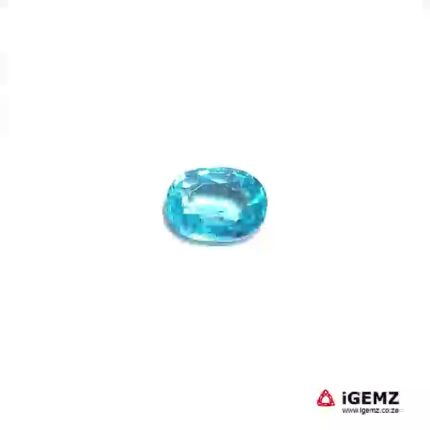
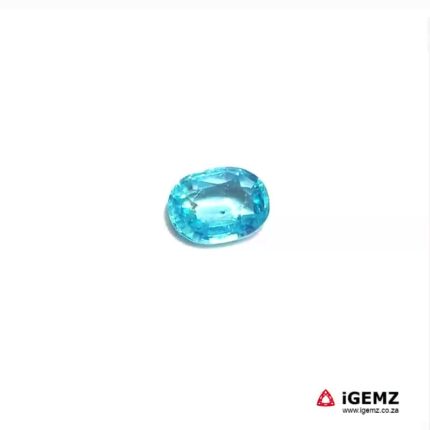
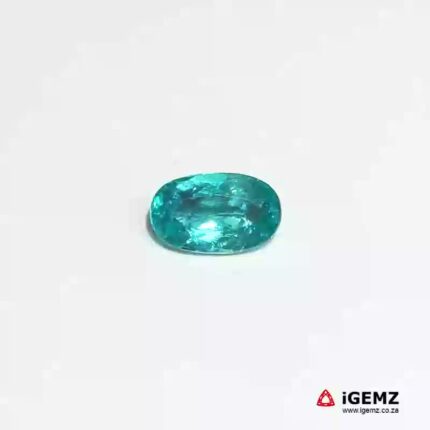
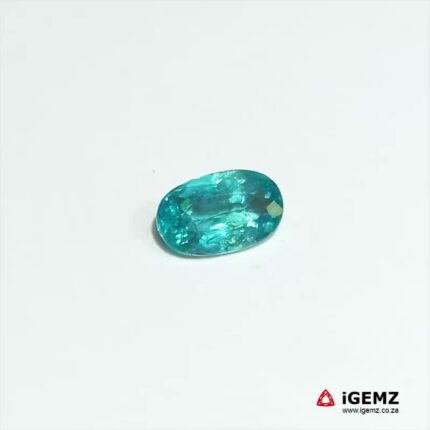
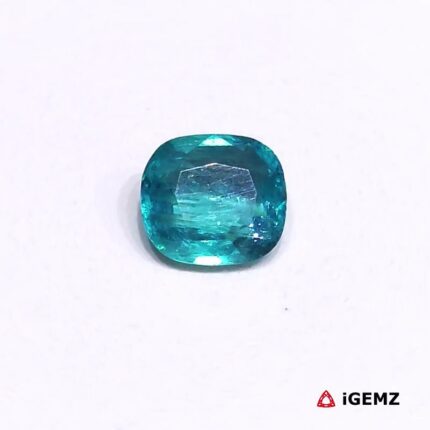
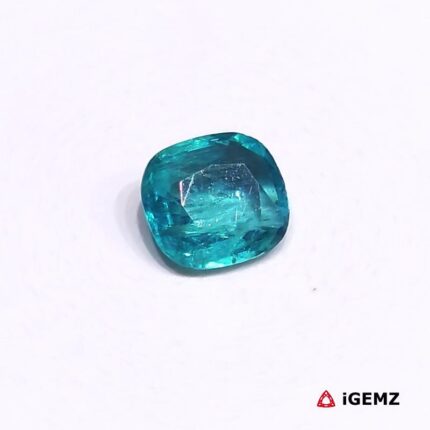
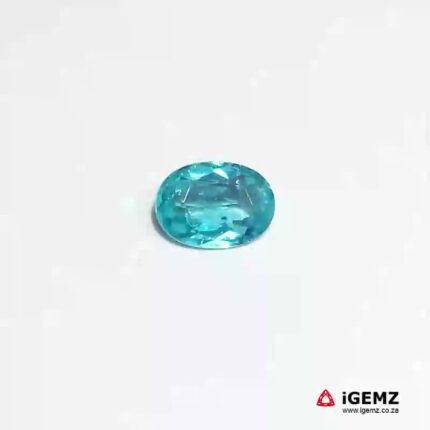
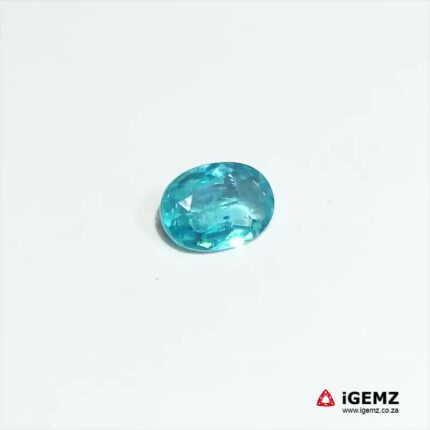
The most valuable apatite displays vivid “electric blue” saturation similar to fine Paraíba tourmaline in appearance, though at a much lower price point.
Strong, evenly distributed colour significantly increases demand in global jewellery markets.
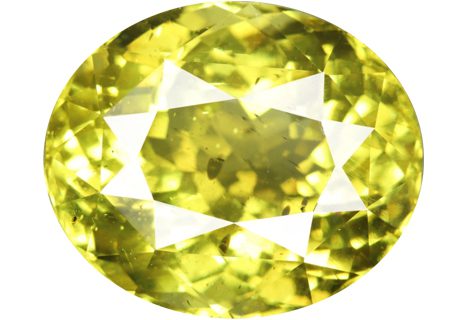
How Clarity Affects Price
Apatite is naturally a softer and more included gemstone compared to sapphire or beryl.
- Eye-clean stones = premium pricing
- Visible fractures reduce durability and value
- Cloudy material lowers brilliance significantly
- Highly transparent stones command strong premiums
Because apatite is often cut for colour rather than brilliance, clarity still plays a key role in determining high-end pricing.
Apatite Origins and Price Differences
Apatite is found in multiple global locations, but only a few produce gem-quality material suitable for fine jewellery.
Key Origins:
- Madagascar (major source of neon blue apatite)
- Brazil (varied colour range, moderate quality)
- Myanmar (rare gem-quality deposits)
- Mexico (smaller commercial production)
- Pakistan (limited fine material occurrences)
Madagascar is the most important source for high-quality neon blue apatite on the international market. Larger neon blue stones are significantly rarer and more valuable due to cutting losses and natural crystal limitations.
Ametrine Size Pricing Effect
| Apatite Gemstone Size | ZAR | USD | EUR | GBP |
|---|---|---|---|---|
| 1 - 2 Carats | R200 – R2,500 | |||
| 3 - 5 Carats | R1,500 – R8,000 | |||
| 6 - 10 Carats | R4,000 – R20,000 | |||
| 10+ Carats Premium | R10,000 – R60,000+ |
Why Apatite Is Still Valuable
Although apatite is not a traditional high-investment gemstone, it holds strong value in modern jewellery markets.
Key Value Factors
- Intense Colour Appeal
Neon blue apatite is highly desirable for statement jewellery pieces. - Designer Jewellery Demand
Widely used in boutique and fashion jewellery collections. - Visual Impact
Its vivid colour often outperforms its price category. - Rarity of Clean Material
Eye-clean neon blue crystals are less common than expected.
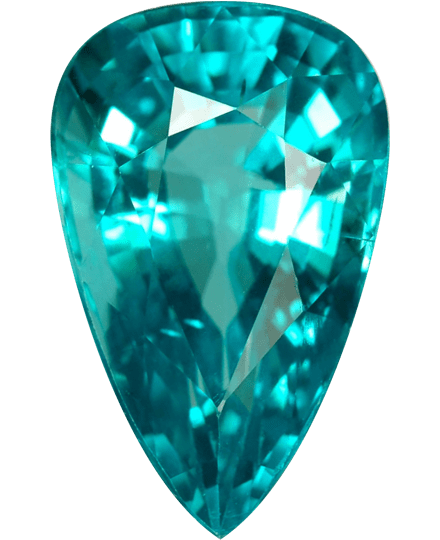
Why Neon Blue Apatite Costs More
Premium apatite commands higher prices because:
- Neon saturation is naturally rare
- Clean crystals are limited in supply
- Cutting is difficult due to softness
- Strong demand in fashion jewellery markets
High-grade material is often compared visually to more expensive gemstones, increasing its perceived value.
Is Apatite a Good Investment?
Apatite is generally not considered a long-term investment gemstone, but it is excellent for:
- Affordable luxury jewellery
- Colour-focused gemstone collections
- Statement fashion pieces
- Entry-level gemstone portfolios
- Designer jewellery production
It is best viewed as a beauty-driven gemstone rather than a capital growth asset.
Buying Tips for Apatite
Focus on Colour First
Neon blue and strong teal colours deliver the highest value.
Avoid Weak Saturation
Washed-out stones have significantly lower demand.
Check Clarity Carefully
Eye-clean stones are rare and more valuable.
Prioritise Cut Quality
Apatite must be well-cut to maximise colour visibility.
Avoid Overly Soft or Fractured Stones
Durability matters due to lower hardness.
Ask About Origin
Madagascar material is generally preferred for high-end pieces.
Match Jewellery Design
Smaller calibrated stones often perform better in rings and earrings.
Inspect the Stone Under Different Lighting
Apatite can shift noticeably between daylight, LED and warm indoor lighting, so always evaluate colour performance in multiple light sources before buying.
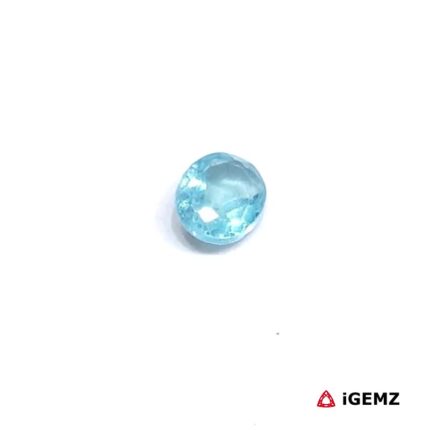

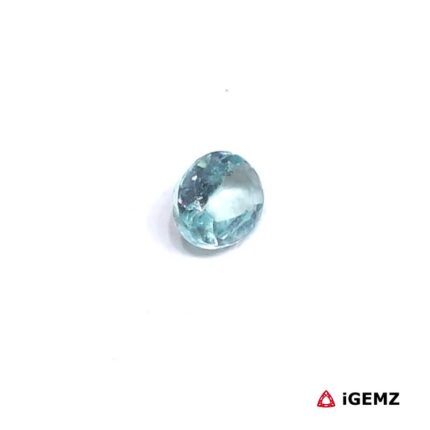
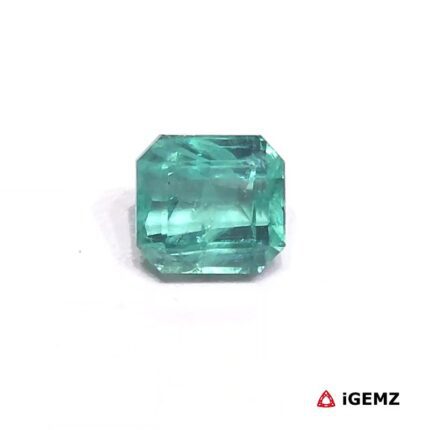

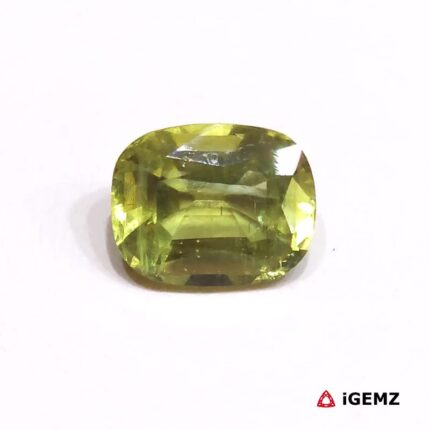

Buy With Confidence
Professionally inspected gemstones
Full transparency on treatments
Worldwide shipping
Secure checkout
Final Thoughts on APATITE PRICES
Apatite remains one of the most visually striking affordable gemstones in the global market. While it does not compete with high-value investment gemstones, its neon colour performance gives it exceptional appeal in modern jewellery design.
Understanding apatite price per carat, colour saturation levels and origin differences ensures buyers can identify true quality and avoid overpaying for low-grade material.
For buyers seeking bold colour, affordability and modern design appeal, apatite remains one of the most underrated gemstones in both South African and international markets.
Vibrant Colour
Creative Energy
Clear Communication
HERE IS ALL THE PROFESSIONAL INFORMATION YOU NEED
Gemstone Price Guides
Understanding gemstone prices can be complex — but knowing what determines value helps you make informed buying decisions. Our professional Gemstone Price Guides explain how rarity, colour, clarity, cut, carat weight, treatments and origin influence the pricing of different gemstones.
Each guide provides detailed pricing information across various quality grades and sizes, helping you understand how gemologists and the international gemstone market assess value. You will also learn how factors such as colour, size, origin and clarity affect both current market prices and long-term desirability.
Beryl Family
Feldspar Gemstones
Pyroxene Gemstones
Spodumene Family
Chalcedony & Agate
Quartz Gemstones
Amethyst
Ametrine
Citrine
Prasiolite
Quartz
Rose Quartz
Rutile Quartz
Smoky Quartz
Rare & Collector Gemstones
Apatite
Chrysoberyl
Clinozoisite
Fluorite
Grandidierite
Iolite
Jade
Kyanite
Lapis Lazuli
Phosphosiderite
Prehnite
Serendibite
Sillimanite
Sphene
Sugilite
Vesuvianite
HERE IS MORE PROFESSIONAL INFORMATION FOR YOU
Other Professional Gemstone Guides
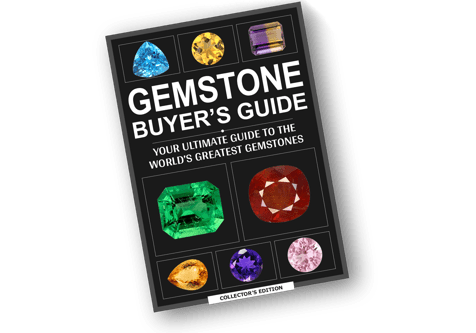
Before purchasing a gemstone, we also recommend reading our professional Gemstone Buyer’s Guides. These guides explain the quality factors that influence beauty, rarity and value, helping you better understand gemstone grading, treatments, durability and overall investment quality.
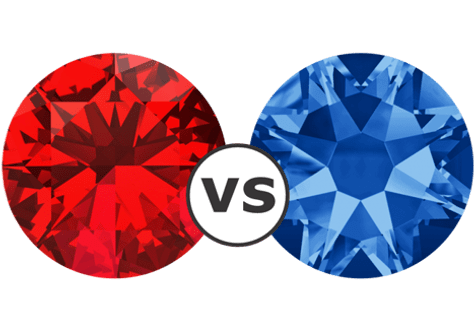
Our Gemstone Side-by-Side Comparison Guides make it easier to compare different gemstones in one place. Discover how colour, durability, rarity, value and overall appearance differ between gemstones, helping you choose the perfect stone for your style, budget and preferences.