



 1st - Gold
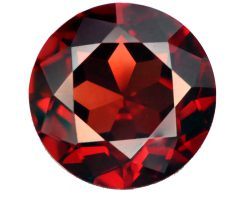 January
 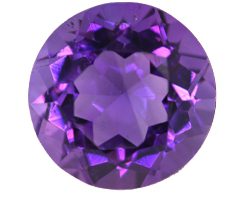 February
 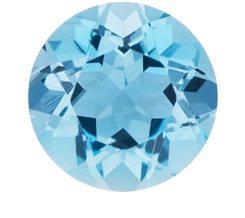 March
March 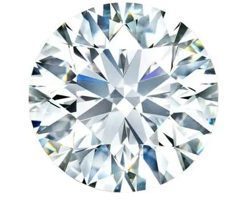 April
April 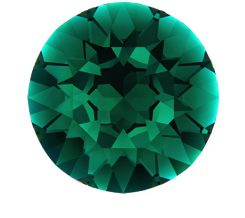 May
May 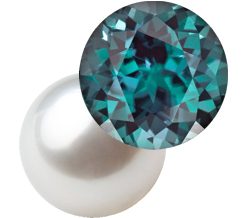 June
June 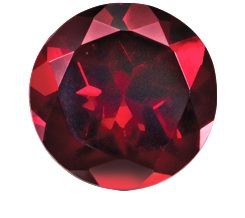 July
July 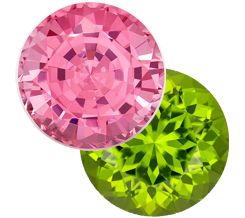 August
 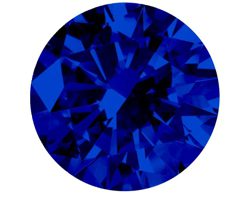 September
 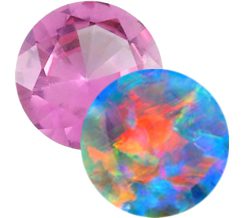 October
 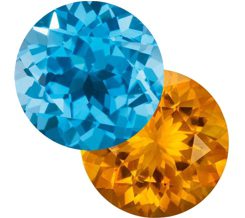 November
 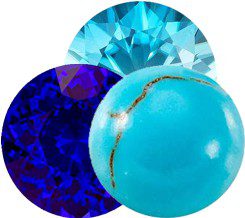 December
 Capricorn - Garnet
  Aquarius - Amethyst
  Pisces - Aquamarine
  Aries - Diamond
  Taurus - Emerald
  Gemini - Pearl
  Cancer - Ruby
  Leo - Peridot
  Virgo - Blue Sapphire
  Libra - Opal
  Scorpio - Topaz
  Sagittarius - Tanzanite


Emerald Gemstones – Properties, Origins, Treatments and Buying Guide
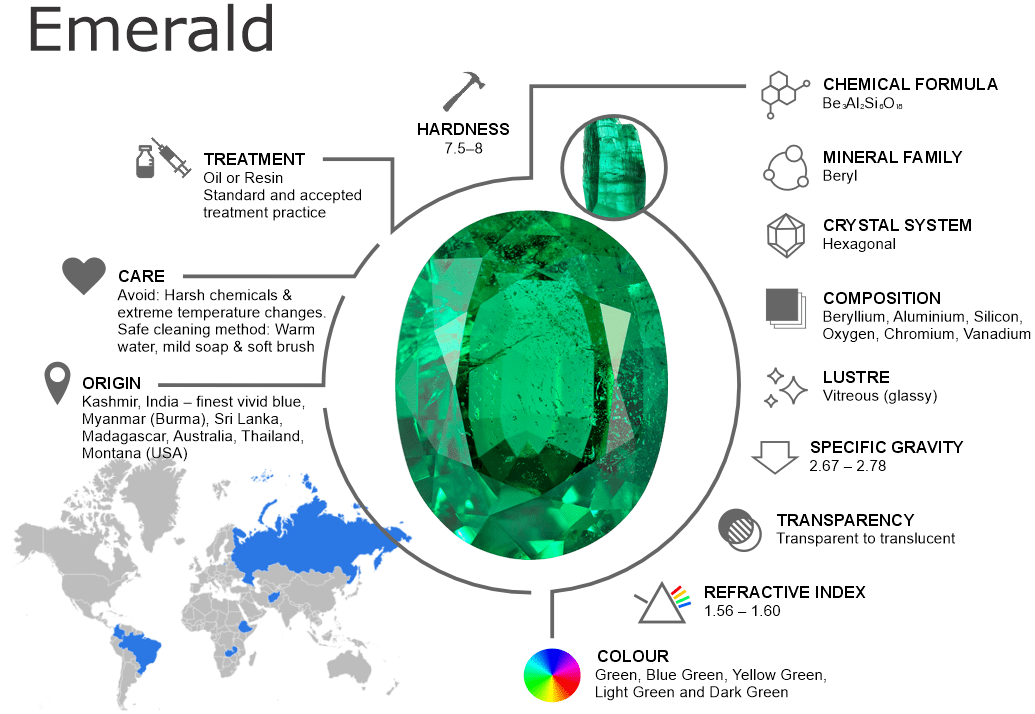
Emerald is one of the most famous and valuable green gemstones in the world. Unlike most green stones, emerald owes its colour to chromium and vanadium inside the crystal lattice, giving it a rich green that no other gemstone can truly replicate.
In this guide we examine emerald from a professional gemmological and commercial perspective, covering its physical properties, mineralogy, durability, treatments, origins and how to identify high-quality stones.
What Is Emerald?
Emerald is the green variety of the mineral beryl, a beryllium aluminium silicate. Its intense green colour is caused by chromium and sometimes vanadium — without these elements, beryl would be colourless.
Emeralds form in rare geological environments where beryllium-rich rocks meet chromium-bearing fluids, making fine emeralds far rarer than most other gemstones.
Mineral Composition
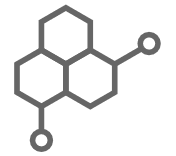
Emerald has the chemical formula:
Be₃Al₂Si₆O₁₈
This means it is composed primarily of:
- Beryllium
- Aluminium
- Silicon
- Oxygen
Its green colour is produced by:
- Chromium (primary)
- Vanadium (secondary)
The finest emeralds show a deep, vivid green with high transparency.
Mineral Family and Crystal System

Emerald belongs to the beryl mineral family, part of the cyclosilicate group.
Its crystal system is hexagonal, producing long prismatic crystals with flat ends.
Optical and Physical Properties
Emerald has distinctive gemmological properties.

Lustre
Vitreous (glassy) with a rich internal glow.

Transparency
Transparent to translucent in included stones.

Refractive index
1.56 – 1.60. Emerald does not show strong double refraction.

Specific gravity
2.67 – 2.78
Colour Range
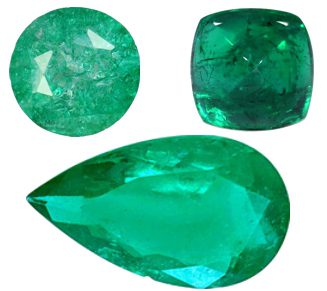
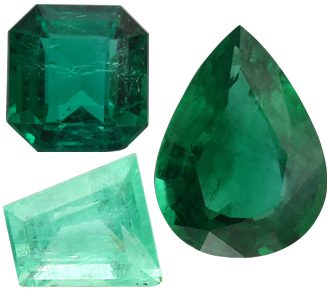
Emerald does not have “one green”. It has an entire spectrum of green hues, and understanding these differences is the key to knowing what makes one emerald ordinary and another worth a fortune.
At gemmological level, emerald colour is defined by three factors:
- hue (the type of green)
- tone (how light or dark it is)
- saturation (how intense the green is).
Mohs Hardness and Durability

Emerald has a Mohs hardness of 7.5–8 but is brittle due to natural fractures. It has:
- Poor toughness
- Many internal inclusions
This means emerald should be worn in protective settings.
Treatments

Most emeralds are treated with oil or resin to improve clarity.
This is standard and accepted in the gemstone industry.
Care and Cleaning
Avoid:
- Ultrasonic cleaners
- Steam
- Heat
- Harsh chemicals
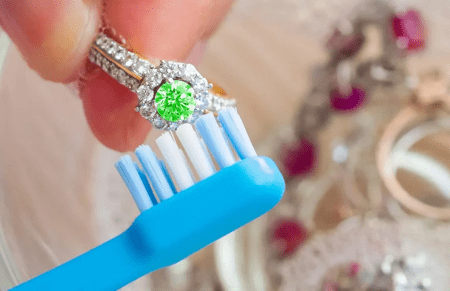
Safe cleaning:
- Warm water
- Mild soap
- Soft brush
Store emerald separately from diamonds and sapphires.
Major Origins
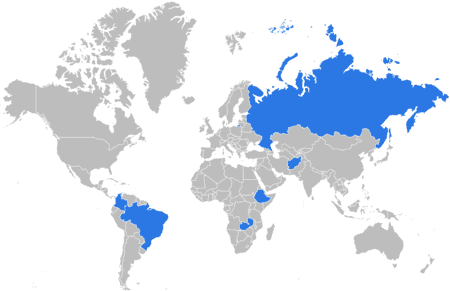
Major emerald sources:
- Colombia (Muzo, Chivor)
- Zambia
- Brazil
- Ethiopia
- Afghanistan
- Russia
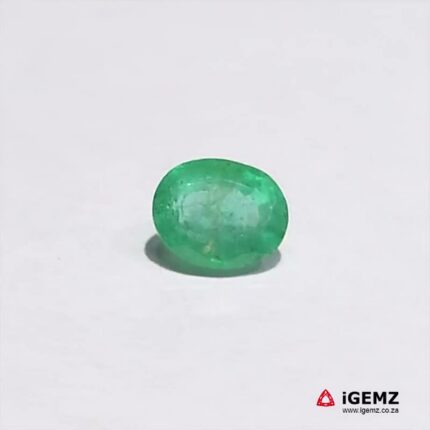

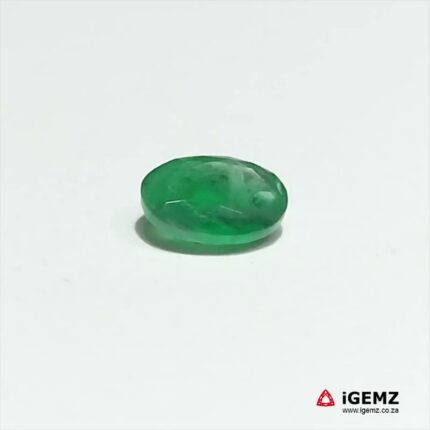
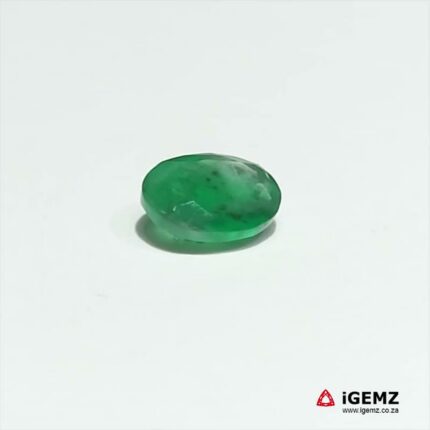
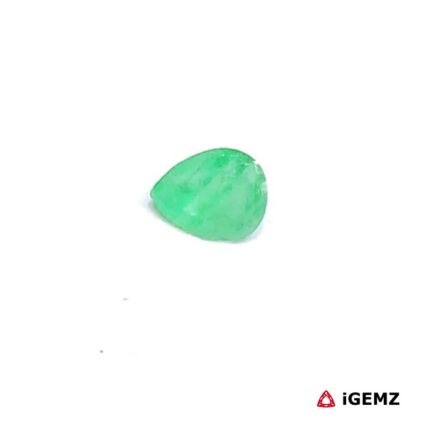
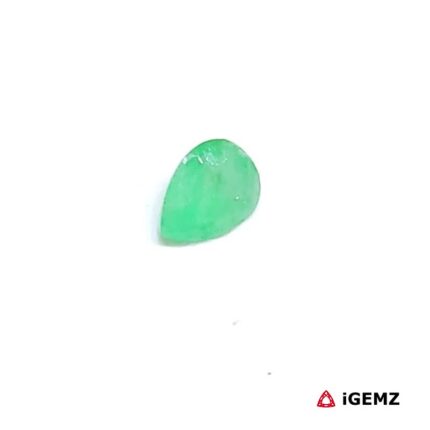
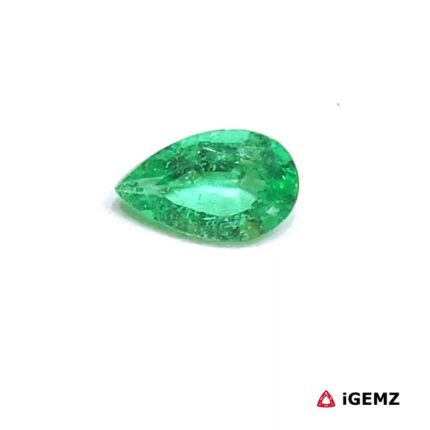
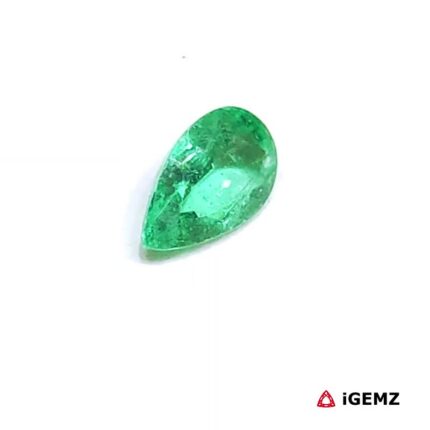
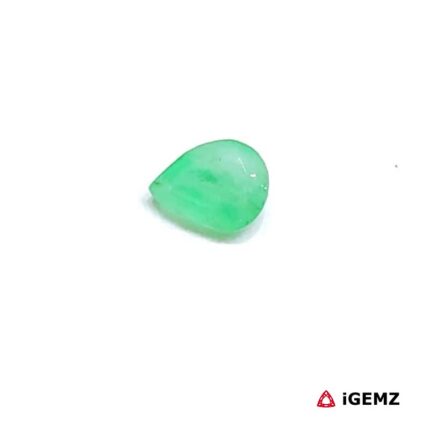
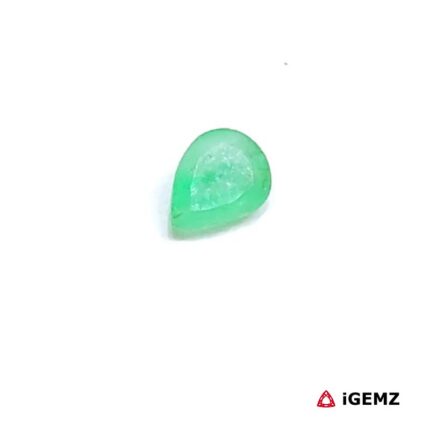
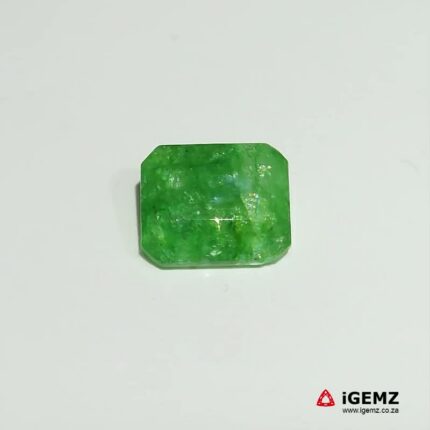
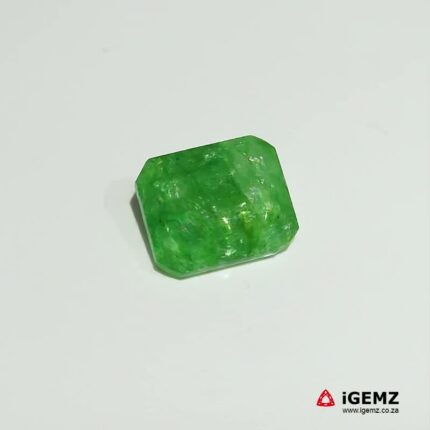
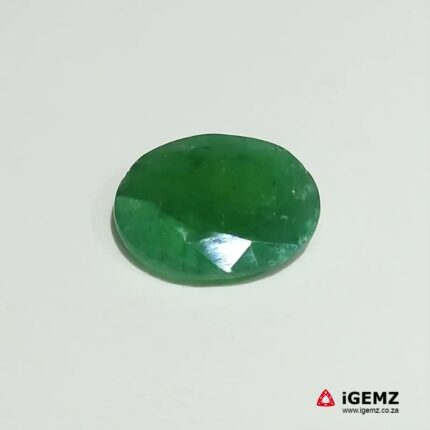
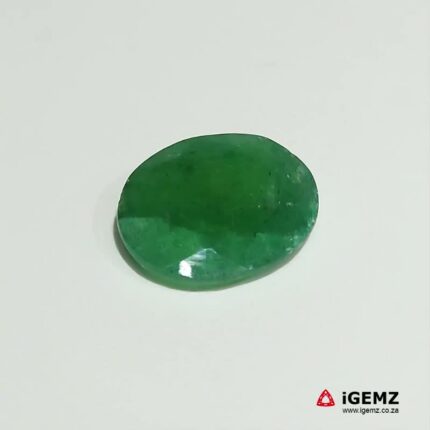
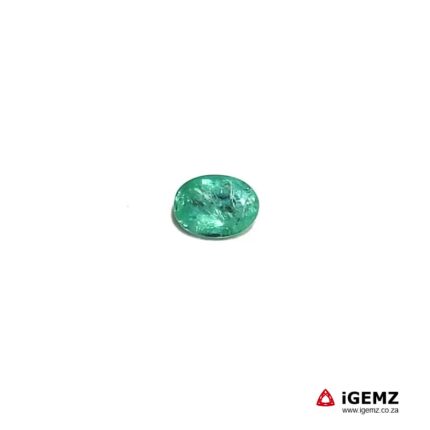
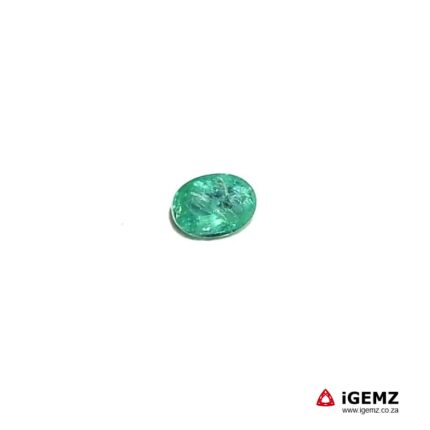
Natural Green Emerald 9.03 ct Loose Gemstone | iGemz20593
SKU:
iGemz20593
Original price was: R42,452.00.R21,226.00Current price is: R21,226.00.
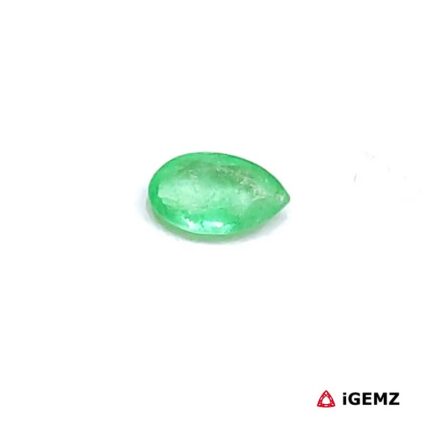
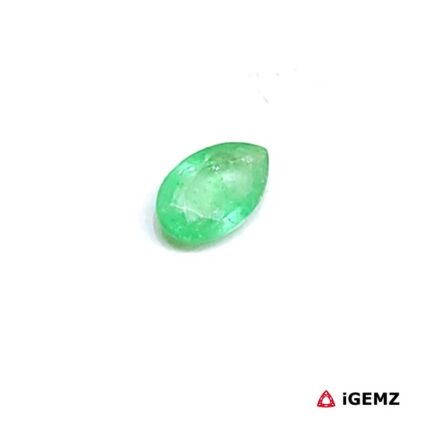
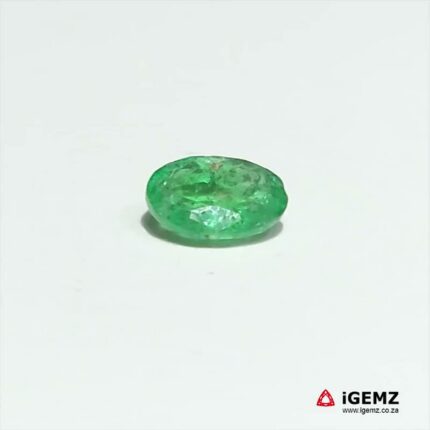
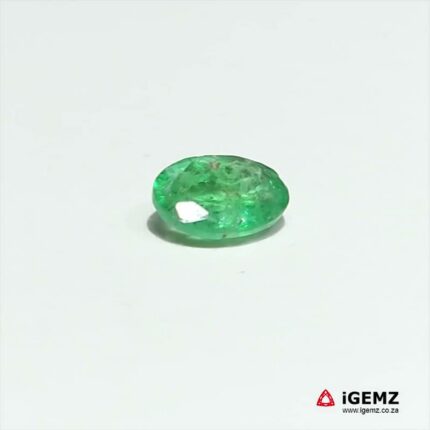
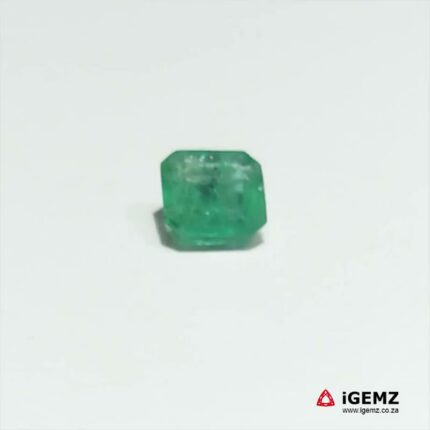
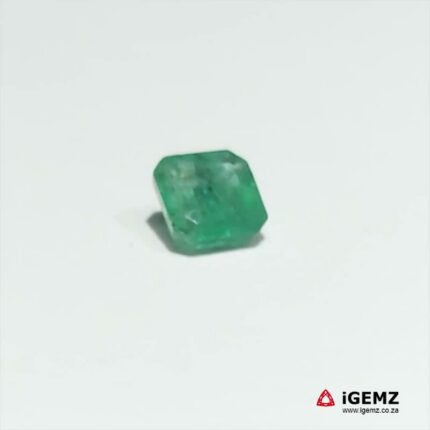
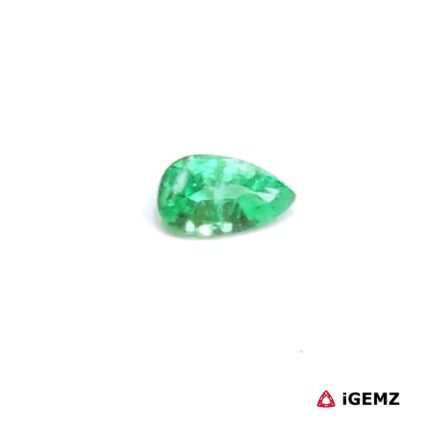
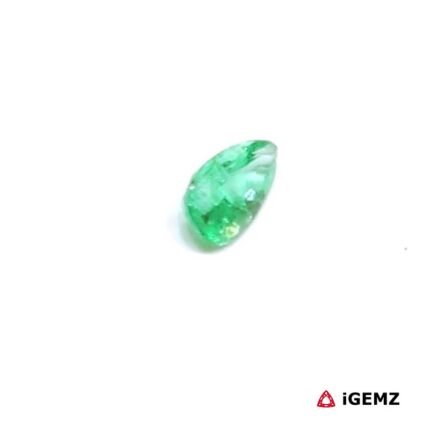
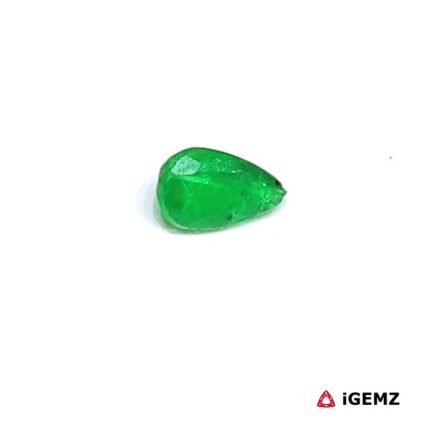
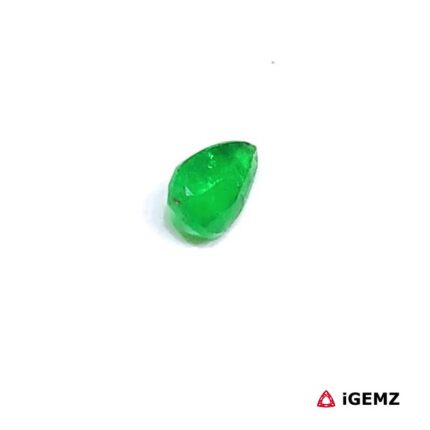
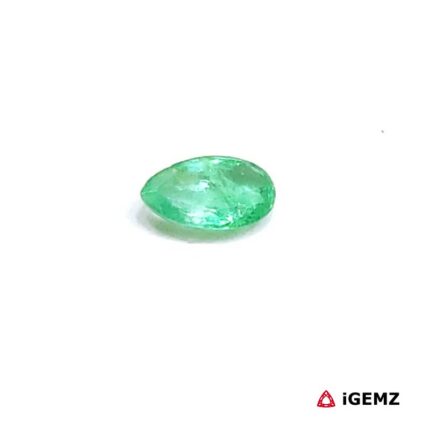
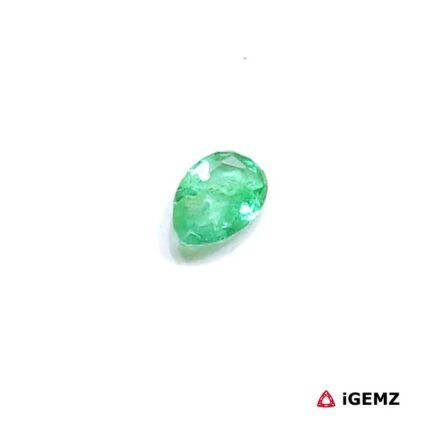
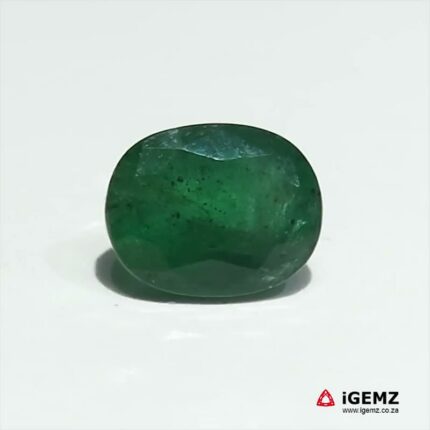
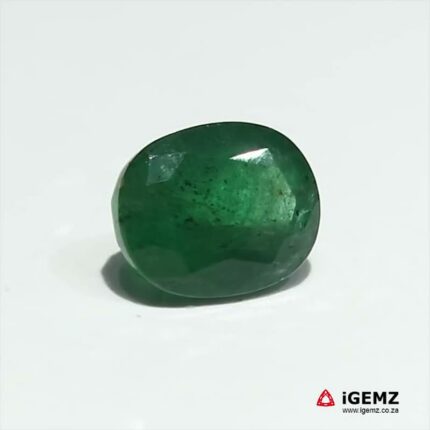
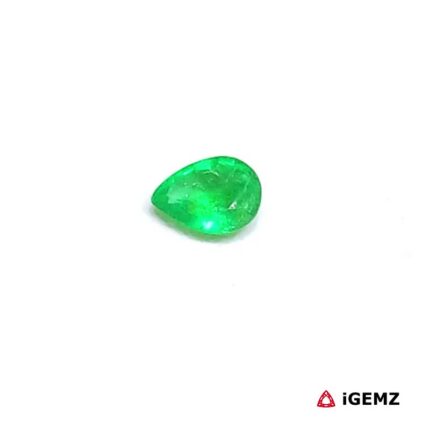
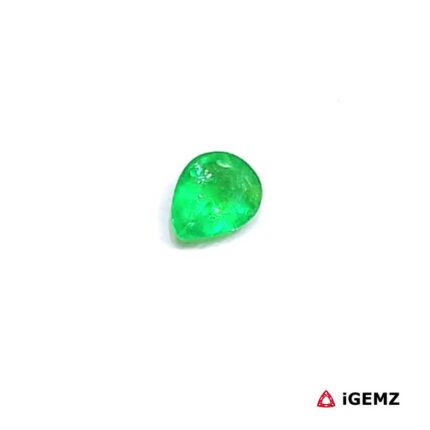
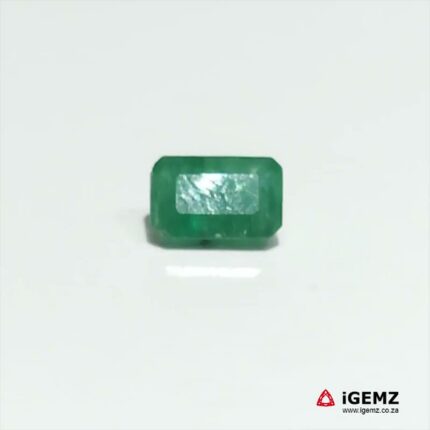
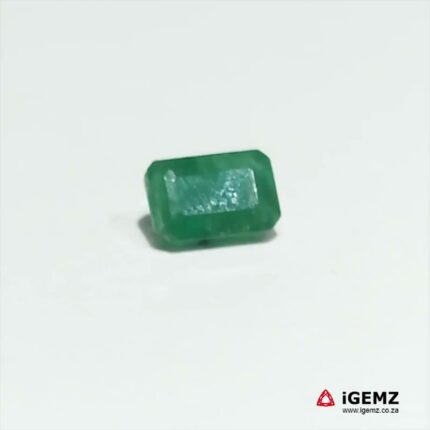
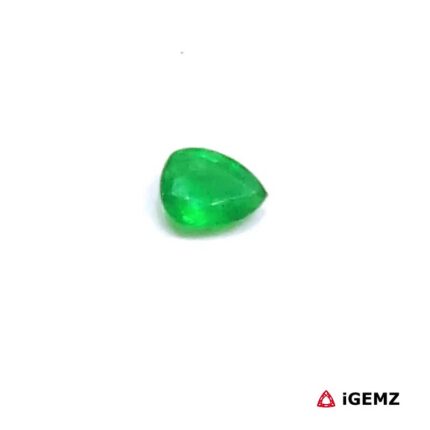
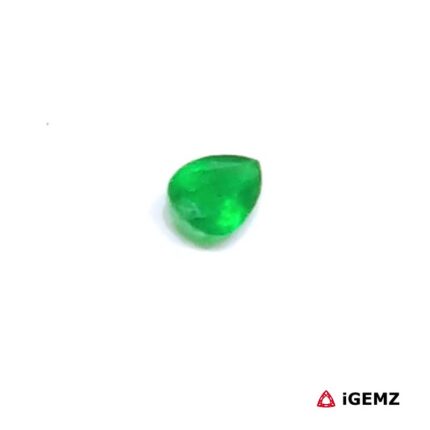
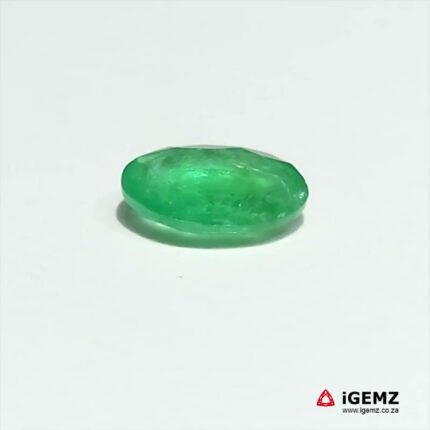
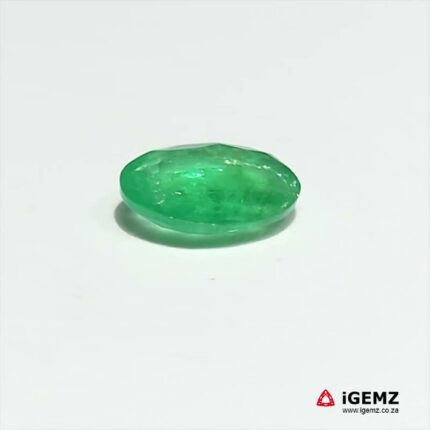
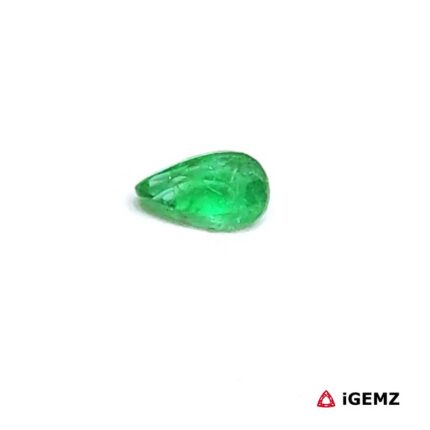
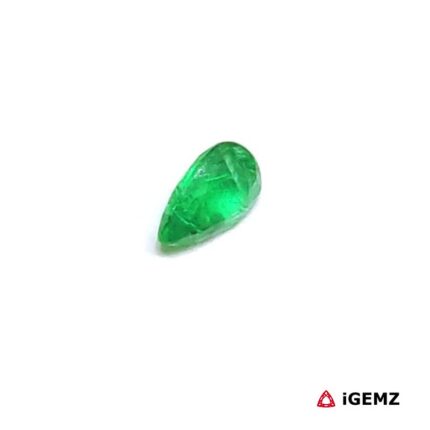
Natural Green Emerald 10.72 ct Loose Gemstone | iGemz20597
SKU:
iGemz20597
Original price was: R48,396.00.R24,198.00Current price is: R24,198.00.
Frequently Asked Questions
Is emerald a natural gemstone?
Yes, emerald is a natural gemstone and the green variety of beryl.
Does emerald occur in colours other than green?
No. Only green beryl is called emerald.
Is emerald treated?
Yes. Most emeralds are oiled to improve clarity.
Is emerald suitable for everyday wear?
Emerald is brittle and should be worn in protective settings.
How can I tell if an emerald is real?
Natural emeralds contain jardin (inclusions).
Where does the best emerald come from?
Colombia produces the finest emeralds.
Why are emeralds included?
They form under intense geological stress.
What is emerald made of?
Beryllium aluminium silicate.
Are synthetic emeralds real?
They are lab-grown but chemically identical.
Why are emeralds valuable?
Because fine emeralds are extremely rare.