


 1st - Gold
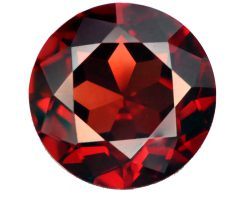 January
 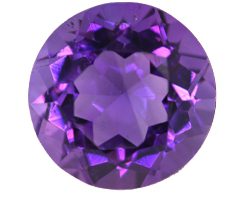 February
 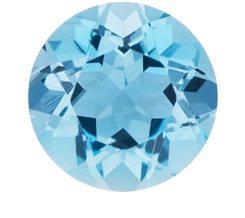 March
March 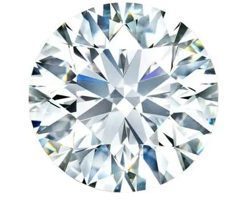 April
April 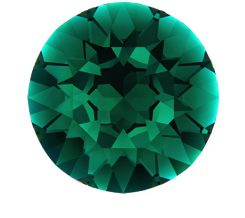 May
May 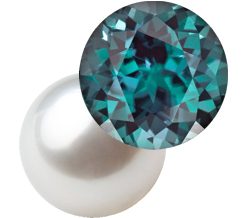 June
June 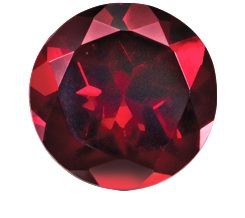 July
July 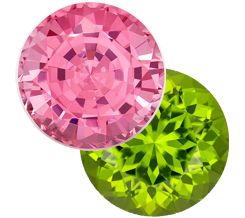 August
 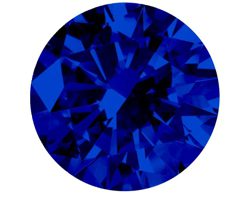 September
 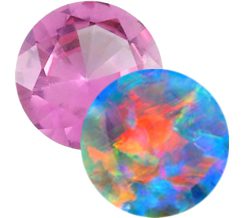 October
 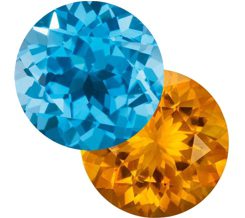 November
 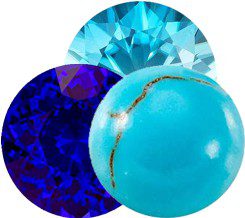 December
 Capricorn - Garnet
  Aquarius - Amethyst
  Pisces - Aquamarine
  Aries - Diamond
  Taurus - Emerald
  Gemini - Pearl
  Cancer - Ruby
  Leo - Peridot
  Virgo - Blue Sapphire
  Libra - Opal
  Scorpio - Topaz
  Sagittarius - Tanzanite

Sapphire Gemstones – Properties, Origins, Treatments and Buying Guide
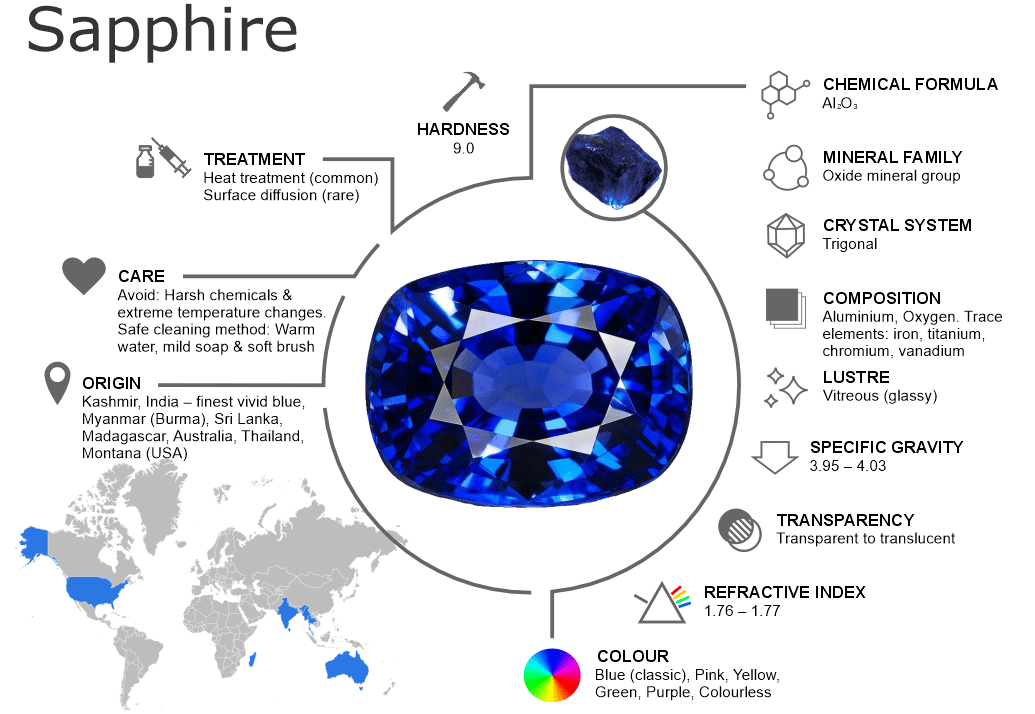
Sapphire is a precious gemstone and a variety of corundum, most famously blue but also found in other colours. Renowned for its durability and brilliance, sapphire has been treasured for centuries by royalty, collectors, and jewellery enthusiasts.
In this guide we examine sapphire from a professional gemmological perspective, covering its properties, crystal structure, treatments, origins, and tips for identifying high-quality stones.
What Is Sapphire?
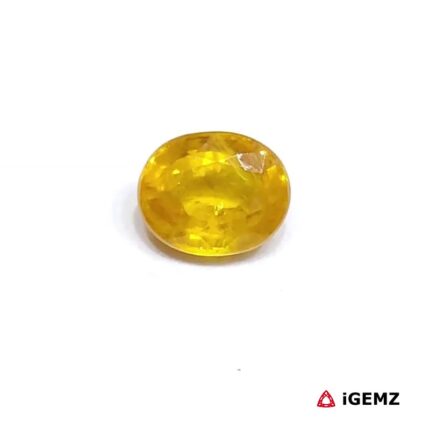
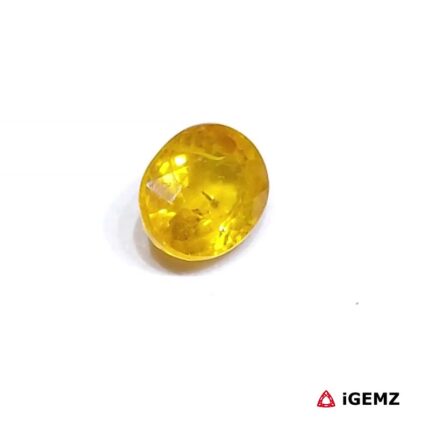
Sapphire is the gem-quality form of corundum, an aluminium oxide mineral. Trace elements such as iron and titanium produce blue colours, while chromium, vanadium, and other elements create pink, yellow, and other hues.
Sapphire is formed in metamorphic and igneous rocks and is known for its exceptional hardness and brilliance.
Mineral Composition
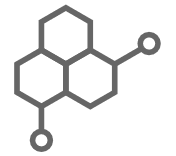
Sapphire has the chemical formula:
Al₂O₃
It is composed primarily of:
- Aluminium
- Oxygen
- Trace elements: iron, titanium, chromium, vanadium (colour variation)
The presence and combination of trace elements determines the sapphire’s colour and intensity.
Mineral Family and Crystal System

Sapphire belongs to the oxide mineral group and crystallises in the trigonal crystal system. This structure contributes to its high durability, characteristic hexagonal prismatic crystals, and optical properties.
Optical and Physical Properties
Sapphire is prized for its combination of brilliance, durability, and refractive properties that make it highly sought-after for jewellery.

Lustre
Sapphire exhibits a vitreous (glassy) lustre, creating a bright, reflective surface on well-cut stones.

Transparency
Gem-quality sapphire is transparent. Lower-grade material is used for cabochons or ornamental carving.

Refractive Index
1.76 – 1.77. Sapphire has strong brilliance and minimal double refraction, enhancing clarity and sparkle.

Specific Gravity
3.95 – 4.03. Sapphire is heavier than most gemstones, contributing to its solid feel and quality perception.
Colour Range
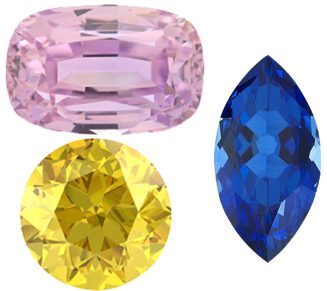
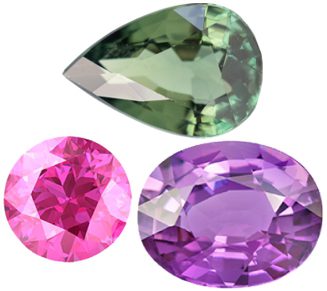
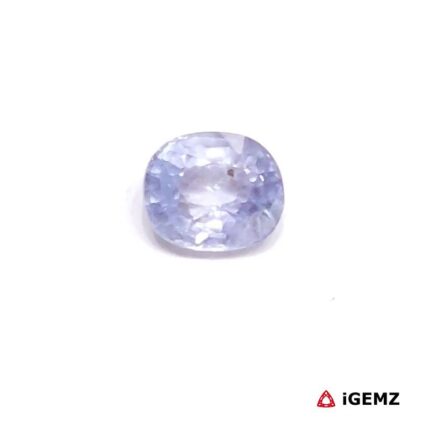
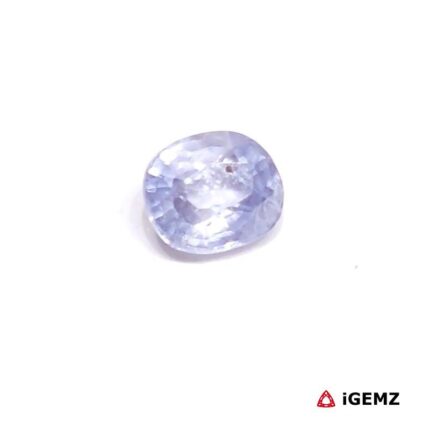
Sapphire occurs in multiple colours depending on trace elements:
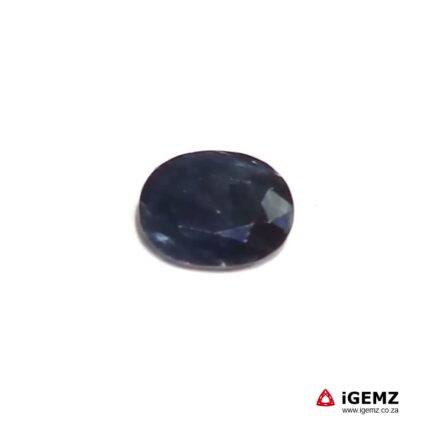
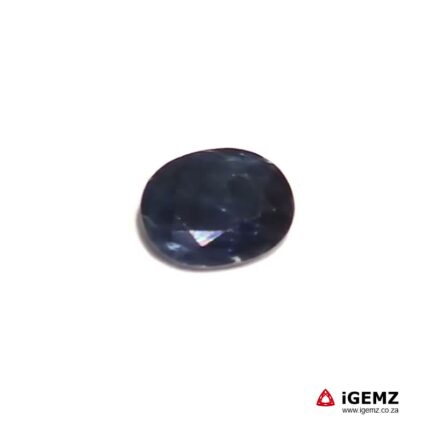
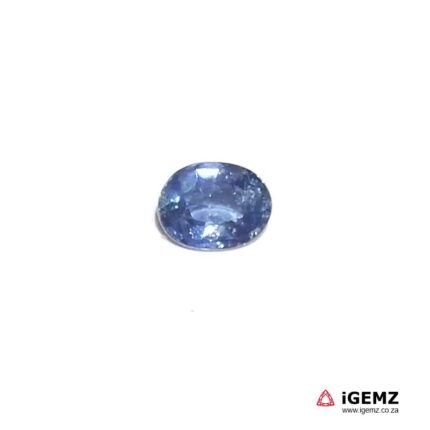
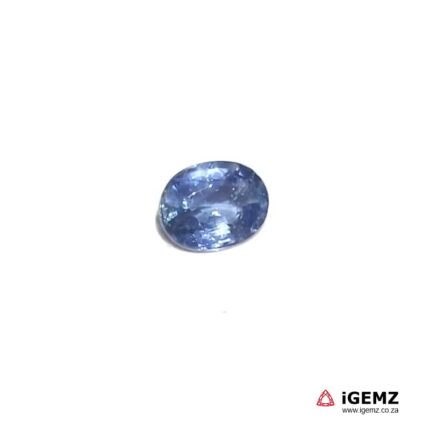
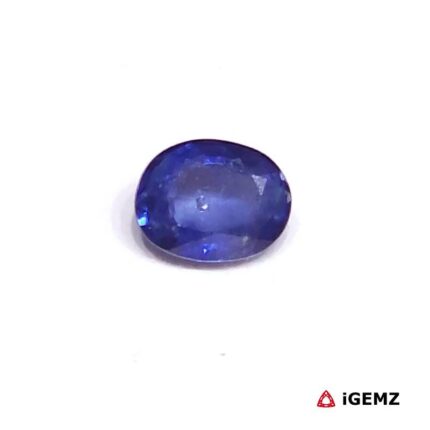
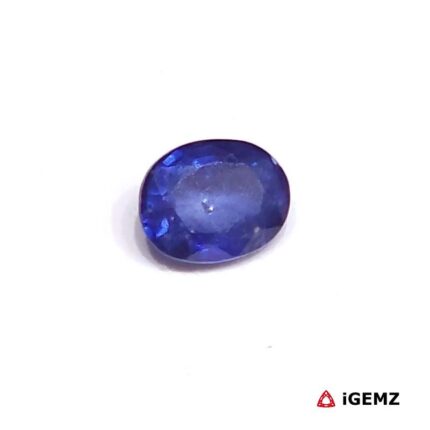
- Blue (classic)
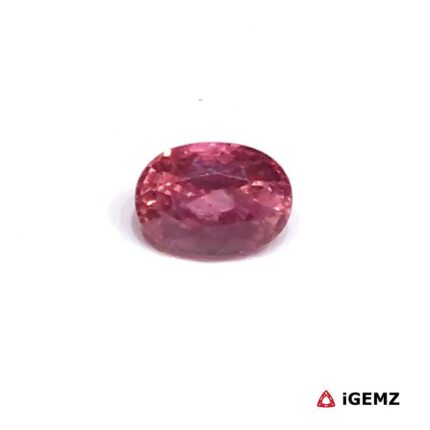
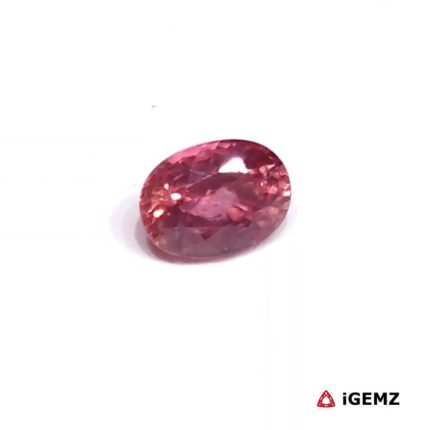
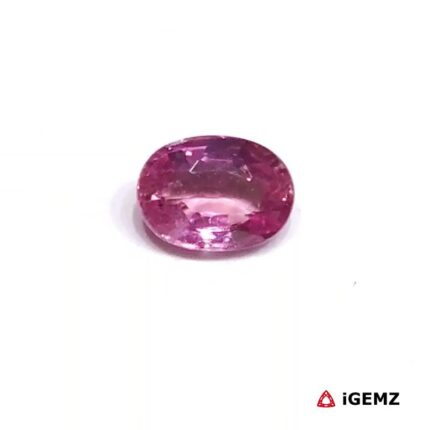
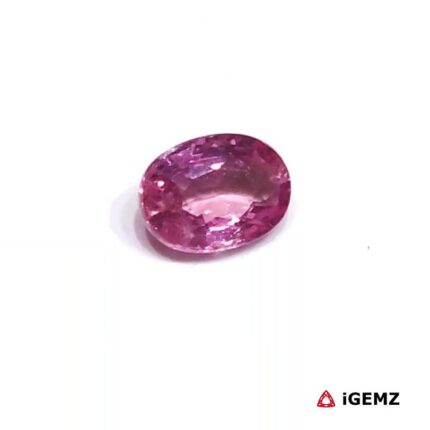
- Pink
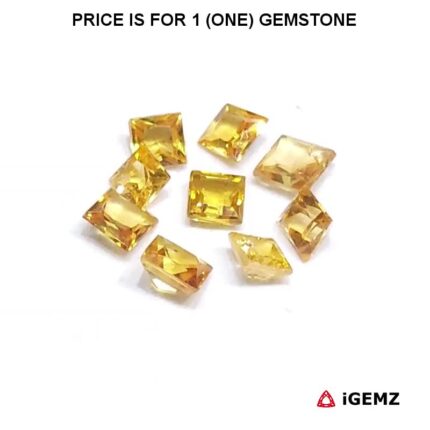
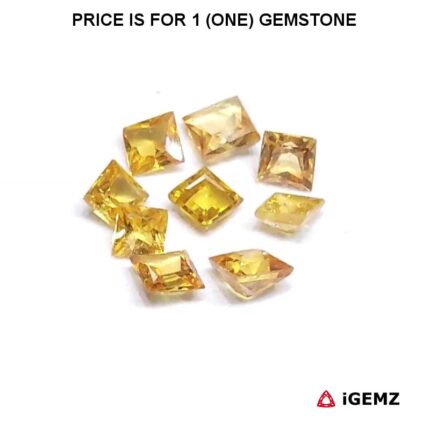
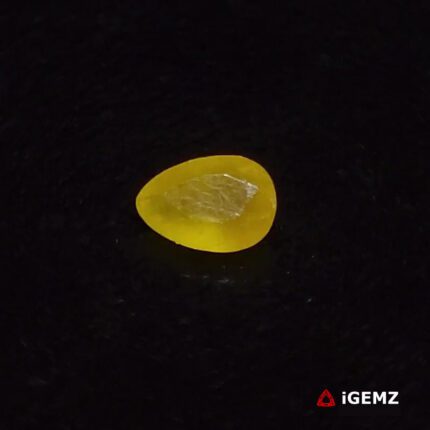
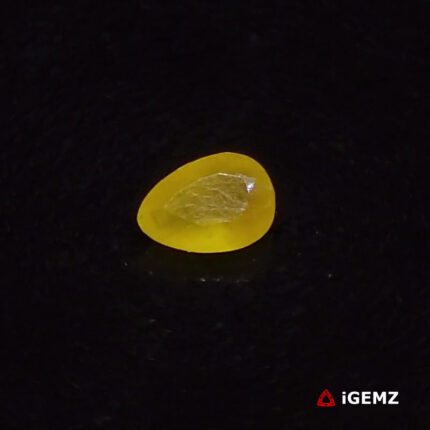
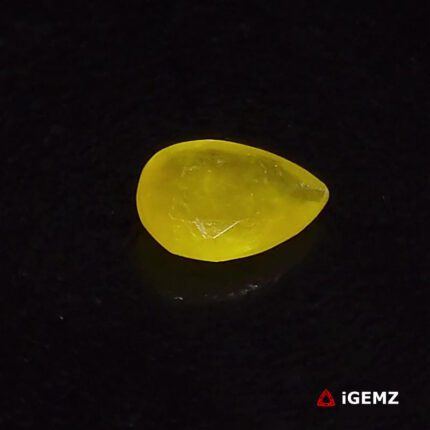
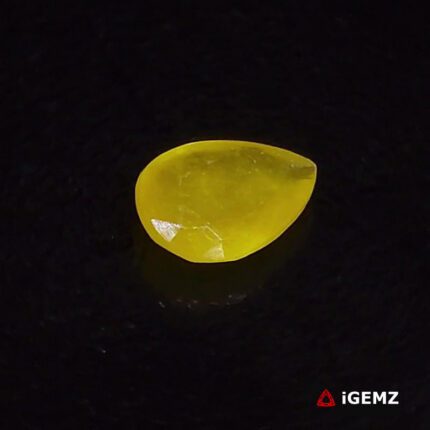
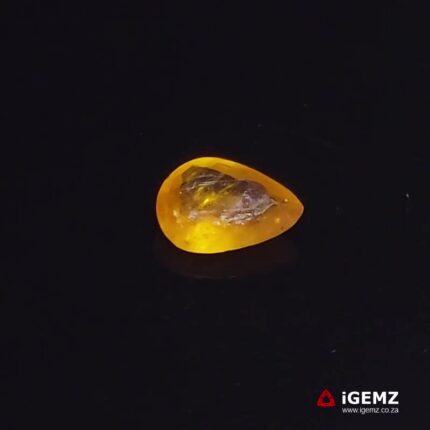
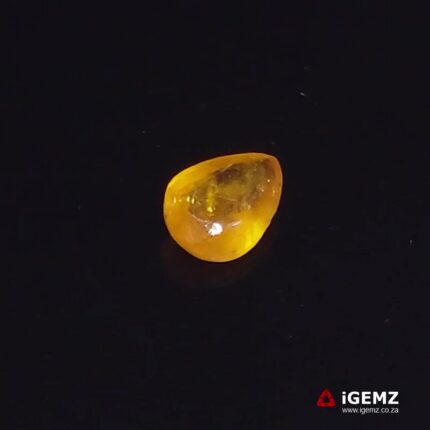
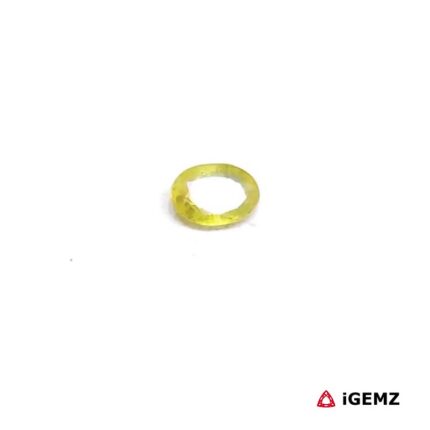
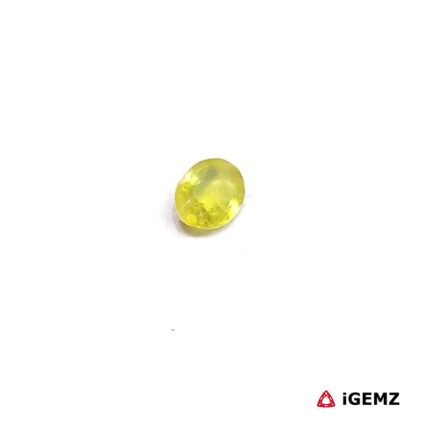
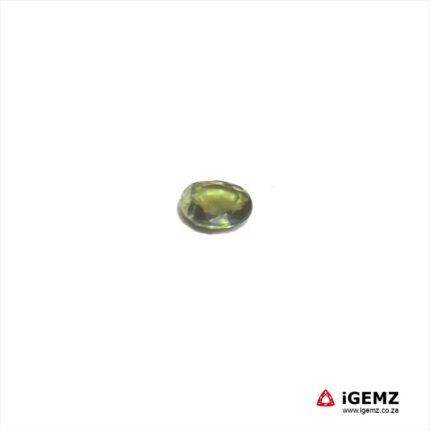
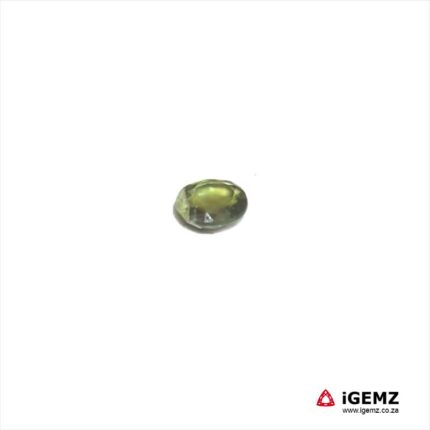
- Yellow
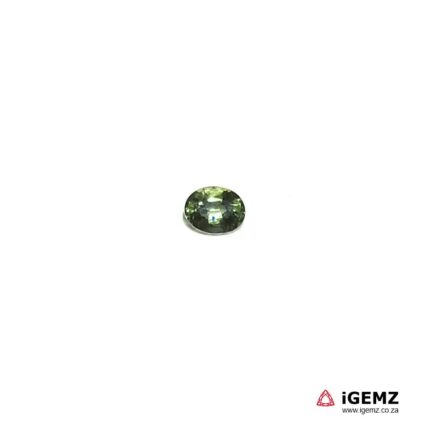
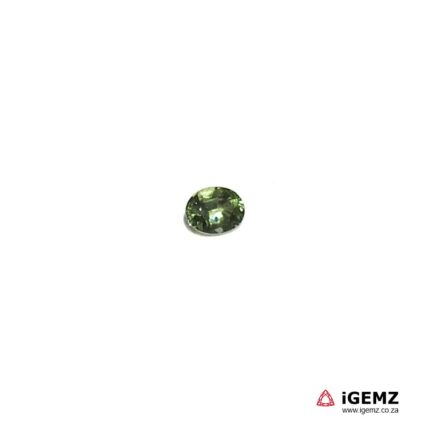
- Green
- Purple
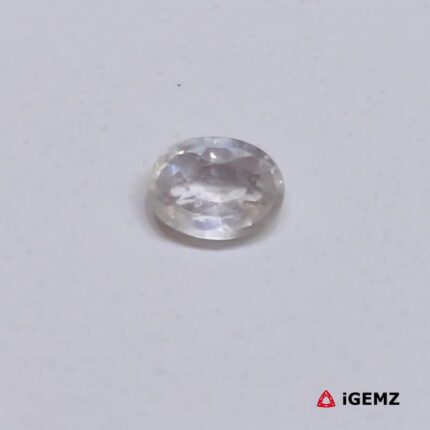
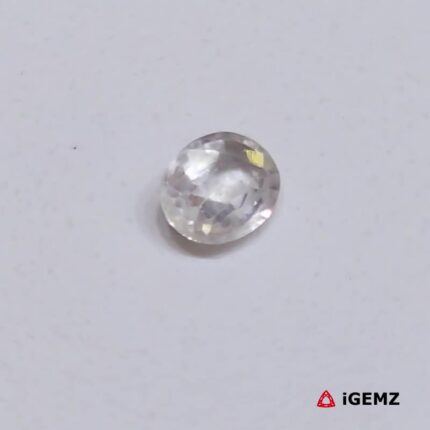
- Colourless (white sapphire)
The most valued sapphires are vivid, saturated blue with strong clarity and brilliance.
Mohs Hardness and Durability

Sapphire has a Mohs hardness of 9, making it extremely durable.
It also has:
- Excellent cleavage resistance
- High toughness
This makes sapphire ideal for all types of jewellery, including rings worn daily.
Treatments

Most sapphires are heat-treated to enhance colour and clarity.
Common treatments:
- Heat treatment (standard)
- Surface diffusion (rare)
Untreated sapphires are rare and significantly more valuable.
Care and Cleaning
Sapphire is durable but still benefits from proper care:
Avoid:
- Harsh chemicals
- Extreme temperature changes
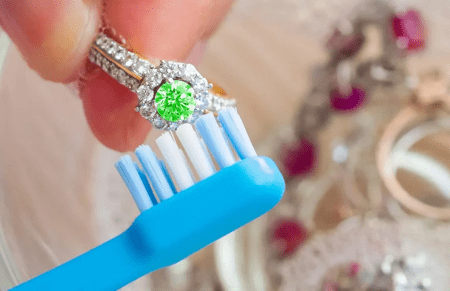
Safe cleaning method:
- Warm water
- Mild soap
- Soft brush or cloth
Major Origins

Important sources of sapphire include:
- Kashmir, India – finest vivid blue material
- Myanmar (Burma)
- Sri Lanka
- Madagascar
- Australia
- Thailand
- Montana, USA
Frequently Asked Questions
Is sapphire a natural gemstone?
Yes, <a href=”https://www.igemz.co.za/product-category/natural-gemstones/sapphire/” target=”_blank” rel=”noopener”>sapphire</a> is a naturally occurring gemstone and a variety of corundum.
Does sapphire come in colours other than blue?
Yes, <a href=”https://www.igemz.co.za/product-category/natural-gemstones/sapphire/” target=”_blank” rel=”noopener”>sapphire</a> can be pink, yellow, green, purple, or colourless. Red sapphires are classified as rubies.
Is sapphire usually treated?
Most sapphires are heat-treated to enhance colour and clarity, though untreated stones exist and are highly valued.
Can sapphire be worn every day?
Yes, <a href=”https://www.igemz.co.za/product-category/natural-gemstones/sapphire/” target=”_blank” rel=”noopener”>sapphire</a> is extremely hard and durable, ideal for rings, pendants and other daily wear jewellery.
How can I tell if a sapphire is real?
Natural sapphire shows characteristic inclusions and brilliance, and can be verified by gemmological testing.
Where does the best sapphire come from?
The finest sapphires come from Kashmir, Myanmar, Sri Lanka, Madagascar, and Australia.
Are synthetic sapphires real gemstones?
Yes. Lab-grown sapphire has the same chemical composition and hardness as natural sapphire, but is generally more affordable.
Why are sapphires heat-treated?
Heat treatment improves colour saturation and clarity, removing inclusions and enhancing appearance.
What is the chemical formula of sapphire?
Al₂O₃ – aluminium oxide, with trace elements determining colour.
What colours of sapphire are most valuable?
Vivid, saturated blue sapphires with high clarity are considered the most valuable, followed by rare pink and padparadscha varieties.