

 1st - Gold
 January
 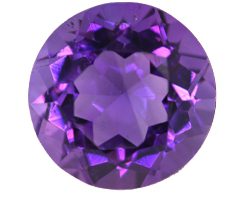 February
 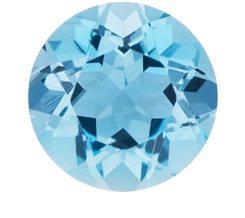 March
March 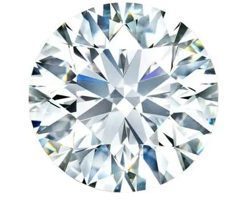 April
April 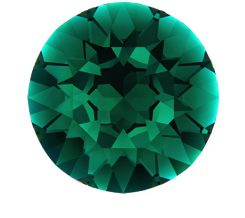 May
May 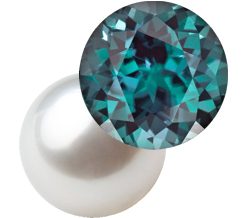 June
June 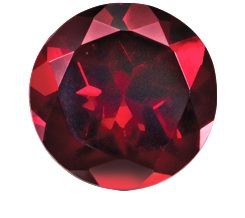 July
July 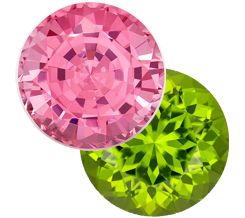 August
 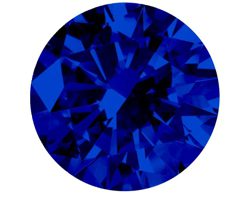 September
 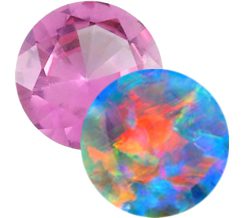 October
 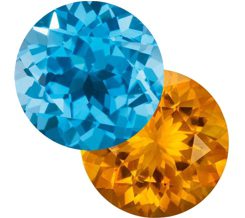 November
 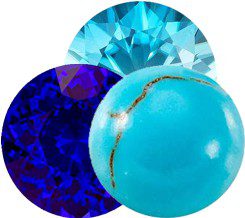 December
 Capricorn - Garnet
  Aquarius - Amethyst
  Pisces - Aquamarine
  Aries - Diamond
  Taurus - Emerald
  Gemini - Pearl
  Cancer - Ruby
  Leo - Peridot
  Virgo - Blue Sapphire
  Libra - Opal
  Scorpio - Topaz
  Sagittarius - Tanzanite

Ruby Gemstones – Properties, Origins, Treatments and Buying Guide
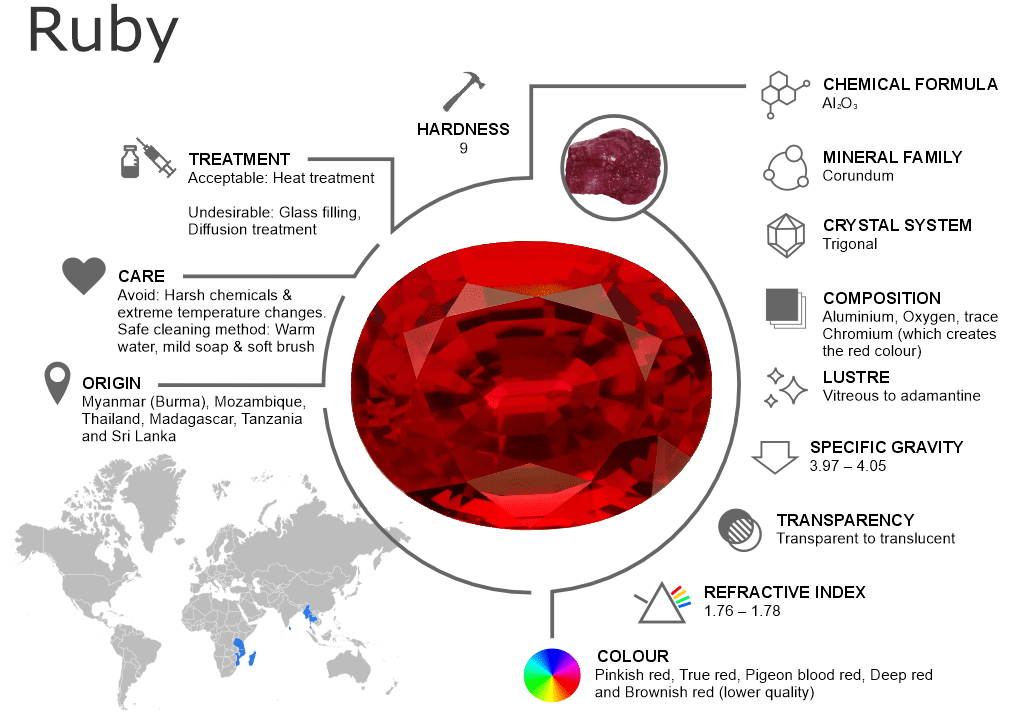
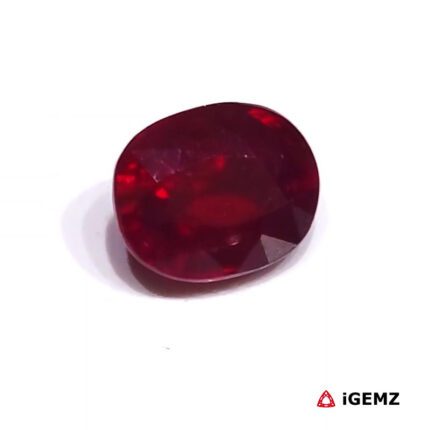
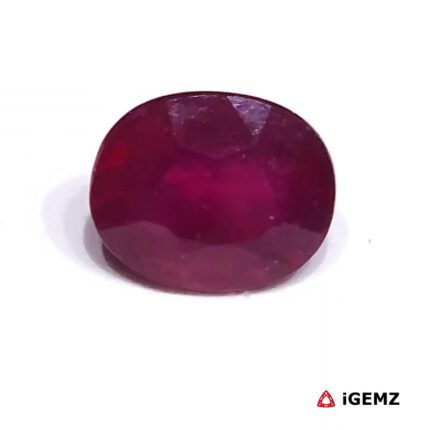
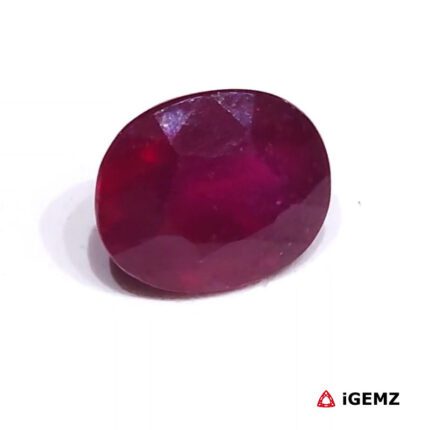
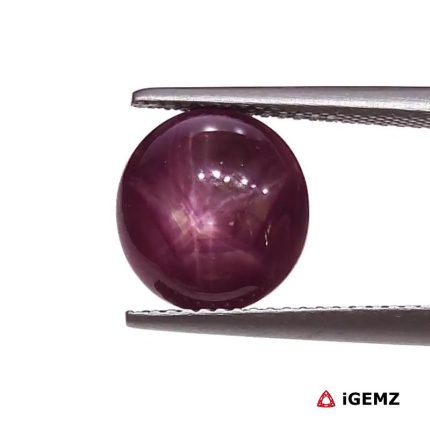
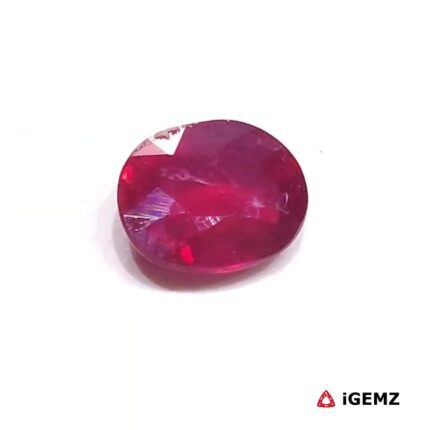
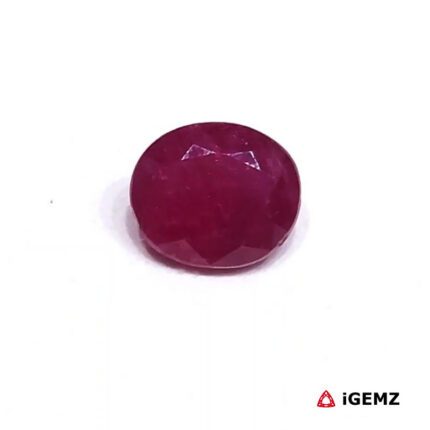
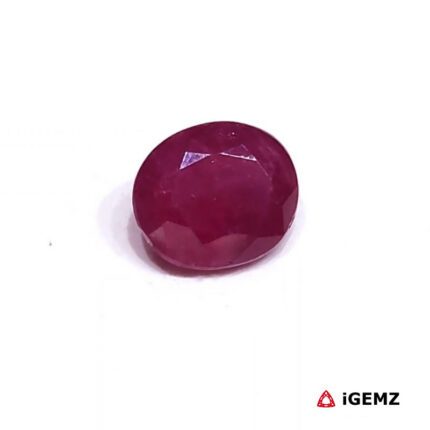
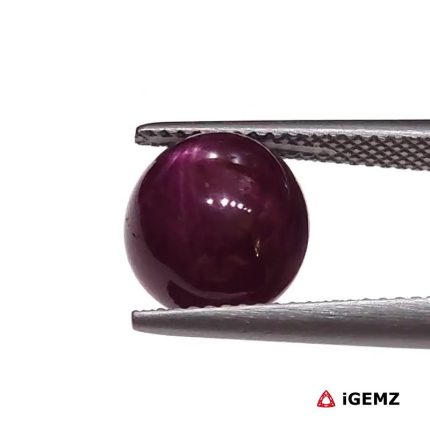
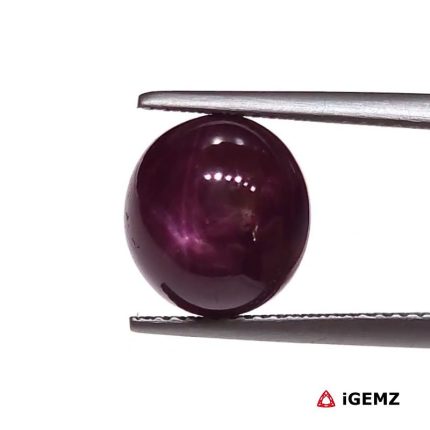
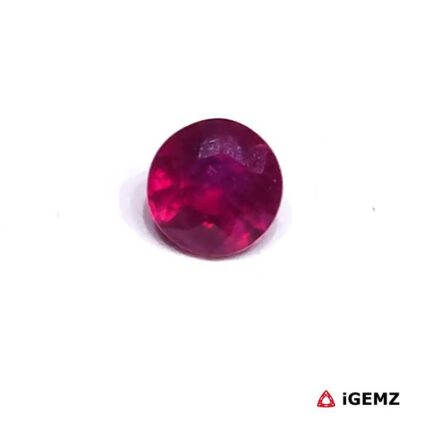
Ruby is one of the most valuable and historically important gemstones ever discovered. Prized for its intense red colour, exceptional durability and rarity, ruby has symbolised power, protection and passion for thousands of years. From royal crowns to high jewellery, natural ruby remains one of the most desirable gemstones in the world.
In this guide we examine ruby from a professional gemmological and commercial perspective, including its physical properties, mineral structure, treatments, durability, origins and how to identify high-quality natural stones.
What Is Ruby?
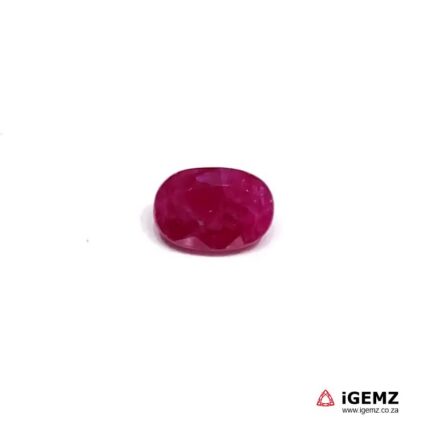
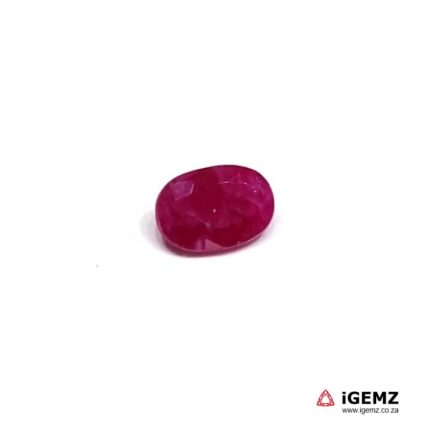
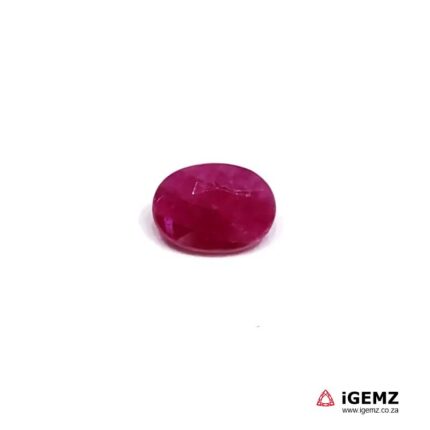
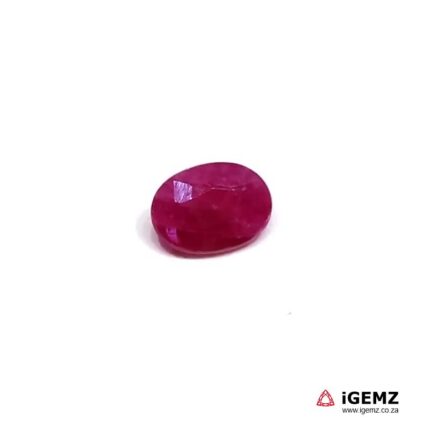
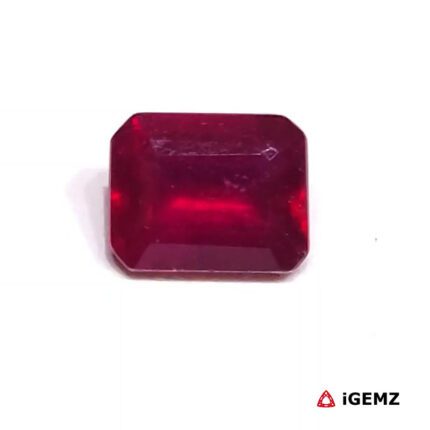
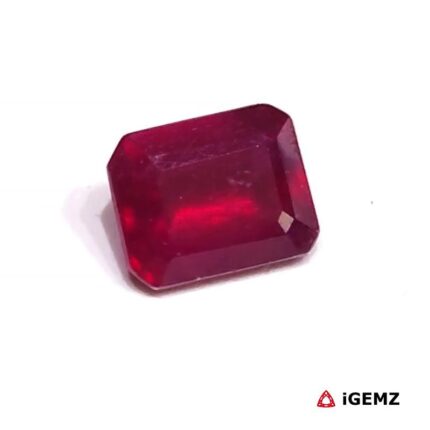
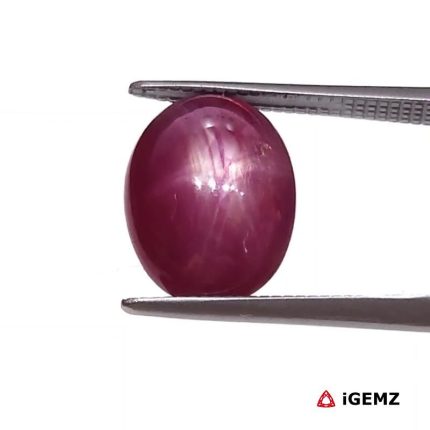
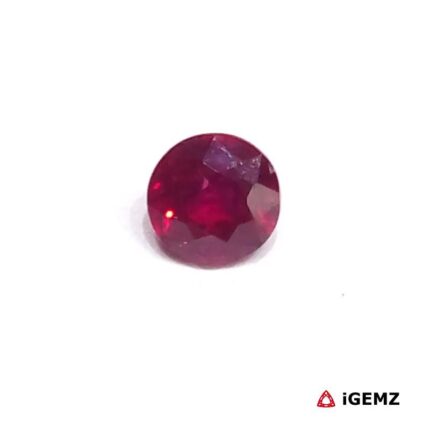
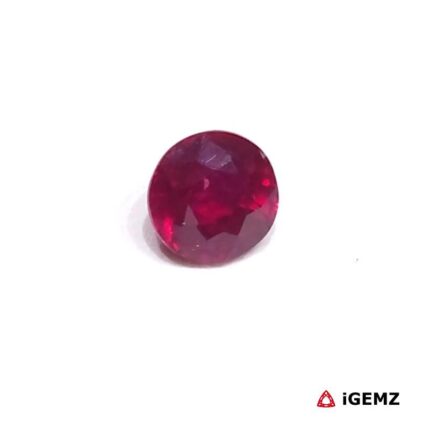
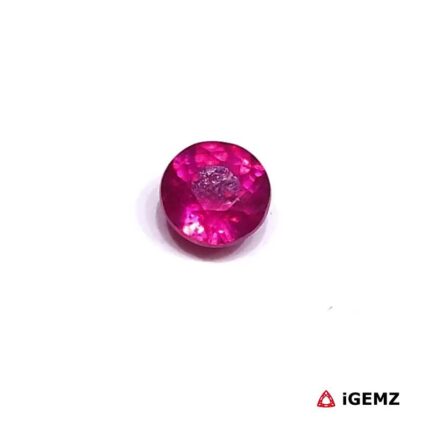
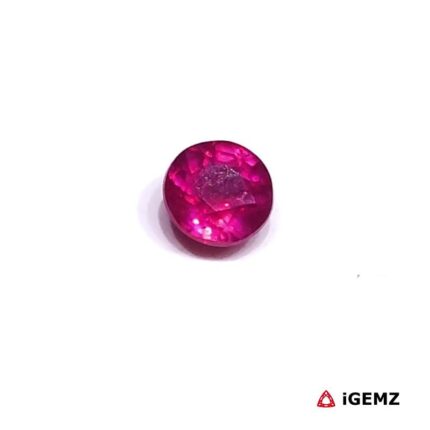
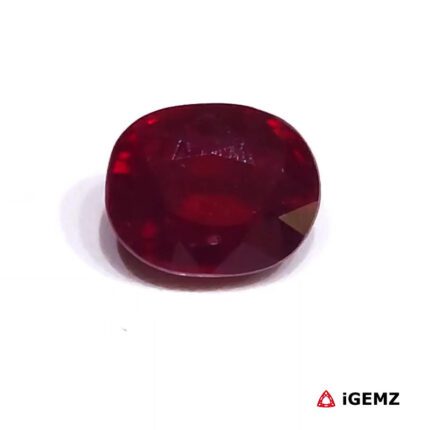
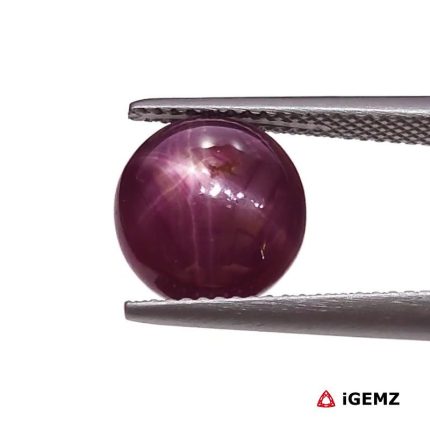
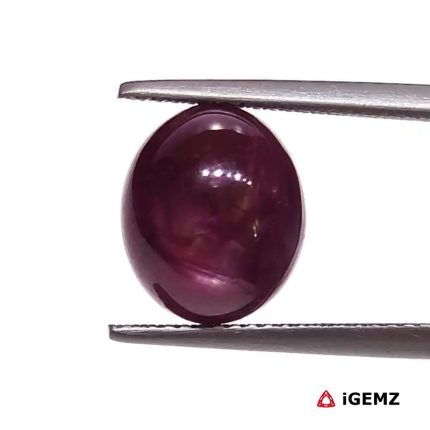
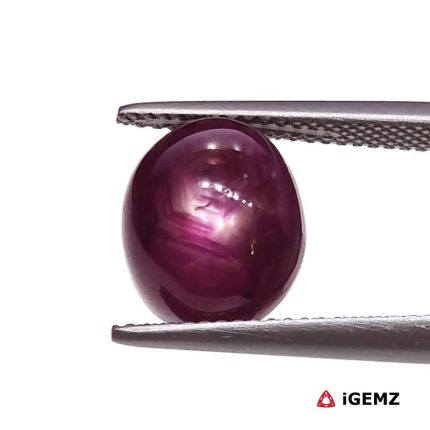
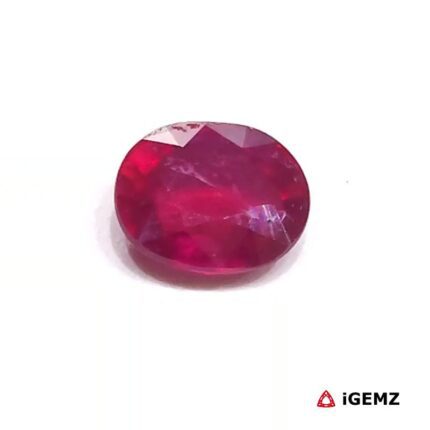
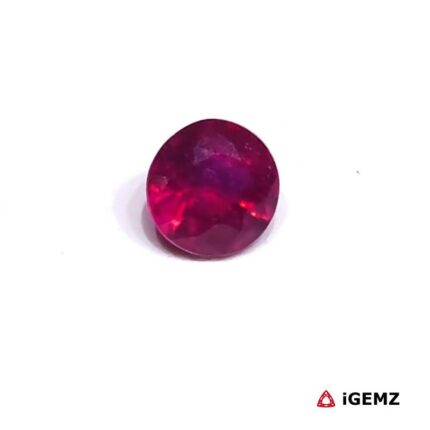
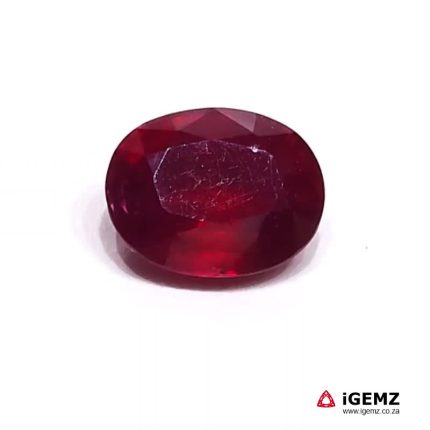
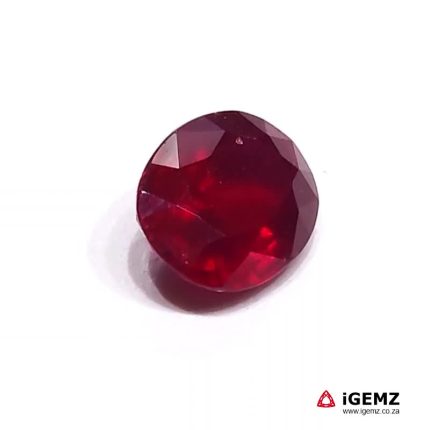
Ruby is the red variety of the mineral corundum, composed of aluminium oxide. The red colour is caused by trace amounts of chromium within the crystal structure. When corundum occurs in any other colour, it is classified as sapphire — only red corundum is ruby.
This makes ruby one of the hardest, most chemically stable and most valuable gemstones used in fine jewellery.
Mineral Composition
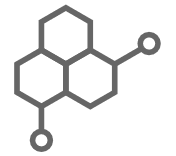
Ruby has the chemical formula:
Al₂O₃
It is composed of:
- Aluminium
- Oxygen
- Trace chromium (which creates the red colour)
The higher the chromium content, the richer and more valuable the ruby becomes.
Mineral Family and Crystal System

Ruby belongs to the oxide mineral group, specifically the corundum family.
Its crystal system is trigonal, giving ruby exceptional structural strength and stability.
Optical and Physical Properties

Lustre
Ruby has a vitreous to adamantine lustre, producing intense brilliance.

Transparency
Fine ruby is transparent, while lower grades are translucent.

Refractive index
1.76 – 1.78

Specific gravity
3.97 – 4.05
Colour Range
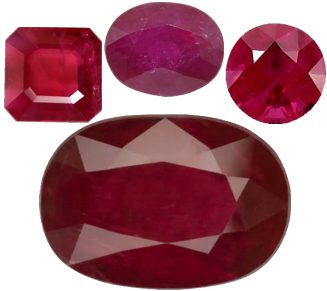
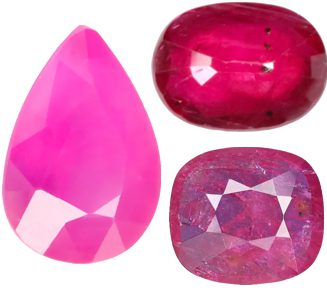
Ruby ranges from:
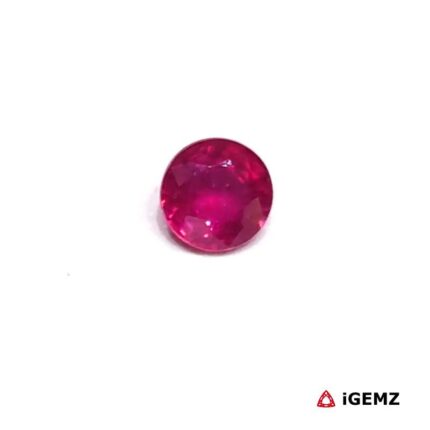
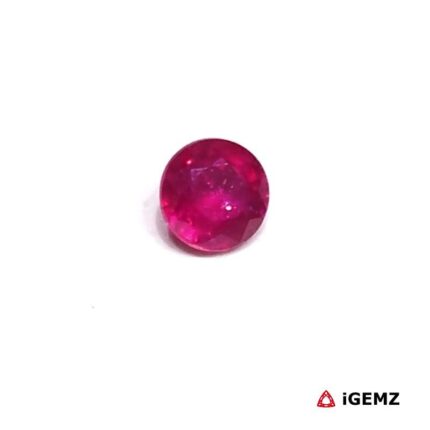
- Pinkish red
- True red
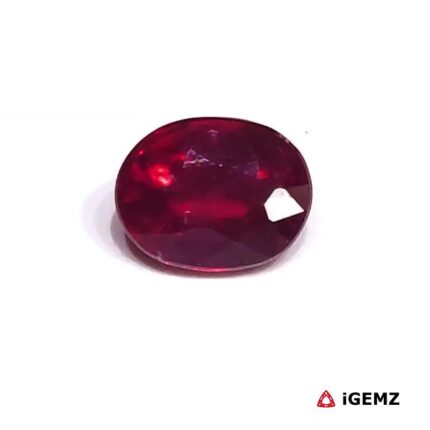
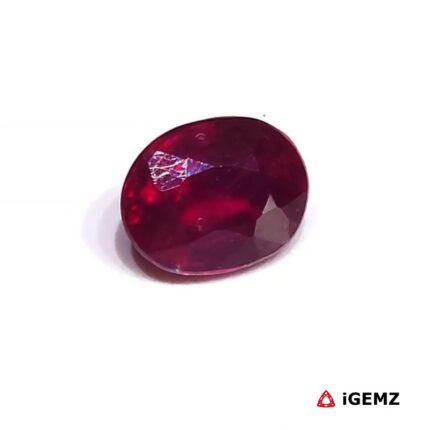
- Pigeon blood red
- Deep red
- Brownish red (lower quality)
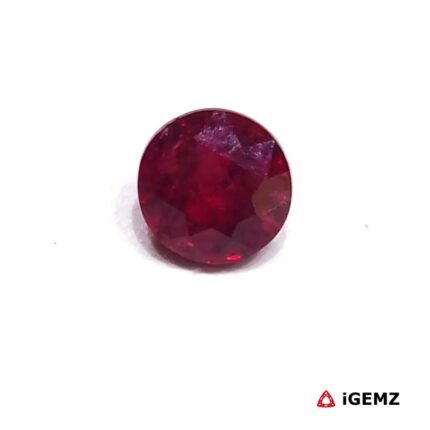
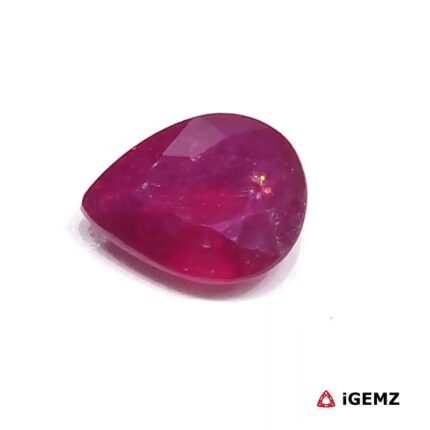
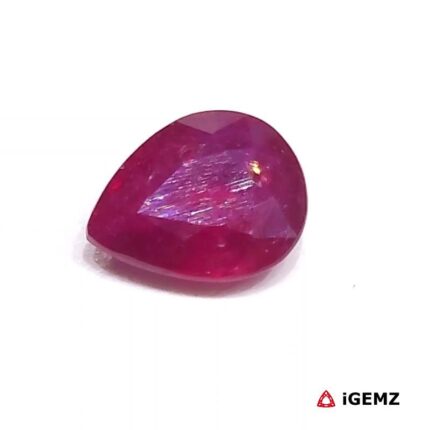
The finest rubies show a vivid, glowing red with no brown or purple undertones.
Mohs Hardness and Durability

Ruby has a Mohs hardness of 9, making it one of the hardest gemstones after diamond.
It has:
- Excellent toughness
- No cleavage
This makes ruby ideal for engagement rings and daily wear jewellery.
Treatments
Most rubies are heat treated to improve colour and clarity.
Acceptable:
- Heat treatment
Undesirable:
- Glass filling
- Diffusion treatment
Always demand full treatment disclosure when buying ruby.
Care and Cleaning
Ruby is extremely durable but still requires sensible care.
Avoid:
- Harsh chemicals
- Acid cleaners
- Blows from hard surfaces
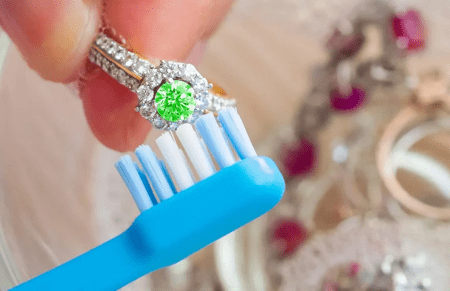
Safe cleaning:
- Warm water
- Mild soap
- Soft brush
Ultrasonic cleaners are safe for untreated rubies but not for glass-filled stones.
Major Origins

Major ruby sources include:
- Myanmar (Burma)
- Mozambique
- Thailand
- Madagascar
- Tanzania
- Sri Lanka


Frequently Asked Questions
Is ruby a natural gemstone?
Yes, <a href=”https://www.igemz.co.za/product-category/natural-gemstones/ruby/” target=”_blank”>ruby</a> is a naturally occurring gemstone and the red variety of corundum.
What makes ruby red?
Trace amounts of chromium inside the crystal structure create ruby’s red colour.
Is ruby harder than sapphire?
No. Ruby and sapphire are both corundum and have the same hardness of 9 on the Mohs scale.
Are rubies usually treated?
Yes. Most rubies are heat treated to improve colour and clarity, which is fully accepted in the gem trade.
What is pigeon blood ruby?
It refers to a vivid, pure red ruby with exceptional saturation and no brown or purple tones.
Where do the best rubies come from?
Myanmar and Mozambique are famous for producing the finest quality rubies.
Can ruby be worn every day?
Yes. Ruby is extremely durable and ideal for everyday jewellery, including rings.
Is synthetic ruby real?
Synthetic ruby has the same chemistry as natural ruby but is grown in a laboratory and is far less valuable.
How can I tell if a ruby is fake?
Fake rubies are often glass or composite stones. Natural rubies show natural inclusions and strong crystal structure.
Is ruby more valuable than diamond?
Fine quality natural ruby can be more valuable per carat than many diamonds.